Five years on, Great Green Wall Accelerator shows promise despite challenges
-
6 августа 2026
-
Story
-
Gender
-
Sustainable land management & restoration
A new report shows progress in restoring land, creating jobs and building resilience across the Sahel—while highlighting the scale of the work still ahead
In Garaké, Niger, a pond once choked by invasive plants has become a source of food, income and hope. After restoration work cleared the water and opened the land for crops, Abdoulaye Aboubacar began growing rice, maize, sugar cane, potatoes and sweet potatoes. He now feeds his family, sells the surplus and invests the income in other small businesses.
Stories like his bring to life a new report marking five years of the Great Green Wall Accelerator an effort launched to help turn one of Africa’s most ambitious environmental visions into tangible progress for communities on the ground.
Led by African countries and supported by partners including the United Nations Convention to Combat Desertification (UNCCD), the Great Green Wall (GGW) initiative has evolved from a bold vision into a growing effort to deliver results on the ground and at scale.
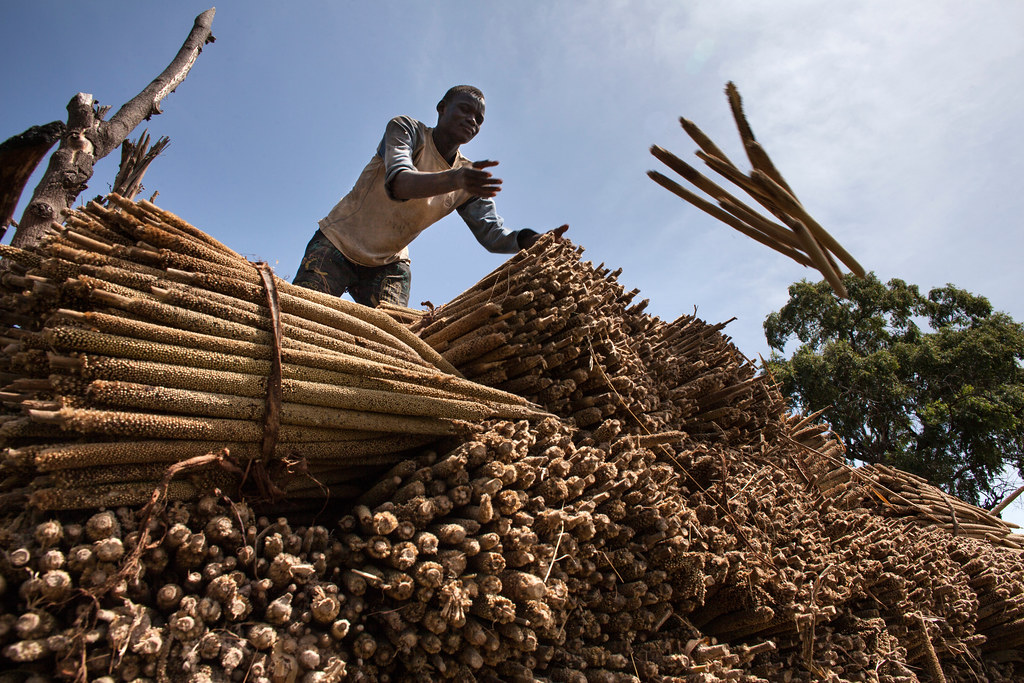
Senegal / Kaolack region
The world's largest living structure
Often described as the world’s largest living structure, it spans a vast mosaic of restored landscapes, farms, water systems and communities stretching across Africa’s drylands. Founded in 2007 by the African Union and UNCCD, the Great Green Wall extends across 156 million hectares — from the Senegal River Basin in the west to the Horn of Africa in the east. The 11 founding member countries are Burkina Faso, Chad, Djibouti, Eritrea, Ethiopia, Mali, Mauritania, Niger, Nigeria, Senegal and Sudan.
Five years into the Accelerator, the story is evolving—from ambition and scale to a stronger focus on tracking impact, improving transparency and building systems that can show what is working. It is no longer just about planting trees, but about whether large-scale restoration can deliver real change, fast enough, in one of the world’s most vulnerable regions.
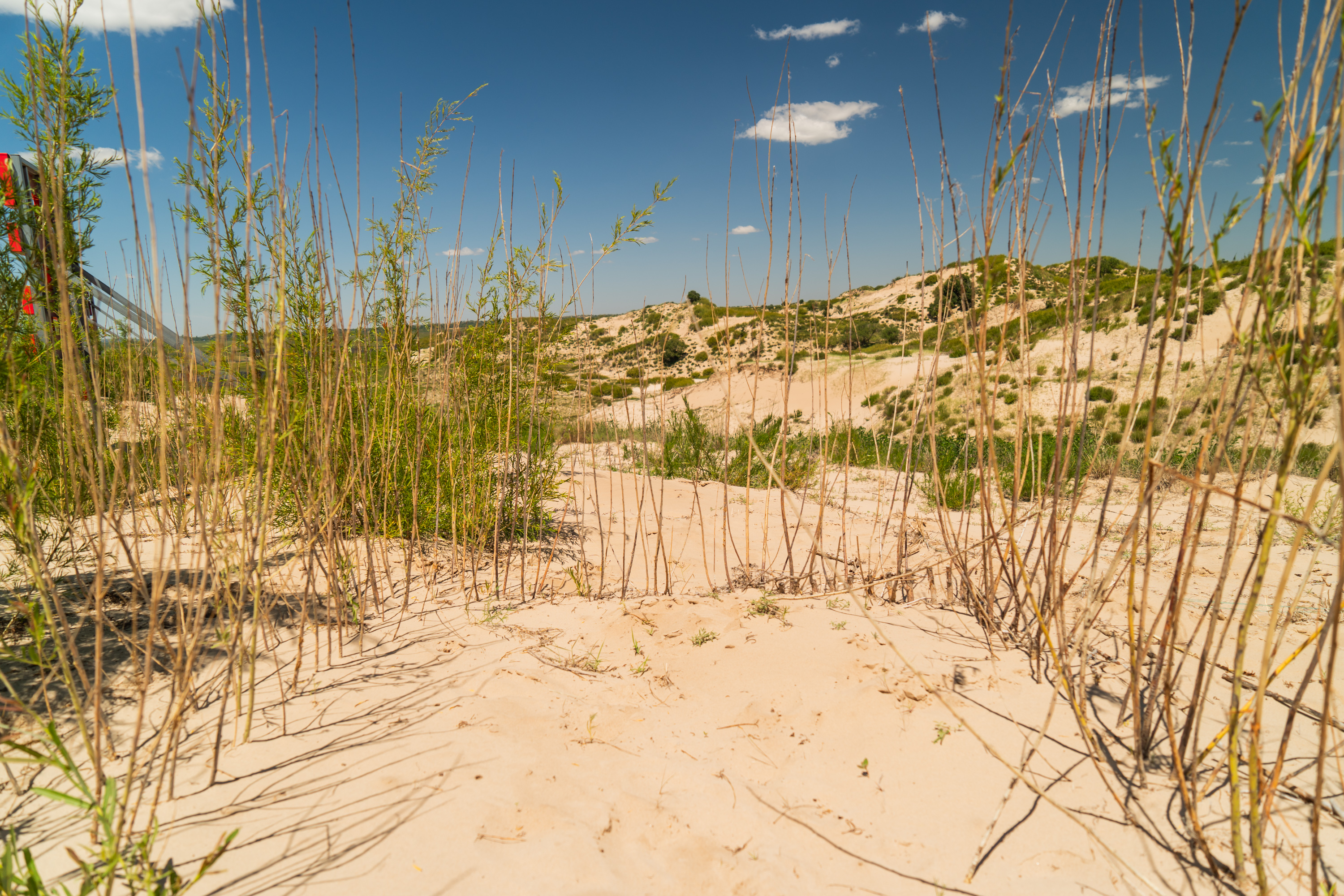
The initiative has long been thought of as a wall of trees. It’s more. A continental effort to restore degraded land, strengthen food systems and create new economic opportunities, while expanding access to clean energy and building resilience in one of the regions most exposed to climate change, land degradation and drought.
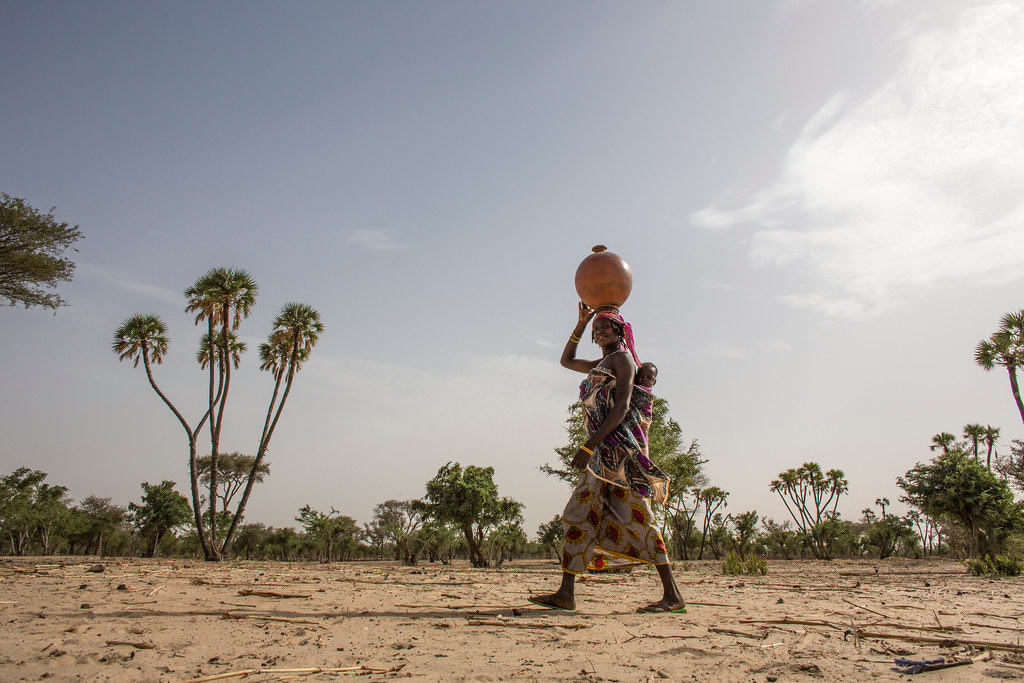
Fetching water in Niger
The GGW Accelerator: Turning pledges into results on the ground
Launched in 2021 after the One Planet Summit, where major technical and financial partners pledged more than $19 billion, the Accelerator was created to improve coordination, track funding and help countries measure results. Five years later, the picture that emerges is still taking shape—but it is beginning to show how this effort is changing the way the Great Green Wall is planned, financed and monitored.
Central to the Accelerator's success is its close partnership with the Panafrican Agency of the Great Green Wall (PAGGW), the intergovernmental body that coordinates regional implementation across borders. Together, the GGW Accelerator and the PAGGW work to convert financial commitments into tangible, measurable results across Africa's drylands, building the institutional architecture required for reporting and monitoring progress.
The Observatory now tracks over 389 projects. But the data also tells a more complex story. Fewer than 90 currently report data aligned with the initiative’s harmonized indicators, highlighting both early progress and significant gaps in reporting that are still being addressed.
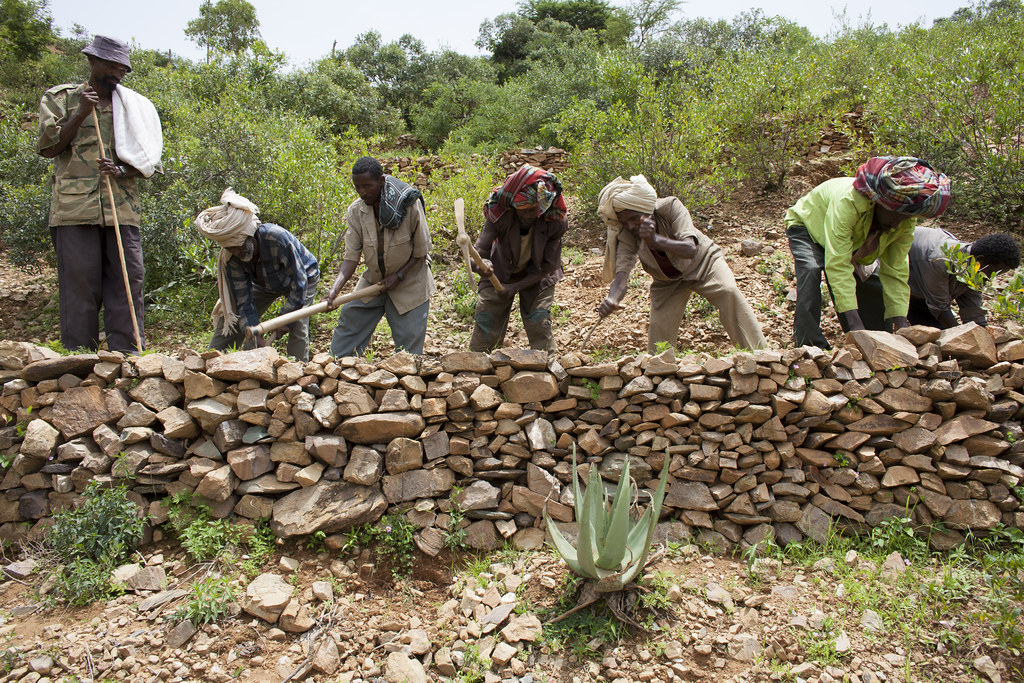
Stonewall construction in Ethiopia's Tigray region
Even with these limitations, the available data points to early but meaningful gains: 1.66 million hectares under restoration, 24 million tons of CO₂ equivalent sequestered or mitigated, 4.6 million jobs created, 46 million beneficiaries reached and 2,315 MWh of clean energy produced.
These results should be understood in the context of long-term land restoration processes, which can take years—sometimes decades—to fully materialize at scale, especially since reporting on the totality of GGW projects remains an iterative process that remains undergoing.
For partners already investing in the Great Green Wall, the report offers a clearer —though still evolving— sense of how support is translating into results on the ground. For those considering future engagement, it points to something equally important: a growing architecture for transparency, accountability and investment readiness.
Employment, women's leadership and the human face of restoration
The jobs figure is among the strongest early indicators of momentum. Against a 2030 target of 10 million jobs, the reported total suggests that restoration is not only an environmental undertaking but also an economic one. Across the Sahel, the Great Green Wall is increasingly being framed as a platform for rural enterprise, women’s leadership, youth employment and locally led adaptation.
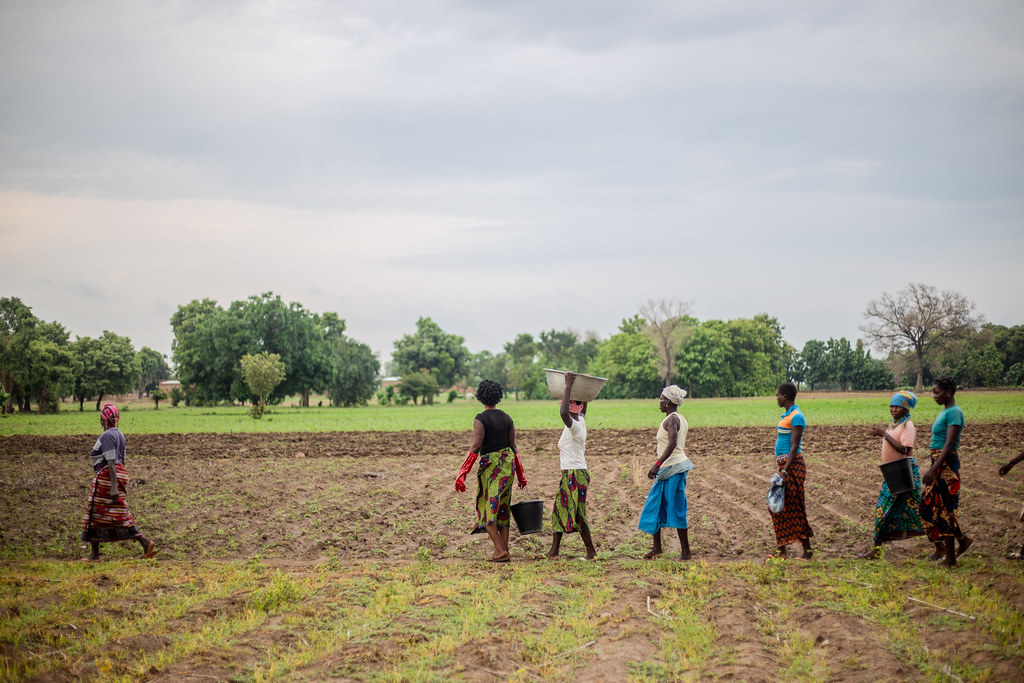
Reversing land degradation in Burkina Faso
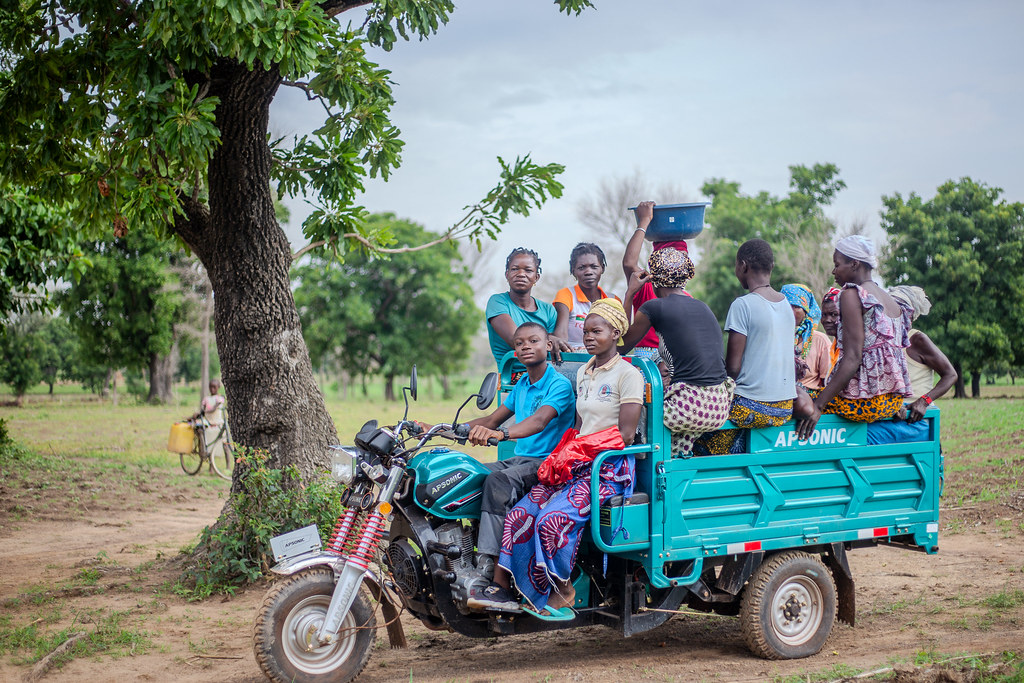
The report’s human stories bring that shift into focus. In Mali, a women’s cooperative received tools, training and a tricycle that transformed the daily work of transporting organic fertilizer. The cooperative later expanded into processing local crops into enriched flour and was granted four hectares of land by the municipality.
"We are leaders, innovators, and providers. Our daughters now see a future. Our municipality recognized our progress by granting us four hectares of land to scale up production. This is proof that women's leadership can inspire trust and collective action." — Florence Banou, 55, leader of the AMAKENE women's cooperative, Bandiagara, Mali — supported through WFP's Integrated Resilience Programme
In Chad, women trained to install and repair solar panels turned clean energy access into a new source of income and independence.
"Since solar panels have come to Chad, families have benefitted a lot and women's lives have been transformed. Before, I depended on my husband. But today, we make a profit from each installation. Ever since I learned this job, I've wanted my sisters to follow my example." — Adouia Brema, Chad — trained to install and repair solar panels through a World Bank-supported initiative
Such examples help reframe the Great Green Wall for its next phase—one that places greater emphasis on systems, data, and investment readiness alongside on-the-ground impact. They also point to three areas shaping what comes next: communication, innovative finance and transboundary land and water management. Together, they aim to build a stronger narrative, unlock financing tools such as green bonds, carbon credits and blended finance and align land restoration with shared water governance across borders.
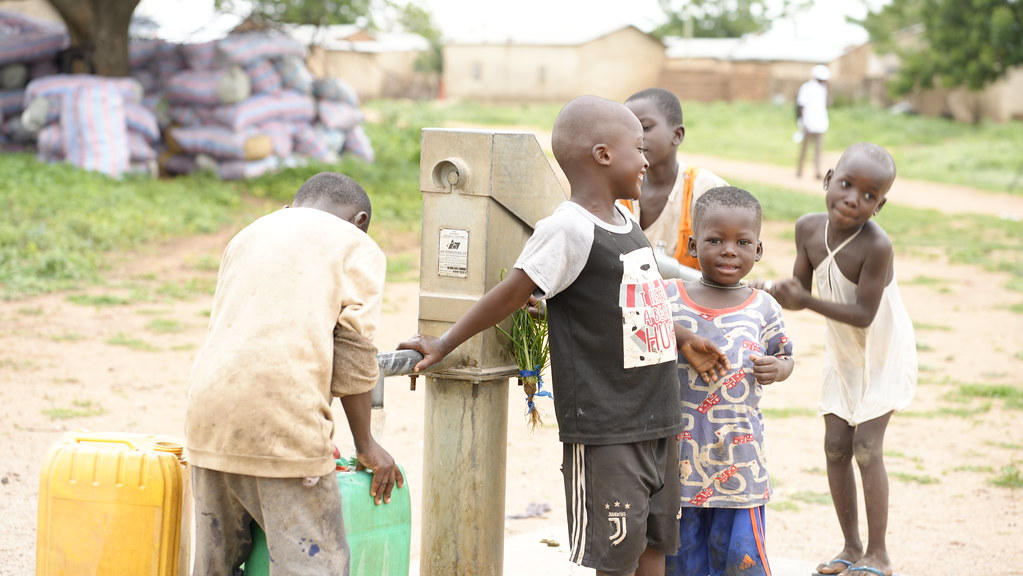
The next generation of land stewards
One framework, one platform: Building a common evidence base
A central achievement is the move toward a common evidence base. This responds directly to longstanding challenges around fragmented data, coordination, and visibility of results. The Harmonized Results Management Framework, developed and validated with ten of the 11 countries in close collaboration with the PAGGW, gives partners a shared language for measuring progress.
The GGW Observatory — launched in Ouagadougou in 2024 and now endorsed by 10 countries — builds on that foundation, offering a single platform for tracking projects, finance, results and geospatial data. Its indicators feed directly into real-time dashboards used by the GGW governments, donors and local communities.
The Accelerator also supported the establishment of National Coalitions in nine of the 11 countries — bringing together Finance, Planning, Environment and Forestry ministries alongside civil society, academia, the private sector and media into whole-of-society platforms for GGW governance
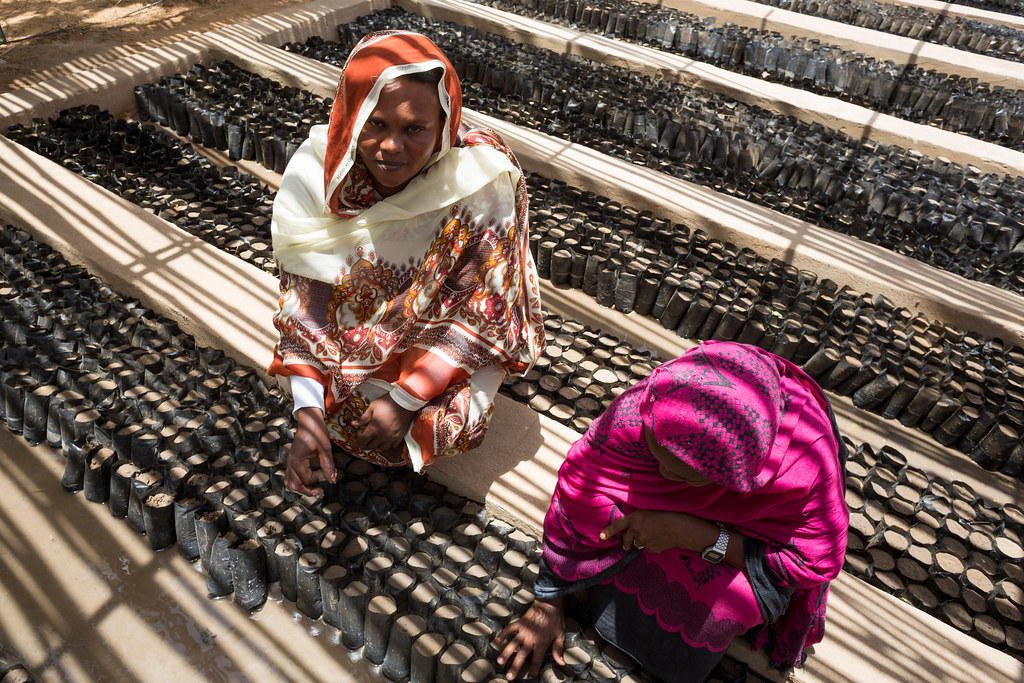
Planting the seeds of the next harvest in Sudan
The report also places the Sahelian effort within a wider continental frame, noting that the updated African Union Great Green Wall Strategy expands the initiative’s reach while keeping the Sahel as its foundation.
The work ahead: From commitment to lasting impact
The work ahead remains substantial. Challenges persist, particularly in data completeness, coordination across actors, and the time required to translate financial commitments into on-the-ground results. Stronger national validation, more complete reporting and sustained political leadership will be needed to turn commitments into lasting impact. National coalitions, already supported in nine of the 11 countries, are expected to play a growing role in aligning ministries, donors, civil society and local actors.
The PAGGW and the Accelerator will continue to use the COPs and Ministerial Councils to sustain political visibility and accountability, driving a unified 'One Africa GGW' momentum toward Mission 2030.
This progress is supported by a broad coalition of partners working across the region. The next five years will be critical in turning these systems into real impact on the ground. The Great Green Wall is beginning to move from ambition to more visible and coordinated results—grounded not only in restoration, but in jobs, resilience and opportunity across Africa’s drylands.
Publications

The report shows progress in restoring land, creating jobs and building resilience across the Sahel, while highlighting the scale of the work still ahead.