Stories
Latest
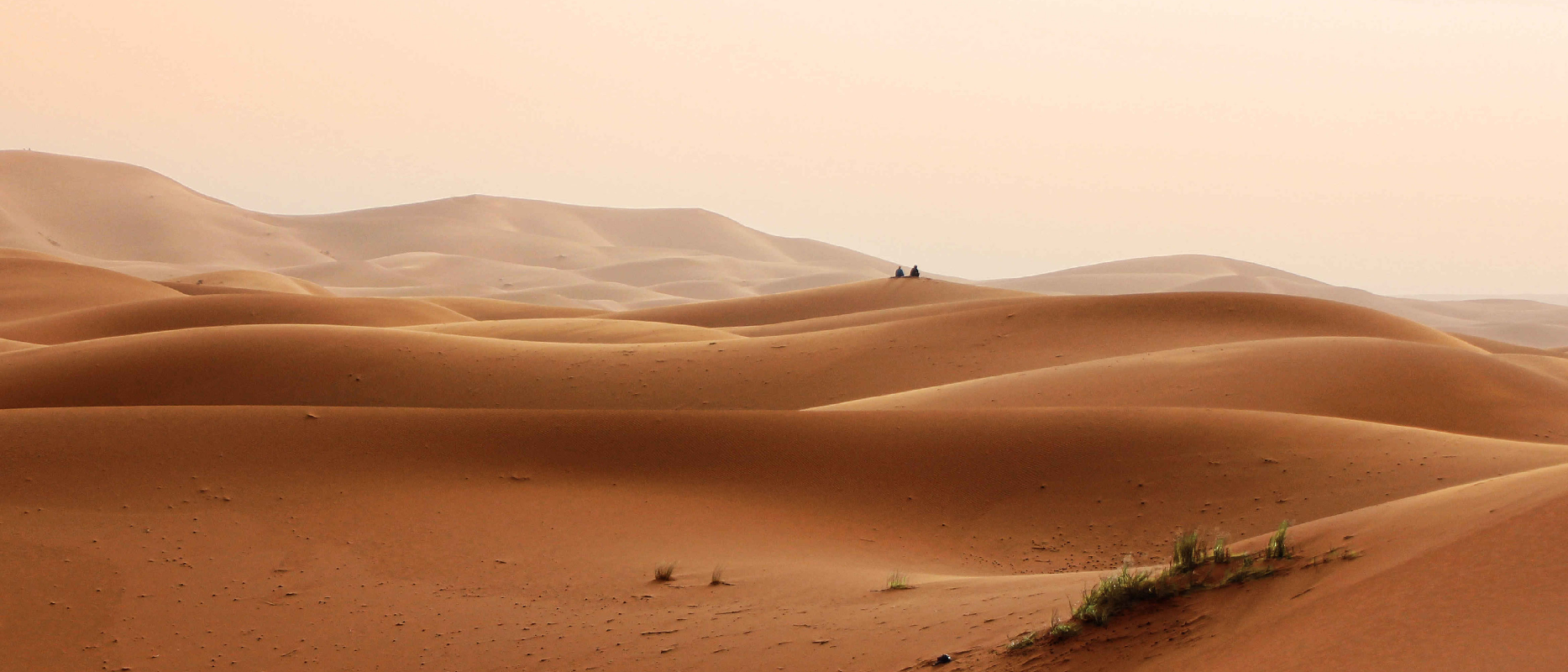
The frequency of sand and dust storms (SDS) is on the rise in various regions across the globe. This rise is attributed to factors such as human-driven climate change, desertification, land degradation, and persistent droughts. These storms occur when strong winds lift large amounts of sand and dust from dry, arid soils into the atmosphere. They often carry these particles long distances, sometimes hundreds or even thousands of kilometers. The effects of these storms are widespread and often devastating. The World Health Organization estimates that 7 million people die from poor air quality every year, which is at least partly attributed to dust. Sand and dust storms pose numerous threats to human health, disrupt livelihoods, and wreak havoc on the environment. Managing these impacts is a major challenge, as human activity, and desertification in one region can trigger sand and dust storms that cause significant damage in remote regions. Recognizing the urgent need for international cooperation to address SDS, the General Assembly adopted a resolution (A/RES/77/294) on 8 June 2023, designating 12 July as the International Day to Combat Sand and Dust Storms. This day is intended to raise awareness of the link between health and sustainability in the context of SDS. To mark the first observance of the International Day to Combat SDS, several events were organized around the world. The “Commemoration of the International Day of Combating Sand and Dust Storms” event, co-organized by the Permanent Missions of Iraq, the Islamic Republic of Iran, and Senegal at the United Nations Headquarters in New York, featured various speakers from organizations collaborating in the UN SDS Coalition. At the same time, the World Meteorological Organization (WMO) hosted a series of regional webinars bringing together stakeholders from different regions. In line with the observation of the day, the UNCCD launched the new SDS Toolbox, a result of its collaboration with SDS Coalition partners. The toolbox provides a comprehensive set of tools, strategies, and guidelines for understanding and mitigating the impact of SDS. Ibrahim Thiaw, Executive Secretary of the UNCCD, extended a warm welcome to this initiative, stating, "We welcome the focus and efforts to raise awareness of this serious phenomenon. It shows how desertification and drought can have far-reaching effects beyond national borders and underlines the crucial role of cooperation in addressing these issues. We anticipate that the newly launched SDS Toolbox will foster much-needed collaboration by providing tools and guidance to our stakeholders." During the commemoration of the International Day to Combat SDS in New York, representatives of the SDS Coalition discussed ways to strengthen cooperation between the Coalition and various national and regional initiatives. They emphasized that regional cooperation is essential to address the transboundary nature of sand and dust storms and their impacts, and that regional action can complement national efforts to achieve sustainable development goals. See also: General Assembly Proclaims 12 July International Day of Combating Sand and Dust Storms, Aiming to Raise Awareness about Importance for Health, Sustainability SDS toolbox

From potatoes grown in recycled sacks to “more crop per drop” fruit tree varieties, climate-smart and women-led agriculture initiatives became the center of discussions at a recent interregional conference convened by the United Nations Convention to Combat Desertification (UNCCD) in Dushanbe, Tajikistan. Fertile land is a precious commodity in Tajikistan, where 90% of the country's territory is covered by mountains and 60% of the population directly depend on agriculture for livelihood. Agriculture is a major part of Tajikistan’s economy. Can you spot the colors of one of its best-loved crops in the stripes of the national flag? As heatwaves, droughts and other extreme climate events become more frequent and severe across the globe, regional cooperation and knowledge sharing are becoming a priority in building drought resilience and fighting land degradation. In response to these growing challenges, representatives of Belarus, Georgia, Kazakhstan, Moldova, the Russian Federation, Tajikistan and Turkmenistan met in Dushanbe, Tajikistan from 1-2 July 2023 to discuss upscaling and coordinating legislative, educational, scientific and technical cooperation aimed at achieving Land Degradation Neutrality. Water is so precious in Central Asia, some say it’s worth more than gold. Burrowing deep into the soil, this well in the Gissar Valley carries water that contains trace amounts of the precious metal “Though we come from different climates and landscapes, we are united in the face of climate-induced drought and land degradation. Women who develop and test climate-smart and cost-effective solutions locally should be the ones spearheading regional and global efforts to grow and protect our food in the times of climactic stress,” participants stated. Reflecting the theme of this year's Desertification and Drought Day “Her Land. Her Rights”, discussions centered on the key role of civil society organizations, particularly those led by women, in harnessing donor financing and advancing legislative action in support of gender-responsive land restoration projects that provide sustainable rural livelihoods. Apples are the most popular fruit worldwide, and so are new ways to grow them more efficiently After attending a training series at the Youth Ecological Center in Dushanbe, Mavluda Akhmedova is using the technology of growing potatoes directly in recycled sacks on her homestead in the Dekhanabod village. This approach has proven particularly effective as more frequent and sudden heatwaves and droughts in Tajikistan raise the risk of harvest loss. Growing potatoes in sacks lets the farmers control the temperature and humidity better and is of particular use on small plots where growing space is at a premium. Greenhouses at the Agricultural University in Dushanbe use the latest technology, encouraging the students to test new approaches to efficient and sustainable crop production During a visit to an experimental farm in the Gissar District, participants learned how students from Agricultural University in Dushanbe test classroom knowledge to implement the “more crop per drop” approach on their 800 hectares under tillage, including a fruit orchard, a vineyard and pasture. Nothing tastes better than bread fresh from the oven! Farm-to-table is the way of life at the experimental farm of the Agricultural University of Dushanbe The university hopes that new investments and focus on research, smart tech and innovation will bring more female students to the classrooms and labs. Using compact varieties of fruit trees combined with drip irrigation means less water, less labour and less land are needed to produce comparable crop yields By the end of 2023, Tajikistan intends to complete the process of joining the Land Degradation Neutrality (LDN) Target-setting programme, bringing the number of countries who set voluntary LDN targets to 130, including all Central Asian nations. Furthermore, participation in the World Bank’s RESILAND CA+ Initiative will allow Tajikistan to access the knowledge base of other engaged countries – Kazakhstan, Uzbekistan and Kyrgyzstan – and train forest management and rangelands biodiversity specialists. Women are expected to become the majority of RESILAND CA+ projects’ participants and beneficiaries. Photography by Didor Sadulloev via UNDP Tajikistan

From women's soccer game in Chad to a solo marathon across the barren Aral Sea, and from tree planting to children's gardening competitions, this year's Desertification and Drought Day was marked with boundless creativity and impactful actions around the globe. Across continents, people everywhere found engaging ways to unite their communities and support “Her Land. Her Rights”. Close to 50 countries—from Argentina to Azerbaijan and from France to Fiji—reported dozens of events to mark this year's Day. Below are just a few that piqued our interest: A football match between N'Djaména's two leading women's teams in Chad – as one of the nation’s Indigenous leaders Hindou Oumarou Ibrahim reminds us, “Without women, there cannot be a winning team in the fight against desertification” The village of Nawailevu in Bua Province of Fiji invited visitors to share the first harvest from a model farm created on a former bauxite mining site to cultivate fruit, greens and root vegetables with the inclusion of agroforestry. Highlighting women’s land privileges as the foundation of household harmony and national development, the event also invited schoolkids attending the field day to take part in the Fiji Backyard Gardening Competition The screening of the film about pioneers of cross-country sand skiing from France who embarked on a sporting epic to test solutions to drought resilience and climate adaptation by learning from the peoples of the desert A native tree planting in the remote desert village of Gomawali in Rajastan, India, where women of the community take the lead in land restoration as part of the Familial Forestry Initiative launched by our Land for Life Award laureate Shyam Sunder Jyani A village-wide dialogue in Kitui County, Kenya that included a survey on the participation of women in sustainable land management and resource conservation under various land tenure systems, a display of water-harvesting technologies, an inventory of drought-tolerant crop varieties and community donations of water-harvesting devices, drought resilient plants and farm animals A female farmers' expo at the City Park in In Skopje, North Macedonia, that featured female heroes working in sustainable agriculture and showcased their products, with discussions on sustainable farming methods and distribution of free seeds and seedlings. A social media challenge #thislandismyland launched by the Ministry of Agriculture in Saint Lucia, inviting the public to identify different landscapes and soil types in their communities, showing the ones most affected by the effects of desertification. Content creators who received the most likes were asked to Interview farmers and landowners and explain the negative impacts of desertification on their livelihoods A lone runner from Uzbekistan who made a 42-mile trek across the dried-up bottom of the Aral Sea to attract the attention to the environmental problems of the region and inspire everyone to take on an active role in addressing them UNCCD Land Heroes have also been actively reaching out to their local and global communities: Musa Ibrahim participated in the Nigerian national dialogue on desertification while Patricia Kombo actively promoted #HerLand campaign on her social media channels, and Kehkashan Basu took to the UN General Assembly stage together with other LandSHEroes, issuing an urgent call to action to advance women’s land rights. Every action and every voice counts! Visit our website to discover events that took place around the world this Desertification and Drought Day and get creative planning the next one together with your community!

Madrid (Spain), 30 June 2023 --- The Spanish Government will make globally available a pioneering system to monitor meteorological droughts in real-time, helping other countries build up their early warning systems and adopt a proactive, rather than reactive, approach to drought management. The announcement is part of Spain’s contribution to the International Drought Resilience Alliance (IDRA), a coalition of more than 30 countries and 20 international entities driving drought resilience in the face of climate change. Teresa Ribera Rodriguez, Vice-President of the Government of Spain and Minister for Ecological Transition and Demographic Challenge, made the announcement in Madrid during the third meeting of the Intergovernmental Working Group (IWG) on Drought of the United Nations Convention to Combat Desertification (UNCCD). “I applaud Spain's leadership and its drive to share technological innovations and valuable expertise with other regions that, like the Mediterranean, are particularly vulnerable to drought,” said UNCCD Deputy Executive Secretary Andrea Meza Murillo. “IDRA recognizes that countries and communities need to tap into their collective experience and knowledge to move towards a more resilient future. Spain’s move is a step in that direction.” Real-time drought visualizations The system developed by Spanish scientists monitors real-time rainfall and evapotranspiration —the combined loss of water from the soil surface and plants— through satellite data and a series of automated weather stations. The resulting visualizations are freely available online and inform the management of water resources, especially, in key industries such as agriculture. Users can also visualize meteorological drought indexes in Spain since 1961 and download datasets for specific places and times. The tool was launched in 2021 as part of Spain’s National Adaptation Plan to Climate Change, and has since been incorporated into Google Earth Engine, a public platform for the analysis and visualization of geospatial datasets. The contribution of Spain is in line with IDRA’s commitment to the ‘Early Warning for All’ initiative against extreme weather and climate change, launched by the United Nations Secretary-General and overseen by the World Meteorological Organization (WMO). The WMO is one of the founding members of IDRA, which was launched in 2022 at the initiative of Senegal and Spain. As part of a drive to promote knowledge-sharing, IDRA members are working to facilitate partnerships between technology providers and vulnerable regions to make drought-management innovations available to all. Members have also agreed on establishing communities of practice to foster knowledge exchange and collaboration. Policy options for drought resilience From 21 to 23 June 2023, Madrid hosted the third meeting of the Intergovernmental Working Group on Drought (IWG), which previously convened in Yerevan, Armenia and Bonn, Germany. The Group is working to identify policy instruments that help countries prepare themselves for, and manage, worsening droughts. In 2024, it will present its findings and recommendations to the 16th UNCCD Conference of Parties. No country is immune to drought and its impacts. In Europe alone, economic losses related to drought reach around 6,200 million euros annually, and the global impacts of this phenomenon are projected to become longer and more severe due to climate change and unsustainable land management. Drought affects agriculture, but also energy, transportation, and tourism, and it directly affects the health of an estimated 55 million people around the world each year.

We are offering a free booklet for children with pictures and brief explanations about the importance of caring for our lands.

While plastic has many valuable uses, our dependency on it comes at high environmental, social, economic and health costs. The qualities that make plastic useful are also the ones that make it hazardous: designed to fool nature itself, most plastics are too resilient to biodegrade in a meaningful timeframe. Our current efforts to recycle plastics have been inefficient so far: only 9 percent of plastic is recycled globally, and much of it is either thrown away or cannot be processed for recycling. One third of all plastic waste ends up in soils or freshwater, endangering our food, our livestock and the health of the soil. Invisible to the eye, microplastics linger in the environment, the food chain, and our bodies. Soil is the foundation of our agricultural systems which support nearly all food-producing crops: about 95 percent of our food comes from soil. Fertile soil that produces our food is a finite resource, and plastic pollution can have long-lasting impact on soil health, biodiversity and productivity, all of which are essential to food security. To avoid the future where our food systems are choked by plastics, we must rethink the ways we produce, consume and dispose of them. “Our soils silently bear the weight of discarded plastics, impacting our daily lives. On this World Environment Day, let us redefine our relationships with plastic, from design to disposal” says UNCCD Executive Secretary Ibrahim Thiaw. The solution to plastic pollution is closer to the ground than we might think. Our commitment to beat plastic pollution combined with business incentives that address plastic dependency can result in a positive switch from the ‘throwaway economy’ to a ‘reuse’ society. Through our everyday choices as consumers, let us join efforts with governments and businesses, shifting toward sustainable plastic alternatives and reusable plastic products, to reduce damage to human health, the environment and the land.
