News & stories

Latest
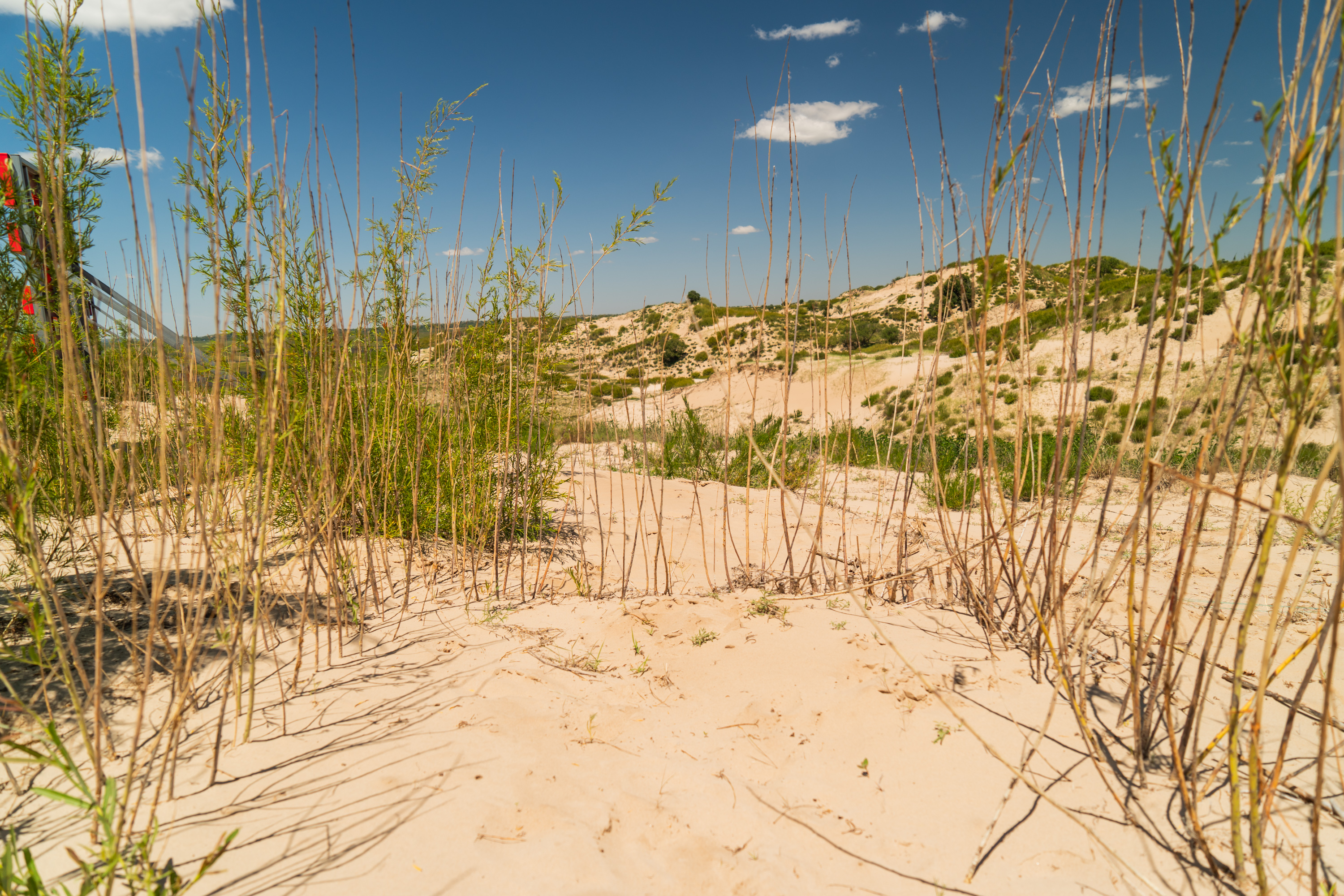
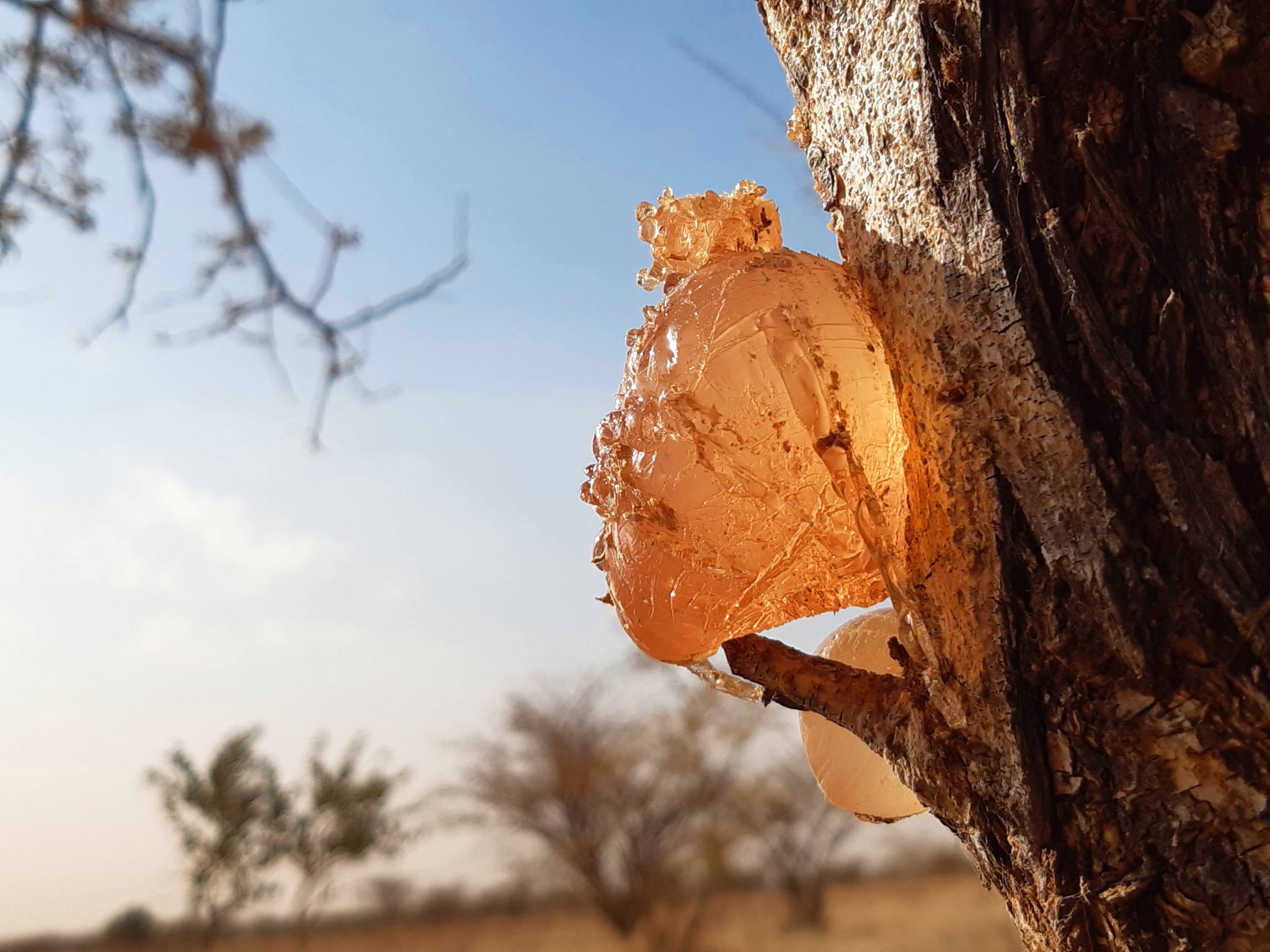

Standing on a rocky stretch just outside Riyadh, the land opens out in every direction, sand, stone and dry air, with little to interrupt it. It is a landscape shaped by scarcity, where water is limited and vegetation survives under pressure. That strain is increasing as temperatures rise and rainfall becomes more unpredictable.This pressure is not unique to Saudi Arabia. Globally, land degradation is accelerating. It affects up to 40 per cent of the land globally and puts nearly half of humanity at risk, even as countries have committed to restoring one billion hectares by 2030.In this context, Saudi Arabia, in just four years, has restored its first one million hectares of degraded land under the Saudi Green Initiative, its national programme launched as part of Vision 2030 to scale up land restoration, increase vegetation cover and strengthen ecosystem resilience.What makes this milestone relevant beyond the country are its scale, and where and how it was delivered.The challenges, where restoration is happening and how it is being doneThe restored land is not located in a single area. It spans multiple regions and ecosystems, including the King Salman bin Abdulaziz Royal Reserve, the Imam Abdulaziz bin Mohammed Royal Reserve, Sharaan Nature Reserve in AlUla and Qassim National Park, among others.These areas vary in their ecological conditions and land-use pressures. They include landscapes under stress and protected areas undergoing active rehabilitation. Working across such varied conditions requires a structured approach. In Saudi Arabia, restoration efforts are guided by ecological assessments that determine what each landscape can sustain. Native species are used to improve survival rates, while water use is carefully managed to reduce pressure on already limited resources.Restoration is supported by complementary measures, including expanding protected areas, improving early warning systems for sand and dust storms, and strengthening climate adaptation tools.Equally important is how results are verified. Satellite monitoring, geographic information systems and field inspections are combined to assess changes in vegetation cover, soil stability and land productivity.This makes it possible to track progress consistently and helps build confidence that restoration efforts are delivering tangible ecological outcomes.Going to scale and linking national action to global targetsThe scale of land degradation has led to global targets that are equally ambitious. Through the United Nations Convention to Combat Desertification (UNCCD), countries are committed to restoring one billion hectares of degraded land by 2030. To advance these global commitments, the Group of 20 countries (G20) through the Global Land Initiative hosted by UNCCD, is committed to reducing degraded land by 50 per cent by 2040, underscoring the importance of scaling restoration across all ecosystems. Through this initiative, countries are promoting large-scale restoration, exchanging practical experiences across different contexts and engaging the private sector to mobilize the required investments.Saudi Arabia’s progress provides one example of how to restore land at scale across different landscapes, including in environments where water scarcity and climate conditions make recovery more complex. UNCCD Executive Secretary Dr Yasmine Fouad notes: “The priority now is scaling what works. What this experience shows is that restoration can be delivered across vastly different landscapes, including in water-scarce environments, when it is supported by the right policies, science and long-term commitment. This is essential if global targets are to be met.”This work also draws on approaches supported by UNCCD, including monitoring frameworks, tracking land degradation in real time and knowledge-sharing across countries.Restoring land brings a wide range of benefits. Improved land productivity, more stable soils and restored vegetation help communities withstand drought, protect livelihoods and reduce long-term risks linked to land degradation. In many of these areas, restoration is closely linked to livelihoods, particularly in rangelands where land conditions directly affect pastoral communities. By engaging the private sector, there is growing momentum to create new jobs built on a budding restoration industry. Carrying momentum forwardSaudi Arabia hosted the sixteenth session of the Conference of the Parties (COP16) to the UNCCD in Riyadh in December 2024, where countries called for scaling up action on land restoration, strengthening drought resilience and increasing investment. Often, the vital role COP hosting plays in mobilizing political will to restore land at country level is often underestimated. The COP16 shift and momentum from commitment to implementation is expected to continue at COP17, which will take place in Ulaanbaatar, Mongolia, from 17 to 28 August 2026.The challenge now is less about identifying solutions and more about applying them at scale across different regions and ecosystems.Restoring land in arid environments is complex. Limited water availability, long recovery periods and the need for sustained monitoring mean that results depend on long-term commitment.What this experience makes clear is that restoration is already moving from commitment to implementation, including in the most constrained environments, and bringing with it multiple benefits – from jobs and livelihoods to resilience, long-term stability and security.

In the name of God, the Most Gracious, the Most MercifulYour Excellency Eng. Abdulrahman Abdulmohsen Al-Fadley,Minister of Environment, Water and Agriculture of the Kingdom of Saudi Arabia,Distinguished guests, ladies and gentlemen,It is a pleasure to join you today, through this recorded message, on this important occasion that celebrates a remarkable national achievement of the Kingdom of Saudi Arabia.What we celebrate today—the rehabilitation of one million hectares of degraded land—is not merely a number. It is tangible proof that land restoration is possible, even in the most challenging environments. It is an achievement realized on the ground, supported by science, guided by an integrated approach, and driven by a clear determination to create change.At a time when the world is facing an unprecedented acceleration in land degradation and worsening drought impacts, this achievement sends a powerful message:that solutions exist, and that collective action can turn challenges into opportunities.The Kingdom of Saudi Arabia has demonstrated how countries—even in arid environments with limited water resources—can lead a global model in ecosystem restoration by adopting nature-based solutions, leveraging innovation, and strengthening the integration between policies and practices.This achievement also stands as part of a broader national vision under the Saudi Green Initiative, which aims not only to plant trees, but to restore ecosystem functions, enhance biodiversity, and ensure the sustainability of natural resources for future generations.What further distinguishes this effort is its reliance on rigorous scientific methodologies for measurement and verification, enhancing the credibility of results and offering a model that can be replicated globally.Ladies and gentlemen,Land restoration is not only an environmental issue—it is a development and humanitarian imperative.This achievement directly contributes to:Strengthening food security,Supporting local economies,Creating jobs,Enhancing resilience to climate change,And improving the quality of life for communities. At both regional and global levels, land restoration is a key tool for addressing broader challenges, including reducing drivers of displacement and migration linked to land degradation, enhancing stability in fragile regions, and supporting international efforts for climate adaptation and resilience.What we are witnessing today in the Kingdom also reflects the power of partnerships, where government, private sector, and society have come together to achieve this milestone. It confirms that multilateral action is not an option, but a necessity to deliver the transformation required.In this context, the United Nations Convention to Combat Desertification highly values the Kingdom’s leadership role—through the Middle East Green Initiative, the Global Land Initiative, and its Presidency of the Conference of the Parties—contributing to raising global ambition and strengthening collective action.Ladies and gentlemen,Land restoration is an investment in people, in stability, and in a more sustainable future.What has been achieved today is not the end of the journey, but an important step along a longer path that requires continued commitment, accelerated action, and expanded partnerships.In closing, I would like to express my sincere appreciation to the Kingdom of Saudi Arabia for this outstanding achievement and for its continued role in advancing the global environmental agenda.We look forward to continuing this constructive collaboration toward a more sustainable and prosperous future for all.Thank you, and peace be upon you.

The shift to renewable energy is picking up momentum, and with it comes a practical question: how do we scale clean power without putting more pressure on land that supports food, nature and livelihoods? A recent report from the International Institute for Sustainable Development (IISD) looks at how renewable energy and sustainable land management can work together when projects are planned with land and people in mind. During the webinar on the report findings, UNCCD Deputy Executive Secretary Andrea Meza noted, “There are ways in which we can deploy these technologies in different landscapes while ensuring food and water security and protecting biodiversity. It is possible to reduce negative impacts and have positive ones if we start putting in place integrated land use plans as part of the strategy for deploying these technologies.” To avoid catastrophic climate change impacts, the world must rapidly transition away from fossil fuels toward renewable energy sources. The share of renewable energy in the power mix is likely to continue growing rapidly, as countries strive to fulfil their emission reduction commitments and the cost of renewable energy technologies continues to shrink. “The starting point was: how can we make sure that the expansion of renewable energy does not come at the expense of sustainable land management and our efforts to halt land degradation globally? What are the main strategies to make sure that new renewable energy installations do not lead to land degradation?” explained IISD Indicator Lead and report co-author Stefan Jungcurt. Today, renewables account for around 30 per cent of global electricity mix, with solar power growing most rapidly, doubling capacity every three years. That momentum has a land dimension. Renewable energy technologies interact with land systems in complex ways, influencing land health and productivity, the provision of ecosystem services and local socio-economic outcomes. Many renewables require more land than fossil fuels when you factor in energy farms, spacing and enabling infrastructure. The report mentions that solar power needs about twice the land footprint of coal-fired electricity and wind energy can require up to 12 times more largely because of spacing between panels and turbines. However, the land between these components can often be put to good use and a larger footprint does not have to translate into degraded land or land use conflicts. Risks arise when renewable energy expansion is driven only by energy objectives, and land considerations arrive late. “The report is a joint response to overlapping challenges of climate change, land degradation and desertification and energy poverty. Clean energy and sustainable land management do not need to compete for space or resources. A well-designed renewable energy system can work with land rather than against it,” said the Interim Head of the Pan-African Cooperation and Educational Technologies Division at the United Nations University Vice-Rectorate in Europe Emmanuel Cheo. One of the most attractive options is dual land use: placing energy infrastructure alongside other productive uses on the same land. Dual-land-use systems can help align land-energy planning, finance and implementation and unlock synergies to advance climate action, biodiversity goals and land restoration together rather than on parallel tracks. The report points to the Land Degradation Neutrality response hierarchy as a practical way to structure action: Countries can avoid land degradation by siting renewable energy systems on land or freshwater systems that have already been degraded or modified by human activities. Solar, wind and bioenergy farms on low-impact sites can be explicitly designed to reduce reliance on wood and charcoal for fuel, helping avoid further deforestation and land degradation. Countries can reduce land degradation by designing and implementing dual-use approaches such as agrivoltaics which pairs solar with crops or grazing, eco-voltaics which combines solar with restoration or conservation goals and wind farms on rangelands where most of the surrounding land can still be used. Integrating renewables with sustainable land and water management through regenerative agriculture, agroforestry and silvo-pastoralism can increase food production, enhance drought resilience, conserve biodiversity and reduce post-harvest losses. “There have been a lot of methodologies developed to avoid and minimize the negative impacts. Integrating these considerations into the early planning stage is very important. We also found that the operation of solar photovoltaic plants can improve soil conditions and the micro-environment but an integrated and aligned policy framework is critical,” said International Renewable Energy Agency's Programme Officer Jinlei Feng. Countries can reverse land degradation through carefully chosen locations for solar and wind, or through bioenergy approaches such as harvesting invasive species or cultivating feedstock on marginal or degraded land. For example, solar energy systems can support land restoration through shading or wind protection, providing clean energy while promoting soil health and vegetation growth under the solar panels. “Countries are trying to decarbonize their economies, meet rising energy demands and at the same time deliver on the commitments under all three Rio Conventions. The good news is that renewable energy and sustainable land management are not in competition by default. We can avoid, reduce and reverse land degradation as we deploy renewables,” said UNCCD Chief Scientist Dr. Barron J. Orr. A key takeaway from the report is that dual-land-use systems will only deliver results if the right conditions are in place: coordination across sectors, clear governance and regulatory frameworks, finance and incentives. Community engagement and capacity building help ensure that people who work the land can influence siting and project design, take part in implementation and share fairly in jobs, energy access and other benefits. When done right, the renewable energy transition can support sustainable land management while strengthening food security and livelihoods. With UNCCD COP17 set to spotlight the world’s rangelands the message is timely: land that sustains rural and pastoralist communities can also accommodate well-designed renewable energy systems that support resilience without adding pressure. The report titled “A Natural Fit: Renewable energy and sustainable land management” was prepared by IISD in collaboration with UNCCD and UNU and with funding support from the European Union. You can watch the recording of the webinar on report findings below:

Restoring land is no longer a question of knowing what to do. Countries across regions and income levels have identified interventions where land is degrading and how drought risks can be reduced. What now determines whether these plans deliver real impact is their financing. “We have reached a point where the challenge is not a lack of commitment or solutions,” said Yasmine Fouad, Executive Secretary of the United Nations Convention to Combat Desertification (UNCCD). “The challenge is whether our financial systems are able to support the scale of transformation that land restoration and drought resilience require.” Meeting global land restoration and drought resilience targets will require around USD 355 billion per year between 2025 and 2030 – far more than is currently being invested. As long as land is not considered a strategic asset, rather than treated as a secondary environmental concern, this gap will persist. Why existing financing approaches fall short Today’s financial systems are not designed for the scale, timeframes, or risk profiles that land restoration demands. Public budgets in many countries are under pressure, shaped by competing development priorities and raising sovereign debt levels that result in limited fiscal space. Responsibilities for land, water, agriculture and climate are often split across institutions, complicating coordinated investment. Private investment has so far played a limited role. While interest in sustainability is growing, land restoration often involves longer time horizons and higher perceived risks. Without mechanisms to share risk, capital continues to flow elsewhere – even as UNCCD works to mobilize companies and investors through its Business4Land (B4L) platform, including the launch of the B4L Champions’ Council in 2026. The result is a persistent mismatch: the economic costs of land degradation continue to accumulate across food systems, water security and national economies, while investment remains far below what is required. Closing this gap requires a shift in investment logic – recognizing land restoration as core economic activity, not a side project. “Investing in land is one of the smartest investments available today,” Fouad said. “It reduces risk, strengthens resilience and delivers returns that far exceed the cost.” For development banks and public financiers, this means positioning land restoration not as a niche environmental issue, but as a strategic asset class – one that underpins food security, climate resilience and long-term stability. Turning finance into delivery In many countries, fiscal policies continue to favour land-degrading activities, while restoration remains underfunded. Redirecting incentives – by reforming subsidies and aligning taxation and public spending with sustainable land management – can change the economics of land use, making restoration financially viable rather than marginal. Aligning agriculture, water, climate and economic strategies is critical to making financing more effective and durable. When policies pull in different directions, investment fails to deliver lasting results. Mobilizing private investment at scale will also depend on reducing risk. Strategic use of public and concessional finance can absorb early risks, unlocking private capital at a scale that public budgets alone cannot reach. International cooperation remains essential, particularly for countries facing the largest restoration and drought resilience needs. When used strategically, public finance can mobilize additional resources while delivering benefits that extend beyond national borders. The cost of inaction The economic consequences of inaction are already visible. Land degradation, desertification and drought already cost the global economy close to USD 900 billion each year, through lost productivity, soil depletion, drought damage and carbon emissions. By contrast, scaling up investment in land restoration and drought resilience could generate USD 1.8 trillion in annual benefits- an estimated eight-to-one return on investment. These gains go beyond economics, strengthening food security, reducing vulnerability and supporting more resilient societies. Every year of delay increases the economic, social and environmental costs. From COP16 momentum to COP17 delivery Financing was central to discussions at the sixteenth session of the Conference of the Parties to the UNCCD (COP16), which mobilized political attention, launched new partnerships and secured more than USD 12 billion in pledges for drought resilience. COP16 showed that political momentum exists. The challenge now is whether financing systems can convert that momentum into delivery. Attention is now shifting to COP17 in Ulaanbaatar, Mongolia. With the International Year of Rangelands and Pastoralists in 2026 approaching, the focus will increasingly turn to implementation. Rangelands alone cover more than half of the Earth’s land surface and support the livelihoods of over one billion people, yet remain among the most underfinanced ecosystems globally. For the UNCCD, the road to COP17 is about ensuring that financing frameworks are designed to deliver -capable of translating ambition into measurable impact on the ground. A defining moment The plans are in place. The solutions are known. The ambition is clear. What will define the coming decade is whether financial systems evolve to match that ambition – recognizing land as a strategic investment and financing it accordingly. “If we align finance with the value of land,” Fouad said, “we can restore ecosystems, strengthen resilience and secure a future that delivers for both people and planet.”

Jimmy Mariscal grew up in the hills of the Panama Canal Basin, where coffee bushes were simply part of daily life. His grandparents tended their caracolillo plants for home use, drying the cherries in the sun and brewing just enough for the family. Coffee was tradition, not livelihood ---a practice handed down quietly through generations. Today, Jimmy is one of thousands of small producers who have benefited from a long-term partnership between Basin communities and the Panama Canal Authority (ACP). Over two decades, this collaboration has helped farmers shift from traditional plots to climate-resilient agroforestry systems that protect biodiversity, stabilize soil, and conserve water resources. The Basin today is the result of decades of community-led stewardship and ACP support --a more resilient and sustainably managed landscape. This long-term partnership led Yasmine Fouad, Executive Secretary of the United Nations Convention to Combat Desertification (UNCCD), to the Panama Canal’s Miraflores Visitors Center on 3 December, during a field visit organized by ACP and the Ministry of Environment of Panama. There, she met Jimmy and the members of Cuencafé, a collective of small producers who grow and process high-quality, climate-resilient coffee. The visit provided a close look at how community-led stewardship supports rural livelihoods while protecting the freshwater system that sustains the Canal. Producers described how the transformation began. ACP understood early on that protecting the Canal’s water depended on the health of the surrounding land —and on the people who care for it. Without authority to enforce conservation, the institution built a model centered on support and incentives. Drawing inspiration from Costa Rica’s experience in rewarding farmers who protect forests, ACP adapted the idea to the Basin, offering producers practical support — from seedlings and technical advice to land titles and community councils that shape decisions. This steady, trust-based partnership strengthened over time. As Raúl Martínez, ACP’s Manager for Socio-Environmental Sustainability, explained: “When restoration helps families improve their livelihoods, it becomes a responsibility everyone shares — and the land stays protected.” Thanks to this incentive-based model - and especially to the introduction of coffee as a viable, high-value crop - farmers gained a reason to keep trees standing and invest in agroforestry systems that conserve soil and water. These choices ultimately made the Panama Canal Basin one of the least-deforested landscapes in the country today. Jimmy’s farm reflects that shift. Supported by community development activities and technical assistance, he introduced improved coffee varieties, planted shade trees, cared for his soil and refined drying and processing techniques. What once served only family needs has become a climate-smart system that supports both income generation and ecosystem health. As more families joined the effort, they formed Cuencafé, whose coffee now reaches Panama City markets. Their agroforestry systems help regulate water and buffer the Basin against intensifying drought — a contribution that matters in a country where 32 per cent of the land — 2.37 million hectares — is already degraded. During the visit, the Executive Secretary listened as producers described how shifting rainfall and rising temperatures have altered their work. She asked in detail about the challenges they now face - how rain has moved, how water scarcity affects planting, and how soils are changing. Farmers explained that years of land restoration -expanding forest cover, diversifying crops and protecting soils - have allowed them to retain water and maintain production, even as drought becomes more common. “What I see here is restoration that works because it begins with people,” said UNCCD Executive Secretary Yasmine Fouad. “When communities are trusted and supported as stewards of their land, they protect the soils that anchor the hillsides, the waters that feed the Canal, and the dignity of the families who rely on both. The impact extends far beyond individual farms — it strengthens the entire Basin and the generations that will inherit it.” Today, that transformation is visible across the basin. A practice once kept alive for household consumption now helps conserve water, sustain rural economies, and protect one of the most strategic landscapes in the country. What began as small plots of shade-grown coffee has grown into a model of community-driven climate resilience. As Panama hosts UNCCD CRIC23 — the Committee for the Review of the Implementation of the Convention, a moment when countries come together to reflect on how they care for their land — the Basin shows how restoration grounded in a long-term partnership, trust, and community leadership endures, restoring far more than land alone.

Les 197 Parties à la CNULCD se réunissent pour évaluer les progrès sur la route de Riyad à Oulan-BatorLe Panama restaurera 100 000 hectares d’ici 2035 dans le cadre d’une stratégie pionnière visant à faire progresser les objectifs relatifs aux terres, au climat et à la biodiversité Panama, 1er décembre 2025 – La perte mondiale de terres fertiles et l’intensification des sécheresses seront au cœur de la 23ᵉ session du Comité chargé de l’examen de la mise en œuvre de la Convention (CRIC23), alors que les 197 Parties à la Convention des Nations Unies sur la lutte contre la désertification (CNULCD) se réunissent cette semaine au Panama. La réunion intervient à un moment critique. Si les tendances actuelles se poursuivent, une superficie équivalente à celle de l’Amérique du Sud (16 millions de kilomètres carrés) continuera à se dégrader d’ici 2050, tandis que la demande mondiale en nourriture, en eau et en énergie ne cesse de croître. Parallèlement, les deux tiers de la planète se sont durablement asséchés au cours des trois dernières décennies, et les deux dernières années ont été marquées par les sécheresses les plus étendues et les plus dévastatrices jamais enregistrées. Au Panama, la sécheresse a perturbé le trafic du Canal, avec des répercussions majeures sur le commerce mondial. La Secrétaire exécutive de la CNULCD, Yasmine Fouad, a déclaré : « La résilience de nos communautés, de nos économies et de nos écosystèmes dépend de la santé des terres. Pourtant, nous continuons à dégrader chaque année une superficie équivalente à celle de l’Égypte, compromettant la capacité des terres à produire de la nourriture, stocker l’eau, soutenir la biodiversité et protéger les populations face aux sécheresses, aux inondations et aux tempêtes de sable et de poussière. Investir dans la gestion durable des terres, la restauration et les solutions fondées sur la nature n’est pas seulement une nécessité environnementale : c’est une priorité de développement et un investissement stratégique dans la stabilité, la prospérité et la paix. » « CRIC23 est un moment clé pour évaluer nos progrès collectifs, renforcer le pont entre Riyad et Oulan-Bator et reconnaître la résilience des terres et face à la sécheresse comme le fil conducteur reliant les trois Conventions de Rio. Ensemble, nous pouvons accélérer la transition vers un avenir plus résilient, plus sûr sur le plan alimentaire et plus positif pour la nature. » De Riyad à Oulan-Bator Le CRIC23 examinera la mise en œuvre des décisions adoptées lors de la 16ᵉ Conférence des Parties (COP16) à la CNULCD, qui s’est tenue à Riyad, en Arabie saoudite, en décembre 2024, et discutera de la feuille de route de la Convention après 2030. Son Excellence Osama Faqeeha, Vice-ministre de l’Environnement, de l’Eau et de l’Agriculture du Royaume d’Arabie saoudite et Présidence de la COP16, a souligné que « la participation significative et diversifiée d’environ 100 000 participants à la COP16 organisée à Riyad a constitué un tournant historique dans la prise de conscience mondiale concernant les impacts majeurs de la dégradation des terres et de la sécheresse, ainsi que la nécessité de renforcer et d’accélérer les efforts mondiaux pour faire face à ces deux défis qui affectent la sécurité alimentaire et hydrique, la biodiversité, la résilience climatique et le bien-être de milliards de personnes dans le monde ». « La COP16 a débouché sur des résultats importants, renforçant les efforts multilatéraux pour restaurer les terres et accroître la résilience à la sécheresse, notamment l’adoption de la Déclaration de Riyad, plus de 30 décisions adoptées dans le cadre de la Convention, ainsi qu’une quarantaine d’initiatives annoncées dans le cadre de l’Agenda d’action de Riyad pour renforcer l’action sur le terrain. » La réunion comprendra des sessions thématiques sur la tenure foncière comme fondement des investissements dans des terres saines ; examinera la menace croissante des tempêtes de sable et de poussière ; et accueillera le deuxième Caucus sur le genre afin de donner la parole aux femmes, qui sont touchées de manière disproportionnée par la dégradation des terres et la sécheresse tout en soutenant les moyens de subsistance de communautés entières. Les Parties échangeront également avec des acteurs clés tels que les jeunes, les peuples autochtones et les communautés locales, et assisteront au lancement de nouveaux rapports sur les petits États insulaires en développement et sur les zones de parcours. Par ailleurs, le premier de trois dialogues informels et volontaires sur la résilience face à la sécheresse se tiendra en marge du CRIC23. S’inspirant des résultats de la COP16 et en préparation de la reprise des négociations à la COP17, le Processus Tafa’ul, conduit par la Présidence de la COP16, tire son nom du mot arabe تَفَاؤُل (Tafa’ul), qui signifie optimisme constructif et détermination porteuse d’espoir. Les recommandations du CRIC23 éclaireront les décisions des 196 Parties à la Convention et de l’Union européenne avant la COP17, qui se déroulera à Oulan-Bator, en Mongolie, en août 2026. M. Batmunkh Dondovdorj, Conseiller spécial du Ministre et Président du Bureau national de la Présidence de la COP17, a souligné que la route de Riyad à Oulan-Bator doit être un chemin d’espoir pour les communautés et les écosystèmes longtemps sous-estimés. La COP17 coïncidera avec l’Année internationale des parcours et des pasteurs, offrant un moment politique unique pour mettre en lumière des zones de parcours qui disparaissent plus vite que les forêts tropicales. « La réunion de Panama est essentielle pour poser les bases d’une COP17 réussie, qui mettra en évidence les liens entre le bien-être humain et des paysages sains, productifs et résilients », a déclaré Dondovdorj. « C’est particulièrement vrai pour les zones de parcours, qui couvrent environ la moitié des terres émergées de la planète et abritent deux milliards de personnes, mais sont souvent considérées comme des espaces vides ou sacrifiables. Pour la Mongolie — un pays dont l’histoire, la culture et l’économie sont profondément ancrées dans le pastoralisme — il ne s’agit pas d’une question abstraite. C’est une question de dignité, d’identité et d’opportunité pour des populations trop longtemps négligées. » L’Engagement Nature du Panama Aujourd’hui, le Panama a mis en avant le rôle central de la terre dans son Engagement Nature, une feuille de route qui unifie les efforts nationaux de lutte contre la dégradation des terres, la perte de biodiversité et le changement climatique, afin de tirer parti des synergies entre les trois Conventions de Rio et d’accélérer la réalisation de leurs objectifs interconnectés. Dans le cadre de cet Engagement Nature, le Panama prévoit de restaurer 100 000 hectares de terres dégradées d’ici 2035. Son Excellence Juan Carlos Navarro, Ministre de l’Environnement du Panama, a déclaré : « La nature est l’épine dorsale de l’économie mondiale. L’Engagement Nature du Panama témoigne de notre détermination à restaurer des bassins versants essentiels, protéger les forêts et encourager des pratiques agricoles durables pour renforcer la résilience de notre économie et de nos communautés. Nous n’avons plus de temps à perdre : nous devons prendre soin de la nature pour qu’elle puisse continuer à prendre soin de nous. » Partie à la CNULCD depuis 1996, le Panama s’est engagé à atteindre la neutralité en matière de dégradation des terres d’ici 2030, a identifié 31 zones critiques et fait progresser des programmes de reforestation et d’adaptation dans le Corridor sec — soulignant son rôle en tant que pays hôte du CRIC23. Cette année, le Panama est devenu le premier pays à accueillir des réunions des trois Conventions de Rio au cours de la même année. Notes à l’intention des rédactions Pour toute demande d’information ou d’entretien : press@unccd.int Ressources visuelles sur le CRIC23 et le Tableau de bord des données de la CNULCD : https://trello.com/b/zq0kxtkK/unccd-cric23-panama-2025 Opportunités pour les médias Points de presse : 12h00–13h00 (heure locale) 1er décembre : conférence de presse d’ouverture Présentation des attentes clés pour le CRIC23, mise en avant du leadership du Panama — notamment son Engagement Nature — et retour des présidences des COP16 et COP17. Intervenants : Juan Carlos Navarro, Ministre de l’Environnement du Panama Yasmine Fouad, Secrétaire exécutive de la CNULCD Osama Ibrahim Faqeeha, Vice-ministre de l’Environnement, de l’Eau et de l’Agriculture (Arabie saoudite) Batmunkh Dondovdorj, Conseiller spécial du Ministre et Président du Bureau national de la COP17 2 décembre : Lancement de la note sur les PEID Une nouvelle note présentant les impacts de la dégradation des terres et de la sécheresse sur les petits États insulaires en développement. Intervenants : Andrea Meza, Secrétaire exécutive adjointe de la CNULCD Calvin James, Coordonnateur du Forum des PEID Fred Nicholas, Chargé de projet, Cook Islands National Environment Service 4 décembre : Lancement du rapport sur l’économie des parcours Présentation d’un nouveau rapport sur les parcours — essentiels pour la sécurité alimentaire et la stabilité climatique, mais rapidement menacés. Intervenants : Mark Schauer, Chef de projet (Co-chef), GIZ Dr Barron Orr, Scientifique en chef, CNULCD Enrique Michaud, Coprésident de l’Alliance mondiale de l’AIRP Ariuntuya Dorjsuren, Directrice générale, Division de la coopération internationale, Ministère de l’Environnement et du Changement climatique, Point focal national (Mongolie) En décembre sera également lancée l’Année internationale des parcours et des pasteurs (IYRP), une étape clé dans la préparation de la COP17 en Mongolie en août 2026. 5 décembre – Communiqué final (Journée mondiale des sols) Publié après la séance de clôture du CRIC23, il présentera les principaux résultats et leur importance en vue de la COP17. 3 décembre – Voyage de presse Les journalistes sont invités à participer à une visite de terrain organisée par l’Autorité du Canal de Panama (ACP) au Centre des visiteurs de Miraflores. La visite offrira un aperçu de la manière dont l’ACP intègre la durabilité et la protection du bassin versant dans sa stratégie à long terme pour préserver les ressources en eau du Canal. Informations complémentaires : https://www.unccd.int/cric23 À propos de la CNULCD La Convention des Nations Unies sur la lutte contre la désertification (CNULCD) est la vision et la voix mondiales pour les terres. Elle rassemble gouvernements, scientifiques, décideurs, secteur privé et communautés autour d’une action commune visant à restaurer et gérer les terres de la planète pour la durabilité de l’humanité et de la planète. Bien plus qu’un traité international réunissant 197 Parties, la CNULCD est un engagement multilatéral pour atténuer les impacts actuels de la dégradation des terres et promouvoir une gestion durable qui assure nourriture, eau, logement et opportunités économiques pour tous, de manière équitable et inclusive. À propos du CRIC23 Des représentants de 196 pays et de l’Union européenne se réunissent au Panama du 1ᵉʳ au 5 décembre 2025 pour examiner leurs efforts contre la désertification, la dégradation des terres et la sécheresse dans le cadre de la CNULCD — l’une des trois Conventions de Rio, avec celles sur la biodiversité et le climat. La 23ᵉ session du Comité pour l’examen de la mise en œuvre de la Convention (CRIC23) rassemble quelque 500 participants issus des gouvernements, de la société civile et du milieu universitaire pour évaluer les progrès accomplis.
