Agroforestry in Jimma, Ethiopia: A Story of resilience and restoration
-
11 March 2025
-
Multimedia
-
Story
-
Sustainable land management & restoration
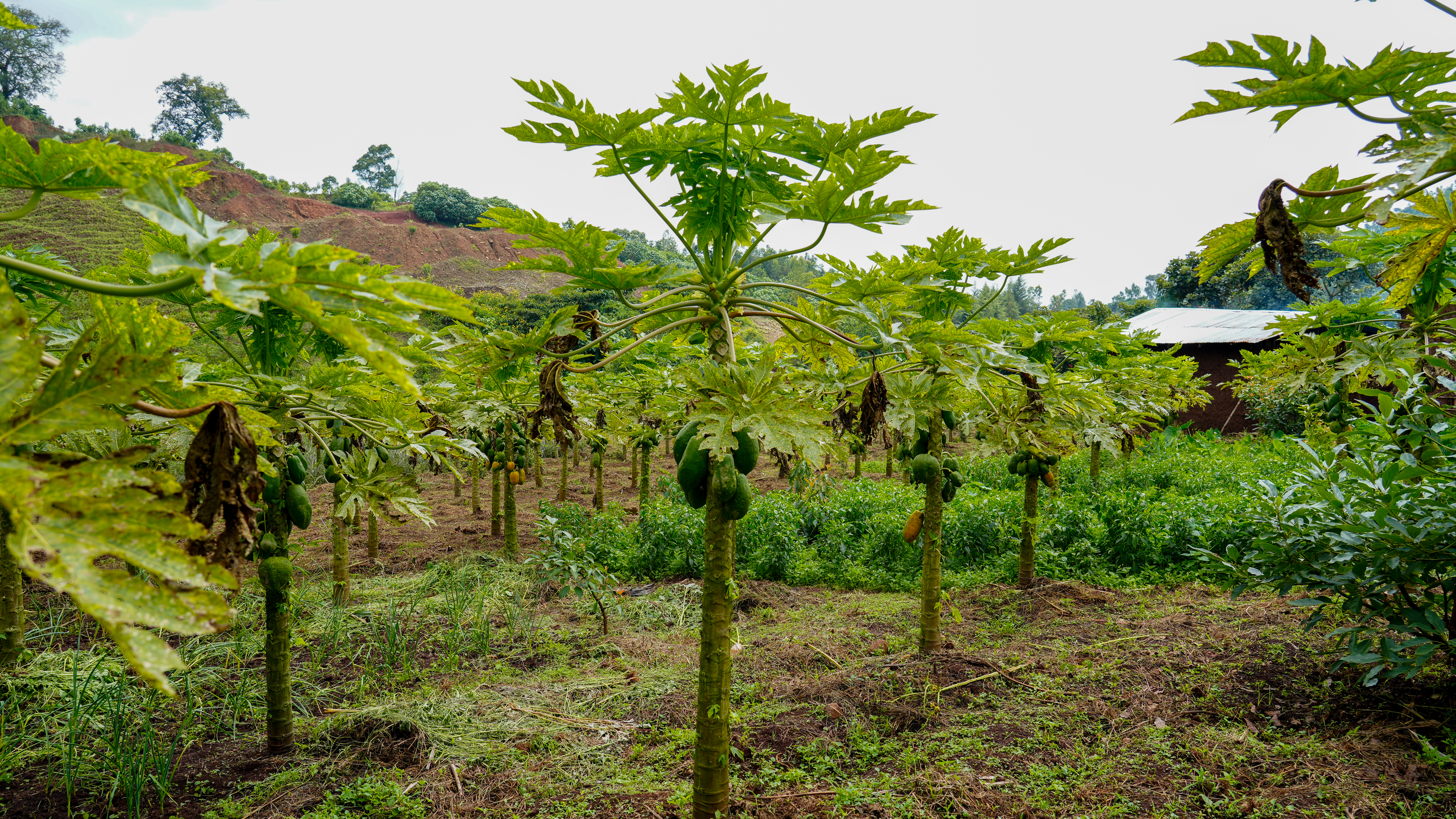
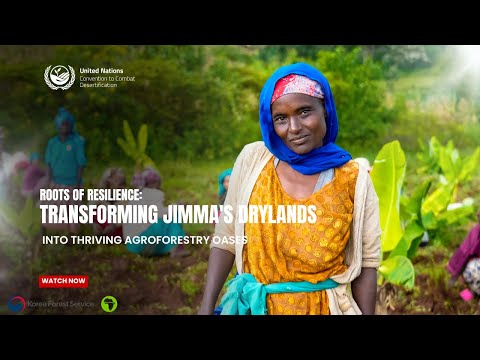
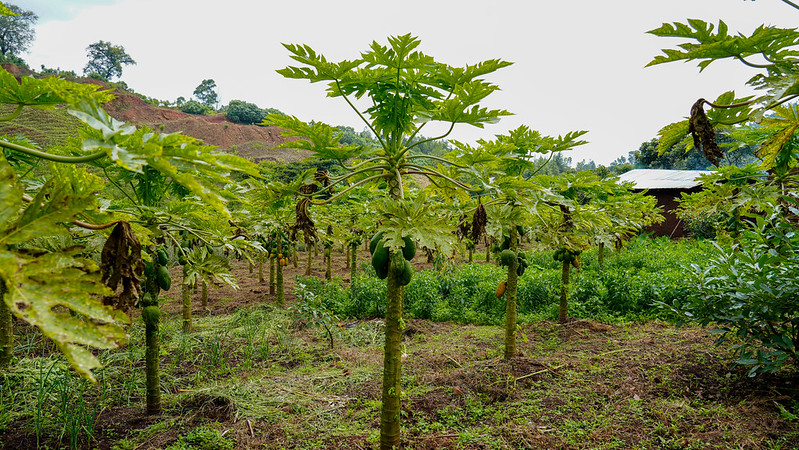
On the outskirts of Jimma, Ethiopia, a modest tree nursery is thriving against all odds. Here, vibrant green seedlings have sprouted from soil once rendered barren by relentless droughts. Hussein, a local farmer, walks among rows of avocado, banana and papaya seedlings, each symbolizing a new beginning for his family. “These trees are an important source of hope and pride for us,” he says, his voice a mix of pride and relief. This land has endured severe droughts for decades, with erratic rainfall extending the dry season and turning the soil to dust. But in Jimma, an agroforestry project offers a beacon of stability rooted in the soil.
The path to Jimma’s environmental rejuvenation commenced with a thorough evaluation of its degraded soil, which had suffered from years of intensive agriculture and persistent droughts. This initiative, the Greening Drylands Partnership, bolstered by the Changwon Initiative, launched by the Republic of Korea during the UNCCD COP10 in 2011, aiming to support the global target of a land degradation-neutral world. Financial backing was provided by the Korea Forest Service through the United Nations Convention to Combat Desertification (UNCCD) and the United Nations Environment Programme (UNEP). They conducted extensive soil sampling throughout the region to assess nutrient and moisture levels and thus the resilience of the soil. Encouragingly, despite its depletion, Jimma’s soil showed potential; with proper care, it was capable of supporting new life.
Hussein was one of the first to volunteer, intrigued by the idea that trees could provide benefits beyond his seasonal crops. At first, he didn’t believe trees could survive in this kind of soil, he admits. “We had always relied on corn and tomatoes, but when the drought came, they just dried up.”
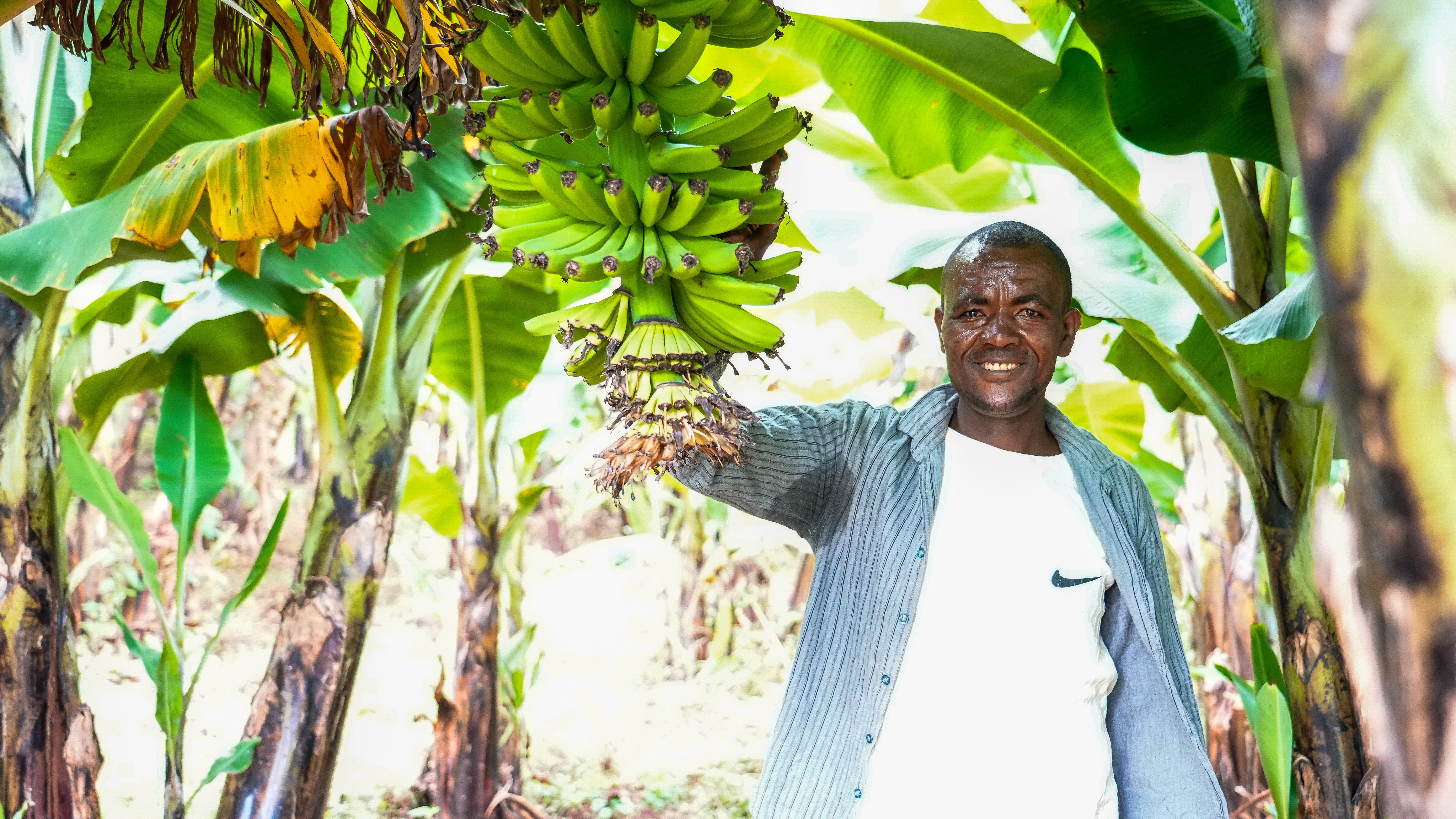
Today, he stands in the middle of his orchard, surveying the lush canopy that now protects his land. His fruit trees, once tiny saplings, have grown sturdy, their roots reaching deep into the earth. Where corn and peppers once struggled, avocado and banana trees thrive, providing a steady income he’d never imagined. In the past four months alone, he has earned about 72,000 Ethiopian Birr (about $1,300) from fruit sales. For Hussein, the change is more than financial.
Hussein is not alone in this transformation. His neighbor, Mohammed, and women’s collectives have also joined the agroforestry project, moving from annual crops to a permanent orchard. They have seen a steady income and now employ other villagers to help with the harvest, extending the project’s impact beyond his land.
Jimma’s agroforestry success is part of a larger movement. Across Ethiopia, the Green Legacy Initiative, a national reforestation campaign launched in 2019, has inspired communities to plant trees and protect natural resources. The program has surpassed its initial goal of planting 20 billion trees, setting the country on a path to reverse decades of environmental degradation. The Greening Drylands Partnership, with its direct economic benefits, demonstrates the potential to combine reforestation with income generation, giving struggling farmers a reason to protect their land.
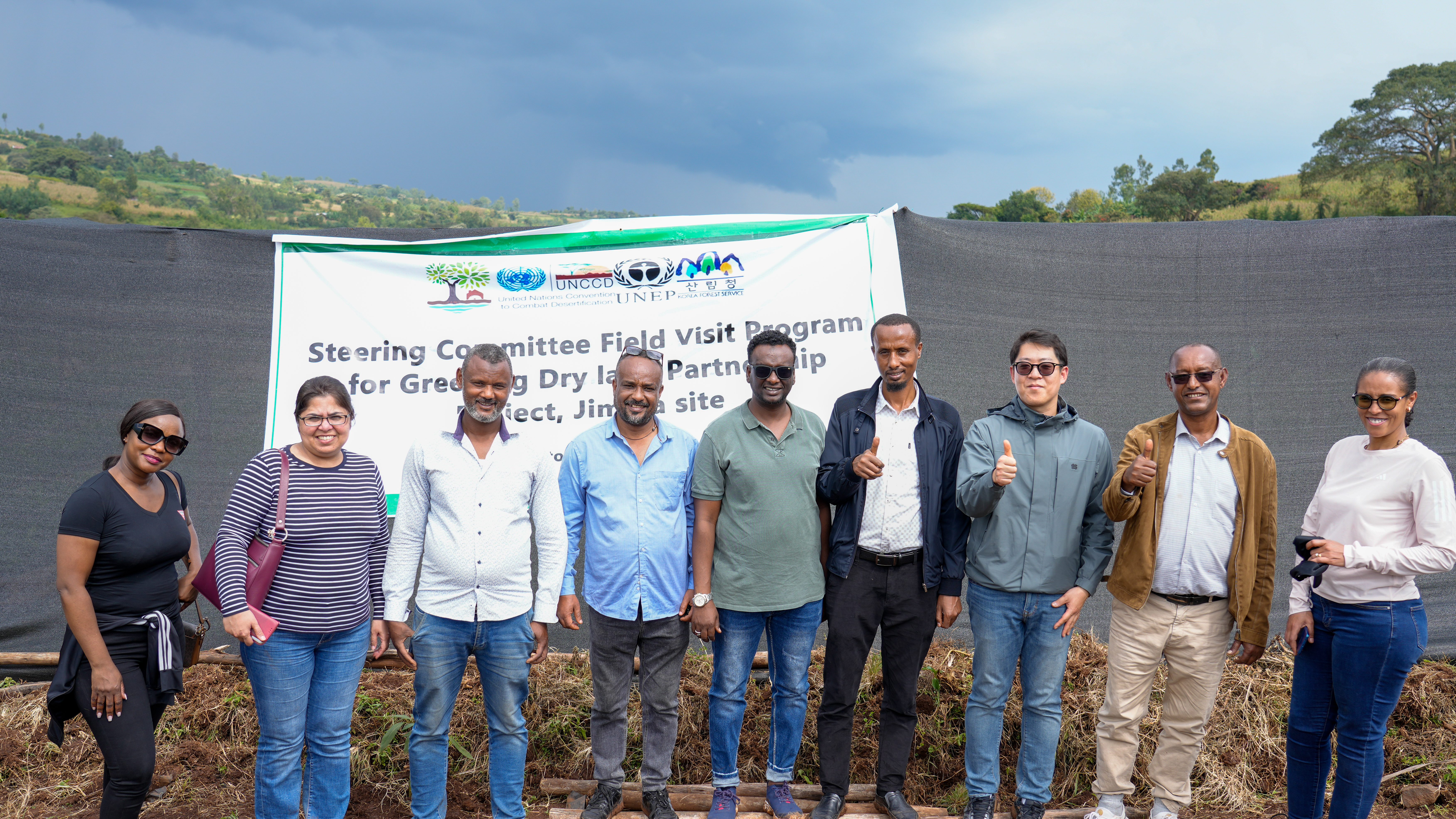
In Jimma, agroforestry is gaining traction as a movement, guided by farmers like Hussein, who recognize the importance of selecting the right seeds, planted with care, to ensure resilience.
Ethiopia’s droughts persist. Each year, as temperatures rise and rains fail, the country faces increasing pressure to adapt. However, the farmers of Jimma have demonstrated that adaptation is not a matter of surrender. Through agroforestry, they have found a way to thrive in conditions that once seemed impossible. They are actively engaged in reshaping their future, planting trees with a sense of urgency and dedication, as if their very survival depends on it.
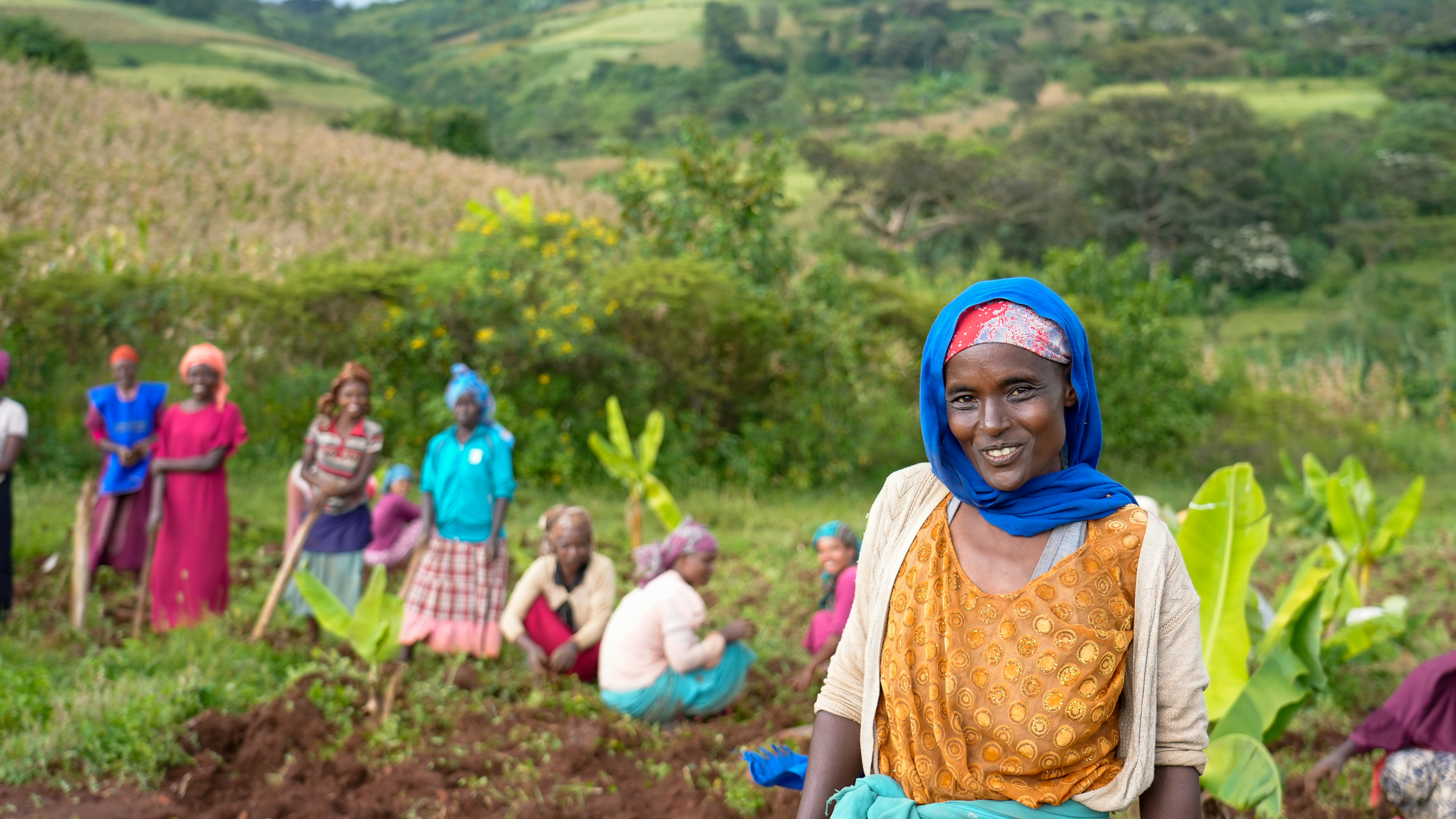
The roots of resilience are spreading, offering a roadmap for other drought-prone regions in the Horn of Africa and beyond. It serves as a reminder that sometimes the most powerful solution is already present and waiting within our communities.