In Colombia, Indigenous sacred sites revive the land
-
14 July 2025
-
Story
In northern Colombia, snow-capped peaks tower more than 5,700 metres above the Caribbean Sea. This is the Sierra Nevada de Santa Marta, a UNESCO Biosphere Reserve deemed the most irreplaceable site in the world for threatened species.
Much more than a sight to behold, the range is the prime water tower for 1.8 million people, a biodiversity hotspot in a country that ranks second globally in species richness and a territory of deep spiritual significance for the Arhuaco, Kogui, Wiwa and Kankuamo peoples. For them, it is Gonawindúa, or the ‘Heart of the world.’
This landscape of biocultural importance illustrates the vital role sacred natural sites around the world play in conservation, sustainable use and restoration of the land. That is particularly true for the Sierra Nevada, a land scarred by decades of conflict, charcoal mining, unsustainable agriculture and urban sprawl.
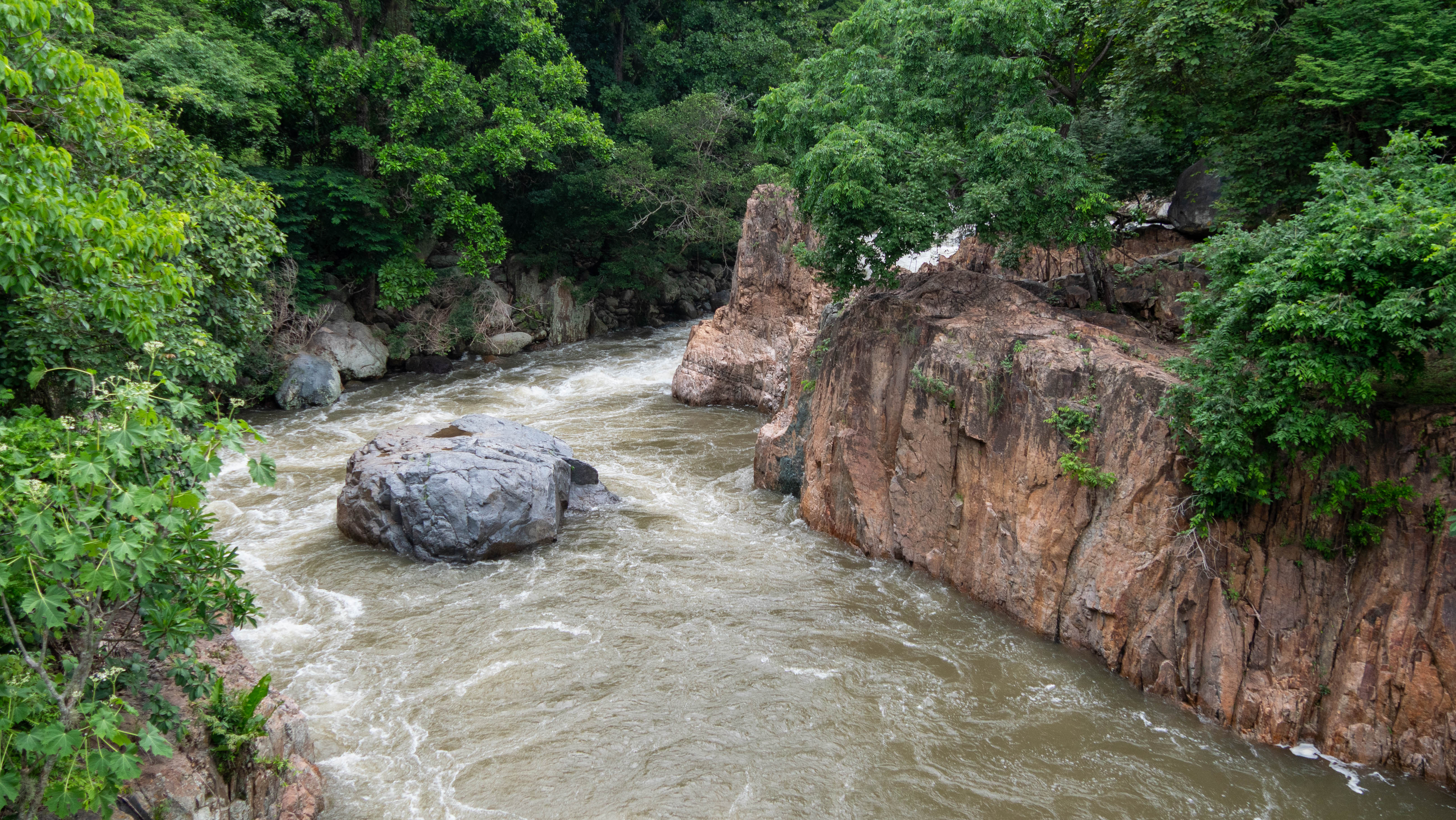
Sierra Nevada de Santa Marta is a major water tower in northern Colombia
In response to these pressures, communities have joined forces to protect and revive their land —a testament to the indelible links between the country’s 1.9 million Indigenous people, belonging to around 100 ethnic groups, and their ancestral territories.
The Heart of the World Programme, recently launched by four Indigenous organizations with support from the Ministry of Environment and Sustainable Development, looks to heal the land —including its soils, water resources and biodiversity— drawing on the best of ancestral knowledge and science. In upholding the cultural and spiritual integrity of their territory, home to nearly 350 sacred sites, the communities are also restoring vital ecosystem services like water provision for downstream populations.
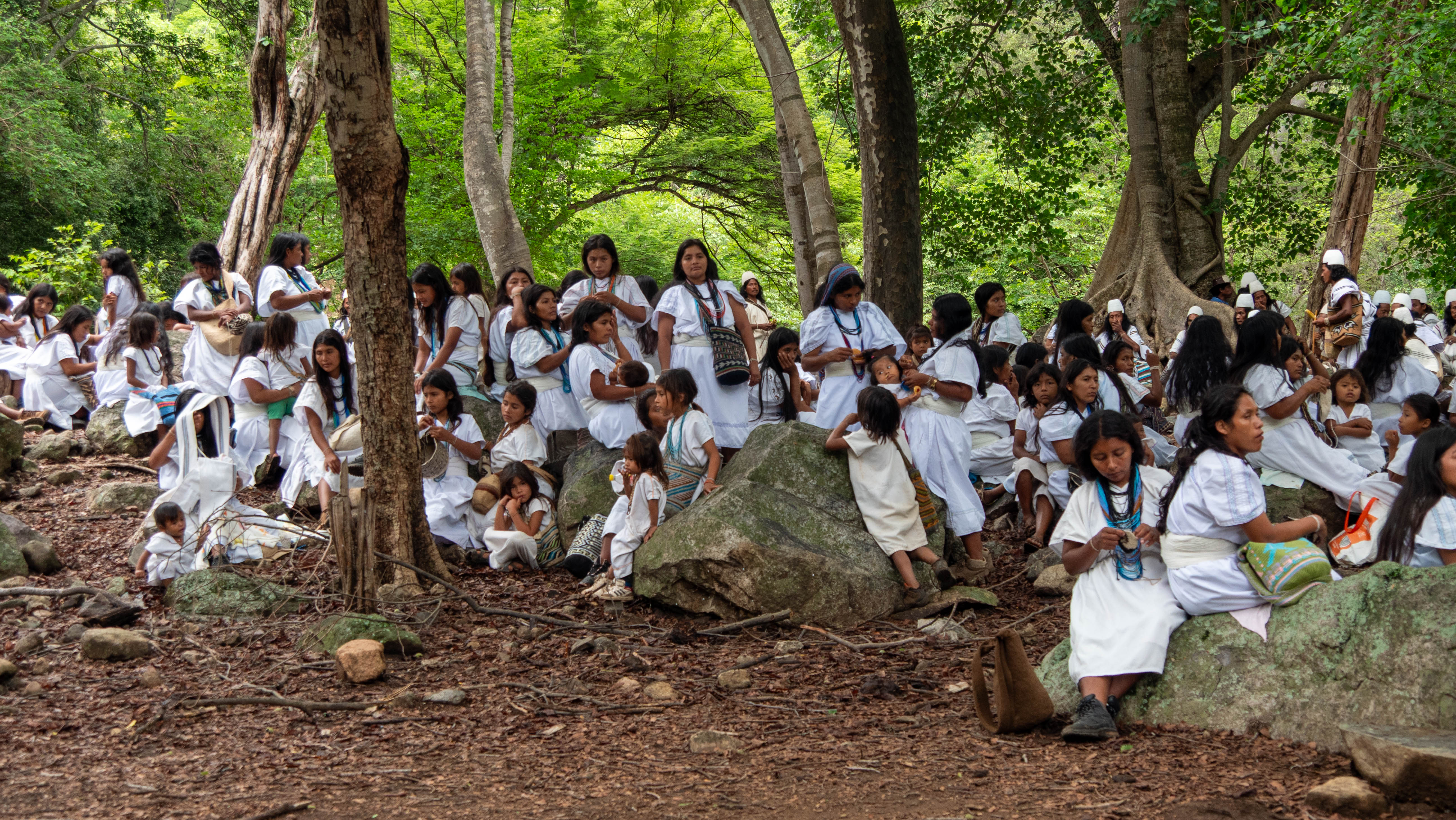
Arhuaco community in Serra Nevada de Santa Marta, Colombia
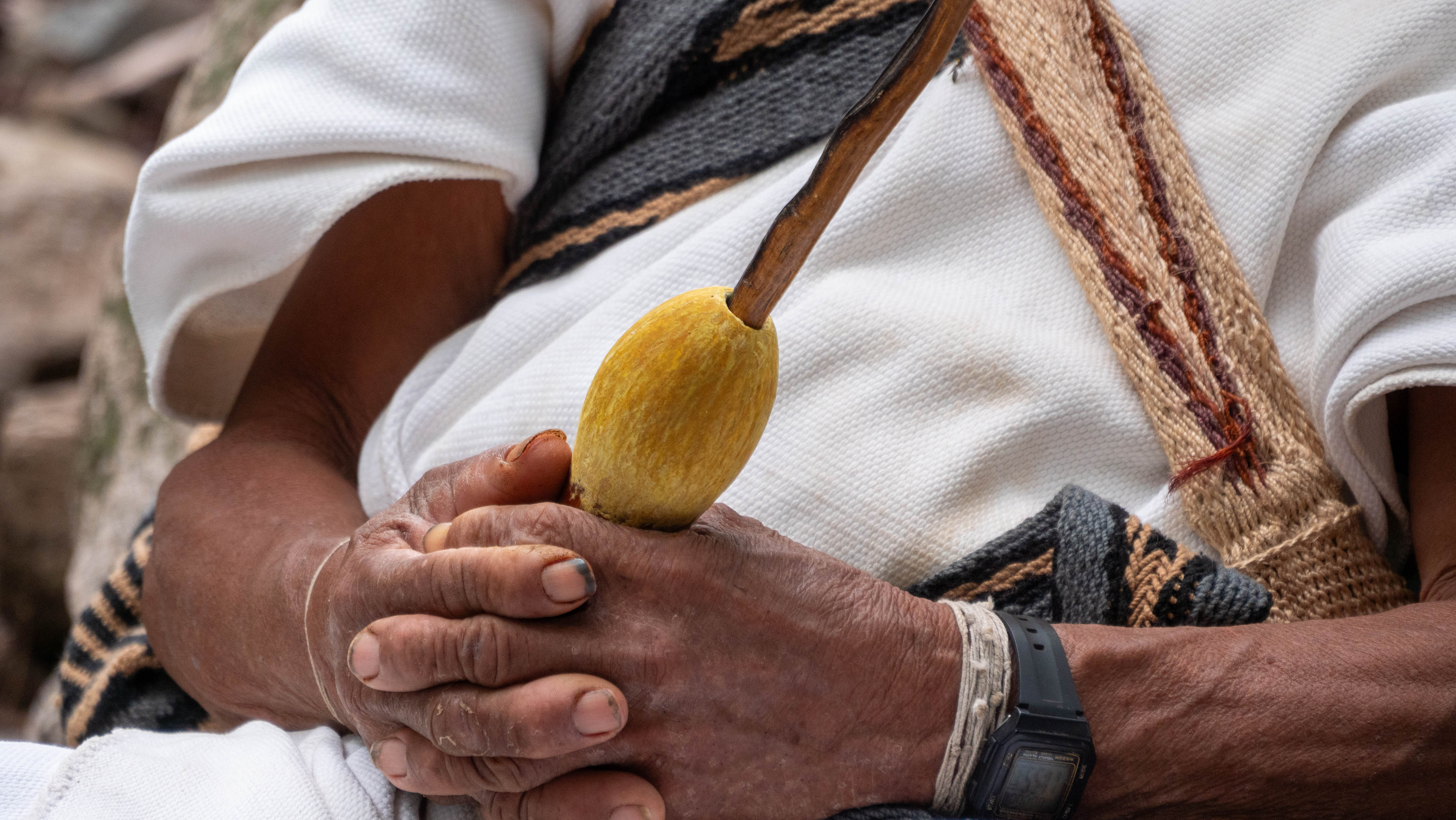
“Just as the human body heals itself, the Earth can also recover as long as we stop harming it,” says environmental coordinator of the Tayrona Indigenous Confederation Dwirunney Torres. The programme, he says, has allocated 70 percent of the territory to natural regeneration and the rest to ensuring food sovereignty and agroecological ventures through 2065.
The compass for the initiative is the Law of Origin, a set of ancestral principles that governs the lives of Indigenous communities and provides the basis for sustainable land use planning and land management. Its ultimate goal is achieving harmony between humans and the natural and spiritual worlds, which are seen as one.
Nature-based solutions
Indigenous people in the Sierra Nevada understand the link between healthy lands and the wellbeing of communities. As a result, they are taking action to protect and restore the land to ensure the availability of clean water, nutritious food and vibrant ecosystems for generations to come.
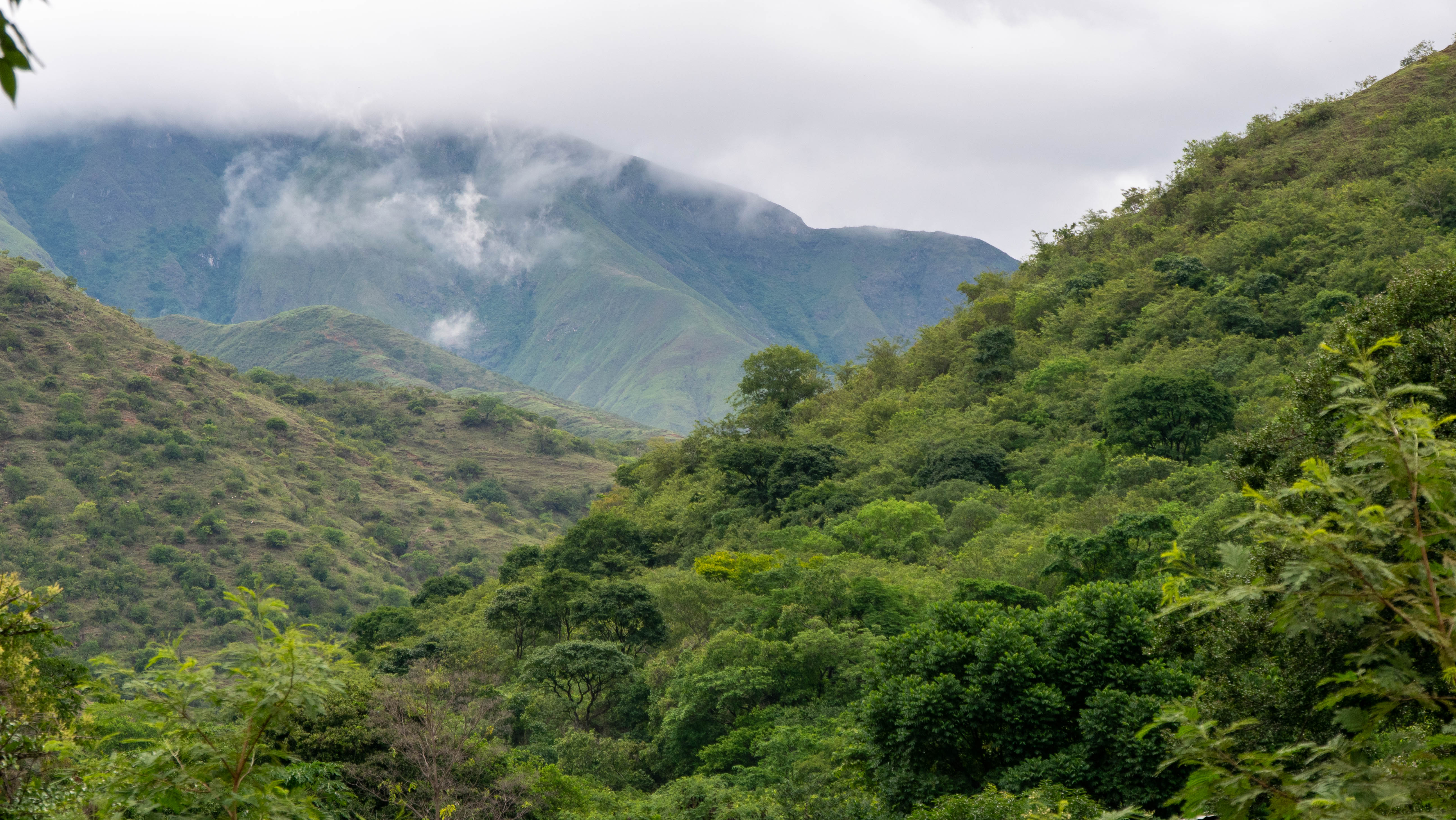
Sierra Nevada de Santa Marta, northern Colombia
Interventions range from acquiring land of cultural and environmental significance to protect it, to collecting and propagating the seeds of native species adapted to changing climatic conditions, to ensuring that degraded lands and ecosystems are allowed to regenerate. Other measures involve establishing living fences around water springs.
According to the Heart of the World Programme, reconnecting and protecting the string of sacred natural sites that delimit the territory —known as the Línea Negra, or ‘Black Line’— is the main and most effective strategy to heal the land: “Recovering and inhabiting the sacred sites is important, since the mere tenure of these spaces and the exercise of [Indigenous] self-government therein, guarantees their integral protection and natural regeneration (...).”
Women play an important role in these efforts, both as technical experts and as bearers of traditional knowledge.
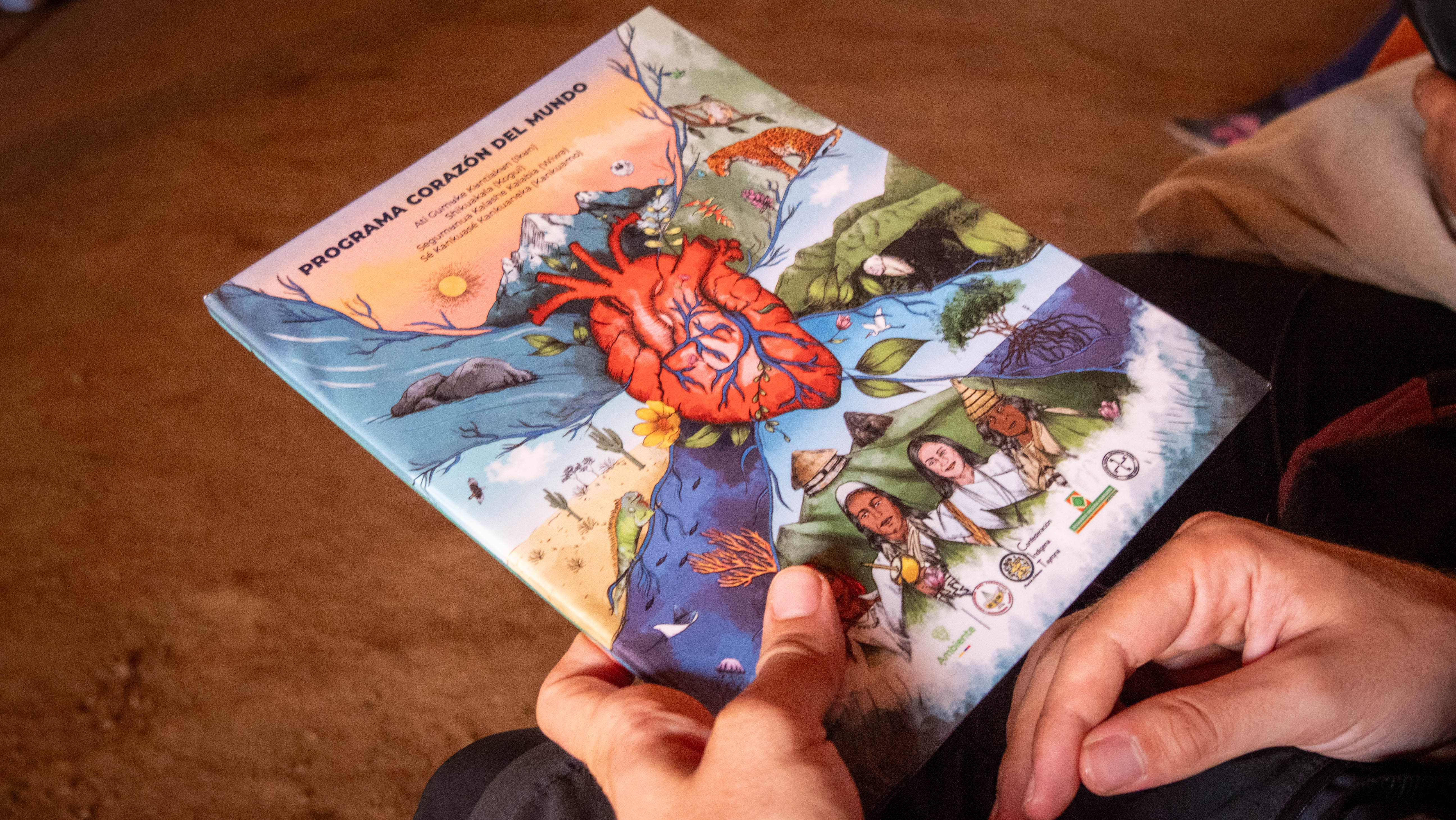
'Heart of the World Programme,' led by Indigenous communities
“As Arhuaco women, as givers of life, we have a responsibility to care for our Mother Earth” says environmental engineer Gunkeiwia Daza. In her community, women oversee native plant nurseries that are used to revive forests —and to rekindle the memory of a land where nature and culture go hand in hand.
For Gonawindúa communities, restoring the land is not a mere project, but a way to keep the Heart of the World beating. Their message, summed up by Dwirunney, is clear: the solution to the world’s environmental crises will not come from technical advances alone, but from a genuine respect for the Earth and its guardians.
Photo : © José Ríos/UNIC Bogota/UNCCD
Publications

Strong, sustainable, and resilient urban-rural linkages are central to efforts to combat land degradation, reduce out-migration, and achieve other sustainable development…