No longer a distant threat: Shared land crisis galvanizes collaboration
-
10 June 2025
-
Story
-
Land Degradation Neutrality

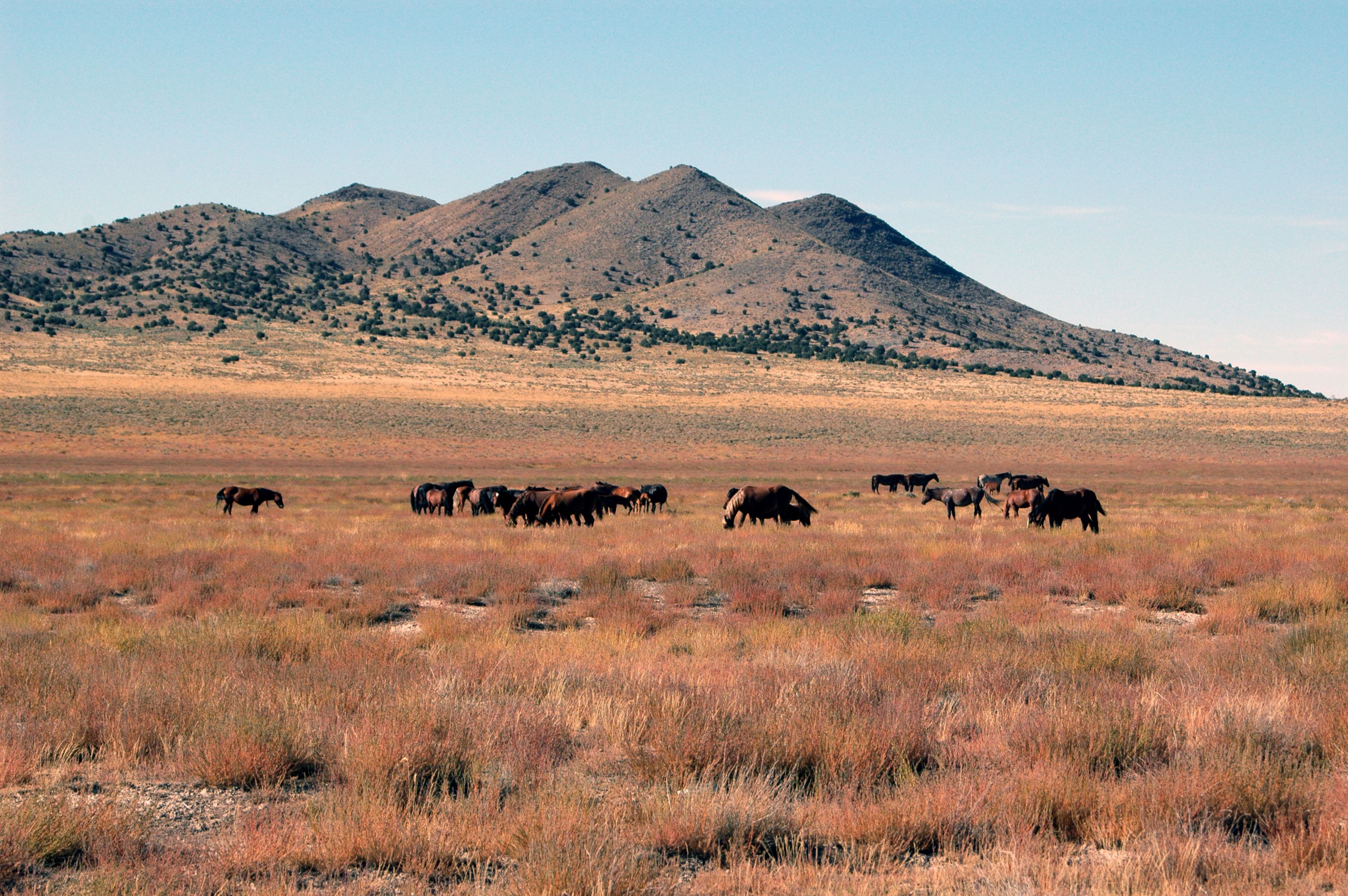
From the Arctic tundra to the steppe, signs of soil fatigue, erosion and degradation are emerging — and with them, a warning: no region is immune.
Land degradation is no longer a remote concern confined to arid zones — it has become a shared, urgent global crisis. Countries with vastly different climates, geographies and land use systems are now grappling with its impacts. The evolving understanding that land degradation transcends climate zones, with implications for food security, climate resilience and economic stability across continents, has placed the issue firmly on the global agenda.
Recognizing this, the UNCCD — the only legally binding international agreement focused on land and soil — is prioritizing collaboration across regions and sectors to successfully address these challenges.
Russia, once perceived as largely outside the desertification-prone zones, is now facing land degradation on multiple fronts. Although deserts make up only a small fraction of its vast territory, 85 per cent of the country’s primary agricultural production relies on just 7 per cent of the land — land that is now showing signs of vulnerability. In 2023 alone, 1.1 million hectares were officially recognized as disturbed, with the area expanding by 42,000 hectares each year. Industrial activity is the dominant factor, with agriculture contributing 18 per cent of the degradation.
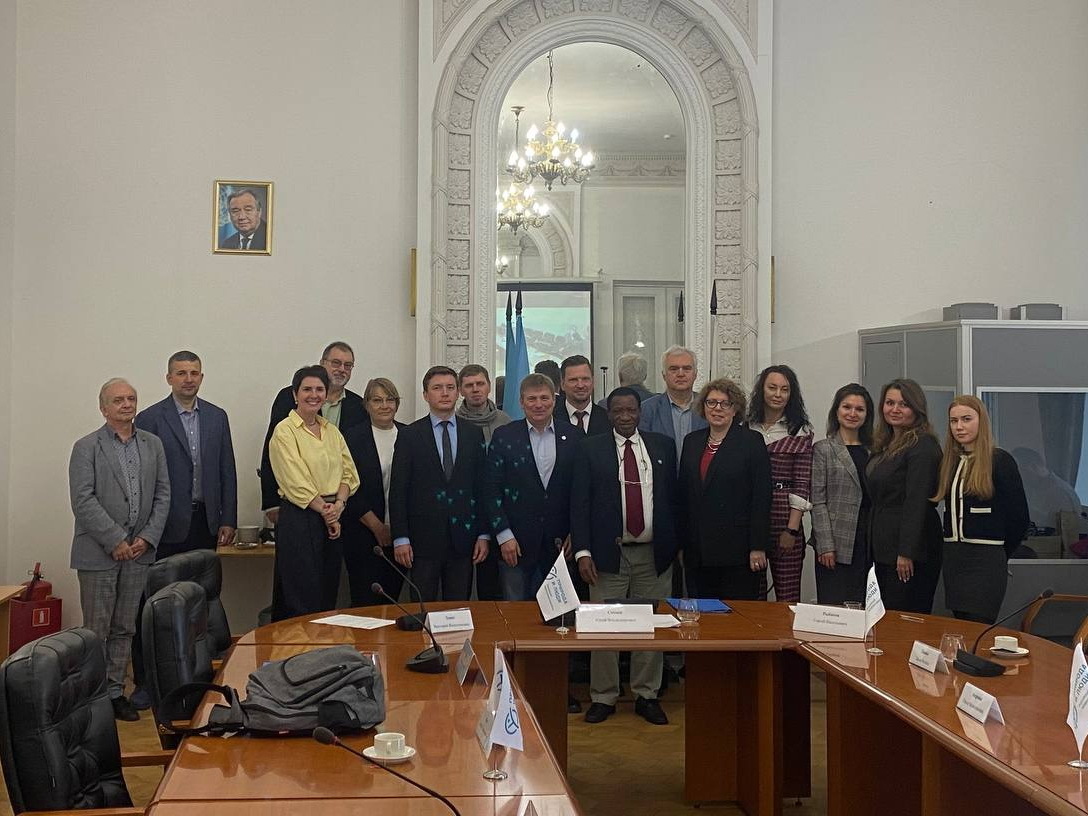
These realities were the backdrop to a recent roundtable at the UN House in Moscow, convened to reflect on the outcomes of UNCCD’s 16th Conference of the Parties (COP16) and their relevance for Russia. Organized by the Nature and People Foundation — the first and only accredited Russian observer to the Convention — the meeting brought together stakeholders from government, academia, civil society and international organizations.
One of the roundtable’s core messages echoed a major takeaway from COP16: land degradation must be addressed across all ecosystems, including boreal and Arctic regions. Russian scientists noted that methodologies initially designed to assess desertification in drylands are now being effectively adapted to northern environments. This evolving approach reflects the latest science, which connects soil health, climate resilience, biodiversity and food security in a synergetic framework.
Representing the UNCCD, the Chief of Science, Technology and Innovation Mr. Johns Muleso Kharika noted that “the shift from dealing exclusively with desertification and drought to addressing the silent crisis that is land degradation in all ecosystems demonstrates a strategic evolution in addressing the problem. The Convention engages a wide range of countries who face land degradation caused by deforestation, urban sprawl, soil erosion and other polluting factors,” he added, emphasizing the role of science as a key factor in shaping future-facing solutions.
Nikolay Doronin, First Deputy Chairman of Russia’s Public Chamber Commission on Ecology, highlighted that in 2023, 1.1 million hectares of land were classified as damaged— 0.06 per cent of Russia’s area, exceeding the size of Cyprus or Lebanon and comparable to Qatar. This area is growing by 42,000 hectares annually, with 18 per cent located in agricultural zones.
New technologies — including satellite monitoring, advanced planting materials and biotech-based restoration techniques — are becoming essential tools. Russia’s scientific institutions are contributing to emerging approaches in land monitoring, classification and adaptive restoration. But the impact of these efforts depends on national coordination, investment and political will.
Private sector engagement was another theme, with businesses urged to take greater responsibility for the lands they affect — particularly given that many degraded areas fall within or near industrial zones. The message was clear: land degradation is not someone else’s problem — and reversing it demands responsibility and action from all sectors.
Looking ahead to COP17 in Mongolia, Russian organizations are already preparing new inputs — including scientific findings and policy recommendations — drawing on their experience in land monitoring, scientific exchange and cross-sectoral planning. The roundtable made it clear that land degradation is no longer seen as a fringe issue. As the Convention’s agenda continues to evolve and as land degradation increasingly transcends national and ecological boundaries, one conclusion stands out: desertification is no longer a localized issue — and Russia is bringing both long-standing commitment and fresh scientific insight to the table.
Land degradation knows no borders. And neither should the solutions.
For more about the meeting, follow this link. Photo (c): naturepeople.org