Over one billion people worldwide lack secure land rights
-
12 March 2026
-
Story
-
Gender
-
Land tenure
-
New global assessment reveals deep gaps in land tenure security, governance and women’s land rights
For billions of people, land is more than property. It is their livelihood, income, identity and stability. Yet that stability is increasingly fragile.
Only about one-third of the world’s land is formally documented. More than one billion people – nearly one in four adults globally – feel insecure about their rights to land or housing and fear they could lose them within the next five years.
A new global assessment, The Status of Land Tenure and Governance, sheds light on this growing insecurity. Co-published by the Food and Agriculture Organization of the United Nations (FAO), the International Land Coalition and the French Agricultural Research Centre for International Development (CIRAD), under the Global Land Observatory, it brings together data from governments, researchers and civil society to show who holds land, how secure those rights are and where governance gaps remain.
With up to 40 per cent of the world’s land already degraded, secure land tenure is essential to restoring land at scale.
A widening gap between land management and recognition
Although states legally own most of the world’s land, much of it is governed in practice through customary systems. Indigenous Peoples and local communities manage 42 per cent of global land, yet only a small portion of those territories are formally recognized as theirs.
This gap between management and legal recognition means that many communities who depend on land do not have formal protection of their rights. In contexts characterized by high land concentration and ongoing large-scale land acquisitions, the absence of recognition can leave customary landholders with limited legal safeguards.
Where land rights are unclear or unprotected, adoption of sustainable land management practices becomes more difficult. Farmers and communities are less likely to invest in restoring degraded soils, conserving water, or adopting sustainable practices if their claims to land are uncertain.
“The findings of the Status of Land Tenure and Governance Report confirm that secure and equitable land tenure is a prerequisite for sustainable land management,” said Ward Anseeuw, Senior Land Tenure Officer at FAO. “Strengthening land governance is therefore essential to achieving the objectives of the UNCCD, particularly in advancing land degradation neutrality and enabling local land users to invest confidently in the long-term health and productivity of their land.”
Rising insecurity and persistent inequality
Land insecurity is increasing globally. Since 2020, the share of adults who feel insecure about their land or housing rights has risen from 19 per cent to 23 per cent worldwide – affecting more than 1.1 billion people. In several regions, more than one-quarter of adults' report feeling insecure, with youth facing particularly high levels of uncertainty.
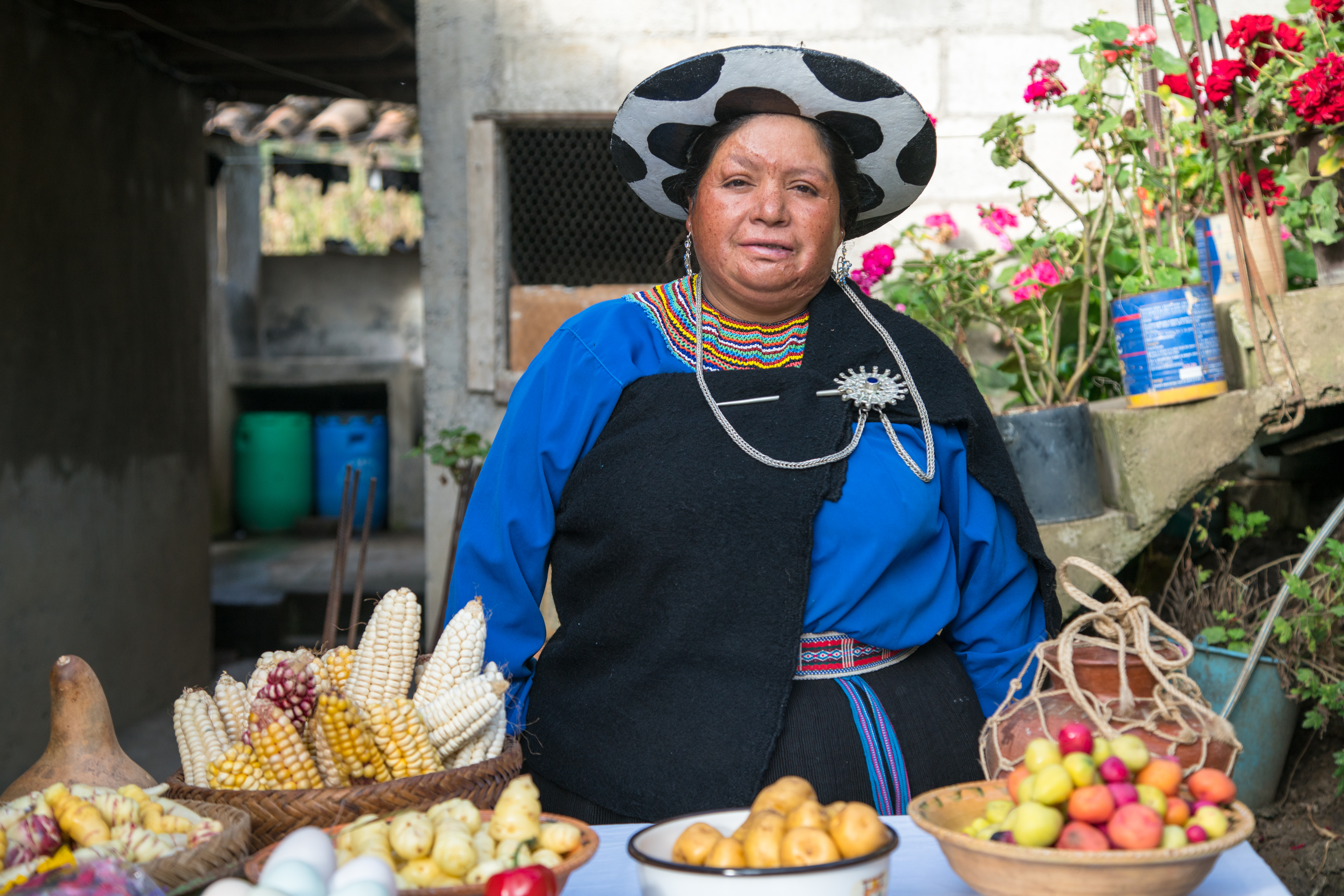
Gender disparities remain pronounced. Across 108 countries assessed, 48 per cent of men report being sole or joint landowners, compared to 40 per cent of women. In agricultural contexts, the gap is often wider. Women produce roughly half of the world’s food yet own less than one-fifth of land globally.
Where women lack secure tenure – due to inheritance barriers, limited legal protections or discriminatory customary norms - their ability to invest in soil restoration and sustainable practices is constrained.
Advancing women’s land rights is therefore not only a matter of equality. It is essential for resilient food systems and sustainable land management.
Customary lands, climate and resilience
Customary land systems often overlap with areas of high biodiversity and significant carbon storage. Communities managing these territories have demonstrated long-standing stewardship practices that contribute to ecosystem stability.
Healthy land, including soils and water, plays a significant role in climate mitigation and adaptation. According to the UNCCD estimates, drought losses now exceed USD 300 billion annually, and large parts of the world are becoming progressively drier. Billions of people could face increasing aridity in the coming decades.
In this context, strengthening recognition of customary tenure is not only about justice – it is about safeguarding ecosystems and supporting communities that are already on the frontlines of climate stress.
A structural data and governance gap
Land is central to food security, climate action and sustainable development – yet information about land tenure arrangements and the security of those rights remains patchy.
Only a limited number of countries report fully on land-related Sustainable Development Goals (SDG) indicators. Compared to sectors such as health or public finance, land tenure data are far less available and often not publicly accessible.
The assessment calls for stronger national data systems, clearer legal frameworks and better alignment with international standards, including the Voluntary Guidelines on the Responsible Governance of Tenure of Land, Fisheries and Forests (VGGT), endorsed by the Committee on World Food Security and supported by FAO – the only globally agreed framework that sets standards for how land tenure rights should be recognized and protected. These guidelines form the foundation for a number of critical policy decisions of the UNCCD Conference of the Parties.
Without reliable and transparent information, it becomes harder for governments to track progress and meet commitments under the SDGs and the Rio Conventions – the three global agreements on climate change, biodiversity and desertification.
Governance at the heart of restoration
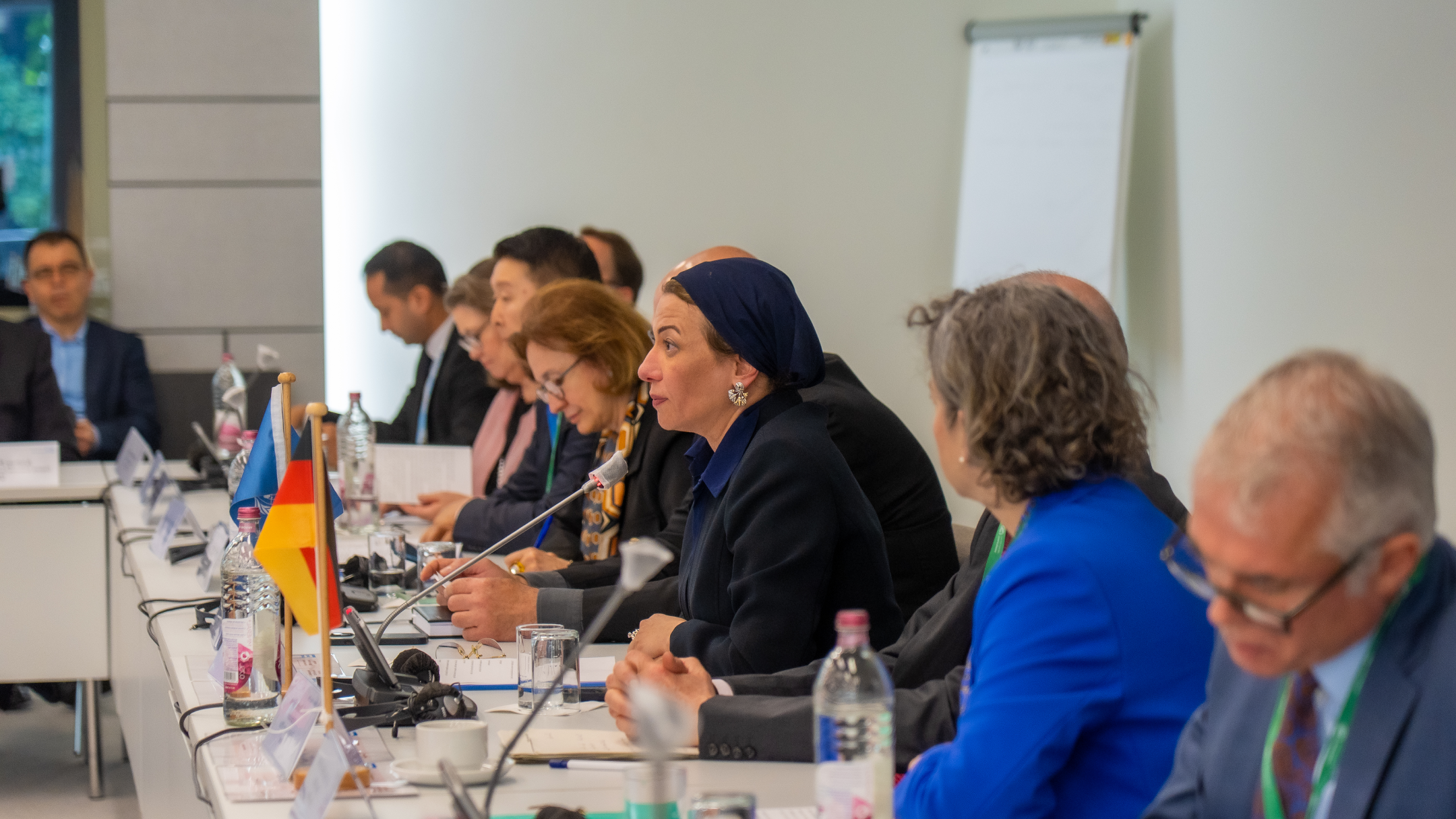
These themes were further explored during a joint side event convened by the UNCCD together with TMG Think Tank for Sustainability – an independent research and policy institute focused on land governance and environmental justice – as well as the Robert Bosch Foundation and other partners.
The discussion underscored that restoration, food security, and resilience cannot be separated from land governance systems. Transparent land administration, inclusive decision-making, and legal certainty are foundational conditions for sustainable land management.
Governments have pledged to restore one billion hectares of degraded land by 2030, with nearly half of that commitment under the UNCCD framework. Achieving this ambition will require more than finance and technical solutions. It will require trust and equity for the people who depend on the land.
“Land underpins food systems, climate stability and livelihoods,” said Dr Barron Joseph Orr, Chief Scientist of the UNCCD. “Without responsible and inclusive land governance that safeguards land tenure, the intended positive impacts of restoration efforts risk being temporary. Securing land rights is not simply about the four "R's" of Redistribution, Restitution, Recognition, and Regulation - it is about creating the conditions that allow communities to restore land and sustain it for generations to come.”
Photo (c) : FORESCA

The guidelines set out principles and internationally accepted standards of responsible practices for the use and control of land, fisheries and forests.