Rangelands, resilience and the women at the center
-
25 May 2026
-
Story
-
Rangelands and pastoralists
-
By Yasmine Fouad, Executive Secretary, UNCCD
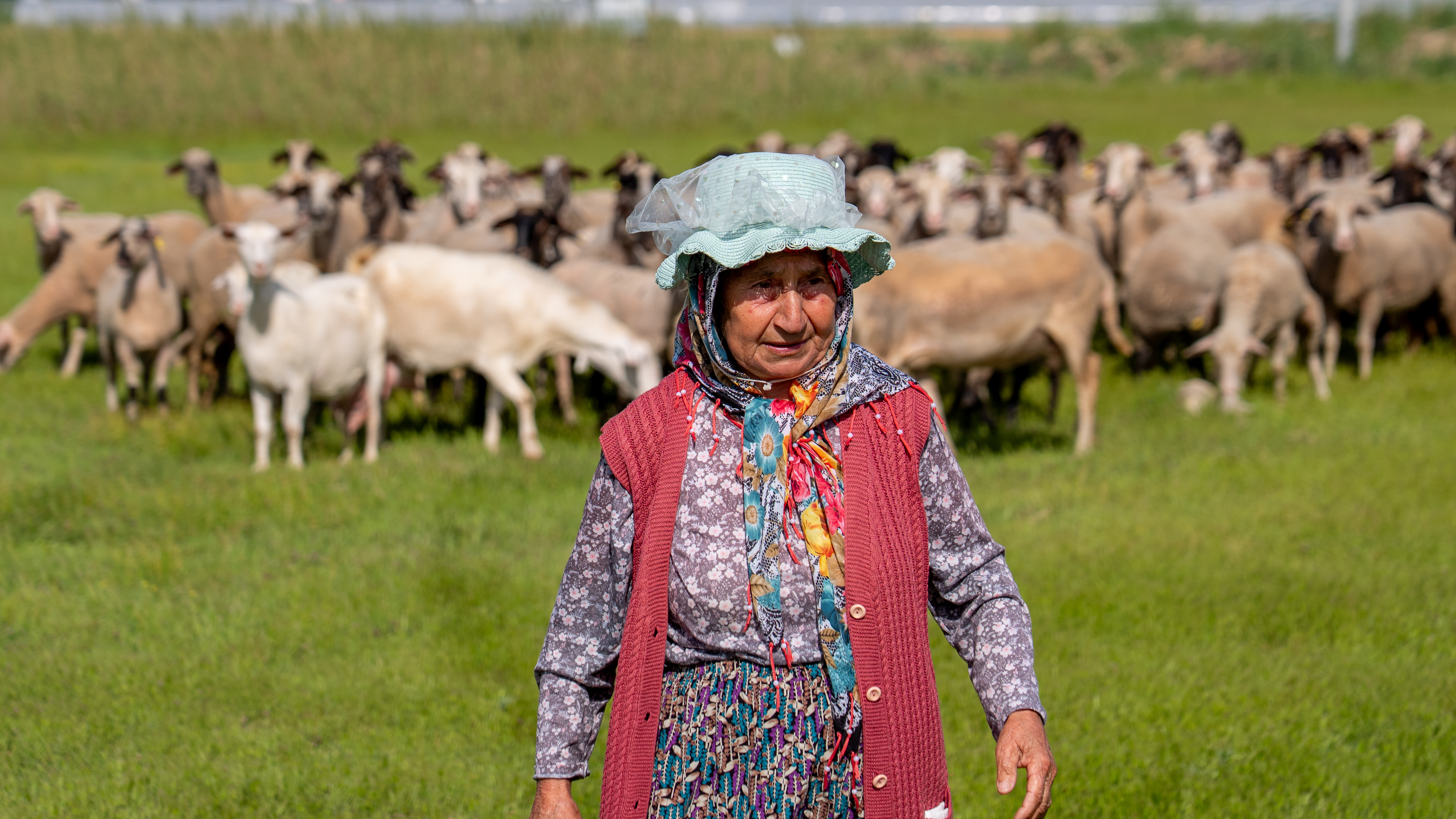
Antalya – Türkiye: I arrived in Bozhüyük expecting to see rangelands. I did not expect to have my assumptions about work, family and resilience quietly dismantled by a woman tending 150 sheep before most people have had breakfast.

The village sits in Antalya Province, at around 1,100 metres, where the land opens into the kind of wide, unhurried landscape that makes you feel the scale of the planet again. I had come from a different kind of room. The Strategic Antalya Dialogue had just brought together environment ministers, G20 representatives, around an urgent and well-documented problem: more than 40 percent of the world's land is now degraded, food systems are under pressure, and the window for meaningful action is narrowing. The commitment in that room was real. The language was careful and the data was sound. But something happens when you leave the conference hall and go to where the land actually is.
In Bozhüyük, pastoralists had gathered to mark the seasonal movement of their animals to higher pastures, a tradition as old as the landscape itself. The Silk Road Caravan had been traveling through Türkiye for over a week by then, moving from the snowy highlands of Erzurum to the apricot plains of Malatya, and now here, where celebration and work were the same thing. I was beginning to understand that in pastoral life, they always are.
She had been doing this since her marriage. That was how she had entered pastoral life: through partnership. She told me she had learned quickly. She had to. Her days begin early and continue into the evening: feeding lambs, supporting dairy production, caring for newborns, managing everything that a herd of animals demands. She does this alongside her husband, her children, her extended family. Everyone has a role.
This is the sentence that stayed with me when I returned to the policy discussions. In Turkiye, we talked about land as infrastructure, about soil as a carbon reservoir, about rangelands as the foundation of food systems that feed nearly two billion people. All of that is true, and all of it matters. But what this woman described is something that no data set captures: the relationship between a person and a piece of land cannot be reduced to economics alone. It deepens with time and effort. It produces, alongside milk and wool and meat, the kind of genuine care that no policy can manufacture and no program can fully replace.
This is the case I want to make.
Rangelands cover more than half of the Earth’s surface. We lose at least 100 million hectares of productive land every year. In some regions, rangelands are disappearing faster than rainforests. The economic cost of land degradation alone approaches 900 billion dollars annually. The G20 ministers who gathered in Antalya understand these numbers. What the meeting also surfaced was something harder to quantify: the recognition that accelerating land restoration requires not just finance and technology, but the integration of the people who have been managing these landscapes for generations into the decisions that shape their future. That conversation is beginning. It needs to move faster.
The rehabilitation programme operating in Bozhüyük offers a model of what serious commitment looks like on the ground. The Ministry of Agriculture and Forestry is restoring 770 hectares of degraded grazing land through reseeding, water infrastructure and controlled grazing, with pastoralists moving seasonally to pastures reaching 2,000 metres. It is sustained and technical and necessary. And it works better, the evidence consistently shows, when the communities themselves are partners in its design rather than recipients of its outputs.
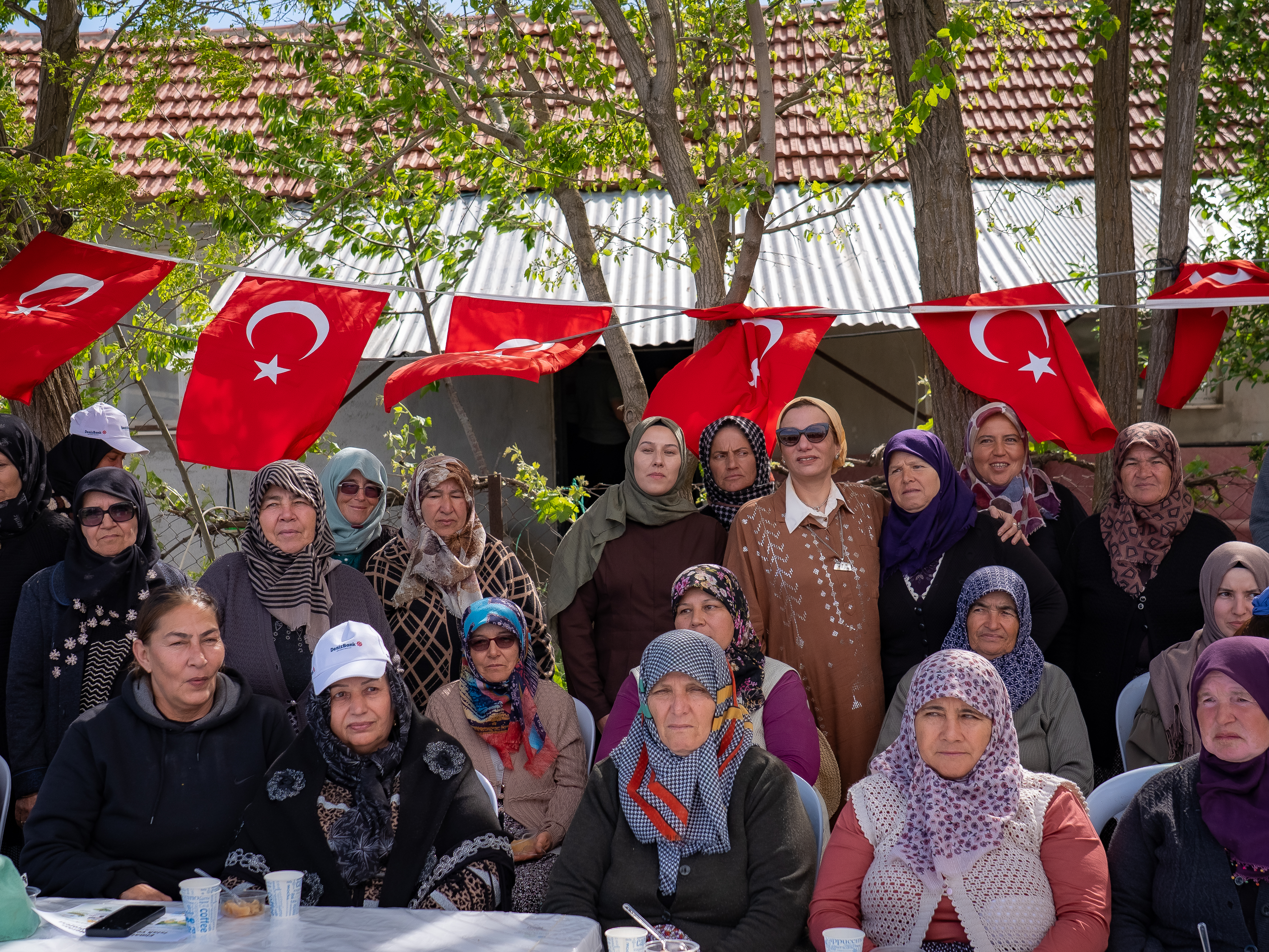
The conventional image of pastoralism centers the male herder. It misses most of the picture. The women I met in Türkiye are not supporting actors in a story that belongs to someone else. They are the reason the system functions. As one family member said plainly: this work cannot be done by one person. It requires the whole family, and the women are at the center of that.
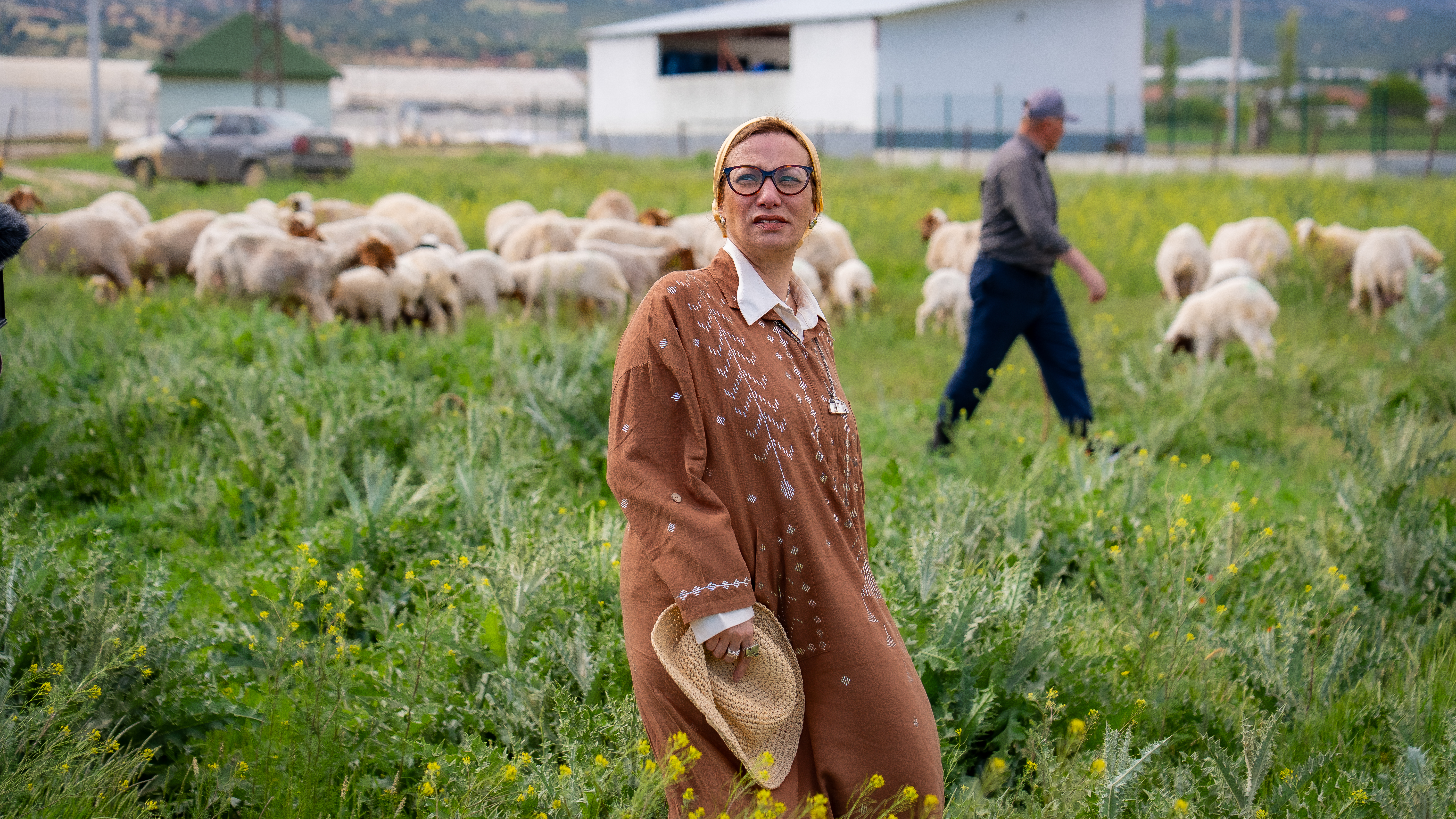
Recognizing this has direct implications for how we design policy, allocate resources and structure support for pastoral communities. If we continue to overlook the women, we continue to misunderstand the system we claim to want to protect. That message belongs in every room where land policy is discussed, including the G20.
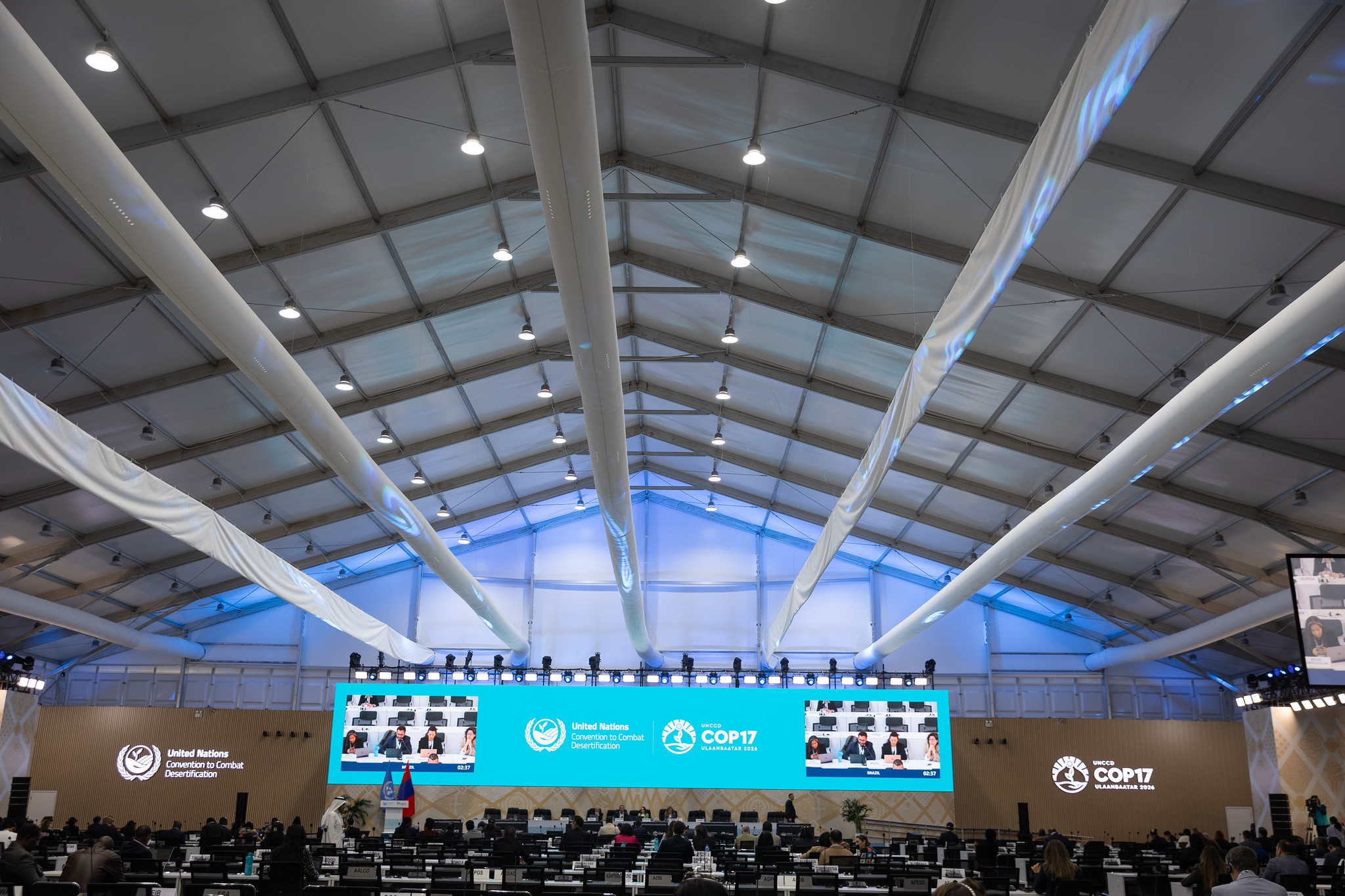
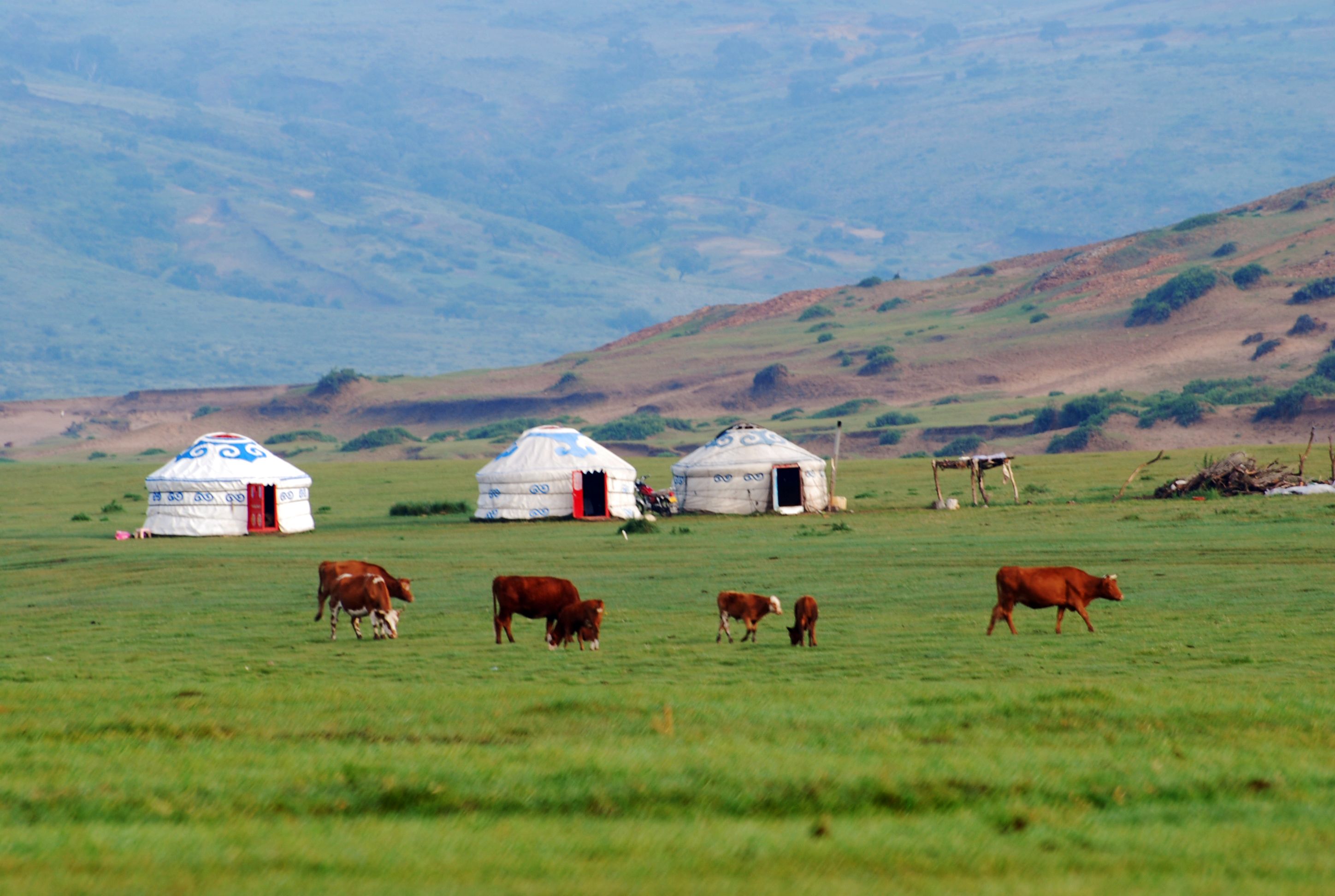
The Silk Road Caravan moves on from Türkiye toward Central Asia, toward Mongolia, toward COP17 in Ulaanbaatar in August, and onward to COP31 here in Türkiye in November, where the Antalya Initiative on Rio Synergies will ask countries to align their climate, biodiversity and land planning around exactly the kind of integrated land management Bozhüyük already practices. We are documenting what we find because documentation is the first step toward recognition, and recognition is the first step toward policy that actually reaches the people who need it.
The woman in Bozhüyük will not be in the room in Ulaanbaatar. But her knowledge, her resilience and her relationship with the land belong at the center of every decision we make there.
Follow the Silk Road Caravan at silkroadcaravan.org