Latest
A recent graduate of a geography and environmental management programme in Nigeria, Ibrahim volunteers with several organizations to plant trees and raise awareness among the youth on the effects of desertification and ways to address it. He writes a blog and draws cartoons to convey messages about land restoration. You can find him on: Facebook: @ibro941 Twitter: @Ibrodollars Instagram: @ibrodollars/

At just 20 years old, Kehkashan is already a global influencer, environmentalist, TEDx Speaker, social enterprise innovator and author. In 2012, she founded the Green Hope Foundation to provide a platform for engagement and empowerment of children and youth, especially those representing vulnerable groups, and turn them into changemakers who address the sustainability issues at a local level. Today, the foundation has 2060 members in 16 countries across Middle East, India, Brazil, USA, Canada, Europe and South East Asia. Empowering young people is Kehkashan's passion, and she spends a lot of time personally training and guiding many of them through workshops on mangrove conservation and tree planting. Kehkashan is a tireless civil society advocate for the Sustainable Development Goals and holds leadership positions in several organizations. During the COVID-19 pandemic, Kehkashan continues her advocacy work through webinars and the #WomenImpactingTheWorld series. You can find her on: Facebook: @greenhopeyouth.greenhopefoundation Twitter: @KehkashanBasu / @GreenHopeYouth Instagram: @kehkashan5basu / @greenhopefoundation
Patricia Kombo is a young social entrepreneur and a climate activist from Kenya. She studied journalism at Moi University and is known for her tree planting activities, especially her nonprofit PaTree Initiative that planted over 10,000 trees as of 2020. She is actively engaging school students in tree planting and nature conservation and strongly believes in educating them on the benefits of sustainable living. During the COVID-19 lockdown, Patricia raised 10 000 saplings from indigenous seeds in her nursery. Working with her community, she set up kitchen gardens and gave trainings on sustainable farming and land conservation to help achieve zero hunger, eliminate poverty and promote gender equality. Find Patricia on: Facebook: @patreeinitiative Twitter: @patriciakombo Instagram: @pattykomboh
Senegalese singer and UNCCD Land Ambassador Baaba Maal believes that the future of Africa is in the hands of the youth. He is actively supporting the new narrative on the Sahel as the region of opportunities, rich in traditional culture and with a large potential for development in the management of natural resources as well as opportunities for youth, since close to two thirds of the population is under 35 years old. Through his concerts and social engagement, Baaba Maal uses the magic of his voice to bring people together and empower them to build a peaceful and prosperous future on land, harnessing the potential of the African traditions and new technologies. Read more: UNCCD Land Ambassadors Land and youth

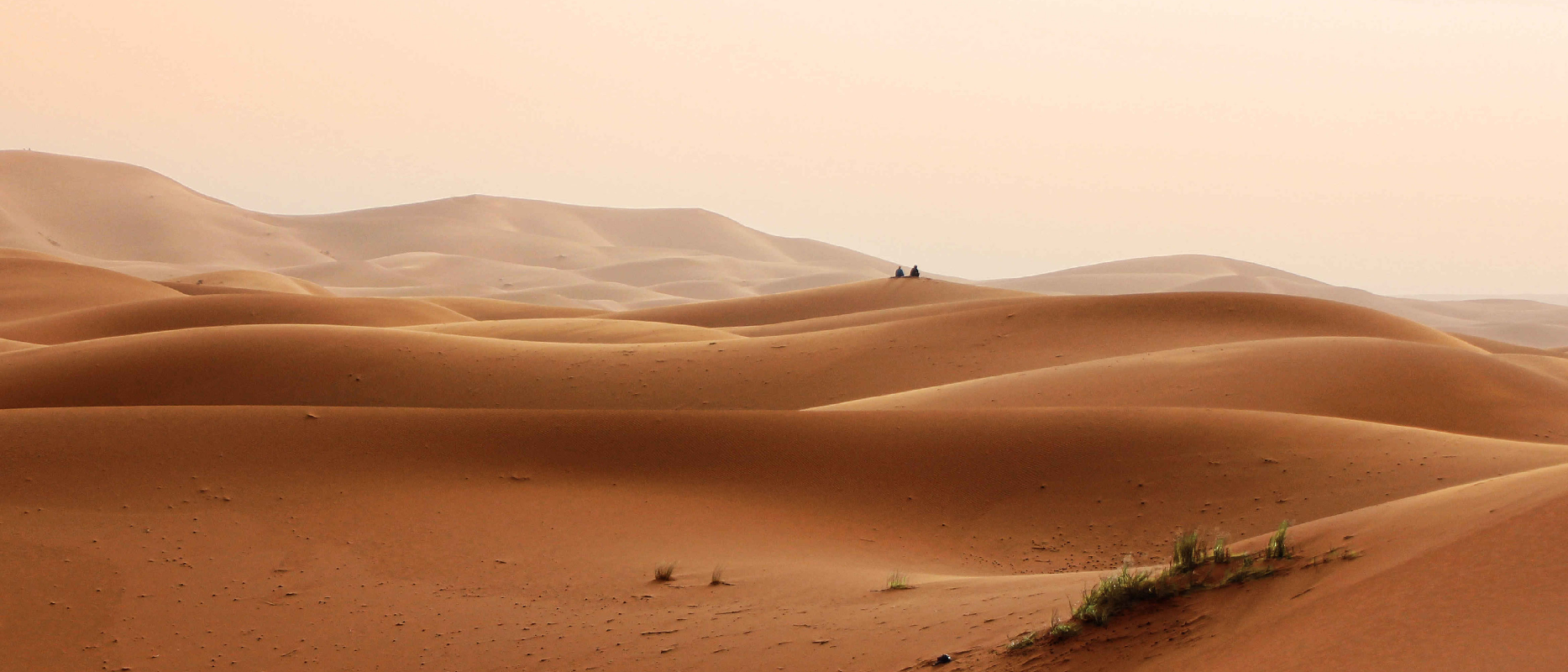
Statement by UNCCD Executive Secretary Ibrahim Thiaw: All of our planet’s inhabitants – humanity, and all wildlife species – require water to survive. We learn very young that life cannot exist without water. Yet over 2 billion people still lack access to safe water today. This year’s World Water Day celebrates the theme ‘Valuing water.’ This fundamental need has enormous and complex value for our societies, households, food, culture, health, education, economics and the sustainability of our environment. Global water use has increased sixfold over the past 100 years, driven by intensive agriculture and population growth. The demand for water just in food production may reach 13 trillion cubic metres annually by 2050 – 3.5 times greater than the total human use today. The importance of water for land is obvious: humanity’s relentless production and consumption relies heavily on water use and is a prime cause of desertification and land degradation. In a warming world beset by weather extremes, droughts will become more common, more intense, and more prolonged in many places – including places already at the margins of habitability. Drought and desertification are not just problems for the global South. We already see impacts, and land degradation, in highly productive and populated parts of the developed world – including California, Spain and Australia. Land degradation and desertification reduce evapotranspiration, disrupting regional rainfall patterns. In contrast, healthy land promotes consistent seasonal and annual rainfall and aids flood mitigation, soil health and aquifer recharge, helping to bring back landscapes from the brink. The UNCCD’s Drought Initiative is working globally to support our Parties to develop drought preparedness systems, spearheading regional efforts to reduce drought vulnerability and risk. Our Drought toolbox provides resources to support actions that aim to boost the resilience of people and ecosystems. Land restoration is a vital ally to World Water Day. As we celebrate today, let’s remember that we must value water and land equally as part of the same challenge – to build a better, more equal, healthier planet post COVID-19.
Statement by UNCCD Executive Secretary Ibrahim Thiaw: This year’s International Day of Forests theme of ‘Forest restoration: a path to recovery and well-being’ emphasizes the role forests must play in building a better, heathier and more equitable world as we recover from the COVID-19 pandemic. We need forests to absorb our emitted carbon dioxide, to stabilize rainfall patterns, lower temperatures, and to hold back desertification. Yet, we continue to destroy them: an alarming fifty million hectares of forests have been lost between 2015 and 2020. Research suggests tree mortality in some forests has doubled in recent decades as a result of a drying climate and chronic anthropogenic disturbance. Ensuring that forests don’t just survive but thrive is a cornerstone of the UNCCD’s mandate to achieve land degradation neutrality. The seedlings and saplings we plant today will support our well-being for generations to come. Africa’s Great Green Wall across the Sahel has the potential to transform the lives of millions of humanity’s most vulnerable people. By creating a mosaic of green and productive landscapes, it can provide stability, livelihoods and a path out of poverty. We’ll create green jobs, harnessing the Sahel’s abundant solar energy to power a future for those most at risk. We are not just planting trees –we are planting hope for the most vulnerable – women and youth. We can restore forests and restore hope, in tandem. We can turn the economic catastrophe of the COVID-19 pandemic into a better, heathier and more equitable world. Forests are also threatened by human conflict. In politically unstable situations, the management of natural resources is challenging. Rapid reconstruction often neglects sustainable management of natural resources, undermining future peace. The Peace Forest Initiative, launched at UNCCD COP 14, aims to nurture collective efforts for cross-border cooperation on ecosystem restoration including forests, linking stability and peace to land degradation neutrality. This year, let us reaffirm our will to act. Seeing our forests renewed will help humanity recover better, become more resilient, and restore our planet’s health – for all our futures. Read more Forests at the heart of land degradation neutrality Great Green Wall of Africa Peace Forest Initiative