News & stories

Related news
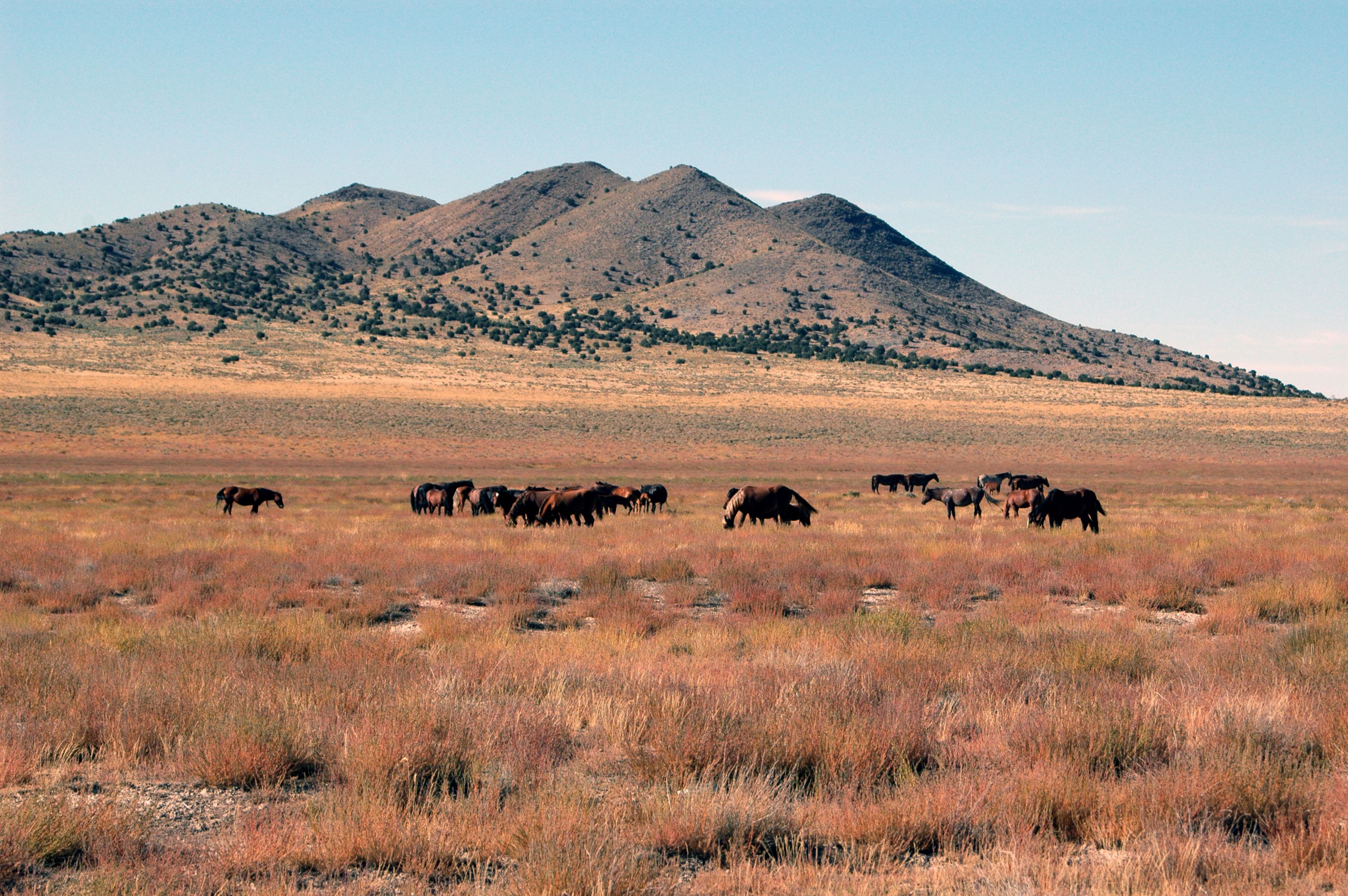


От арктической тундры до равнинных степей всё заметнее истощаются почвы, усиливаются эрозия и деградация земель — наглядное напоминание о том, что ни один регион мира не застрахован от этих процессов.Деградация земель уже не ограничивается засушливыми территориями — сегодня это острый глобальный кризис, и страны с самым разным климатом, географией и системами землепользования ощущают его последствия. Осознание того, что проблема не знает климатических границ —напрямую затрагивая продовольственную безопасность, устойчивость к изменению климата и экономическую стабильность — выводит её в центр международной повестки,Именно поэтому Конвенция ООН по борьбе с опустыниванием (КБО) — единственный в мире юридически обязывающий договор по вопросам земель и почв — ставит во главу угла приоритетом сотрудничество между регионами и секторами для услешного решения проблемы.Россия, ещё недавно считавшаяся страной за пределами зоны риска опустынивания, сегодня сталкивается с деградацией земель по нескольким направлениям. Хотя пустыни занимают лишь небольшую часть её огромной территории, 85 процентов сельскохозяйственного производства сосредоточены всего на семь процентов земель — и именно они наиболее уязвимы. В 2023 году в стране официально зафиксировано 1,1 млн га деградированных земель; площадь растёт примерно на 42 тыс. га ежегодно. Главный фактор — промышленность, на сельское хозяйство приходится 18 процентов.Именно эти вопросы оказались в центре внимания недавнего круглого столе в Доме ООН в Москве, где были подведены итоги 16-й Конференции Сторон Конвенции (КС-16) и oценено их значение для России. Встречу организовал фонд «Природа и человек» — первый и единственный аккредитованный российский наблюдатель при Конвенции. В дискуссии участвовали представители власти, науки, гражданского общества и международных организаций.Один из ключевых выводов, полностью созвучный итогам КС-16: угрозу деградацию земель нужно учитывать во всех экосистемах, включая бореальные и арктические. Российские учёные отметили, что методики, разработанные для оценки опустынивания в засушливых регионах, уже успешно адаптированы к северным широтам. Такой подход отражает современный научный подход, связывающих здоровье почв с климатической устойчивостью, биоразнообразием и продовольственной безопасностью.Начальник отдела науки, технологий и инноваций КВО Джонс Мулесо Карика подчеркнул: «Переход от узкого фокуса на опустынивании и засухи к борьбе с “тихим кризисом” деградации земель во всех экосистемах демонстрирует стратегическое изменение подхода к проблеме. Конвенция объединяет страны, сталкивающиеся с деградацией из-за обезлесения, урбанизации, эрозии почв и других факторов». Он особо отметил роль науки в поиске устойчивых решений.Первый заместитель председателя Комиссии Общественной палаты России по экологии Николай Доронин привёл тревожные данные: в 2023 году деградированными признаны 1,1 млн га, что превышает площадь Кипра или Ливана и сопоставимо с территорией Катара, причем 18 процентов этих земель — сельхозугодья.Спутниковый мониторинг, улучшенные посадочные материалы, биотехнологии восстановления и другие современные решения становятся ключевыми инструментами. Российские научные центры разрабатывают передовые методы мониторинга, классификации и адаптивного восстановления, но их успех зависит от координации усилий, стабильного финансирования и законодательной поддержки.Отдельная тема — ответственность бизнеса. Участники встречи призвали предпринимателей взять на себя ответственность за земельные ресурсы, которые они используют, особенно учитывая, что многие деградированные земли находятся в промышленных зонах и рядом с ними. Выступающие были единодушны в том, что деградация земель — общая проблема, требующая совместных действий всех секторов.Готовясь к следующей встрече КБО КС-17 в Монголии, российские организации уже готовят новые научные разработки и законодательные рекомендации, опираясь на национальный опыт мониторинга земельных ресурсов, обмена знаниями и межсекторального планирования. Круглый стол показал: деградация земель уже не воспринимается как периферийная тема. По мере того как повестка Конвенции развивается, а деградация выходит за национальные и экосистемные границы, становится ясно: опустынивание больше не локальная проблема. Россия готова поддержатъ эту работу как многолетним опыт, так и новейшими научными подходами.Деградация земель не знает границ. И чтобы ей противостоять, необходимо мыслить и действовать сообща.Подробнее о встрече — по этой ссылке. Фото: naturepeople.org

Bonn, Germany, 18 February 18, 2025 – A landmark collaboration is taking shape in the global fight against land degradation. The United Nations Convention to Combat Desertification (UNCCD) and the Global Green Growth Institute (GGGI) have signed a Memorandum of Understanding (MoU) to accelerate efforts in sustainable land and water management, biodiversity conservation and climate resilience in support of the sustainable development agenda. A partnership for sustainable growth Land degradation, desertification and drought pose critical challenges worldwide, affecting ecosystems, economies and communities. Recognizing the urgency of these issues, UNCCD and GGGI are joining forces to create innovative solutions that integrate environmental sustainability with economic growth. This collaboration is firmly rooted in the 2030 Agenda for Sustainable Development and the objectives of the Rio Conventions, ensuring a holistic approach to sustainable land management. Under the MoU, UNCCD and GGGI will leverage their expertise to: Develop and implement joint programs focused on sustainable land and water management, biodiversity conservation and climate resilience. Enhance resource mobilization efforts to secure funding and technical support for land restoration initiatives. Engage the private sector to drive investment and technical innovation in sustainable land management projects. Promote knowledge-sharing and capacity-building through training programs, policy dialogues and best practice exchanges. Design green investment strategies to support countries in achieving Land Degradation Neutrality (LDN) and drought resilience targets. A shared vision for impactful action By working together, UNCCD and GGGI aim to unlock new opportunities for land restoration and ecosystem conservation. Their collaboration will also extend to joint advisory services, feasibility studies and publications that inform and inspire action on the ground. “I am pleased to announce this strategic partnership between UNCCD and GGGI, which marks a significant step in our collective efforts to combat land degradation, enhance biodiversity conservation and build resilience against climate change," stated Ibrahim Thiaw, UNCCD Executive Secretary. "This MoU is a testament to our shared commitment to a future where land is valued, protected and restored for the benefit of people and the planet.” GGGI Director-General Sang-Hyup Kim echoed this sentiment: 'The collaboration with UNCCD reflects GGGI’s strong commitment to land restoration and biodiversity conservation. This partnership will not only shed light on the financial and policy elements. GGGI looks forward to a powerful collaboration with UNCCD to tackle climate challenges related to land degradation, water management and drought.'" Looking ahead: Turning ambition into action As the world faces escalating environmental challenges, the partnership between UNCCD and GGGI represents a critical step forward. With a shared mission to create sustainable, climate-resilient landscapes, their collaboration will support countries in transforming policies into tangible action, ensuring that economic development is both environmentally sustainable and socially inclusive. Media contact: press@unccd.int About UNCCD The United Nations Convention to Combat Desertification (UNCCD) is an international agreement on good land stewardship. It helps people, communities and countries create wealth, grow economies and secure enough food, clean water and energy by ensuring land users an enabling environment for sustainable land management. Through partnerships, the Convention’s 197 parties set up robust systems to manage drought promptly and effectively. Good land stewardship based on sound policy and science helps integrate and accelerate achievement of the Sustainable Development Goals, builds resilience to climate change and prevents biodiversity loss. About GGGI The Global Green Growth Institute (GGGI) was established in 2012 as a treaty-based intergovernmental organization at the UN Conference on Sustainable Development. It supports its 49 Member States and 29 Partner countries in transitioning to a green growth model that integrates poverty reduction, social inclusion, environmental sustainability and economic growth. Operating in over 51 countries, GGGI helps nations meet their Sustainable Development Goals (SDGs) and Paris Agreement commitments. Currently, GGGI is implementing 10+ projects funded by AFD across Africa, Asia, the Caribbean and the Pacific, focusing on green investment, climate-resilient agriculture, the circular economy and sustainable solutions in forestry, mobility, energy and industry — all aligned with GGGI’s Programmatic Solutions.

In the lead-up to UNCCD COP16, our new podcast series On the road to Riyadh: Conversation on land, people and the planet spotlights critical conversations on land health, climate resilience and sustainable solutions. Each episode will focus on the Action Agenda of the , bringing expert insights, compelling stories and actionable solutions to global audiences.The series will emphasize how healthy land is central to the well-being of the planet’s ecosystems, biodiversity and global economy. Episode 1: Land Day - The future of land conservation: Driving change through innovationJoin us for an insightful discussion on the importance of land restoration and the power of youth-led environmental initiatives. Episode 2: Governance Day - Understanding land governace and why it mattersJoin UNCCD Deputy Executive Secretary as she explores the role of governance in sustainable land management. From the empowerment of women and Indigenous Peoples to the role of sub-national governments, she highlights the key strategies and actions needed to reach the Land Degradation Neutrality goals. Episode 3: Science Day - Accelerating science and technology solutions for land resilienceJoin Barron Joseph Orr, UNCCD Chief Scientist as he explores the critical role of science in building land resilience through land restoration. Bridging the gap between science and policy is key to addressing land degradation and restoring land productivity. Main challenges include translating restoration ambitions into action, securing funding, using high-resolution data and building resilience to crises. Episode 4: Finance Day - Financing land restoration and drought resilienceJoin the insightful conversation between the CEO and Chair of the GEF, and theManaging Director of the UNCCD Global Mechanism Louise Baker, as they discuss the important role of finance in achieving land restoration and drought resilience goals and the paradigm shifts needed to address funding and action gaps in the Rio Conventions. Challenges in scaling up conservation efforts and the need for economic and institutional reforms require broader stakeholder engagement beyond environment ministries, increasing the role of local government involvement and financial support for the success of sustainable initiatives.

Every year, over 100 million hectares of land are degraded through urbanization, deforestation, and overexploitation, trends accelerated by climate change. Land degradation now affects one in four people worldwide, while droughts become more frequent and severe. The results of the UNCCD 2022 national reporting process, encompassing data from 126 countries, provide a startling view into the rapid global loss of productive land. This data is publicly accessible on the UNCCD Data Dashboard, asserting the need for actionable information in combating land degradation. In response, the UNCCD, alongside WOCAT and the University of Bern's Centre for Development and Environment, are launching The Land Story, a new publication that shares insights and methodologies from 30 countries that contributed to improving land degradation and drought reporting. While far from exhaustive, the publication offers a unique view into diverse national approaches to challenges in data availability, reliability and resources. UNCCD Executive Secretary Ibrahim Thiaw expressed his gratitude to the countries that contributed to the 2022 national reporting, noting, “I hope the experience and lessons learned captured in this publication will act as an inspiration to all countries and provide practical ideas on how they can improve their own reporting in future.” Country highlights from The Land Story: Panama: By convening over 30 cross-sectoral stakeholders in a workshop, Panama collaboratively selected land cover maps with local relevance, strengthening data accuracy over global datasets and boosting national confidence in degradation estimates. Bhutan: Leveraging both expert insight and on-the-ground data, Bhutan aligned land productivity mapping with the country's known realities. Maps and statistics on areas affected by forest fires, infestations, timber extraction and mining further enriched the accuracy of their reporting. Türkiye: Focusing on soil health, Türkiye developed 42 regionally specific conversion factors to estimate changes in soil organic carbon (SOC) from land cover transitions. This innovative approach improved precision in assessing SOC changes across the country. South Africa: With access to sex-disaggregated subnational data on social, economic and infrastructural factors, South Africa analyzed drought vulnerability trends since 2014. This data-driven approach has allowed for a nuanced understanding of drought drivers and facilitated tailored resilience plans across diverse regions. Upcoming events and dissemination The publication will debut further at UNCCD COP 16 in Riyadh, during a side event co-hosted by WOCAT and the UNCCD on December 6, 2024. Representatives from featured countries will discuss best practices and lessons learned, showcasing replicable methods for future reporting. An interactive plenary on national reporting, scheduled for December 4, 2024, will precede this event. For further insights, we invite you to explore the UNCCD Data Dashboard.

Новый отчет представляет решения, предлагаемые женщинами для повышения устойчивости к засухе Женщины производят до 80% продовольствия в развивающихся странах, при этом менее 20% землевладельцев – женщины На засухи приходится 15% экономических потерь, связанных с бедствиями, во всем мире и 85,8% случаев гибели скота Бонн, Германия, 15 октября 2024 г. – Женщины и девочки не только испытывают более серьезные трудности, но и проявляют себя как лидеры перед лицом засухи, говорится в новом докладе Конвенции ООН по борьбе с опустыниванием (КБО ООН) и Продовольственной и сельскохозяйственной организации Объединенных Наций (ФАО). Доклад, выпущенный по случаю Международного дня сельских женщин и озаглавленный «Решения, выдвигаемые женщинами для обеспечения устойчивости к засухе», призывает лучше распознавать и поддерживать усилия женщин по защите уязвимых сообществ от разрушительных последствий засухи. В нем также подчеркивается, что права женщин на землю имеют решающее значение для достижения продовольственной безопасности. «Женщины долгое время считались наиболее уязвимыми к засухе, но, как показывает этот отчет, они также являются и наиболее устойчивыми, лидируя в разработке решений одной из самых острых мировых проблем», – отметил Ибрагим Тиау, Исполнительный секретарь КБО. «Изобретательность и находчивость женщин, борющихся с засухой по всему миру, безграничны. Будь то в африканском регионе Сахель, в северной Кении, в Иране, в Перу или в Марокко, женщины доказали свою стойкость и способность преодолевать самые трудные условия, чтобы сохранить процветание своих семей. Решение проблемы гендерного неравенства – это не только вопрос справедливости, но и возможность задействовать неиспользованный потенциал в борьбе с изменением климата». Гендерное неравенство и непропорциональное воздействие засухи Женщины и девочки в непропорционально большой степени страдают от засухи из-за сохраняющегося структурного гендерного неравенства, которое ограничивает их доступ к основным ресурсам: таким как земля, вода и финансирование. Это неравенство накладывает на женщин и девочек непосильную нагрузку. Во многих районах, пострадавших от засухи, женщины несут главную ответственность за сбор воды, часто проходя большие расстояния и подвергая риску свое здоровье и безопасность. Кроме того, они выполняют неоплачиваемую работу– например, ухаживают за детьми и пожилыми людьми, что еще больше усложняет их возможность справиться с засухой и подчеркивает необходимость учета в планах по борьбе с засухой тех проблем, с которыми сталкиваются женщины. Ключевые выводы: Женщины как движущая сила глобальной устойчивости к засухе Несмотря на системные барьеры – такие как ограниченные права собственности на землю – женщины разрабатывают инновационные решения, которые позволяют их общинам адаптироваться ко все более суровым условиям окружающей среды. Роль женщин в производстве продуктов питания: Женщины производят до 80 % продовольствия в развивающихся странах, но владеют менее чем 20 % земли по всему миру. Такое неравенство ограничивает доступ женщин к таким ресурсам, как получение и возможности обучение, а также способность женщин подготовиться к засухам и последующему восстановлению, что усугубляет уязвимость женщин к изменению климата. Глобальное воздействие засухи: На засухи приходится 15 % экономических потерь, связанных с бедствиями по всему миру и 85,8 % случаев гибели скота. В богарных сельскохозяйственных регионах засуха угрожает средствам к существованию женщин, которые составляют значительную часть сельскохозяйственной рабочей силы. Деградация земель и бедность: До 40 % земель по всему миру подвержены деградации, что затрагивает более 3,2 миллиарда человек. В результате деградации земель и засухи многие женщины вынуждены преодолевать большие расстояния, чтобы добраться до чистой воды и заготовить топливо для своих семей. Экономические выгоду прав женщин на землю: Исследования показывают, что обеспечение прав на землю для женщин улучшает питание семей, позволяет увеличить бюджет на образование детей и улучшает общее экономическое положение. Инициативы под руководством женщин по всему миру В отчете представлено 35 тематических исследований из Африки, Азии и Латинской Америки, демонстрирующих лидерство женщин в решении проблем устойчивости к засухе. Эти примеры демонстрируют, как женщины способствуют прогрессу и повышают устойчивость к засухе, начиная с методов экономии воды и заканчивая климатически разумными методами ведения сельского хозяйства. В Перу женщины, занимающиеся скотоводством, сочетают современные и традиционные знания в управлении водными ресурсами с помощью эко-гидрологического мониторинга, что позволяет круглогодично поддерживать растительный покров для содержания скота и смягчения последствий засухи. В Индии женщины разработали системы сбора дождевой воды во время муссонов, обеспечивая полив посевов в засушливые периоды и гарантируя производство продовольствия. В Кыргызстане женщины восстанавливают деградировавшие земли, выращивая лекарственные травы, что способствует как восстановлению окружающей среды, так и созданию устойчивых источников дохода. Заглядывая в будущее: Лидерство женщин на КС-16 Результаты исследования «Решения, выдвигаемые женщинами для обеспечения устойчивости к засухе» послужит основой для дискуссий на 16-й Конференции сторон (КС-16) Конвенции ООН по борьбе с опустыниванием (КБО ООН), которая пройдет в Эр-Рияде, Саудовская Аравия, со 2 по 13 декабря 2024 года. Ключевым направлением работы КС-16, в том числе ее гендерной платформы, станет расширение инициатив под руководством женщин и обеспечение того, чтобы стратегии, учитывающие гендерные аспекты, заняли центральное место в глобальных усилиях по повышению устойчивости к засухе. Увеличение инвестиций в эти стратегии будет иметь решающее значение для поддержки землепользователей в решении растущих экологических проблем, вызванных опустыниванием, деградацией земель и засухой по всему миру.Примечания для редакторов Доклад опубликован Конвенцией ООН по борьбе с опустыниванием (КБО) и Продовольственной и сельскохозяйственной организацией Объединенных Наций (ФАО) при поддержке Международного альянса по устойчивости к засухе, правительства Канады и Германского обществa международного сотрудничества. Вебинар с автором доклада Вебинар с участием глобального эксперта по гендерным вопросам Лорены Агилар, исполнительного директора Института Кашака по проблемам женщин и девочек и автора доклада «Женские решения для устойчивости к засухе», состоится 15 октября с 16:00-17:30 по центральноевропейскому времени (14:00-15:30 GMT). Зарегистрироваться: https://unccd-int.zoom.us/webinar/register/WN_HiTabvUDQpSPGLfBKnvoag. Скачать полный текст доклада Полный текст доклада «Решения под руководством женщин для обеспечения устойчивости к засухе» доступен на английском языке: https://www.unccd.int/resources/publications/women-led-solutions-drought-resilienceСправки для СМИ Для запросов СМИ обращайтесь в пресс-службу КБО по адресу press@unccd.int или unccd@portland-communications.com. Социальные медиа-активы, включая фотографии и видео, доступны по адресу: https://drive.google.com/drive/folders/1ZRbzjUbDITX0HmOQEQyhLzCvI0vLO3H9 Кампания КБО ООН #HerLand: https://www.youtube.com/watch?v=wjIASLL78JkО КБО ООН Конвенция Организации Объединенных Наций по борьбе с опустыниванием (КБО ООН) – это международное соглашение о рациональном землепользовании. Она помогает людям, сообществам и странам увеличивать благосостояние, развивать экономику и обеспечивать достаточное количество продовольствия, чистой воды и энергии путем создания для землепользователей условий, благоприятствующих устойчивому развитию.

Land degradation in the Horn of Africa poses a significant threat to the livelihoods of millions, reducing agricultural productivity and exacerbating food insecurity. The region, where 70 per cent of the area is classified as arid or semi-arid, is experiencing its most severe drought in the past four decades, with dire consequences for local livelihoods and resilience. By December 2022, over 36.5 million people have been significantly impacted by the drought, with more than 20 million facing acute food insecurity as a direct consequence. Border communities face persistent poverty, as well as food insecurity, conflict, mass displacement, limited access to public services, environmental degradation, severe climate impacts and diminished agricultural outputs. In Ethiopia, for example, nearly 85 per cent of the land is affected by degradation, impacting approximately 30 million people, and costing the country an estimated USD 4.3 billion annually in lost agricultural productivity. The potential of sustainable land management and landscape restoration to address negative impacts of climate change and conflict became the focus of a UNCCD Peace Forest Initiative (PFI) workshop in Addis Ababa, Ethiopia on May 28–30, 2024. The goal of the Initiative is to foster peace and trust in conflict-affected and fragile settings by uniting communities across national borders to co-manage shared land resources and ecosystems. As climate change intensifies conflicts over natural resources, the PFI has the potential to assist countries in the Horn of Africa in integrating environmental and resource management into their conflict resolution practices, helping local communities secure livelihoods and address transboundary issues such as land degradation and water scarcity. The workshop in Addis Ababa focused on three main intervention areas: Sustainable, integrated landscapes management Development of agricultural commodities, value chains and trade\ Improvement of data management and sharing, and access Building on the groundwork laid at the inaugural PFI workshop in Nairobi in June 2023, this year’s event showcased a step-by-step approach to tackling environmental and socio-economic challenges in the Horn of Africa. Representatives of Djibouti, Ethiopia, Somalia, South Sudan, Sudan and Uganda together with government officials, representatives of development agencies and regional organizations attended the workshop, organized by the Global Mechanism of UNCCD, Intergovernmental Authority on Development (IGAD) and CIFOR-ICRAF. As the Director General of the Ethiopian Forestry Development at the Ministry of Agriculture in the Federal Democratic Republic of Ethiopia, Mr. Kebede Yimam, noted, “Forest landscape restoration activities are of paramount importance to enhance our economic development, improve the livelihood of farm households, conserve biodiversity and enhance resilience to climate change impacts.” Workshop participants agreed on the need to align PFI activities with existing regional frameworks and initiatives, such as the Great Green Wall Initiative. IGAD representatives also presented existing projects that could be included in the PFI. Representatives of each participating country outlined national priorities and discussed challenges they face, such as data and resource availability. The workshop outlined actionable interventions to reverse land degradation, improve livelihoods and build climate resilience. The next workshop, planned for early 2025, will be validating project concepts and finalizing detailed project proposals in the participating countries. These outcomes will also contribute to the work of the upcoming UNCCD Conference of the Parties (COP16), ensuring that the PFI approaches are integrated into broader international dialogue on land degradation and sustainable land management.
