
Latest news & stories
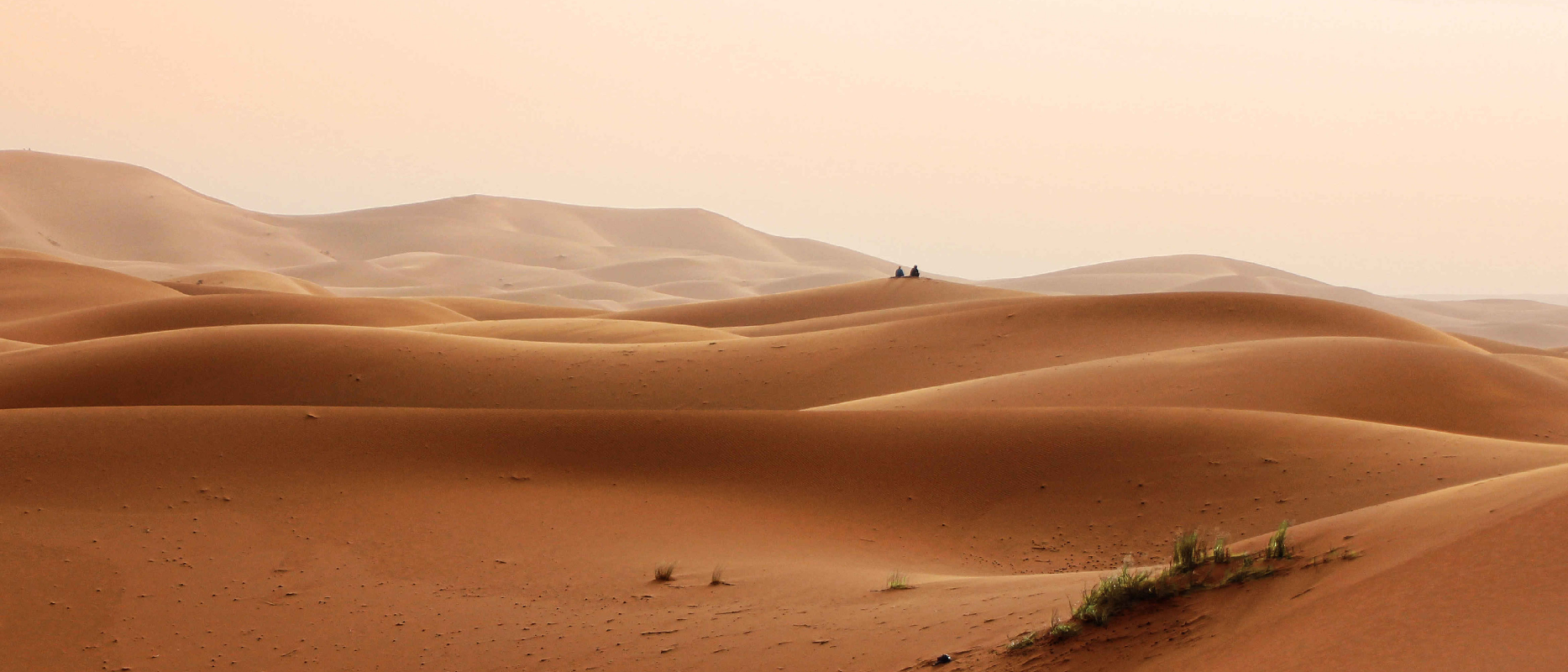
Ржавые корабли на пустынном дне – когда-то здесь было Аральское море, которое практически уничтожили в угоду масштабным сельскохозяйственным планам СССР по выращиванию хлопка. Арал – это соленое озеро в Центральной Азии на границе Узбекистана и Казахстана – когда-то было четвертым в мире среди мировых внутренних водоемов: в 1950 годах оно занимало 68 тысяч квадратных километров. Здесь водились десятки видов рыб, на его берегах стояли крупные рыбоперерабатывающие заводы и порты. Из-за недальновидной политики советских властей и использования рек Амударьи и Сырдарьи для сельского хозяйства – в первую очередь для полива хлопчатника – море начало сокращаться, уже к концу 1980-х разделившись на два бассейна – Северное (Малое) и Южное (Большое) Аральское море, а затем продолжило уходить. Сейчас на месте некогда глубоководного моря образуется новая песчано-солончаковая пустыня Аралкум, площадь которой уже составляет 38 тысяч кв. км. В результате опустынивания биоразнообразие региона уменьшилось на 200 видов растений и животных. Более 100 миллионов тонн токсичных солей и пыли, содержащих остатки минеральных удобрений и пестицидов, которые вымывались с орошаемых полей, разносятся на огромные расстояния до Гренландии, Норвегии и Белоруссии, приводя к дальнейшему ухудшению экологической ситуации и здоровья населения, увеличению онкологических и респираторных заболеваний. Восстановить Аральское море до прежних размеров невозможно, считают эксперты, но реально создать стабильную экологическую систему. «Над решением проблемы Аральского моря работают многочисленные доноры, международные проектные организации. Есть проекты по закреплению песков, по рассолению территорий и в целом по общему восстановлению», – говорит сотрудник отдела науки, технологий и инноваций секретариата КБО ООН Ольга Андреева. Сейчас безжизненные участки морского дна засеивают саксаулом, тамариксом и другими солеустойчивыми растениями, которые препятствуют выбросу в воздух вредоносных солей и пыли и вытягивают из почвы лишнюю соль. За последние пять лет растения были высажены на территории 1,7 миллиона гектаров Аралкума. Самая высокая доля деградированных земель в Центральной Азии Из-за высыхания Аральского моря в Узбекистане деградировали в общей сложности 3 миллиона га земель. В этой стране вообще самая высокая доля деградированных земель среди государств Центральной Азии. Эта проблема в той или иной степени оказывает влияние на 9,3 миллиона человек – почти треть населения. Однако в то же время именно здесь сокращение деградированных земель идет самыми быстрыми темпами – за последние девять лет с 30% до 26%. «Только комплексное применение практик устойчивого землепользования дает максимальный результат. Не однократное применение какой-то отдельной практики – посадить определенное количество деревьев – а именно комплексная мелиорация: это и облесение, и специальное зарегулирование водостоков, и восстановление ирригационных каналов», – говорит Ольга Андреева. Каналы, построенные еще во времена СССР, представляют собой бетонные ложи, по которым поступает вода, но бетон с годами разрушается, и вода, которой и так не хватает в стране, попросту уходит в землю. При этом грунты в этом регионе очень засоленные, и когда вода просачивается через бетон, подтягиваются нижние солевые слои, в результате происходит вторичное засоление почв. Сейчас Узбекистан активно восстанавливает эти ирригационные каналы – часть крупных проектов уже выполнена. Разорвать порочный круг Насколько нынешние узбекские фермеры, чьи деды, прадеды и прапрадеды поколениями в условиях засушливого климата возделывали эту бедную, сложную для получения урожая и выпаса скота землю, еще сильнее деградировавшую в советский период из-за колоссальной антропогенной нагрузки, готовы переходить на современные и более эффективные методы земледелия? В пользовании большой семьи Дониера Аширова в Самаркандской области – 19 га земли. Ее начал возделывать еще его отец. Дониер в этом году впервые попробовал использовать капельное орошение – пока на двух гектарах, где растут лук и картофель. Взял кредит в банке – около тысячи долларов. «Капельное орошение выгодно во всем – экономия воды, сокращение труда, снижается количество удобрений, увеличивается урожай. Урожайность повысилась в два-три раза. С одного га я снял в прошлый сезон 80 тонн лука и 20 тонн картошки», - рассказывает он. И дважды компенсировал вложенные средства. Кредит он полностью отдал. Сейчас в планах расширить территорию, где применяется капельное орошение, на виноградники. Недалеко от хозяйства семьи Ашировых – еще одно поле с капельным орошением – здесь высажены зерновые. Как пояснил профессор кафедры экологии и безопасности жизнедеятельности Самаркандского государственного университета Хидир Ботиров, власти Узбекистана смогли добиться зерновой независимости, хотя раньше закупали зерно в других странах, в том числе в России.

E-learning course developed by the UNCCD in collaboration with FAO, GEO-LDN and GIZ, focused on remote sensing and data use in support of SDG 15, specifically Land Degradation Neutrality.

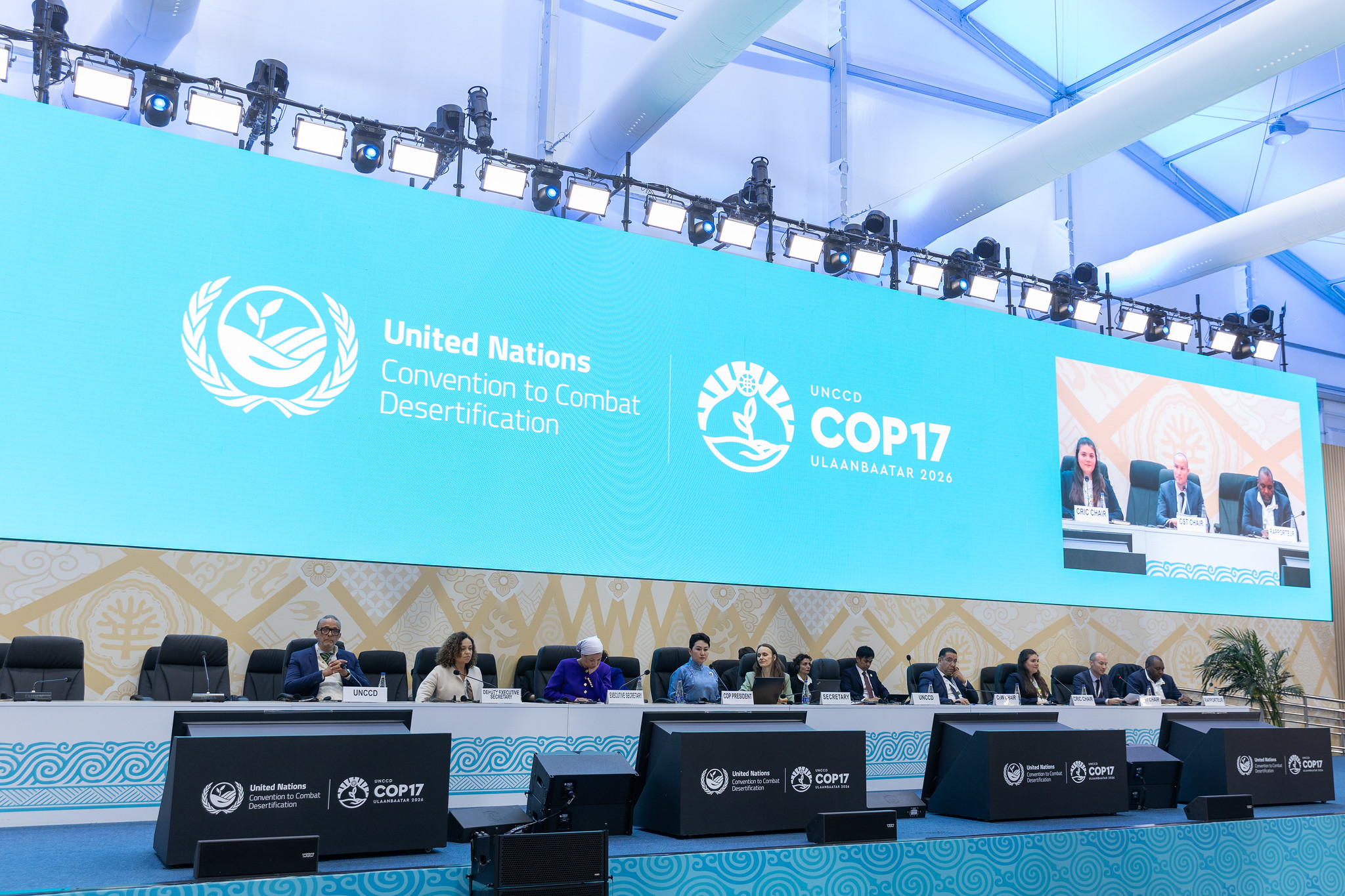
The 25 members of the UNCCD’s Science-Policy Interface (SPI) have assembled at the UN Campus in Bonn, Germany for a critical scientific meeting in the run up to the 16th Session of the Conference of the Parties, which will be held in Riyadh, Saudi Arabia from the 2nd to the 13th of December 2024. The SPI is a unique combination of independent scientists from all corners of the globe, science delegates to the Convention representing the five regions of the world, and five practitioners from implementing agencies and civil society. Over the past year half of the SPI members have been assembling the evidence base for a much more systemic approach to land use, so that our impacts can be more strategic and, ideally, much greater than the sum of the parts. The other half have been conducting a comprehensive analysis of aridity trends, projections and anticipated impacts, which under the Convention translates into land and people affected by the combined effects of land degradation and water scarcity. Both assessments have led to draft technical reports which will undergo independent scientific review following the meeting so that they can be finalized and published in the autumn. The SPI is dedicated to building a bridge between science and policy. They are a global community of experts, united by a passion for understanding and safeguarding all life on land.

The 19th meeting of the Science-Policy Interface (SPI) will take place on 19-21 March 2024 in Bonn, Germany.

The international community has recognized the importance of addressing land degradation and building resilience to drought as the basic conditions for food and water security and for achieving the objectives on climate change and biodiversity. This acknowledgement has translated into a growing demand on the UNCCD secretariat and the Global Mechanism for information, policy guidance, convening of partners and measures to facilitate implementation and resource mobilization, along with an evolving intergovernmental negotiations agenda in the meetings of the COP and its subsidiary bodies. However, the growth in the workload has not been reflected in core resources provided to the secretariat and the Global Mechanism to support Parties in their efforts to implement the UNCCD. During its meeting on 13 November 2023, the Bureau of COP 15 considered, among other matters, the status of the UNCCD core budget. As background, the UNCCD secretariat provided information showing that although the Convention process has significantly evolved during the last decade, the budget has remained at the same level. The secretariat also presented how during the 2022-2024 budget triennium, high inflation has further decreased the real value of the budget. The COP Bureau recognized the severity of the budget issues and noted that the situation should be thoroughly considered in the decision on the next biennium budget, to be made at UNCCD COP16 in December 2024 in Riyadh, Kingdom of Saudi Arabia. The Bureau proposed that the secretariat organize an informal meeting for information-sharing and discussion toward the next UNCCD COP. Two such informal online consultation meetings took place on 13 March and 22 May 2024, both of which were chaired by Ms. Marine Collignon of France. In these meetings, the UNCCD secretariat presented detailed information about the status of the current UNCCD budget and potential elements for the next budget 2025-2026, and Parties were invited to comment and ask questions. The meetings were open to all Parties, and the documents that were provided for them are available through the link on right. Guided by the feedback that was received during the informal online consultation meetings, the secretariat is now preparing the official budget documentation to be submitted for the consideration of COP16. In line with the document deadlines for the COP, this documentation is scheduled to be available as an advance copy in early September. After that, the budget matters may be discussed, if Parties so wish, in the regional meetings preparatory to the COP. Further informal online consultations may also be organized, if needed. For comments and questions concerning the UNCCD budget process, please contact Mr. Somarajan Pillai spillai@unccd.int and Ms. Satu Ravola sravola@unccd.int.

The rollout of the second phase of the Land Degradation Neutrality Target Setting Programme (LDN TSP 2.0) represents a key phase in combating land degradation worldwide, as 18 countries from several regions step up their land restoration commitments ahead of the 16th Conference of the Parties to the UNCCD (COP16). This significant advancement has become the focus of the recent workshop on "Strengthening land restoration targets and commitments" in Doha, Qatar, emphasizing the global community's renewed commitment to sustainable land management. Conducted on the sidelines of Expo 2023 Doha this February, the workshop saw the gathering of UNCCD National Focal Points, lead country consultants and key international organization representatives, such as the UN Convention on Biological Diversity, UN Framework Convention on Climate Change, UN Development Programme, Food and Agriculture Organization, World Wildlife Fund, Conservation International, German Development Cooperation and G20 Global Infrastructure. The workshop fostered the engagement of countries actively working on strengthening their LDN targets by introducing new tools and guidelines for integrated land use planning, and facilitating the identification of priority restoration areas that align with national policy objectives. The workshop also offered an opportunity to explore operational synergies with major environmental initiatives, putting a strong emphasis on the importance of enhancing LDN target monitoring and reporting mechanisms. “The LDN TSP 2.0 represents a unique opportunity for 18 champion countries to showcase in an innovative and bold way to bring UNCCD implementation efforts to the next level in direct response to the global land degradation crisis, paving the way for other countries to follow, ” remarked LDN TSP Team Lead Pedro Lara Almuedo. The goal of the LDN TSP 2.0's is to help countries refine their national targets towards actionable and measurable initiatives. The program stresses the importance of improving land governance by utilizing spatial mapping and monitoring to effectively combat land degradation. The progress and insights achieved through the programme will be shared at the UNCCD COP16 in Riyadh, Saudi Arabia, this December. With 131 countries engaged in the LDN TSP since 2016, over 450 million hectares committed to restoration and 106 countries having published their LDN targets, the workshop's impact sets the stage for significant contributions at COP16 to tackle regional challenges and propel the global efforts against desertification. Land Degradation Neutrality is essential for achieving SDG 15.3, offering co-benefits like poverty reduction, food security, women's empowerment, environmental protection, biodiversity conservation and sustainable management on natural resources. LDN also aids in climate change mitigation and adaptation by transforming degraded lands into carbon sinks. The LDN TSP 2.0, championed by the 18 countries – Argentina, Benin, Central African Republic, Georgia, Jordan, Kenya, Kyrgyzstan, Malawi, Namibia, Nigeria, Pakistan, Panama, Peru, Republic of Moldova, South Africa, Sri Lanka, St. Lucia and Türkiye – aims to demonstrate progress and guide further actions beyond COP16 in response to the urgent need for accelerated global efforts to restore productive land.
