Stories
Latest

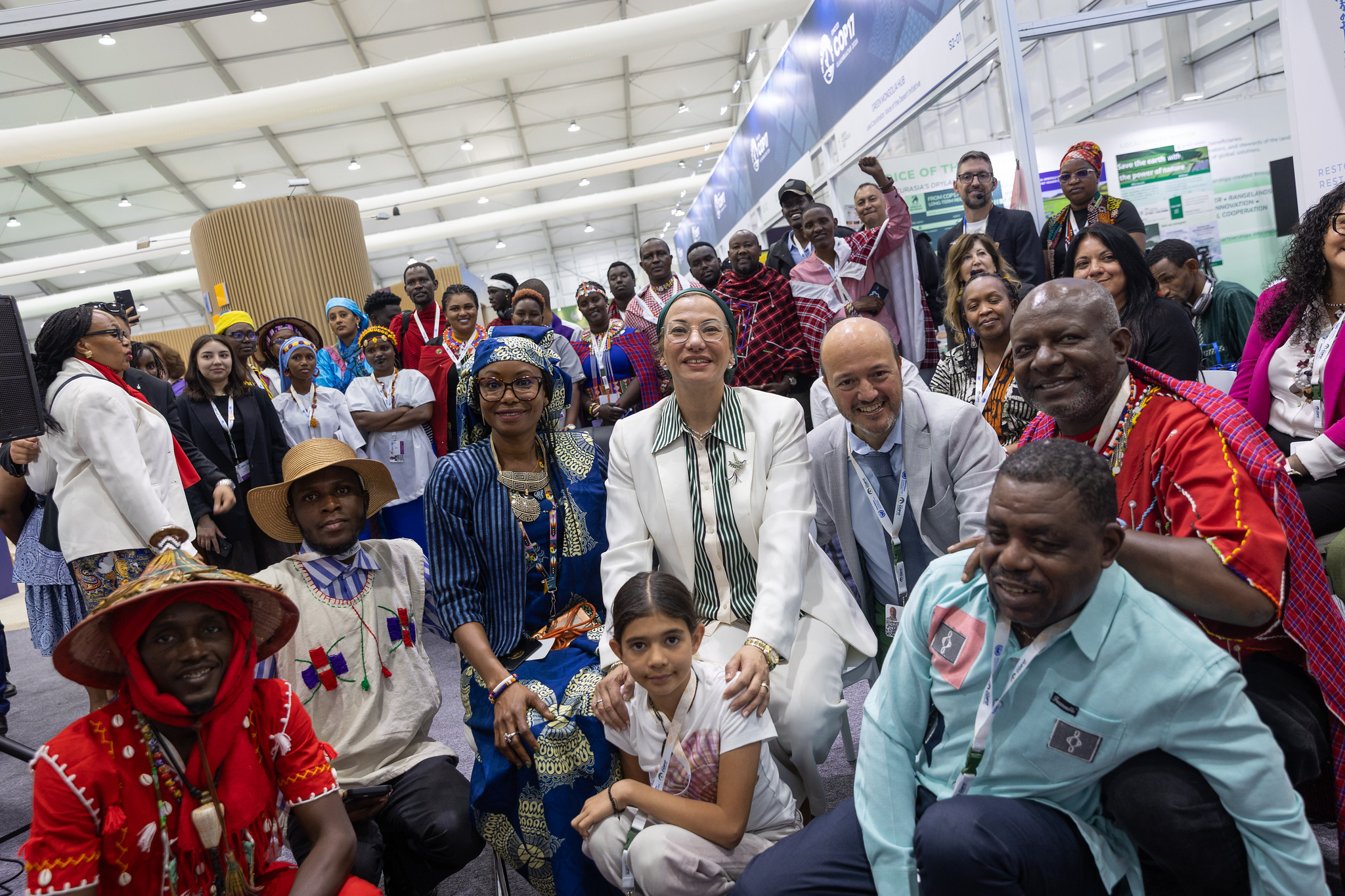
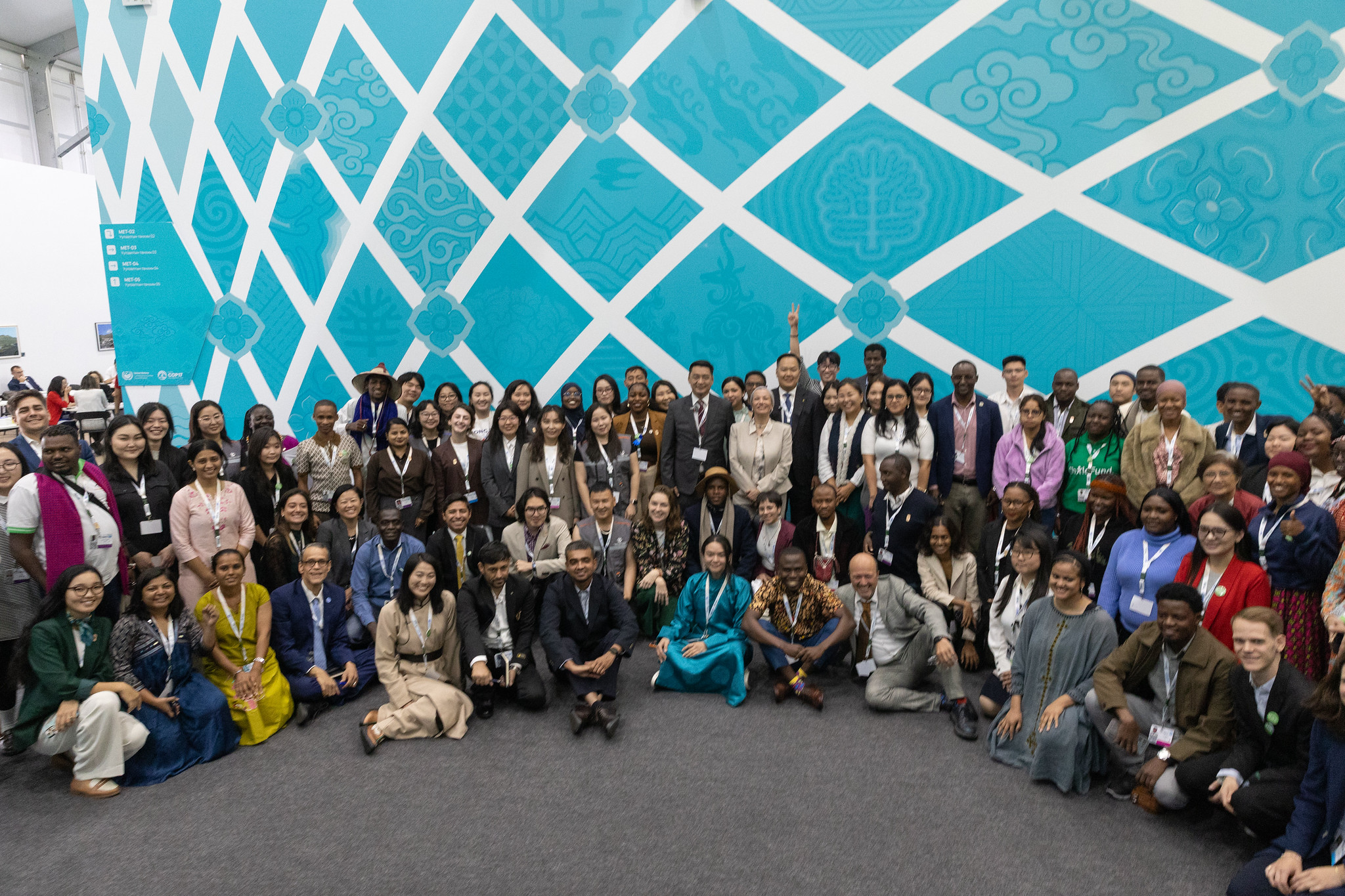

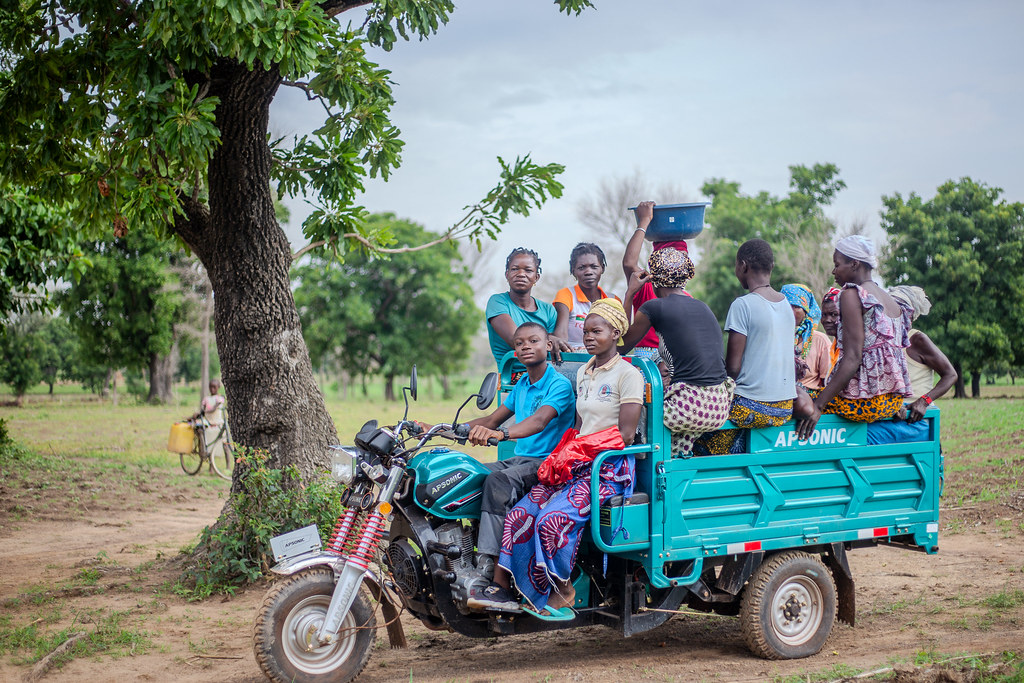
“From Pilots to Scale – Supporting Countries to Translate the Convention into Action”, was the theme of the evening reception hosted by the Global Mechanism on 14 October on the occasion of COP12. Opening the event, Markus Repnik, the Global Mechanism’s newly appointed Managing Director stated “the adoption of Land Degradation Neutrality as a Sustainable Development Goal provides us with an unprecedented opportunity to create a new momentum for the implementation of our Convention.” Pedro Lara Almuedo explained how the Global Mechanism is “on the move” - making Land Degradation Neutrality action a top priority. It will also assist countries both in Land Degradation Neutrality target setting and implementation. The GM will assist countries to tap into financial resources for land restoration and sustainable land management. Samson Awopeju made a passionate intervention on the intrinsic linkages between land, resilience and security as an avenue to safeguarding individual livelihoods and collective security. Land degradation and insecurity hot spots frequently overlap and without adaptation strategies and resilience building geared to responsibly managing and restoring our natural capital, land degradation will continue to be a significant factor that threatens rural livelihoods, triggers forced migration and aggravates conflicts over limited natural resources. He illustrated how the Global Mechanism is supporting local communities to build resilience by focusing on disaster risk reduction, drought management, and forest and landscape restoration. During the evening, the team highlighted the GM’s work to support communities across the Sahel in climate resilient development, as part of the Great Green Wall initiative and its efforts to scale up the Great Green Wall Initiative, to jointly “Grow a World Wonder", since the Great Green Wall is part of the solution to many global challenges, including food security, conflict prevention and environmental migration. Nevena Bakalar explained that the private sector plays a pivotal role in land use and management. To halt and reverse the current rate of land degradation, there is an urgent need for a paradigm shift in land stewardship from “degrade-abandon-migrate” to “restore-sustain-protect”. The Global Mechanism is assisting countries and businesses through economic valuation of natural capital and land use change, including carbon accounting and demonstrating examples of successful business opportunities in land restoration and sustainable land management. The event also marked the launch of the Global Mechanism’s new website, celebrated on the rooftop of the Rio Convention Pavilion, under the stars.

“Eighty percent of the potential land suitable for forest and landscape restoration (FLR) can be found in drylands”, said Eduardo Rojas, Assistant Director General of the Food and Agriculture Organization of the United Nations (FAO), during the closing session of a two-days expert consultation on Private investments in Forest and Landscape Restoration (FLR), co-organized by FAO and the Global Mechanism of the UNCCD on 30 June and 1 July 2015 in Rome, Italy. Rojas also underlined that FLR contributes to the provision of livelihood opportunities for communities in rural areas and the reduction of forced migration. The workshop brought together some 30 international experts from multilateral, bilateral and non-governmental organizations, research institutes and the private sector to identify ways for increasing private sector investments in FLR. Currently, it is estimated that 12 million hectares of land are degraded every year, resulting in a total stock of more than two billion hectares of degraded land that offer opportunities for restoration, and three quarters of this area being suitable for mosaic restoration. Initiatives around the world aim at up-scaling FLR in order to contribute to global ecosystem restoration goals and promote land degradation neutrality. Impact investors like the Moringa Fund invest in agroforestry systems such as coffee plantations in order to promote sound and viable management strategies at landscape level. Private companies such as EcoPlanet Bamboo promote largescale bamboo restoration for the production of fibre. At the same time, regional initiatives such as TerrAfrica in Africa and “Initiative 20 by 20” in Latin America, as well as national initiatives such as Payment for Environmental Services for sustainable cork oak production in Portugal, supported by WWF and Coca Cola, offer a variety of mechanisms to upscale investments in FLR. The workshop identified concrete opportunities to upscale FLR, for example through aggregating financial resources at landscape level, bringing together different stakeholders and sectors involved, thus preventing inter-sectoral or resource-use conflicts. However, participants also highlighted that certain key conditions must be in place in order to tap into increased finance for FLR, including an adequate enabling investment environment, the existence of local champions with the necessary skills, and the availability of bankable investment proposals that focus on promising value chains within landscapes. Missing information on possible returns on investments (e.g. ex-ante cost benefit analysis) as well as investment risk assessment and mitigation mechanisms, unclear tenure situation, and lack of coherence among possible investors and landowners/users have been highlighted among the key barriers that need to be overcome for increased investments in FLR. In order to identify key action required to upscale FLR, FAO and the GM of the UNCCD – through its Rome Liaison Office - established a partnership to deliver a Discussion Paper on “Sustainable Finance for FLR”. The paper will review best available information, discuss issues and success stories related to FLR funding, and assess opportunities to increase access to financing in support to FLR implementation at scale. The workshop report and the Discussion Paper will be made available soon on the FAO and GM websites. All the material from the workshop, including background papers and presentations, is also available via at the links below. Related links: Workshop materials and presentations The FAO FLR Mechanism The Global Partnership on Forest and Landscape Restoration The Bonn Challenge
“The UNCCD and its 195 country Parties work with a broad range of stakeholders not only to protect and sustainably manage land resources, but also to rehabilitate degraded land. On 20 and 21 March, the Bonn Challenge 2.0 – a high level summit – brought together governments and international organizations committed to achieving a clear vision: to restore 150 million hectares of degraded and deforested land by 2020. Of the 2 billion hectares with restoration potential, identified by the Bonn Challenge, 75% are considered mixed-use or “working” landscapes, in which people manage the land as a mosaic of multiple uses, increasing productivity in a sustainable manner while protecting natural capital for future generations. With the Bonn Challenge as a backdrop, the Global Mechanism (GM) of the UNCCD hosted two meetings which contributed to this process and also promoted relevant operational synergies between UNCCD priorities and those of relevant partner institutions working on forest and landscape restoration efforts at the country level: On 19 and 20 March, the GM hosted a meeting of the Global Partnership on Forest and Landscape Restoration (GPFLR), of which it is a member. This technical meeting brought together representatives from IUCN, UNEP, WRI, USDA Forest Service, the Netherlands Ministry of Economic Affairs, IUFRO, FAO, UNEP-WCMC, CIFOR, the CBD secretariat, ICRAF, and the GM/UNCCD. It took stock of the work of GPFLR members to date, and discussed how this partnership could evolve in the near future in order to best mobilize the knowledge and expertise of its members in support of forest and landscape restoration activities on the ground. On 21 March, the GM also hosted a meeting of the Forest Ecosystem Restoration Initiative (FERI), bringing together representatives from the CBD secretariat, the Republic of Korea’s Forest Service, Biodiversity International, UNEP-WCMC, IUFRO, FAO, CIFOR, ICRAF, ITTO, IUCN, the GEF, WRI, and the GM/UNCCD. Following the official launch of FERI at the CBD COP 12 in Korea in October 2014, this was its first operational meeting, which further defined the involvement of relevant partner organizations and the scope of upcoming activities, including the organization of relevant capacity building workshops, the assessment of degradation and restoration potential at (sub)national level, and the provision and coordination of technical support.”
The Ministerial Global Forum on Food and Agriculture, hosted by Germany, concluded today with a call from 68 nations across the globe to prevent and reverse soil degradation. While 90 per cent of our food production depend on soil, which is also one of the earth’s most important carbon sinks, its quality is increasingly deteriorating, and fertile land is becoming more scarce. To stop this trend, countries must unite in their efforts to bring life back to degraded soils. Recognizing that land degradation and drought destroy the soil quality and threaten global food security, the communiqué issued at the closing of the Forum urges the countries to combat desertification and restore degraded land to achieve a land degradation-neutral world by 2030. The communiqué specifically notes the crucial role of land-restoration initiatives such as the Great Green Wall of Africa for political and social stability. UNCCD Executive Secretary Mr. Ibrahim Thiaw, who moderated one of the Forum's sessions, expressed the convention's strong commitment to supporting countries in making the spirit of the communiqué a reality and shaping ambitious long-terms goals on soil restoration at the upcoming UNCCD COP15 in Abidjan, Côte D’Ivoire, in May 2022. "The decisions taken at our next Conference of the Parties will ramp up response actions of countries that have committed to achieve Land Degradation Neutrality for a sustainable and resilient future." — UNCCD Executive Secretary Mr. Ibrahim Thiaw While the global extent of land degradation is estimated at between 20-40 per cent of the total land area, restoring degraded land has been proven as an efficient and cost-effective solution to reverse degradation, climate change and biodiversity loss and to reduce the risk and intensity of disasters. Moreover, our food systems can be redesigned to ensure positive outcomes for nature and climate. Shifting from inefficient, resource-intensive production models to conservation and regenerative agriculture, agroforestry and other integrated systems, we can rebuild healthy and resilient food systems and restore degraded soils. Read more: Full communiqué UNCCD COP15 Sustainable food systems

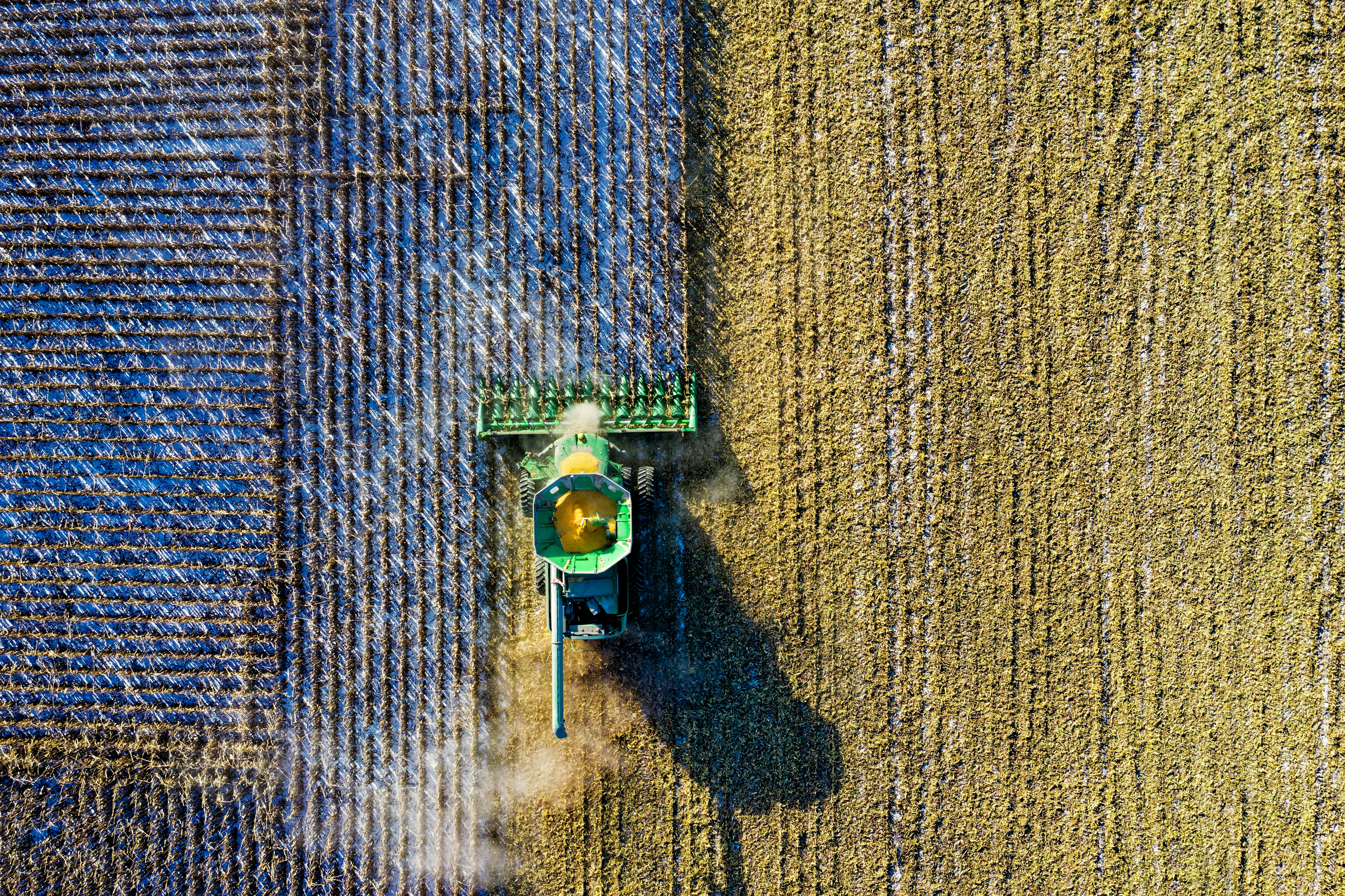
The UN Food Systems Summit will be held during the UN General Assembly in New York on 23 September 2021. It is expected to set the stage for global food systems transformation to accelerate action towards the Sustainable Development Goals. The Summit aims to raise global awareness and shape global commitments that can transform food systems to eliminate hunger, reduce diet-related diseases, and restore planetary health. As the UN Anchor Agency for Action Track 3 – “Boosting nature-positive food production” – the UNCCD has prepared a series of Action Guides on priority issues for the UN Food Systems Summit: Nature-positive food production Restoring soil health Managing drought and water scarcity Livestock management Gender equality Youth engagement The goal of Action Track 3 is to boost nature-positive food production at the scale needed to meet the fundamental human right to healthy and nutritious food while at the same time restoring balance with nature. This series of Action Guides introduces agroecological approaches and regenerative practices that make food production systems more inclusive, sustainable, and resilient. The strategies and actions presented in these Action Guides are evidence-based, proven to be effective, and can be adapted in a variety of diverse settings. Each Action Guide focuses on key elements that influence the social, economic, and environmental dimensions of food production: soil, gender, tenure, youth, drought and water scarcity, livestock and pastoralism, among others. Collectively, the series offers a systems perspective to guide regenerative actions for both small and large producers to promote nature-positive transformation. Read more: Restoration. Land. Recovery
