Stories
Latest
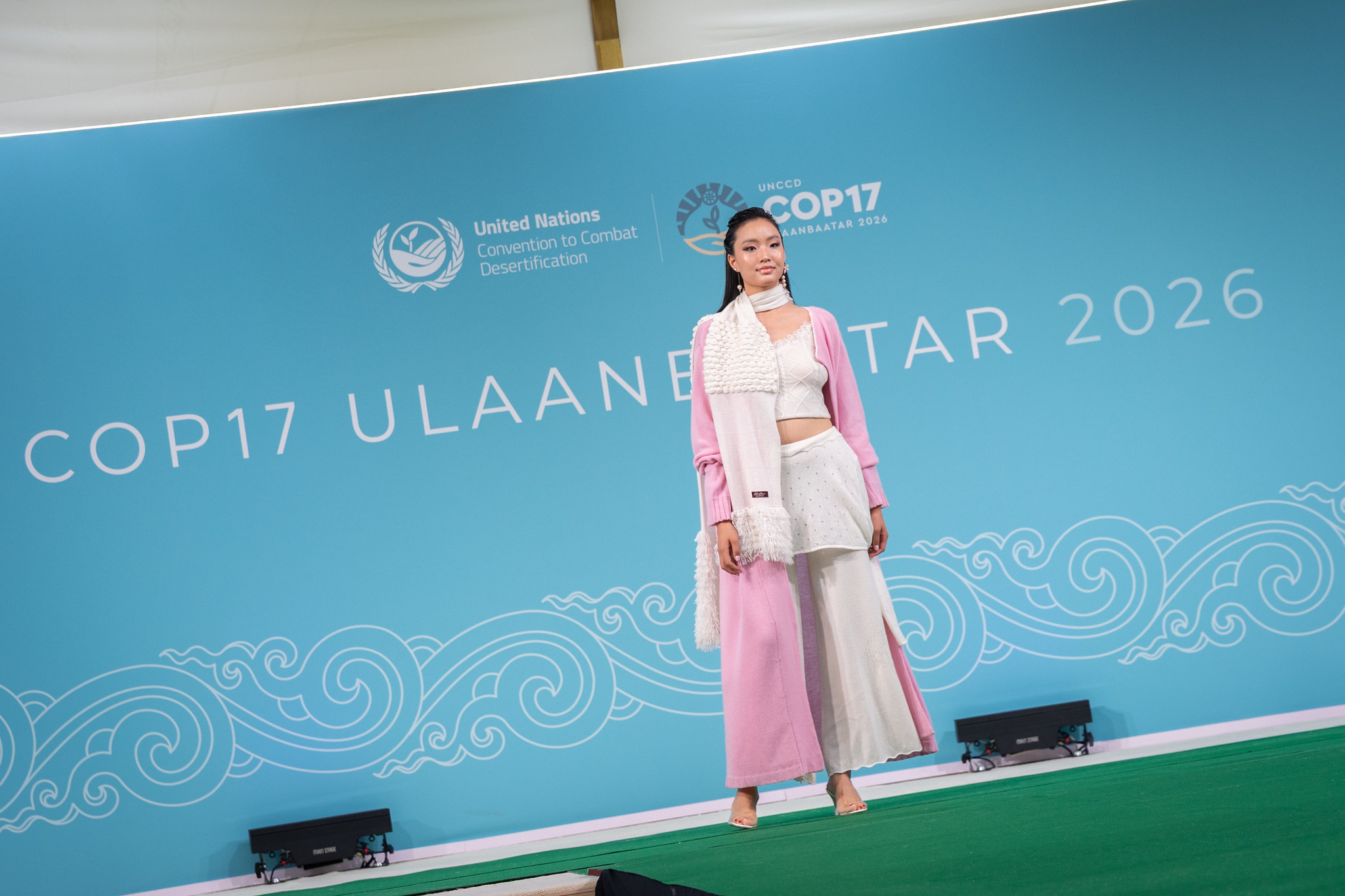
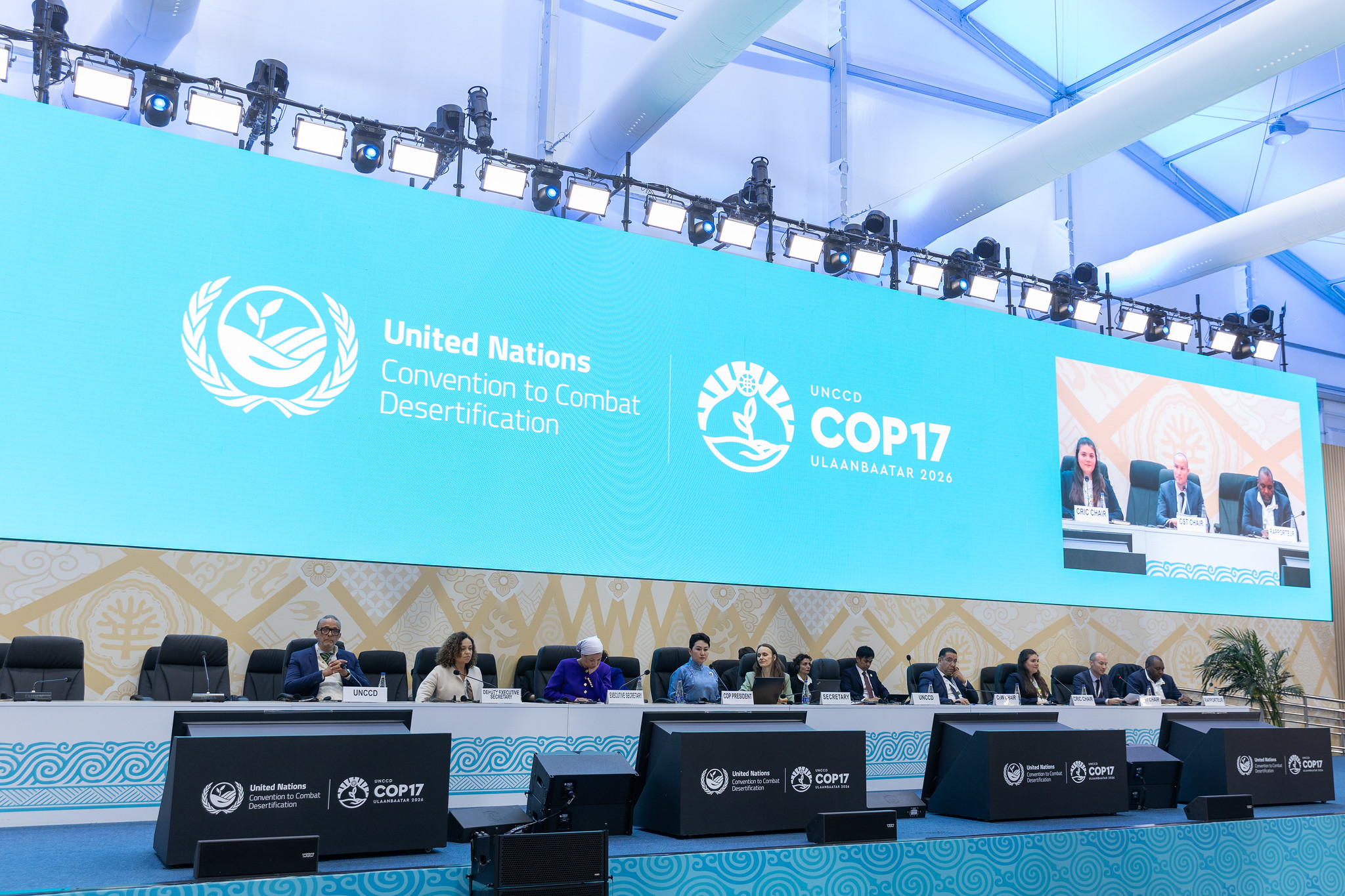
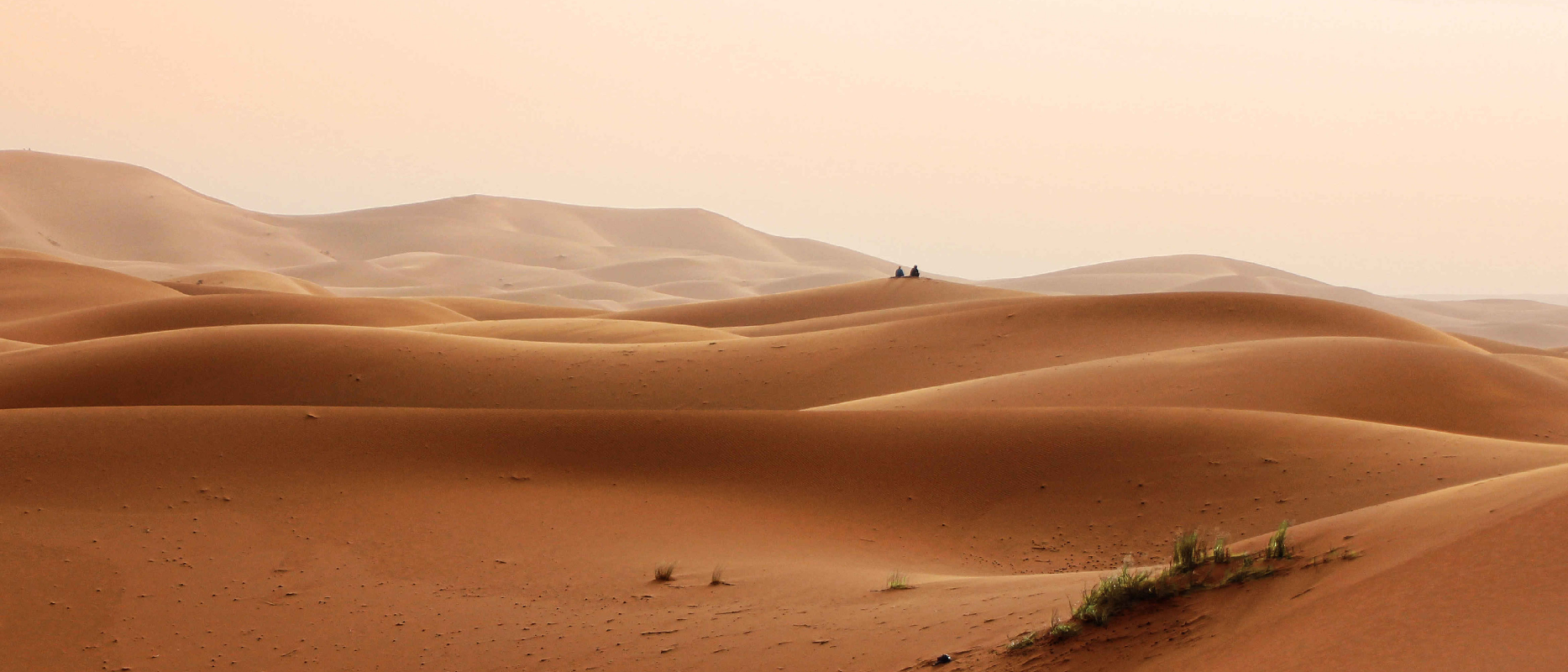
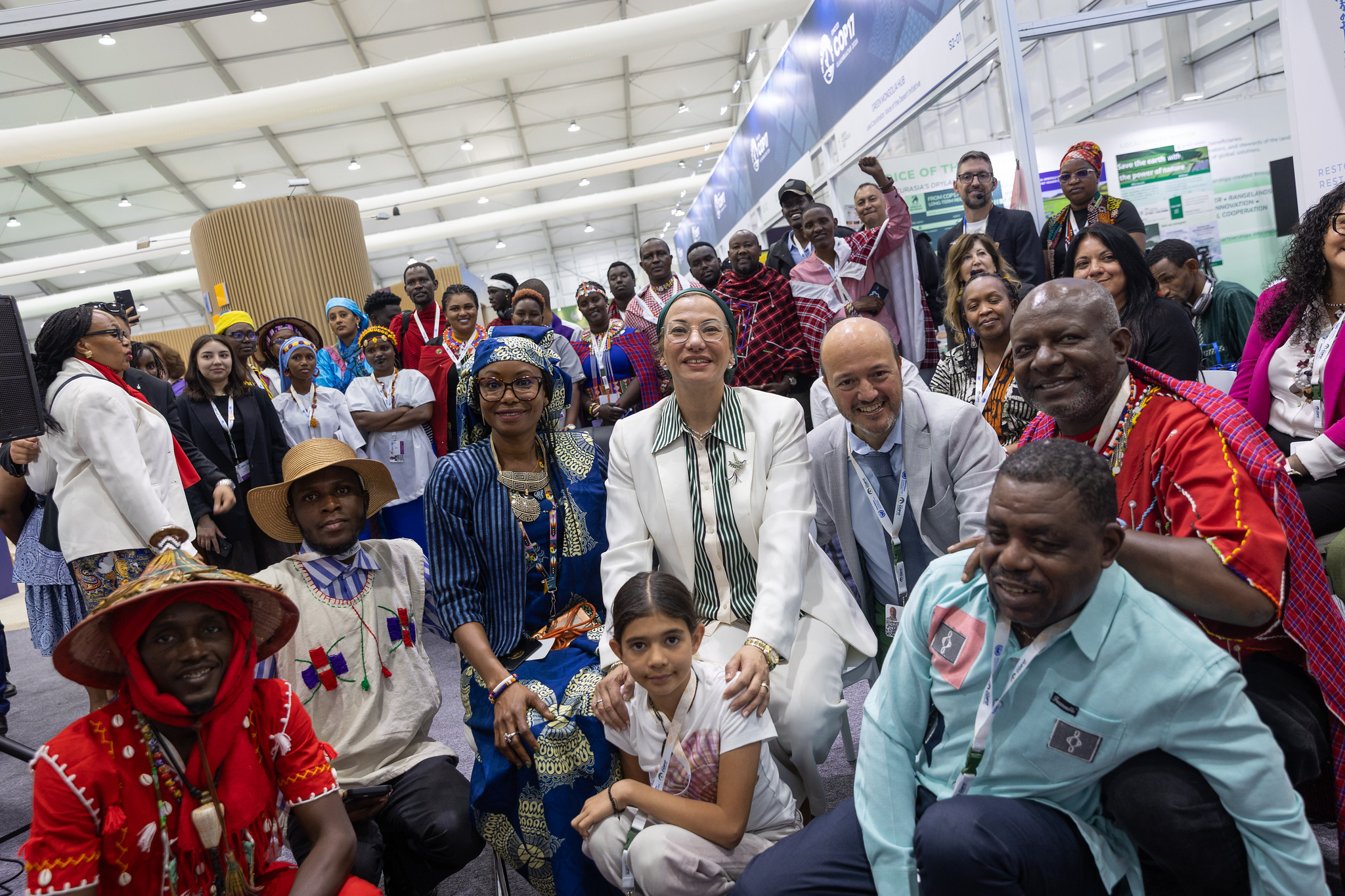
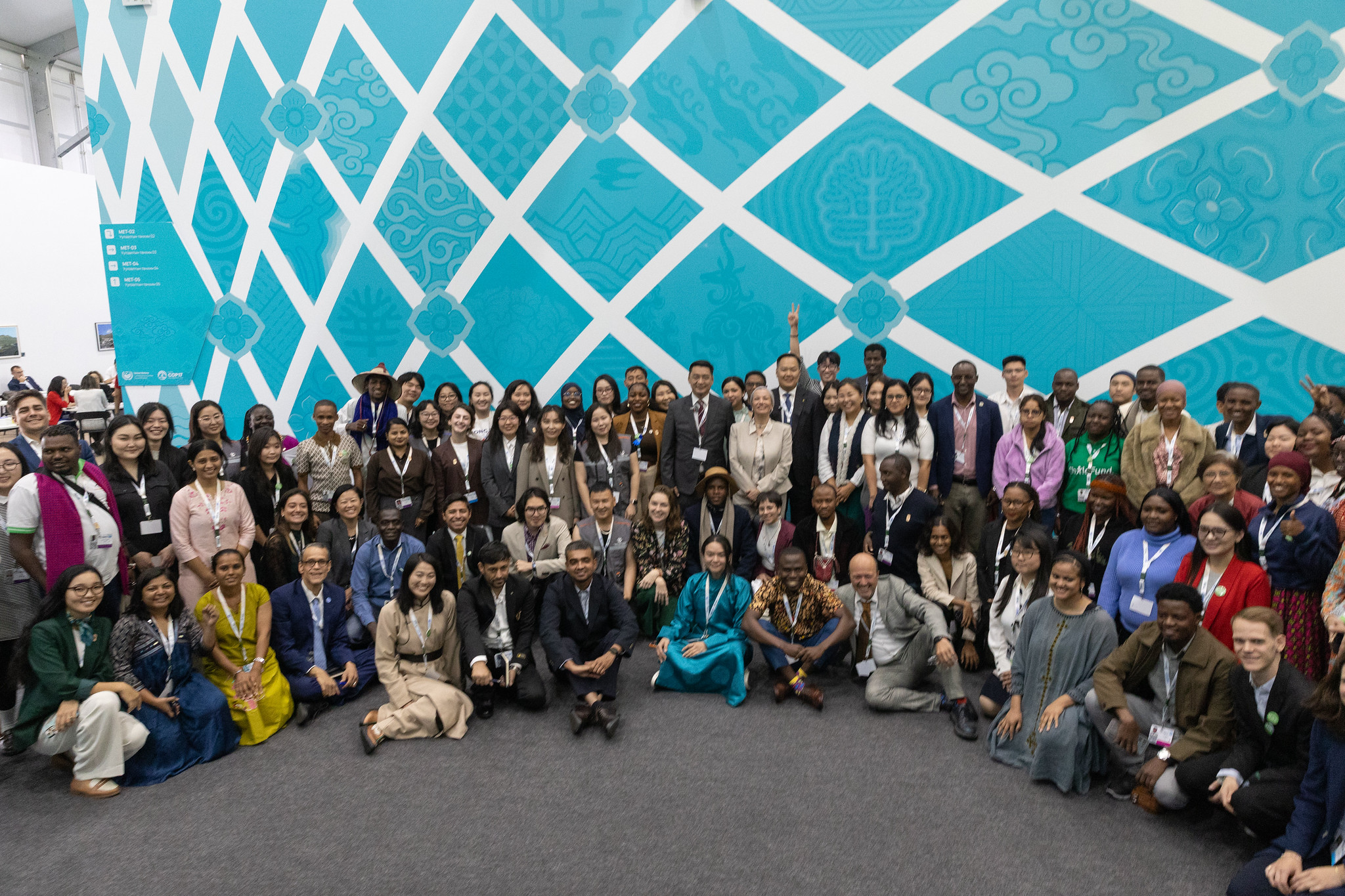
La 17 ª sesión de la Conferencia de las Partes (COP17) de la Convención de las Naciones Unidas de Lucha contra la Desertificación (CNULD) se celebrará en la capital de Mongolia, Ulán Bator, del 17 al 28 de agosto de 2026. Este evento mundial reunirá a delegados de las 197 Partes, jefes de Estado, ministros, representantes de organizaciones internacionales, científicos, y miembros de la sociedad civil y el sector privado para forjar soluciones a los retos interconectados de la desertificación, la degradación de las tierras y la sequía. Mongolia, un vasto territorio de 1,56 millones de kilómetros cuadrados, se enfrenta a la degradación del 76,9 por ciento de sus tierras. Por ello, el país se ha convertido en una voz clave en los esfuerzos mundiales para combatir la desertificación y mejorar la resiliencia de la tierra, reconociendo la importancia de gestionar bien las tierras para responder a los retos ambientales. Los ambiciosos planes de desarrollo de Mongolia, como sus movimientos nacionales y coordinados en materia de medio ambiente y agricultura, convierten al país en un anfitrión estratégico de la COP17 de la CNULD. La COP17 se celebrará coincidiendo con el Año Internacional de los Pastizales y los Pastores de las Naciones Unidas (IYRP 2026). Así pues, el evento enfatizará importancia de gestionar los pastizales de forma sostenible, teniendo en cuenta que de ellos depende la subsistencia de más de 1.000 millones de personas. La conferencia, que durará dos semanas, tendrá un segmento de alto nivel con diálogos ministeriales, además de foros con partes interesadas y debates temáticos sobre la integración de la ciencia y la política, innovación, soluciones, tecnología y financiación. Se espera que el evento fomente una colaboración y acción decisivas en todos los sectores, promoviendo el manejo sostenible de tierras, la restauración de tierras y ecosistemas, y el avance en los objetivos de neutralidad en la degradación de tierras (LDN). Mongolia ya ha puesto en marcha una serie de iniciativas nacionales para impulsar la COP17 y sensibilizar al público y fomentar la participación de los jóvenes. Uno de los próximos eventos clave es el foro nacional Youth4Land, previsto para el 16 y 17 de junio de 2025 en la ciudad de Mandalgovi, provincia de Dundgovi, en conmemoración del Día de Lucha contra la Desertificación y la Sequía. Este foro reunirá a un centenar jóvenes pastores, investigadores y responsables políticos para impulsar soluciones que aúnen los conocimientos tradicionales y los avances científicos. Esta iniciativa nacional se enmarca en los esfuerzos del país por aplicar los resultados de las anteriores COP de la CNULD y promover la participación inclusiva. El sólido programa de desarrollo y medio ambiente de Mongolia ---incluyendo el movimiento nacional ‘Miles de millones de árboles’, la iniciativa de desarrollo rural comunitario ‘Oro blanco’ y la iniciativa ‘Revolución alimentaria’--- sitúa al país como modelo de acción a nivel regional y mundial. La celebración de la COP17 ofrecerá una oportunidad capital para elevar la cooperación internacional en materia de tierras, clima y biodiversidad. La conferencia permitirá concertar acciones frente a degradación de tierras y los retos climáticos en el mundo, consolidando la contribución de Mongolia a un futuro más sostenible y resiliente para todos. Para más información, póngase en contacto con: Oficina de prensa de la CNULD: press@unccd.int, https://www.unccd.int, @unccd Ministerio de Medio Ambiente y Cambio Climático de Mongolia: https://www.mecc.gov.mn Acerca de la CNULD La Convención de las Naciones Unidas de Lucha contra la Desertificación (CNULD) es un acuerdo internacional sobre la buena gestión de tierras. Ayuda a las personas, las comunidades y los países a prosperar, hacer crecer las economías y asegurar alimentos, agua limpia y energía, creando las condiciones para la gestión sostenible de la tierra. Las 197 partes de la Convención han establecido sistemas para gestionar la sequía de manera rápida y eficaz. La gestión sostenible de las tierras, basada en políticas sólidas y en la ciencia, contribuye a integrar y a acelerar la consecución de los Objetivos de Desarrollo Sostenible, fomenta la resiliencia al cambio climático y previene la pérdida de biodiversidad. https://unccd.int Acerca del Año Internacional de los Pastizales y los Pastores Por iniciativa de Mongolia, la Asamblea General de las Naciones Unidas ha designado 2026 como Año Internacional de los Pastizales y los Pastores (IYRP 2026) con el fin de mejorar la gestión de los pastizales y la vida de los pastores. Con esta declaración, se exhorta a los Estados miembros de las Naciones Unidas a invertir en la gestión sostenible de los pastizales, restaurar las tierras degradadas, mejorar el acceso de los pastores a los mercados, mejorar los servicios de extensión ganadera y colmar las lagunas de conocimientos sobre los pastizales y el pastoreo. El IYRP 2026 coincidirá con la COP17 de la CNULD, que se celebrará en Mongolia. https://iyrp.info

The United Nations Secretary-General, following consultation with the Bureau of the Conference of the Parties to the United Nations Convention to Combat Desertification (UNCCD), announced the appointment of Yasmine Fouad of Egypt as the next Executive Secretary of the UNCCD. Serving as Minister of Environment of Egypt since 2018, Yasmine Fouad is an expert in environmental diplomacy with over 25 years of experience in environmental governance, global environmental themes and international climate diplomacy. She has a proven track record in designing and implementing institutional and systemic reforms for sustainable development. She holds a Ph.D. in Euro-Mediterranean Studies, Cairo University, and an M.Sc. in Environmental Science, Ain Shams University. She is fluent in English and Arabic.Welcoming the announcement made yesterday in New York, UNCCD Executive Secretary Ibrahim Thiaw said: “Yasmine Fouad brings with her a wealth of experience and deep commitment to the environment and sustainable development. I warmly congratulate her on her appointment and have full confidence that she will bring new energy and vision to the role.”Ms. Fouad will be the fifth UNCCD Executive Secretary, succeeding Mr. Ibrahim Thiaw of Mauritania, Ms. Monique Barbut of France, Mr. Luc Gnacadja of Benin and Mr. Hama Arba Diallo of Burkina Faso. The Secretary-General expressed his deep gratitude to Mr. Thiaw "for his dedicated service and outstanding commitment to the Organization".Ms. Fouad will commence her first three-year term in office later this year.

Land degradation is a global crisis—one that is reshaping landscapes, livelihoods and futures. Each year, vast areas of productive lands are lost, affecting nearly half of humanity and costing the global economy an estimated US$878 billion. In Latin America, over 20 per cent of arable land is already degraded due to deforestation, overgrazing and other types of unsustainable land use. At the heart of the UNCCD is the belief that land is not only a natural resource—it is a source of life, identity and resilience. But while policies and data help define the challenge, it is the stories from the ground that bring its true scale and urgency into focus. Here is where ReVerde plays a crucial role. The documentary-style television programme gives voice to the people behind the headlines—those living with and responding to the impacts of land degradation. From Indigenous communities to small-scale farmers, from urban collectives to rural cooperatives, the programme captures the diverse efforts underway to restore ecosystems, protect local resources and create sustainable alternatives. Aligned with the UNCCD’s vision for sustainable land stewardship, ReVerde explores both the challenges and the solutions. It highlights community-led restoration, the importance of ancestral knowledge and the risks posed by unregulated development. Ahead of this year's Desertification and Drought Day on 17 June 2025, hosted in Bogotá, Colombia, with the theme— “Restore the Land. Unlock the Opportunities.”— ReVerde stories remind us that restoration is not an abstract goal, but a daily effort being led by communities on the ground. The benefits are clear: land restoration can reverse more than US$1 trillion in agricultural productivity losses, strengthen food security for over a billion people and create millions of sustainable jobs. But to meet global targets, a significant funding gap—currently US$278 billion per year—must be closed. In telling the stories of land and those who care for it, ReVerde does more than inform—it inspires, builds understanding, sparks dialogue and brings us closer to a future where land is restored, protected and valued for generations to come. In its next chapter, ReVerde turns its lens to the global observance of Desertification and Drought Day—continuing its mission to spotlight the people and places at the heart of our planet’s most pressing challenges.

The UNCCD is forming an Intergovernmental Working Group on the Future Strategic Framework (IWG-FSF), as mandated by Decision 4/COP.16. This group will develop proposals for a post-2030 strategy, including potential goals and targets, and will review existing indicators to enhance national reporting on progress. In line with the Convention’s commitment to inclusive decision-making, civil society organizations (CSOs) will play a vital role in this process. The IWG-FSF will bring together three representatives from each regional group and five technical experts, one of whom will be a CSO representative. The UNCCD Secretariat, in collaboration with the CSO Panel, will oversee the selection of the CSO representative through a call for expressions of interest, ensuring compliance with the Terms of Reference and representativity criteria established by the Conference of the Parties. CSOs have long been integral to the work of the Convention, contributing to policy development, implementation and monitoring. At the recent UNCCD COP16 in Riyadh, CSOs actively engaged in discussions on land tenure, sustainable land stewardship and drought resilience, highlighting the importance of grassroots engagement in combating desertification and land degradation. The CSO Panel, elected by accredited organizations, serves as a liaison between civil society and the UNCCD, ensuring that diverse voices inform decision-making processes. The IWG-FSF is expected to present an interim report on its progress at the 23rd session of the Committee for the Review of the Implementation of the Convention (CRIC 23) in December 2025. This initiative underscores the UNCCD commitment to collaborative and inclusive approaches in addressing desertification, land degradation and drought. Photo: (c) IISD ENB/Anastasia Rodopoulou

Following a key decision at COP16 in Riyadh in December 2024, the process to shape the future direction of the UN Convention to Combat Desertification (UNCCD) is now officially underway. The COP Bureau has approved the Terms of Reference for the Intergovernmental Working Group on the Future Strategic Framework (IWG-FSF), paving the way for nominations. The IWG-FSF will lead the development of a post-2030 strategy for the Convention. Its mandate includes identifying key elements, including possible goals and targets, for the future strategic framework, and conducting a thorough analysis of the current indicators used in national reporting. Building on the milestones of the 2018–2030 Strategic Framework, the IWG-FSF will also consider lessons from its midterm evaluation, insights from the IWG on Drought and broader UN indicators, such as the Sustainable Development Goals. Each regional annex will nominate three representatives. In addition, the group will include five technical experts: one each from civil society and international organizations and three independent experts. The deadline to nominate civil society representatives is 26 May 2025The deadline to nominate independent science experts is 13 June 2025The deadline to nominate regional representatives is 4 July 2025 Final appointments will be made within two months of the Terms of Reference approval. The approved Terms of Reference will be shared with Parties through the UNCCD national focal points and science and technology correspondents. The IWG-FSF is expected to deliver an interim progress report at the 23rd session of the Committee for the Review of the Implementation of the Convention (CRIC 23) in December 2025.

Each year, the fashion industry produces over 60 million tonnes of clothing, making it a major contributor to global pollution and climate change—and deeply intertwined with the land it relies on. From fibre production to garment disposal, its impact on land, water and biodiversity is undeniable. Yet few realize that the very fibres in our clothing have profound effects on the land they come from. Over 40 per cent of textiles come from cotton and cellulosic fibres—crops that require intensive land and chemical use.Without intervention, the fashion industry is projected to use 35 per cent more land by 2030—an area equivalent to 115 million hectares—roughly the size of Ethiopia—highlighting the urgent need for sustainable land management practices.Beyond the connection between fashion and land, issues of land tenure and gender are crucial to driving meaningful change. Of the approximately 300 million people employed in fashion, women make up over 65 per cent of the industry’s workforce, particularly in the production stages. In rural areas, they play a vital role in growing, harvesting and processing the natural fibres that fuel the sector. Yet despite their contributions, only one in five landowners is a woman. Without secure land rights, women are often excluded from key decisions on how land is used and managed. Research shows, however, that when women do own the land they work on, they are more likely to invest in sustainable practices—helping to combat land degradation and adapt to climate challenges."Women comprise nearly half of the world’s agricultural workforce, producing 60–80 per cent of the food grown in developing countries, so are poised to lead on sustainable land management practices while keeping their families and communities fed. Despite their vital role, it is alarming to note that fewer than one in five landowners is female. Without land rights, women are not fully engaged in decisions on land use and management. However, studies show that when women own the land they work on, this encourages their dedication to land stewardship to fight land degradation and cope with climate shocks.” — UNCCD Her Land publicationIndigenous peoples, local communities and smallholder farmers are also disproportionately affected by land-use changes driven by fashion supply chains. These communities often lose access to ancestral lands and livelihoods to make way for cash crops and grazing pastures. As climate impacts and social inequalities deepen, a new narrative is emerging—one where gender equality, sustainable land management and circular production patterns intersect.Women-led initiatives are already at the forefront of this shift—advocating for responsible fibre production, promoting sustainable alternatives, improving labour conditions and empowering women, especially in rural and marginalized communities.One such initiative is Tujikuze—a women-led Kenyan enterprise focused on sustainable, circular fashion. By using locally sourced, biodegradable materials and empowering young women through training and employment, Tujikuze exemplifies how fashion can serve both people and the planet. Their model promotes community resilience, environmental stewardship and economic opportunity—showing that ethical fashion is not only possible but already in motion.Tujikuze was among the inspiring examples shared at the recent event “Women leading change: Shaping a sustainable future in fashion,” held on the margins of the Regional Forum for Sustainable Development. Organized by the UN Alliance for Sustainable Fashion, UNECE, ITC Ethical Fashion Initiative, ILO, UNIDO, UNCCD and the UN Office for Partnerships, the event brought together global advocates and entrepreneurs to spotlight the transformative role of women in shaping a more equitable and sustainable fashion sector—and to highlight the industry’s deep connection to the land and natural resources.One central message was underscored: land degradation, gender injustice and unsustainable fashion are interconnected. A people-centered, land-conscious and gender-equal approach is essential to reversing the industry’s harm. Fashion can no longer be separated from the land that sustains it.To heal our relationship with nature, we must redesign our wardrobes from the ground up.
