Stories
Latest
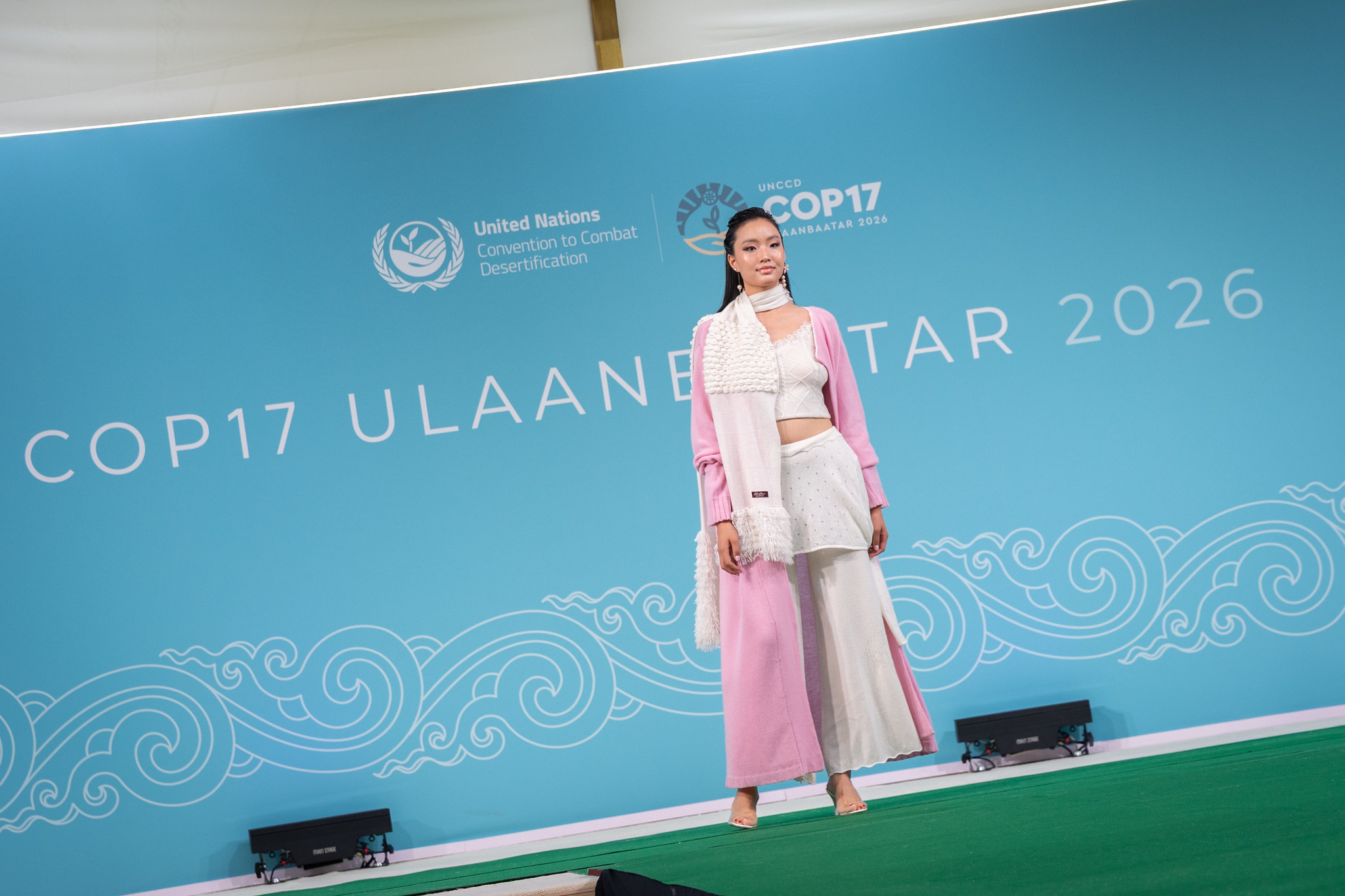
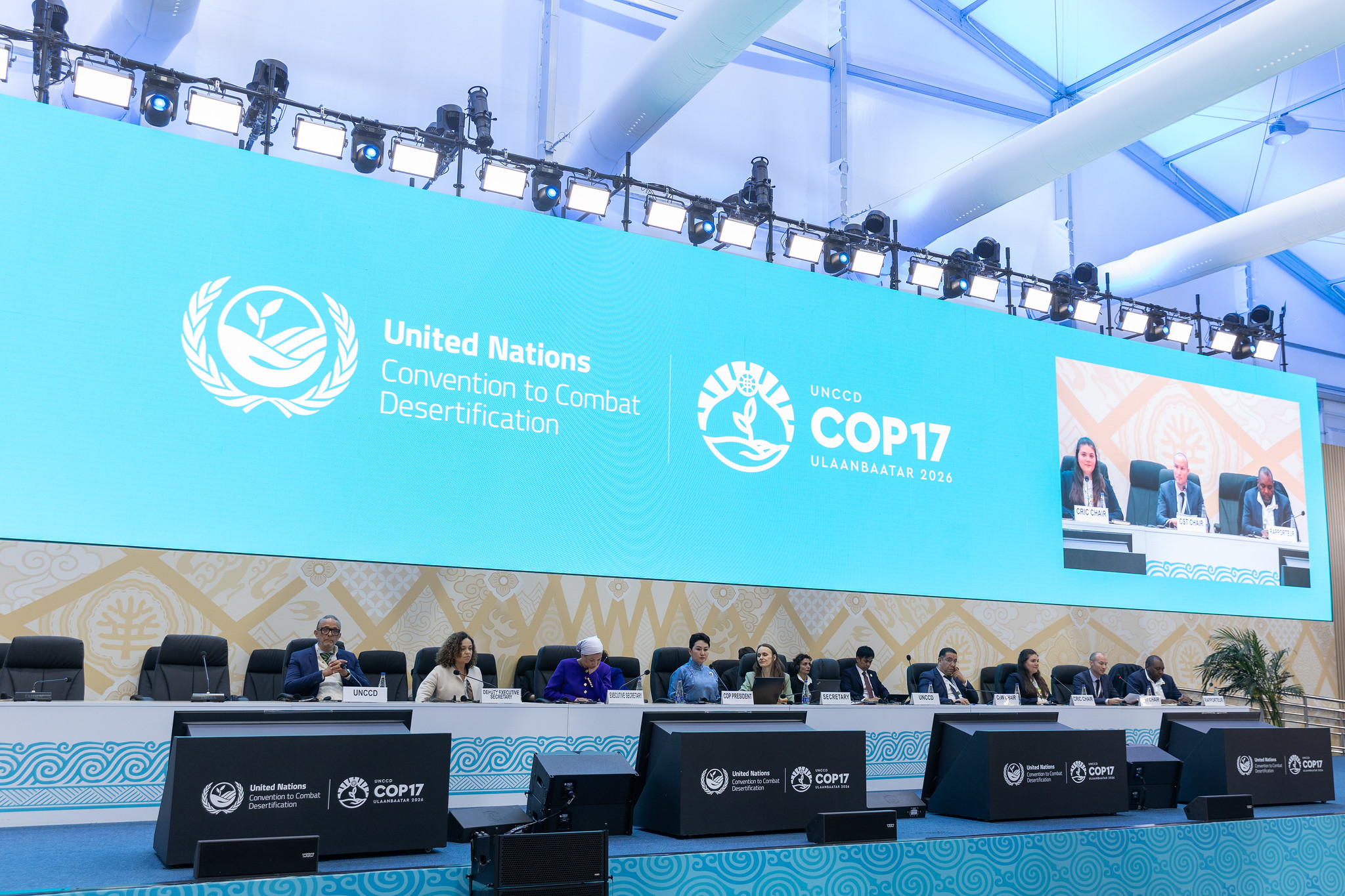

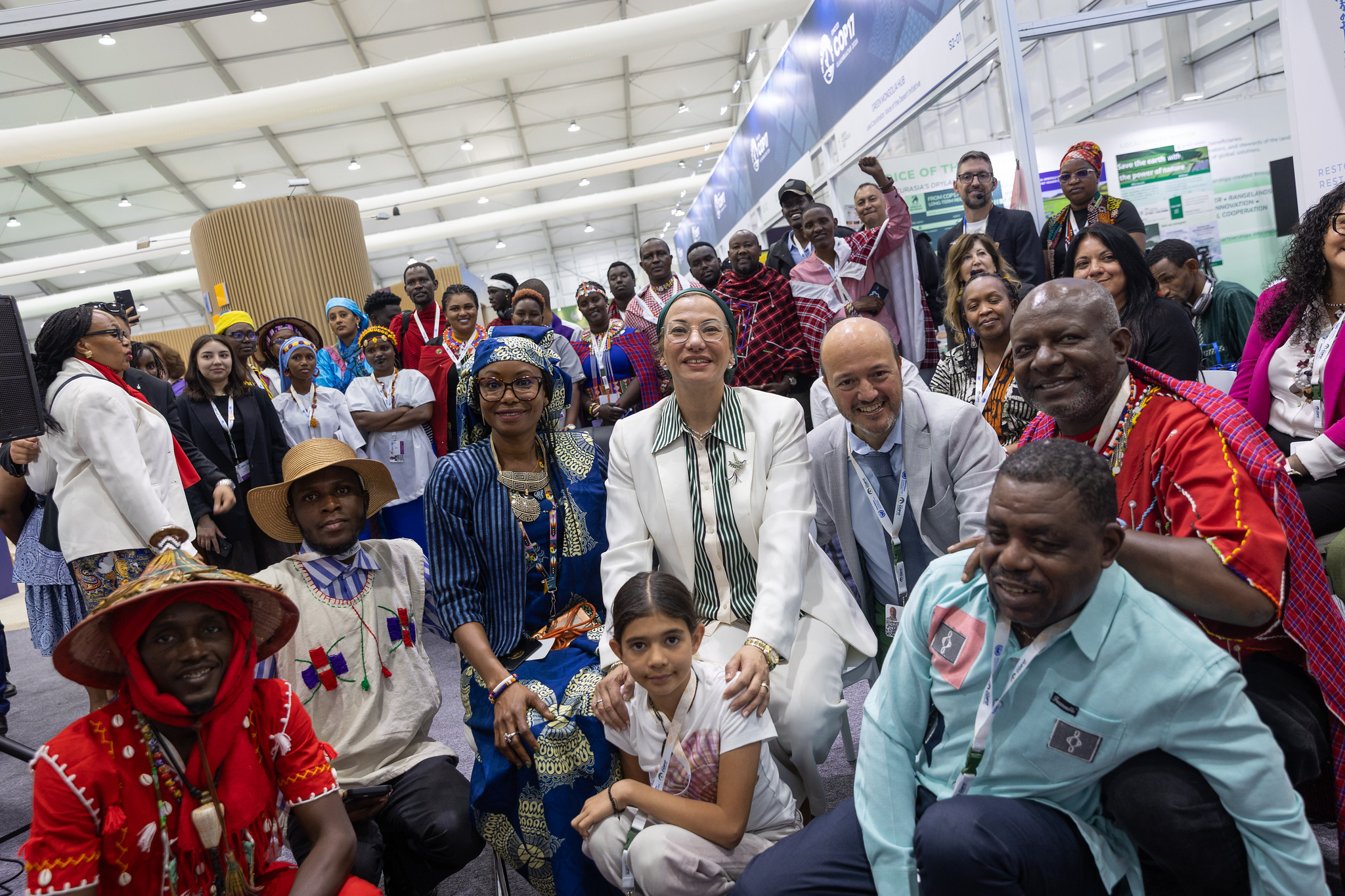
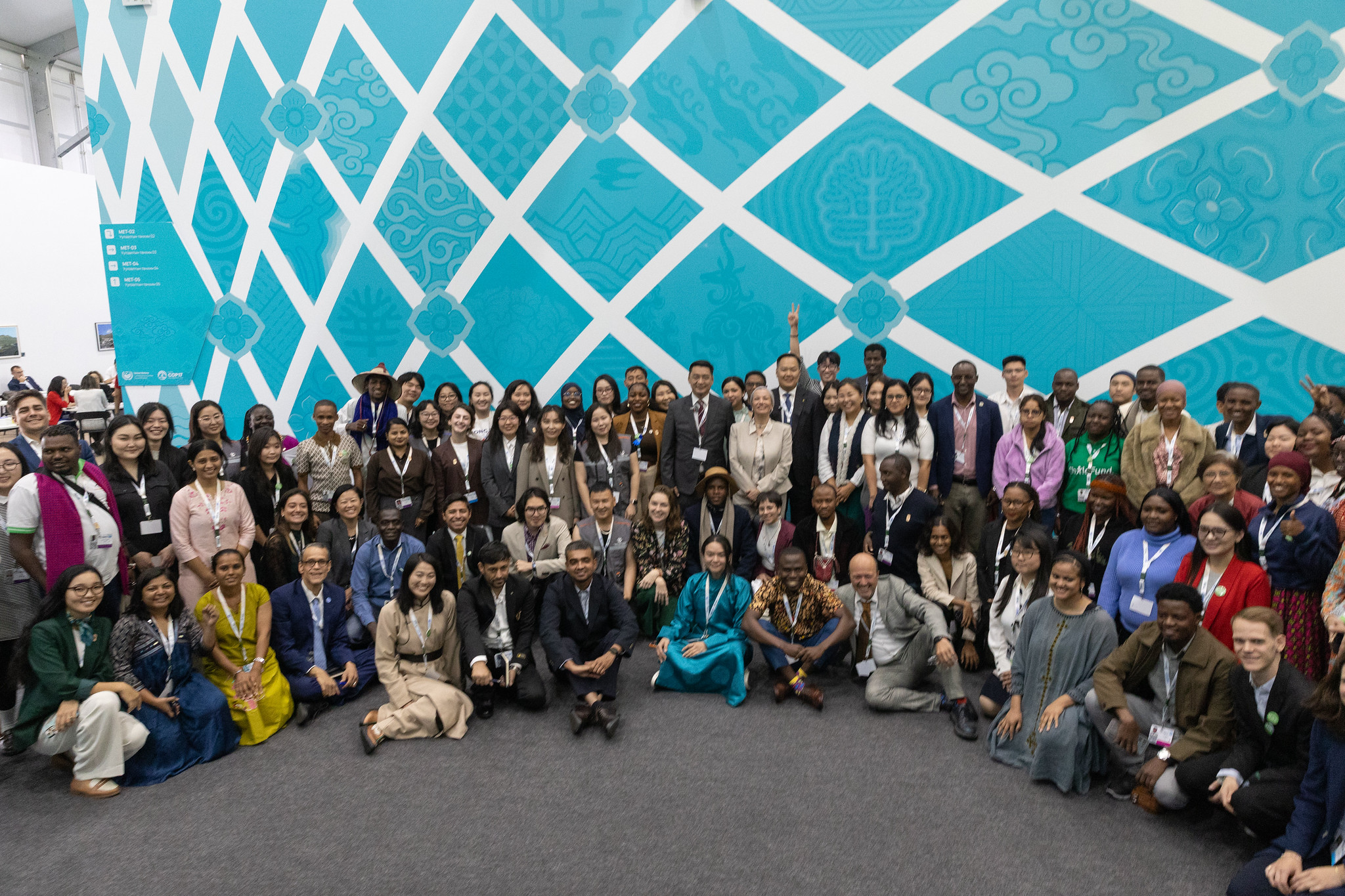
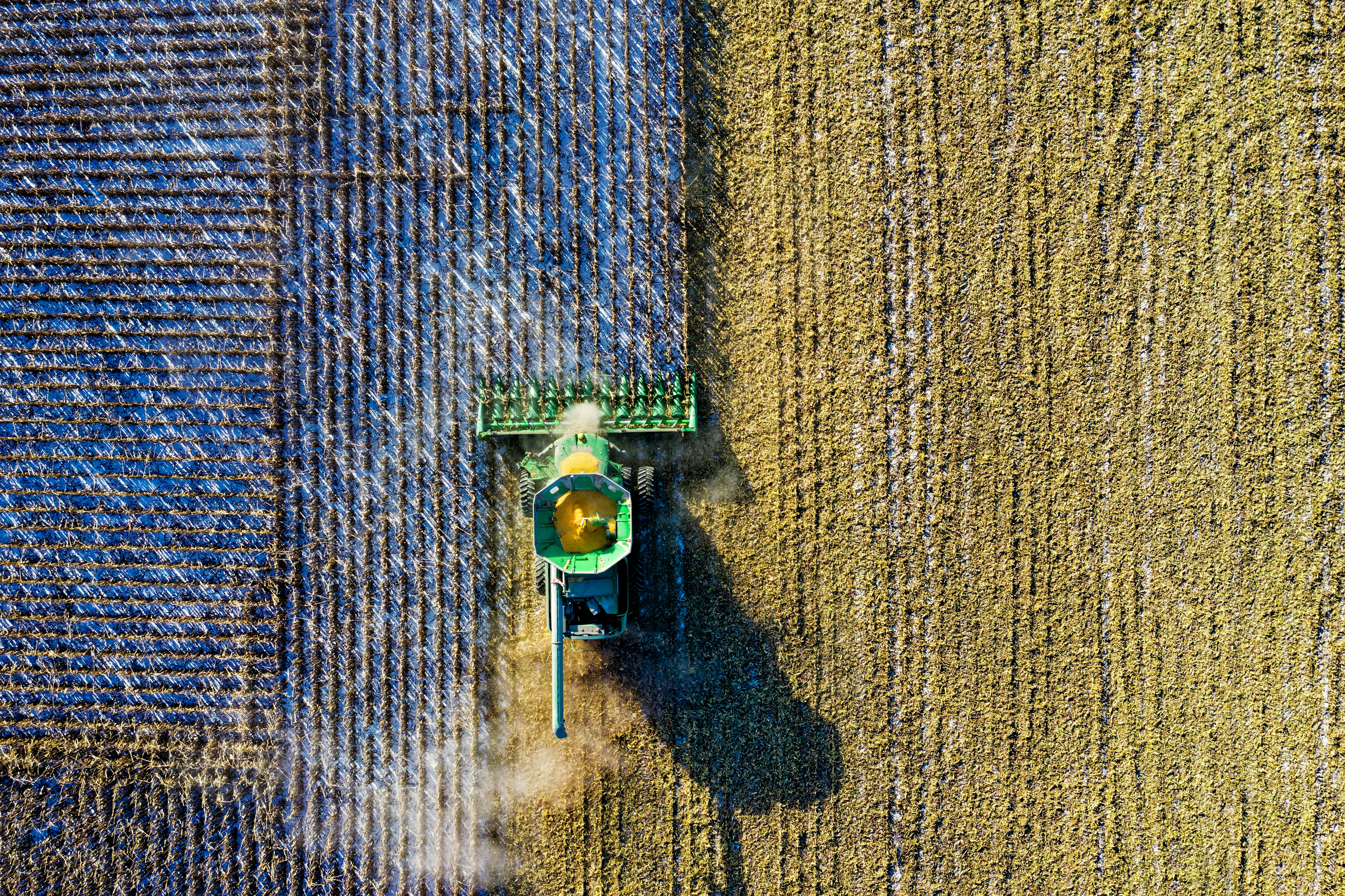
17-я сессия Конференции сторон (КС-17) Конвенции ООН по борьбе с опустыниванием (КБО ООН) пройдет в столице Монголии Улан-Баторе с 17 по 28 августа 2026 года.Это ключевое международное событие объединит делегатов от 197 сторон Конвенции, глав государств, министров, представителей международных организаций, научного сообщества, гражданского общества и частного сектора для выработки решений по взаимосвязанным проблемам опустынивания, деградации земель и засухи.Монголия, чья территория составляет 1,56 миллиона квадратных километров, сталкивается с деградацией земель примерно на 76,9 процента своей площади. Признавая решающую роль рационального управления земельными ресурсами в преодолении тройного экологического кризиса, страна стала одним из ведущих участников глобальных усилий по борьбе с опустыниванием и укреплению устойчивости земель.Масштабные программы развития Монголии, включая национальные инициативы в области охраны окружающей среды и сельского хозяйства, делают страну стратегическим местом проведения КС-17 КБО ООН.Конференция будет приурочена к Международному году пастбищных угодий и скотоводов ООН (МГПС-2026), предоставляя уникальную глобальную возможность привлечь внимание к устойчивому управлению пастбищами и потребностям более чем миллиарда людей, чьи средства к существованию напрямую зависят от этих жизненно важных экосистем.В течение двухнедельной конференции участники примут участие в сегменте высокого уровня, который включает министерские диалоги, форумы с участием многих заинтересованных сторон и тематические дискуссии по вопросам интеграции науки и политики, инноваций, передового опыта, технологий и финансирования.Ожидается, что мероприятие усилит сотрудничество и практические действия в различных секторах, способствуя достижению целей устойчивого управления земельными ресурсами, восстановления экосистем и реализации задач по достижению нейтрального уровня деградации земель (НБДЗ).С целью придать импульс КС-17, повысить осведомленность и вовлечь молодежь, Монголия уже запустила ряд национальных инициатив. Одним из ключевых предстоящих мероприятий станет национальный форум «Youth4Land», запланированный на 16–17 июня 2025 года в городе Мандалгови, провинция Дундгови, в рамках празднования Всемирного дня борьбы с опустыниванием и засухой. Форум соберет более 100 молодых скотоводов, исследователей и политиков для совместной разработки устойчивых решений по управлению земельными ресурсами на основе традиционных знаний и научных данных. Эта инициатива отражает приверженность страны реализации итогов предыдущих конференций КБО ООН и содействию инклюзивному участию.Активная программа Монголии в сфере устойчивого развития и охраны окружающей среды, включая национальное движение «Миллиард деревьев», инициативу по развитию сельских районов на базе общин «Белое золото» и агропочвенную инициативу «Продовольственная революция», подчеркивает роль страны как регионального и глобального примера действенной политики.Проведение КС-17 предоставит историческую возможность вывести международное сотрудничество в области земельных ресурсов, климата и биоразнообразия на новый уровень.Эта важнейшая конференция станет значимым шагом на пути к объединению мира в борьбе с деградацией земель и изменением климата, укрепляя вклад Монголии в построение устойчивого и жизнеспособного будущего для всех.За дополнительной информацией обращайтесь:Пресс-служба КБО ООН, press@unccd.int, https://www.unccd.int, @unccdМинистерство окружающей среды и изменения климата Монголии: https://www.mecc.gov.mn О КБО ООН Конвенция ООН по борьбе с опустыниванием (КБО ООН) – это единственное юридически обязывающее международное соглашение о рациональном землепользовании. Она помогает людям, сообществам и странам достигать благосостояния, развивать экономику и обеспечивать достаточное количество продовольствия, чистой воды и энергии путем создания для землепользователей благоприятных условий для устойчивого управления земельными ресурсами. Благодаря партнерским отношениям 197 участников Конвенции создали надежные системы, позволяющие оперативно и эффективно бороться с засухой.Рациональное землепользование, основанное на разумных законодательных мерах и научном подходе, помогает интегрировать и ускорить достижение Целей устойчивого развития, повышает устойчивость к изменению климата и предотвращает потерю биоразнообразия.https://unccd.int О Международном годе пастбищ и скотоводов По инициативе Монголии Генеральная Ассамблея ООН провозгласила 2026 год Международным годом пастбищ и скотоводов (МГПС 2026), чтобы улучшить управление пастбищами и жизнь скотоводов. В своей декларации государства-члены ООН призываются инвестировать в устойчивое управление пастбищами, восстанавливать деградировавшие земли, улучшать доступ скотоводов к рынкам, расширять службы распространения знаний о животноводстве и восполнять пробелы в знаниях о пастбищах и скотоводстве. В этом же году в Монголии пройдет и КС-17 КБО. https://iyrp.info

The United Nations Secretary-General, following consultation with the Bureau of the Conference of the Parties to the United Nations Convention to Combat Desertification (UNCCD), announced the appointment of Yasmine Fouad of Egypt as the next Executive Secretary of the UNCCD. Serving as Minister of Environment of Egypt since 2018, Yasmine Fouad is an expert in environmental diplomacy with over 25 years of experience in environmental governance, global environmental themes and international climate diplomacy. She has a proven track record in designing and implementing institutional and systemic reforms for sustainable development. She holds a Ph.D. in Euro-Mediterranean Studies, Cairo University, and an M.Sc. in Environmental Science, Ain Shams University. She is fluent in English and Arabic.Welcoming the announcement made yesterday in New York, UNCCD Executive Secretary Ibrahim Thiaw said: “Yasmine Fouad brings with her a wealth of experience and deep commitment to the environment and sustainable development. I warmly congratulate her on her appointment and have full confidence that she will bring new energy and vision to the role.”Ms. Fouad will be the fifth UNCCD Executive Secretary, succeeding Mr. Ibrahim Thiaw of Mauritania, Ms. Monique Barbut of France, Mr. Luc Gnacadja of Benin and Mr. Hama Arba Diallo of Burkina Faso. The Secretary-General expressed his deep gratitude to Mr. Thiaw "for his dedicated service and outstanding commitment to the Organization".Ms. Fouad will commence her first three-year term in office later this year.

Land degradation is a global crisis—one that is reshaping landscapes, livelihoods and futures. Each year, vast areas of productive lands are lost, affecting nearly half of humanity and costing the global economy an estimated US$878 billion. In Latin America, over 20 per cent of arable land is already degraded due to deforestation, overgrazing and other types of unsustainable land use. At the heart of the UNCCD is the belief that land is not only a natural resource—it is a source of life, identity and resilience. But while policies and data help define the challenge, it is the stories from the ground that bring its true scale and urgency into focus. Here is where ReVerde plays a crucial role. The documentary-style television programme gives voice to the people behind the headlines—those living with and responding to the impacts of land degradation. From Indigenous communities to small-scale farmers, from urban collectives to rural cooperatives, the programme captures the diverse efforts underway to restore ecosystems, protect local resources and create sustainable alternatives. Aligned with the UNCCD’s vision for sustainable land stewardship, ReVerde explores both the challenges and the solutions. It highlights community-led restoration, the importance of ancestral knowledge and the risks posed by unregulated development. Ahead of this year's Desertification and Drought Day on 17 June 2025, hosted in Bogotá, Colombia, with the theme— “Restore the Land. Unlock the Opportunities.”— ReVerde stories remind us that restoration is not an abstract goal, but a daily effort being led by communities on the ground. The benefits are clear: land restoration can reverse more than US$1 trillion in agricultural productivity losses, strengthen food security for over a billion people and create millions of sustainable jobs. But to meet global targets, a significant funding gap—currently US$278 billion per year—must be closed. In telling the stories of land and those who care for it, ReVerde does more than inform—it inspires, builds understanding, sparks dialogue and brings us closer to a future where land is restored, protected and valued for generations to come. In its next chapter, ReVerde turns its lens to the global observance of Desertification and Drought Day—continuing its mission to spotlight the people and places at the heart of our planet’s most pressing challenges.

The UNCCD is forming an Intergovernmental Working Group on the Future Strategic Framework (IWG-FSF), as mandated by Decision 4/COP.16. This group will develop proposals for a post-2030 strategy, including potential goals and targets, and will review existing indicators to enhance national reporting on progress. In line with the Convention’s commitment to inclusive decision-making, civil society organizations (CSOs) will play a vital role in this process. The IWG-FSF will bring together three representatives from each regional group and five technical experts, one of whom will be a CSO representative. The UNCCD Secretariat, in collaboration with the CSO Panel, will oversee the selection of the CSO representative through a call for expressions of interest, ensuring compliance with the Terms of Reference and representativity criteria established by the Conference of the Parties. CSOs have long been integral to the work of the Convention, contributing to policy development, implementation and monitoring. At the recent UNCCD COP16 in Riyadh, CSOs actively engaged in discussions on land tenure, sustainable land stewardship and drought resilience, highlighting the importance of grassroots engagement in combating desertification and land degradation. The CSO Panel, elected by accredited organizations, serves as a liaison between civil society and the UNCCD, ensuring that diverse voices inform decision-making processes. The IWG-FSF is expected to present an interim report on its progress at the 23rd session of the Committee for the Review of the Implementation of the Convention (CRIC 23) in December 2025. This initiative underscores the UNCCD commitment to collaborative and inclusive approaches in addressing desertification, land degradation and drought. Photo: (c) IISD ENB/Anastasia Rodopoulou

Following a key decision at COP16 in Riyadh in December 2024, the process to shape the future direction of the UN Convention to Combat Desertification (UNCCD) is now officially underway. The COP Bureau has approved the Terms of Reference for the Intergovernmental Working Group on the Future Strategic Framework (IWG-FSF), paving the way for nominations. The IWG-FSF will lead the development of a post-2030 strategy for the Convention. Its mandate includes identifying key elements, including possible goals and targets, for the future strategic framework, and conducting a thorough analysis of the current indicators used in national reporting. Building on the milestones of the 2018–2030 Strategic Framework, the IWG-FSF will also consider lessons from its midterm evaluation, insights from the IWG on Drought and broader UN indicators, such as the Sustainable Development Goals. Each regional annex will nominate three representatives. In addition, the group will include five technical experts: one each from civil society and international organizations and three independent experts. The deadline to nominate civil society representatives is 26 May 2025The deadline to nominate independent science experts is 13 June 2025The deadline to nominate regional representatives is 4 July 2025 Final appointments will be made within two months of the Terms of Reference approval. The approved Terms of Reference will be shared with Parties through the UNCCD national focal points and science and technology correspondents. The IWG-FSF is expected to deliver an interim progress report at the 23rd session of the Committee for the Review of the Implementation of the Convention (CRIC 23) in December 2025.

Each year, the fashion industry produces over 60 million tonnes of clothing, making it a major contributor to global pollution and climate change—and deeply intertwined with the land it relies on. From fibre production to garment disposal, its impact on land, water and biodiversity is undeniable. Yet few realize that the very fibres in our clothing have profound effects on the land they come from. Over 40 per cent of textiles come from cotton and cellulosic fibres—crops that require intensive land and chemical use.Without intervention, the fashion industry is projected to use 35 per cent more land by 2030—an area equivalent to 115 million hectares—roughly the size of Ethiopia—highlighting the urgent need for sustainable land management practices.Beyond the connection between fashion and land, issues of land tenure and gender are crucial to driving meaningful change. Of the approximately 300 million people employed in fashion, women make up over 65 per cent of the industry’s workforce, particularly in the production stages. In rural areas, they play a vital role in growing, harvesting and processing the natural fibres that fuel the sector. Yet despite their contributions, only one in five landowners is a woman. Without secure land rights, women are often excluded from key decisions on how land is used and managed. Research shows, however, that when women do own the land they work on, they are more likely to invest in sustainable practices—helping to combat land degradation and adapt to climate challenges."Women comprise nearly half of the world’s agricultural workforce, producing 60–80 per cent of the food grown in developing countries, so are poised to lead on sustainable land management practices while keeping their families and communities fed. Despite their vital role, it is alarming to note that fewer than one in five landowners is female. Without land rights, women are not fully engaged in decisions on land use and management. However, studies show that when women own the land they work on, this encourages their dedication to land stewardship to fight land degradation and cope with climate shocks.” — UNCCD Her Land publicationIndigenous peoples, local communities and smallholder farmers are also disproportionately affected by land-use changes driven by fashion supply chains. These communities often lose access to ancestral lands and livelihoods to make way for cash crops and grazing pastures. As climate impacts and social inequalities deepen, a new narrative is emerging—one where gender equality, sustainable land management and circular production patterns intersect.Women-led initiatives are already at the forefront of this shift—advocating for responsible fibre production, promoting sustainable alternatives, improving labour conditions and empowering women, especially in rural and marginalized communities.One such initiative is Tujikuze—a women-led Kenyan enterprise focused on sustainable, circular fashion. By using locally sourced, biodegradable materials and empowering young women through training and employment, Tujikuze exemplifies how fashion can serve both people and the planet. Their model promotes community resilience, environmental stewardship and economic opportunity—showing that ethical fashion is not only possible but already in motion.Tujikuze was among the inspiring examples shared at the recent event “Women leading change: Shaping a sustainable future in fashion,” held on the margins of the Regional Forum for Sustainable Development. Organized by the UN Alliance for Sustainable Fashion, UNECE, ITC Ethical Fashion Initiative, ILO, UNIDO, UNCCD and the UN Office for Partnerships, the event brought together global advocates and entrepreneurs to spotlight the transformative role of women in shaping a more equitable and sustainable fashion sector—and to highlight the industry’s deep connection to the land and natural resources.One central message was underscored: land degradation, gender injustice and unsustainable fashion are interconnected. A people-centered, land-conscious and gender-equal approach is essential to reversing the industry’s harm. Fashion can no longer be separated from the land that sustains it.To heal our relationship with nature, we must redesign our wardrobes from the ground up.
