Rio synergies come into focus at COP30
-
21 نوفمبر 2025
-
Story
-
Biodiversity
-
Climate change
-
Desertification

This week at COP30 in Belém, Brazil – birthplace of the three Rio Conventions – land, climate and nature took center stage as governments and partners looked at how action on all three can move forward together for stronger impact and lasting results.
A lineup of high-level events on ecosystem restoration, climate resilience and sustainable agriculture confirmed UNCCD as a key player in advancing Rio synergies, placing land at the cornerstone of humanity’s response to the triple planetary crisis.
Synergies in the spotlight
Participants stressed that climate change, biodiversity loss and land degradation are not separate challenges, but different symptoms of a single planetary crisis that needs to be tackled in an integrated way. By linking their mandates, the Rio Conventions aim to turn shared challenges into new opportunities and deliver solutions that benefit people, economies and ecosystems alike.
UN Climate Change Executive Secretary Simon Stiell emphasized this shared direction, noting: “Climate change, biodiversity loss and land degradation are one interconnected crisis – and integrated action delivers the fastest, most durable results. New national climate and adaptation plans reflect this. They include biodiversity, ecosystems and nature-based solutions. Throughout this COP, the message has been clear: the Paris Agreement is working – but we must make it work faster, fairer, and at far greater scale.”
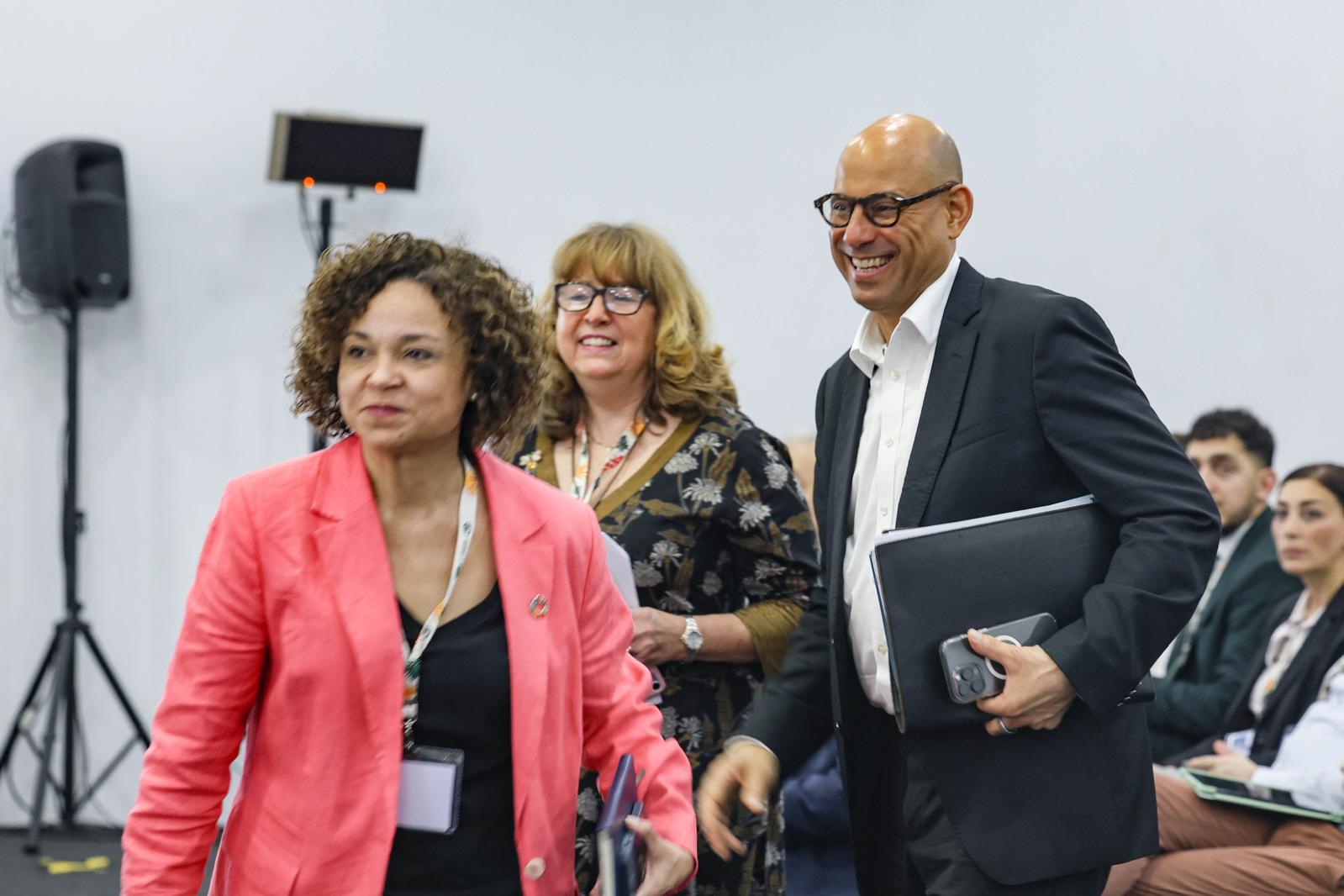
UNCCD Deputy Executive Secretary Andrea Meza, CBD Executive Secretary Astrid Schomaker and UNFCCC Executive Secretary Simon Stiell at the COP30 venue
The Rio Conventions Presidencies, Parties and partners underlined how more coherent land and sea use planning, better aligned finance and shared monitoring systems can reduce duplication and increase impact on the ground. A joint statement by the Rio Convention Presidencies issued at Belém marks a key moment in aligning Rio Presidency initiatives on land restoration, sustainable resource management and ecosystem resilience.
Land at the center
At the high-level roundtable “Bridging Action Agenda from COP16 to COP30: Strengthening synergies across land, climate and nature”, the UNCCD COP16 and COP17 Presidencies warned that efforts to address climate change and biodiversity loss will fall short if land continues to be treated in isolation.
The UNCCD COP16 Presidency highlighted the Riyadh Action Agenda as a practical attempt to bring land, the ocean and the atmosphere together in national planning and finance. Looking ahead to UNCCD COP17, Mongolia underscored that pathways to tackle climate change, biodiversity loss and land degradation are indivisible and must be embedded in national policies and plans.
From Rio to Belém
At the joint Rio Conventions’ side event “From Rio to Belém: Synergistic action for ecosystem restoration and climate resilience”, COP Presidencies, government, private sector and civil society leaders illustrated how this agenda is being translated into practice.
UNCCD Deputy Executive Secretary Andrea Meza stressed that this is not about choosing between individual priorities, noting: “We are talking about a new development pathway that could operate within the planetary boundaries, and generating a model that can guarantee that we live in a prosperous society while at the same time protecting our most valuable asset — the living Earth.”

UNCCD Deputy Executive Secretary Andrea Meza
Reflecting on the outcomes of COP30, CBD Executive Secretary Astrid Schomaker highlighted the joint resolve of the three conventions, noting: “At COP30 the Presidencies and Secretariats of the Rio Conventions joined forces to promote integrated action on climate, biodiversity and land. Synergies are the only way forward. The world needs to take bold steps for progress across the Rio Conventions’ interlinked objectives.”
Finance for farmland
Finance for land-based action was another prominent theme. COP30 saw the ministerial launch of the Resilient Agriculture Investment for net-Zero land degradation (RAIZ) accelerator, a Brazil-led initiative to mobilize public and private finance for restoring degraded farmland at scale. With over one billion hectares of farmland degraded worldwide, speakers stressed the urgency of investing in soil health, productivity and resilience.
RAIZ offers a pathway to align climate action, food security and biodiversity protection, with countries in the lead and finance flowing to where it matters most. Building on Brazil’s experience in blending public and private capital for restoration through initiatives such as Green Way and EcoInvest, the accelerator will support governments to map degraded landscapes, identify investable solutions and design co-investment vehicles that de risk private finance and lower the cost of capital for farmers and rural communities.

Hindou Oumaru Ibrahim, President and Coordinator, Association of Indigenous Women and Peoples of Chad
Synergies from the ground up
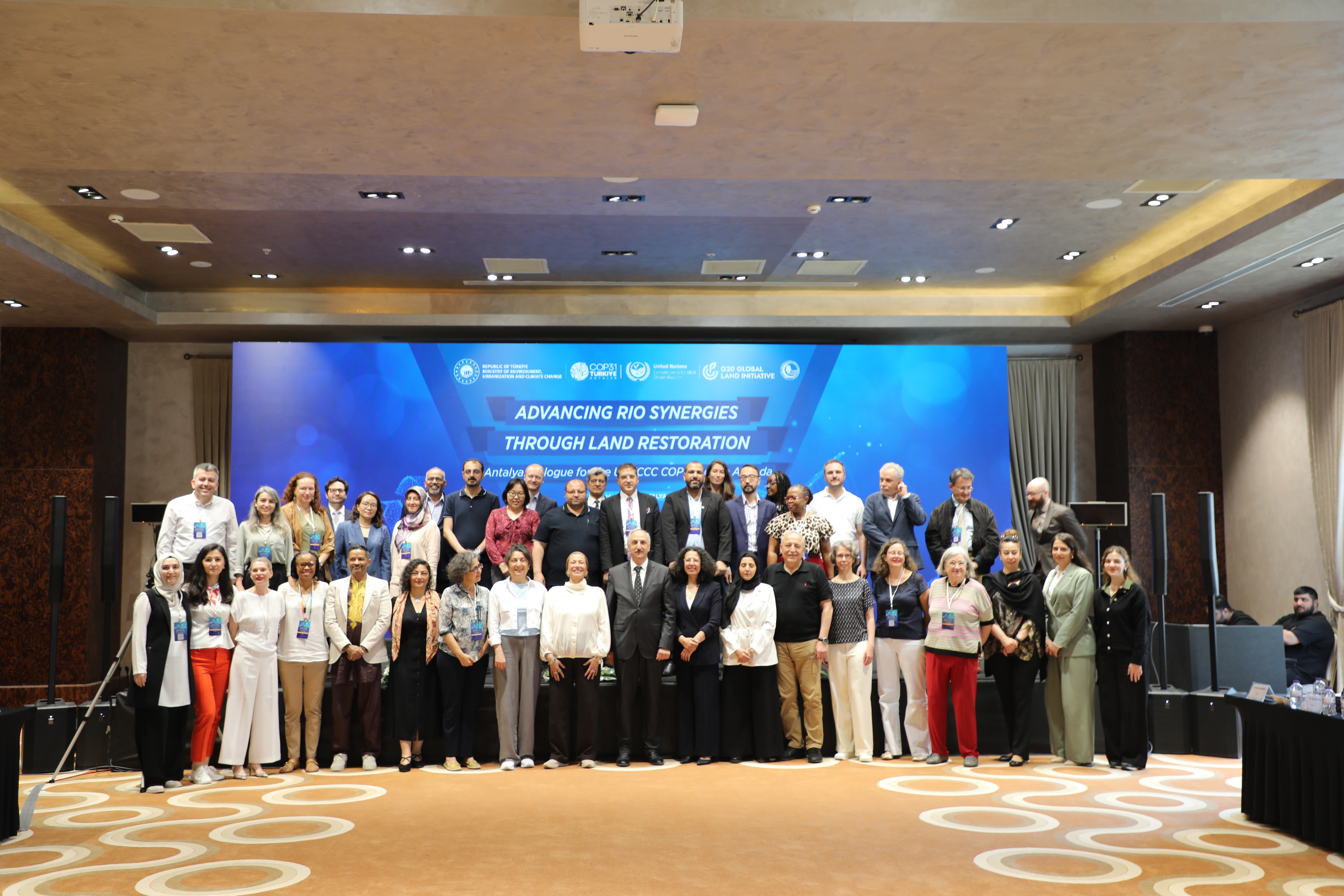
Peer learning on concrete national approaches to linking NDC targets on land degradation and desertification was the focus of an event organized by Türkiye in the margins of COP30. Brazil shared a three- pillar approach of aligning planning tools across sectors, mobilizing integrated financing and advancing nature based solutions with strong community involvement, while Panama shared plans to streamline work under multiple conventions through joint reporting mechanisms and its Nature Pledge – a roadmap that unifies national efforts to tackle land degradation, biodiversity loss and climate change.
Azerbaijan emphasized science based, integrated work on water management, forest restoration and land rehabilitation, Colombia showed how outcomes from the Kunming–Montreal Global Biodiversity Framework are being implemented through community-driven projects that advance biodiversity, climate resilience and sustainable land use together and Mongolia presented priorities on desertification, land degradation, water–land interactions and nature based infrastructural solutions.
Dialogues at Belém also brought to the forefront the importance of human rights-based approaches, Indigenous Peoples’ leadership and inclusive engagement with vulnerable communities, civil society and the private sector in maximizing synergies among multilateral environmental agreements.
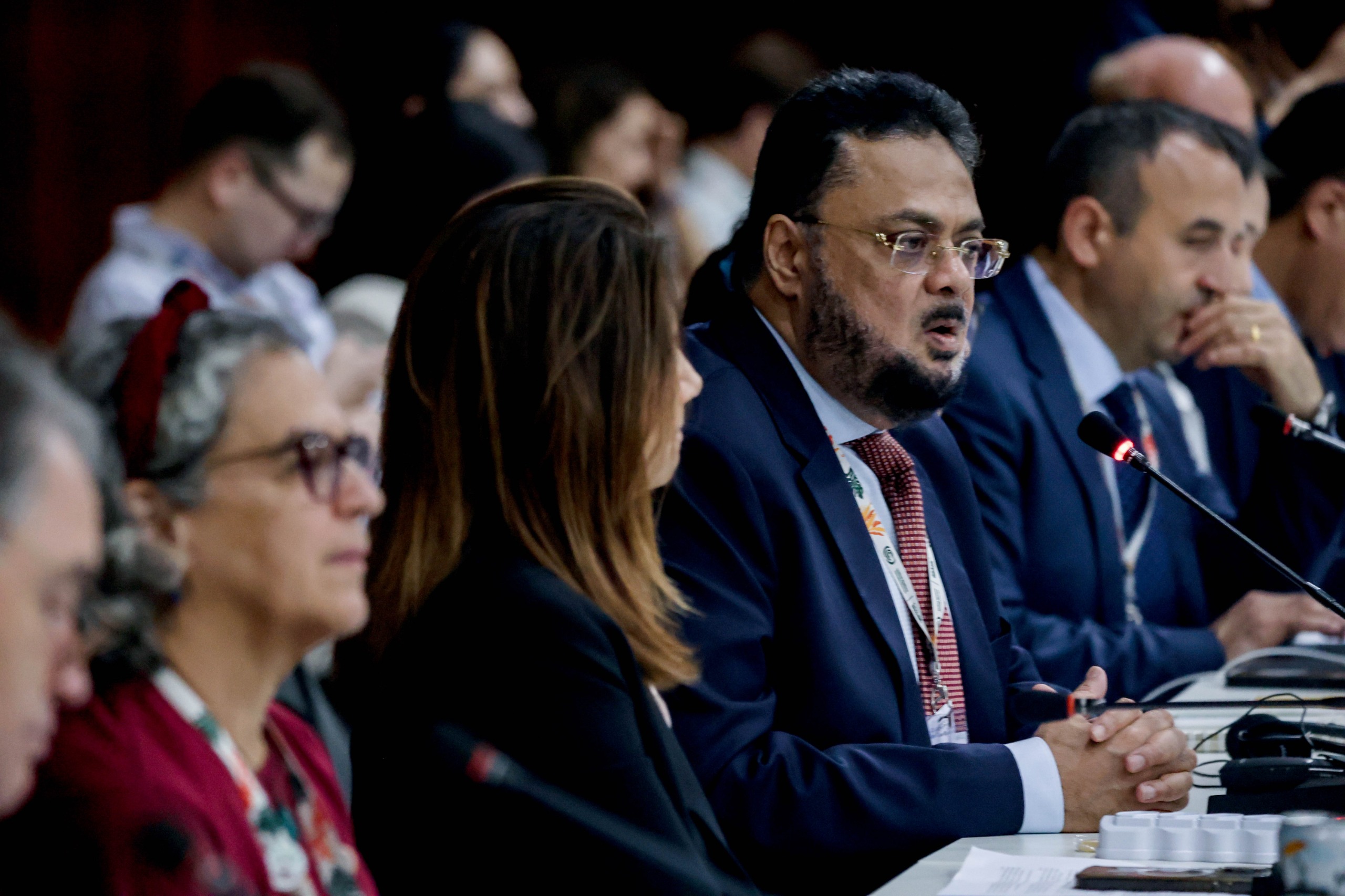
H.E .Osama Faqeeha, Deputy Minister of the Environment, Water and Agriculture of the Kingdom of Saudi Arabia, COP16 Presidency
Next stops on the journey
The COP30 outcomes help anchor land at the heart of the Rio Conventions’ action agendas. The next stop will be UNCCD CRIC23 in Panama this December, where Parties will review progress on land-based solutions ahead of UNCCD COP17 in Mongolia in 2026.
2026 will be the next “Triple COP” year, and an opportunity for all three Rio conventions to align national commitments, showcase joint solutions and build the political momentum needed to turn Rio synergies into coordinated action on the ground.
We invite you to visit rioconventions.org to learn more about current initiatives, integrated approaches and case studies on land, climate and nature synergies.