News & stories

Latest
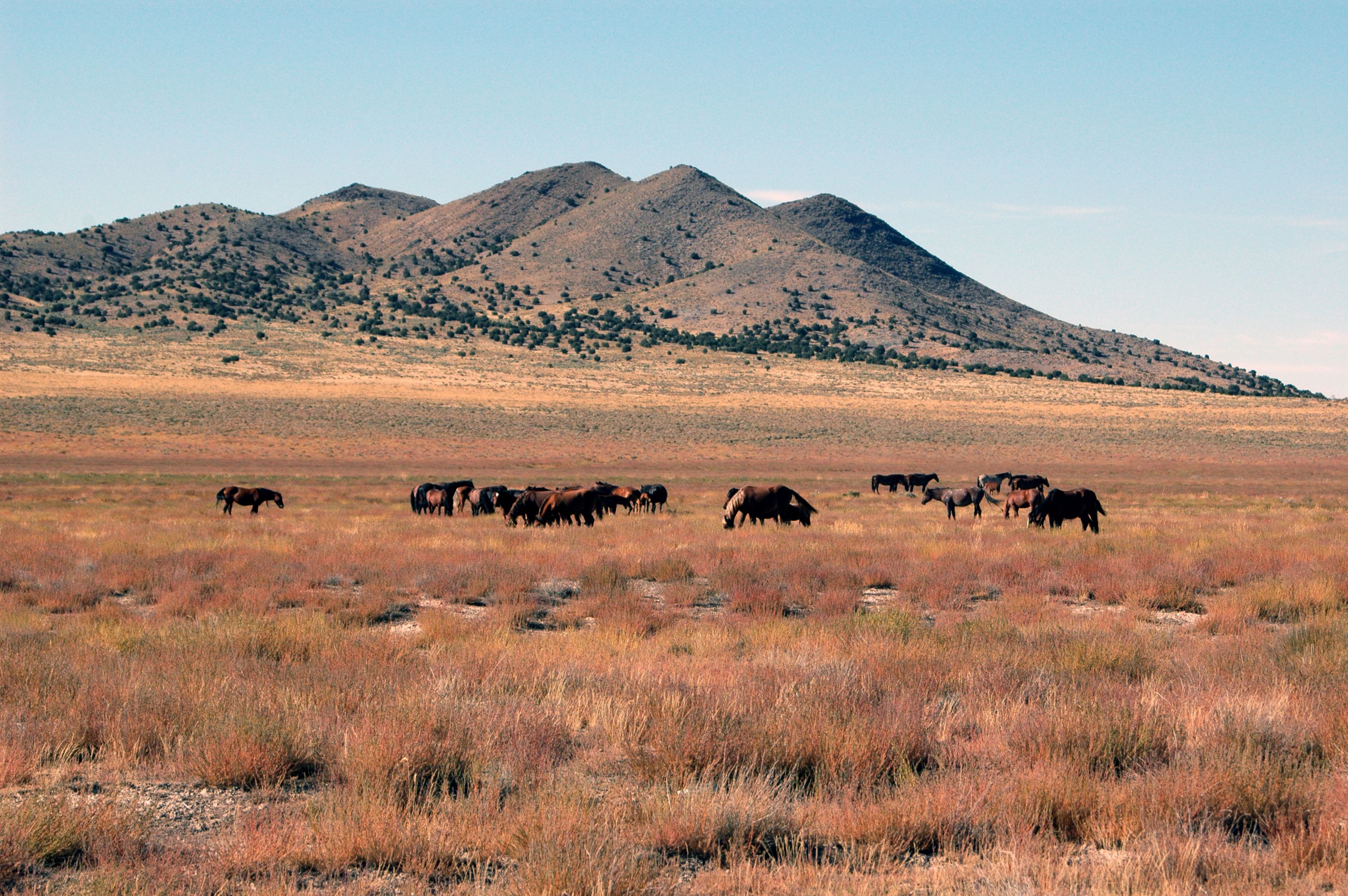
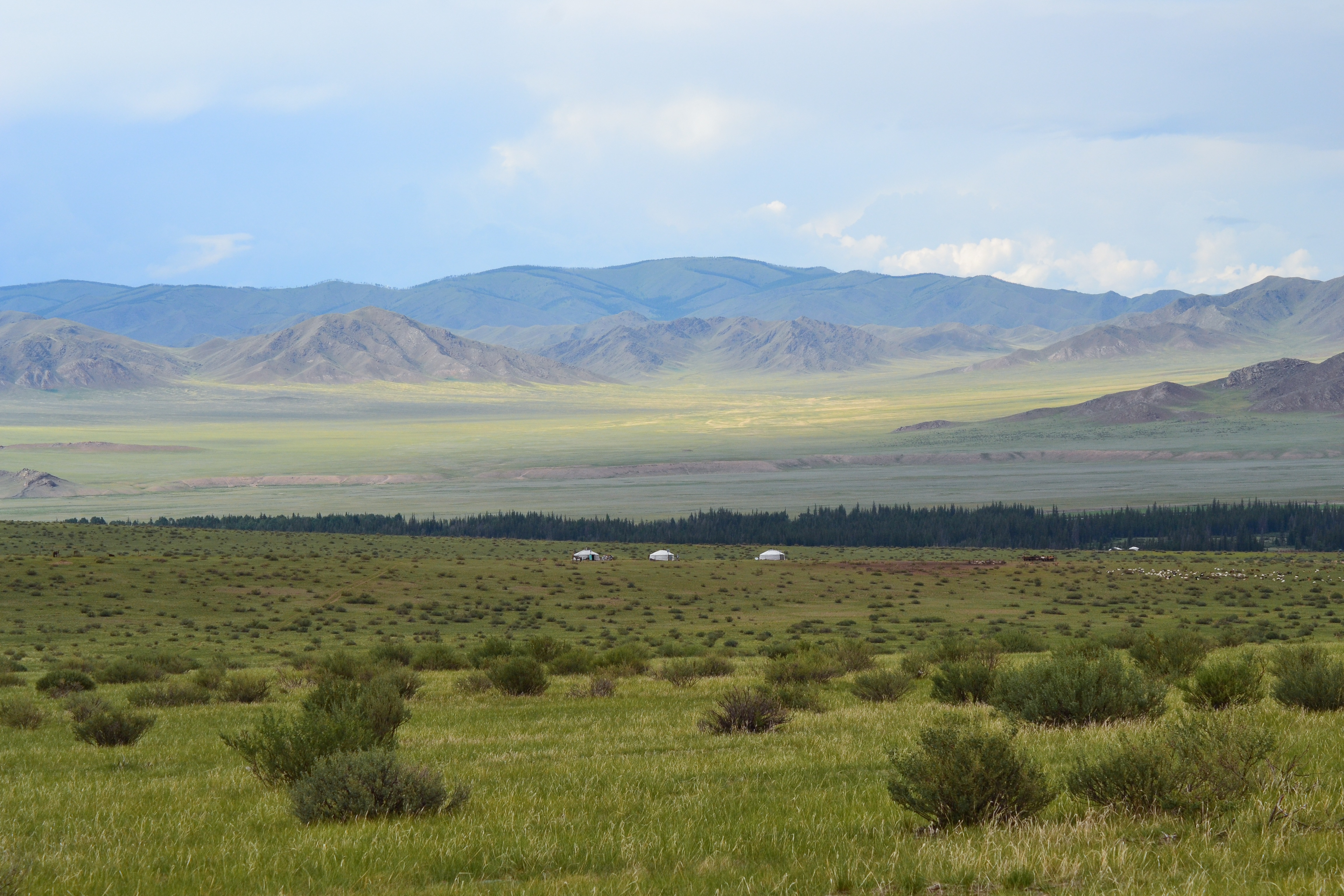
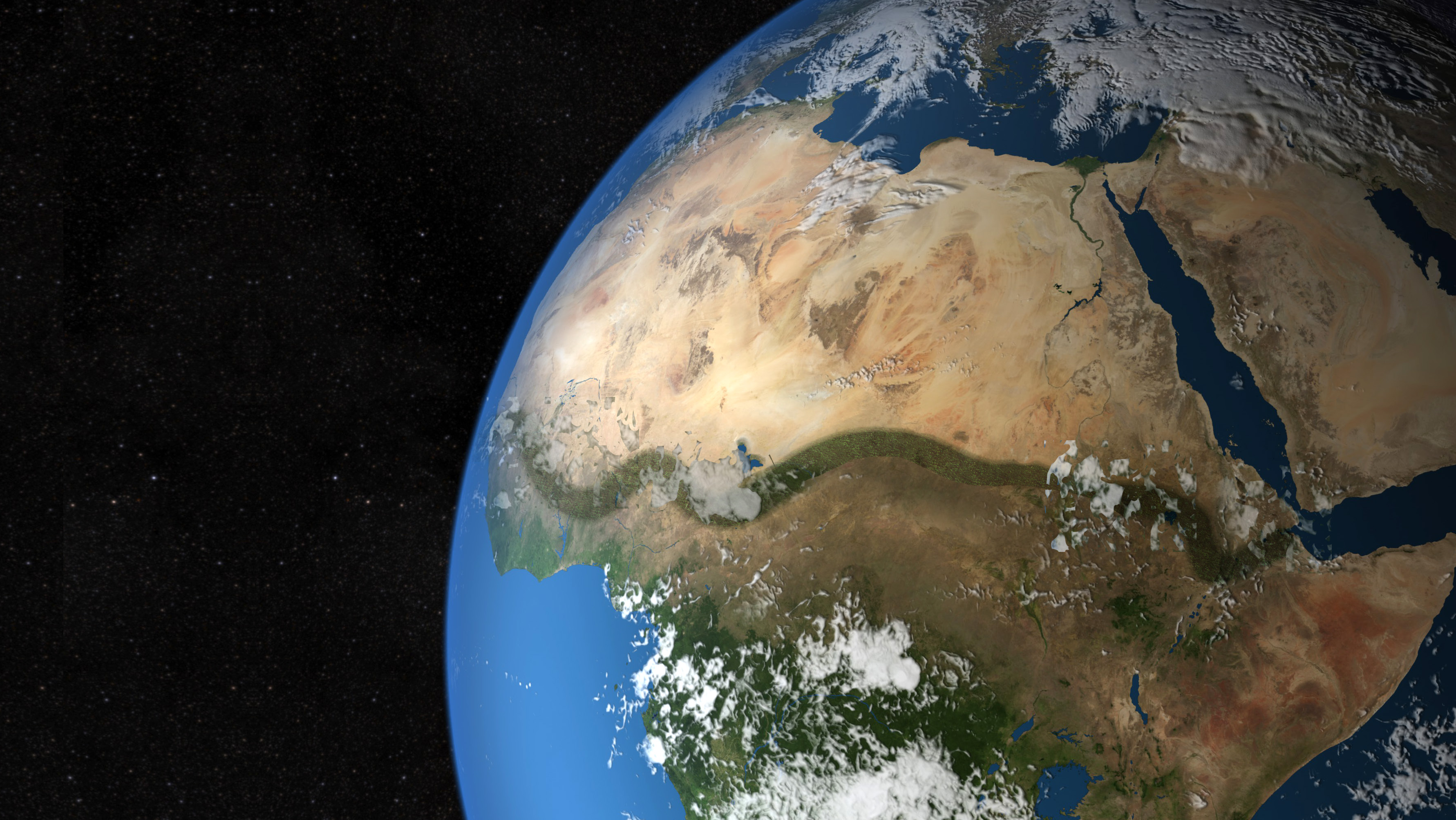
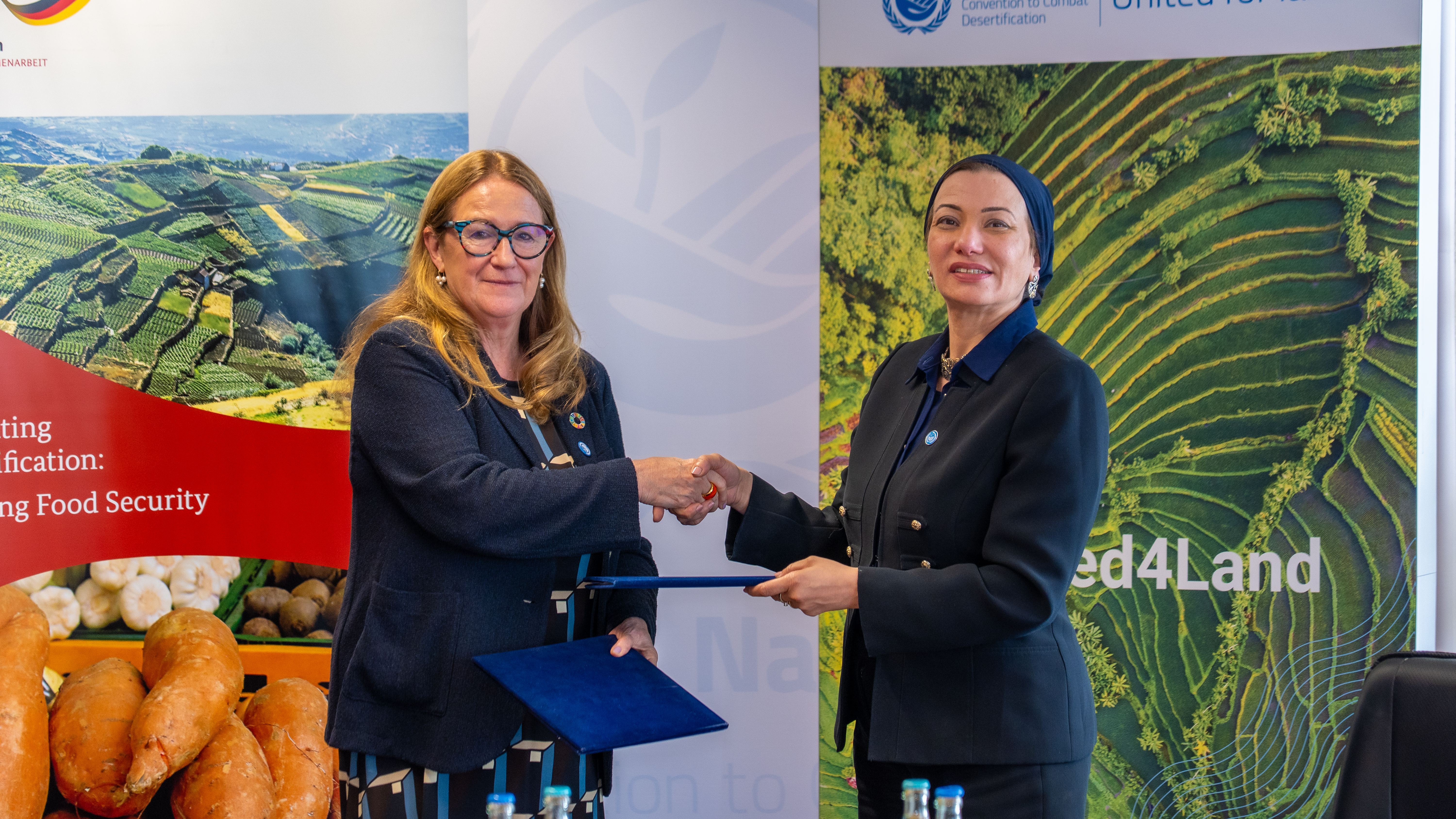
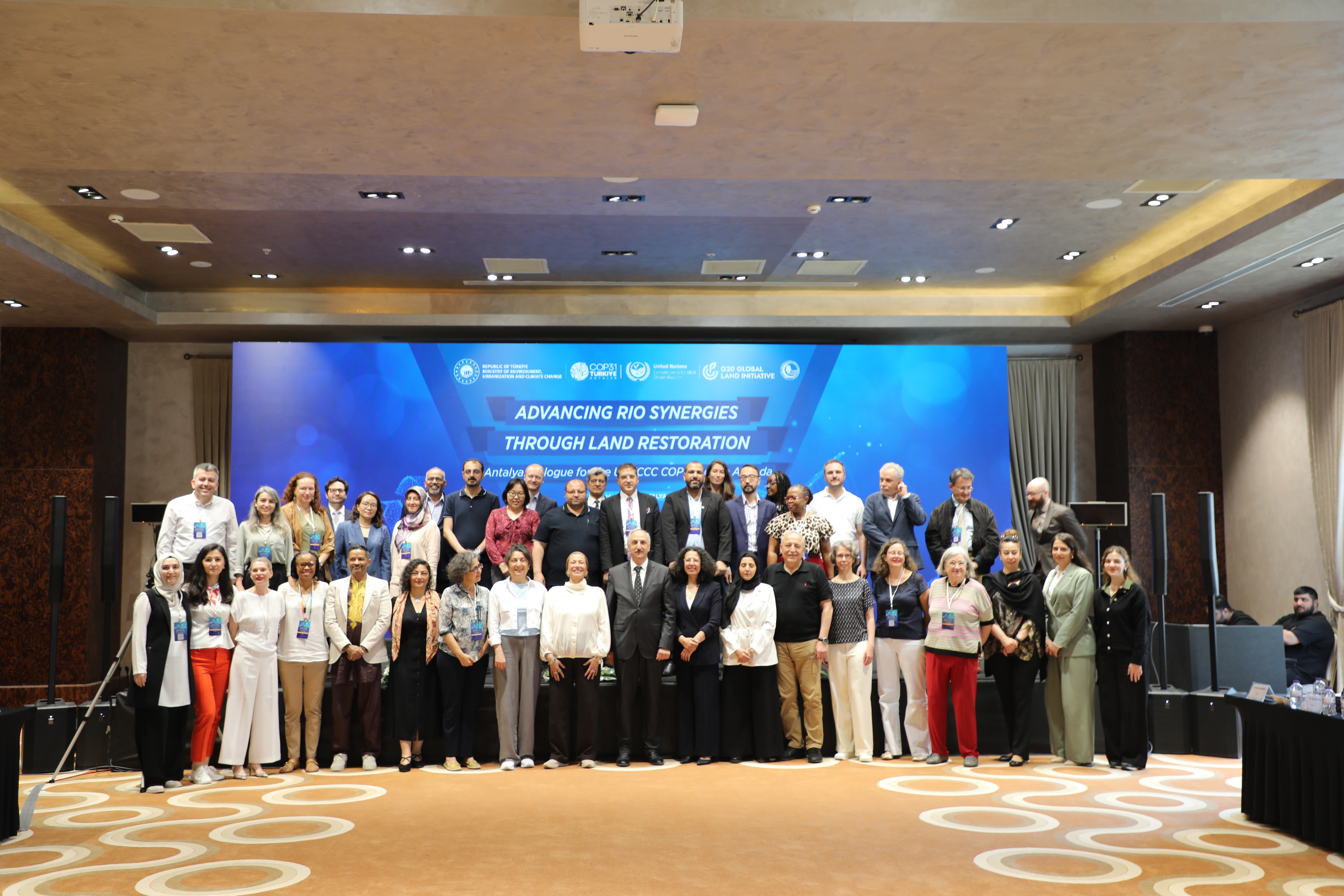

The 25 members of the UNCCD’s Science-Policy Interface (SPI) have assembled at the UN Campus in Bonn, Germany for a critical scientific meeting in the run up to the 16th Session of the Conference of the Parties, which will be held in Riyadh, Saudi Arabia from the 2nd to the 13th of December 2024. The SPI is a unique combination of independent scientists from all corners of the globe, science delegates to the Convention representing the five regions of the world, and five practitioners from implementing agencies and civil society. Over the past year half of the SPI members have been assembling the evidence base for a much more systemic approach to land use, so that our impacts can be more strategic and, ideally, much greater than the sum of the parts. The other half have been conducting a comprehensive analysis of aridity trends, projections and anticipated impacts, which under the Convention translates into land and people affected by the combined effects of land degradation and water scarcity. Both assessments have led to draft technical reports which will undergo independent scientific review following the meeting so that they can be finalized and published in the autumn. The SPI is dedicated to building a bridge between science and policy. They are a global community of experts, united by a passion for understanding and safeguarding all life on land.

Nairobi, 1 March 2024 – Healthy land’s contribution to addressing global challenges of climate change, biodiversity loss and sustainable development was the focus of the sixth session of the United Nations Environment Assembly (UNEA 6), which concluded today in Nairobi. The week-long meeting saw the adoption of the first-ever UNEA resolution on land degradation as well as the announcement of the logo and slogan for the 16th Conference of the Parties to the United Nations Convention to Combat Desertification (UNCCD COP16), to be held in Riyadh, Saudi Arabia from 2 to13 December 2024. Speaking at the high-level event on combating land degradation for climate and biodiversity, UNEA 6 President and Minister of Energy Transition and Sustainable Development for the Kingdom of Morocco, Leila Benali, noted: “Land is the only common denominator among the three Rio conventions, and it is only through land restoration that we can achieve their objectives. We need to build on what unites us rather than what divides us and start with working and credible solutions when it comes to land and soil health”. Announcing the slogan for COP16, “Our Land. Our Future.”, UNCCD Executive Secretary Ibrahim Thiaw said: “COP16 will be a moonshot moment for land, the Paris equivalent for UNCCD. It is crucial that there is convergence and synergy among the three COPs – biodiversity, climate change, and desertification, all taking place this year". For the first time, UNEA adopted a resolution calling for strengthening international efforts to combat desertification and land degradation, restore degraded lands, promote land conservation and sustainable land management, contribute to land degradation neutrality and enhance drought resilience. These issues will be front and center at UNCCD COP16. On behalf of the COP16 Presidency, Osama Ibrahim Faqeeha, Deputy Minister of Environment, Water and Agriculture of Saudi Arabia, said: "Land is not only important for human life but also crucial for biodiversity and maintaining the delicate balance of our environment. We have to recognize the importance of land and other natural elements of our planet, as 24 per cent of greenhouse gas emissions are associated with various land use schemes." Through the Saudi Green Initiative, the Saudi government aims to plant 10 billion trees and protect 30 per cent of the Kingdom’s land. Additional quotes: Aziz Abdukhakimov, Minister of Ecology, Environmental Protection and Climate Change of the Republic of Uzbekistan, which hosted the meeting to review progress in UNCCD implementation last November, said: "Every minute Uzbekistan loses nine square meters of fertile land, and this is a big problem for any country facing land degradation. It is important to bring together political will, science, and finance to address the challenges of climate change, land degradation, and biodiversity loss". Maria Helena Semedo, Deputy Director-General of the Food and Agriculture Organization of the United Nations (FAO) said: “Land is where food begins, and without land, we cannot produce food or feed the planet. We need a holistic approach, avoiding fragmentation, and investing in sustainable transformations of our agri-food systems to ensure food security and address climate change and biodiversity loss”. Hindou Oumarou Ibrahim, President of the Association for Indigenous Women and Peoples of Chad (AFPAT), said: “Indigenous peoples, who make up 5 per cent of the world's population, protect 80 per cent of the world's biodiversity. They are the guardians of ecosystems and masters of restoring land using traditional knowledge. Direct access to finance, policy coordination, and inclusive decision-making are essential to empowering communities and implementing successful land restoration projects”. UNCCD Land Hero Patricia Kombo from Kenya, who moderated the high-level event at UNEA 6, concluded: “Land degradation is a global challenge that requires concerted action at all levels. It is only by working together that we can restore our land ecosystems, ensure food security, and mitigate the effects of climate change”. For more information: UNCCD Press Office, press@unccd.int, +49 228 815 2820, https://www.unccd.int/, @unccd Recording and photos available: https://www.youtube.com/watch?v=S_oSZoVZJF8 https://drive.google.com/drive/u/1/folders/1QhHqfX_pOFWBuot0ET5hGTogyrWDsq6Q For more information about UNEA 6 and UNCCD COP16 visit: https://www.unep.org/environmentassembly/unea6 and https://www.unccd.int/cop16 About UNCCD The United Nations Convention to Combat Desertification (UNCCD) is the global vision and voice for land. We unite governments, scientists, policymakers, private sector and communities around a shared vision and global action to restore and manage the world’s land for the sustainability of humanity and the planet. Much more than an international treaty signed by 197 parties, UNCCD is a multilateral commitment to mitigating today’s impacts of land degradation and advancing tomorrow’s land stewardship in order to provide food, water, shelter and economic opportunity to all people in an equitable and inclusive manner.

Bonn, Deutschland, 21. Februar 2024 – Auf Einladung der deutschen Bundesregierung findet der zentrale Festakt am Welttag gegen Wüstenbildung und Dürre am 17. Juni 2024 in Bonn statt. Er steht unter dem Motto „United for Land: Unsere Erde. Unsere Zukunft.“. Denn weltweit verlieren wir in jeder einzelnen Sekunde wertvollen gesunden Boden in der Größe von vier Fußballfeldern. Das ergibt im Jahr insgesamt 100 Millionen Hektar pro Jahr - eine Fläche fast dreimal so groß wie Deutschland. Angesichts dieser alarmierenden Entwicklungen ist es wichtiger denn je, heutige und künftige Generationen für einen nachhaltigen Umgang mit Boden und Landflächen zu gewinnen. Genau das ist das Ziel des Welttags gegen Wüstenbildung und Dürre, für den in diesem Jahr Deutschland die Gastgeberschaft übernommen hat. Der 17. Juni 2024 ist zugleich auch das 30. Jubiläum des Übereinkommens der Vereinten Nationen zur Bekämpfung der Wüstenbildung (UNCCD) mit Sitz in Bonn. UNCCD ist das einzige rechtsverbindliche internationale Abkommen für Bodenschutz und Dürremanagement und neben der UN-Klimarahmenkonvention (UNFCCC) und Biodiversitätskonvention (CBD) eine der drei sogenannten Rio-Konventionen, die 1992 beim Erdgipfel in Rio de Janeiro beschlossen wurden. UNCCD-Exekutivsekretär Ibrahim Thiaw: „Weltweit sind bereits bis zu 40 Prozent des Bodens degradiert. Davon ist etwa die Hälfte der Menschheit betroffen ist. Maßnahmen zum Schutz von Böden sind weltweit bekannt. Die Sanierung von Böden hilft betroffenen Bevölkerungen auch, Armut zu minimieren und stärkt sie in ihrer Widerstandsfähigkeit gegenüber dem Klimawandel. Es ist an der Zeit, sich für fruchtbares Land und Böden einzusetzen und dem weltweiten Verlust von Landflächen und der Degradierung von Böden die rote Karte zu zeigen." Die Bundesrepublik Deutschland, unter der Schirmherrschaft des Bundesministeriums für wirtschaftliche Zusammenarbeit und Entwicklung (BMZ), ist der diesjährige Gastgeber des zentralen Festakts zum Welttag gegen Wüstenbildung und Dürre am 17. Juni 2024, der in der Bundeskunsthalle in Bonn stattfindet. BMZ-Staatssekretär, Jochen Flasbarth: „Rund ein Viertel der Menschen weltweit sind von Dürre betroffen. Auch in Europa verschlechtert sich der Zustand unserer Böden rasant. Der Schutz von Boden und Land ist eine globale Herausforderung. Wir müssen heute gemeinsam handeln, damit die Generationen von Morgen eine Lebensgrundlage haben – nur mit gesunden Böden können wir die Menschheit ernähren und uns gegen die Klima- und Biodiversitätskrise wappnen." An den Feierlichkeiten werden international prominente Gäste aus Politik, Wissenschaft, Zivilgesellschaft, Sport und Unterhaltung teilnehmen. Der Welttag findet im Vorfeld der bisher größten Vertragsstaatenkonferenz (COP) der Vereinten Nationen zum Thema Land und Dürre statt, die für Dezember 2024 in Riad, Saudi-Arabien (UNCCD COP16) geplant ist. Rund um den Welttag gegen Wüstenbildung und Dürre wird UNCCD im Mai und Juni gemeinsam mit den deutschen Partnern - dem Bundesministerium für wirtschaftliche Zusammenarbeit und Entwicklung und der Stadt Bonn - mit einer Kampagne unter dem Motto #UNited4Land für den Schutz gesunder Böden und Flächen werben, unter anderem im Rahmen von Veranstaltungen in und um Bonn. Katja Dörner, Oberbürgermeisterin der Stadt Bonn: „Als Sitz von UNCCD und als Stadt auf dem Weg zur Klimaneutralität 2035, kann Bonn Klima, Natur und Land nur gemeinsam denken und schützen. Land ist alles – und so viel mehr als die Fläche, auf der unsere Stadt steht. Land ist der Boden, auf dem Nahrung wächst, Lebensraum für Pflanzen und Tiere, Schwamm für Wasser, Freiraum und Kühlkorridor … und ein Erbe, das wir an die nächsten Generationen weitergeben.“ Seien auch Sie dabei – für unsere Erde und unsere Zukunft und feiern Sie gemeinsam mit UNCCD 30 Jahre Engagement für gesunde Böden und Landflächen: Für Materialien zur #UNited4Land-Kampagne, klicken Sie hier: https://trello.com/b/VdJGolcp/desertification-and-drought-day-2024 Um mehr über die Aktivitäten zum Tag gegen Wüstenbildung und Dürre auf der ganzen Welt zu erfahren, klicken Sie hier: https://www.unccd.int/events/desertification-drought-day/2024 Für eine Online-Teilnahme an der Jubiläumsveranstaltung in Bonn wenden Sie sich bitte an: communications@unccd.int Länder auf der ganzen Welt feiern den Tag gegen Wüstenbildung und Dürre mit einer Reihe von Bildungs-, Kultur- und Sportveranstaltungen - von Filmvorführungen bis zu Fußballturnieren und von Baumpflanzungen bis zu Gartenbauwettbewerben. Ein vollständiges Programm wird in Kürze online verfügbar sein unter: https://www.unccd.int/events/desertification-drought-day. Über den Welttag gegen Wüstenbildung und Dürre: Der von der Generalversammlung der Vereinten Nationen 1994 offiziell verkündete Tag gegen Wüstenbildung und Dürre (A/RES/49/115), der jährlich am 17. Juni begangen wird, hat folgende Ziele: Öffentliche Sensibilisierung für die Herausforderungen im Zusammenhang mit Wüstenbildung, Bodendegradierung und Dürre Aufzeigen von Lösungen zur Verhinderung der Wüstenbildung und zur Umkehrung von zunehmender menschenverursachter Dürre Stärkung der Umsetzung der Ziele des Übereinkommens der Vereinten Nationen zur Bekämpfung der Wüstenbildung Für mehr Informationen kontaktieren Sie bitte: UNCCD: Xenya Scanlon, +49 152 5454 0492, xscanlon@unccd.int oder Yannis Umlauf, Tel: +49 178 285 8629 E-Mail: yumlauf@unccd.int mit press@unccd.int in cc. BMZ: Presseabteilung, Bundesministerium für wirtschaftliche Zusammenarbeit und Entwicklung Tel: +49 (0)30 18 535-2451, E-Mail: presse@bmz.bunddotde www.bmz.de

Riyadh, 31 January 2024 – The Kingdom of Saudi Arabia and the United Nations Convention to Combat Desertification (UNCCD) signed an agreement paving the way for the 16th session of the Convention’s Conference of the Parties (COP16) in Riyadh from 2-13 December 2024. The Riyadh COP16 will be the largest-ever meeting of UNCCD’s 197 Parties, the first to be held in the Middle East region and the largest multilateral conference ever hosted by Saudi Arabia. 2024 also marks the 30th anniversary of the UNCCD, one of the three major environmental treaties known as the Rio Conventions, alongside climate change and biodiversity. At the signing ceremony in Riyadh today, Eng. Abdulrahman Abdulmohsen AlFadley, Saudi Minister of Environment, Water and Agriculture and COP16 President, said: “The hosting of the conference (COP16) in the Kingdom of Saudi Arabia reflects the commitment of the wise leadership to environmental protection at the national, regional, and international levels. Additionally, Saudi Arabia launched several groundbreaking environmental projects, such as the Saudi Green Initiative and the Middle East Green Initiative.” UNCCD Executive Secretary Ibrahim Thiaw said: “Today, we are losing fertile lands at an alarming rate, jeopardizing global stability, prosperity and sustainability. The Riyadh COP16 must mark a turning point in the way we treat our most precious resource—land—and collectively tackle the global drought emergency.” According to UNCCD data, up to 40 per cent of the world’s land is degraded, affecting half of humanity and with dire consequences for our climate, biodiversity and livelihoods. If current trends continue, restoring 1.5 billion hectares of land by 2030 will be necessary to achieve a land-degradation-neutral world. Droughts are hitting more often and harder all over the world—up by 29 per cent since 2000—driven by climate change but also the way we manage our land. One-quarter of the world’s population is already affected by droughts, with every three out of four people around the world projected to face water scarcity by 2050. The Riyadh COP16 will focus on mobilizing governments, businesses and communities worldwide to accelerate action on land restoration and drought resilience as a cornerstone of food, water and energy security. The two-week event will feature a high-level segment, as well as associated events including the Gender Caucus and the Business for Land Forum. Taking place in the most water-scarce region and one that is severely affected by desertification and land degradation, the Riyadh COP16 will showcase efforts underway in Saudi Arabia, the Middle East region and beyond towards a green transition based on sustainable land stewardship. For more information, please contact: Wael A Bushah, Managing Director, Environmental Awareness and Capabilities Enhancement, Ministry of Environment, Water and Agriculture, Kingdom of Saudi Arabia, Wbushah@mewa.gov.sa. Xenya Scanlon, Chief, Communications, External Relations and Partnerships, UNCCD, xscanlon@unccd.int UNCCD Press Office, press@unccd.int, +49 228 815 2820, https://www.unccd.int/, @unccd #UNited4Land #COP16Riyadh #UNCCDCOP16 About UNCCD The United Nations Convention to Combat Desertification (UNCCD) is the global vision and voice for land. We unite governments, scientists, policymakers, private sector and communities around a shared vision and global action to restore and manage the world’s land for the sustainability of humanity and the planet. Much more than an international treaty signed by 197 parties, UNCCD is a multilateral commitment to mitigating today’s impacts of land degradation and advancing tomorrow’s land stewardship in order to provide food, water, shelter and economic opportunity to all people in an equitable and inclusive manner.

Veranstaltung wird am 17. Juni 2024 in Bonn ausgerichtet Die Konvention der Vereinten Nationen zur Bekämpfung der Wüstenbildung (UNCCD) feiert 2024 ihr 30-jähriges Jubiläum. Zu diesem Anlass findet nächstes Jahr der Welttag gegen Wüstenbildung und Dürre am 17. Juni in Deutschland statt - und zwar in Bonn, wo das entsprechende Sekretariat seinen Sitz hat. Das teilten Entwicklungs-Staatssekretär Jochen Flasbarth gemeinsam mit Ibrahim Thiaw, Exekutivsekretär der UNCCD, und Katja Dörner, Oberbürgermeisterin der Stadt Bonn heute auf der Weltklimakonferenz in Dubai mit. Deutschland setzt damit ein wichtiges politisches Signal zum Schutz unserer Lebensgrundlage: gesunder Böden. Staatssekretär Jochen Flasbarth: „Ob Klimawandel, der Verlust biologischer Vielfalt, Pandemien oder Ernährungskrisen: Der Zustand unserer Böden spielt eine zentrale Rolle bei der Bewältigung dieser globalen Herausforderungen. Böden speichern Wasser, lassen Bäume und Pflanzen wachsen – nur mit gesunden Böden können wir die Menschheit ernähren und uns gegen die Klimakrise wappnen. Deswegen setzt die Bundesregierung im Jubiläumsjahr der Weltbodenkonvention 2024 mit der Ausrichtung des Welttags gegen Wüstenbildung und Dürre ein Zeichen für ein starkes internationales Engagement im Kampf gegen den Verlust an fruchtbaren Böden.“ Exekutivsekretär Ibrahim Thiaw: „Der Welttag gegen Wüstenbildung und Dürre 2024 markiert den 30. Jahrestag des Übereinkommens der Vereinten Nationen zur Bekämpfung der Wüstenbildung. 1994 setzte die Weltgemeinschaft ein Zeichen, indem sie den einzigen rechtsverbindlichen Vertrag ratifizierte, der eine nachhaltige Bewirtschaftung von Land vorantreibt. Die Wiederherstellung von geschädigten Flächen und Böden ist der fruchtbarste Ansatz für sofortiges und konzertiertes Handeln für einen gesunden Planeten. Jetzt ist es an der Zeit, diese globale Verpflichtung zu bekräftigen, indem wir das Potenzial der Böden freisetzen – für heutige und künftige Generationen.“ Oberbürgermeisterin der Stadt Bonn, Katja Dörner: „Auch bei uns in Bonn verlieren wir Boden – deshalb ist es so wichtig, hier gemeinsam gegenzusteuern: durch Entsiegelung von Flächen, durch die Förderung organischen Landbaus, aber auch dadurch, dass wir Boden mitdenken, zum Beispiel beim Konzept der wassersensiblen Stadt, das wir gerade entwickeln, im Naturschutz oder der Grünflächenpflege. Bonn ist seit 25 Jahren Sitz des Übereinkommens zur Bekämpfung der Wüstenbildung. Deshalb freuen wir uns ganz besonders, den Internationalen Tag zur Bekämpfung von Wüstenbildung und Dürre am 17. Juni 2024 in Bonn begrüßen und mit interessanten Aktionen auch für die Öffentlichkeit einrahmen zu dürfen“, so Katja Dörner, die per Videobotschaft in Dubai zugeschaltet war.“ Boden ist eine im Wesentlichen nicht erneuerbare Ressource. Weltweit degradieren jährlich bis zu zehn Millionen Hektar landwirtschaftlicher Nutzfläche. Mehr als 24 Milliarden Tonnen fruchtbaren Bodens gehen jedes Jahr infolge nicht nachhaltiger Bewirtschaftung verloren. Die Folgen sind eine zum Teil irreversible Zerstörung von (Agrar-) Ökosystemen sowie die Abnahme landwirtschaftlicher Erträge. Böden spielen eine wichtige Rolle im Klimaschutz als CO2-Senken und stellen die Lebensgrundlage von etwa zwei Drittel aller Lebewesen auf unserem Planeten dar, inklusive dem Menschen. Als Gastgeber des Welttags gegen Wüstenbildung und Dürre am 17. Juni 2024 positioniert sich Deutschland als starker Partner im globalen Kampf gegen die sich ausbreitenden Wüstengebiete und den Verlust von fruchtbarem Boden. Der Tag ist ein weltweiter Aufruf, sich stärker gegen Landdegradation, Wüstenbildung und Dürre einzusetzen. Deutschland unterstützt die Konvention der Vereinten Nationen zur Bekämpfung von Wüstenbildung, die UNCCD, bereits seit den 1990er Jahren. Als eine der drei Rio-Konventionen ist die UNCCD das einzige international rechtsverbindliche Abkommen, das den Schutz fruchtbarer Böden als unsere Lebensgrundlage ins Zentrum stellt. Während ihres 30-jährigen Bestehens hat sich Deutschland mit hohem politischem und finanziellem Engagement als zuverlässiger Partner der UNCCD gezeigt. Der Welttag zur Bekämpfung von Wüstenbildung und Dürre wird anlässlich des 30-jährigen Jubiläums am 17. Juni 2024 in Deutschland ausgerichtet. Die Feierlichkeiten finden in Bonn statt, die Stadt in der auch das Sekretariat der UNCCD angesiedelt ist. Die Bundesregierung unterstützt Partnerländer auch bilateral über das Entwicklungsministerium mit einer Vielzahl an Projekten. Ein Beispiel ist das Projekt „Bodenschutz und Bodenrehabilitierung für Ernährungssicherung“, das Maßnahmen zu nachhaltigem Bodenschutz und Wiederherstellung von gesunden Böden in sieben Ländern umsetzt. Eines dieser Länder ist Benin. Durch das Engagement des Vorhabens werden dort mittlerweile ca. 200.000 Hektar Land nachhaltig und an den Klimawandel angepasst bearbeitet. Etwa 160.000 Landwirt*innen wurden dafür ausgebildet. In Äthiopien konnte die Grundwassermenge durch Bodensanierungsmaßnahmen erhöht werden, sodass Trinkwasser über längere Zeiträume im Jahr für Mensch und Tier zur Verfügung stehen.

IDRA co-chairs Senegal and Spain hold a high-level event at COP28 Australia, Colombia, Comoros, Italy and the Commonwealth are latest to join Dubai, 1 December 2023—As 2023 is ending as the warmest year on record, the global platform to prepare the world for harsher droughts, the International Drought Resilience Alliance (IDRA) , welcomes eight new members, signaling a growing political will to act against one of most deadly and costly natural disasters in the face of climate change. The addition of six countries and several major intergovernmental and research organizations, announced at the UN Climate Summit COP28 in Dubai, brings the total membership of IDRA to 36 countries and 28 organizations. The countries joining the alliance this year are Australia, Colombia, Jordan, Italy, Uruguay and the Union of the Comoros, which currently chairs the African-Union. In addition, the Commonwealth Secretariat, as well as three other organizations-- the Climate Commission for the Sahel Region (CCRS), the Central American Commission for Climate and the Environment (CCAD) and the International Water Management Institute (IWMI), member of the global research partnership CGIAR – were also announced as joining IDRA. Together, they represent efforts to build evidence-based resilience at the country, regional and global level. Launched at UN Climate Summit COP27 by the leaders of Spain and Senegal, IDRA is the first global coalition creating political momentum and mobilizing financial and technical resources for a drought-resilient future. The alliance devoted 2023 to building awareness at the highest political level. From 2024, IDRA will draw on the collective strengths of its expanding membership to advance concrete policies, actions, and capacity-building initiatives for drought preparedness, acknowledging we are only as resilient to drought and climate change as our land is. The IDRA secretariat is hosted by the United Nations Convention to Combat Desertification (UNCCD). United in action IDRA co-chairs emphasized the urgency of building drought resilience as global freshwater demand is projected to outstrip supply by 40% by 2030, and they commended new members for their commitment to changing the way the world addresses drought. “Drought knows now borders, meaning we need common action and solidarity to face the emergency,” said President of Senegal, H.E. Macky Sall, who noted that droughts affect 1.84 billion people throughout the world, 85 percent of them in low- and middle-income countries. Central to that action, he said, is the transfer of technologies, sharing of experiences, and exchange of best practices, as well as a just energy transition. Prime Minister of Spain, H.E. Pedro Sánchez, summed up the achievements of IDRA in its first year, from mobilizing countries and global organizations, to outlining a common framework for action with priority investments for drought resilience, to supporting affected countries to develop their strategies in areas like the Central American Dry Corridor. “Drought is a global phenomenon. For those of you who are not yet members of IDRA, I invite you to join this Alliance to leverage individual efforts and transform them into collective action,” said Sánchez. “Let us build on the political momentum of this COP28 to increase resilience to extreme events.” In turn, Secretary General of the Commonwealth, H. E. Patricia Scotland said: “Many of the 56 Commonwealth countries experiencing extreme weather events will welcome IDRA as a timely opportunity to promote mutual learning and collaborative action on drought resilience. By working together, our countries will be much better placed to implement effective solutions and protect the most vulnerable communities.” The UNCCD Executive Secretary, Ibrahim Thiaw, concluded: “Droughts are a natural phenomenon, but we are making them worse through poor land use, deforestation, and the disruption of the planet’s natural systems, including the climate. What humanity did through neglect, must and can fix through concerted action—or face an increasingly harsh future. Drought resilience at COP28 The latest IDRA members were announced during a high-level event ‘From awareness to action: united for drought resilience in a changing climate’ at COP28. The event brought together the IDRA co-chairs—Senegal and Spain—and members of the alliance to take stock of IDRA’s first year and usher in a next phase focused on action. During the event, UNCCD launched its ‘Global Drought Snapshot’ report, an authoritative compendium of drought-related information and data looking to inform negotiators at COP28, as well as decision-makers and practitioners from around the world. A second high-level IDRA event, scheduled for 9 December and focused on nature-based solutions and financing for drought resilience, will bring together leaders from different countries and agencies to exchange on practical ways to accelerate action. Notes to editors For interviews and enquires please contact: press@unccd.int and/or unccd@portland-communications.com Photos (credit: UNCCD): https://drive.google.com/drive/folders/1rNhWAFqQxc5ZoDK1QdISbRhaRszoONaF?usp=sharing Social media Twitter: @UNCCD / Instagram: @unccd For information about IDRA and UNCCD events at COP28 visit: https://idralliance.global and https://www.unccd.int/cop28pavilion About IDRA The International Drought Resilience Alliance (IDRA) is the first global coalition creating political momentum and mobilizing financial and technical resources for a drought-resilient future. As a growing platform of more than 30 countries and 20 institutions, IDRA draws on the collective strengths of its members to advance policies, actions, and capacity-building for drought preparedness, acknowledging we are only as resilient to drought and climate change as our land is. The work of IDRA is aligned with, and supportive of, the mandate of the United Nations Convention to Combat Desertification (UNCCD), which hosts the IDRA Secretariat. For more information: https://idralliance.global. About UNCCD The United Nations Convention to Combat Desertification (UNCCD) is the global vision and voice for land. We unite governments, scientists, policymakers, private sector and communities around a shared vision and global action to restore and manage the world’s land for the sustainability of humanity and the planet. Much more than an international treaty signed by 197 parties, UNCCD is a multilateral commitment to mitigating today’s impacts of land degradation and advancing tomorrow’s land stewardship in order to provide food, water, shelter and economic opportunity to all people in an equitable and inclusive manner.
