Stories
Latest
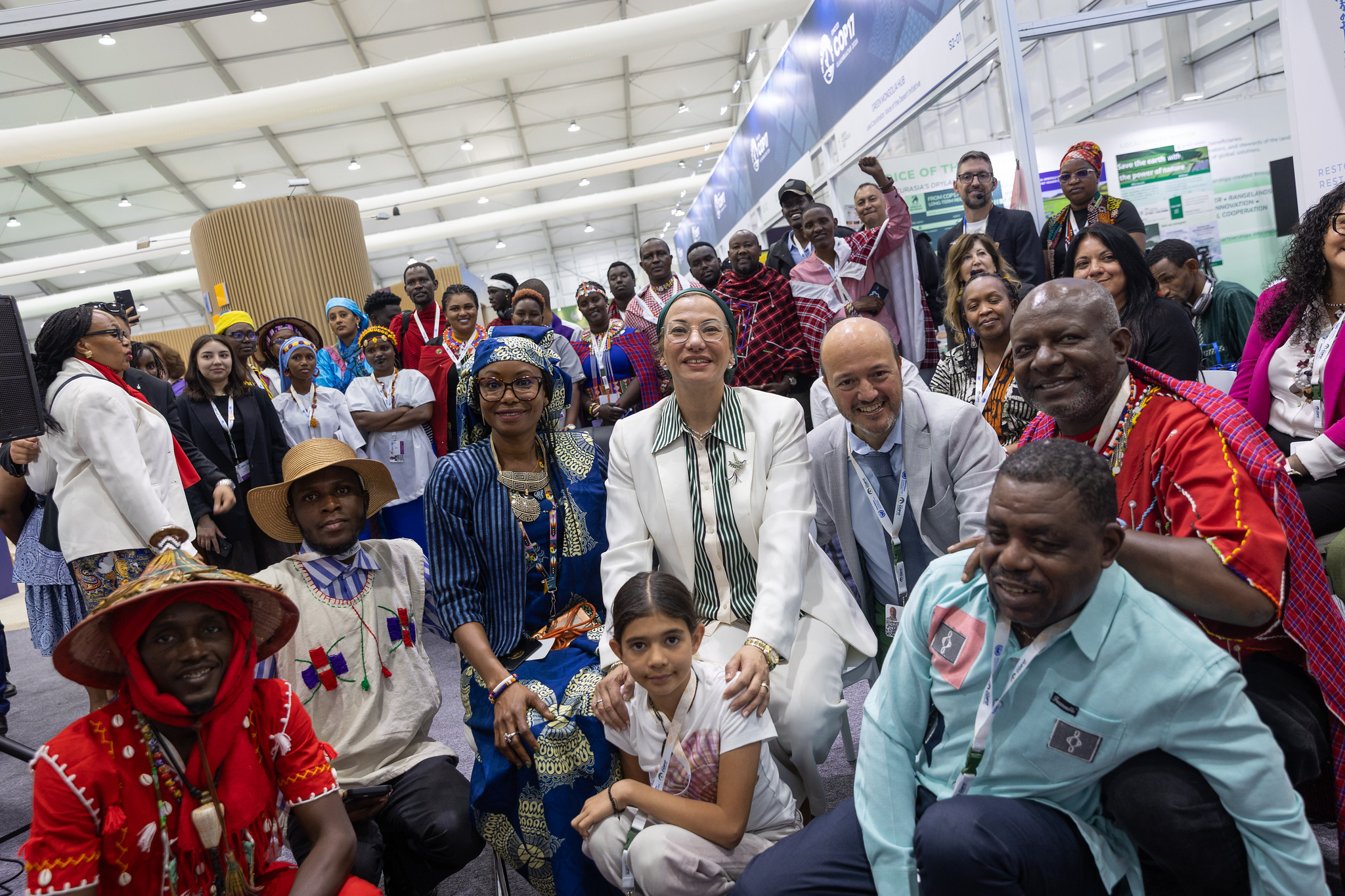
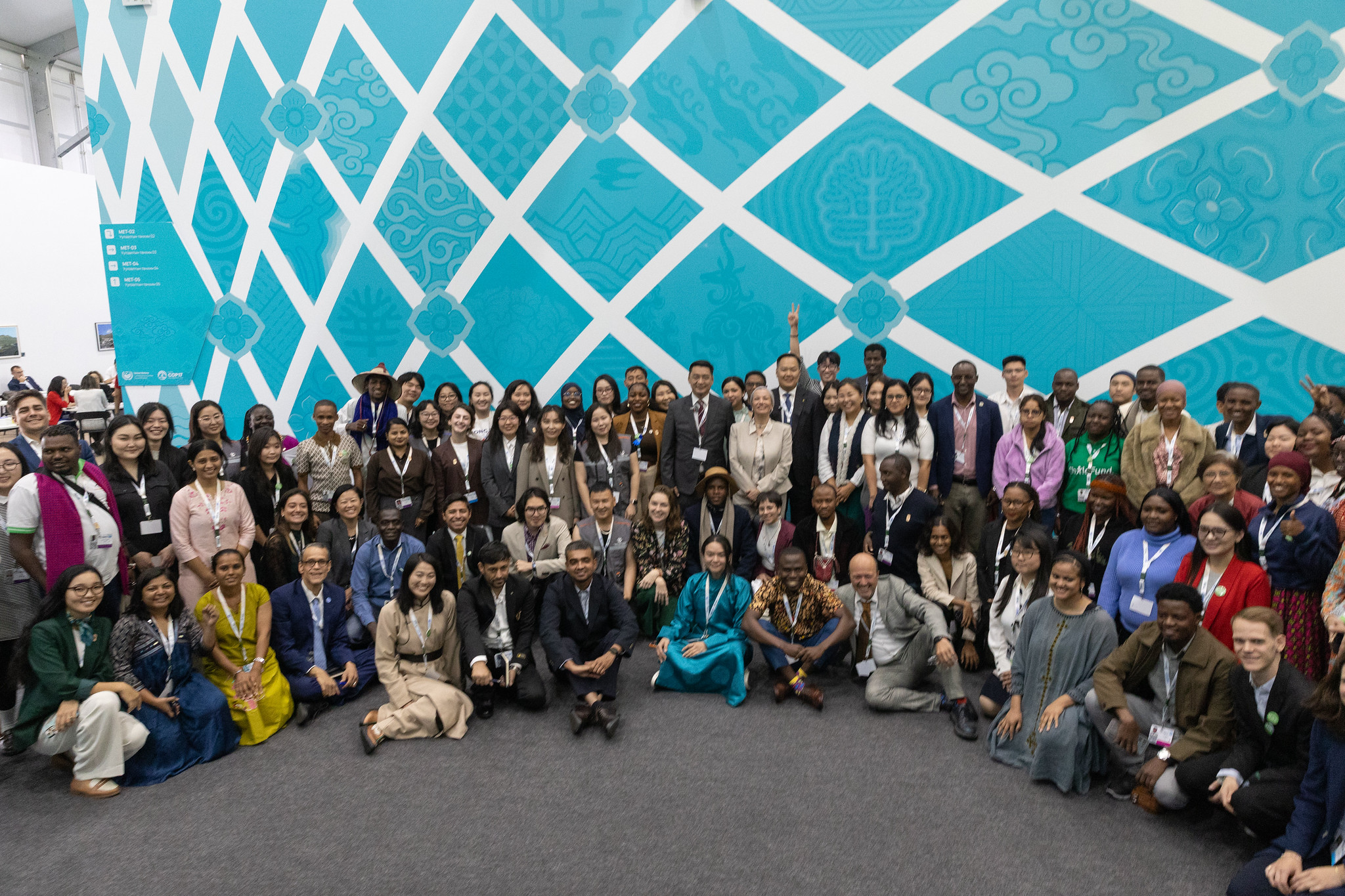


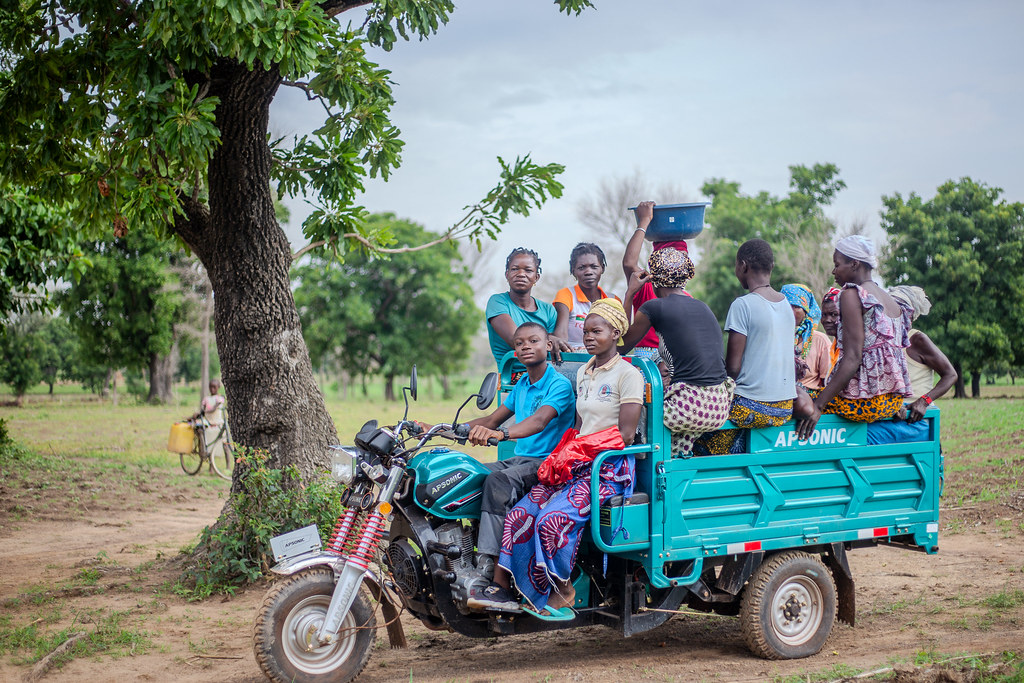

On 12 May Rio Conventions Pavilion hosted its first-ever Food Day at UNCCD COP15, with representatives of international organizations, civil society and the indigenous leaders discussing the science and approaches that can help reshape our relationship with the land to secure the future of our food.

Announced by the Chair of the CST, Mr. Masuku Bongani from Eswatini, the CST15 of the UNCCD opened on 11 May 2022 with UNCCD Executive Secretary Ibrahim Thiaw highlighting that science has a unique role in creating sustainable future of land resources by providing evidence, informing the decision makers and mobilizing action. Mr. Thiaw recognized the commitment of the Bureau of the CST and the Science Policy Interface (SPI) members over the 2020-2021 biennium to enhance the scientific foundation for policy development, as evidenced in the assessments 1) on the role of integrated land use planning and landscape management in achieving Land Degradation Neutrality; 20 on approaches for monitoring and assessment of the resilience of the ecosystems and population to drought and 30 the comprehensive analysis on two IPCC reports. The future work programme of the SPI for 2022-2023 includes assessments on sustainable land use systems and historical regional and global aridity trends and future projections. In the first plenary of the CST15, after the adoption of the agenda, the Committee on Science and Technology commenced its thematic dialogue with the SPI on the outcomes achieved in the biennium 2020-2021, starting with the evidence resulting from its two assessments on the integrated land use planning and landscape management, and the assessment on resilience of ecosystems and population to drought. To continue work on these two key topics, the CST contact group was established and held its first meeting to discuss the draft decision text to be submitted to the COP for consideration. On 12 May, the second plenary of the CST continued a thematic dialogue on the SPI’s comprehensive analysis on the IPCC reports. A follow-up plenary discussion reconvened on the issue of science-policy-interfacing modalities, accessibility to and dissemination of the best practices and the proposed SPI future work programme. The afternoon session of the fourth plenary of the CST15 addressed the joint report by the CST and the CRIC on reporting modalities on land degradation and drought for implementation of the UNCCD Strategic Framework 2018-2030, which guides parties in the next cycle of national reporting. The second topic of the 4th plenary is the procedural matters on the programme work of the CST16. The CST-CRIC joint contact group meeting continues its work on 13 May until completion of all draft decisions. Then the CST contact group will continue its negotiation. The last plenary of the CST15 is scheduled in the afternoon of 13 May to adopt the report to the COP including the CST draft decisions and the vice chairs of the CST16. The chair of the CST will be elected at the final meeting of the COP15. To promote the key role of scientific evidence-based policy-oriented recommendations in UNCCD implementation, drought resilience and sustainable land management, the Science-Policy Interface will be hosting a Science-Day at the UNCCD COP5 Rio Conventions Pavilion on Saturday 14 May.

We, representatives of States, and institutions, civil society, forming a group of political, business and civil society leaders, committed to promoting gender equality as a means of accelerating land restoration, gather in Abidjan at the Gender Caucus of the fifteenth session of the Conference of the Parties (COP 15) of the United Nations Convention to Combat Desertification (UNCCD) in 2022, Recognize that land provides a source of food, feed, fiber, shelter, income, and social identity, and reduces vulnerability to food and water insecurity, hunger, and poverty, particularly in rural areas, Acknowledge that land remains amongst the most fundamental asset for most of the women and men living in developing countries, essential to their life, livelihoods, and resilience, Recognize that securing women’s access to land and control over land, and access to finance for land-based economic activities are central components of women’s economic empowerment and women’s rights, generating opportunities for economic prosperity and autonomy, Acknowledge that the lack of secure land tenure contributes to land and forest degradation, and exacerbates poverty, social instability and conflict over land and natural resources, Recognize that equitable land governance and land tenure security are fundamental components to enable land degradation neutrality and land restoration efforts, We will strengthen our shared efforts to: Promote all necessary measures to identify and eliminate all forms of discrimination against women in the context of fighting against desertification/land degradation, and drought (DLDD), in relation to land tenure security and access to, ownership of, and control over land and natural resources, and other forms of property and inheritance, with particular attention on the rights of older women, widows, women with disabilities and young women. Foster measures to ensure the full, equal, meaningful and effective participation of women at all levels in land and natural resource governance at the regional, national and landscape levels through the inclusive national-level coordination and promotion of women’s leadership in planning and implementation activities. Strengthen and enforce legal frameworks for women’s access to land and control over land, including common lands, and equal land rights both under customary and statutory law, and continue efforts on advocacy for women’s land rights. Facilitate access to technology, services, and resources for women and groups in vulnerable situations for their effective participation in land restoration efforts, including through gender-transformative land use planning and management that addresses the root causes of gender inequality. Actively work to close the gender gap to move towards evidence-based interventions and responses, collecting, analyzing and disseminating data disaggregated by sex, age, disability, race/ethnicity, class, livelihood source and migrant status and other relevant factors to support the design, implementation, monitoring and evaluation of land-related interventions and policies. Appeal to development agencies, multilateral development banks, national banks and other financial institutions and mechanisms to lift structural barriers and increase funding that specifically target women’s rights organizations and movements, women entrepreneurs, women cooperatives and enterprises led by women and indigenous groups, and civil society organizations that design and implement programmes contributing to DLDD initiatives. Commit to working towards the inclusion of gender equality criteria in the development – and granting – of finance for sustainable land management, land restoration and drought preparedness and resilience at the regional, national, subnational and local levels. Call upon the COP of the UNCCD to incorporate these commitments into their deliberations around the gendered aspects of DLDD, and into their policy decisions accordingly. Parties and other stakeholders who wish to join the Declaration may send an email at the following address external-relations@unccd.int

Access UNCCD COP15 webcast via this link: https://unccd-cop15.org/room_detail?cop-room=6

The Government of Côte d'Ivoire and the United Nations Convention to Combat Desertification (UNCCD) jointly signed the Host Country Agreement, the official binding protocol between the organization and the country hosting the 15th Conference of the Parties of the UNCCD (COP15, May 9-20). During the signing, H. E. Mr. Jean Sansan Kambilé, Minister of Justice and Human Rights, on behalf of H. E. Mrs. Kandia Camara, Minister of Foreign Affairs of African Integration and of the Diaspora of the Republic of Côte d'Ivoire, underlined the geopolitical importance of hosting this event, stressing the economic benefits of restoring land and its benefits to the local population. Therefore, the 15th Conference of the Parties of the UNCCD in Abidjan, Côte d'Ivoire, is particularly relevant on a regional and global scale as it gives the host country the opportunity to set an example for land restoration initiatives across the West Africa region. Highlighting Côte d'Ivoire's leadership, UNCCD Executive Secretary Ibrahim Thiaw, stated that “The Abidjan Legacy Programme is one tangible outcome of UNCCD COP15 that will boost long-term sustainable development across major value chains in Côte d’Ivoire, while protecting and restoring forests and lands and improving communities’ resilience to climate change. Côte d’Ivoire’s leadership in implementing this ambitious and promising programme is a commitment to advancing land restoration. The signing ceremony was also attended by the Minister of Environment and Sustainable Development, H. E. Mr. Jean-Luc Assi, at the premises of the Minister of Foreign Affairs.

One month ahead of its 15th session of the Conference of the Parties (COP15) taking place from 9-20 May 2022 in Abidjan, Côte d’Ivoire, the United Nations Convention to Combat Desertification (UNCCD) has unveiled the highlights of the event’s programme and high-level participation.
