Stories
Latest

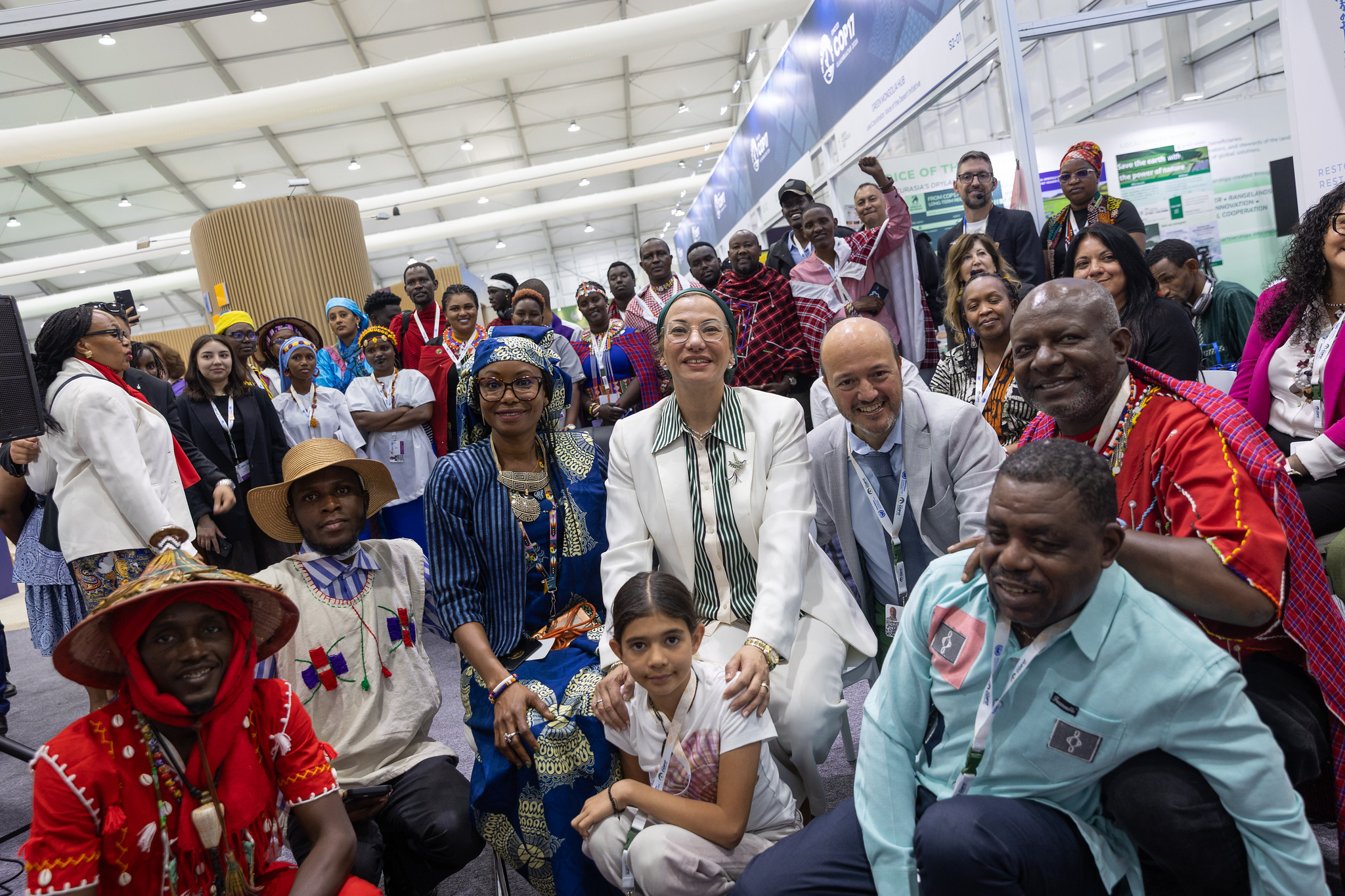
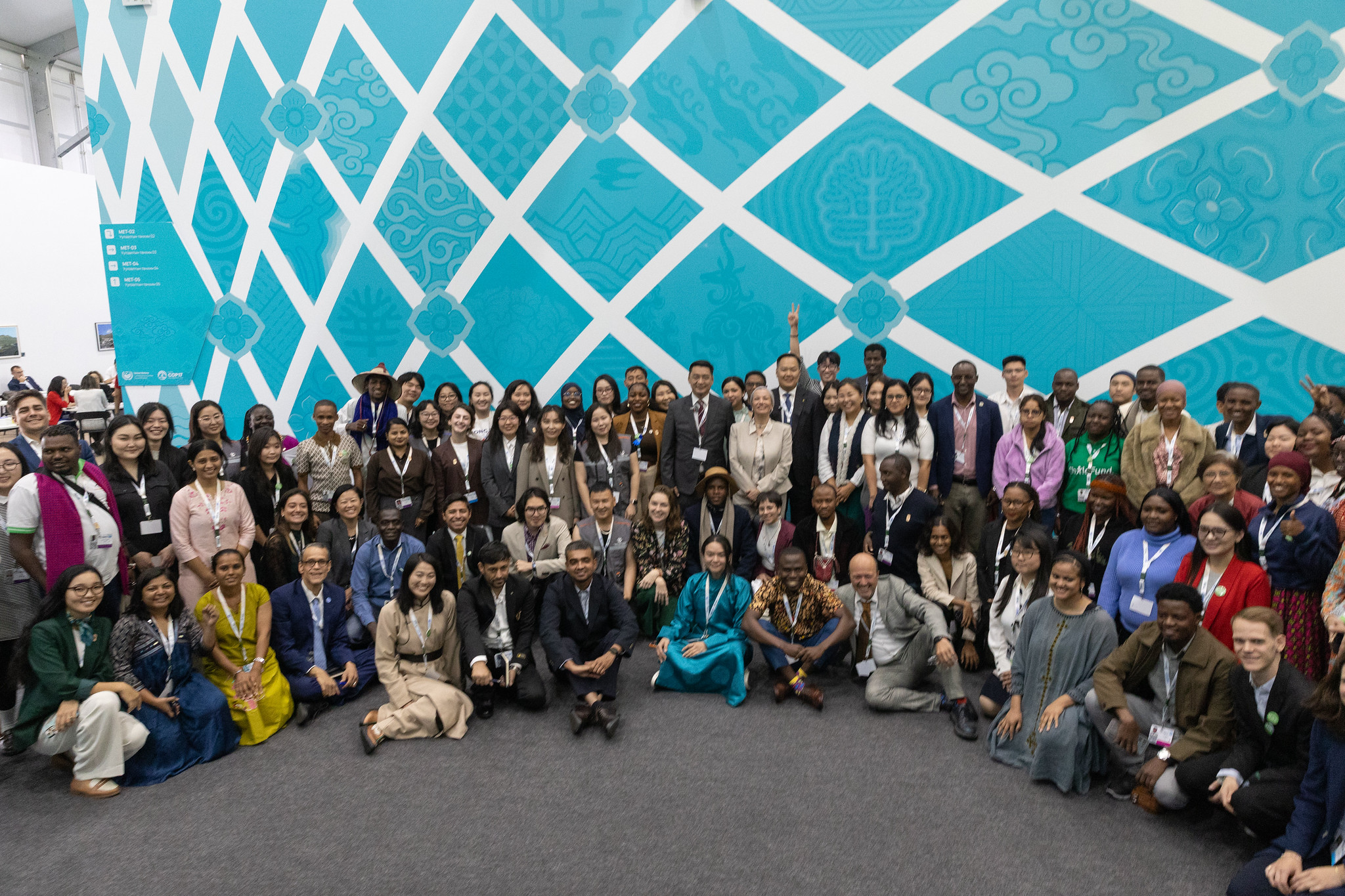
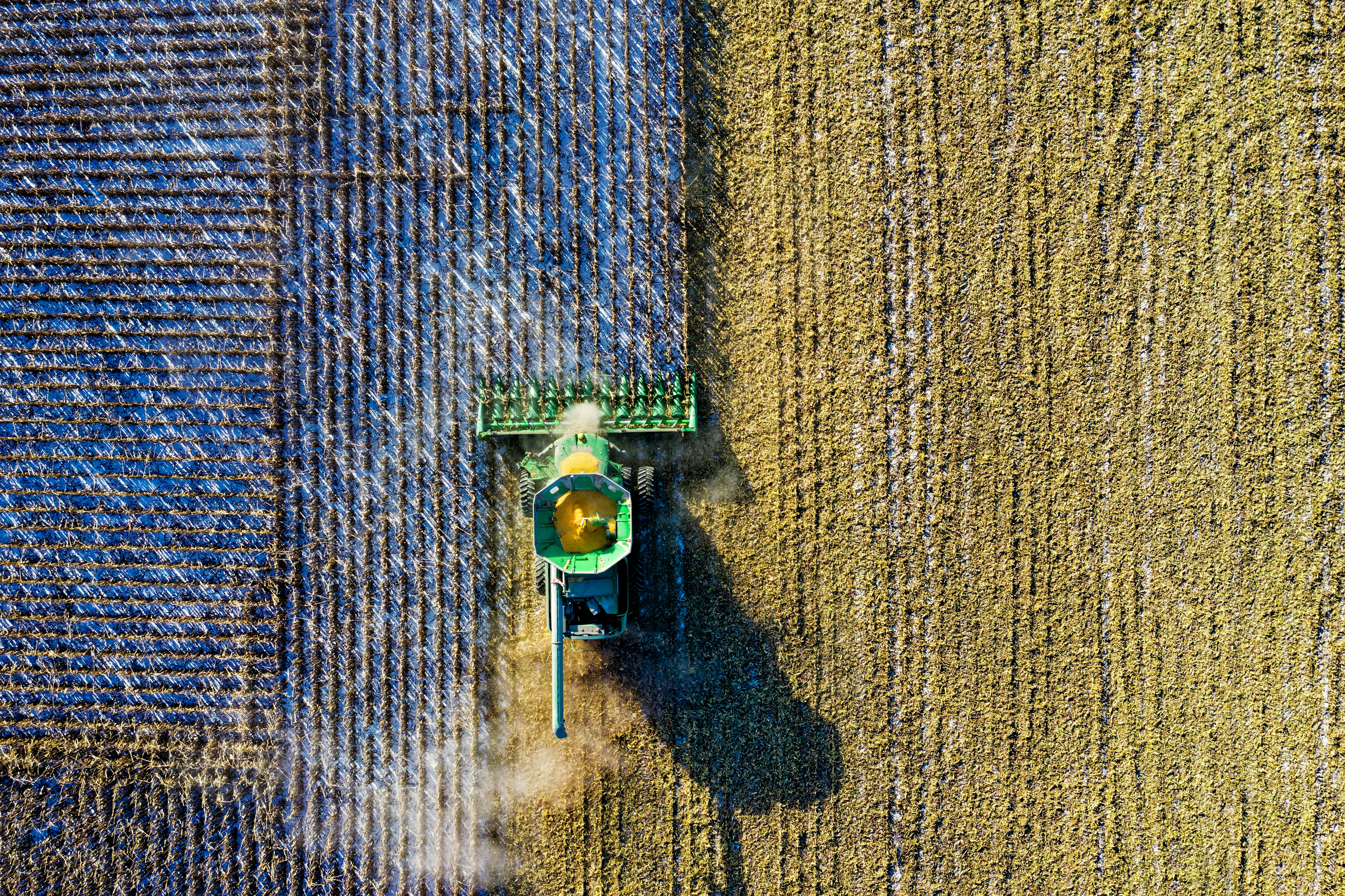

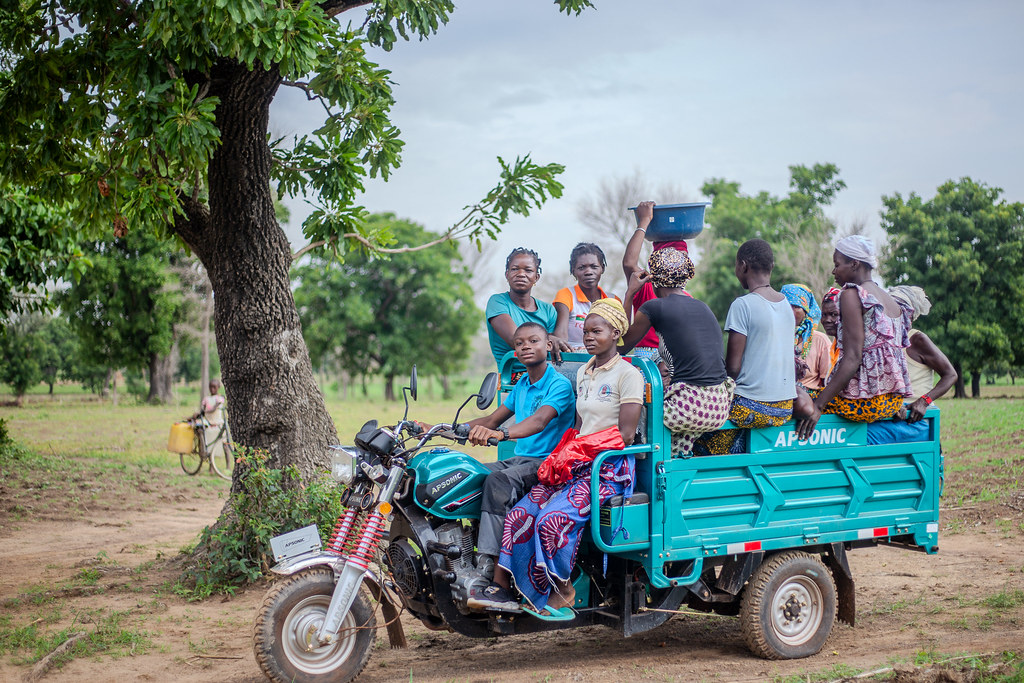
One month ahead of its 15th session of the Conference of the Parties (COP15) taking place from 9-20 May 2022 in Abidjan, Côte d’Ivoire, the United Nations Convention to Combat Desertification (UNCCD) has unveiled the highlights of the event’s programme and high-level participation.

The latest report from the Intergovernmental Panel on Climate Change (IPCC) released today sounds the alarm on the urgent action needed to keep the 1.5 degree temperature rise limit within reach, with global climate commitments falling drastically short of the target. At the same time, the IPCC assessment highlights the important role of land in tackling rising greenhouse gas emissions. “To keep the 1.5-degree limit agreed in Paris within reach, we need to cut global emissions by 45 percent this decade. But current climate pledges would mean a 14 percent increase in emissions,” United Nations Secretary-General Antonio Guterres said in his statement on the release of the Panel’s Working Group III AR6 Climate Change 2022: Mitigation of Climate Change report. In addition to major cuts in greenhouse gas emissions from fossil fuels, major cuts in other sectors will also be necessary. Land contributes a quarter of all emissions. At the same time, land-based ecosystems absorbed around 30 per cent of the carbon emissions generated through human activity in the last decade and could provide 20 to 30 percent of the mitigation required to ensure global warming stays below 1.5oC towards 2050 [1]. “The latest IPCC report offers a sobering, yet hopeful assessment, clearly showing that land-based solutions can provide a significant contribution to global efforts to tackle climate change,” said Ibrahim Thiaw, Executive Secretary of the United Nations Convention to Combat Desertification (UNCCD). “If managed sustainably, land can deliver large-scale greenhouse gas emission reductions. But this will require us to urgently rethink the way we approach agriculture, forestry and other land use activities,” he added. “The Sixth Assessment Report provides an important context to consider future global policy action on issues such as land restoration and early action on drought, which are on the agenda of the 15th session of the Conference of the Parties to the UNCCD to be held on 9-20 May in Abidjan, Côte d’Ivoire,” Thiaw observed. The IPCC report documents that net greenhouse gas emissions rose 12% between 2010 and 2019 and were 54% (21 GtCO2-eq) higher than in 1990 [2]. Overall, emissions from the land sector – agriculture, forests, land use and land use change – fell from 13 to 11 percent of the total emissions across all sectors during this period. “There is an urgency to restore the one billion hectares of degraded lands by 2030 to cut land-based emissions massively. We must strengthen the land’s ability to absorb and store carbon emissions – and that means ensuring it remains healthy. What’s more, restoring land back to health will also enable us to simultaneously increase food production from existing agricultural land and restore ground water sources that we are losing. – UNCCD Executive Secretary Ibrahim Thiaw The report warns that the land’s natural ability to hold and remove carbon is not infinite. Moreover, the carbon sink potential of land declines with every passing year of increased warming. More so, if we fail to take the actions needed to make the land resilient to climate change. The report lays out that there are both synergies and trade-offs between climate action and the pursuit of other Sustainable Development Goals (SDGs), many of which are tied to competing demands for land. For example, the pressure to convert natural forests or grasslands as demand for food, water and urban growth increases, land-based emissions may also increase. This is particularly the case for developing countries. This indicates it will be important to recover degraded land. To do this effectively, however, the obstacles to the effective use of land-based actions, including insecure land tenure and fragmentation in land ownership, must be overcome. And it will mean ensuring future land management is sustainable to avoid reversals, such as restored land being degraded once more. The IPCC confirms that addressing land degradation can have multiple synergies with the SDGs, particularly when supported by frameworks designed to help manage trade-offs while promoting responsible governance and the involvement of local communities and indigenous peoples, particularly when supported by frameworks such as Land Degradation Neutrality within the UNCCD [2]. To realize the opportunities land provides while addressing the challenges of the interaction of climate change and land degradation, UNCCD is developing policy tools to ensure future land use planning fully integrates municipal, agricultural and conservation objectives. In essence, doing the right thing in the right places at the right scales. The Convention also promotes policies that put carbon back where it belongs, in the soil, where it contributes to biodiversity, land productivity and even water security in the face of increasing drought. The Working Group III report is the last of the three reports issued by IPCC as part of the sixth assessment of the status of climate change. Working Group I Report, titled AR6 Climate Change 2022: The Physical Science Basis, was released in August 2021. Working Group II Report, titled, AR6 Climate Change 2022: Impacts, Adaptation and Vulnerability, was released in February 2022. The Synthesis Report will be the last of the AR6 products and is scheduled to be released in September 2022. References: [1] IPCC, 2022: Technical Summary. In Climate Change 2022: Mitigation Of Climate Change. Contribution of Working Group III to the Sixth Assessment Report (AR6) of the Intergovernmental Panel on Climate Change. Technical Summary [2] IPCC, 2022: Summary for Policymakers. Climate Change 2022: Mitigation Of Climate Change. Contribution of Working Group III to the Sixth Assessment Report (AR6) of the Intergovernmental Panel on Climate Change. For more information, contact: Xenya Scanlon, UNCCD Chief of Communications, xscanlon@unccd.int Wagaki Wischnewski, UNCCD Head of News and Media, press@unccd.int

UNCCD extends heartfelt congratulations to its Land Ambassador, music composer Ricky Kej, who has just received a Grammy Award in the Best New Age Album category for his album "Divine Tides," along with Stewart Copeland. This is the second Grammy win for Ricky, who is a passionate advocate for sustainable development and environment action. In his acceptance speech he shared his dream of the world as one family that is living in peace – within the human species and all entities on this planet: the wildlife, the forests, all the elements of nature – the air we breathe, the water we drink and the land we walk on. Ricky himself teaches respect for nature by example, choosing a vegetarian diet, opting to use public transportation instead of owning a car and having his carbon footprint audited quarterly to monitor his environmental footprint and stay on top of his climate goals. Together with his fellow Ambassador Baaba Maal, Ricky is also the author of the UNCCD Land Anthem, which has been produced in six languages.

Ahead of UNCCD COP15, the UNCCD Secretariat seeks to collect original and exceptional photos to showcase promising practices which demonstrate women’s leadership and innovation in adapting to land degradation, desertification and drought. Efforts to combat and address land degradation, desertification, and droughts require a more thorough understanding of human rights and gender equality considerations. Numerous studies and experiences worldwide have confirmed that gender inequalities must be addressed as part of biodiversity conservation, land restoration, adaptation and mitigation to climate change, and efforts to transition to an inclusive and regenerative green economy, especially after the pandemic. Land degradation and desertification action can thus reinforce or exacerbate inequalities—or intentionally aim to overcome and transform them, for the resilience of all people. The UNCCD emphasizes that both men and women must be active participants at all levels in programs to combat desertification and mitigate the effects of drought. Resolving gender inequalities is not only a matter of “righting a wrong” but also a significant opportunity to make use of women’s often under-recognized abilities, knowledge, talents, and leadership. Photos highlighting good practices that demonstrated role of women as agents of change for sustainable land management may be made by civil society organizations (national and international), indigenous peoples’ organizations, women organizations, foundations, UN entities and other relevant actors.A supporting narrative must also be submitted, explaining the promising practice featured in the photo, and outlining the impact of the initiative/project in terms of promoting women’s empowerment and/or gender equality in the context of land degradation, desertification, and drought. Deadline for applications is 18 April. You can find the application form on the right, under "Documents."

The UNCCD COP15 participants can take advantage of the 20 per cent discount on ticket prices offered by the Lufthansa Group for travel to the COP that will take place in in Abidjan, Côte d’Ivoire, from 9 to 20 May 2022. You can reach the booking platform via this link https://www.lufthansa.com/de/en/meetings-and-events-delegates, using the event code DEAUPSX. The reduced fares will be displayed automatically. Please note the you need to enable pop-ups permanently in your browser while booking, otherwise the window of the booking platform will not open. You can also book through your IATA travel agency. The travel agency can request the ticketing instructions by sending an email to lufthansa.mobility@dlh.de, mentioning the event code DEAUPSX.

Dr. Muralee Thummarukudy of India has been appointed as the Director of the Coordination Office of the G20 Global Initiative on Reducing Land Degradation and Enhancing Conservation of Terrestrial Habitats based at UNCCD headquarters in Bonn, Germany. Dr. Thummarukudy brings to this position over three decades of progressive senior management experience and technical expertise in land restoration issues. He has most recently served as the acting Head of the Disasters and Conflicts Programme at the United Nations Environment Programme, where he implemented a portfolio of over 100 million USD, focusing on ecosystem-based disaster reduction and partnership development. An internationally renowned expert in disaster response, he played a key role in addressing the environmental aftermath of many major conflicts and disasters, implementing projects in over 35 countries. Prior to joining the United Nations, Dr. Thummarukudy served as Environmental Advisor to Shell Group in Southeast Asia and the Middle East. He has a Ph.D. in Environmental Engineering from Indian Institute of Technology Kanpur. He was also a Beahr’s fellow at the University of California, Berkeley. Dr. Thummarukudy is also a well-known author in his native Malayalam language.
