News & stories

Latest
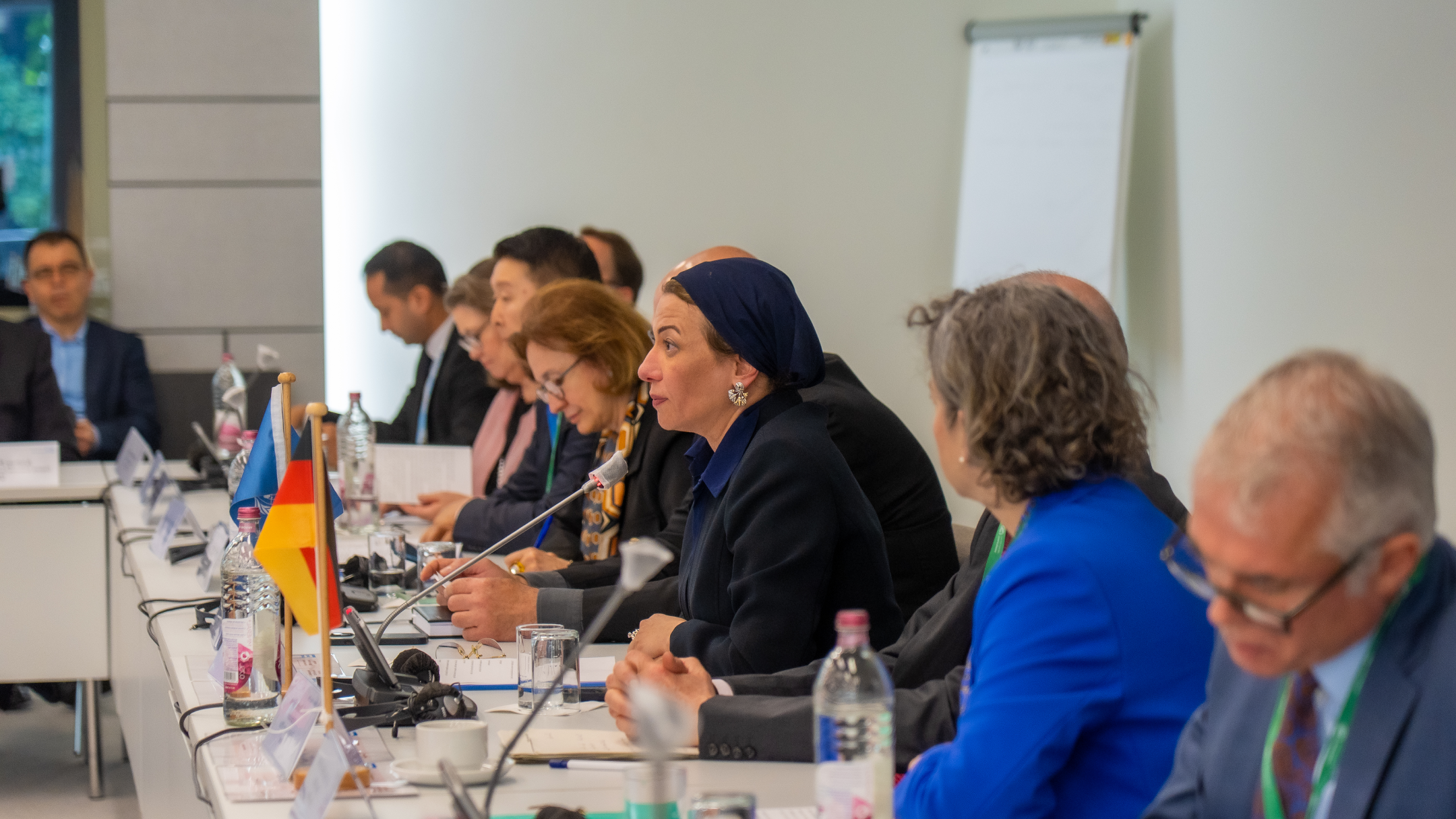
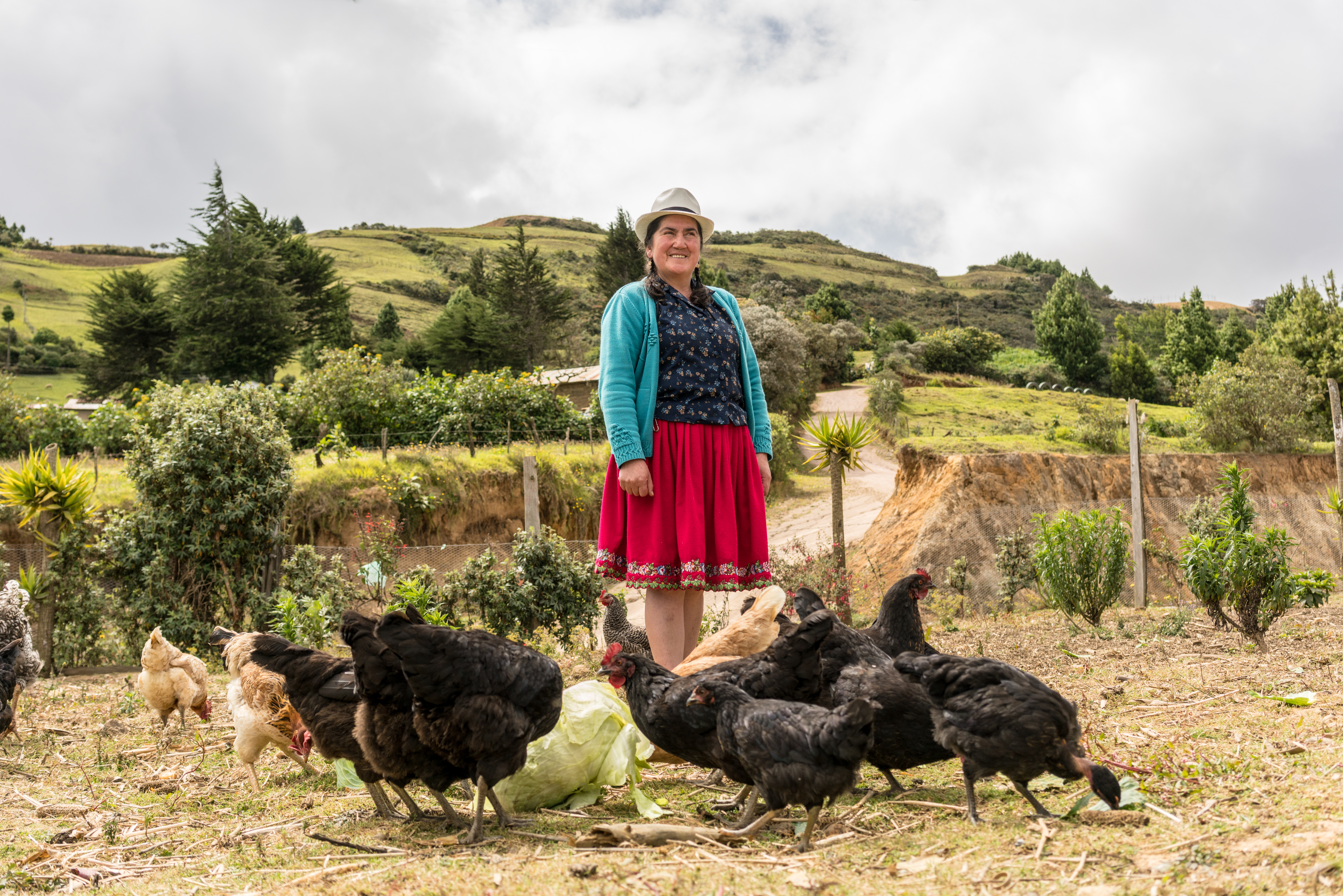
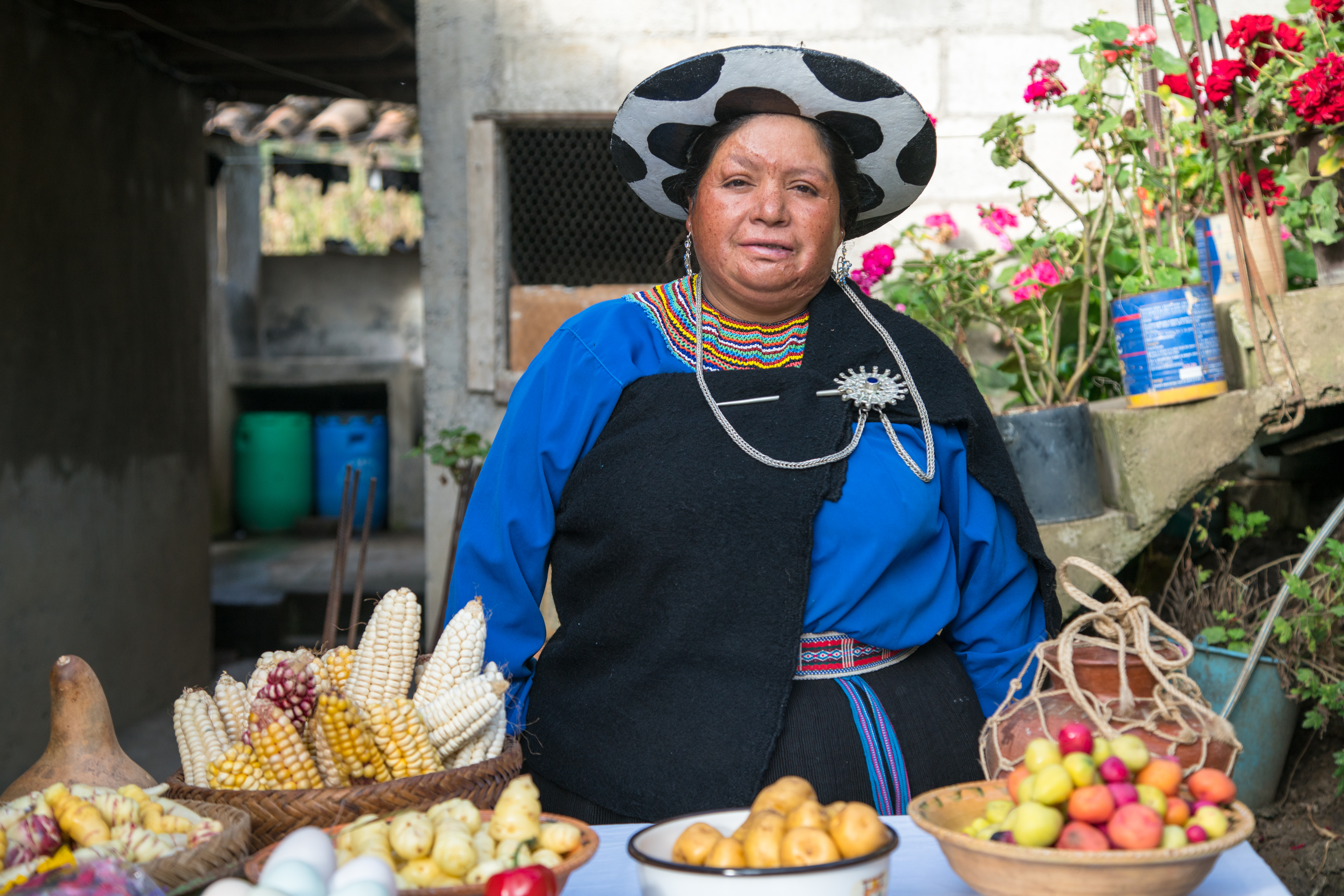


Across Mexico’s rural and indigenous communities, land is more than a resource – it is central to daily life, food production and cultural identity. Yet for many – especially women and indigenous peoples – secure access to land remains out of reach.Over 70 per cent of Mexico’s land is at risk of degradation. At the same time, women – who produce more than half of the country’s food – own less than 30 per cent of farmland. This growing gap between those who care for the land and those who control it threatens sustainable land use. Without secure land rights, many are excluded from decisions that shape their environment and future.To tackle these challenges, Mexico launched a series of national consultations on land tenure and Land Degradation Neutrality (LDN). Designed to improve land governance systems, the consultations emphasized gender equality, indigenous rights and local perspectives as key pillars of the country’s LDN strategy.Held across several regions, they brought together 45 participants – 30 women and 15 men – including indigenous leaders from Chiapas, Oaxaca, Veracruz, Sonora and other states. Almost all of these leaders were women, who shared their experiences managing community lands and protecting ecosystems.The Changwon Initiative: Making inclusion possibleThe consultations were made possible in part by support from the Changwon Initiative – a programme of the Korea Forest Service and UNCCD – with additional backing from international partners. Funding through the Food and Agriculture Organization of the United Nations (FAO) helped cover key logistical costs, ensuring rural and indigenous voices could be heard.This support ensured that traditionally excluded groups – especially indigenous women from ejidos (communal lands) – were not only present, but central to the dialogue. Many shared firsthand stories about barriers to land inheritance, being sidelined in local decision-making and the urgent need to revive degraded soil and ecosystems.“Women living in the countryside are becoming the protagonists of social, political and economic change,” said Dr. Maribel Méndez de Lara, Magistrate of the Superior Agrarian Court. “Land ownership gives women legal protection, autonomy to make decisions and the ability to fully participate in their communities.”From dialogue to actionThe consultations generated concrete proposals, including a Strategic National Programme to regularize land rights for women and indigenous communities, legal guarantees of female representation in ejido decision-making bodies and greater integration of sustainable practices into collective land systems.Participants – particularly rural and indigenous women – gained skills through leadership training, project planning workshops and awareness campaigns that emphasized their right to land and participation in land governance. Government officials and policymakers also benefited, gaining a better understanding of how to design more inclusive land governance systems that truly reflect community needs.“There are 13.6 million women living in rural areas in Mexico,” said Dr. Beatriz Casas Arellanes, Director of Social and Political Participation for Equality of the National Women's Institute (INMUJERES),. “Many of them are already leading community life and preserving biodiversity. What they need is recognition and access to rights.”Innovative tools and approachesThe consultations were guided by a participatory approach developed under the UNCCD–FAO Joint Initiative and based on the Voluntary Guidelines on the Responsible Governance of Tenure (VGGT). Adapted to Mexico’s social and political context, this method ensured that rural leaders, women, government officials and international experts all had a voice.Gender-sensitive tools were used not just to include women, but to ensure their perspectives shaped the outcome.The Dialogue opened with a ceremonial offering called a Tlalmanalli, led by indigenous grandmothers. Made of flowers, seeds and traditional medicines, it served as a reminder that the Earth is alive – and its care, a shared responsibility.Participants also shared inspiring examples already underway, such as mobile legal clinics helping women resolve land disputes and forestry programmes advancing gender equality – small but meaningful signs of change.Lessons learned and the path forwardOne of the key lessons from the consultations is that long-term progress on land tenure requires consistent effort, strong coordination and engagement at all levels. Local and regional consultations – alongside national ones – proved essential for identifying the diverse challenges communities face across the country.Just as important was the finding that inclusive participation leads to better, more grounded solutions. When women, indigenous leaders and local actors are part of the process, outcomes are more relevant – and more likely to last.While the broader policy impact is still unfolding, the consultations helped establish a foundation for more inclusive land governance in Mexico. These conversations laid the groundwork for future strategies and reforms that reflect the realities of those who live and work on the land.Shaping the future of land rights and restorationThe Changwon Initiative played a pivotal role in making these consultations possible – not only by providing funding, but by championing inclusion as a core principle of land restoration. Its support helped ensure that rural and indigenous voices, especially those of women, were not just heard but helped shape the conversation.By backing this process, the Changwon Initiative demonstrated how targeted international cooperation can drive national progress – setting a global example for integrating land tenure security into LDN strategies.Thanks to this support, communities across Mexico now have stronger tools – and a stronger voice – to secure their land, protect their environment and build a more sustainable and inclusive future.

Each year, the fashion industry produces over 60 million tonnes of clothing, making it a major contributor to global pollution and climate change—and deeply intertwined with the land it relies on. From fibre production to garment disposal, its impact on land, water and biodiversity is undeniable. Yet few realize that the very fibres in our clothing have profound effects on the land they come from. Over 40 per cent of textiles come from cotton and cellulosic fibres—crops that require intensive land and chemical use.Without intervention, the fashion industry is projected to use 35 per cent more land by 2030—an area equivalent to 115 million hectares—roughly the size of Ethiopia—highlighting the urgent need for sustainable land management practices.Beyond the connection between fashion and land, issues of land tenure and gender are crucial to driving meaningful change. Of the approximately 300 million people employed in fashion, women make up over 65 per cent of the industry’s workforce, particularly in the production stages. In rural areas, they play a vital role in growing, harvesting and processing the natural fibres that fuel the sector. Yet despite their contributions, only one in five landowners is a woman. Without secure land rights, women are often excluded from key decisions on how land is used and managed. Research shows, however, that when women do own the land they work on, they are more likely to invest in sustainable practices—helping to combat land degradation and adapt to climate challenges."Women comprise nearly half of the world’s agricultural workforce, producing 60–80 per cent of the food grown in developing countries, so are poised to lead on sustainable land management practices while keeping their families and communities fed. Despite their vital role, it is alarming to note that fewer than one in five landowners is female. Without land rights, women are not fully engaged in decisions on land use and management. However, studies show that when women own the land they work on, this encourages their dedication to land stewardship to fight land degradation and cope with climate shocks.” — UNCCD Her Land publicationIndigenous peoples, local communities and smallholder farmers are also disproportionately affected by land-use changes driven by fashion supply chains. These communities often lose access to ancestral lands and livelihoods to make way for cash crops and grazing pastures. As climate impacts and social inequalities deepen, a new narrative is emerging—one where gender equality, sustainable land management and circular production patterns intersect.Women-led initiatives are already at the forefront of this shift—advocating for responsible fibre production, promoting sustainable alternatives, improving labour conditions and empowering women, especially in rural and marginalized communities.One such initiative is Tujikuze—a women-led Kenyan enterprise focused on sustainable, circular fashion. By using locally sourced, biodegradable materials and empowering young women through training and employment, Tujikuze exemplifies how fashion can serve both people and the planet. Their model promotes community resilience, environmental stewardship and economic opportunity—showing that ethical fashion is not only possible but already in motion.Tujikuze was among the inspiring examples shared at the recent event “Women leading change: Shaping a sustainable future in fashion,” held on the margins of the Regional Forum for Sustainable Development. Organized by the UN Alliance for Sustainable Fashion, UNECE, ITC Ethical Fashion Initiative, ILO, UNIDO, UNCCD and the UN Office for Partnerships, the event brought together global advocates and entrepreneurs to spotlight the transformative role of women in shaping a more equitable and sustainable fashion sector—and to highlight the industry’s deep connection to the land and natural resources.One central message was underscored: land degradation, gender injustice and unsustainable fashion are interconnected. A people-centered, land-conscious and gender-equal approach is essential to reversing the industry’s harm. Fashion can no longer be separated from the land that sustains it.To heal our relationship with nature, we must redesign our wardrobes from the ground up.

The Women's Land Rights Initiative (WLRI) is a collaborative network of over 60 partners, dedicated to prioritizing women's land rights within the frameworks of the three UN Rio Conventions: the Convention on Biological Diversity (CBD), the Convention to Combat Desertification (UNCCD), and the Framework Convention on Climate Change (UNFCCC). The initiative emphasizes the crucial role of secure and equal rights to land for women in achieving the objectives of these conventions, making the case for integrated approaches to sustainable land use that can synergistically address climate change, biodiversity loss and land degradation. Ahead of the International Women's Day, our new video showcases why women's secure land rights must be at the heart of healing our relationship with nature. Learn more.

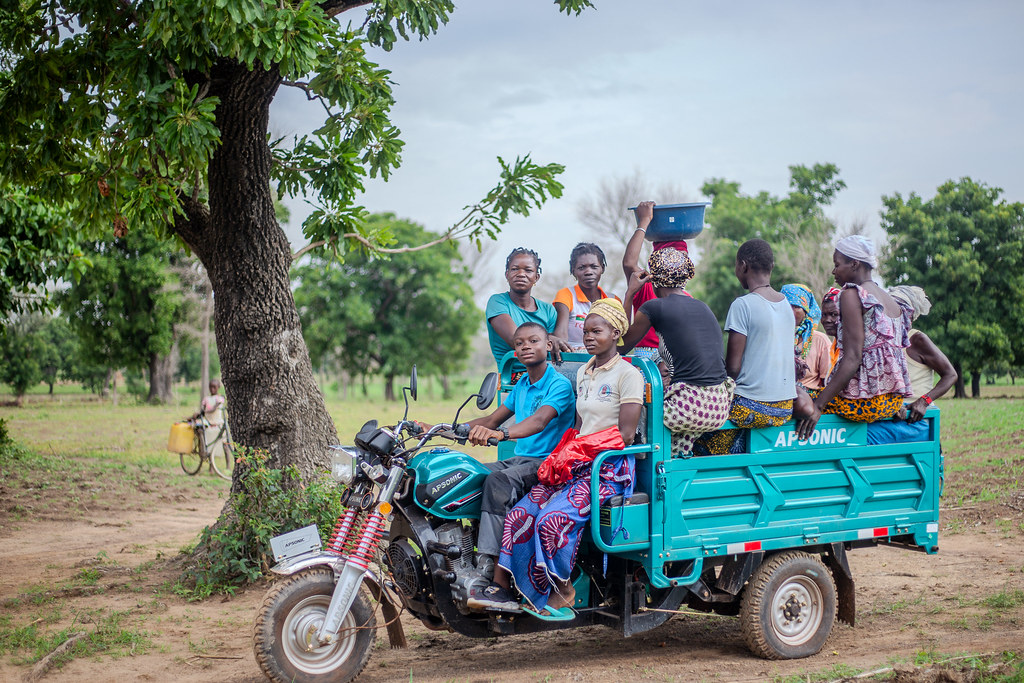
Dano, Ioba province of Burkina Faso - As dawn breaks, the village of Tambiri, in Burkina Faso's Ioba province, is already quite busy. Women like Dabiré Ngalle, head of the Ngongele women's group, start their day with a sense of urgency, shaped by generations of struggle and survival. Dabiré leads her team into the shea groves, which are the main source of income for their families and communities. Yet these emblematic Sahelian trees are now at the heart of a long-running ecological crisis. Dabiré Ngalle, president of the Ngongele Women’s Cooperative | The women of Tambiri stand together at the heart of their community, bearing generations of knowledge and responsibility for preserving shea trees.The shea tree (Vitellaria paradoxa), often called the "tree of life," has long provided shade, food and income throughout West Africa. In Burkina Faso alone, its economic and cultural value is considerable: some 800,000 tons of shea nuts are harvested each year, with women forming the backbone of this supply chain. But these trees are disappearing.Decades of deforestation, unsustainable farming practices and climate change have decimated the shea tree population. Studies show that drought stress alone has led to seedling mortality rates of up to 40% in some regions. Traditional farming methods, based on slow-growing seeds, are no longer sufficient."Every tree we lose is a piece of our history that is disappearing", Dabiré says in a measured but determined voice.The shea tree is more than a commodity; it's a key species in the Sahel's fragile ecosystem. For many rural women, it provides up to 80 percent of their household income. The production of shea butter, valued worldwide for its cosmetic and therapeutic properties, is both a livelihood and a heritage. But the decline of shea plantations has forced women to adapt in ways that strain their already precarious livelihoods.In Niemi, a neighboring village to Tambiri, memories of the abundance of shea trees are fading. "When I was young, shea trees were everywhere," recalls one woman. "Now the groves are like scattered islands, shrinking every year.The challenges women face go beyond the environmental. In Tambiri and beyond, traditional land tenure practices mean that women often have no guaranteed rights to the land on which they depend. This legal insecurity is a major obstacle to long-term investment in agroforestry or soil restoration.If my husband dies, my farm will be taken over by my in-laws," explains one woman. Her story is repeated throughout the region, where patriarchal norms limit women's autonomy in land-use decisions. Advocacy for land reform has gained momentum, with local leaders and NGOs pushing for policies that grant women ownership or long-term leases, but progress remains slow.Despite the challenges, new initiatives are offering a glimmer of hope. The Global Shea Alliance (GSA), in partnership with local NGOs and international bodies like the UNCCD are introducing regenerative agroforestry practices. These methods aim to balance ecological restoration with economic resilience."We used to plant trees without fully understanding how to take care of them," admits a participant in a training program in Niemi. "Now we know how to take care of the seedlings, so they survive."The programs also provide boreholes, which have reduced the backbreaking work of fetching water, and tricycles, which streamline the transportation of heavy shea nuts. These interventions are modest but meaningful, allowing women to reclaim time and energy for other tasks.The GSA's latest call to action - to restore four million hectares of Sahel parkland by 2030 - is ambitious. This restoration effort dovetails with the Great Green Wall Initiative, a broader strategy to address land degradation across the Sahel. But such large-scale projects often face funding gaps and logistical hurdles."It's not just about planting trees," emphasizes Gilles Amadou Ouedraogo, a UNCCD program officer. "It's about restoring ecosystems, empowering women, and ensuring the long-term viability of these landscapes."As daylight fades in Tambiri, Dabiré reflects on the challenges ahead. For her and the women of the Ngongele cooperative, the struggle is personal and generational. Each tree they plant is a seed of hope, an act of quiet defiance against the forces eroding their world."We're not just planting trees; we're panting for the survival of our children and their children," she says. Her words convey the quiet resilience of a community determined to preserve not just a species, but an entire way of life.The future of shea - and the millions who depend on it - will depend on a delicate balance of politics, environmental stewardship and the enduring determination of women like Dabiré.

Un nuevo informe presenta soluciones lideradas por mujeres para aumentar la resiliencia a la sequíaLas mujeres producen hasta el 80% de los alimentos en los países en desarrollo, pero menos del 20% de los propietarios de tierras son mujeres.Las sequías contribuyen al 15% de las pérdidas económicas relacionadas con catástrofes en todo el mundo y son responsables del 85,8% de las muertes de ganado.Bonn, Alemania, 15 de octubre de 2024 – Las mujeres y las niñas se ven especialmente afectadas por los impactos de la sequía, pero también están demostrando un notable liderazgo a la hora de hacerle frente, según el nuevo informe de la Convención de las Naciones Unidas de Lucha contra la Desertificación (CNULD) y la Organización de las Naciones Unidas para la Agricultura y la Alimentación (FAO).El informe ‘Soluciones para la resiliencia a la sequía lideradas por mujeres’, presentado con motivo del Día Internacional de la Mujer Rural, pide que se reconozcan y apoyen en mayor grado los esfuerzos liderados por mujeres para proteger a las comunidades vulnerables de los efectos devastadores de la sequía. Asimismo, remarca que los derechos de las mujeres sobre la tierra son cruciales para alcanzar la seguridad alimentaria."Durante mucho tiempo, las mujeres han sido consideradas como las más vulnerables a la sequía, pero tal y como revela este informe, también son las más resilientes, liderando el camino en el desarrollo de soluciones a uno de los desafíos más acuciantes del mundo", dijo Ibrahim Thiaw, Secretario Ejecutivo de la CNULD. "El ingenio y la inventiva de las mujeres que luchan contra la sequía en todo el mundo no tienen límites. Ya sea en la región africana del Sahel, en el norte de Kenia, en Irán, en Perú o en Marruecos, las mujeres han demostrado su resiliencia y su capacidad para superar las condiciones más complicadas con el fin de proteger el bienestar de sus familias. Abordar la desigualdad de género no es sólo una cuestión de justicia: es una oportunidad para aprovechar un potencial sin explotar en la lucha contra el cambio climático."Desigualdades de género e impactos desproporcionadosLas mujeres y las niñas se ven desproporcionadamente afectadas por la sequía debido a las persistentes desigualdades estructurales de género, que limitan su acceso a recursos esenciales como la tierra, el agua y los servicios financieros. Estas desigualdades también suponen una enorme carga de trabajo para las mujeres y las niñas. En muchas zonas afectadas por la sequía, las mujeres son las principales responsables de recoger agua, a menudo caminando largas distancias, lo que pone en riesgo su salud y seguridad. Además, se ocupan de tareas no remuneradas, como el cuidado de niños y ancianos, lo que complica aún más su capacidad para hacer frente a la sequía y muestra la necesidad de que los planes contra la sequía tengan en cuenta los retos específicos a los que se enfrentan las mujeres.Principales conclusiones: Las mujeres impulsan la resiliencia mundial a la sequíaA pesar de enfrentarse a barreras sistémicas como un acceso escaso a la propiedad de la tierra, las mujeres están desarrollando soluciones innovadoras que permiten a sus comunidades adaptarse a unas condiciones medioambientales cada vez más duras.El papel de la mujer en la producción de alimentos: Las mujeres producen hasta el 80% de los alimentos en los países en desarrollo, pero poseen menos del 20% de la tierra en todo el mundo. Esta disparidad limita su acceso a recursos como el crédito y la formación y su capacidad para prepararse y recuperarse de las sequías, lo que agrava su vulnerabilidad al cambio climático.Impacto mundial de la sequía: Las sequías contribuyen al 15% de las pérdidas económicas relacionadas con catástrofes en todo el mundo y son responsables del 85,8% de las muertes de ganado. En las regiones agrícolas de secano, la sequía amenaza los medios de subsistencia de las mujeres, que constituyen una parte importante de la mano de obra agrícola.Degradación de la tierra y pobreza: Hasta el 40% de las tierras del mundo están degradadas, lo que afecta a más de 3.200 millones de personas. Como consecuencia de la degradación de tierras y la sequía, muchas mujeres se ven obligadas a caminar distancias más largas para obtener agua potable y recoger leña para sus familias.Beneficios económicos del derecho de las mujeres a la tierra: Las investigaciones demuestran que garantizar los derechos sobre la tierra a las mujeres mejora la nutrición de los hogares, aumenta el gasto en la educación de los hijos y mejora las condiciones económicas generales. Iniciativas lideradas por mujeres en todo el mundoEl informe presenta 35 estudios de caso de África, Asia y América Latina que muestran la iniciativa de las mujeres a la hora de aumentar la resiliencia a la sequía. Por ejemplo, a través de prácticas de conservación del agua y técnicas agrícolas adaptadas a un clima cambiante.En Perú, las pastoras combinan conocimientos modernos y tradicionales para gestionar los recursos hídricos mediante el control ecohidrológico, manteniendo la cobertura vegetal durante todo el año para sostener al ganado y mitigar los efectos de la sequía.En la India, las mujeres han desarrollado sistemas de recogida de agua de lluvia durante los monzones, asegurando el agua para los cultivos durante los periodos secos y salvaguardando la producción de alimentos.En Kirguizistán, las mujeres restauran tierras degradadas cultivando hierbas medicinales, con lo que recuperan paisajes al tiempo que generan fuentes de ingresos sostenibles.Mirando al futuro: Liderazgo femenino en la COP16Las conclusiones de Soluciones lideradas por mujeres para la resiliencia a la sequía servirán de base para los debates de la 16ª Conferencia de las Partes (COP16) de la Convención de las Naciones Unidas de Lucha contra la Desertificación (CNULD), que se celebrará en Riad (Arabia Saudí) del 2 al 13 de diciembre de 2024. Uno de los principales objetivos de la COP16 de la CNULD, incluido su Grupo de Género, será ampliar las iniciativas lideradas por mujeres y garantizar que las estrategias que tengan en cuenta las cuestiones de género se sitúen en el centro de los esfuerzos mundiales de resiliencia a la sequía. El aumento de la inversión en estas estrategias será fundamental para ayudar a las comunidades a hacer frente a los crecientes retos medioambientales que plantean la desertificación, la degradación de la tierra y la sequía en todo el mundo.Notas a los editores El informe está publicado por la Convención de las Naciones Unidas de Lucha contra la Desertificación (CNULD) y la Organización de las Naciones Unidas para la Agricultura y la Alimentación (FAO) y cuenta con el apoyo de la Alianza Internacional para la Resiliencia a la Sequía (IDRA), el Gobierno de Canadá y la Sociedad Alemana de Cooperación Internacional (GIZ).Webinar con el autor del informeEl 15 de octubre, de 16:00 a 17:30 CEST (14:00 a 15:30 GMT), se celebrará un seminario web en el que participará la experta mundial en cuestiones de género Lorena Aguilar, Directora Ejecutiva del Instituto Kaschak para mujeres y niñas, y autora del informe ‘Women-Led Solutions for Drought Resilience’.Para inscribirse: https://unccd-int.zoom.us/webinar/register/WN_HiTabvUDQpSPGLfBKnvoagDescargar el informe completo El informe completo Women-Led Solutions for Drought Resilience está disponible en inglés: Soluciones lideradas por mujeres para la resiliencia a la sequía | UNCCD Medios de comunicaciónLos medios de comunicación pueden contactar con la Oficina de Prensa de la CNULD en press@unccd.int o unccd@portland-communications.com.Los activos de las redes sociales, incluidas fotos y vídeos, están disponibles en:https://drive.google.com/drive/folders/1ZRbzjUbDITX0HmOQEQyhLzCvI0vLO3H9Campaña #HerLand de la CNULDAcerca de la CNULDLa Convención de las Naciones Unidas de Lucha contra la Desertificación (CNULD) es un acuerdo internacional sobre la gestión sostenible de las tierras del mundo. Ayuda a las personas, las comunidades y los países a crear riqueza y a asegurar alimentos suficientes, agua limpia y energía, garantizando a los usuarios de la tierra un entorno propicio para su buena gestión. De forma conjunta, las 197 partes de la Convención establecen también a establecen sistemas para gestionar la sequía con prontitud y eficacia. Una buena gestión de la tierra basada en políticas y conocimientos científicos sólidos contribuye a integrar y acelerar la consecución de los Objetivos de Desarrollo Sostenible, aumenta la resiliencia al cambio climático y evita la pérdida de biodiversidad. Acerca del Día Internacional de la Mujer Rural El Día Internacional de la Mujer Rural, que se celebra anualmente el 15 de octubre, pone de relieve el papel fundamental que desempeñan las mujeres rurales en sustento de sus comunidades y de los sistemas alimentarios mundiales. El lema para 2024, ‘Las mujeres rurales cultivan alimentos buenos para todos’ destaca su contribución desde la producción de cultivos hasta la distribución de alimentos, a pesar de enfrentarse a desigualdades sistémicas como el acceso limitado a la tierra, los recursos financieros y la toma de decisiones. Como impulsoras de la seguridad alimentaria, las mujeres rurales son esenciales para construir sistemas agrícolas más resilientes y sostenibles, lo que constituye un paso esencial hacia la consecución de objetivos de desarrollo mundiales como el hambre cero y la igualdad de género.

The UNCCD Gender Action Plan (GAP) emphasizes the critical importance of gender equality and women’s empowerment in implementing the Convention. A key priority of the GAP is to increase women’s access to relevant knowledge and technologies. To fulfill these objectives, UNCCD and the World Overview of Conservation Approaches and Technologies (WOCAT) joined forces in 2020 to advance gender-responsive Sustainable Land Management (SLM). This collaboration between UNCCD and WOCAT focuses on documenting, analyzing and scaling gender-responsive SLM practices by gathering gender-disaggregated data. A specialized tool, co-designed with gender and SLM experts, identifies gender-based parameters as well as the technical and socio-cultural factors that enhance the adoption of SLM by both women and men. In the initial phase of the project in 2021, WOCAT network partners in 15 countries tested the tool, showing promising results. As the Pambadeniya Women Group from Sri Lanka noted, “Women and men debated on how to guarantee equal opportunities in decision making, participation and fair distribution of benefits.” The data demonstrated that equal access to SLM technologies and approaches is both context- and technology-specific. Five technology group profiles on gender-responsive SLM were developed to show the need for further action. Building on this success and following Decision 24/COP.15, UNCCD and WOCAT are now launching a call for expressions of interest to apply the gender-responsive SLM tool. This initiative aims to gather more country-specific gender-disaggregated data on SLM practices, which will be presented at the upcoming UNCCD COP16 in Ryiadh, Saudi Arabia, this December. We are inviting up to 40 stakeholders to implement the gender-responsive SLM tool in local contexts from September to November 2024. Applications are welcome from UNCCD Parties, civil society organizations, WeCaN members and others involved in sustainable land management. The application deadline is 4 August 2024. Submissions are accepted in English, French and Spanish. For more details on the call, application requirements, and the online application form, please see the side menu. * Please note: the questionnaire is currently being reviewed and updated. The final version of the questionnaire will be available in September 2024
