Stories
Latest
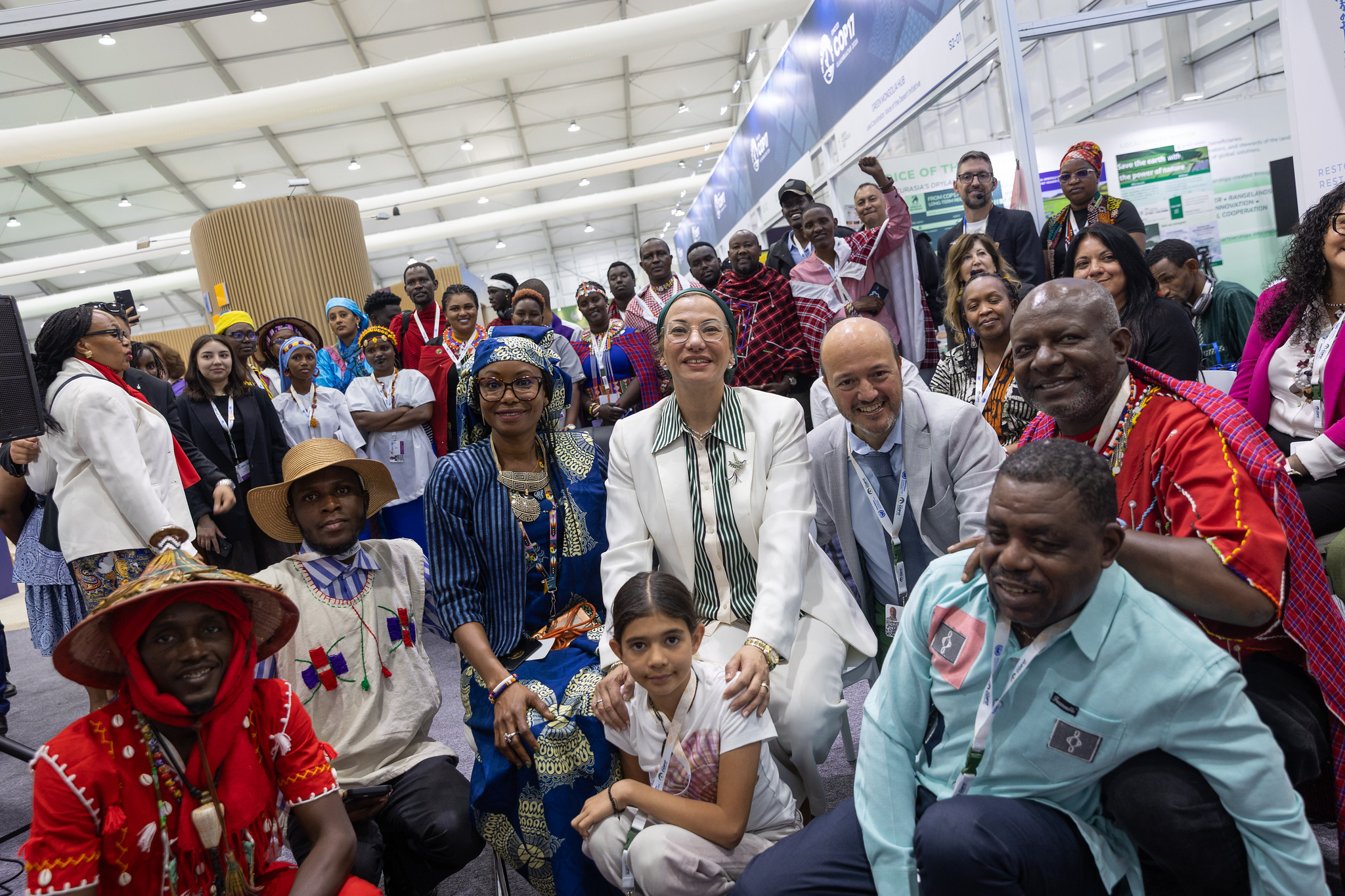
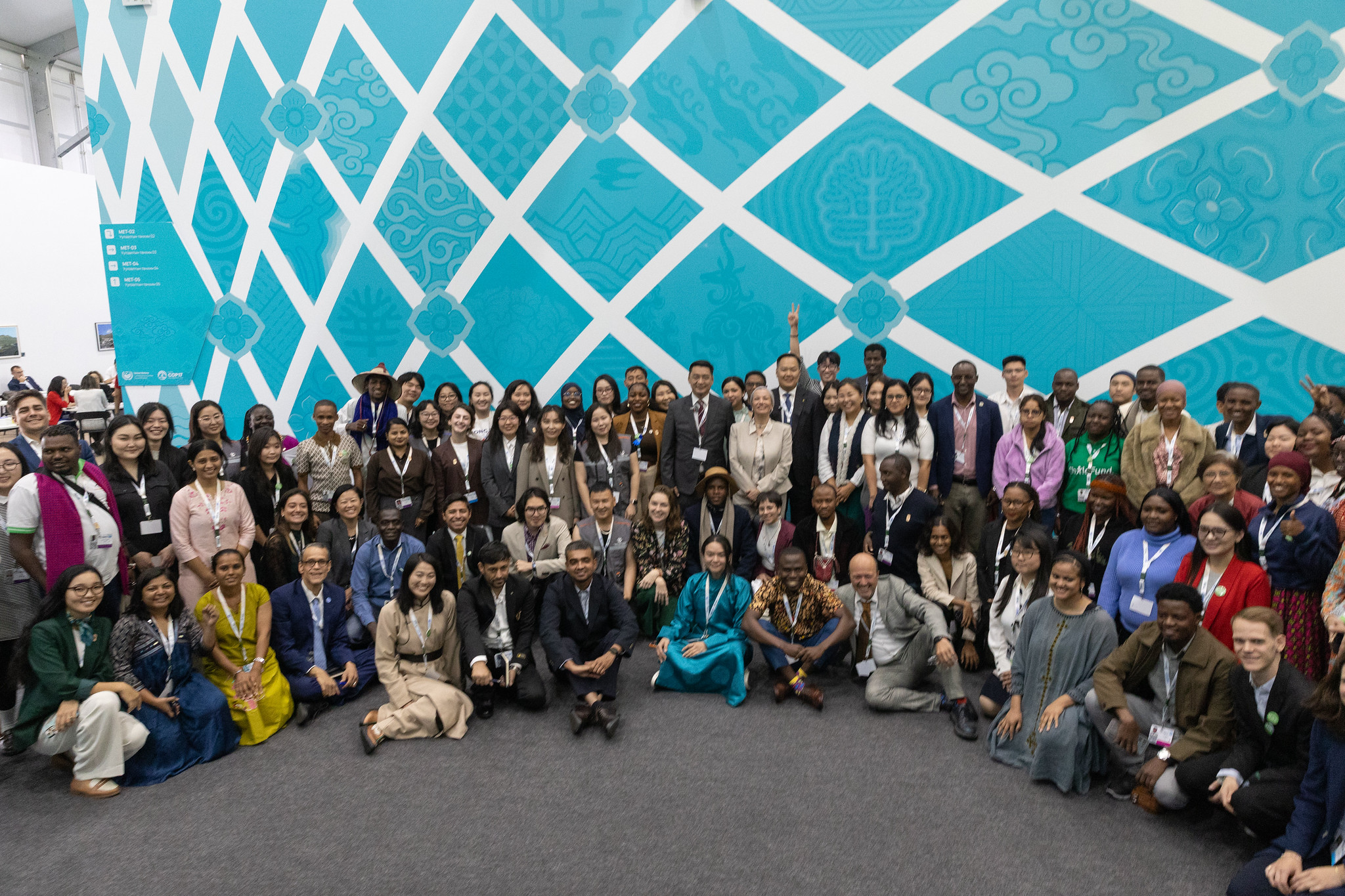


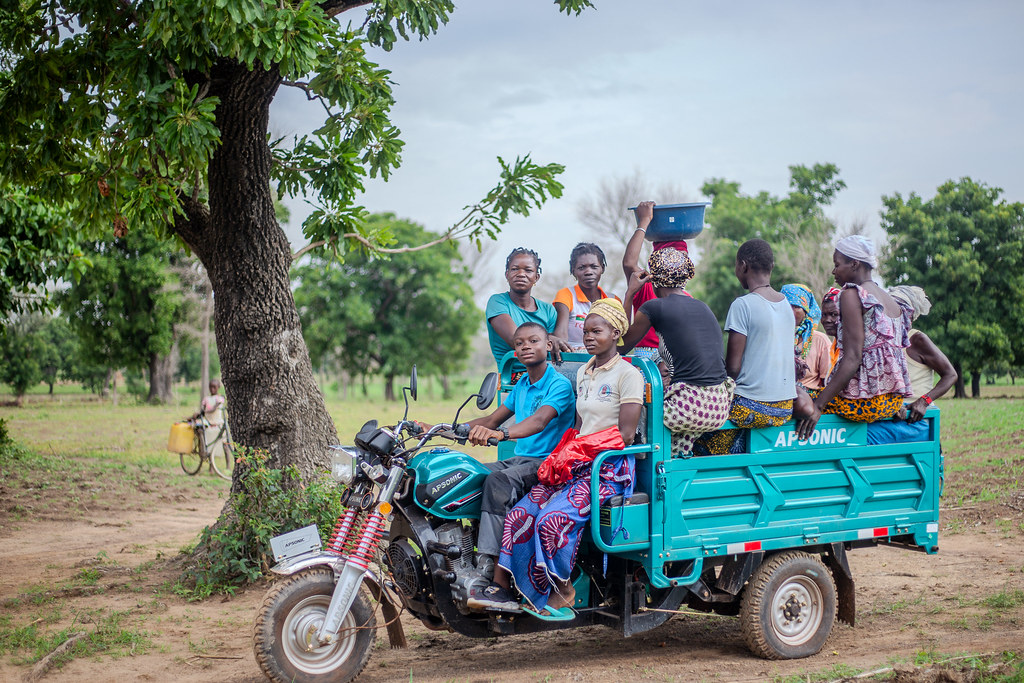

The rollout of the second phase of the Land Degradation Neutrality Target Setting Programme (LDN TSP 2.0) represents a key phase in combating land degradation worldwide, as 18 countries from several regions step up their land restoration commitments ahead of the 16th Conference of the Parties to the UNCCD (COP16). This significant advancement has become the focus of the recent workshop on "Strengthening land restoration targets and commitments" in Doha, Qatar, emphasizing the global community's renewed commitment to sustainable land management. Conducted on the sidelines of Expo 2023 Doha this February, the workshop saw the gathering of UNCCD National Focal Points, lead country consultants and key international organization representatives, such as the UN Convention on Biological Diversity, UN Framework Convention on Climate Change, UN Development Programme, Food and Agriculture Organization, World Wildlife Fund, Conservation International, German Development Cooperation and G20 Global Infrastructure. The workshop fostered the engagement of countries actively working on strengthening their LDN targets by introducing new tools and guidelines for integrated land use planning, and facilitating the identification of priority restoration areas that align with national policy objectives. The workshop also offered an opportunity to explore operational synergies with major environmental initiatives, putting a strong emphasis on the importance of enhancing LDN target monitoring and reporting mechanisms. “The LDN TSP 2.0 represents a unique opportunity for 18 champion countries to showcase in an innovative and bold way to bring UNCCD implementation efforts to the next level in direct response to the global land degradation crisis, paving the way for other countries to follow, ” remarked LDN TSP Team Lead Pedro Lara Almuedo. The goal of the LDN TSP 2.0's is to help countries refine their national targets towards actionable and measurable initiatives. The program stresses the importance of improving land governance by utilizing spatial mapping and monitoring to effectively combat land degradation. The progress and insights achieved through the programme will be shared at the UNCCD COP16 in Riyadh, Saudi Arabia, this December. With 131 countries engaged in the LDN TSP since 2016, over 450 million hectares committed to restoration and 106 countries having published their LDN targets, the workshop's impact sets the stage for significant contributions at COP16 to tackle regional challenges and propel the global efforts against desertification. Land Degradation Neutrality is essential for achieving SDG 15.3, offering co-benefits like poverty reduction, food security, women's empowerment, environmental protection, biodiversity conservation and sustainable management on natural resources. LDN also aids in climate change mitigation and adaptation by transforming degraded lands into carbon sinks. The LDN TSP 2.0, championed by the 18 countries – Argentina, Benin, Central African Republic, Georgia, Jordan, Kenya, Kyrgyzstan, Malawi, Namibia, Nigeria, Pakistan, Panama, Peru, Republic of Moldova, South Africa, Sri Lanka, St. Lucia and Türkiye – aims to demonstrate progress and guide further actions beyond COP16 in response to the urgent need for accelerated global efforts to restore productive land.

Le Burkina Faso et le Sénégal sont à l'avant-garde d'un changement significatif vers un avenir à la fois durable et inclusif, selon une nouvelle étude publiée par la Convention des Nations Unies sur la lutte contre la désertification (CNULCD) et ONU Femmes. Riche en informations précieuses pour les décideurs politiques, les ONG et le secteur privé, les notes techniques se concentrent sur les opportunités et les défis uniques auxquels sont confrontées les femmes entrepreneurs et les demandeurs d'emploi dans l'évolution de l'économie verte dans ces deux nations africaines. Cette transformation s'appuie sur l'initiative de la Grande Muraille verte, un projet ambitieux qui s'étend sur tout le Sahel et qui vise à restaurer 100 millions d'hectares de terres, à séquestrer 250 millions de tonnes de carbone et à créer 10 millions d'emplois d'ici à 2030. Ce projet de grande envergure n'est pas seulement une mission environnementale, mais aussi une voie de revitalisation économique, notamment par la promotion de l'égalité des sexes et de l'autonomisation des femmes. "La transition verte au Burkina Faso et au Sénégal est une lueur d'espoir pour l'égalité des sexes et l'autonomisation des femmes. Elle appelle à une approche intégrée associant les objectifs de l'économie verte à ceux de la parité hommes-femmes. L'initiative de la Grande Muraille verte illustre ces efforts en associant la restauration de l'environnement à l'autonomisation économique et sociale. En créant des emplois verts pour les femmes dans des secteurs clés et en préconisant des politiques tenant compte de la dimension de genre, ces pays ne se contentent pas de construire un avenir durable ; ils ouvrent la voie à un monde plus juste et plus équitable", a déclaré Ibrahim Thiaw, secrétaire exécutif de la Convention des Nations unies sur la lutte contre la désertification (CNULCD). En dépit de leur rôle important dans la population active des deux pays, les femmes du Burkina Faso et du Sénégal sont confrontées à de nombreux obstacles. Elles gagnent moins que les hommes, sont moins représentées aux postes de direction et se retrouvent principalement dans le secteur informel. La création d'entreprises formelles reste un défi en raison des ressources limitées telles que le capital et la technologie. Les femmes portent également le lourd fardeau du travail non rémunéré, en particulier dans les zones rurales, ce qui limite leurs possibilités de revenus et d'éducation. Une lueur d'espoir est toutefois perceptible. Les deux pays disposent d'un immense potentiel de création d'emplois verts dans des domaines tels que l'agriculture, la sylviculture, l'énergie et la gestion des déchets Il est estimé qu'environ un million d'emplois pourraient être créés dans ces secteurs, la majorité d'entre eux étant destinés aux femmes. Les opportunités sont nombreuses dans des domaines sous-exploités tels que les produits forestiers autres que le bois, la transformation des produits agricoles de base, l'énergie solaire et le compostage dans le cadre de la gestion des déchets. Ces secteurs offrent des opportunités valorisantes et durables, en particulier pour les femmes. Pour exploiter ce potentiel, des solutions intégrées sont indispensables. Il s'agit notamment d'améliorer l'accès des femmes à l'éducation et à la formation, en particulier dans les domaines des STIM (sciences, technologies, ingénierie et mathématiques), de développer des technologies adaptées au climat pour les coopératives de femmes, de faciliter l'accès à la finance verte et de réduire le fardeau du travail non rémunéré. En outre, la promotion des réseaux de femmes dans l'économie verte et la mise en place de chaînes de valeur novatrice axées sur les produits forestiers autres que le bois sont des étapes essentielles. Près de la moitié des petits exploitants agricoles du monde sont des femmes, mais elles possèdent moins de 20 % des terres de la planète. Au Sénégal, où les femmes rurales représentent environ 70 % de la main-d'œuvre et sont responsables de 80 % de la production alimentaire du pays, elles ne possèdent que 10 % des terres agricoles. De même, au Burkina Faso, où les femmes représentent 60 % de la main-d'œuvre et produisent environ 70 % des denrées alimentaires, mais leur propriété foncière est également limitée à 8 %. %. De plus, dans les deux pays, la plupart des femmes accèdent à la terre par l'intermédiaire de leurs maris et rencontrent des difficultés pour faire reconnaître et protéger efficacement leurs droits fonciers. Investir dans un accès égal des femmes à la terre et aux ressources qui y sont associées est un investissement direct dans leur avenir, ainsi que dans l'avenir de l'humanité et de la planète. Les femmes jouent un rôle essentiel dans la sécurité et la stabilité des communautés rurales et ont un grand potentiel pour contribuer aux activités de restauration des terres.

United Nations Under-Secretary-General and Executive Secretary of the UN Convention to Combat Desertification (UNCCD) Ibrahim Thiaw concluded his two-day visit to Japan to strengthen cooperation with key government and international partners ahead of the UNCCD Conference of the Parties (COP16) in Riyadh, Saudi Arabia this December. During the visit, he signed cooperation agreements with two key international partners – United Nations University (UNU) and the International Tropical Timber Organization (ITTO). He also had meetings with Ambassador Takeshi Akahori from the Foreign Ministry and senior officials at the Japan International Cooperation Agency (JICA). Japan has been a signatory to UNCCD since 1998. On 20 February, UNCCD Executive Secretary also joined UNU Rector Professor Tshilidzi Marwala for a public conversation exploring the relationship between land degradation and human security such as famine, conflicts and environmental crises, as well as the role of international cooperation and the UNCCD in combating desertification, land degradation and drought. "The collaboration with UNU and ITTO to strengthen the delivery of scientific knowledge and improve the resilience of the vulnerable populations and ecosystems will be important to support UNCCD Parties in addressing desertification, land degradation and drought,” Mr. Thiaw said. “These issues will be front and centre at the upcoming UNCCD COP16. We look forward to working together on the road to Riyadh and beyond." United Nations University (UNU), which unites 13 scientific institutes in 12 countries around the world works on collaborative research and education, aiming to contribute, to efforts to resolve the pressing global problems of human survival, development, and welfare that are the concern of the United Nations, its Peoples, and Member States. UNU and the UNCCD have jointly worked on publications around topics of sustainable land management, ecosystem restoration and disaster risk reduction. Future cooperation will focus on aligning approaches on sustainable land and water management, as well as financial inclusion and social protection in the context of ecological restoration. “Desertification is an urgent, complex issue that negatively impacts the lives and livelihoods of 3.2 billion people worldwide. Combating desertification requires partnerships and shared expertise. Working in collaboration, UNU and UNCCD will be able to strengthen research, advocacy and capacity building to further support the United Nations, its Peoples and Member States as we work to reverse desertification and confront related critical issues,” Professor Marwala concluded. Also in Tokyo, the UNCCD and International Tropical Timber Organization (ITTO) committed to another four years of joint work on the sustainable management of tropical forests under a memorandum of understanding (MOU) signed by ITTO Executive Director Sheam Satkuru and UNCCD Executive Secretary Thiaw. The overall objective of the new MOU is to support ITTO member countries and Parties to the UNCCD in restoring and maintaining tropical forest landscapes while promoting the sustainable production of timber and other products and ecosystem services. ITTO is an intergovernmental organization promoting the sustainable management and conservation of tropical forests and the expansion and diversification of international trade in tropical timber from sustainably managed and legally harvested forests. ITTO’s membership represents about 90% of the global tropical timber trade and more than 80% of the world’s tropical forests.

About UNCCD Land Heroes The UNCCD Land Heroes campaign recognizes and supports young individuals and youth-led/based organizations making positive impacts against desertification, land degradation, and drought. Through online engagement, we raise awareness, share success stories, and empower youth as change agents in sustainable land management, engaging them in implementing the convention. Building on the success of the inaugural 2020 cohort, the second cohort of Land Heroes continues to inspire and mobilize youth to promote the UNCCD's objectives. About the Land Heroes campaign Part of the Land for Life Programme, #LandHeroes showcases youth's dedication to sustainable land management. These organizations and individuals share transformative journeys through social media, videos, blogs, and our dedicated website, amplifying their contributions and recognizing both young men and women as critical forces for positive change. Join us in celebrating these remarkable land champions. Objective The Land Heroes campaign aims to identify, celebrate, and support youth aged 18-35 engaged in sustainable land management, raising awareness of land's link to biodiversity and climate. By sharing stories, we inspire change, unite youth, provide mentorship, and showcase the transformative power of collective efforts. Campaign goals Raise awareness of land's connection to biodiversity and climate Spotlight diverse ways youth positively impact the land Share inspiring stories showcasing collective progress Empower youth to spread campaign messages and take action Provide mentorship in sustainable land management Share success stories to foster understanding and awareness Categories of Land Heroes Drought resilience: Early warning systems: Implementing proactive measures to anticipate and respond to drought conditions effectively. Mitigating the effects of drought: Innovative strategies for drought impact mitigation and ensure water availability. Adopting scalable and inclusive approaches: Promoting strategies that can be expanded to larger scales and inclusive of vulnerable populations to enhance drought resilience. Land restoration: Large-scale land restoration: Leadership in restoring degraded land on a large scale, contributing to ecosystem restoration and biodiversity conservation. Community-level land restoration: Impactful initiatives restoring degraded land at the community level, enhancing livelihoods and resilience. Inclusivity and equality: Gender equality and women's empowerment: Initiatives promoting gender equality in land ownership, decision-making, and conservation efforts Social equity: Initiatives promoting poverty eradication, social cohesion, etc. Indigenous knowledge: Amplifying indigenous knowledge and practices, recognizing their vital role in sustainable land management Science and innovation: Innovation: Innovative approaches in sustainable land management Technology: Harnessing technology for land monitoring, data analysis, and knowledge-sharing on sustainable practices Science and research: Contributions to scientific research and evidence-based decision-making in land management Key features of Land Heroes Youth engagement (18-35) in addressing land challenges Role models inspiring peers through dedication Inspirational leadership mobilizing youth for collective responsibility Passionate and dedicated to combating desertification and degradation Vision for change: Clear understanding and innovative strategies Collaboration with stakeholders for effective partnerships Strong communication: Effective online presence to inspire action Benefits for Land Heroes Grant of US$1,000 for top finalists in each category Attendance at high-level UNCCD meetings Publicity and recognition through interviews, media, and social platforms Mentorship for leadership, communication, and project management Opportunities to support UNCCD through advocacy, workshops, and content creation Participation in challenges and innovation forums Coordination with other Land Heroes for workshops and collaborative projects Identification of Land Heroes Ten Land Heroes are selected over two years based on criteria aligned with categories. Timeline Deadline extended: 29 February 2024 June 2024: Desertification and Drought Day December 2024: Participation in COP16 Meet the current cohort: Land Heroes Follow Us on social media: Twitter X | Facebook | Instagram | LinkedIn

UNCCD and FAO are collaborating in a joint initiative to identify the most innovative and effective women-led initiatives.

Open from 18 May to 15 August 2023, a call for requests to support national multi-stakeholder consultations on integrating tenure security into LDN and land restoration initiatives elicited over 30 applications. Global, regional, and national staff from the UNCCD and FAO conducted an assessment and evaluation of all applications. Based on the established selection criteria and taking into consideration regional balance and current availability of funds, the following were selected as part of the first group of countries to receive support to undertake national consultations on land tenure: Kazakhstan, Kenya, Mexico, Senegal, and Sri Lanka. The UNCCD, FAO, and partners in the joint initiative look forward to working closely with the 5 selected countries in 2024 and supporting their efforts to enhance tenure security as both a means and outcome of LDN activities and a broad range of regenerative land-based projects and programmes. UNCCD-FAO staff are developing a longer-term plan to support additional national consultations to countries that have applied as resources become available. In parallel, the UNCCD and FAO are engaging with partners and ongoing projects and programmes to identify opportunities for co-funding and leveraging synergies to support additional national consultations in 2024.