Empowering land negotiators for a fairer future
-
7 November 2025
-
Story
-
Land Degradation Neutrality

How training is helping countries speak with confidence in global land talks
International negotiations on land degradation and drought are becoming increasingly complex — and the stakes couldn’t be higher. Yet many of the people expected to speak on behalf of their countries in these spaces often find themselves underprepared. This is especially true for delegates from Least Developed Countries (LDCs) and Small Island Developing States (SIDS), where limited access to training and funding has left gaps in negotiation capacity.
The UNCCD recognized this challenge early on. While political will and technical knowledge existed in many countries, the ability to navigate the rules, procedures and pressures of global negotiations often did not. What was needed was not just information — but preparation.
Investing in skills, not just policies
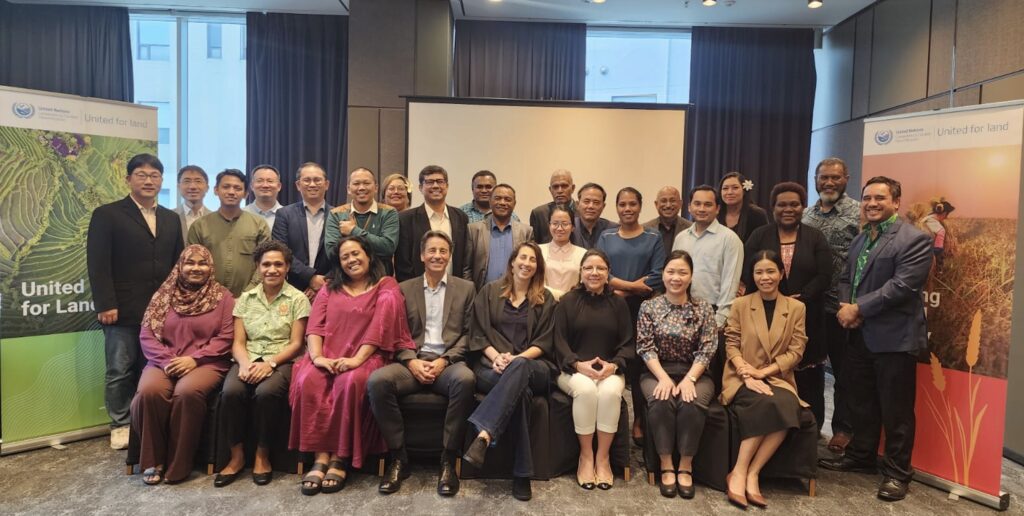
That’s where the Changwon Initiative came in. Launched in 2011 by the Korea Forest Service, the Initiative has provided long-term support to help countries strengthen land governance and combat desertification. One of its most impactful contributions has been to fund and support negotiation training for National Focal Points (NFPs) — the people tasked with representing their countries at UNCCD meetings.
Enabled by the Changwon Initiative, the UNCCD Secretariat developed and delivered a comprehensive training programme focused specifically on negotiation skills. It combined regional workshops — held in cities like Nairobi, Marrakesh, Istanbul and Seoul — with digital learning tools, multilingual resources and interactive simulations. The goal was simple: to ensure that all countries, regardless of size or income, could participate meaningfully in global land negotiations.
From practice to real-world impact
More than 100 participants took part in the training, including 51 whose participation was directly supported by the Changwon Initiative. The impact was visible. Delegates not only gained negotiation and diplomacy skills but also put them into practice during real-world events — notably at the 21st session of the Committee for the Review of the Implementation of the Convention (CRIC21), held in Samarkand, Uzbekistan, from 13 to 17 November 2023, where many demonstrated greater confidence and strategic engagement.
The ripple effects went beyond individual delegates. In several countries, the training helped improve internal coordination between ministries, sharpen national strategies and align land policies more closely with UNCCD goals.
Reaching further with digital tools
When the COVID-19 pandemic disrupted in-person meetings, the training was adapted. The Secretariat launched a series of e-learning modules in multiple languages, helping delegates continue building their skills remotely. This blended model — combining face-to-face interaction with flexible online access — has since become a core part of the training approach, offering broader and more equitable access across regions.
What we learned — and what comes next
One of the clearest lessons from this initiative is that negotiation is not a one-time skill — it needs to be practiced and reinforced. For many countries, especially those with smaller delegations, sustained investment in capacity building is just as important as technical support.
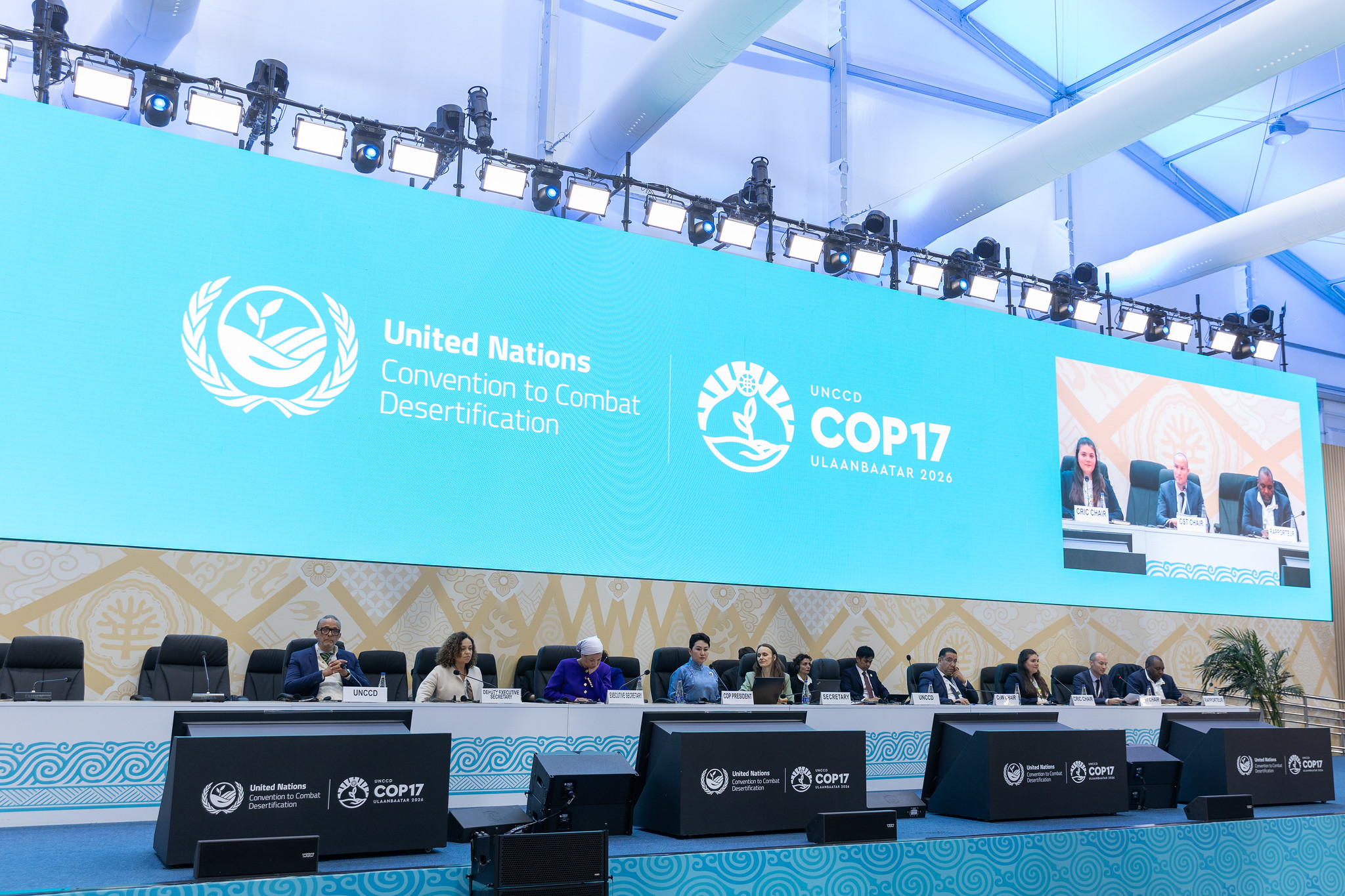
As UNCCD moves toward future negotiations — including the upcoming COP17 in Mongolia — the Secretariat is exploring ways to expand and deepen these training efforts. Regional platforms, hybrid formats and follow-up coaching could help ensure that the progress made so far doesn’t stop with a single workshop.
Stronger voices for a shared future
Negotiation isn’t just about talking — it’s about being heard, understood and taken seriously in the decisions that matter most. By investing in people, not just policies, the UNCCD and the Changwon Initiative are helping level the playing field in global land governance. And in doing so, they’re making it more likely that the solutions we agree on will reflect the voices and realities of all countries — including those that are too often left out.