Reweaving fashion: How women are leading change for a sustainable industry
-
9 April 2025
-
Story
-
Gender
-

Each year, the fashion industry produces over 60 million tonnes of clothing, making it a major contributor to global pollution and climate change—and deeply intertwined with the land it relies on.

From fibre production to garment disposal, its impact on land, water and biodiversity is undeniable. Yet few realize that the very fibres in our clothing have profound effects on the land they come from. Over 40 per cent of textiles come from cotton and cellulosic fibres—crops that require intensive land and chemical use.
Without intervention, the fashion industry is projected to use 35 per cent more land by 2030—an area equivalent to 115 million hectares—roughly the size of Ethiopia—highlighting the urgent need for sustainable land management practices.
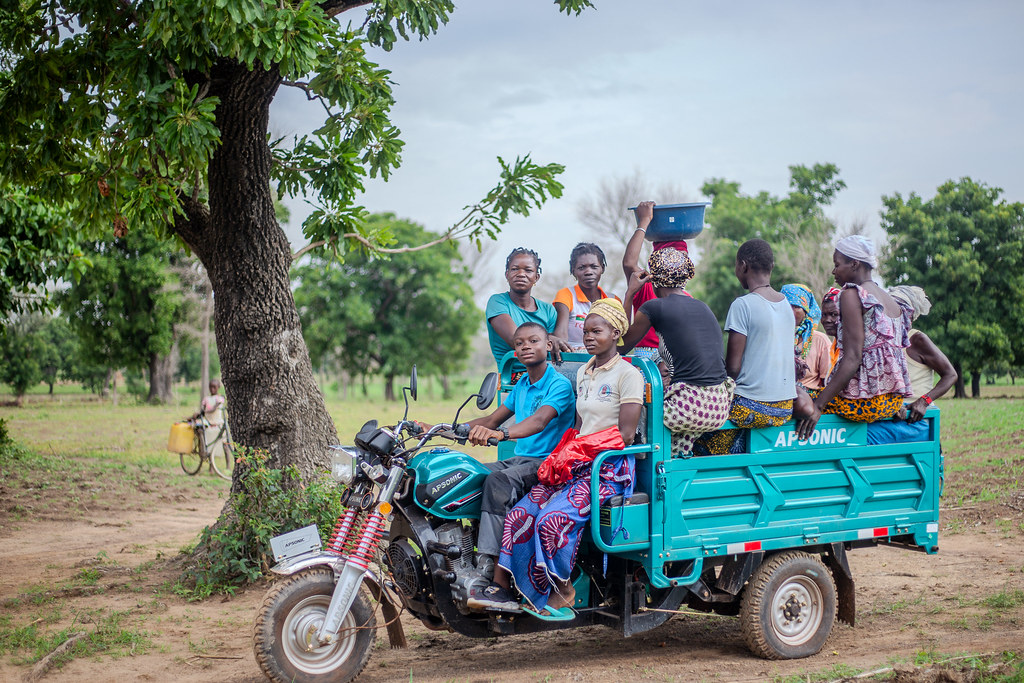
Beyond the connection between fashion and land, issues of land tenure and gender are crucial to driving meaningful change. Of the approximately 300 million people employed in fashion, women make up over 65 per cent of the industry’s workforce, particularly in the production stages. In rural areas, they play a vital role in growing, harvesting and processing the natural fibres that fuel the sector. Yet despite their contributions, only one in five landowners is a woman. Without secure land rights, women are often excluded from key decisions on how land is used and managed. Research shows, however, that when women do own the land they work on, they are more likely to invest in sustainable practices—helping to combat land degradation and adapt to climate challenges.
"Women comprise nearly half of the world’s agricultural workforce, producing 60–80 per cent of the food grown in developing countries, so are poised to lead on sustainable land management practices while keeping their families and communities fed. Despite their vital role, it is alarming to note that fewer than one in five landowners is female. Without land rights, women are not fully engaged in decisions on land use and management. However, studies show that when women own the land they work on, this encourages their dedication to land stewardship to fight land degradation and cope with climate shocks.” — UNCCD Her Land publication
Indigenous peoples, local communities and smallholder farmers are also disproportionately affected by land-use changes driven by fashion supply chains. These communities often lose access to ancestral lands and livelihoods to make way for cash crops and grazing pastures. As climate impacts and social inequalities deepen, a new narrative is emerging—one where gender equality, sustainable land management and circular production patterns intersect.
Women-led initiatives are already at the forefront of this shift—advocating for responsible fibre production, promoting sustainable alternatives, improving labour conditions and empowering women, especially in rural and marginalized communities.
One such initiative is Tujikuze—a women-led Kenyan enterprise focused on sustainable, circular fashion. By using locally sourced, biodegradable materials and empowering young women through training and employment, Tujikuze exemplifies how fashion can serve both people and the planet. Their model promotes community resilience, environmental stewardship and economic opportunity—showing that ethical fashion is not only possible but already in motion.
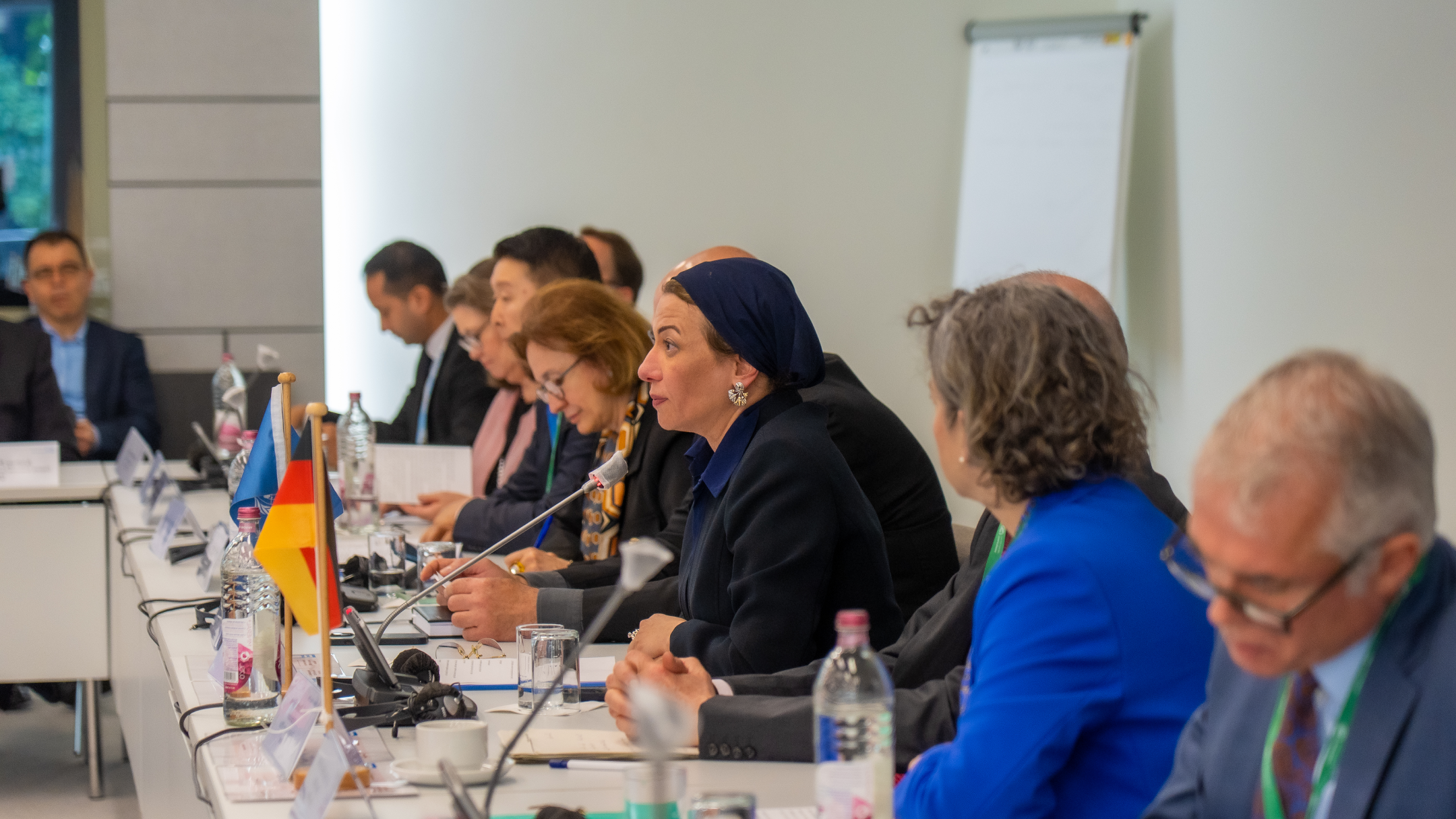
Tujikuze was among the inspiring examples shared at the recent event “Women leading change: Shaping a sustainable future in fashion,” held on the margins of the Regional Forum for Sustainable Development. Organized by the UN Alliance for Sustainable Fashion, UNECE, ITC Ethical Fashion Initiative, ILO, UNIDO, UNCCD and the UN Office for Partnerships, the event brought together global advocates and entrepreneurs to spotlight the transformative role of women in shaping a more equitable and sustainable fashion sector—and to highlight the industry’s deep connection to the land and natural resources.
One central message was underscored: land degradation, gender injustice and unsustainable fashion are interconnected. A people-centered, land-conscious and gender-equal approach is essential to reversing the industry’s harm. Fashion can no longer be separated from the land that sustains it.
To heal our relationship with nature, we must redesign our wardrobes from the ground up.
Publications

The fashion industry significantly influences land use, soil health and degradation through its fiber choices and production practices. From cotton's high resource demands to the…

Gender equality remains unfinished business in every part of the world. In the vast majority of countries, women have unequal and limited access and control to land. In many…