United against drought: Riyadh Partnership moves to action
-
25 June 2025
-
Story
-
Drought

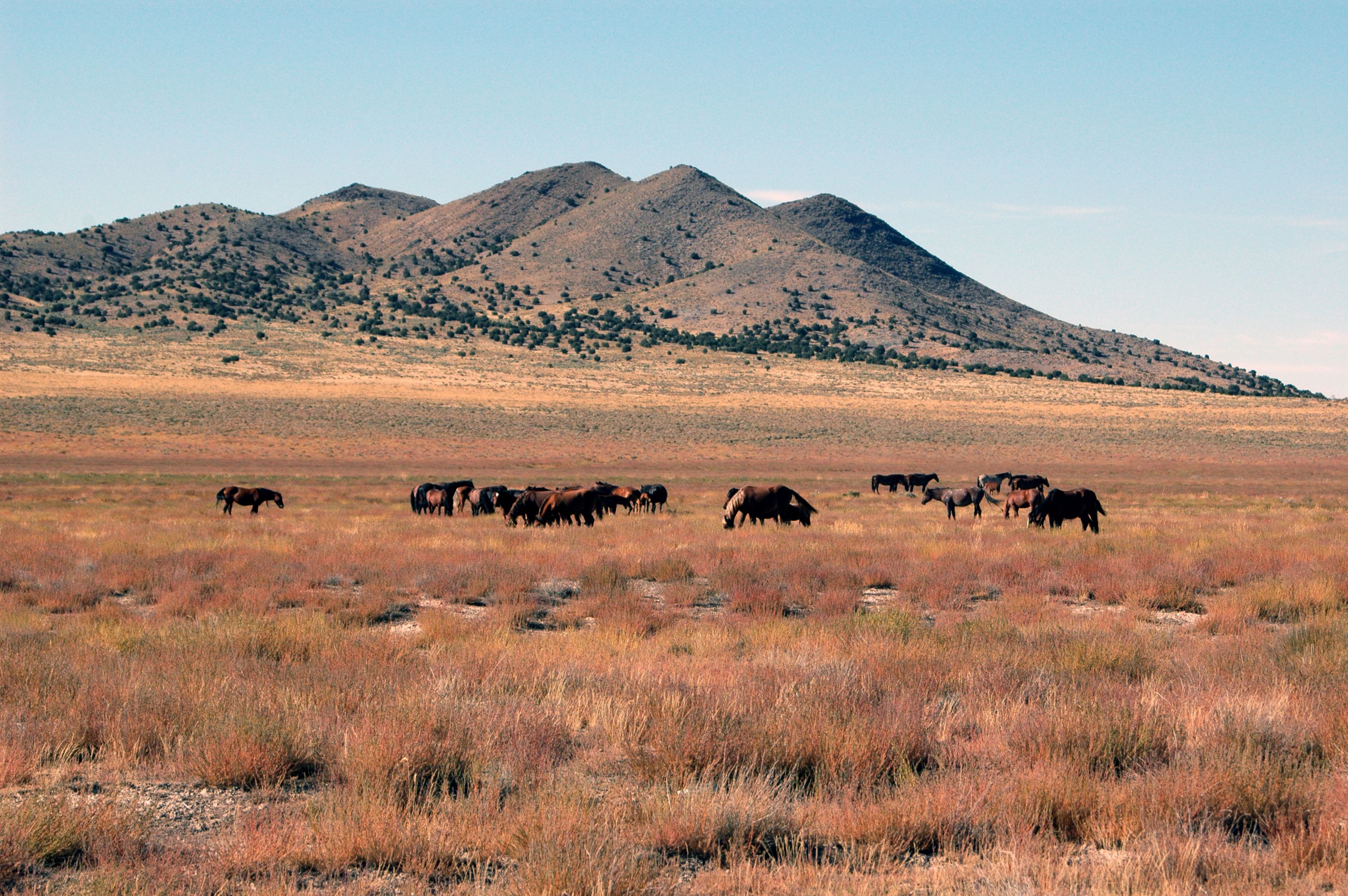
The signs are everywhere: cracked earth, dry rivers, failed crops and families forced to abandon their land. What was once seen as a rare natural disaster has become a persistent and intensifying threat. Drought is no longer confined to distant deserts or erratic seasons. It is advancing—slowly, silently—across borders and climate zones, placing unprecedented stress on people and ecosystems alike.
Since 2000, the frequency and intensity of droughts have risen by 29 per cent. More than 1.4 billion people have already been affected. Economically, drought can slash a country’s GDP by up to 10 per cent and drag down growth for years. By mid-century, as much as three-quarters of the global population could face its impacts. For millions, it means far more than dry weather—it means food insecurity, water shortages, price spikes and the erosion of homes and livelihoods.
And yet, unlike earthquakes or floods, drought gives us one rare advantage: time. Time to anticipate, adapt and build resilience. The challenge is not only to recognize the warning signs, but to act before the emergency unfolds.
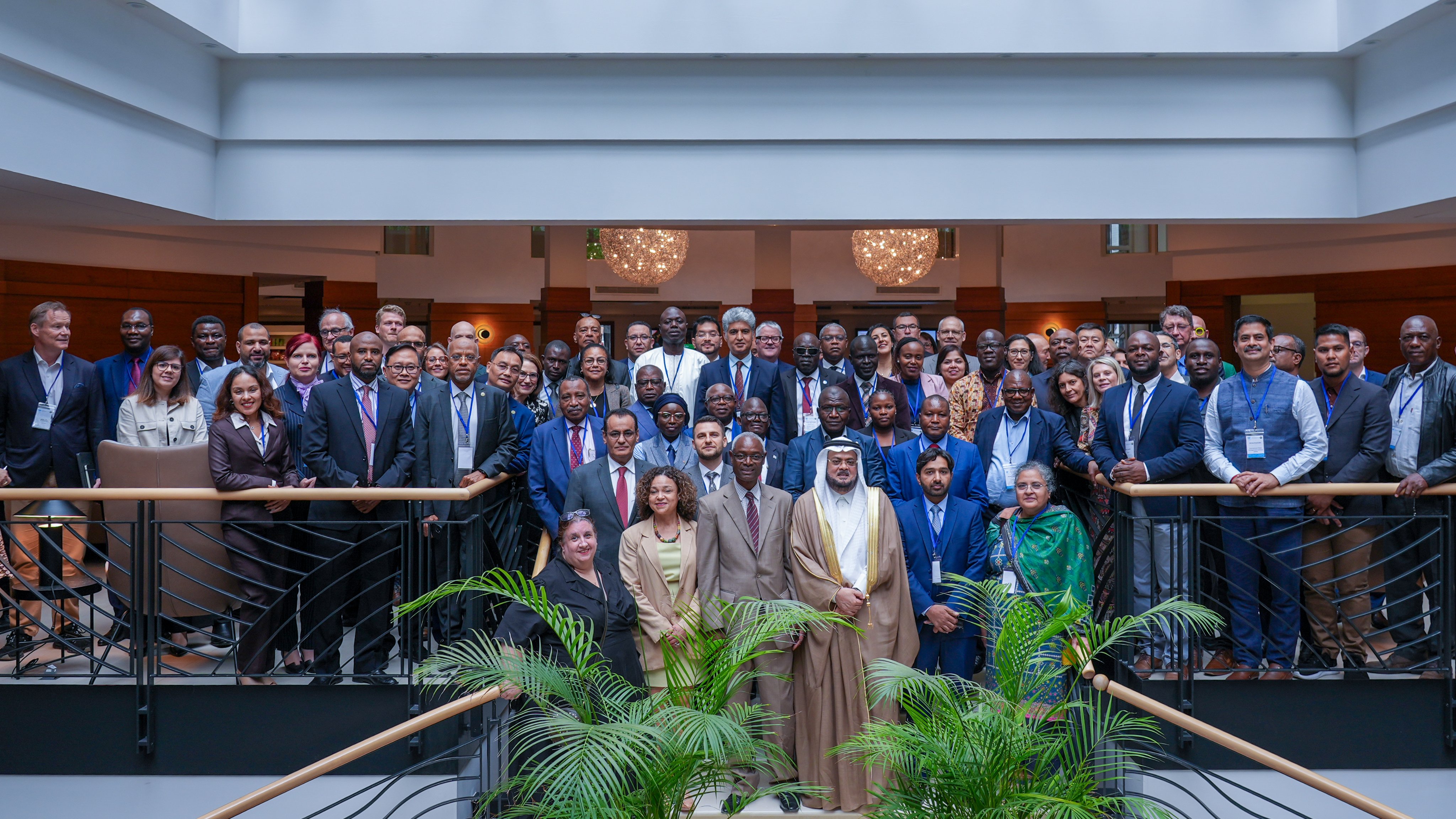
That imperative brought a wide range of stakeholders to Cologne, Germany, for the Inaugural Conference of the Riyadh Global Drought Resilience Partnership held on 23-24 June 2025. Over two days of discussion and collaboration, government representatives, UN entities, financing institutions and technical experts worked to transform political intent into practical momentum.
“This partnership is not another global fund. It is not just a trust fund. It is not about reacting to drought when it's too late. It is about building integrated, national systems of resilience—rooted in transparency, equity and the voices of local communities. This is how we protect lives, livelihoods and ecosystems before the crisis hits,” said the United Nations Convention to Combat Desertification (UNCCD) Executive Secretary Ibrahim Thiaw.
“If we wait until drought hits, it’s already too late. The cost—in human lives, in resources, in stability—is simply too high. This initiative is about shifting from reaction to resilience. It’s about building early warning systems, strengthening national drought plans, investing in risk mitigation and creating partnerships that are inclusive, science-based and focused on the communities most at risk. No one actor can do this alone—we need a collective, global response.” said H.E. Dr. Osama Faqeeha, Deputy Minister of Environment, Water and Agriculture, KSA.
Launched at UNCCD COP16 under the leadership of the host country, the Kingdom of Saudi Arabia, the Riyadh Global Drought Resilience Partnershipwas established to help countries move beyond crisis response toward proactive drought risk reduction. At its core is the belief that resilience is not forged in crisis, but through long-term preparation—by enhancing early warning systems, adopting climate-smart agriculture, managing land and water sustainably and putting financial safeguards in place before disaster strikes.
The Riyadh Partnership brings these elements together into a coordinated global framework. It offers countries access to technical assistance and funding through a dual financing model: pooled contributions to a multi-donor trust fund and direct bilateral support aligned with nationally identified priorities. The Partnership draws on existing alliances and tools, including the International Drought Resilience Alliance (IDRA), the Integrated Drought Management Programme and regional initiatives such as the Middle East Green Initiative (MGI).
Moving from vision to action
In Cologne, delegates reached consensus on the Riyadh Partnership's core governance structure and began outlining its operational roadmap. Financing featured prominently, with calls to mobilize diverse instruments and align efforts across existing initiatives.
Key announcements included a one-billion-dollar commitment from the Islamic Development Bank for drought resilience projects by 2030, and an indication from the Global Environment Facility that its upcoming funding cycle will call for a greater focus on drought. The United Nations Capital Development Fund also proposed a de-risking mechanism to facilitate access to financing.
Several partners—including the United Nations Development Programme (UNDP), the World Meteorological Organization (WMO), the International Water Management Institute (IWMI) and the Consultative Group on International Agricultural Research (CGIAR)—offered technical expertise, while others committed to strengthening synergies with frameworks such as IDRA and MGI to ensure national actions are reinforced by global coordination.
Importantly, the first Steering Committee was successfully identified during the Conference, marking a critical milestone in establishing the Partnership’s long-term governance. The agreed governance structure includes a Steering Committee, Secretariat, Fund Trustee, Independent Review function and an Assembly of Partners. The UNCCD will host the Secretariat and the UN Multi-Partner Trust Fund Office will act as Trustee.
Work is now underway to finalize the Riyadh Partnership’s governance document—a foundational charter that will define roles, responsibilities and processes. This document, to be completed in the coming months, will reflect the Partnership’s inclusive, regionally representative and institutionally diverse approach.
The conference concluded with broad agreement on a shared path forward. In the months ahead, work will focus on finalizing the Steering Committee, launching early flagship projects and putting in place practical financial delivery mechanisms for the most drought-prone countries.
“This is just the beginning,” said Louise Baker, Managing Director of the UNCCD Global Mechanism. “We’ve built strong momentum and now we move to implementation—bringing this partnership to life on the ground.”
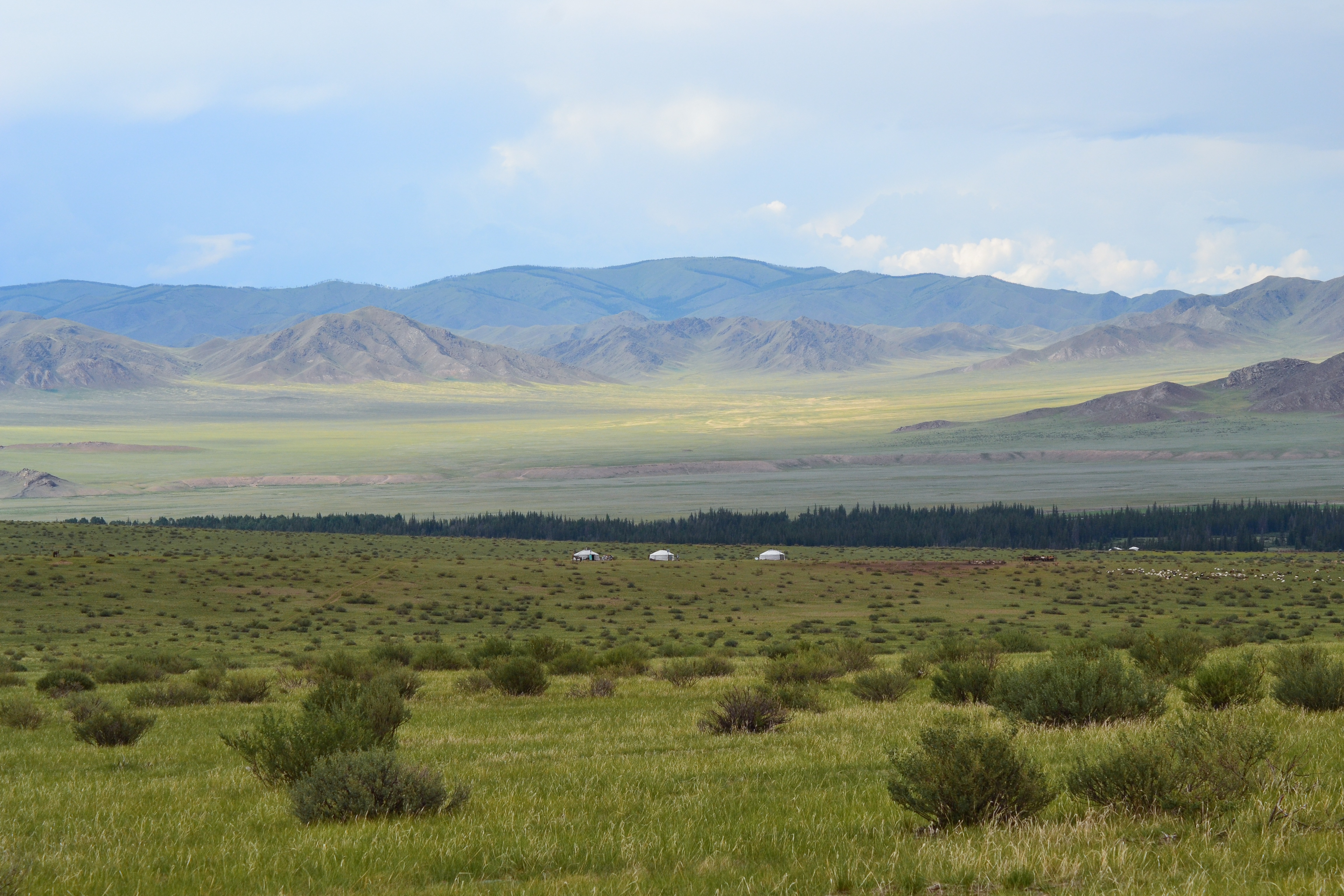
This energy will carry into UNCCD COP17 in Mongolia next year, where countries are expected to review initial progress, share lessons and formally integrate the Partnership into the Convention’s future work. What began in Riyadh as a bold pledge is now taking shape as a long-term platform for action—helping countries anticipate and withstand one of the most pressing environmental challenges of our time.
Publications

Global climate patterns in 2023 and 2024 set the stage for severe drought impacts worldwide that are continuing into 2025. This report identifies the regions of the world that…