News & stories

Latest news & stories
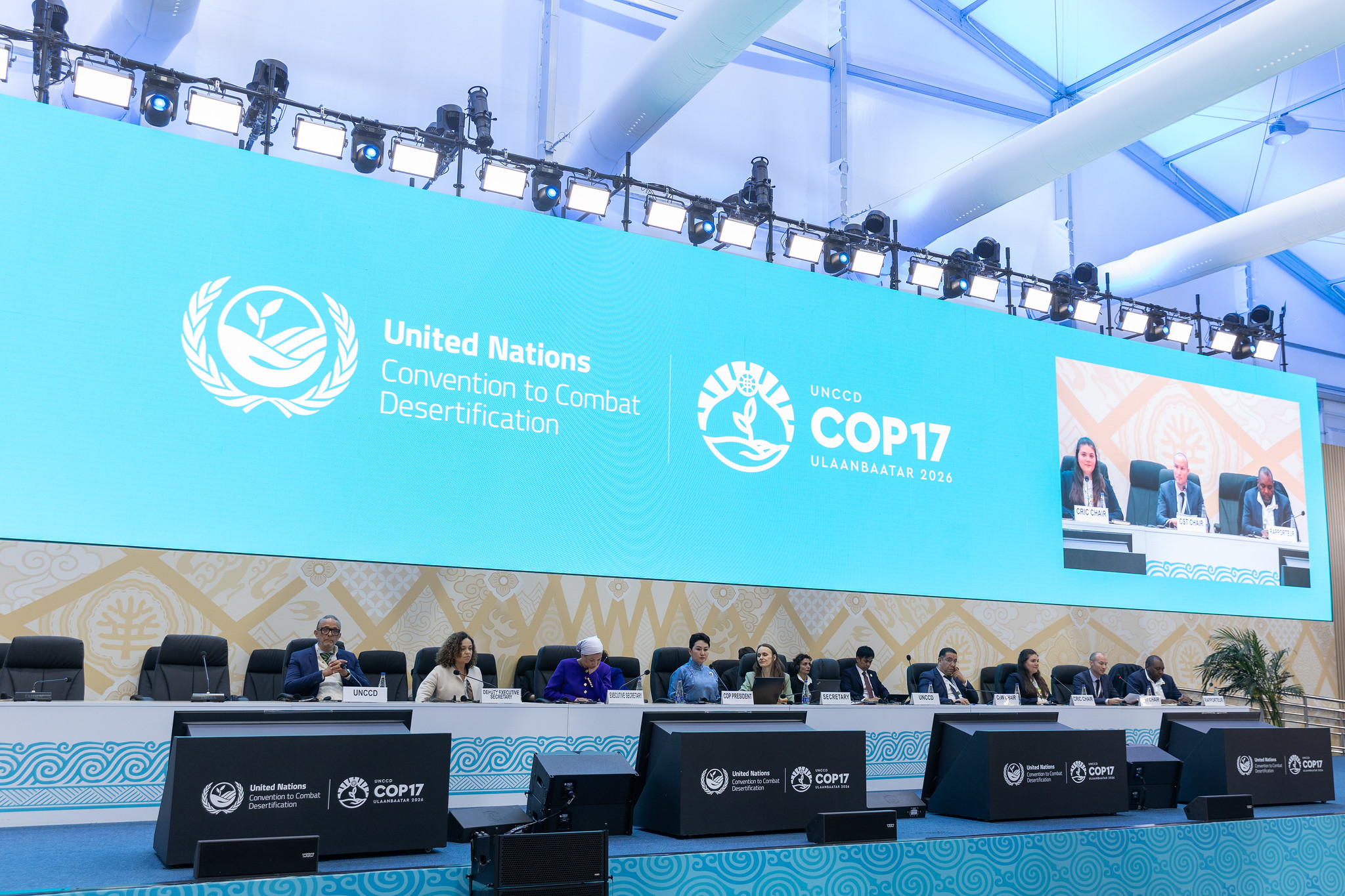
Riyadh, Saudi Arabia, 14 December — After two weeks of intense negotiations on how to tackle land degradation, desertification and drought, the largest and most inclusive United Nations land conference wrapped up in Riyadh, Saudi Arabia.The nearly 200 countries convening at the 16th Conference of the Parties (COP16) to the United Nations Convention to Combat Desertification (UNCCD) committed to prioritize land restoration and drought resilience in national policies and international cooperation as an essential strategy for food security and climate adaptation. Nations also made significant progress in laying the groundwork for a future global drought regime, which they intend to complete at COP17 in Mongolia in 2026. In the meanwhile, more than USD 12 billion were pledged to tackle desertification, land degradation and drought around the world, especially in the most vulnerable countries.Among the main agreements reached at COP16 were the creation of a Caucus for Indigenous Peoples and a Caucus for Local Communities to ensure that their unique perspectives and challenges are adequately represented; a continuation of the Convention’s Science-Policy Interface to strengthen science-based decision-making, and the mobilization of private sector engagement under the Business4Land initiative.COP16 was the largest and most inclusive UNCCD COP to date: it attracted more than 20,000 participants, around 3,500 of them from civil society, and featured more than 600 events as part of the first Action Agenda to involve non-state actors in the work of the Convention.In a prepared statement, United Nations Deputy Secretary-General Amina J. Mohammed emphasized “Our work does not end with the closing of COP16. We must continue to tackle the climate crisis—it is a call to action for all of us to embrace inclusivity, innovation, and resilience. Youth and Indigenous peoples must be at the heart of these conversations. Their wisdom, their voices, and their creativity are indispensable as we craft a sustainable future with renewed hope for generations to come.”In his closing remarks, COP16 President, Saudi Arabia’s Minister of Environment, Water and Agriculture Abdulrahman Alfadley, said the meeting marked a turning point in raising international awareness of the pressing need to accelerate land restoration and drought resilience.“The Kingdom’s hosting of this important conference reflects its ongoing commitment to environmental issues and sustainable development. It reaffirms its dedication to working with all parties to preserve ecosystems, enhance international cooperation to combat desertification and land degradation, and address drought. We hope the outcomes of this session will lead to a significant shift that strengthens efforts to preserve land, reduce its degradation, build capacities to address drought, and contribute to the wellbeing of communities around the world.”Addressing COP16 closing plenary, Under-Secretary-General and UNCCD Executive Secretary Ibrahim Thiaw stated: “As we have discussed and witnessed, the solutions are within our grasp. The actions we took today will shape not only the future of our planet but also the lives, livelihoods, and opportunities of those who depend on it.”He further emphasized a significant shift in the global approach to land and drought issues, highlighting the interconnected challenges with broader global issues such as climate change, biodiversity loss, food security, forced migration, and global stability.Financial needs and pledgesDuring the Conference, participants heard that UNCCD estimates that at least USD 2.6 trillion in total investments are needed by 2030 to restore more than one billion hectares of degraded land and build resilience to drought. This equals USD 1 billion in daily investments between now and 2030 to meet global land restoration targets and combat desertification and drought.New pledges for large-scale land restoration and drought preparedness were announced, such as the Riyadh Global Drought Resilience Partnership which attracted USD 12.15 billion to support 80 of the world’s most vulnerable countries in building their resilience to drought, including a USD 10 billion pledge from the Arab Coordination Group.The Great Green Wall (GGW), an African-led initiative to restore 100 million hectares of degraded land, also mobilized EUR 11 million from the Italian Government for landscape restoration in the Sahel and EUR 3.6 million from the Austrian Government to strengthen the coordination and implementation of the initiative across 22 African countries. The drive is part of the GGW Accelerator, a UNCCD-supported effort to achieve the ambitions for a greener, more prosperous Sahel.Additionally, the United States and several partner countries and organizations announced total investments of nearly USD 70 million to advance the Vision for Adapted Crops and Soils (VACS). The initiative looks to build resilient food systems grounded in diverse, nutritious, and climate-adapted crops grown in healthy soils.The first-ever UNCCD COP in the Middle East and North Africa provided an opportunity to shine a light on the specific challenges facing the region and bring to the fore innovative solutions to land degradation and drought.The Kingdom of Saudi Arabia announced five new projects valued at USD 60 million to ramp up climate and environmental efforts as part of the Saudi Green Initiative. The UNCCD COP16 Presidency also announced the launch of an international sand and dust storm monitoring initiative. This effort, part of a regional early warning system, aims to complement existing efforts overseen by the World Meteorological Organization (WMO).The International Drought Resilience Observatory (IDRO), the first global AI-driven platform to help countries assess, and enhance, their capacity to cope with harsher droughts. This innovative tool is an initiative of the International Drought Resilience Alliance (IDRA), which Saudi Arabia joined earlier this year. Greater voice for Indigenous Peoples and other non-state actorsIn a landmark decision, Parties requested the creation of a Caucus for Indigenous Peoples and a Caucus for Local Communities. The objective is to ensure that their unique perspectives and priorities are adequately represented in the work of the Convention. The declaration ‘Sacred Lands’, presented during the inaugural Indigenous Peoples’ Forum at a UNCCD COP, underscored the role of Indigenous Peoples in sustainable resource management and called for greater involvement in global land and drought governance, including through participation in land restoration efforts.“Today, history has been made”, said Indigenous People representative Oliver Tester from Australia. “We look forward to championing our commitment to protect Mother Earth through a dedicated Caucus, and leave this space trusting that our voices be heard.”COP16 also saw the biggest youth participation to date, building on the UNCCD Youth Engagement Strategy and Action Plan, that seeks to give youth a more prominent role in land and drought negotiations and action, and provide technical and financial support for youth-led initiatives.On the gender front, countries underscored the need to pay special attention to all forms of discrimination faced by women and girls when designing and implementing policy and programmes related to land degradation and drought.In recognition of the important role of the private sector, which currently contributes only 6% of financing towards land restoration and drought resilience, Parties have mandated the UNCCD Secretariat and the Global Mechanism to mobilize private sector engagement under the Business4Land initiative. The decision emphasizes the critical role of private sector advocacy, environmental, social, and governance (ESG) strategies, and sustainable finance in addressing DLDD challenges. The decision comes after the Business4Land Forum, which brought together the largest-ever number of private sector participants at a UNCCD COP — more than 400— from industries like finance, fashion, agri-food, and pharmaceuticals.Stronger science on land and droughtAcknowledging the role of science as the foundation for sound policies, the Parties agreed on the continuation of UNCCD’s Science-Policy Interface (SPI), which was created at COP11 in 2013 to translate scientific findings into recommendations for decision-makers. At COP16, for instance, the SPI presented definitive evidence that three quarters of the Earth’s ice-free surface have become permanently drier in the past 30 years, with a predicted five billion people living in drylands by 2100, showing the urgency to take action.A new UNCCD report, The Global Threat of Drying Lands: Regional and global aridity trends and future projections, revealed that some 77.6% of Earth’s land has experienced drier conditions since the 1990s compared to the previous 30-year period. Over the same period, drylands — an arid area with low rainfall— expanded by about 4.3 million km2 equal to an area nearly a third larger than India, the world’s 7th largest country. Drylands now cover 40.6% of all land on Earth excluding Antarctica.Seven of nine planetary boundaries are negatively impacted by unsustainable land use, highlighted the UNCCD report Stepping back from the precipice: Transforming land management to stay within planetary boundaries, produced in collaboration with the Potsdam Institute for Climate Impact Research, which explains how land degradation is undermining Earth’s capacity to sustain a growing human population. The report reiterates that agriculture accounts for 23% of greenhouse gas emissions, 80% of deforestation, and 70% of freshwater use, and calls for an urgent land use transition to step away from the precipice.According to UNCCD’s newly released World Drought Atlas and Economics of Drought Resilience reports, droughts affect the livelihoods of 1.8 billion people worldwide, pushing already vulnerable communities to the brink. They also cost an estimated USD 300 billion per year, threatening key economic sectors such as agriculture, energy and water.From Riyadh to MongoliaFor the first time, UNCCD Parties made a decision encouraging the sustainable management, restoration and conservation of rangelands — vast ecosystems used for grazing — ahead of COP17, to be hosted by Mongolia in 2026 during the International Year of Rangelands and Pastoralists. These ecosystems cover half of the Earth’s terrestrial surface and are the dominant land use in the world’s drylands, but have long been overlooked and are disappearing faster than rainforests.The degradation of rangelands threatens one-sixth of global food supplies, potentially depleting one-third of the Earth's carbon reserves. Some two billion people who live in pastoral areas are among the world’s most vulnerable in the face of desertification, land degradation and drought.ENDNOTESMedia inquiries:For media enquiries, please contact the UNCCD Press Office at press@unccd.int or unccd@portland-communications.comCOP16 decisions are available here: https://www.unccd.int/cop16/official-documentsAbout UNCCDThe United Nations Convention to Combat Desertification (UNCCD) is an international agreement on good land stewardship. It helps people, communities and countries create wealth, grow economies and secure enough food, clean water and energy by ensuring land users an enabling environment for sustainable land management. Through partnerships, the Convention’s 197 Parties set up robust systems to manage drought promptly and effectively. Good land stewardship based on sound policy and science helps integrate and accelerate achievement of the Sustainable Development Goals, builds resilience to climate change and prevents biodiversity loss.About COP16The Conference of the Parties (COP) was established by the Convention as its main decision-making body. It is made up of UNCCD’s 197 Parties (196 countries and the European Union) and is responsible for guiding the Convention so that it can respond to global challenges and national needs. UNCCD COP16 will be a landmark event to raise global ambition and accelerate action on land and drought resilience through a people-centred approach. Coinciding with the Convention’s 30th anniversary, UNCCD COP16 was the first major UN conference hosted by the Kingdom of Saudi Arabia. It was also the first time a UNCCD COP was held in the Middle East and North Africa (MENA) region, which knows firsthand the impacts of desertification, land degradation and drought.

Excellencies, distinguished delegates, dear friends,As we close this historic COP16, I am filled with immense gratitude and deep reflection. This COP is not just the conclusion of a meeting; for me, it is the conclusion of a deeply personal journey.Allow me to transport you to the arid landscapes of my childhood for a moment, where drought was not just an occasional episode, but a constant challenge woven into the daily lives of our communities. I remember the resilience of women striving to make the land yield against all odds, the ingenuity of farmers working with nature to survive, and the deep connection we had with our environment. It is from these experiences of resilience that my deep-seated conviction for land restoration emerged; a belief that has guided me throughout my professional life.My work with you has been shaped by this bridge between personal conviction and a professional pledge; between local interventions in my home community and global impact. Mr. President, Allow me to first extend my heartfelt thanks to the Kingdom of Saudi Arabia, its leadership as well as its people for its exceptional clairvoyance in hosting this COP. Thank you for the unwavering commitment to elevating the global land restoration and drought resilience agenda. COP16 has been a COP like no other in the 30 years life of the UNCCD. By far the largest, the most inclusive and the most complex Conference. And I would add the most beautiful and efficient facility. First, we have elevated the land and drought agenda beyond sector-specific discussions, establishing it as a cornerstone of global efforts to address interconnected challenges such as climate change, biodiversity loss, food insecurity, migration, and global security. While Parties need more time to agree on the best way forward as to how to address the critical issue of drought, I am filled with hope with the launching of the Riyadh Global Drought Resilience Partnership; a landmark initiative to address one of the most pressing challenges of our time.We all welcome the pledges made in that regard by the Kingdom of Saudi Arabia and the ten members the Arab Coordination Group, amounting to USD 12.15 billion.We also leave COP16 with a robust Ministerial Political Declaration. It is a powerful testament to our shared ambition and determination, aligned with the United Nations' pillars and advancing progress toward the Sustainable Development Goals. The 39 important decisions that were adopted by this COP will serve as a guidance not only to all Governments in the world, but also to the private sector, indigenous peoples and local communities. Second, this COP has precisely been about People. Farmers, pastoralists, Indigenous peoples, women, and youth are at the heart of our efforts to create a more equitable and resilient future. Their voices have guided our work and inspired our collective action.Third, Women’s rights and secure land tenure have been firmly recognized as central pillars of our work, ensuring that those most impacted by land degradation and drought are further associated with our decision-making processes. To the Parties, thank you for giving me the opportunity to serve and work alongside you over the past six years. Your commitment to addressing desertification, land degradation, and drought issues has given the space and the authorizing environment to operate.To the entire UNCCD team, who worked tirelessly to deliver this COP: thank you for your extraordinary professionalism, passion, and belief in the mission of UNCCD. Delivering this COP was nothing short of a moonshot—a bold and ambitious effort that required exceptional dedication and teamwork.Witnessing your determination, creativity, and commitment throughout this journey has been profoundly inspiring. Your contributions have shaped me and this moment. Their impact will resonate far beyond the perimeter of this COP, leaving a lasting legacy for generations to come.I would also like to extend my heartfelt thanks to all the invisible hands --who, to me, are very visible— including our incredible volunteers, those working tirelessly in the pavilions, across this incredible site. My deep appreciation to our UN Security Officers, to our interpreters, logisticians, editors and translators, and to all service providers who allow us to operate so efficiently. Mr. President, As I conclude, my thoughts go to the most vulnerable communities. I believe that this COP was not just another UN meeting; it was a call to action. It was a space where discussions and policies laid the groundwork for real, tangible change. But the true measure of our success will not be defined by what we agreed here; but rather by what we did with it.As we leave this COP, the real work begins. With political will, the solutions are within our grasp. The actions we took today will shape not only the future of our planet but also the lives, livelihoods, and opportunities of those that we know: land is the only asset there is. Mr. President,Excellency Minister Al Fadley: at the risk of offending your modesty, allow me to express, from the bottom of my heart, my personal appreciation to you. You never failed to listen attentively and to respond to my multiple requests and those of my colleagues. I would also like to thank your team for the excellent collaboration and the strong bonds we have built up with them. Starting with Dr Osama, who spared no effort to ensure the success of this COP. And to all the Saudi teams, who have shown us that united and determined, we can move mountains. I could not be more humbled by what we have achieved together. Thank you!

Sand and dust storms (SDS) are a normal part of the global environment. Like flooding, SDS provide a range of benefits as well as having the potential for triggering damages. Human action can increase the frequency or severity of SDS, causing unnecessary and avoidable harm to society, the economy and the environment. Recognizing that the risks and harm done by SDS can be mitigated or even prevented, the United Nations Convention to Combat Desertification (UNCCD) has been actively involved in improving capacities to manage this hazard. In 2022, the UNCCD, in collaboration with WMO, FAO and the World Overview of Conservation Approaches and Technologies (WOCAT) developed the SDS Toolbox to support stakeholders in accessing information to better manage the risks posed by SDS. The SDS Toolbox built upon the SDS Compendium, a collaborative effort among multiple UN partners, to provide practical guidance on how to use the contents of the SDS Compendium and other technical resources to more effectively manage SDS. Over the last two years, there has been a notable expansion of knowledge and lessons learned on how to effectively manage SDS sources and impacts. This Technical Update of the SDS Toolbox, released during Resilience Day at UNCCD COP16, includes the following upgrades: Links to networks of experts working to understand and manage SDS, intended to improve knowledge sharing and collaboration. Access to the WMO Airborne Dust Bulletins. New case studies on SDS source management in Canada (Saskatchewan), Iceland and the United States (California and New Mexico). Detailed guidance on the use of the SDS Visualization Tool. An update on the WMO SDS-WAS monitoring and warning system. Access to public information documents about SDS.Additional examples of SDS impact management plans. An upgrade and expansion of guidance on managing SDS Sources. This includes an increase in the number of SDS source management options, accompanied by additional sustainable land use technologies. There are new search functions with more detailed descriptions for each option, including links to additional resources, providing a single source of SDS management options not previously assembled in one place. This technical upgrade of the SDS Toolbox involved experts from FAO, WMO, US Department of Agriculture, ICARDA, WOCAT, University of Saskatchewan, George Mason University, New Mexico Department of Transportation and the Great Basin Unified Air Pollution Control District, California, USA.

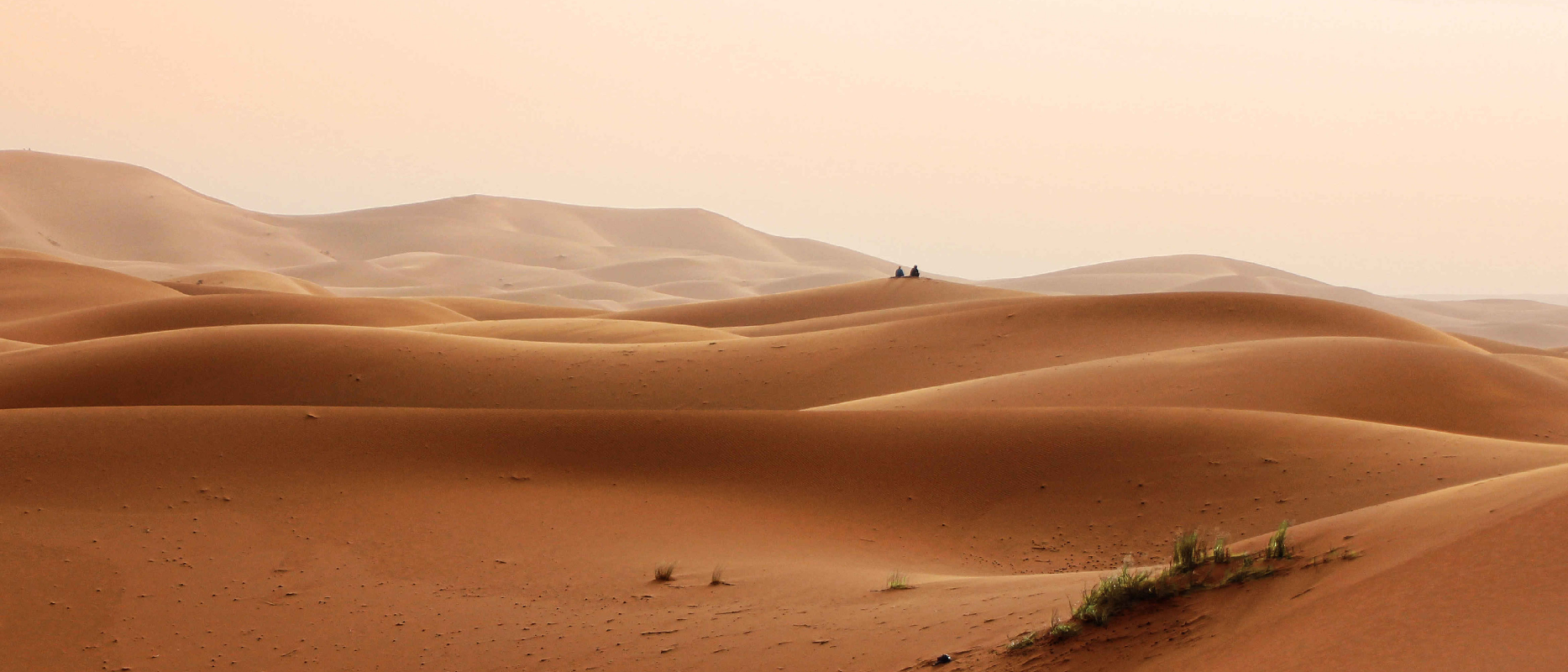
Aridity: The ‘existential crisis’ redefining life on EarthFive billion people could be affected by 2100Riyadh, Saudi Arabia – Even as dramatic water-related disasters such as floods and storms intensified in some parts of the world, more than three-quarters of Earth’s land became permanently drier in recent decades, UN scientists warned today in a stark new analysis.Some 77.6% of Earth’s land experienced drier conditions during the three decades leading up to 2020 compared to the previous 30-year period, according to the landmark report from the UN Convention to Combat Desertification (UNCCD).Over the same period, drylands expanded by about 4.3 million km2 – an area nearly a third larger than India, the world’s 7th largest country – and now cover 40.6% of all land on Earth (excluding Antarctica).In recent decades some 7.6% of global lands – an area larger than Canada – were pushed across aridity thresholds (i.e. from non-drylands to drylands, or from less arid dryland classes to more arid classes).Most of these areas have transitioned from humid landscapes to drylands, with dire implications for agriculture, ecosystems, and the people living there. And the research warns that, if the world fails to curb greenhouse gas emissions, another 3% of the world’s humid areas will become drylands by the end of this century. In high greenhouse gas emissions scenarios, expanding drylands are forecast across the Midwestern United States, central Mexico, northern Venezuela, north-eastern Brazil, south-eastern Argentina, the entire Mediterranean Region, the Black Sea coast, large parts of southern Africa, and southern Australia.The report, The Global Threat of Drying Lands: Regional and global aridity trends and future projections, was launched at the 16th conference of UNCCD’s nearly 200 Parties in Riyadh, Saudi Arabia (COP16), the largest UN land conference to date, and the first UNCCD COP to be held in the Middle East, a region profoundly affected by impacts from aridity.“This analysis finally dispels an uncertainty that has long surrounded global drying trends,” says Ibrahim Thiaw, UNCCD Executive Secretary. “For the first time, the aridity crisis has been documented with scientific clarity, revealing an existential threat affecting billions around the globe.” “Unlike droughts—temporary periods of low rainfall—aridity represents a permanent, unrelenting transformation,” he adds. “Droughts end. When an area’s climate becomes drier, however, the ability to return to previous conditions is lost. The drier climates now affecting vast lands across the globe will not return to how they were and this change is redefining life on Earth.”The report by UNCCD Science-Policy Interface (SPI) — the UN body for assessing the science of land degradation and drought — points to human-caused climate change as the primary driver of this shift. Greenhouse gas emissions from electricity generation, transport, industry and land use changes warm the planet and other human activities warm the planet and affect rainfall, evaporation and plant life, creating the conditions that increase aridity.Global aridity index (AI) data track these conditions and reveal widespread change over the decades. Aridification hotspotsAreas particularly hard-hit by the drying trend include almost all of Europe (95.9% of its land), parts of the western United States, Brazil, parts of Asia (notably eastern Asia), and central Africa.Parts of the Western United States and Brazil: Significant drying trends, with water scarcity and wildfires becoming perennial hazards.Mediterranean and Southern Europe: Once considered agricultural breadbaskets, these areas face a stark future as semi-arid conditions expand.Central Africa and parts of Asia: Biologically megadiverse areas are experiencing ecosystem degradation and desertification, endangering countless species.By contrast, less than a quarter of the planet’s land (22.4%) experienced wetter conditions, with areas in the central United States, Angola’s Atlantic coast, and parts of Southeast Asia showing some gains in moisture.The overarching trend, however, is clear: drylands are expanding, pushing ecosystems and societies to suffer from aridity's life-threatening impacts.The report names South Sudan and Tanzania as nations with the largest percentage of land transitioning to drylands, and China as the country experiencing the largest total area shifting from non-drylands into drylands.For the 2.3 billion people – well over 25% of the world’s population – living in the expanding drylands, this new normal requires lasting, adaptive solutions. Aridity-related land degradation, known as desertification, represents a dire threat to human well-being and ecological stability. And as the planet continues to warm, report projections in the worst-case scenario suggest up to 5 billion people could live in drylands by the century’s end, grappling with depleted soils, dwindling water resources, and the diminishment or collapse of once-thriving ecosystems.Forced migration is one of aridity’s most visible consequences. As land becomes uninhabitable, families and entire communities facing water scarcity and agricultural collapse often have no choice but to abandon their homes, leading to social and political challenges worldwide. From the Middle East to Africa and South Asia, millions are already on the move—a trend set to intensify in coming decades.Aridity’s devastating impactThe effects of rising aridity are cascading and multifaceted, touching nearly every aspect of life and society, the report says.It warns that one fifth of all land could experience abrupt ecosystem transformations from rising aridity by the end of the century, causing dramatic shifts (such as forests becoming grasslands and other changes) and leading to extinctions among many of the world’s plants, animals and other life.Aridity is considered the world’s largest single driver behind the degradation of agricultural systems, affecting 40% of Earth’s arable landsRising aridity has been blamed for a 12% decline in gross domestic product (GDP) recorded for African countries between 1990–2015More than two thirds of all land on the planet (excluding Greenland and Antarctica) is projected to store less water by the end of the century, if greenhouse gas emissions continue to rise even modestlyAridity is considered one of the world’s five most important causes of land degradation (along with land erosion, salinization, organic carbon loss and vegetation degradation)Rising aridity in the Middle East has been linked to the region’s more frequent and larger sand and dust stormsIncreasing aridity is expected to play a role in larger and more intense wildfires in the climate-altered future—not least because of its impacts on tree deaths in semi-arid forests and the consequent growing availability of dry biomass for burningRising aridity’s impacts on poverty, water scarcity, land degradation and insufficient food production have been linked to increasing rates of sickness and death globally —especially among children and womenRising aridity and drought play a key role in increasing human migration around the world—particularly in the hyper-arid and arid areas of southern Europe, the Middle East and North Africa and southern Asia. Report marks a turning pointFor years, documenting the rise of aridity proved a challenge, the report states. Its long-term nature and the intricate interplay of factors such as rainfall, evaporation, and plant transpiration made analysis difficult. Early studies produced conflicting results, often muddied by scientific caution.The new report marks a turning point, leveraging advanced climate models and standardized methodologies to deliver a definitive assessment of global drying trends, confirming the inexorable rise of aridity, while providing critical insights into its underlying drivers and potential future trajectory.RecommendationsThe report offers a comprehensive roadmap for tackling aridity, emphasizing both mitigation and adaptation. Among its recommendations:Strengthen aridity monitoringIntegrate aridity metrics into existing drought monitoring systems. This approach would enable early detection of changes and help guide interventions before conditions worsen. Platforms like the new Aridity Visual Information Tool provide policymakers and researchers with valuable data, allowing for early warnings and timely interventions. Standardized assessments can enhance global cooperation and inform local adaptation strategies.Improve land use practicesIncentivizing sustainable land use systems can mitigate the impacts of rising aridity, particularly in vulnerable regions. Innovative, holistic, sustainable approaches to land management are the focus of another new UNCCD SPI report, Sustainable Land Use Systems: The path to collectively achieving Land Degradation Neutrality, available at /resources/reports/sustainable-land-use-systems-path-forward-collectively-achieve-land-degradation. It considers how land-use at one location affect others elsewhere, makes resilience to climate change or other shocks a priority, and encourages participation and buy-in by Indigenous and local communities as well as all levels of government. Projects like the Great Green Wall—a land restoration initiative spanning Africa—demonstrate the potential for large-scale, holistic efforts to combat aridity and restore ecosystems, while creating jobs and stabilizing economies.Invest in water efficiencyTechnologies such as rainwater harvesting, drip irrigation, and wastewater recycling offer practical solutions for managing scarce water resources in dry regions.Build resilience in vulnerable communitiesLocal knowledge, capacity building, social justice and holistic thinking are vital to resilience. Sustainable land use systems encourage decision makers to apply responsible governance, protect human rights (including secure land access) and ensure accountability and transparency. Capacity-building programmes, financial support, education programmes, climate information services and community-driven initiatives empower those most affected by aridity to adapt to changing conditions. Farmers switching to drought-resistant crops or pastoralists adopting more arid-tolerant livestock exemplify incremental adaptation.Develop international frameworks and cooperationThe UNCCD’s Land Degradation Neutrality framework provides a model for aligning national policies with international goals, ensuring a unified response to the crisis. National Adaptation Plans must incorporate aridity alongside drought planning to create cohesive strategies that address water and land management challenges. Cross-sectoral collaboration at the global level, facilitated by frameworks like the UNCCD, is essential for scaling solutions.Comments“For decades, the world’s scientists have signalled that our growing greenhouse gas emissions are behind global warming. Now, for the first time, a UN scientific body is warning that burning fossil fuels is causing permanent drying across much of the world, too—with potentially catastrophic impacts affecting access to water that could push people and nature even closer to disastrous tipping points. As large tracts of the world’s land become more arid, the consequences of inaction grow increasingly dire and adaptation is no longer optional—it is imperative.” – UNCCD Chief Scientist Barron Orr“Without concerted efforts, billions face a future marked by hunger, displacement, and economic decline. Yet, by embracing innovative solutions and fostering global solidarity, humanity can rise to meet this challenge. The question is not whether we have the tools to respond—it is whether we have the will to act.” – Nichole Barger, Chair, UNCCD Science-Policy Interface“The report’s clarity is a wake-up call for policymakers: tackling aridity demands more than just science—it requires a diversity of perspectives and knowledge systems. By weaving Indigenous and local knowledge with cutting-edge data, we can craft stronger, smarter strategies to slow aridity’s advance, mitigate its impacts and thrive in a drying world.” – Sergio Vicente-Serrano, co-lead author of the report and an aridity expert with Spain’s Pyrenean Institute of Ecology“This report underscores the critical need to address aridity as a defining global challenge of our time. By uniting diverse expertise and leveraging breakthrough technologies, we are not just measuring change—we are crafting a roadmap for resilience. Tackling aridity demands a collaborative vision that integrates innovation, adaptive solutions, and a commitment to securing a sustainable future for all." – Narcisa Pricope, co-lead author, professor of geosciences and associate vice president for research at Mississippi State University, USA.“The timeliness of this report cannot be overstated. Rising aridity will reshape the global landscape, challenging traditional ways of life and forcing societies to reimagine their relationship with land and water. As with climate change and biodiversity loss, addressing aridity requires coordinated international action and an unwavering commitment to sustainable development.” – Andrea Toreti, co-lead author and senior scientist, European Commission’s Joint Research CentreBy the Numbers: Key global trends / projections77.6%: Proportion of Earth's land that experienced drier climates from 1990–2020 compared to the previous 30 years.40.6%: Global land mass (excluding Antarctica) classified as drylands, up from 37.5% over the last 30 years.4.3 million km²: Humid lands transformed into drylands in the last three decades, an area one-third larger than India40%: Global arable land affected by aridity—the leading driver of agricultural degradation.30.9%: Global population living in drylands in 2020, up from 22.5% in 19902.3 billion: People living in drylands in 2020, a doubling from 1990, projected to more than double again by 2100 under a worst-case climate change scenario.1.35 billion: Dryland inhabitants in Asia—more than half the global total.620 million: Dryland inhabitants in Africa—nearly half of the continent’s population.9.1%: Portion of Earth’s land classified as hyperarid, including the Atacama (Chile), Sahara (Africa), Namib (Africa), and Gobi (China/Mongolia) deserts.23%: Increase in global land at "moderate" to "very high" desertification risk by 2100 under the worst-case emissions scenario+8% at "very high" risk+5% at "high" risk+10% at "moderate" riskEnvironmental degradation5: Key drivers of land degradation: Rising aridity, land erosion, salinization, organic carbon loss, and vegetation degradation20%: Global land at risk of abrupt ecosystem transformations by 2100 due to rising aridity55%: Species (mammals, reptiles, fish, amphibians, and birds) at risk of habitat loss from aridity. Hotspots: (Arid regions): West Africa, Western Australia, Iberian Peninsula; (Humid regions): Southern Mexico, northern Amazon rainforestEconomics12%: African GDP decline attributed to aridity, 1990–201516% / 6.7%: Projected GDP losses in Africa / Asia by 2079 under a moderate emissions scenario20M tons maize, 21M tons wheat, 19M tons rice: Expected losses in global crop yields by 2040 due to expanding aridity50%: Projected drop in maize yields in Kenya by 2050 under a high emissions scenarioWater 90%: Rainfall in drylands that evaporates back into the atmosphere, leaving 10% for plant growth67%: Global land expected to store less water by 2100, even under moderate emission scenarios75%: Decline in water availability in the Middle East and North Africa since the 1950s40%: Predicted Andean runoff decline by 2100 under a high emissions scenario, threatening water supplies in South AmericaHealth55%: Increase in severe child stunting in sub-Saharan Africa under a medium emissions scenario due to combined effects of aridity and climate warmingUp to 12.5%: Estimated rise in mortality risks during sand and dust storms in China, 2013–201857% / 38%: Increases in fine and coarse atmospheric dust levels, respectively, in the southwestern U.S. by 2100 under worst case climate scenarios220%: Projected increase in premature deaths due to airborne dust in the southwestern United States by 2100 under the high-emissions scenario160%: Expected rise in hospitalizations linked to airborne dust in the same regionWildfires and forests74%: Expected increase in wildfire-burned areas in California by 2100 under high emission scenarios40: Additional annual high fire danger days in Greece by 2100 compared to late 20th century levelsNotes to editors:Aridity versus droughtHighly arid regions are places in which a persistent, long-term climatic condition lacks available moisture to support most forms of life and atmospheric evaporative demand significantly exceeds rainfall. Drought, on the other hand, is an anomalous, shorter-term period of water shortage affecting ecosystems and people and often attributed to low precipitation, high temperatures, low air humidity and/or anomalies in wind. While drought is part of natural climate variability and can occur in almost any climatic regime, aridity is a stable condition for which changes occur over extremely long-time scales under significant forcing. Media contacts: press@unccd.intFragkiska Megaloudi, +30 6945547877 (WhatsApp) fmegaloudi@unccd.int Gloria Pallares, +34 606 93 1460 gpallares@unccd.intTerry Collins, +1-416-878-8712 tc@tca.tcAuthors and other experts are available for advance interviews. The full report, The Global Threat of Drying Lands: Regional and global aridity trends and future projections, is available for media preview at https://www.unccd.int/resources/reports/global-threat-drying-lands-regional-and-global-aridity-trends-and-future

High-profile athletes Naomi Akakpo, Asmaa Niang, Jitske Visser and Franck Kessié unite in support of healthy land and drought resilience at UNCCD COP16Riyadh, Saudi Arabia, 7 December 2024 – The United Nations Convention to Combat Desertification (UNCCD) today unveiled its first-ever Sport4Land Champions at COP16, the largest United Nations land conference in the Middle East region to date. Launched at the Paris Olympics earlier this year, the Sport4Land campaign aims to leverage the universal appeal of sports to avert the global land crisis, marked by the loss of a staggering four football fields of productive land every second. The four Sport4Land Champions will join UNCCD, one of the three Rio Conventions alongside climate and biodiversity, in the urgent mission to restore degraded land and build resilience to drought, and to inspire communities worldwide to take collective action.Naomi Akakpo, Olympic hurdler from Togo emphasized the fundamental connection between land health, food security and human well-being. "Land is more than a resource—it is our foundation," she said. "When we restore degraded land, we restore life and opportunity for countless communities." Inspired by her motto, "Beyond Limits," Naomi’s advocacy embodies bold, innovative actions for land restoration.Asmaa Niang, six-time African judo champion from Morocco, drew parallels between the discipline required in her sport and the strategies needed to combat desertification. "Judo has taught me resilience and strategy," she explained. "These are the same tools we need to fight desertification. It’s not just a fight for land; it’s a fight for every family and community that depends on it." Leveraging her multicultural background and nomadic spirit, Asmaa works with the Yzza Slaoui Foundation to empower rural girls and women in Morocco’s regions most affected by desertification.Paralympic wheelchair basketball gold medalist Jitske Visser from the Netherlands underscored the disproportionate impact of land degradation and drought on marginalized populations. "People with disabilities are often excluded from environmental solutions, even though we’re among the most vulnerable to its effects," she said. "This campaign is about breaking down barriers, ensuring that no one is left behind, and demonstrating that inclusion is essential for success."Footballer Franck Kessié from Côte d’Ivoire, who is currently playing for Saudi Pro League club Al-Ahli, highlighted youth engagement in support of healthy land, noting that “Sport teaches us resilience, teamwork, and the power of unity. These are exactly the values we need to tackle the land crisis.”UNCCD Executive Secretary Ibrahim Thiaw said: "Congratulations to our new champions leading the fight against desertification, land degradation, drought and food insecurity. Your determination to raise awareness of these critical issues brings hope to countless communities, including youth and those most vulnerable, including people with disabilities."At the announcement event held at COP16, the newly appointed champions shared their personal journeys and reflected on how their sporting careers connect to the global fight against land degradation. According to UNCCD data, 100 million hectares – an area equivalent to the size of Egypt–become degraded every year. The impact jeopardizes the livelihoods of more than one billion young people in developing countries who depend on the land for their survival. Among those affected, people with disabilities–16% of the world's population–face unique challenges, from limited access to resources to exclusion from decision-making and recovery efforts. About Sport4LandSport4Land is a global campaign by the United Nations Convention to Combat Desertification (UNCCD) to unite the sports community in the fight against land degradation, desertification and drought. With climate change accelerating droughts, heatwaves, and land degradation, the impact is being felt not only on playing fields but also on the food we eat, the livelihoods we depend on, and the environment we share.Launched at the Paris Olympics 2024, the campaign engages sportsmen and women and fans worldwide to take action for land restoration. High-profile athletes like Asmaa Niang, Naomi Akakpo, Jitske Visser, and Franck Kessié will champion this initiative to highlight the critical connection between healthy land and thriving communities.

Mayors' Forum at COP16 highlights urban-rural synergies for sustainable land managementEngineer Waleed Al-Akrich, Deputy for Projects of the Riyadh Municipality, represented Dr. Faisal Al-Hadlaziz Al-Hayyar, Mayor of Riyadh. In his opening remarks, Al-Akrich emphasized the critical role of local and regional governments in combating desertification, land degradation, and drought. Speaking under the theme "Our Land, Our Future," he highlighted the transformative potential of multilevel governance frameworks, urging collaboration across governments, NGOs, and international entities."To secure our land and ensure our future, we need transformative policies, knowledge sharing, and partnerships that transcend borders," he declared.Moderated by Carlos Correa, former Mayor of Montevideo, the forum showcased diverse perspectives from mayors and local leaders worldwide. Uğur İbrahim Altay, Mayor of Konya and President of UCLG, shared innovative efforts in Turkey, such as restoring the dried Meke Lake and advancing water conservation. Noraini Roslan, representing Selangor State, Malaysia, highlighted strategies balancing urbanization with sustainability, including mangrove rehabilitation and wetland protection. Mohamed Sefiani, Mayor of Chefchaouen, Morocco, illustrated the importance of urban-rural linkages in local reforestation and ecosystem restoration efforts to combat climate change.The panel emphasized the need for collaborative governance, knowledge sharing, and sustainable solutions like nature-based projects, urban nature components, and integrated land-use planning. Participants stressed the importance of local governments as first responders to challenges such as land degradation, food security, and climate change, urging institutionalized roles for local authorities within the UNCCD framework.Rethinking urban-rural connections: A path to sustainable land useBuilding on the discussions from the Mayor's Forum, the release of the Primer on Urban-Rural Linkages and Land highlights how these connections are pivotal for sustainable development. Developed by UNCCD and UN-Habitat, the Primer offers a roadmap to foster equitable and sustainable interactions between urban and rural communities.Urban-rural linkages—flows of people, goods, services and ideas—are essential to sustain both vibrant urban centers and thriving rural communities. However, they also bring unique challenges, as detailed in the Primer. These include fragmented governance, resource exploitation, peri-urban expansion, and the interconnected challenges of land degradation and climate change. The Primer outlines solutions that prioritize multilevel governance, integrated land-use planning and nature-based approaches like investing in green infrastructure to support ecosystem health.Over 4.4 billion people live in urban areas today, a number expected to rise to 68% by 2050. Despite occupying less than 3% of the Earth's surface, cities consume nearly 70% of natural resources and generate over 70% of global emissions. Meanwhile, rural areas—providing essential resources like food, water, and energy—face increasing pressures from urban demand, deforestation, and land degradation. Strengthening urban-rural linkages is critical to address these disparities and build resilience against future challenges."We convene today as stewards of our communities, championing a future that aligns the social and ecological functions of land with the new urban agenda," stated Anacláudia Rossbach, Executive Director of UN-Habitat, who announced the Primer via video during the forum. She underscored the need for inclusive solutions to address migration pressures, food security, and water scarcity while ensuring no one is left behind.Setting the benchmark for collaborationThe discussions at COP16 and the launch of the Primer reaffirmed the commitment to stronger urban-rural linkages and sustainable land management. By aligning policies and actions across scales, the forum highlighted the critical role of local governments in shaping a resilient future.
