News & stories

Latest
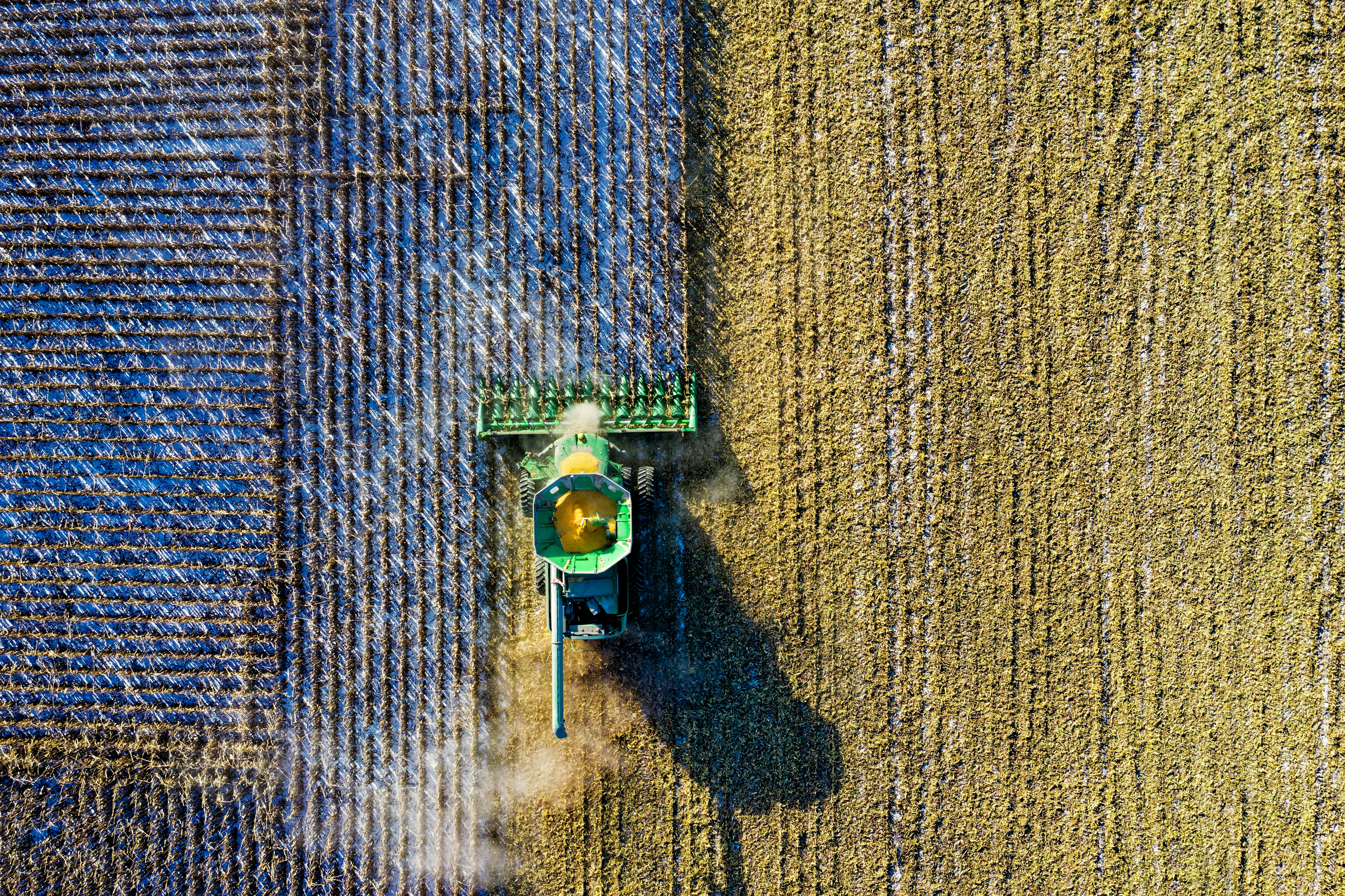
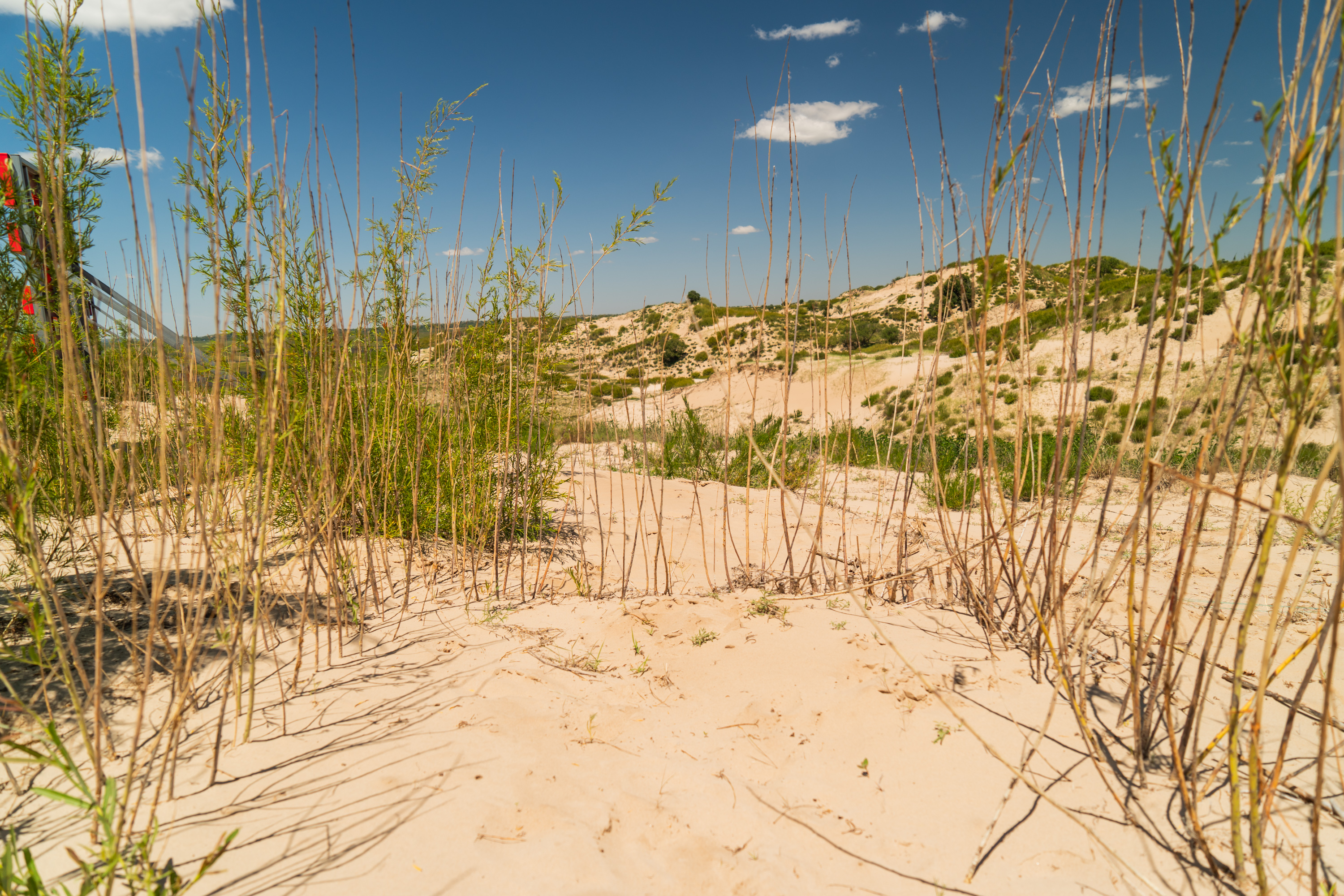
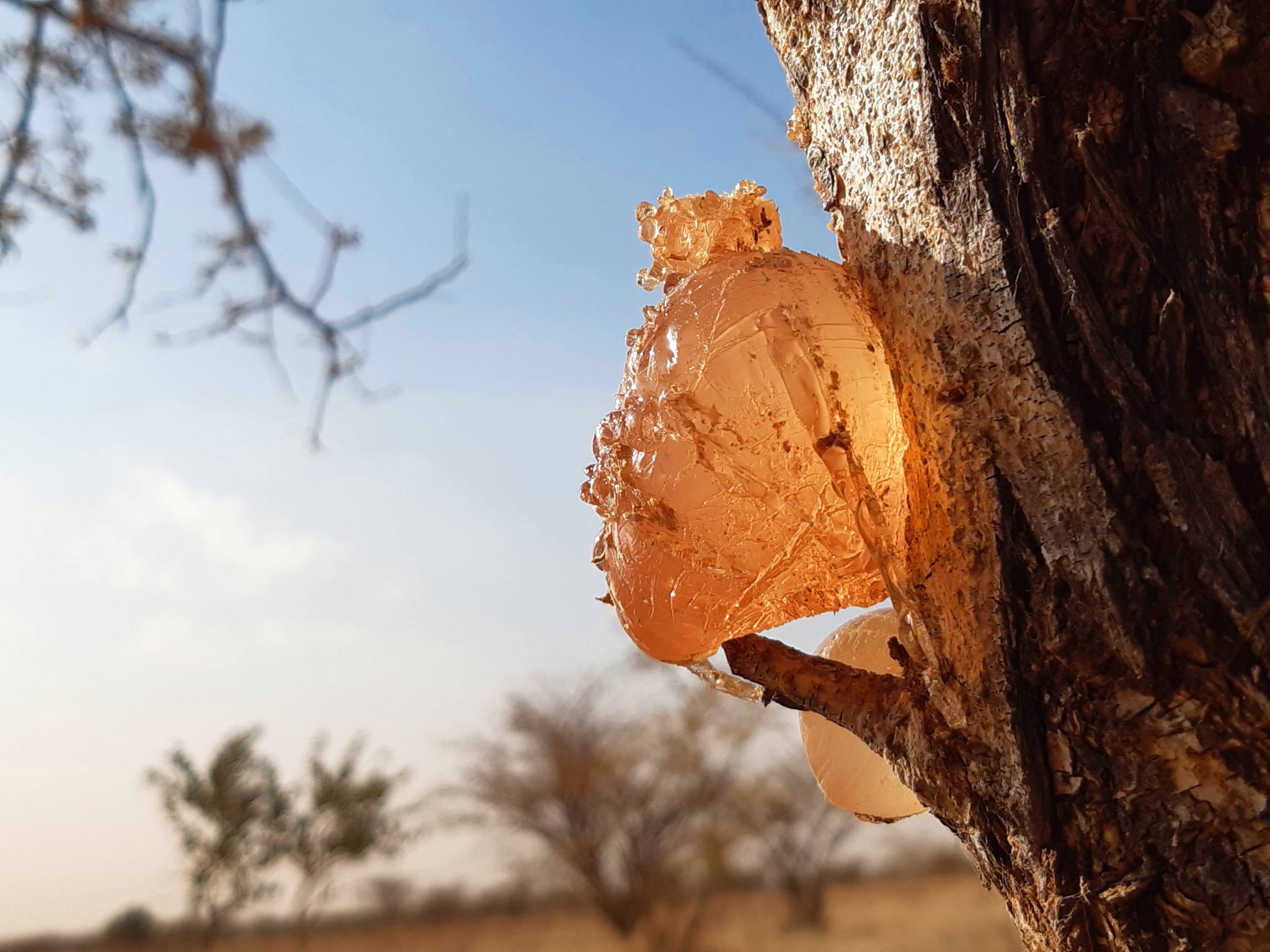


Bona, 7 de abril de 2025 – Acelerar os esforços para restaurar 1,5 mil milhões de hectares de terras degradadas em todo o mundo e impulsionar uma economia de restauração da terra avaliada em biliões de dólares será o foco do Dia da Desertificação e Seca deste ano, a ser celebrado a 17 de junho. O tema do Dia da Desertificação e Seca 2025, “Restaurar a Terra. Criar Oportunidades”, destaca os múltiplos benefícios associados à restauração da terra. Ibrahim Thiaw, Secretário Executivo da Convenção das Nações Unidas para o Combate à Desertificação (UNCCD), afirmou: "A degradação da terra e a seca são fatores de disrupção da economia, da estabilidade, da produção alimentar, da disponibilidade de água e da qualidade de vida. Estes fenómenos agravam as alterações climáticas, a perda de biodiversidade, a pobreza, a migração forçada e os conflitos pelo acesso a terras férteis e a recursos hídricos. A restauração da terra representa uma oportunidade única para reverter estas tendências alarmantes. Uma terra restaurada é uma terra de infinitas oportunidades. É tempo de as criar agora.” Uma terra saudável sustenta economias prósperas, sendo que mais de metade do PIB global depende da natureza. No entanto, este capital natural está a ser esgotado a um ritmo alarmante—cerca de 1 milhão de km² de terras produtivas e saudáveis, uma área equivalente ao tamanho do Egito, degradam-se a cada ano. À medida que a Década das Nações Unidas para a Restauração dos Ecossistemas (2021-2030) atinge o seu ponto intermédio, é essencial acelerar os esforços para transformar a degradação da terra em restauração em grande escala. Se as tendências atuais persistirem, será necessário restaurar 1,5 mil milhões de hectares de terra até 2030 para alcançar um mundo neutro em termos de degradação da terra. Até hoje, um milhão de hectares de terras degradadas foram destinados para restauração através de compromissos voluntários, como a Iniciativa Global de Restauração da Terra do G20, coordenada pela UNCCD. Devolver vida à terra gera inúmeros benefícios para as pessoas e para o meio ambiente. Cada dólar investido na recuperação de terras degradadas pode gerar entre 7 e 30 dólares em retornos económicos. No entanto, apesar do sólido argumento económico, este processo não está a ocorrer à escala e velocidade necessárias. De acordo com a mais recente avaliação das necessidades financeiras do Mecanismo Global da UNCCD, o mundo precisa de 1 bilhão de dólares por dia para combater a desertificação, a degradação da terra e a seca entre 2025 e 2030. Atualmente, os investimentos em restauração da terra e resiliência à seca situam-se em 66 mil milhões de dólares anuais, com o setor privado a contribuir com apenas 6% desse montante. "Precisamos de aumentar a ambição e os investimentos por parte dos governos e do setor privado. Apesar de os benefícios da restauração superarem amplamente os custos, são necessários investimentos iniciais de grande magnitude. Precisamos de desbloquear novas fontes de financiamento, criar empregos dignos no setor da terra e acelerar a inovação, ao mesmo tempo que aproveitamos os conhecimentos tradicionais", concluiu o Secretário Executivo da UNCCD, Ibrahim Thiaw. Sobre o Dia da Desertificação e à Seca Declarado oficialmente pela Assembleia Geral das Nações Unidas em 1994 (A/RES/49/115), o Dia da Desertificação e à Seca, celebrado anualmente a 17 de junho, é uma ocasião única para destacar soluções práticas para combater a desertificação, a degradação da terra e a seca. Todos os anos, um país é escolhido para acolher as celebrações globais. O tema do Dia da Desertificação e à Seca 2025, é “Restaurar a Terra. Criar Oportunidades”, destacando os inúmeros benefícios associados à restauração da terra. Além do evento global principal, países e comunidades em todo o mundo organizam atividades para assinalar a data. As celebrações globais anteriores do Dia da Desertificação e à Seca tiveram lugar na Alemanha (2024), nos EUA (2023), em Espanha (2022), na Costa Rica (2021), na República da Coreia (2020), na Turquia (2019), no Equador (2018), no Burkina Faso (2017) e na China (2016).. Para mais informações, contacte: Gabinete de Imprensa da UNCCD press@unccd.int | www.unccd.int Sobre a UNCCD A Convenção das Nações Unidas para o Combate à Desertificação (UNCCD) é a principal referência global para a gestão sustentável da terra. Reúne governos, cientistas, decisores políticos, setor privado e comunidades em torno de uma visão partilhada e de ações concretas para restaurar e gerir as terras do planeta, garantindo um futuro sustentável para a humanidade e para o meio ambiente. Mais do que um tratado internacional assinado por 197 Partes, a UNCCD representa um compromisso multilateral para mitigar os impactos da degradação da terra e promover a sua restauração, assegurando alimentos, água, abrigo e oportunidades económicas para todos, de forma equitativa e inclusiva.

On the outskirts of Jimma, Ethiopia, a modest tree nursery is thriving against all odds. Here, vibrant green seedlings have sprouted from soil once rendered barren by relentless droughts. Hussein, a local farmer, walks among rows of avocado, banana and papaya seedlings, each symbolizing a new beginning for his family. “These trees are an important source of hope and pride for us,” he says, his voice a mix of pride and relief. This land has endured severe droughts for decades, with erratic rainfall extending the dry season and turning the soil to dust. But in Jimma, an agroforestry project offers a beacon of stability rooted in the soil.The path to Jimma’s environmental rejuvenation commenced with a thorough evaluation of its degraded soil, which had suffered from years of intensive agriculture and persistent droughts. This initiative, the Greening Drylands Partnership, bolstered by the Changwon Initiative, launched by the Republic of Korea during the UNCCD COP10 in 2011, aiming to support the global target of a land degradation-neutral world. Financial backing was provided by the Korea Forest Service through the United Nations Convention to Combat Desertification (UNCCD) and the United Nations Environment Programme (UNEP). They conducted extensive soil sampling throughout the region to assess nutrient and moisture levels and thus the resilience of the soil. Encouragingly, despite its depletion, Jimma’s soil showed potential; with proper care, it was capable of supporting new life.Hussein was one of the first to volunteer, intrigued by the idea that trees could provide benefits beyond his seasonal crops. At first, he didn’t believe trees could survive in this kind of soil, he admits. “We had always relied on corn and tomatoes, but when the drought came, they just dried up.” Today, he stands in the middle of his orchard, surveying the lush canopy that now protects his land. His fruit trees, once tiny saplings, have grown sturdy, their roots reaching deep into the earth. Where corn and peppers once struggled, avocado and banana trees thrive, providing a steady income he’d never imagined. In the past four months alone, he has earned about 72,000 Ethiopian Birr (about $1,300) from fruit sales. For Hussein, the change is more than financial. Hussein is not alone in this transformation. His neighbor, Mohammed, and women’s collectives have also joined the agroforestry project, moving from annual crops to a permanent orchard. They have seen a steady income and now employ other villagers to help with the harvest, extending the project’s impact beyond his land.Jimma’s agroforestry success is part of a larger movement. Across Ethiopia, the Green Legacy Initiative, a national reforestation campaign launched in 2019, has inspired communities to plant trees and protect natural resources. The program has surpassed its initial goal of planting 20 billion trees, setting the country on a path to reverse decades of environmental degradation. The Greening Drylands Partnership, with its direct economic benefits, demonstrates the potential to combine reforestation with income generation, giving struggling farmers a reason to protect their land.In Jimma, agroforestry is gaining traction as a movement, guided by farmers like Hussein, who recognize the importance of selecting the right seeds, planted with care, to ensure resilience.Ethiopia’s droughts persist. Each year, as temperatures rise and rains fail, the country faces increasing pressure to adapt. However, the farmers of Jimma have demonstrated that adaptation is not a matter of surrender. Through agroforestry, they have found a way to thrive in conditions that once seemed impossible. They are actively engaged in reshaping their future, planting trees with a sense of urgency and dedication, as if their very survival depends on it.The roots of resilience are spreading, offering a roadmap for other drought-prone regions in the Horn of Africa and beyond. It serves as a reminder that sometimes the most powerful solution is already present and waiting within our communities.

Bonn, 21 February 2025 – The Government of Mongolia and the United Nations Convention to Combat Desertification (UNCCD) have signed an agreement paving the way for the 17th session of the Convention’s Conference of the Parties (COP17) in Ulaanbaatar in 2026.COP17 will bring together UNCCD’s 197 Parties in a crucial global forum to accelerate action against desertification, land degradation and drought. As one of the most affected countries by desertification, with nearly 77 per cent of its land degraded, Mongolia will leverage COP17 to drive solutions for land restoration, sustainable land management and resilience-building across the world.At the signing ceremony in Bonn, Her Excellency Odontuya Saldan, Mongolia’s Minister of Environment and Climate Change, said: "Mongolia is committed to combating desertification and restoring degraded lands. Through initiatives like the 'Billion Trees' campaign, we are taking decisive steps to protect our environment and ensure a sustainable future for generations to come."UNCCD Executive Secretary Ibrahim Thiaw said: "The urgency of addressing desertification and drought cannot be overstated. COP17 in Mongolia will build on the momentum from COP16 in Riyadh to enhance global commitments, strengthen financial mechanisms and foster cross-sector partnerships."According to UNCCD data, up to 40 percent of the world’s land is degraded, affecting nearly half of humanity and threatening climate stability, biodiversity and livelihoods. Addressing land degradation is essential for food security, water availability and resilience to climate change.COP17, set for 2026 during the International Year of Rangelands and Pastoralists (IYRP) — declared by the United Nations General Assembly and championed by Mongolia — will build on efforts to promote the sustainable management, restoration and conservation of rangelands. These vast grazing ecosystems are vital for the economy, food security, biodiversity and climate resilience, yet more than 50 per cent are facing alarming degradation. Rangelands not only support smallholder herders, farmers and indigenous communities but also play a crucial role in stabilizing soil, regulating water cycles, enhancing biodiversity and storing carbon. Strengthening their management is essential for the economy of the estimated 500 million pastoralists, making COP17 a key moment for Indigenous Peoples and local communities.With 60 percent of Central Asia and Mongolia’s land used as grazing rangelands, supporting nearly one-third of the region’s population, sustainable land management is a national priority. Despite their value, they have historically received less attention and funding than forests and wetlands. COP17 and the IYRP will provide a vital platform to advance sustainable land management and reinforce global commitments to rangeland restoration.The two-week conference will feature a high-level segment, thematic dialogues and forums, including the Gender Caucus and the first-ever Indigenous Peoples Caucus. In addition, Youth Forum and the Business4Land Forum will engage youth and the private sector in sustainable land management solutions.COP17 in Mongolia will serve as a global platform to address climate challenges, with a focus on desertification, drought and renewable energy transition. Strengthening international cooperation will be key to boosting climate investment, creating green jobs and fostering sustainable development. Mongolia faces serious environmental threats, including soil degradation, sand and dust storms and desertification, making environmental protection and green growth national priorities.In line with its Land Degradation Neutrality (LDN) targets, Mongolia aims to reduce deforestation and forest degradation to maintain forest cover at 9 per cent of the total area by 2030, promote sustainable grassland management to halt further degradation, increase agricultural yields and ensure no net loss of wetlands by 2030.Building on the progress made at UNCCD COP16 held in Riyadh, Saudi Arabia, in December 2024, nations will work towards finalizing a comprehensive global drought regime to enhance preparedness and resilience against increasing drought risks.For more information, please contact:UNCCD Press Office, press@unccd.int, https://www.unccd.int/, @unccdAbout UNCCD The United Nations Convention to Combat Desertification (UNCCD) is an international agreement on good land stewardship. It helps people, communities and countries create wealth, grow economies and secure enough food, clean water and energy by ensuring land users an enabling environment for sustainable land management. Through partnerships, the Convention’s 197 parties set up robust systems to manage drought promptly and effectively. Good land stewardship based on sound policy and science helps integrate and accelerate achievement of the Sustainable Development Goals, builds resilience to climate change and prevents biodiversity loss. About the International Year of Rangelands and Pastoralists On the initiative of Mongolia, the United Nations General Assembly has designated 2026 the International Year of Rangelands and Pastoralists (IYRP 2026) to enhance rangeland management and the lives of pastoralists. With this declaration, UN Member States are called upon to invest in sustainable rangeland management, to restore degraded lands, to improve market access by pastoralists, to enhance livestock extension services and to fill knowledge gaps on rangelands and pastoralism. The IYRP 2026 will coincide with the UNCCD COP17 to be hosted by Mongolia. https://iyrp.info

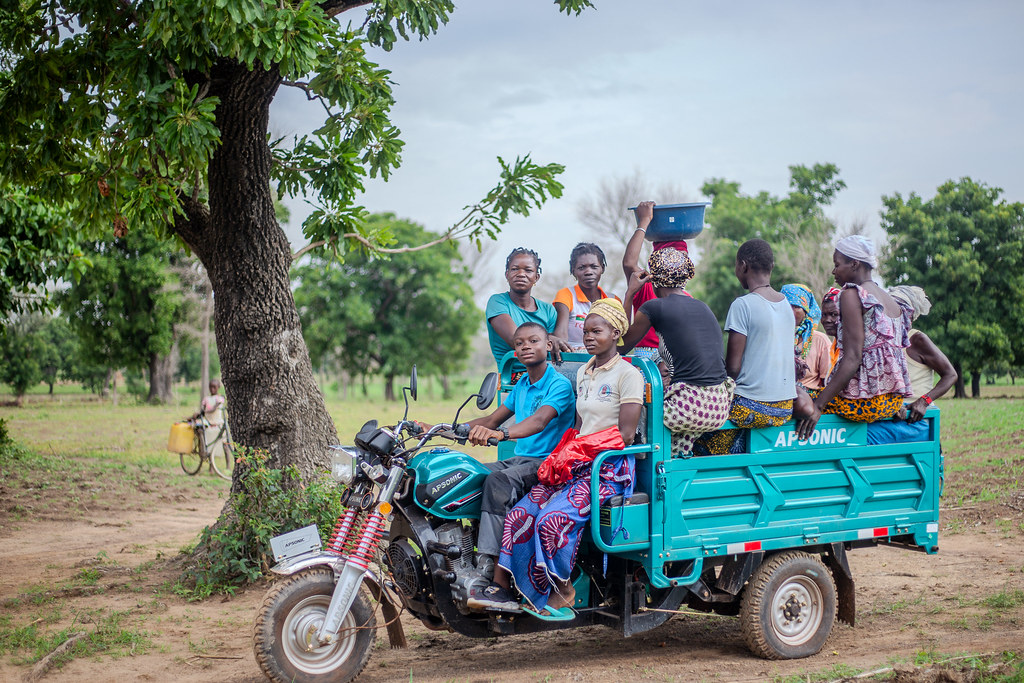
Dano, Ioba province of Burkina Faso - As dawn breaks, the village of Tambiri, in Burkina Faso's Ioba province, is already quite busy. Women like Dabiré Ngalle, head of the Ngongele women's group, start their day with a sense of urgency, shaped by generations of struggle and survival. Dabiré leads her team into the shea groves, which are the main source of income for their families and communities. Yet these emblematic Sahelian trees are now at the heart of a long-running ecological crisis. Dabiré Ngalle, president of the Ngongele Women’s Cooperative | The women of Tambiri stand together at the heart of their community, bearing generations of knowledge and responsibility for preserving shea trees.The shea tree (Vitellaria paradoxa), often called the "tree of life," has long provided shade, food and income throughout West Africa. In Burkina Faso alone, its economic and cultural value is considerable: some 800,000 tons of shea nuts are harvested each year, with women forming the backbone of this supply chain. But these trees are disappearing.Decades of deforestation, unsustainable farming practices and climate change have decimated the shea tree population. Studies show that drought stress alone has led to seedling mortality rates of up to 40% in some regions. Traditional farming methods, based on slow-growing seeds, are no longer sufficient."Every tree we lose is a piece of our history that is disappearing", Dabiré says in a measured but determined voice.The shea tree is more than a commodity; it's a key species in the Sahel's fragile ecosystem. For many rural women, it provides up to 80 percent of their household income. The production of shea butter, valued worldwide for its cosmetic and therapeutic properties, is both a livelihood and a heritage. But the decline of shea plantations has forced women to adapt in ways that strain their already precarious livelihoods.In Niemi, a neighboring village to Tambiri, memories of the abundance of shea trees are fading. "When I was young, shea trees were everywhere," recalls one woman. "Now the groves are like scattered islands, shrinking every year.The challenges women face go beyond the environmental. In Tambiri and beyond, traditional land tenure practices mean that women often have no guaranteed rights to the land on which they depend. This legal insecurity is a major obstacle to long-term investment in agroforestry or soil restoration.If my husband dies, my farm will be taken over by my in-laws," explains one woman. Her story is repeated throughout the region, where patriarchal norms limit women's autonomy in land-use decisions. Advocacy for land reform has gained momentum, with local leaders and NGOs pushing for policies that grant women ownership or long-term leases, but progress remains slow.Despite the challenges, new initiatives are offering a glimmer of hope. The Global Shea Alliance (GSA), in partnership with local NGOs and international bodies like the UNCCD are introducing regenerative agroforestry practices. These methods aim to balance ecological restoration with economic resilience."We used to plant trees without fully understanding how to take care of them," admits a participant in a training program in Niemi. "Now we know how to take care of the seedlings, so they survive."The programs also provide boreholes, which have reduced the backbreaking work of fetching water, and tricycles, which streamline the transportation of heavy shea nuts. These interventions are modest but meaningful, allowing women to reclaim time and energy for other tasks.The GSA's latest call to action - to restore four million hectares of Sahel parkland by 2030 - is ambitious. This restoration effort dovetails with the Great Green Wall Initiative, a broader strategy to address land degradation across the Sahel. But such large-scale projects often face funding gaps and logistical hurdles."It's not just about planting trees," emphasizes Gilles Amadou Ouedraogo, a UNCCD program officer. "It's about restoring ecosystems, empowering women, and ensuring the long-term viability of these landscapes."As daylight fades in Tambiri, Dabiré reflects on the challenges ahead. For her and the women of the Ngongele cooperative, the struggle is personal and generational. Each tree they plant is a seed of hope, an act of quiet defiance against the forces eroding their world."We're not just planting trees; we're panting for the survival of our children and their children," she says. Her words convey the quiet resilience of a community determined to preserve not just a species, but an entire way of life.The future of shea - and the millions who depend on it - will depend on a delicate balance of politics, environmental stewardship and the enduring determination of women like Dabiré.

The world’s population is on track to reaching 10 billion by 2050, just as the planetary systems that sustain life on Earth are being pushed to their limits — and with them, our ability to provide food and water and to prevent large-scale displacements, rippling economic shocks and conflict.

Side events organized within the sidelines of the official sessions of the Conference of the Parties (COP) and/or its subsidiary bodies convened by the UNCCD provide an informal opportunity for Parties and accredited observer organizations to exchange information and experiences on diverse issues related to the objectives of the Convention. Parties and accredited observers wishing to organize a side event during the conference are requested to apply using the following form and submitting it to: sideevent@unccd.int The application form can be downloaded from the Resources tab on this page and should be submitted by 6 September 2024. Participants are advised that the secretariat is responsible only for room allocation. Time slots and rooms will be accommodated according to availability on a first come, first serve basis. For more information, click here.
