Stories
Latest

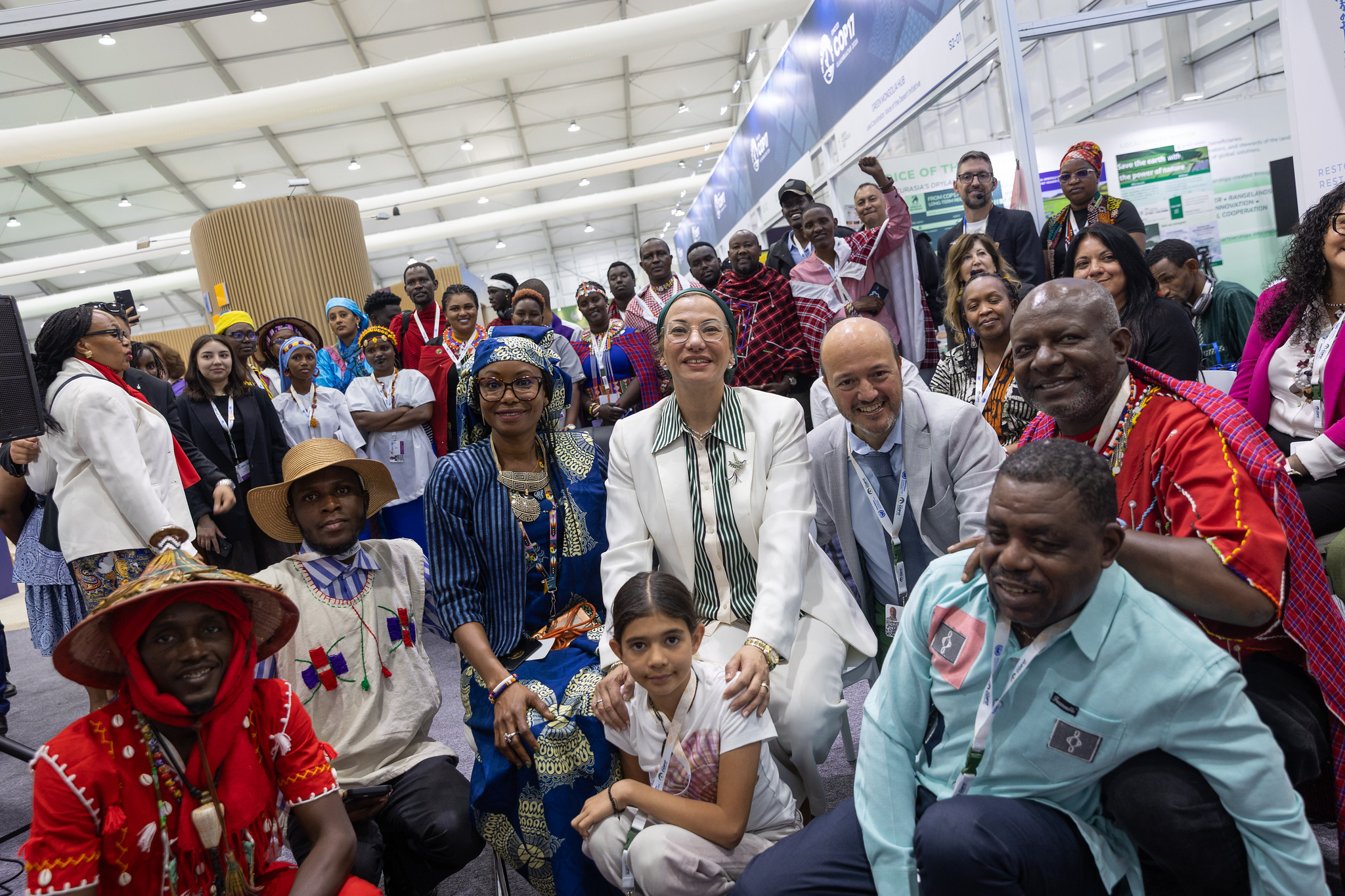
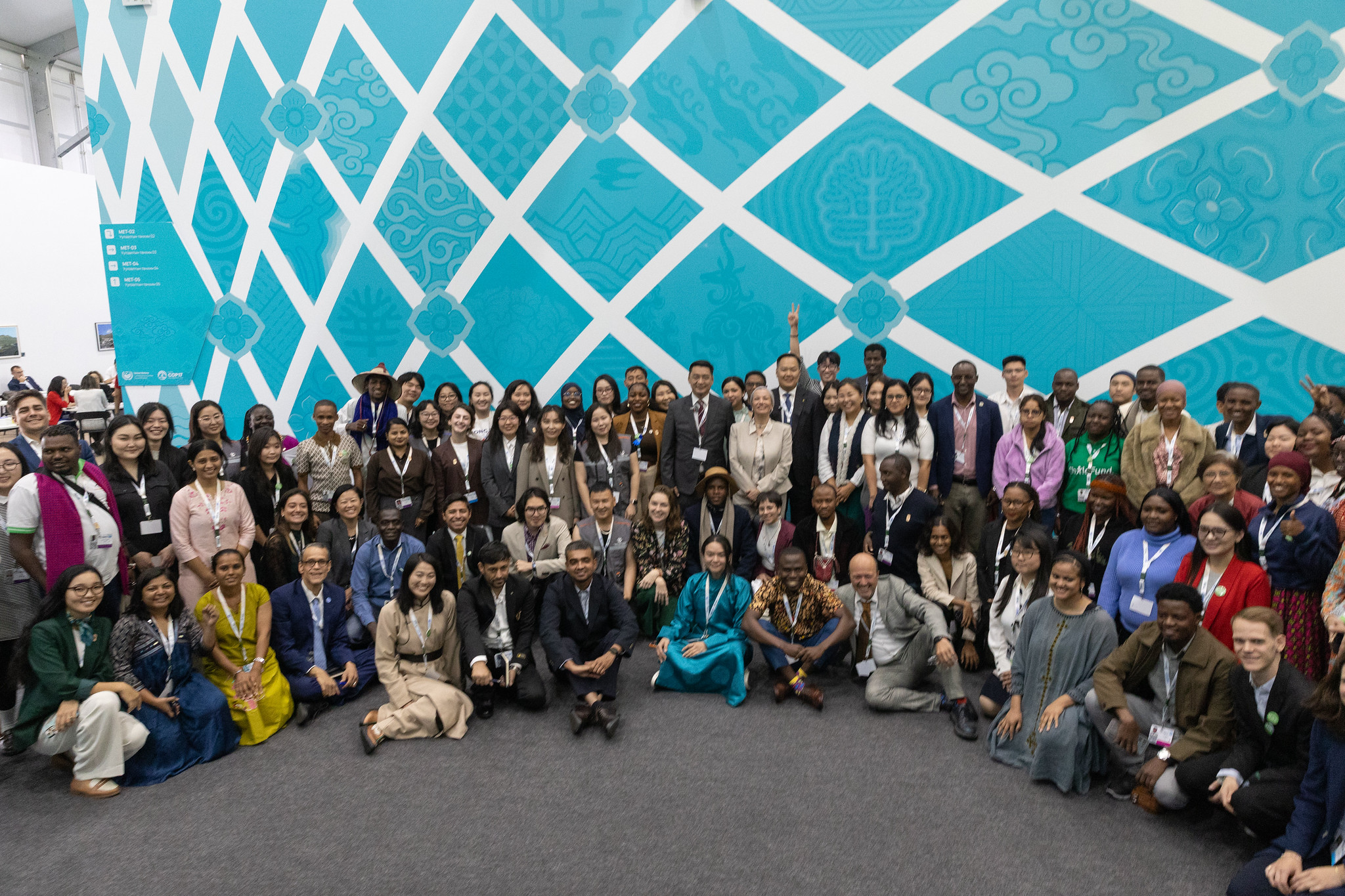

Mayors' Forum at COP16 highlights urban-rural synergies for sustainable land managementEngineer Waleed Al-Akrich, Deputy for Projects of the Riyadh Municipality, represented Dr. Faisal Al-Hadlaziz Al-Hayyar, Mayor of Riyadh. In his opening remarks, Al-Akrich emphasized the critical role of local and regional governments in combating desertification, land degradation, and drought. Speaking under the theme "Our Land, Our Future," he highlighted the transformative potential of multilevel governance frameworks, urging collaboration across governments, NGOs, and international entities."To secure our land and ensure our future, we need transformative policies, knowledge sharing, and partnerships that transcend borders," he declared.Moderated by Carlos Correa, former Mayor of Montevideo, the forum showcased diverse perspectives from mayors and local leaders worldwide. Uğur İbrahim Altay, Mayor of Konya and President of UCLG, shared innovative efforts in Turkey, such as restoring the dried Meke Lake and advancing water conservation. Noraini Roslan, representing Selangor State, Malaysia, highlighted strategies balancing urbanization with sustainability, including mangrove rehabilitation and wetland protection. Mohamed Sefiani, Mayor of Chefchaouen, Morocco, illustrated the importance of urban-rural linkages in local reforestation and ecosystem restoration efforts to combat climate change.The panel emphasized the need for collaborative governance, knowledge sharing, and sustainable solutions like nature-based projects, urban nature components, and integrated land-use planning. Participants stressed the importance of local governments as first responders to challenges such as land degradation, food security, and climate change, urging institutionalized roles for local authorities within the UNCCD framework.Rethinking urban-rural connections: A path to sustainable land useBuilding on the discussions from the Mayor's Forum, the release of the Primer on Urban-Rural Linkages and Land highlights how these connections are pivotal for sustainable development. Developed by UNCCD and UN-Habitat, the Primer offers a roadmap to foster equitable and sustainable interactions between urban and rural communities.Urban-rural linkages—flows of people, goods, services and ideas—are essential to sustain both vibrant urban centers and thriving rural communities. However, they also bring unique challenges, as detailed in the Primer. These include fragmented governance, resource exploitation, peri-urban expansion, and the interconnected challenges of land degradation and climate change. The Primer outlines solutions that prioritize multilevel governance, integrated land-use planning and nature-based approaches like investing in green infrastructure to support ecosystem health.Over 4.4 billion people live in urban areas today, a number expected to rise to 68% by 2050. Despite occupying less than 3% of the Earth's surface, cities consume nearly 70% of natural resources and generate over 70% of global emissions. Meanwhile, rural areas—providing essential resources like food, water, and energy—face increasing pressures from urban demand, deforestation, and land degradation. Strengthening urban-rural linkages is critical to address these disparities and build resilience against future challenges."We convene today as stewards of our communities, championing a future that aligns the social and ecological functions of land with the new urban agenda," stated Anacláudia Rossbach, Executive Director of UN-Habitat, who announced the Primer via video during the forum. She underscored the need for inclusive solutions to address migration pressures, food security, and water scarcity while ensuring no one is left behind.Setting the benchmark for collaborationThe discussions at COP16 and the launch of the Primer reaffirmed the commitment to stronger urban-rural linkages and sustainable land management. By aligning policies and actions across scales, the forum highlighted the critical role of local governments in shaping a resilient future.

Riyadh, Saudi Arabia – December 2024The United Nations Convention to Combat Desertification (UNCCD) and Shenyang University of China have signed a Letter of Intent (LOI) on the sidelines of the 16th Conference of the Parties (UNCCD COP16) in Riyadh, Saudi Arabia. This landmark step underscores a shared commitment to advancing research, capacity building, and technology transfer in the critical areas of black soil carbon and sustainable land management (SLM).The collaboration aims to address the global challenge of black soil degradation, which has significant implications for food security, climate change mitigation, and combating desertification. Both parties recognize the pressing need to fill knowledge gaps and promote sustainable practices that enhance land resilience and productivity.Key objectives of the collaboration:Promotion of south-south cooperation on combating Desertification, Land Degradation and Drought (DLDD) in general and black soil carbon management in particular.Joint research initiatives: Focusing on black soil carbon dynamics and innovative land management strategies.Knowledge management: Facilitating knowledge sharing and exchange of technologies, experiences and best practices and building capacity among practitioners and researchers to implement sustainable land practices.Technology transfer: Facilitating the exchange of cutting-edge technologies and best practices in combating desertification and land degradation.The LOI also outlines plans to explore the establishment of an International Black Soil Carbon and Sustainable Land Management Research Center. This center will serve as a hub for knowledge sharing and scientific collaboration, driving progress toward achieving Land Degradation Neutrality (LDN).Andrea Meza Murillo, Deputy Executive Secretary of the UNCCD, and Zhao Yanzhi, President of Shenyang University, emphasized the importance of this partnership in addressing global land degradation challenges.This collaboration marks a significant step forward in the fight against desertification, contributing to the broader goals of the UNCCD Strategic Framework 2018-2030 and the 2030 Sustainable Development Goals (SDGs).

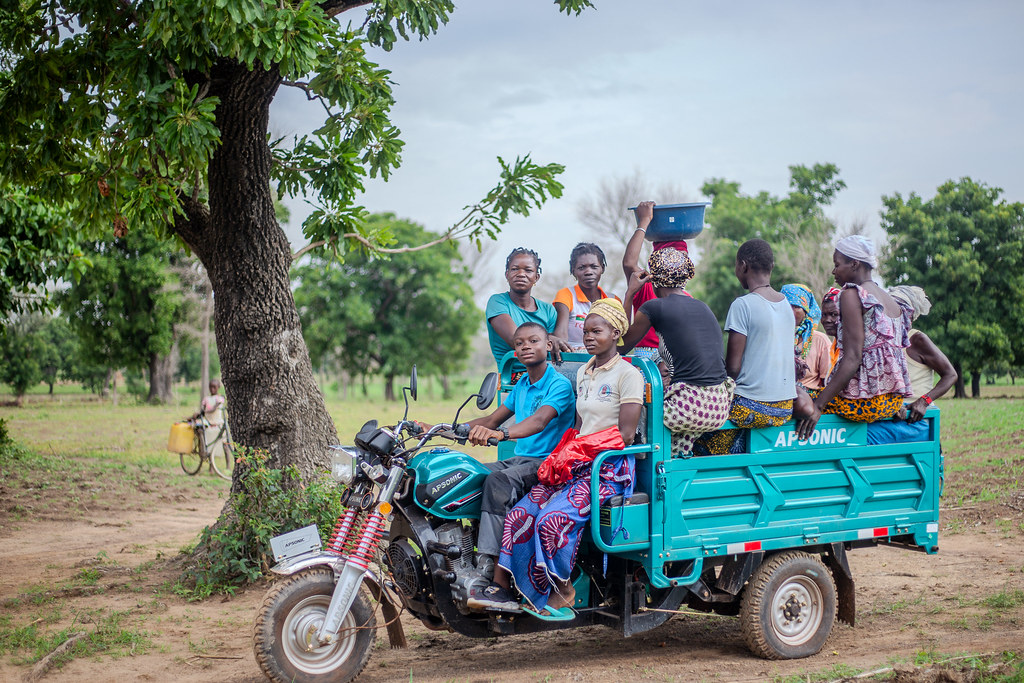
Dano, Ioba province of Burkina Faso - As dawn breaks, the village of Tambiri, in Burkina Faso's Ioba province, is already quite busy. Women like Dabiré Ngalle, head of the Ngongele women's group, start their day with a sense of urgency, shaped by generations of struggle and survival. Dabiré leads her team into the shea groves, which are the main source of income for their families and communities. Yet these emblematic Sahelian trees are now at the heart of a long-running ecological crisis. Dabiré Ngalle, president of the Ngongele Women’s Cooperative | The women of Tambiri stand together at the heart of their community, bearing generations of knowledge and responsibility for preserving shea trees.The shea tree (Vitellaria paradoxa), often called the "tree of life," has long provided shade, food and income throughout West Africa. In Burkina Faso alone, its economic and cultural value is considerable: some 800,000 tons of shea nuts are harvested each year, with women forming the backbone of this supply chain. But these trees are disappearing.Decades of deforestation, unsustainable farming practices and climate change have decimated the shea tree population. Studies show that drought stress alone has led to seedling mortality rates of up to 40% in some regions. Traditional farming methods, based on slow-growing seeds, are no longer sufficient."Every tree we lose is a piece of our history that is disappearing", Dabiré says in a measured but determined voice.The shea tree is more than a commodity; it's a key species in the Sahel's fragile ecosystem. For many rural women, it provides up to 80 percent of their household income. The production of shea butter, valued worldwide for its cosmetic and therapeutic properties, is both a livelihood and a heritage. But the decline of shea plantations has forced women to adapt in ways that strain their already precarious livelihoods.In Niemi, a neighboring village to Tambiri, memories of the abundance of shea trees are fading. "When I was young, shea trees were everywhere," recalls one woman. "Now the groves are like scattered islands, shrinking every year.The challenges women face go beyond the environmental. In Tambiri and beyond, traditional land tenure practices mean that women often have no guaranteed rights to the land on which they depend. This legal insecurity is a major obstacle to long-term investment in agroforestry or soil restoration.If my husband dies, my farm will be taken over by my in-laws," explains one woman. Her story is repeated throughout the region, where patriarchal norms limit women's autonomy in land-use decisions. Advocacy for land reform has gained momentum, with local leaders and NGOs pushing for policies that grant women ownership or long-term leases, but progress remains slow.Despite the challenges, new initiatives are offering a glimmer of hope. The Global Shea Alliance (GSA), in partnership with local NGOs and international bodies like the UNCCD are introducing regenerative agroforestry practices. These methods aim to balance ecological restoration with economic resilience."We used to plant trees without fully understanding how to take care of them," admits a participant in a training program in Niemi. "Now we know how to take care of the seedlings, so they survive."The programs also provide boreholes, which have reduced the backbreaking work of fetching water, and tricycles, which streamline the transportation of heavy shea nuts. These interventions are modest but meaningful, allowing women to reclaim time and energy for other tasks.The GSA's latest call to action - to restore four million hectares of Sahel parkland by 2030 - is ambitious. This restoration effort dovetails with the Great Green Wall Initiative, a broader strategy to address land degradation across the Sahel. But such large-scale projects often face funding gaps and logistical hurdles."It's not just about planting trees," emphasizes Gilles Amadou Ouedraogo, a UNCCD program officer. "It's about restoring ecosystems, empowering women, and ensuring the long-term viability of these landscapes."As daylight fades in Tambiri, Dabiré reflects on the challenges ahead. For her and the women of the Ngongele cooperative, the struggle is personal and generational. Each tree they plant is a seed of hope, an act of quiet defiance against the forces eroding their world."We're not just planting trees; we're panting for the survival of our children and their children," she says. Her words convey the quiet resilience of a community determined to preserve not just a species, but an entire way of life.The future of shea - and the millions who depend on it - will depend on a delicate balance of politics, environmental stewardship and the enduring determination of women like Dabiré.

The Earth Negotiations Bulletin (ENB) is providing comprehensive daily multimedia coverage of COP 16, including detailed reports, photographs and analyses of events and proceedings. The ENB is a balanced, timely and independent reporting service, covering the UN environmental and development negotiations. If is the flagship publication of the International Institute for Sustainable Development (IISD), a non-profit organization based in Canada. Many UN delegates, ministers and other governmental officials, NGOs, the business community, the academia, the. Media and UN staff who track environment and sustainable development issues consider the ENB coverage to be essential reading, respecting its impartial and comprehensive coverage.All ENB photos are free to use with attribution.

In the lead-up to UNCCD COP16, our new podcast series On the road to Riyadh: Conversation on land, people and the planet spotlights critical conversations on land health, climate resilience and sustainable solutions. Each episode will focus on the Action Agenda of the , bringing expert insights, compelling stories and actionable solutions to global audiences.The series will emphasize how healthy land is central to the well-being of the planet’s ecosystems, biodiversity and global economy. Episode 1: Land Day - The future of land conservation: Driving change through innovationJoin us for an insightful discussion on the importance of land restoration and the power of youth-led environmental initiatives. Episode 2: Governance Day - Understanding land governace and why it mattersJoin UNCCD Deputy Executive Secretary as she explores the role of governance in sustainable land management. From the empowerment of women and Indigenous Peoples to the role of sub-national governments, she highlights the key strategies and actions needed to reach the Land Degradation Neutrality goals. Episode 3: Science Day - Accelerating science and technology solutions for land resilienceJoin Barron Joseph Orr, UNCCD Chief Scientist as he explores the critical role of science in building land resilience through land restoration. Bridging the gap between science and policy is key to addressing land degradation and restoring land productivity. Main challenges include translating restoration ambitions into action, securing funding, using high-resolution data and building resilience to crises. Episode 4: Finance Day - Financing land restoration and drought resilienceJoin the insightful conversation between the CEO and Chair of the GEF, and theManaging Director of the UNCCD Global Mechanism Louise Baker, as they discuss the important role of finance in achieving land restoration and drought resilience goals and the paradigm shifts needed to address funding and action gaps in the Rio Conventions. Challenges in scaling up conservation efforts and the need for economic and institutional reforms require broader stakeholder engagement beyond environment ministries, increasing the role of local government involvement and financial support for the success of sustainable initiatives.

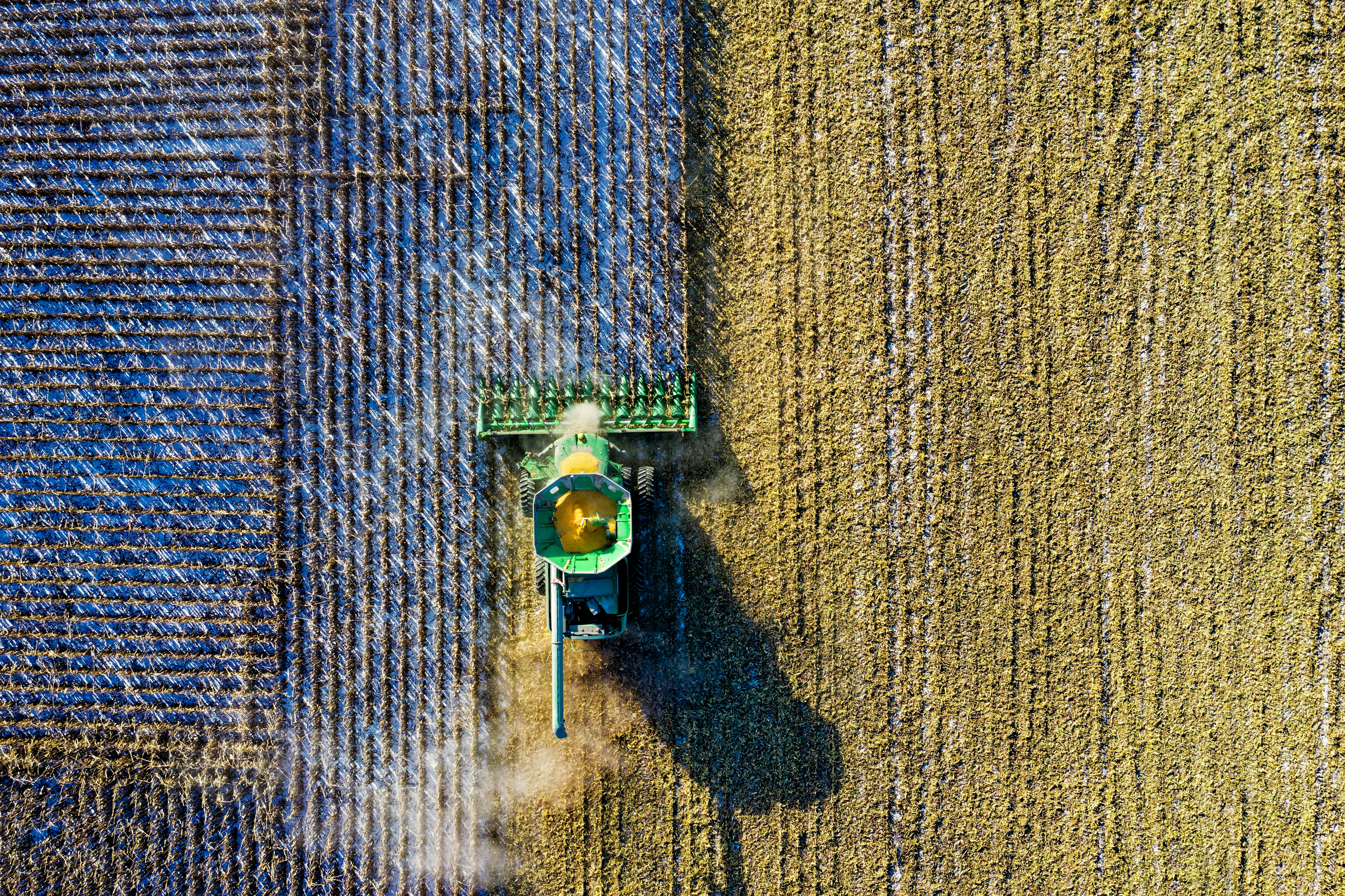
Every year, over 100 million hectares of land are degraded through urbanization, deforestation, and overexploitation, trends accelerated by climate change. Land degradation now affects one in four people worldwide, while droughts become more frequent and severe. The results of the UNCCD 2022 national reporting process, encompassing data from 126 countries, provide a startling view into the rapid global loss of productive land. This data is publicly accessible on the UNCCD Data Dashboard, asserting the need for actionable information in combating land degradation. In response, the UNCCD, alongside WOCAT and the University of Bern's Centre for Development and Environment, are launching The Land Story, a new publication that shares insights and methodologies from 30 countries that contributed to improving land degradation and drought reporting. While far from exhaustive, the publication offers a unique view into diverse national approaches to challenges in data availability, reliability and resources. UNCCD Executive Secretary Ibrahim Thiaw expressed his gratitude to the countries that contributed to the 2022 national reporting, noting, “I hope the experience and lessons learned captured in this publication will act as an inspiration to all countries and provide practical ideas on how they can improve their own reporting in future.” Country highlights from The Land Story: Panama: By convening over 30 cross-sectoral stakeholders in a workshop, Panama collaboratively selected land cover maps with local relevance, strengthening data accuracy over global datasets and boosting national confidence in degradation estimates. Bhutan: Leveraging both expert insight and on-the-ground data, Bhutan aligned land productivity mapping with the country's known realities. Maps and statistics on areas affected by forest fires, infestations, timber extraction and mining further enriched the accuracy of their reporting. Türkiye: Focusing on soil health, Türkiye developed 42 regionally specific conversion factors to estimate changes in soil organic carbon (SOC) from land cover transitions. This innovative approach improved precision in assessing SOC changes across the country. South Africa: With access to sex-disaggregated subnational data on social, economic and infrastructural factors, South Africa analyzed drought vulnerability trends since 2014. This data-driven approach has allowed for a nuanced understanding of drought drivers and facilitated tailored resilience plans across diverse regions. Upcoming events and dissemination The publication will debut further at UNCCD COP 16 in Riyadh, during a side event co-hosted by WOCAT and the UNCCD on December 6, 2024. Representatives from featured countries will discuss best practices and lessons learned, showcasing replicable methods for future reporting. An interactive plenary on national reporting, scheduled for December 4, 2024, will precede this event. For further insights, we invite you to explore the UNCCD Data Dashboard.
