Stories
Latest
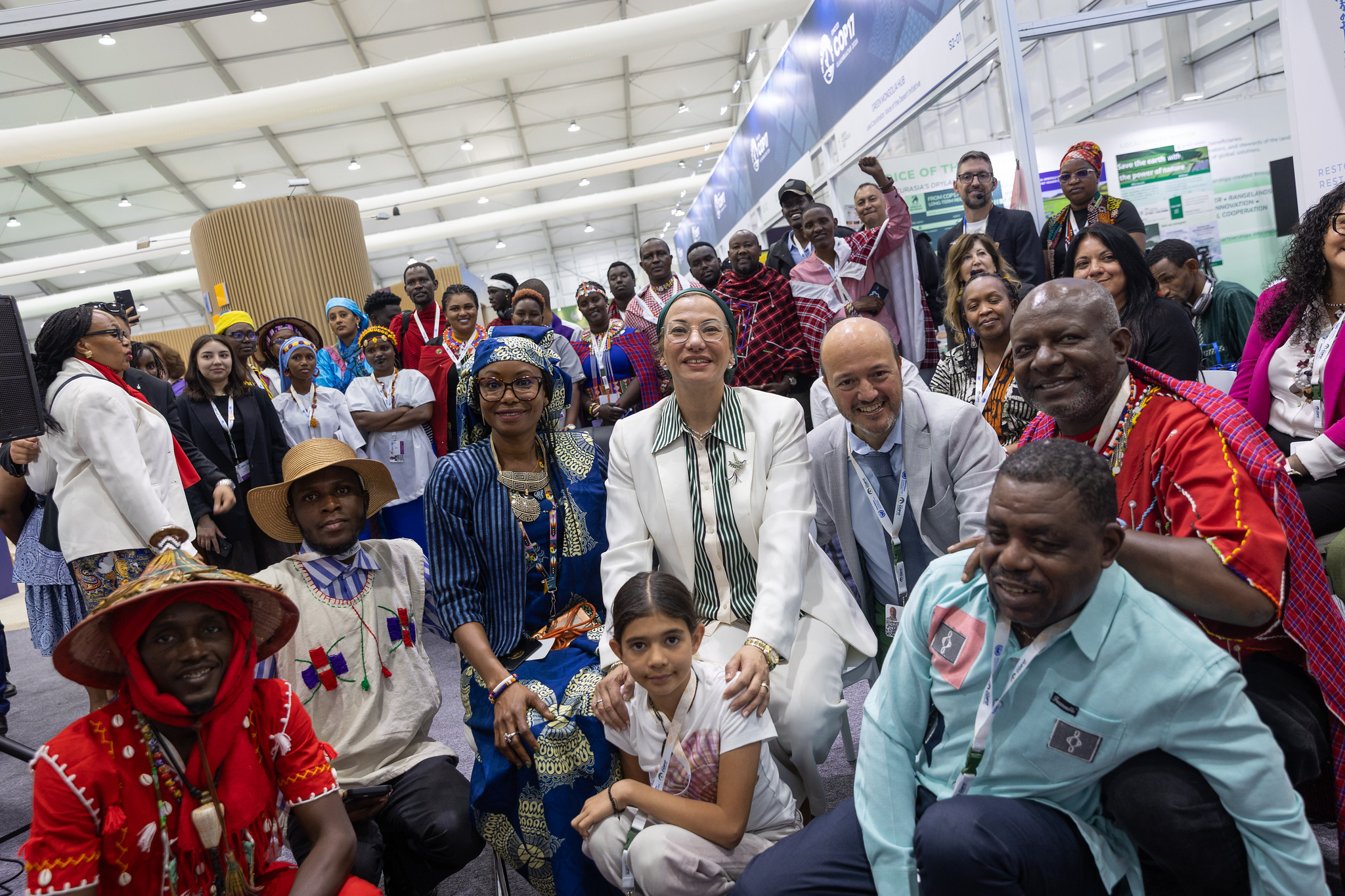
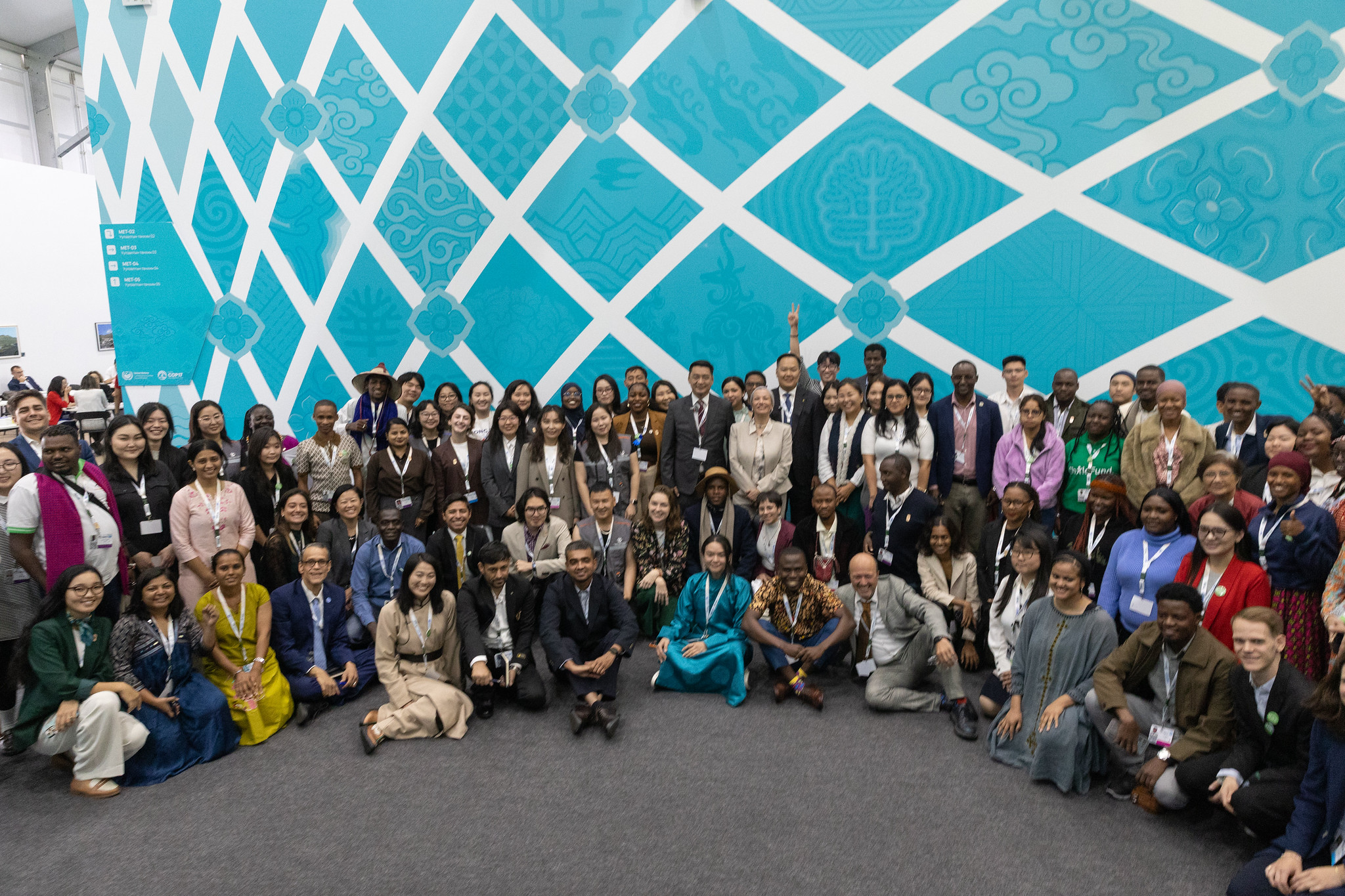
Representatives of more than 30 African countries met in Konya, Türkiye, from 28-30 May to discuss the game plan to launch the land degradation neutrality (LDN) target setting process in Africa. Facilitated by the Global Mechanism and the Secretariat of the UNCCD, hosted by the Turkish Government as President of the Bureau of the UNCCD Conference of Parties, and supported by a multitude of bilateral and multilateral partners, the workshop enabled African countries to understand the key building blocks to defining national voluntary LDN targets and identifying transformative LDN projects and programmes. “LDN is becoming a vehicle to bring together development agendas – from food security to climate action - that so far, have been separate”, said Mr Markus Repnik, Managing Director of the Global Mechanism, in his opening speech. Reminding participants that “climate finance is rapidly becoming a major source of finance for LDN”, Mr Repnik underlined his expectation that the LDN target setting process will support countries to tap into such innovative sources of finance, taking into account the climate finance objective of USD 100 billion per year by 2020. The UNCCD's GM's LDN Target Setting Programme supports countries to define LDN baselines, targets and associated measures to achieve LDN by 2030 as called upon by the Sustainable Development Goals. It furthermore helps countries to create leverage at country level by making the country specific LDN business case, implanting LDN in selected high profile national policies and commitments, ensuring stakeholder engagement at the highest possible level as well as identifying opportunities for the development of transformative LDN projects and programmes. The workshop is part of a global initiative of the UNCCD Secretariat and Global Mechanism supporting more than 90 countries in achieving LDN. The next regional workshop on LDN target setting will take place from 5 to 6 June 2016 in Batumi, Georgia, for the Central and eastern European and Central Asian countries. More than 60 participants met in Konya, Türkiye to discuss a game plan to launch the LDN target setting process in Africa. Related Links: Workshop Report (EN) (736.59 KB) Workshop Report (FR) (1.01 MB)

Ministers from African countries North and South of the Sahara and their development partners have agreed to accelerate progress on the Great Green Wall, Africa’s largest rural development initiative, during a High-Level conference in Dakar, Senegal. The Conference, which was organized by the African Union together with key partners including the Global Mechanism of the UNCCD from 3-7 May 2016, follows on from the recent Global Climate Summit (COP21) in Paris, where world leaders and key development partners pledged an additional USD 4 billion to the Great Green Wall over the next 5 years. The renewed commitments offer fresh hope that the bold ambition of the Great Green Wall – to transform the lives of the Continent’s poorest people by restoring the productivity of its degraded landscapes – can now become a reality. “A decade after the initiative started – originally amidst a lot of scepticism – today the Great Green Wall stands as one of the most innovative and daring endeavours in human history – a real ‘world wonder’.” said Janet Edeme, on behalf of Tumusiime Rhoda Peace, Commissioner of the Department of Rural Economy and Agriculture at the African Union Commission. With 46% of African land currently affected by land degradation, jeopardizing the livelihoods of nearly 65% of the Continent’s population – the planned action along the Great Green Wall is certainly timely. In 2015, more than 20 million people in the Sahel were food insecure. Most of the poor and hungry live in rural areas and a major part of their income comes from agriculture. Moreover, the excess unskilled labour arriving from rural areas can no longer easily be absorbed in cities already at bursting point. To address the lack of opportunities, economic migrants with the resources to do so are undertaking long journeys, frequently under desperate conditions. Many risk their lives in search of a better life on the European continent. Millions more are expected to follow imminently, as climate change amplifies the threat posed by an already declining natural resource base. “Every day on news stations around the world, we see the impact that land degradation is having in the Sahel”, highlighted Camilla Nordheim-Larsen of the Global Mechanism of the UN Convention to Combat Desertification. “Flash floods in Niger, the Boko Haram massacres in the Lake Chad region, food crises in the Horn of Africa, and terrorist attacks in Mali and Burkina Faso. At their root, all of these can be traced back to a cycle of poverty and lack of opportunity that is fuelled by the declining productivity of natural resources.’’ Amidst these urgent challenges, the Great Green Wall promises to be a compelling part of the solution; by providing people with improved economic prospects, a cushion against climate change, a reason to stay for unemployed youth set to migrate from the region, whilst helping to restore political stability. Indeed, since the Initiative’s launch in 2007 by African Heads of State, significant progress has already been recorded. For example in Senegal, more than 11 million trees have been planted, in Nigeria 20,000 jobs have been created in rural areas and in Ethiopia 15 million hectares of degraded land have been restored. “We all understand that the Great Green Wall Initiative is more than just a green belt: it is a strategy for maximizing the opportunities of the Sahara and Sahel region, through real involvement of communities and local governments”, affirmed Abdoulaye Balde, Senegal Minister of Environment and Sustainable Development. “Our survival now depends on our efforts and convictions.” The Conference culminated in the ‘Dakar Declaration’, which Ministers and key development partners agreed would act as a roadmap for defining the way forward to help the Great Green Wall realize its full potential as a lifeline for the Continent’s poorest people, not just to survive but to thrive once more on their ancestral lands. Related links: Great Green Wall Brochure (1.21 MB)
The Global Mechanism has showcased its groundbreaking Virtual Reality (VR) experience on Africa’s Great Green Wall, at an international symposium organized to coincide with the first global report on the State of the World’s Plants. The landmark event, organized by the Royal Botanical Gardens of Kew, was opened by Lord Gardiner of the UK Parliament on 11 May 2016, in London. The State of the World’s Plants report provides for the first time a baseline assessment of our current knowledge on the diversity of plants on earth, the global threats these plants currently face, and the policies dealing with them. Kew’s State of the World’s Plants will set an important standard from which we can annually track trends in biodiversity for years to come. The VR experience, ‘Growing a world wonder’, formed a key focus for the event showing international policymakers, scientific experts and parliamentarians, the impact plants can have on people’s lives in tackling the urgent challenges facing humanity, including food security and climate change. The film itself, which is shot in 360 degrees using high-powered drones, focuses on the story of an 8 year old girl called Binta, whose community in Northern Senegal are transforming their future prospects through the implementation of the project. Speaking at the event, the Global Mechanism’s Camilla Nordheim-Larsen, highlighted that ‘The Great Green Wall is a compelling example of the impact that plants can have on people’s lives, where communities in one of the world’s poorest regions - the Sahel - live off what the land produces for their every day survival’. Kew has been actively involved in the Great Green Wall for the past few years, with a specific responsibility in selecting many of the drought resistant species grown along the wall, particularly those with an economic use for local communities. As a public institution with 2 million visitors a year from around the globe, the UNCCD and Kew are expanding their partnership with a series of upcoming events this summer to educate the general public about the Great Green Wall including through pioneering Virtual Reality. Related links: Virtual Reality film Partners: ROYAL BOTANICAL GARDENS OF KEW
In order to achieve LDN by 2030, there is a need to mobilize large amounts of financial resources for land rehabilitation and degradation avoidance. Public resources alone will not be sufficient. Attracting private sector financing will be crucial. The UNCCD Global Mechanism is collaborating with specialized experts and advisors to develop the LDN Fund. Mirova, an affiliate of Natixis Investment Managers dedicated to responsible investing, has been selected as the Fund structuring partner. Since the inception of the LDN Fund project, the UNCCD has been pursuing a collaborative approach with leading non-governmental and public international institutions whose knowledge and experience contribute to the development and refinement of the Fund. The Global Mechanism and Mirova are assisted by an Advisory Group drawn from senior members of the Fund’s main stakeholders. It actively contributes to the Fund’s development and structuring process by advising on key issues, such as the environmental and social performance standards. Hosted by WWF International, the first meeting of the Advisory Group took place on 29 April 2016 in Gland, Switzerland. The meeting gave important recommendations on several emerging features of the LDN Fund, which are intended to facilitate progress in its development going forward. The meeting discussed four main topics: LDN Background and market study LDN Fund overview, governance and emerging pipeline Technical Assistance Facilities Environmental & Social Safeguards, Performance Standards and Eligibility Criteria Following the AG meeting, the structuring of the Fund will continue, in parallel with the development of the initial project pipeline. It is envisioned that the LDN Fund will be launched by the end of 2016. Read more: The LDN Fund
Over the past few months, the Global Mechanism of the UNCCD has been working with the global branding agency, venture three, to promote the local and global benefits of the Great Green Wall to a worldwide audience. The Great Green Wall – an epic ambition to restore the productivity of an 8000km stretch of land across 12 African countries – is all about collaboration, so we wanted to open up our brief to as many minds as possible. At the end of last year, venture three and the UNCCD invited final year students at the London College of Communication to help us ‘Make the Great Green Wall famous’ in whatever creative ways they thought could boost mass awareness of the initiative. Ten of the best ideas were recently showcased at an exhibition at venture three’s studio in London, three of which were shortlisted by a panel including the UNCCD Executive Secretary, Monique Barbut, for potential further development. These included: Sumi Khan’s beautifully simplistic The Hourglass, which symbolizes Africa’s Great Green Wall fighting back against the threat of desertification:“Within the hourglass, sand acts as the Sahara desert, the tree represents hope for the future of Africa, while the seeping sand symbolizes the passing of time.”The installation also features a gift box, which includes a mini hourglass that can be used as a key chain, figurine or necklace, as well as a 3ml vial of fragranced oil made only from plants & trees. Beth Johnson’s playful idea to create a reality TV series positioning the Great Green Wall as The World’s Biggest Gardening Project: “Unfortunately, people have become wary of social/political/environmental campaigns and often assume that they are donation-motivated. This campaign positions the GGW as a creative phenomenon through a subversive strategy, undercutting the cynicism some may feel with a more conventional approach.’ Christopher Ong’s Explore your new wonder of the world - a vision of creating an educational exhibition focusing on the benefits of the Great Green Wall targeting 5-8 year olds at a high profile tourist venue - London’s Science Museum:“As the Great Green Wall is a long-term project, its completion will ultimately be seen by the next generation… By planting seeds of information in these young minds, we’ll create gatekeepers of the Great Green Wall – making the new wonder of the world famous and memorable.’’ Speaking at the event, Monique Barbut, Executive Secretary of the UNCCD highlighted underscored how “The Great Green Wall could be the biggest human endeavor of all time. But to realize this African dream, we need public opinion to wake up quickly – young creative minds […] can help play a huge part in achieving this.” The UNCCD will be offering internships to the shortlisted students with a view to giving them an opportunity to develop their creative ideas further. Related links: News piece on the LCC event in the Creative Review Vimeo featuring UNCCD’s Monique Barbut at the exhibition Great Green Wall Virtual Reality film
Two key projects spearheaded by the UNCCD/GM in addressing desertification: the Land Degradation Neutrality (LDN) Fund; and the Great Green Wall for the Sahara and the Sahel Initiative (GGWSSI), were discussed during the meeting on the implementation of the Paris Agreement on Climate Change held between the Minister of Ecology, Sustainable Development and Energy of France and President of COP21, Ségolène Royal, Christiana Figueres, Executive Secretary of the UN Framework Convention on Climate Change (UNFCCC) and Monique Barbut, Executive Secretary of the United Nations Convention to Combat Desertification (UNCCD), held in Bonn on 22 February 2016. Discussions with the Executive Secretary of the UNCCD centred on two key projects spearheaded by the UNCCD/GM in addressing desertification The restoration of land and creation of 5 000 jobs in the countries of the Great Green Wall for the Sahara and the Sahel; and The LDN Fund and the financial support received from the French Government in the amount of EUR 400 000 for the development phase. The Land Degradation Neutrality (LDN) Fund The vision of the LDN fund is to make a substantial contribution to avoiding land degradation and financing rehabilitation of 12 million hectares of degraded land a year. The Fund is anchored on the SDG 15.3 target that aims to achieve a land degradation-neutral world by the year 2030. The Fund intends to finance bankable projects, developed on the basis of successful pilots with the potential for scaling up. Initially, the Fund will focus on existing initiatives involving like-minded players in order to significantly increase the scale and impact of global efforts deployed towards the achievement of SDGs. Over time, the Fund will help to structure and finance new initiatives worldwide. During the Paris COP held in December 2015, the Global Mechanism announced the partnership formed with Mirova, and the support expressed by Caisse des Dépôts Group and European Investment Bank. Both approve this ambitious initiative and have committed to accompany the structuring phase. The first semester of 2016 is dedicated to the analysis of investment cases, refinement of the Fund structure, identification of investment schemes and securing public financing and anchor investors. The fundraising phase is expected to commence during the second half of 2016. It is envisioned that the LDN Fund will become operational in late 2016. Related links: Press Release:Application de la COP21 : déplacement de Ségolène Royal à Bonn pour définir le calendrier et les priorités en 2016 (98.04 KB)