News & stories

Latest news & stories
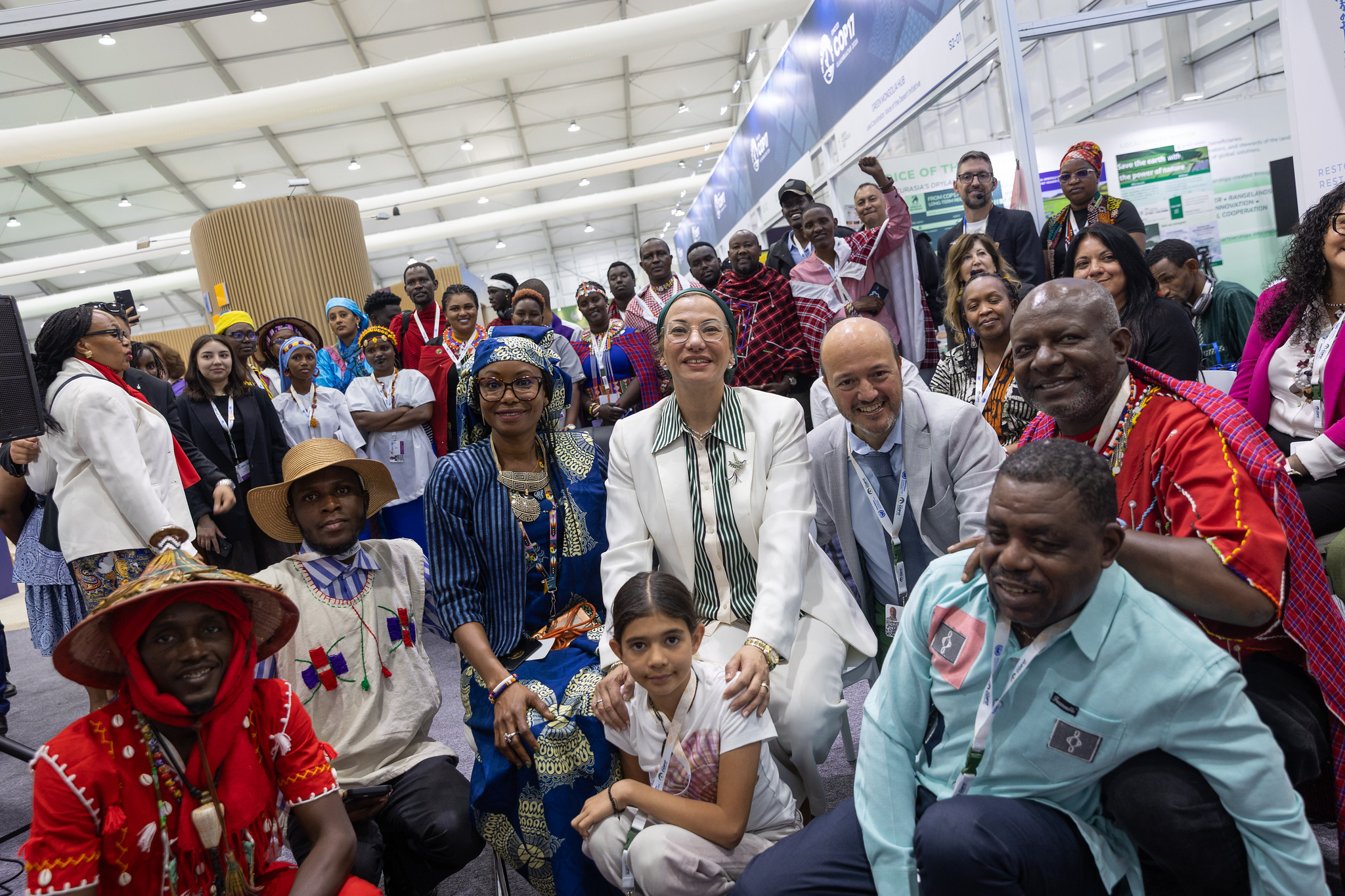
The United Nations Secretary-General, following consultation with the Bureau of the Conference of the Parties to the United Nations Convention to Combat Desertification (UNCCD), announced the appointment of Yasmine Fouad of Egypt as the next Executive Secretary of the UNCCD. Serving as Minister of Environment of Egypt since 2018, Yasmine Fouad is an expert in environmental diplomacy with over 25 years of experience in environmental governance, global environmental themes and international climate diplomacy. She has a proven track record in designing and implementing institutional and systemic reforms for sustainable development. She holds a Ph.D. in Euro-Mediterranean Studies, Cairo University, and an M.Sc. in Environmental Science, Ain Shams University. She is fluent in English and Arabic.Welcoming the announcement made yesterday in New York, UNCCD Executive Secretary Ibrahim Thiaw said: “Yasmine Fouad brings with her a wealth of experience and deep commitment to the environment and sustainable development. I warmly congratulate her on her appointment and have full confidence that she will bring new energy and vision to the role.”Ms. Fouad will be the fifth UNCCD Executive Secretary, succeeding Mr. Ibrahim Thiaw of Mauritania, Ms. Monique Barbut of France, Mr. Luc Gnacadja of Benin and Mr. Hama Arba Diallo of Burkina Faso. The Secretary-General expressed his deep gratitude to Mr. Thiaw "for his dedicated service and outstanding commitment to the Organization".Ms. Fouad will commence her first three-year term in office later this year.

Land degradation is a global crisis—one that is reshaping landscapes, livelihoods and futures. Each year, vast areas of productive lands are lost, affecting nearly half of humanity and costing the global economy an estimated US$878 billion. In Latin America, over 20 per cent of arable land is already degraded due to deforestation, overgrazing and other types of unsustainable land use. At the heart of the UNCCD is the belief that land is not only a natural resource—it is a source of life, identity and resilience. But while policies and data help define the challenge, it is the stories from the ground that bring its true scale and urgency into focus. Here is where ReVerde plays a crucial role. The documentary-style television programme gives voice to the people behind the headlines—those living with and responding to the impacts of land degradation. From Indigenous communities to small-scale farmers, from urban collectives to rural cooperatives, the programme captures the diverse efforts underway to restore ecosystems, protect local resources and create sustainable alternatives. Aligned with the UNCCD’s vision for sustainable land stewardship, ReVerde explores both the challenges and the solutions. It highlights community-led restoration, the importance of ancestral knowledge and the risks posed by unregulated development. Ahead of this year's Desertification and Drought Day on 17 June 2025, hosted in Bogotá, Colombia, with the theme— “Restore the Land. Unlock the Opportunities.”— ReVerde stories remind us that restoration is not an abstract goal, but a daily effort being led by communities on the ground. The benefits are clear: land restoration can reverse more than US$1 trillion in agricultural productivity losses, strengthen food security for over a billion people and create millions of sustainable jobs. But to meet global targets, a significant funding gap—currently US$278 billion per year—must be closed. In telling the stories of land and those who care for it, ReVerde does more than inform—it inspires, builds understanding, sparks dialogue and brings us closer to a future where land is restored, protected and valued for generations to come. In its next chapter, ReVerde turns its lens to the global observance of Desertification and Drought Day—continuing its mission to spotlight the people and places at the heart of our planet’s most pressing challenges.

The Great Green Wall, an African-led initiative to grow an 8,000km belt of restored land across the Sahel, is now featured in Google Arts & Culture’s Trees Project. More than a reforestation effort, the Wall is a symbol of resilience—tackling land degradation, poverty, hunger, and climate change while empowering communities.Since its launch in 2007, the initiative has revitalized landscapes, improved food security, and created jobs. Women, often most affected by climate change, play a crucial role in its success, especially in land regeneration and food systems. By ensuring inclusive, gender-sensitive approaches, the Great Green Wall is shaping a greener, more equitable future.Once completed, it will be the largest living structure on Earth—three times the size of the Great Barrier Reef. Learn more.

The UNCCD is forming an Intergovernmental Working Group on the Future Strategic Framework (IWG-FSF), as mandated by Decision 4/COP.16. This group will develop proposals for a post-2030 strategy, including potential goals and targets, and will review existing indicators to enhance national reporting on progress. In line with the Convention’s commitment to inclusive decision-making, civil society organizations (CSOs) will play a vital role in this process. The IWG-FSF will bring together three representatives from each regional group and five technical experts, one of whom will be a CSO representative. The UNCCD Secretariat, in collaboration with the CSO Panel, will oversee the selection of the CSO representative through a call for expressions of interest, ensuring compliance with the Terms of Reference and representativity criteria established by the Conference of the Parties. CSOs have long been integral to the work of the Convention, contributing to policy development, implementation and monitoring. At the recent UNCCD COP16 in Riyadh, CSOs actively engaged in discussions on land tenure, sustainable land stewardship and drought resilience, highlighting the importance of grassroots engagement in combating desertification and land degradation. The CSO Panel, elected by accredited organizations, serves as a liaison between civil society and the UNCCD, ensuring that diverse voices inform decision-making processes. The IWG-FSF is expected to present an interim report on its progress at the 23rd session of the Committee for the Review of the Implementation of the Convention (CRIC 23) in December 2025. This initiative underscores the UNCCD commitment to collaborative and inclusive approaches in addressing desertification, land degradation and drought. Photo: (c) IISD ENB/Anastasia Rodopoulou

Бонн/Богота, 14 мая 2025 года – 17 июня этого года в Республике Колумбия пройдет глобальное мероприятие в честь Дня борьбы с опустыниванием и засухой, подчеркивающее приверженность страны борьбе с деградацией земельных ресурсов через природоориентированные решения. Мероприятие, которое пройдет в Боготе, призвано привлечь внимание мировой общественности к настоятельной необходимости расширения масштабов восстановления земельных ресурсов как катализатора устойчивого развития, мира и инклюзивного развития. Глобальное мероприятие станет частью Глобального земельного форума, организованного правительством Колумбии. Под девизом ««Восстановление земель. Новые перспективы», в рамках мероприятия 2025 года будет подчеркнута важнейшая роль здоровой земли в обеспечении продовольствия, воды, рабочих мест и безопасности. Решение Колумбии принять у себя это глобальное мероприятие отражает ее решимость восстановить земельные ресурсы в масштабах страны и обеспечить, чтобы инициативы по восстановлению непосредственно способствовали улучшению средств к существованию и здоровья экосистем. Как отметил Исполнительный секретарь Конвенции ООН по борьбе с опустыниванием (КБО ООН) г-н Ибрагим Тиау: «Деградация земель – это не просто экологическая проблема, это прямая угроза нашему здоровью, безопасности продовольственных и водных ресурсов, а также стабильности общества. Когда мы теряем здоровые земли, ставится под угрозу продовольственная безопасность, повышается риск заболеваний, а сообщества подвергаются климатическим и экономическим потрясениям». Я благодарю Республику Колумбия за приглашение принять у себя в этом году мероприятие, которое прольет свет на то, как восстановление земельных ресурсов помогает защитить природу, улучшить благосостояние и обеспечить более устойчивое будущее для всех.» Подчеркивая насущную необходимость устойчивого землепользования и жизненно важную связь между землей и миром, Марта Вивиана Карвахалино Вильегас, министр сельского хозяйства и развития сельских районов Колумбии, заявила: «Защита сельскохозяйственных почв и земель является насущной необходимостью перед лицом взаимосвязанных кризисов, угрожающих нашему выживанию: утраты биоразнообразия, деградации экосистем, голодом, нищетой и вынужденной миграцией». Mы отмечаем День борьбы с опустыниванием и засухой, чтобы еще раз подтвердить: защита почвы – это защита жизни. Наши усилия опираются на три столпа: сохранение и восстановление почв; устойчивые, равноправные и жизнеспособные агропродовольственные системы и повышение качества жизни в сельских и городских районах. Без плодородной почвы нет продовольствия, а без продовольствия нет мира". "Мы проводим комплексную политику: справедливое перераспределение земельных ресурсов, восстановление прав исторически маргинализированных общин и гарантия устойчивого управления природными ресурсами. Таким образом, мы преобразуем землю в защиту от голода, мост к примирению и достойное наследие для будущих поколений. Земля – это не просто ресурс: это основа мира", – добавила она. Столкнувшись с серьезной деградацией земельных ресурсов, затрагивающей почти 30 процентов территории страны, или 34,39 миллиона гектаров, Колумбия готова на решительные действия чтобы решить проблему. К 2030 году страна намерена восстановить 100 000 гектаров деградированных земель, сохранить 22 000 гектаров сухих лесов, расширить устойчивые системы агролесоводства и поддержать сельские общины через целевые инициативы по восстановлению и планированию в приоритетных регионах. Принимая у себя День борьбы с опустыниванием и засухой, страна также предоставляет платформу молодежи, коренным народам, фермерам, ученым и гражданскому обществу для обмена подходами, проверенными на местном уровне и могущими решениями, достижению глобальных целей. Усилия Колумбии отражают более широкий глобальный императив: восстановление земельных ресурсов необходимо для решения неотложных проблем современности – от изменения климата и утраты биоразнообразия до отсутствия продовольственной безопасности и вынужденной миграции. Несмотря на растущий импульс, в том числе на недавней Встрече сторон КБО ООН КС-16, истинная значение здоровых земельных ресурсов остается недооцененным. Деградация земель, засуха и опустынивание ежегодно обходятся мировой экономике в 878 миллиардов долларов США. Между тем, восстановление более миллиарда гектаров деградированных земель может принести до 1,8 триллиона долларов США в год, при этом каждый вложенный доллар приносит от 7 до 30 долларов США экономических выгод. Тем не менее, темпы и масштабы восстановления продолжают отставать. Экономическая целесообразность восстановления очевидна», – подчеркнул г-н Тиау. «Каждый вложенный доллар может принести от 7 до 30 долларов прибыли. Но помимо цифр, восстановление земельных ресурсов означает также полноправие сообществ, обеспечение долгосрочного доступа к продовольствию и водным ресурсам и построение более стабильного и справедливого мира. Лидерство Колумбии демонстрирует, чего можно достичь, если восстановление земель становится национальным приоритетом». О Дне борьбы с опустыниванием и засухой День борьбы с опустыниванием и засухой, официально объявленный Генеральной Ассамблеей ООН в 1994 году (A/RES/49/115) и отмечаемый ежегодно 17 июня, предоставляет уникальную возможность популяризации практических решений по борьбе с опустыниванием, деградацией земельных ресурсов и засухой. В 2025 году Колумбия примет мировых лидеров, экспертов, молодежь и представителей всего общества для официального празднования в Боготе. Страны по всему миру готовятся отметить День борьбы с опустыниванием и засухой рядом образовательных, культурных и спортивных мероприятий. За дополнительной информацией обращайтесь: Пресс-служба КБО ООН press@unccd.int; https://www.unccd.int/events/desertification-drought-day О КБО ООН Конвенция Организации Объединенных Наций по борьбе с опустыниванием (КБОООН) — это глобальное видение и голос в защиту земли. Мы объединяем правительства, ученых, законодателей, частный сектор и сообщества вокруг общего видения и глобальных действий по восстановлению и управлению земельными ресурсами мира в интересах устойчивого развития человечества и планеты. КБО ООН — это не просто международный договор, подписанный 197 сторонами, а многостороннее обязательство по смягчению текущих последствий деградации земельных ресурсов в наши дни и развитию устойчивого землепользования в будущем, чтобы обеспечить всех людей продовольствием, водой, жильем и экономическими возможностями на справедливой и инклюзивной основе. ---------------Глобальный земельный форум проводится Министерством сельского хозяйства и развития сельских районов Колумбии, Центром исследований и народного образования/Программой мира, Европейским союзом и Международной коалицией по земле.

Update to the nomination process for regional representatives to the IWG FSFDuring the recent meeting of the COP Bureau held on 26 June 2025 in Bonn, Germany, Bureau members decided to grant a 7-day extension for Regional Chairs to submit their nominations of regional representatives to the Intergovernmental Working Group on the Future Strategic Framework (IWG FSF).This decision follows interventions by three Bureau members who requested such an extension.As per the approved Terms of Reference for the IWG FSF, each Regional Chair is to nominate three regional representatives from their respective region. This will result in a total of 15 regional representatives, out of the 20 members that constitute the IWG FSF.In place of the original deadline of 27 June 2025, Regional Chairs are kindly requested to submit their nominations no later than 4 July 2025 following the COP Bureau decision, if they have not done so yet. This notification serves as an update to the previous message published 13 May 2025.Thank you for your continued cooperation. The sixteenth session of the UNCCD Conference of the Parties (COP 16) decided in decision 4/COP.16 to establish through the Bureau of the COP an Intergovernmental Working Group on the Future Strategic Framework of the Convention (IWG FSF), within the scope and mandate of the Convention. In line with this decision, the Bureau of the COP endorsed during its meeting held 28 April 2025, the Terms of Reference of this group and entrusted the secretariat in consultation with the CRIC and CST Bureaux to ensure that the nomination process be completed by the end of June 2025. This notification is to inform all Parties to the UNCCD of the nomination process related to the IWG FSF, as presented below, and the need for the nomination of three members within each regional group. Interested Parties may communicate their desire to participate in the IWG FSF to the chair of their regional group, copy to the respective UNCCD liaison officer (contact information is contained in the attachment) by Monday 16 June 2025. In line with the TOR attached to this notification, the respective chairs are then called upon to select the final three IWG members from their regional group on the basis of the criteria listed in the TOR i.e. adhering to the request to ensure gender balance and have the policy, scientific and technical aspects of the Convention reflected as part of the expertise provided to the IWG from each region. Their submission should be sent to the secretariat no later than 27 June 2025. Upon receiving the names and contact details of the selected representatives from each regional group chair, the secretariat will contact the IWG members and post their names on the IWG FSF webpage. IWG members will then also be briefed on the next steps and timeline of the work of the IWG FSF. Please note that the IWG FSF will work in English only (documents and meetings). In line with the TOR of the IWG FSF as attached to this notification, IWG FSF will be composed as follows: Three representatives from each regional group (Three representatives from each the Africa, Asia and the Pacific, Latin America and the Caribbean, Central and Eastern Europe, Western European and Other Countries group)One representative from civil society organizationsOne representative from international organizationsThree independent expertsPlease also note that this notification only deals with the nomination process of the regional representatives while the members from the civil society organizations, international organizations and the independent experts will be selected inter alia through an open call that will be published on the UNCCD website. Unless otherwise agreed by the IWG FSF, and depending on the availability of resources, the group will have three in-person meetings: one at the beginning of its work, another one immediately after the intersessional CRIC session, and one at the end for finalizing its report. The first meeting is tentatively planned to take place during the third quarter of 2025. Since the TOR specifies that membership of the IWG is done on the basis of UN regional groups, a list of membership of individual countries that belong to each group can be obtained through the website of the United Nations for ease of reference. Please also find attached the TOR as approved by the COP Bureau on 28 April 2025. In order to facilitate the nomination process, the regional chairs of the corresponding Convention’s implementation annexes, as listed below, will be requested to forward the final list of nominated members to the secretariat. Where we do not have an annex that corresponds with the composition of the UN regional group, the respective COP Bureau members/representatives, as listed below, will be approached, for providing the same service.
