News & stories

Latest
OAV Uchun Ma’lumot Konvensiyaning (CRIC21) bajarilishini koʻrib chiqish boʻyicha 21-qoʻmitaning yigʻilishi. 2023-yil 13-17-noyabr, Samarqand shahri Bonn/Samarkand, 09/11/2023. 13-17-noyabr kunlari Samarqand shahrida Birlashgan Millatlar Tashkilotining Cho‘llanishga qarshi kurash to‘g‘risidagi konvensiyasining (UNCCD) bajarilishini koʻrib chiqish qoʻmitasini 21-sessiyasi (CRIC-21) bo’ib o’tadi. CRIC21 BMT Konvensiyaning strategik maqsadlariga erishish yo'lidagi natijalarni muhokama qilish uchun 196 ta mamlakatdan va Evropa Ittifoqi, fuqarolik jamiyati va ilmiy doiralardan 500 ga yaqin vakillarni birlashtiradi. Ushbu yig’ilish Birlashgan Millatlar Tashkilotining Cho‘llanishga qarshi kurash to‘g‘risidagi Konvensiyasi tashkil etilganidan beri eng muhim yig‘ilishlardan biri bo’lib Markaziy Osiyoda ilk bora o‘tkazilmoqda. Ushbu tadbir juda muhim pallaga to'g'ri keladi, chunki BMTning Cho‘llanishga qarshi kurash to‘g‘risidagi Konvensiyasi tomonidan e'lon qilingan so'nggi ma'lumotlarga ko’ra, dunyo bo’ylab har yili 100 million gektarga yaqin sog'lom va unumdor yerlar yo'qolmoqda. Agar hozirgi tendensiyalar davom etsa, 2030-yilgacha butun dunyo bo'ylab yer degradatsiyasining neytralligiga erishish uchun 1,5 milliard gektar yerni tiklash kerak bo'ladi. Biroq, qo'shimcha tanazzulni to'xtatish va mavjud majburiyatlarni tezlashtirishning o'zi betaraflik maqsadidan oshib ketishi mumkin. BMTning Cho‘llanishga qarshi kurash to‘g‘risidagi Konvensiyasi Ijrochi kotibi Ibraxim Tiav o’z fikrlarini bildirdi: “Butun dunyoda kuzatilgan qurg‘oqchilik, o‘rmon yong‘inlari va jazirama to‘lqinlar, chuqurlashib borayotgan va o’zaro bog’liq bo’lgan iqlim va tabiat inqirozining alomatlaridir va yerlarimiz ushbu inqirozning markazida turibdi. 2015-yildan buyon 4 million kvadrat kilometrga yaqin sog‘lom va unumdor yer yo‘qoldi, bu taxminan Markaziy Osiyo maydoniga teng degani. Biz 2030-yilga borib yerlarni yanada tanazzulga uchrashini to‘xtatishimiz va kamida 1 milliard gektar maydonni qayta tiklashimiz kerak, va 2030-yilga kelib yerlarga bo’gliq bo’lgan global maqsadlarga erishishimiz kerak.” CRIC21 yig’ilishi “Silk Road Samarkand” kongress markazida boʻlib oʻtadi. Tomonlar 2018-2030 yillarga mo‘ljallangan BMTning Cho‘llanishga qarshi kurash to‘g‘risidagi Konvensiyasini strategik va amalga oshirish dasturiga muvofiq yer degradatsiyasining oldini olish va to‘xtatish bo‘yicha global maqsadlarga erishish bo‘yicha erishilgan natijalarni ko‘rib chiqish va tavsiyalar berish imkoniyatiga ega bo‘ladilar. CRIC21 dasturining diqqatga sazovor va muhim tadbirlari ro’yxati: 13 noyabr kuni soat 10:00 dan 13:00 gacha CRIC raisi, BMTning Cho‘llanishga qarshi kurash to‘g‘risidagi Konvensiyasi Ijrochi kotibi va O'zbekiston hukumati vakilining kirish so'zlari bilan ochiladigan yalpi majlis. 14 va 16-noyabr kunlari soat 13:00 dan 15:00 gacha Gender Kaucus xalqaro ekspertlarni yig'ilishi bo’lib o’tadi, va unda ayollarning yer huquqlari va ushbu huquqlarni dunyo bo’ylab yerni qayta tiklash va qurg'oqchilikka chidamlilikni oshirish muvaffaqiyatining zaruriy shartlariga doir muhokamalar bo’lib o’tadi. 15-noyabr kuni 10:00 dan-13:00 gacha O'zbekiston hukumati tomonidan qum va chang bo'ronlari bo'yicha yuqori darajadagi siyosiy tadbir bo'lib o'tadi. Oxirgi yillarda O‘zbekistonda ham, uning atrofidagi mamlakatlarda ham qum va chang bo‘ronlari soni ham, shiddati ham sezilarli darajada oshdi. CRIC21 da ilk marotaba 30 dan ortiq turli xil amaliy tadbirlar tashkil etiladi. Ushbu tadbirlar ishtirokchilar va akkreditatsiyadan o’tgan kuzatuvchi tashkilotlarga Konvensiya maqsadlari bilan bog'liq turli masalalar bo'yicha axborot va tajriba almashish uchun imkoniyat yaratadi. CRIC21 davomida mahalliy vaqt bilan soat 13:00 dan -15:00 gacha matbuot brifinglari o'tkaziladi, jumladan: 13-noyabr: Markaziy Osiyoga e'tibor qaratiladi: cho'llanish, yerlarning degradatsiyasi va qurg'oqchilik bo'yicha mintaqaviy tendensiyalar. BMTning Cho‘llanishga qarshi kurash to‘g‘risidagi Konvensiyasini bosh olimi doktor Barron Orr va fan, texnologiya va innovatsiyalar bo'limining dastur rahbari Olga Andreyeva (tasdiqlanmoqda) xonim ishtirok etadilar. 14 noyabr: Uning yeri. Uning huquqlari: BMTning Cho‘llanishga qarshi kurash to‘g‘risidagi Konvensiyasi vakillari va mintaqaviy ekspertlar (tasdiqlanmoqda) bilan ayollarning yer huquqlarini va ularning yerni tiklash va qurg'oqchilikka chidamlilik sa'y-harakatlarini rivojlantirishga qaratilgan global va mintaqaviy sa'y-harakatlari. 15-noyabr: Qum va chang bo'ronlari: BMTning Cho‘llanishga qarshi kurash to‘g‘risidagi Konvensiyasi va mintaqaviy ekspertlar ishtirok etadilar. Ko’payib borayotgan qum va chang bo'ronlari haqidagi so'nggi ma'lumotlar, shuningdek,O'zbekiston hukumati tomonidan o'tkazilgan yuqori darajadagi tadbir natijalari muhokama qilinadi 17-noyabr: Yakunlovchi matbuot anjumani: BMTning Choʻllanish va qurgʻoqchilikka qarshi kurashish Konvensiyasi ijrochi kotibi Ibraxim Tiav, CRIC raisi Biljana Kilibarda xonim hamda Ekologiya, atrof-muhitni muhofaza qilish va iqlim oʻzgarishi vaziri Aziz Abduhakimov qatnashadilar va o’tqazilgan CRIC21ning asosiy natijalari haqida ma’lumotlar beriladi. OAV uchun eslatmalar Akkreditatsiyadan o'tgan ommaviy axborot vositalari vakillari CRIC21 va tegishli tadbirlarda qatnashish va tadbirlani yoritish uchun taklif etiladilar. Jurnalistlar yerlarni tiklash va qurg'oqchilikka chidamlilik loyihalari bilan bevosita amaliy tashriflar orqali tanishishlari mumkin. Ushbu amaliy tashriflar CRIC21dan oldin va keyin darhol amalga oshiriladi. CRIC2ning kunlik muhim voqealari IISD Earth Negotiations Byulletini tomonidan taqdim etiladi va ushbu havola orqali mavjud bo’ladi: https://enb.iisd.org/unccd-committee-review-implementationconvention-cric21 OAV uchun amaliy tashriflar javdali quyidagi havolada mavjud: https://www.unccd.int/sites/default/files/2023-10/Side%20Events%20CRIC21.pdf CRIC21 va BMTning Choʻllanish va qurgʻoqchilikka qarshi kurashish konvensiyasiga doir visual ma’lumotlar bilan ushbu havola orqali tanishisn mumkin: https://trello.com/b/zq0kxtkK/unccd-cric21-samarkand-uzb-2023 Ommaviy axborot vositalari vakillari uchun onlayn roʻyxatdan oʻtish quyidagi havola orqali amalga oshiriladi: www.unccd.int/cric-21-online-registration. Ro'yxatdan o'tish uchun quyidagi hujjatlarni taqdim eting: Yaqinda olingan bitta pasport o'lchamidagi fotosurat; Guvohnoma (muddati o'tib ketmagan bo’lishi zarur); Pasportingiz (xorijiy jurnalistlar uchun) yoki milliy guvohnomangiz (mahalliy OAV uchun) nusxasi (rasm va imzo sahifalari); Tadbirlarda ishtirok etish uchun homiylik qiluvchi OAVning rasmiy xati. Erkin jurnalistlar (frilancerlar) uchun qaysi OAV uchun konferensiyani yoritishni tayinlaganligi haqida xat talab qilinadi; To'g'ri va to’liq to'ldirilgan akkreditatsiya Onlayn roʻyxatdan oʻtgan jurnalistlar oʻzlarining akkreditatsiyalarini “Ipak yoʻli Samarqand” kongress markazida amaldagi guvohnoma va shaxsni tasdiqlovchi hujjat koʻrsatgan holda olishlari mumkin boʻladi. O‘zbekistonga viza olish va tartibga soluvchi qoidalar bo‘yicha qo‘shimcha ma’lumot olish uchun quyidagi havolaga murojaat qiling: https://e-visa.gov.uz/main. Ommaviy axborot vositalarini akkreditatsiya qilish yoki tadbirni yoritish bo'yicha savollar uchun press@unccd.int manziliga murojaat qiling. Konferensiya o'tkaziladigan joyda matbuot va ommaviy axborot vositalari uchun maxsus ish maydoni mavjud bo'ladi. Konvensiya va CRIC 21 bo'yicha qo'shimcha ma'lumotlar va matbuot yangiliklari BMTning Choʻllanish va qurgʻoqchilikka qarshi kurashish Konvensiyasi veb-saytida mavjud bo'ladi: https://www.unccd.int/cric21. BMTning Choʻllanish va qurgʻoqchilikka qarshi kurashish Konvensiyasi haqida qisqacha ma’lumot BMTning Choʻllanish va qurgʻoqchilikka qarshi kurashish Konvensiyasi (UNCCD) yer uchun muhim bo’lgan o’ziga hos global yondashuv va ovozdir. Biz hukumatlar, olimlar, siyosatchilar, xususiy sektor va hamjamiyatlarni insoniyat va sayyora barqarorligi uchun dunyo yerlarini qayta tiklash va boshqarish uchun umumiy yondashuv va global harakatlar atrofida birlashtiramiz. BMTning Choʻllanish va qurgʻoqchilikka qarshi kurashish Konvensiyasi 197 nafar ishtirokchi tomonidan imzolangan xalqaro shartnomadan ko'ra ko'proq, bu yerning degradatsiyasining bugungi oqibatlarini yumshatish va barcha insonlar uchun adolatli va inklyuziv tarzda oziq-ovqat, suv, boshpana va iqtisodiy imkoniyatlarni ta'minlash uchun kelajak yerlardan foydalanishni rivojlantirishga qaratilgan ko'p tomonlama majburiyatdir.

As the UNCCD high-level meeting in Central Asia draws near, we welcome you to this discussion on why global and regional gatherings are an essential part of the UNCCD process. The twenty-first session of the Committee for the Review of the Implementation of the Convention (CRIC 21) in Samarkand is set to serve as a vital marker in the Convention’s ongoing efforts to accelerate progress on land restoration and drought resilience. By bringing together experts, leaders and delegates from 196 nations and the European Union, the meeting sets a major arena for the exchange of cutting-edge insights. This pooling of global expertise not only fosters productive solutions but also facilitates joint decision-making, ensuring a coordinated approach to pressing environmental challenges. CRIC21 will focus on strategic objectives ranging from sustainable land management and drought resilience to secure and equal land rights for women. The event will also provide a platform to discuss emergent crises exacerbated by climate change, such as sand and dust storms and wildfires. Taking place at the halfway point between the biannual Confrences of the Parties (COP) to UNCCD, the insights coming out of CRIC21 will aid in defining the next steps for all stakeholders, providing a clear and focused roadmap to UNCCD COP16, scheduled to take place in Riyadh, Saudi Arabia in 2024.

Excellency, Abdulrahman Al Fadhley, Minister of Environment, Water and Agriculture of the KSA Excellency Salam Al Malik, Director General of ISESCO, Excellency Hussein Brahim Taha, SG of the Organization of Islamic Cooperation Excellencies, Ministers Esteemed delegates, and honored guests Ladies and gentlemen, As-Salaamu aleykum As we gather today in the beautiful city of Jeddah, I wish to express our profound appreciation to the Kingdom of Saudi Arabia for graciously hosting this gathering today. My appreciation extends to ICESCO, the linchpin behind our convening today. Now more than ever before, as we witness the catastrophic effects of environmental changes, redefining our relationships with nature is of critical importance. Allow me to bring to your attention the Centrality of sustainable land management to green transformation. Land is not merely the terrain beneath our feet. Land has always been the cradle of our civilizations. Land provides us with the essential food we eat. Land clothes us; land provides us with the water we drink and the clean air we breathe. It nurtures our ecosystems, supports our economies, and sustains our cultures. The health of our lands is therefore the cornerstone upon food security. Land degradation and drought amplify competition over access to land and water. Conflicts between farmers and pastoralists are exploding all over. Consider this: any land degradation anywhere in the world, is a depreciation of our global economy and an erosion of human wellbeing. Any efforts to « green the economy » are therefore doomed to fail, unless we prioritize investments in this crucial natural capital. We know this well: nature provides 30% of the solutions to climate change. Sadly, nature-based solutions only receive 3% of the climate funding. Sadly, investments on land restoration and drought mitigation are shockingly insufficient. This should change, and this group of countries has to power to bring positive change. Arguably, countries of the Islamic World have more power to bring positive change to the Planet than any other similar group. The Islamic World, perhaps more than other groups, needs to control its narrative on climate and environmental change. Unleashing that power can be truly transformative and bring positive change to the world. Coming back specifically to land loss, the challenge is huge. According to the UNCCD’s Global Land Outlook report, up to 40 % of the global land has been degraded. If the current trend continues, by 2050, we will further degrade an area the size of South America. The good news is the solution is literally in our hands: it’s called Land Restoration. By restoring degraded land, we improve food security and, even more importantly, food sovereignty. Whether in Arid Lands, in grasslands or in more humid ecosystems, we have one billion hectares of land that can be put back to health by 2030. Healing one billion hectares of ailing land and putting it back to the global economy is a smart and wise investment. One good example of such powerful change is the critical role played by Saudi Arabia during its G20 Presidency, when it led G20 Leaders to adopt the Global Land Restoration Initiative. The ambitious G20 Global Land Initiative, housed within the UNCCD, has set an audacious goal: halve land degradation in the world by 2040. This initiative is global in scope and is committed to working with all countries, including those of the Islamic World and with the ICESCO. We are also very pleased with the Middle East Green Initiative, which has received substantive financial support from Saudi Arabia and aims at restoring 200 million hectares of degraded land. We are confident that building on Islamic Civilization and its great principles of solidarity, more countries will support large-scale land restoration as well Drought Mitigation in the world. Indeed, islamic civilizations were visionaries in fields like sustainable agriculture, water conservation, and harmonious land practices. It's a heritage—a treasure of knowledge- that can be drawn upon. Yet, as we honor our past, we must confront silent killers that are chocking our economies, namely land degradation and drought. As we build our futures, we must ensure that our progress is in harmony with nature. To achieve this, we need to combine ancestral wisdom with contemporary innovation. Weaving together Islamic principles of stewardship and reverence for nature with cutting-edge land management techniques, we can chart a course towards a green transformation. Allow me, before I conclude, to say a word about the Road to UNCCD COP16. Saudi Arabia’s role as the host of the upcoming UNCCD COP 16 is a testament of commitments to addressing these global challenges. Climate COP 27 in Sharm Es-Sheikh and COP28 in Dubai, while Morocco just hosted the WB/IMF annual assemblies …there is no mistake. There is a clear indication of Islamic Countries strong commitment to multilateralism. UNCCD COP16 in December 2024, in Riyadh, presents a unique platform for countries of this group to demonstrate their leadership in combating desertification, land degradation, and drought. We can make the next UNCCD 16th COP the moon-shoot moment for land restoration and drought resilience, for people, for the planet and for prosperity. Shukran!

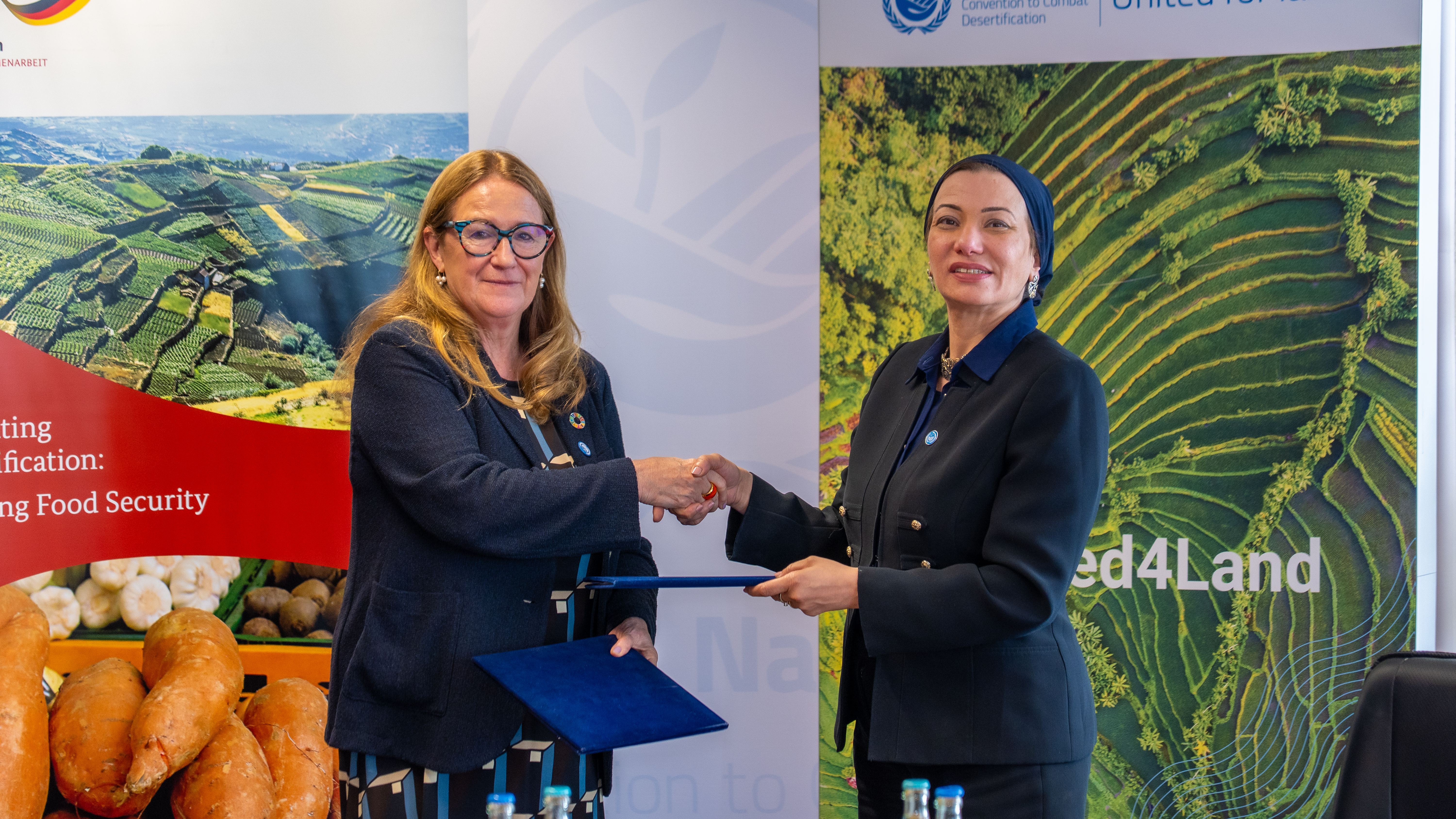
Bonn/Samarkand, 10 October 2023 – Today the United Nations Convention to Combat Desertification (UNCCD) entered into a landmark agreement with the government of the Republic of Uzbekistan. The Host Country Agreement marks the culminating chapter in the preparations for the upcoming 21st session of the UNCCD Committee on the Review of the Implementation of the Convention (CRIC21), to be held from 13-17 November 2023 in Samarkand. For the first time since its inception, UNCCD is convening one of its most important meetings in the heart of Central Asia. The highly anticipated CRIC21 will serve as a global platform for cutting-edge insights into land degradation and drought while assessing the progress the countries are making in restoring productive land. Welcoming the UNCCD delegation to the historic crossroads of culture and civilization in the city of Samarkand, Uzbekistan's Minister of Ecology, Aziz Abdukhakimov emphasized the upcoming UN conference's role in bolstering global partnerships and environmental innovation. Among the inspiring examples of the successful project in land restoration he shared is the ongoing tree-planting efforts on 2 million hectares to combat the Aral Sea environmental crisis. UNCCD Executive Secretary Ibrahim Thiaw noted that CRIC21 meets at a time of increasing environmental turbulence: cataclysmic heatwaves in Europe and North America, devastating droughts in the Horn of Africa, torrential monsoons and cyclones across Asia. The significance of land degradation as both a contributor to and a consequence of these phenomena cannot be overstated. Recent UN data paints a sobering picture, demonstrating that 420 million hectares of fertile and productive land between have been degraded between 2015 and 2019 – an area exceeding the combined landscapes of Kazakhstan, Kyrgyzstan, Tajikistan, Turkmenistan and Uzbekistan. CRIC21 – a global symposium of delegates from 196 nations and the European Union, leaders of the civil society, academia, and international organizations – will delve into progress on the Convention's strategic objectives. These range from sustainable land management and drought resilience to ensuring fair land rights for women and tackling the sand and dust storms and wildfires exacerbated by the climate change and environmental degradation. The UNCCD secretariat wishes to express its sincere gratitude to the Republic of Uzbekistan for graciously assuming the role of the host for this pivotal event. Like an intricate carpet weaved by expert hands unfurls to reveal its detailed patterns, CRIC21 will roll out at the Silk Road Samarkand Congress Centre in Uzbekistan this November.

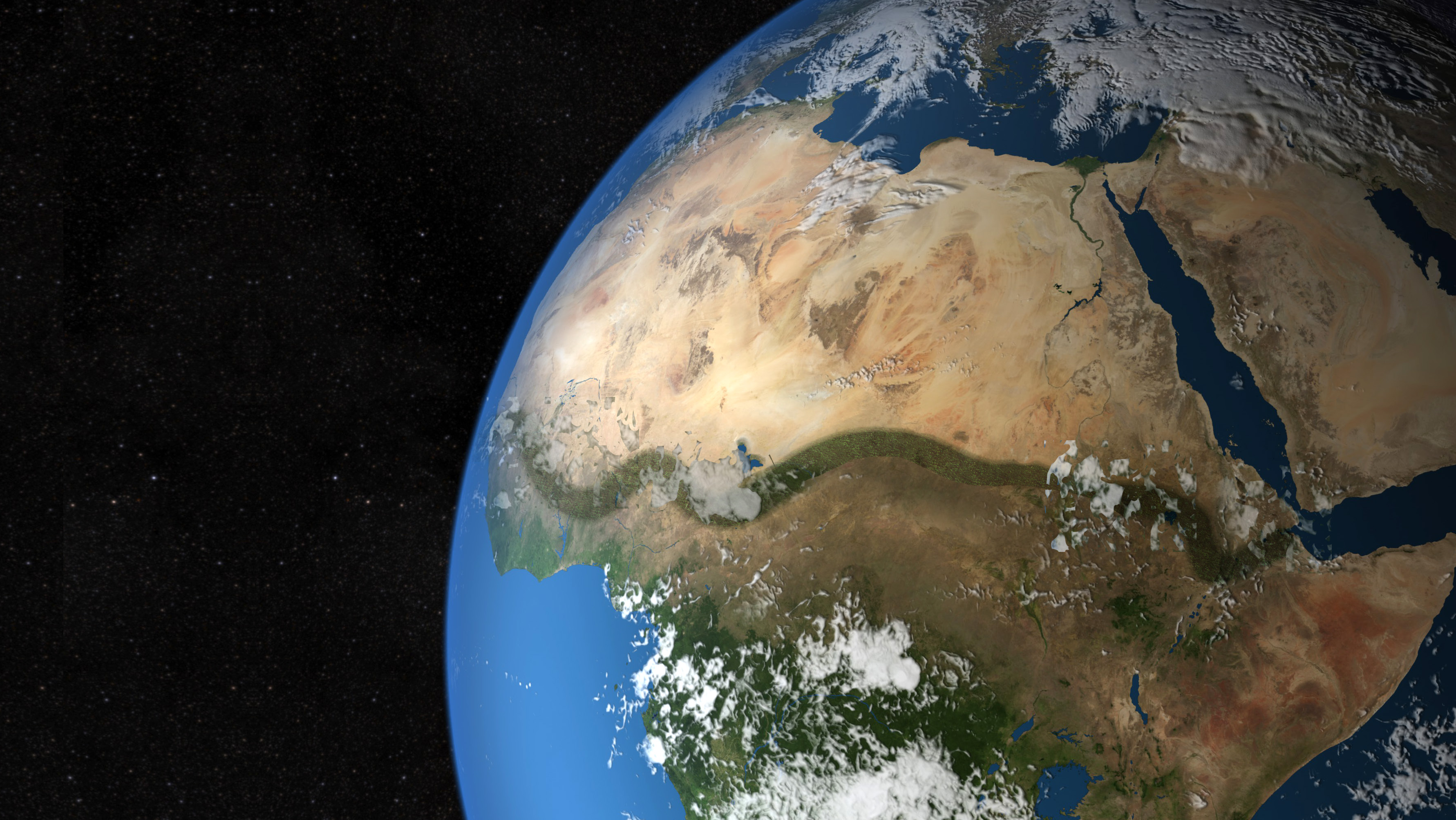
Mr. Chairman, Bureau members, distinguished delegates, Ladies and Gentlemen, Permítame trasladar mis sinceras felicitaciones a su Excelencia el Embajador Carlos Amorin, Representante Permanente de Uruguay ante las Naciones Unidas y Presidente de la Segunda Comisión de la Asamblea General. I also congratulate your fellow Bureau members. We will spare no efforts to support your work. Let me also salute the delegations of the Kingdom of Saudi Arabia, Mongolia and Uzbekistan. Saudi Arabia will host UNCCD COP 16 in Riyadh in December 2024, Mongolia COP 17 in 2026. Uzbekistan is hosting next month the 21st session of the Committee for the Review of the implementation of the Convention in Samarkand. I wish to express my gratitude and appreciation to these countries which are playing a leadership role in the UNCCD processes and implementation. Excellencies, Three weeks ago, the UN Secretary-General drew the world leaders’ attention to the fact that only 15 per cent of the SDG targets are on track and many are, on the contrary, going in reverse. The Secretary-General sounded alarm bells warning that instead of leaving no one behind, we risked leaving the SDGs behind. And this is the case for land and its SDG 15.3, in the 2023 report[1], the findings are worrisome: “Between 2015 and 2019, the world lost at least 100 million hectares of healthy and productive land every year, affecting food and water security globally. " Worldwide, poverty, hunger, environmental degradation, and conflicts are indeed increasing. And we can see a correlation where globally the poorest and the hungriest are found in areas affected by land degradation, desertification, and drought, and the Sahel and the Dry Corridor in Central America, to name few, are clear examples of this reality. These intertwined crises of nature-climate-land degradation and conflicts require the implementation of solutions that generate multiple benefits and the mobilization of technical and economic resources at an unprecedented scale. Investing in land restoration and drought resilience are win-win and cost- effective solutions with multiple benefits for a safe and sustainable future. Land restoration and drought resilience are critical to guarantee water and food security, livelihoods, to reduce irregular migration of people and conflicts over resource scarcity. These solutions also constitute building blocks to achieve climate and biodiversity goals. Excellencies, Within this framework let me now proceed to the introduction of the Report of the Secretary-General contained in document A/78/209, section II. The report suggests some recommendations that we hope would feature the UNCCD resolution that you will negotiate in these coming days. Since this report has been before you for quite some time, I will not go into its details. Regarding the outcome of COP 15, the Secretariat is working with the country Parties to support the implementation of the COP decisions adopted in Abidjan. In the context of achieving land degradation neutrality, we noted some important political signals. For instance, in 2020 in Riyadh, the G20 Group declared their ambition to reduce 50 per cent of the world’s degraded land by 2040. This declaration and the launch of the G20 Global Land Initiative are contributing to consolidating a land restoration movement. Over the past two years, the presidencies of G20 have included land restoration as an important political priority within their communique, and have promoted the restoration of peatlands and mangroves, as well as land affected by mining and forest fires. LDN is becoming an important vehicle to achieve the SDGs: 130 countries are currently involved in the process for setting land degradation neutrality targets, and a number of flagship initiatives on land restoration are being promoted globally: such as Great Green Wall in the Sahel and in the SADC region, the Dry Corridor, the Middle East Green Initiative. We need to continue enhancing collaboration and cooperation to accelerate action on the ground. In terms of outreach activities, the highlight has been the observance of the World Day to Combat Desertification and Drought on June 17, celebrated in the General Assembly Hall. That day a global campaign under the theme “Her Land. Her Rights” was launched to advocate for women and girls’ access to land. Several global leaders, UN agencies and partners participated in the event and are part of this global campaign that recognizes that land restoration, conservation and sustainable management can be accelerated if we address land tenure and gender issues in an integrated manner. On the drought front, we are moving forward. We see an appetite from the international community to operate a paradigm shift in drought management – from reactive to proactive action that better prepares countries and communities for future droughts, but more information sharing, resources, and political will is needed. It is in this context that the International Drought Resilience Alliance (IDRA) was established to generate more political momentum for this agenda and to accelerate action. I invite the General Assembly to encourage its members to join this coalition. Regarding the implementation of the COP 15 decision, the Intergovernmental Working Group on Drought has been analyzing how to strengthen drought management system within the convention. Its members are currently discussing policy options to be considered by COP 16. The next COP which will be held in December 2024 in the Kingdom of Saudi Arabia aspires to be a moonshot moment for the land and drought resilience agenda. We hope to see you there. Before I close my presentation, allow me to pay a short tribute to my colleague, Mr. Melchiade Bukuru, Director of our Office in New York who is about to retire after over a quarter of a century with you, for his long dedication and commitment to UNCCD processes. [1] https://hlpf.un.org/sites/default/files/2023-04/SDG%20Progress%20Report%20Special%20Edition.pdf

Acknowledging that severe drought affects Africa more than any other continent, leaders at the Africa Climate Summit in Nairobi have put forward a common vision for drought resilience in the run up to the next climate and desertification summits — UNFCCC COP28 in November 2023 and UNCCD COP16 in December 2024. The objective is to reduce the costs of future droughts for societies and economies through strategic investments in sustainable land and water management.
