Stories
Latest
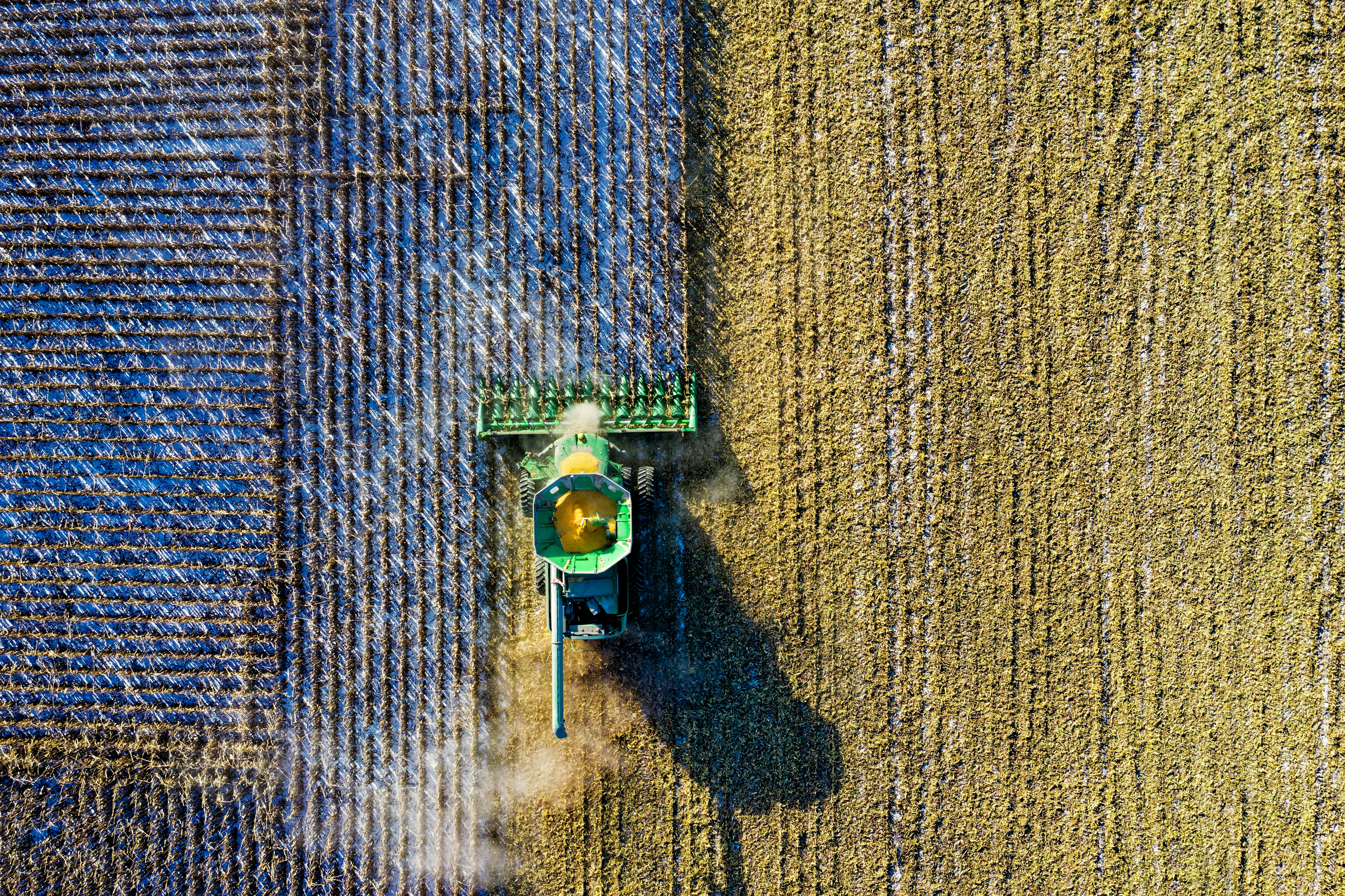
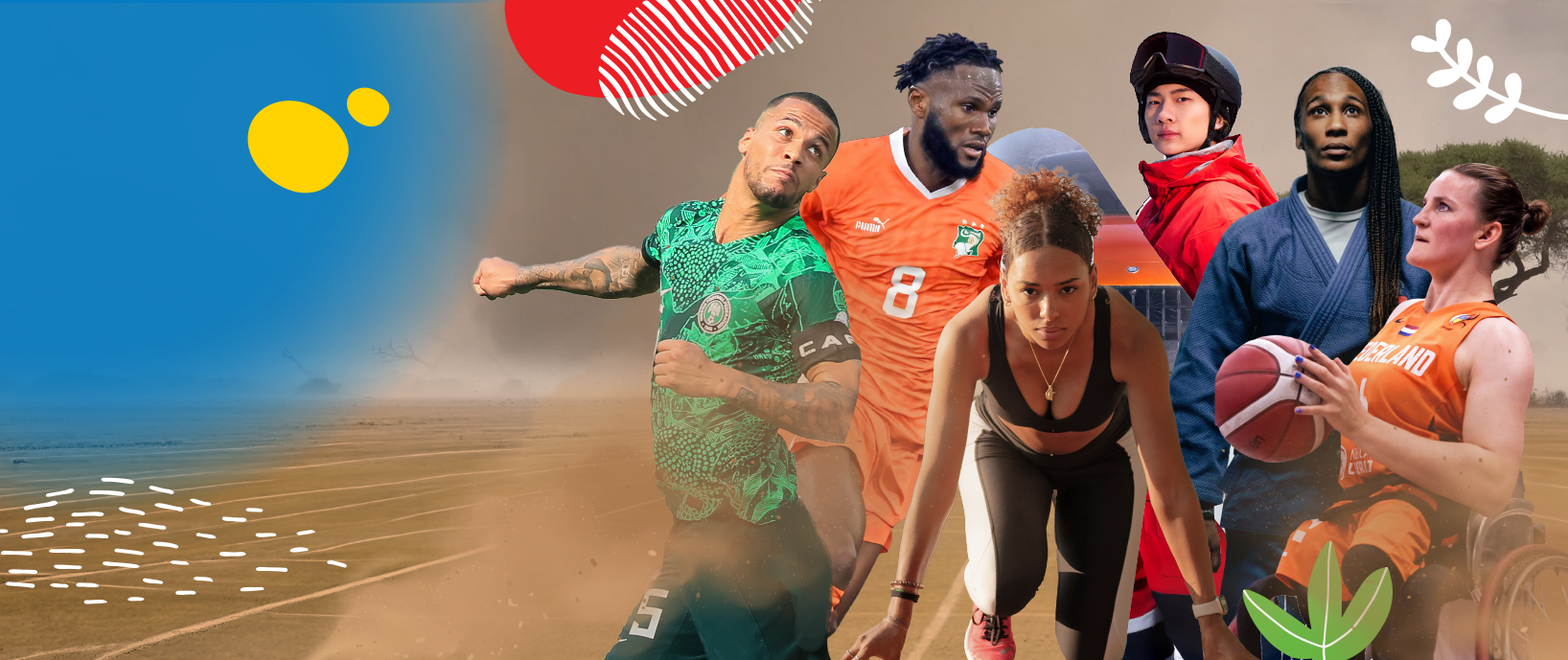
Award winning musicians Baaba Maal of Senegal and Ricky Kej of India have released a new music video Born from the Land on World Soil Day to celebrate the land. Why? Here is what they say: There is a sense of excitement and joy when musicians come together for the cause of environmental consciousness. In this case, it was a time of coming together for our land… We all thrive and depend on the land. This is our land and our home. Everything we know is an embodiment of the land and life on it. This is inspiring and the UNCCD efforts at conserving land also inspired me — Ricky Kej I am an international artist of African descent. The fight against desertification is part of my commitment to the cause of development, especially the reforestation I have been doing with the people in my country (Senegal) for several years. My participation in the song ‘Born from the Land,’ resonates with my musical work ‘Lekki’, which means the Tree, and that I interpreted during COP 14. It is therefore a pleasure to invest myself with Ricky Kej in this project for the environment, especially the fight against desertification that spares no continent — Baaba Maal To put it into perspective, consider that only 30 per cent of our planet is land. The rest is water. That small portion of the planet is source of everything all 7.5 billion of us need – food, fresh water, homes, cities and recreation areas. But every generation gets to use less and less of what the Earth once offered because it has changed a lot, mostly since 1970. Today, only about 30 per cent of the land’s original state remains. Forests, grasslands and wetlands have been converted to farmland, cities, abandoned mines or building sites or construction areas. This is making it more and more difficult for the land to store the excess carbon in the air, to hold in the ground the amount of water its once did, to absorb suck a lot of the water that hits the land from rain, hurricanes or thawing ice and to produce enough food to eat. If we continue converting natural ecosystems to other uses, only 10 per cent of the world’s natural areas will exist by 2050. My music and my efforts have always been a dedication to the environment and harmony. When I bring these inspirations together, the UNCCD Land Anthem 'Born from the Land' came to be. I had the absolute pleasure of working with some of the best musicians in the making of the official UNCCD land anthem ‘Born from the Land’. Working with fellow musicians who share the same passion for the environment helped bring this song to its full glory! — Ricky Kej Ricky Kej is known internationally as a music composer, a No.1 artist on the United States Billboard chart and a Grammy Award winner for his album titled, Winds of Samsara. Baaba Maal is a world-renowned musician from Africa. He lent his unique voice to the soundtrack of the international blockbuster Black Panther, which won an Oscar and a Grammy Award for its music score. Download the lyrics in each of the UN languages: Arabic, Chinese, English, French, Spanish, Russian

In September 2019, at the UNCCD fourteenth Conference of Parties (COP14), participants have decided to establish an intergovernmental working group (IWG), on effective policy and implementation measures for addressing drought under the UNCCD. The COP also invited Parties, international organizations and stakeholders to make submissions on: Policy, implementation and institutional coordination frameworks and implementation measures for addressing drought under the Convention: Barriers, challenges, opportunities and implementation measures in preparing for, responding to, and recovering from drought. UNCCD stakeholders are invited to submit their information until 31 January 2020 using an online form. Relevant information will serve as initial input for the work of the IWG on drought. Information regarding available drought-related tools will be shared with all parties. Read more: Letter from the UNCCD Executive Secretary UNCCD-led Drought Toolbox Land and Drought
The Conference of Parties at its fourteenth session (UNCCD COP 14) decided to establish an Intergovernmental Working Group (IWG) on effective policy and implementation measures for addressing drought under the United Nations Convention to Combat Desertification (UNCCD), with a view to presenting its findings and recommendations to Parties for their consideration at the fifteenth session of the Conference of the Parties. The IWG will consist of a maximum of three Party representatives nominated by the respective regional group on the basis of nominations by national governments and 15 additional participants from key stakeholders including United Nations organizations, the Science-Policy Interface, and other scientific organizations, regional organizations and civil society organizations. This call applies only to the 15 additional experts that will work together with the experts appointed by the Parties. The secretariat of the United Nations Convention to Combat Desertification (UNCCD) is herewith inviting experts to apply to become members of the Intergovernmental Working Group (IWG). The call is open to experts from all regions and organizations. Mandate of the IWG To take stock of and review the existing policy, implementation and institutional coordination frameworks, including partnerships, on drought preparedness and response To consider options for appropriate policy, advocacy and implementation measures at all levels for addressing drought effectively under the Convention To carry out the task in the context of a wider holistic and integrated approach to disaster risk reduction and enhancing the resilience of communities and ecosystems Responsibilities Members of the IWG have the responsibility to: Contribute directly to delivering the outputs of the IWG as agreed by UNCCD COP 14 and described in the opening paragraph above, drawing from a range of resources including but not limited to, inter alia, UNCCD background documents and the resource materials and work of other entities referenced within them, such as Drought Resilience Adaptation and Management Policy Framework (DRAMP): Technical guidelines Drought Impact and Vulnerability Assessment: A Review The Land-Drought Nexus The menu of options for addressing drought under the UNCCD UNCCD-led Drought Toolbox Other peer-reviewed scientific and technical products and SPI products dealing with drought issues Maintain the highest standards of scientific and technical excellence, professionalism and collegiality; and Draw in expertise from their network and all relevant domains in the context of the IWG. Criteria for selection Experts applying to become members of the IWG should: Have an advanced university degree in natural resource management, meteorology, environmental policy, hydrology, development economics or other related/relevant discipline Have a minimum of five years (not including university/graduate studies) wide-range working experience with the international landscape on drought, and an understanding of the various policy and/or technical aspects of drought management including monitoring and early warning systems, the assessment of vulnerabilities and impacts, drought risk mitigation policies and measures as well as water scarcity, desertification, land degradation and related disciplines relevant to the UNCCD process, and an in-depth knowledge of at least one of these topics Excellent writing skills and fluency in English is required (the working language of the IWG is English) Be willing to work in a multicultural and multidisciplinary team and be accepting of other views and comments from different perspectives in order to reach consensus; and Be willing to commit the time and effort necessary to contribute to the work of the IWG Additional desirable qualities: Solid knowledge of the UNCCD process, related UN and intergovernmental processes, and/or environment-conventions Extensive experience on drought related policy making process including technical, financing and legal options, particularly in the international context Demonstrated significant, peer-reviewed publications in international journals in the last 5-10 years Experience in incorporating, promoting, communicating and mainstreaming gender issues into relevant science and policy development processes Selection process The selection process, using the above requirements as criteria, will be conducted by the Bureau of the UNCCD Conference of Parties (COP Bureau) with the support of the UNCCD secretariat based on a review of applications received before the deadline in response to this public call. The COP Bureau will make a final decision on the experts to reflect a wide range of areas of expertise. Selected experts will be contacted individually by the Secretariat to confirm their availability and interest in becoming a member of the IWG as well as their agreement with the Terms of Reference of the IWG. The final composition of the IWG will be posted on the UNCCD website Terms of appointment The terms of appointment of expert members of the IWG is two years. Thus, the term of appointment of those selected to serve in response to this call is from early 2020 up to the end of the fifteenth session of the COP, which is envisioned to take place in autumn 2021. IWG members are not financially remunerated by the UNCCD secretariat. However, as required, travel costs and the daily subsistence allowances (DSAs) will be covered for all eligible members in accordance with United Nations rules and regulations. Applications, which include a cover letter and a CV specifying relevant experience and including reference, should be submitted by e-mail to iwg@unccd.int. The deadline for applications is 31 December 2019. Only applications submitted by the deadline will be considered. Click here for more info.
The deadline for submitting nominations for the new UNCCD CSO panel is 4 December 2019.
The United Nations Convention to Combat Desertification and its Land Ambassador Ricky Kej have announced the release of the official UNCCD Land Anthem titled Born from the Land. Award-winning musicians Ricky Kej and Baaba Maal – another UNCCD Land Ambassador – recorded the song, which also features Lonnie Park and IP Singh.
UNCCD presents some of this year's milestones, which have become a reality thanks to the continued cooperation and unwavering support of the UNCCD family and stakeholders: 25 anniversary of UNCCD was celebrated this year 123 countries are now part of the Land Degradation Neutrality Target Setting Programme 84 countries have established their voluntary LDN targets 67 countries had mapped ideas for transformative LDN projects and programmes 26 more countries joined the Drought Initiative this year, raising the total number of participating countries to 72, out of which 35 have completed their national drought plans Land degradation indicator 15.3.1 has achieved the highest status in the SDG indicator framework COP14 was the main UNCCD media event of 2019, with over 2 000 articles published in over 60 countries and the global audience of over 1.4 billion people reached Nearly 6 000 participants took part in UNCCD COP14 with 10 days of meetings, 11 high-level, 30 committee and over 170 stakeholder meetings, 44 exhibitions and 126 side events The number of visitors to the COP14 page was twice as much as for any previous COP, with 20 000 views per week 1 400 attendees used the conference app during COP14 The Drought ToolBox has been launched, with Pillar I "Drought Monitoring" covering all countries under the Drought Initiative Drought vulnerability indicator became a part of UNCCD reporting process, to help countries build better disaster preparedness and response that best fits their needs 64 countries reported their World Day to Combat Desertification events, and 3 000 people attended the global observance event in Türkiye First UNCCD Capacity Building Training Fair in Guyana attracted more than 300 participants from more than 110 countries as well as over 30 NGOs 12 000 new opportunities have been shared through the UNCCD online Capacity Building Marketplace UNCCD published 22 new titles this year, including 4 regional Global Land Outlook reports and 3 UNCCD Science-Policy Interface reports More than 12 200 people watched Sadhguru and Ibrahim Thaw Twitter Live discussion on how land users, governments and the civil society can collaborate to promote sustainable land management Almost 20 000 people joined us on social media in 2019, four times more than the previous year