News & stories

Latest
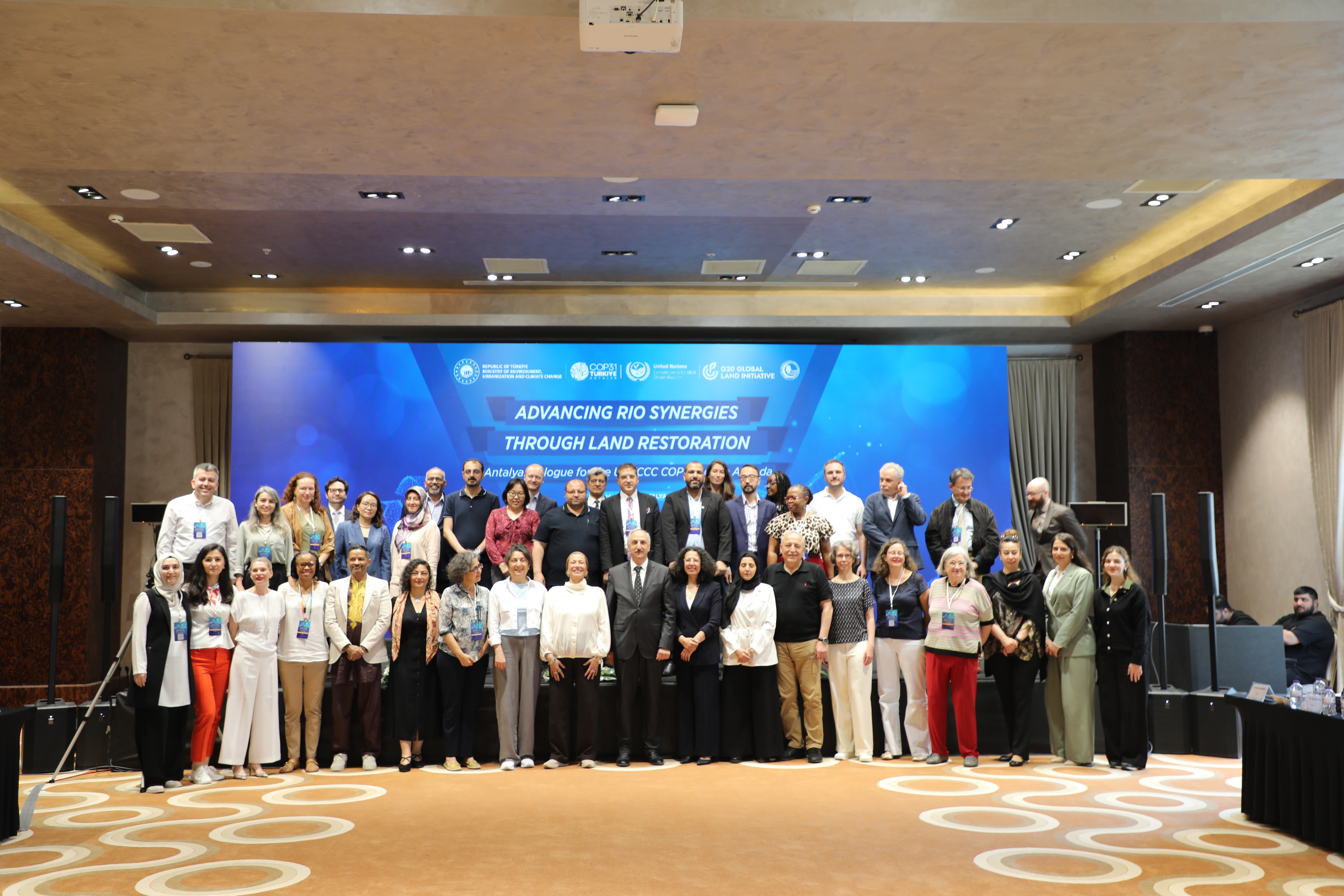
Drought does not arrive with sirens. It builds quietly—through drying soils, shrinking water supplies and wilting crops—until its impacts ripple across farms, cities and entire economies. By the time it is fully visible, the damage is often already widespread and costly, affecting everything from food and energy production to transportation and health.With droughts projected to affect three in four people worldwide by 2050, and three quarters of the world’s land already permanently drier due to unsustainable land management and climate change, how should countries act to prevent drought from escalating into crisis?Much like the Human Development Index reshaped how countries understand progress, the new Drought Resilience Index aims to provide a clear, shared benchmark to help governments manage drought risk and prevent irreversible impacts—including lost lives and shattered livelihoods.Now under development through the United Nations Convention to Combat Desertification (UNCCD), the International Drought Resilience Alliance (IDRA) and partners, the index is designed to give decision-makers a clearer picture of where vulnerabilities lie —helping them assess preparedness, create policies and act before drought turns into disaster.A three-day workshop recently hosted by the European Commission Joint Research Centre in Italy brought together a wide range of international partners—spanning multilateral, scientific, academic, technical, and government institutions—to fine-tune the tool, which is expected to launch as part of a broader AI-powered data visualization platform.We spoke with Edgar Gutiérrez-Espeleta, senior policy consultant at UNCCD advising on the development of the tool, to understand how the Drought Resilience Index works—and why it could reshape how countries prepare for a new drought era. From data overload to clarityThe Drought Resilience Index, part of the broader International Drought Resilience Observatory (IDRO), is designed to turn complex and fragmented data into simple scores that policymakers can use to make decisions. “Drought is one thing. Resilience to drought is another,” says Gutiérrez-Espeleta. “The aim is to help countries assess their capacity to anticipate, prepare for and adapt to drought, and to highlight where action is most needed so they can use limited resources effectively.”To capture this, the Drought Resilience Index is built around three dimensions: anticipation, preparation and adaptation. These reflect the full lifecycle of drought risk. Each dimension is assessed across four areas that shape resilience: the built environment; the natural environment, including soils, forests and wetlands; communities; and the economy —together offering a multidimensional picture of how well countries manage drought risk.Across each of these areas, experts identify one or two indicators to capture the most critical aspects of resilience, drawing on available, UN-vetted global datasets. These indicators are then standardised and combined into a composite score, enabling countries to assess their capacity to manage drought risk.For example, in anticipation, the health of ecosystems—such as forest cover or watershed integrity—can indicate how well the natural environment buffers drought impacts. In preparation, the efficiency and reach of water supply systems reflect the capacity of the built environment to conserve and distribute scarce resources. In adaptation, the share of livelihoods diversified beyond water-intensive activities shows how well the economy can withstand recurring drought conditions.“Low scores act as warning signals, pointing decision-makers to areas that require urgent attention,” explains Gutiérrez-Espeleta.Built through collaborationThe index is not being developed in isolation. It builds on years of work within the UNCCD’s Science-Policy Interface and has been shaped through consultations with top drought resilience experts from different regions, including the European Union’s Joint Research Centre, the US National Drought Monitor, the World Meteorological Organization and Yale Center for Ecosystems and Architecture.In the lead up to the 17th session of the Conference of the Parties to the UNCCD (UNCCD COP17), specialists are refining the selection of indicators, assessing available datasets and ensuring that the index is both scientifically robust and practical for policymakers.One of the key challenges is data availability. Not all countries have the same level of information, and some indicators may only exist for some parts of the world.“We are starting with the best data currently available and building from there,” Gutiérrez-Espeleta says. “As the index evolves, it will also help drive stronger and more comprehensive data collection, as has been the case with the Human Development Index.”A tool shaped by experienceThe idea for the Drought Resilience Index is rooted in experience. In 2015, as Costa Rica’s Minister of Environment, Gutiérrez-Espeleta faced a severe drought that demanded urgent, cross-sector decisions—but without a clear overview, it was difficult to prioritize action. That gap is what the Index is designed to fill. By bringing diverse data into a single framework that everybody can understand, it helps policymakers identify where systems are weakest and where action is most needed—offering, in his words, “a way to quickly see the big picture.”Rather than prescribing solutions, the Index works as a signal, highlighting where problems are most acute and pointing decision-makers towards the areas that require attention.The ambition is simple. When ministers see it at COP17, Gutiérrez-Espeleta hopes their reaction will be immediate: “This is what we needed.” From there, governments can mobilize resources and act—because while drought cannot be prevented, the vulnerability of people, economies and ecosystems can be greatly reduced.Photo : Participants at the IDRO Drought Resilience Index workshop hosted in Italy by the European Commission Joint Research Centre, including representatives of: Yale Center for Ecosystems and Architecture, National Center for Meteorology of the Kingdom of Saudi Arabia, World Meteorological Organization, United Nations Environment Programme, United Nations University Institute for Water, Environment and Health, Global Water Partnership, US National Drought Mitigation Center, NASA Goddard Space Flight Center, CIMA Research Foundation, Sahara and Sahel Observatory, CSIC-CEBAS, Ministry of Ecological Transition and Demographic Challenge of Spain, Ministry of Environment and Sustainable Development of Senegal, Center for Hydrometeorology and Remote Sensing, UK Centre for Ecology & Hydrology, Deltares, International Rice Research Institute, IGAD Climate Prediction and Applications Centre, University of Southern Queensland, UNEP-DHI Partnership, Tree Aid.

197 Сторон КБО ООН собираются в Панаме, чтобы оценить прогресс на пути от Эр-Рияда до Улан-БатораПанама планирует восстановить 100 000 гектаров деградированных земель к 2035 году в рамках передовой стратегии, объединяющей цели в области земель, климата и биоразнообразияПанама-Сити, 1 декабря 2025 года – Глобальная утрата плодородных земель и учащающиеся экстремальные засухи находятся в центре внимания 23-й сессии Комитета по рассмотрению осуществления Конвенции (КРОК-23), которая проходит в Панаме на этой неделе и объединяет 197 Сторон Конвенции ООН по борьбе с опустыниванием (КБО ООН).Совещание открывается в переломный момент. Если нынешние тенденции сохранятся, к 2050 году деградация затронет территорию по площади почти равную Южной Америке — около 16 миллионов квадратных километров, тогда как спрос на продовольствие, воду и энергию продолжает стремительно расти. За последние три десятилетия две трети суши на планете стали постоянно более сухими, а прошедшие два года принесли самые масштабные и разрушительные засухи за всю историю наблюдений. В самой Панаме засуха нарушила движение судов по Панамскому каналу, ощутимо ударив по глобальным торговым маршрутам.По словам исполнительного секретаря КБО ООН Ясмин Фуад: «Устойчивость наших общин, экономических и экосистем напрямую зависит от состояния земельных ресурсов. Тем не менее мы продолжаем ежегодно терять площадь, сопоставимую с территорией Египта, лишая землю способности производить пищу, накапливать и регулировать запасы воды, поддерживать биоразнообразие и защищать людей от засух, наводнений и пыльных и песчаных бурь. Инвестиции в устойчивое управление землями, восстановление земель и природно-ориентированные решения — это не просто экологическая необходимость. Это насущный императив развития и стратегическое вложение в стабильность, благосостояние и мир».Она добавила: «КРОК 23 — важный рубеж, который позволяет трезво оценить наш общий прогресс, укрепить мост между Эр-Риядом и Улан-Батором и признать, что устойчивость к деградации земель и засухам — это та самая красная нить, которая связывает между собой три Рио-конвенции. Вместе мы можем ускорить переход к более устойчивому, продовольственно безопасному и природо-позитивному будущему».От Эр-Рияда до Улан-БатораКРОК 23 рассмотрит ход выполнения решений, принятых на 16-й сессии Конференции Сторон (КС-16) КБО ООН, которая состоялась в декабре 2024 года в Эр-Рияде (Саудовская Аравия), а также обсудит рамочную стратегию Конвенции на период после 2030 года.Его превосходительство Осама Факиха, заместитель министра окружающей среды, водных ресурсов и сельского хозяйства Королевства Саудовская Аравия, представляющий председательство КС-16 КБО ООН, заявил: «В Эр-Рияде мировые лидеры определили новые приоритеты действий в сфере земель и засухи. Спустя год эта встреча дает важную возможность ускорить перевод решений КС-16 в конкретные законодательные меры и практики и продвинуть повестку Конвенции. Устойчивое управление землями и устойчивость к засухам не могут ждать: от них зависит продовольственная, водная и энергетическая безопасность с учетом того, что к 2050 году миру потребуется производить на 50 процентов больше продовольствия».В ходе совещания пройдут тематические сессии по вопросам прав на землю как основы инвестиций в здоровые земли, будет обсуждаться растущая угроза пыльных и песчаных бурь. Также пройдет второй Гендерный форум, чтобы дать голос женщинам, которые в непропорционально большой степени страдают от деградации земель и засухи, одновременно поддерживая средства к существованию целых сообществ по всему мир.Стороны также вступят в активный диалог с ключевыми заинтересованными сторонами – такими как молодежь, коренные народы и местные сообщества, и представят новые доклады о малых островных развивающихся государствах и пастбищных угодьях. Кроме того, параллельно с КРОК-23 пройдет первая из трех неформальных и добровольных диалоговых встреч по устойчивости к засухам. Эти диалоги опираются на выводы КС-16 и нацелены на подготовку к возобновлению переговоров на КС-17. Возглавляемый председательством КС 16 Процесс «Тафауль» (Tafa’ul) вдохновлен арабским словом تَفَاؤُل — «конструктивный оптимизм» и «решимость действовать». Рекомендации КРОК-23 станут основой для последующих решений 196 стран — Сторон Конвенции и Европейского союза перед следующей сессией Конференции Сторон КБО ООН (КС-17), которая пройдет в Улан-Баторе (Монголия) в августе 2026 года.Специальный советник министра и председатель национального офиса председательства КС 17 Батмунх Дондовдорж подчеркнул, что путь от Эр-Рияда до Улан-Батора должен стать дорогой надежды для общин и экосистем, чья роль долгое время недооценивалась. КС 17 совпадет с Международным годом пастбищных земель и пастбищных животноводов (МГПЗПЖ), предоставляя уникальную политическую возможность вывести пастбищные ландшафты — исчезающие сегодня быстрее, чем тропические леса — на первые позиции глобальной повестки.«Встреча в Панаме играет ключевую роль в закладке основы для успешной КС-17, которая выведет на передний план тесную связь между благополучием людей и здоровыми, продуктивными и устойчивыми ландшафтами, — отметил Дондовдорж. — Это особенно справедливо для пастбищ, которые покрывают примерно половину суши планеты и являются домом для двух миллиардов человек, но часто воспринимаются как пустые, легко заменимые пространства. Для Монголии — страны, чья история, культура и экономика глубоко связаны с пастушеством — это не абстрактная тема. Это вопрос достоинства, идентичности и возможностей для людей, которых слишком долго оставляли без внимания».Обязательство Панамы природеСегодня Панама представила свою инициативу Обязательство Панамы природе, в котором земля занимает центральное место. Эта инициатива объединяет усилия страны по борьбе с деградацией земельных ресурсов, утратой биоразнообразия и изменением климата в единую дорожную карту, призванную раскрыть синергию между тремя Рио-конвенциями и ускорить достижение их взаимосвязанных целей.В рамках Обязательства Панамы природе страна планирует к 2035 году восстановить 100 000 гектаров деградированных земель.Министр окружающей среды Панамы Хуан Карлос Наварро заявил: «Природа — это опорный каркас мировой экономики. Инициатива Обязательство Панамы природе демонстрирует нашу приверженность восстановлению ключевых водосборов, защите лесов и поощрению устойчивых сельскохозяйственных практик как пути укрепления устойчивости нашей экономики и наших общин. Времени не осталось: мы должны срочно позаботиться о природе, чтобы природа могла и дальше заботиться о нас».Панама, являясь Стороной КБО ООН с 1996 года, взяла на себя обязательство достичь нейтрального баланса деградации земель к 2030 году, определила 31 критический «горячий участок» деградации и продвигает программы по лесовосстановлению и адаптации в Сухом коридоре, подчеркивая свою роль страны-хозяйки КРОК-23. В этом году Панама стала первой страной, принявшей у себя совещания по всем трем Рио-конвенциям в течение одного года.Для редакторовПо вопросам СМИ и запросам на интервью обращайтесь: press@unccd.intВизуальные материалы о КРОК-23 и Информационной панели данных КБО ООН доступны по ссылке:https://trello.com/b/zq0kxtkK/unccd-cric23-panama-2025Возможности для СМИПресс-брифинги: 12:00–13:00 (по местному времени)1 декабря: Открывающая пресс-конференция.На пресс-конференции будут представлены ключевые ожидания от КРОК 23, подчеркнуто лидерство Панамы — включая упоминание инициативы Panama Nature Pledge — а также даны оценки от председательств КС 16 и КС 17 КБО ООН.Выступающие:Хуан Карлос Наварро, министр окружающей среды ПанамыЯсмин Фуад, Исполнительный секретарь КБО ООН Осама Ибрахим Факиха, заместитель министра окружающей среды, водных ресурсов и сельского хозяйства по вопросам окружающей среды, Королевство Саудовская АравияБатбаяр Шурэнчулууун, государственный секретарь Министерства окружающей среды и изменения климата Монголии2 декабря: Представление аналитического материала о малых островных развивающихся государствах (МОРАГ).Новый аналитический материал, посвященный воздействиям деградации земель и засух, а также мерам реагирования в МОРАГ по всему миру.Выступающие:Андреа Меса, заместитель Исполнительного секретаря КБО ООНКэлвин Джеймс, координатор Форума МОРАГ КБО ООНФред Николас, сотрудник Национальной службы охраны окружающей среды Островов Кука4 декабря: Представление доклада «Экономика пастбищных угодий».Презентация нового доклада о пастбищных территориях — критически важном ресурсе для продовольственной безопасности и климатической устойчивости, который стремительно сокращается.Выступающие:Марк Шауэр, руководитель проекта (соруководитель), Немецкое агентство по международному сотрудничеству (GIZ)д-р Баррон Орр, главный научный сотрудник КБО ООНЭнрике Мичауд, сопредседатель Глобального альянса Международного года пастбищ и пастухов (IYRPGlobal Alliance)Ариунтуя Доржсурэн, генеральный директор Департамента международного сотрудничества Министерства окружающей среды и изменения климата Монголии, Национальное контактное лицо Монголии по КБО ООНВ декабре также состоится официальное объявление о запуске Международного года пастбищных угодий и пастбищных животноводов — важной вехи на пути к КС-17 в Монголии в августе 2026 года.5 декабря — Заключительный пресс-релиз (Всемирный день почв).Заключительный пресс-релиз будет выпущен по итогам пленарного заседания по закрытию КРОК 23 и приурочен ко Всемирному дню почв. В нем будет представлен обзор результатов КРОК 23 и их значение на пути к КС-17 КБО ООН.3 декабря — Пресс-тур.Журналисты приглашаются к участию в выездной поездке, организуемой Администрацией Панамского канала (ACP) в Центр посетителей Мирафлорес. В ходе визита будет показано, как ACP интегрирует устойчивость и охрану водосборов в свою долгосрочную стратегию по обеспечению водных ресурсов канала.Дополнительная информация и обновления для СМИ о Конвенции и КРОК 23 доступны на сайте КБО ООН:https://www.unccd.int/cric23О Конвенции ООН по борьбе с опустыниваниемКонвенция ООН по борьбе с опустыниванием (КБО ООН) — глобальное видение и голос в защиту земель. Она объединяет правительства, ученых, политиков, частный сектор и местные общины вокруг общего видения и глобальных действий по восстановлению и устойчивому управлению землями мира ради благополучия людей и планеты.КБО ООН — это не только международный договор, который ратифицировали 197 Сторон. Это многостороннее обязательство по противодействию текущим последствиям деградации земель и по формированию будущей культуры бережного отношения к земле для обеспечения всех людей продовольствием, водой, жильем и экономическими возможностями на справедливой и инклюзивной основе.О КРОК 23Представители 196 стран и Европейского союза встречаются в Панаме с 1 по 5 декабря 2025 года, чтобы оценить свои усилия по борьбе с опустыниванием, деградацией земель и засухой в рамках Конвенции ООН по борьбе с опустыниванием — одной из трех Рио-конвенций наряду с конвенциями по климату и биоразнообразию.23-я сессия Комитета по рассмотрению осуществления Конвенции (КРОК-23) собирает около 500 участников из правительств, гражданского общества и академического сообщества для анализа прогресса в реализации целей Конвенции и выработки рекомендаций для последующих решений Конференции Сторон.

How Communities of Learning and Practice are speeding action in the face of a new drought era

Information on the COP 16 President’s Initiative on Drought Resilience

When Southern Africa experienced its third consecutive year of severe drought between 2015 and 2017, Bongani Simon Masuku — now Principal Secretary in Eswatini’s Ministry of Agriculture — saw firsthand how fragmented responses could deepen a crisis. As a longtime advocate for science-based policy and former Chair of the United Nations Convention to Combat Desertification (UNCCD) Committee on Science and Technology, Masuku recalls how the lack of coordination and shared learning left many countries struggling to respond effectively.Those hard lessons, nearly a decade old, laid the groundwork for more coordinated and inclusive approaches to drought management — culminating in a significant breakthrough at UNCCD COP16 in 2024.A turning point at COP16Officially launched at UNCCD COP16 in December 2024, the Communities of Learning and Practice on Drought Management (CLP) marked a step change in how countries approach drought.Supported under the Changwon Initiative, the CLP has grown into five regional and one global community: multilingual, interactive spaces for peer learning, co-creation and practical capacity-building.The CLP directly supports Land Degradation Neutrality (LDN) goals and offers a space where policymakers, scientists, youth leaders and local actors share strategies, challenges and successes.Why it mattersOnce seen as sporadic disasters, droughts are becoming a chronic threat. Since 2000, their frequency and intensity have risen by 29 per cent — and by 2050, three out of four people could face their impacts.Yet solutions often remain locked in silos, out of reach for those on the front lines. The CLP breaks those silos by enabling real-time collaboration and cross-regional exchange.Masuku emphasized the importance of reaching all decision-makers:“Knowledge is power. A platform for sharing information is a powerful tool — especially when it reaches those who might otherwise be left out. With the right knowledge, you can make the right decisions.”A living knowledge networkBuilding on earlier regional knowledge-sharing efforts, the CLP has grown rapidly since its launch in late 2024, bringing together over 300 members from across sectors and regions.It has held regional workshops and case clinics tackling both technical and policy challenges. Five global online exchanges have drawn 687 participants worldwide.The platform has published more than 300 multilingual resources — ranging from technical guides to policy briefs — and sparked new partnerships, helping countries co-create tools and strategies.The network is also turning the UNCCD Drought Toolbox into a dynamic, user-driven resource, shaped by field realities and continuous feedback.Voices of changeThe platform isn’t just for governments and experts. It’s opening doors for the next generation of land and climate leaders. Juliet Grace Luwedde, Global Coordinator of the UNCCD Youth Caucus, sees the CLP as an inclusive gateway:“It’s a great place for young people to start learning and connecting — people who can answer their questions and help them grow. No question is too small. It’s also a fantastic resource for young negotiators to build confidence and find their voice.”Tools that drive actionOne of the CLP’s most powerful features is its close link to the Drought Toolbox — a suite of tools for assessing risk, monitoring drought and designing early warning systems.Through the platform, these tools are made more user-friendly and widely accessible. Interactive offerings — from expert clinics and regional competitions to self-paced learning — ensure these tools lead to action, not just information.Looking aheadAs climate stress intensifies, the need for coordinated drought management is growing rapidly. The CLP is expanding to include more countries — particularly in drought-prone regions like the Sahel and the Horn of Africa — while adapting its tools to fit national priorities.Rooted in the spirit of the Changwon Initiative, the CLP fosters innovation, strengthens partnerships andscales solutions that bridge local realities with global goals. Continued collaboration is helping position it as a vital global hub — connecting knowledge, building capacity anddriving action where it’s needed most. A movement rooted in practiceThis is more than a platform. It’s a movement — one that turns collective knowledge into shared resilience. At its core is a simple but powerful idea: investing in people, not just policies, is what ensures no voice is left behind.Sustained support through the Changwon Initiative has helped make that idea real — enabling communities once excluded from critical discussions to take the lead. Today, they are not just included — they are equipped, connected and shaping global solutions from the center.Photo: © ILRI/Stevie Mann

How the Changwon Initiative helped build the UNCCD Drought ToolboxDrought is no longer a rare or distant event. It is becoming one of the most serious and far-reaching challenges of our time. Since 2000, droughts have become 29 percent more frequent and intense. By 2050, as much as three-quarters of the world’s population could be affected.For millions of people, this means more than just dry weather — it means failed harvests, shrinking water supplies, rising food prices and displacement from their homes and livelihoods.But drought, unlike sudden disasters, offers a unique opportunity: it gives us time. And when time is used wisely, it can turn risk into readiness.From crisis to preparedness: The birth of the Drought ToolboxFaced with the growing impact of drought, the United Nations Convention to Combat Desertification (UNCCD) recognized the need for a shift — from reacting to crises after they hit, to preparing before they begin. This led to the creation of the Drought Toolbox: a science-based, globally accessible platform that helps countries and communities assess, monitor and reduce drought risk.Designed as a practical support tool, the Toolbox brings together resources for developing national drought plans, identifying vulnerable areas, setting up early warning systems and learning from real-world examples of drought resilience. Behind this comprehensive platform lies a key driver: the Changwon Initiative.The Changwon Initiative: Turning vision into actionLaunched by the Korea Forest Service in partnership with the UNCCD, the Changwon Initiative was instrumental in transforming the Drought Toolbox from concept to reality. Through targeted funding and technical support, the Initiative helped bring together global experts, institutions and local stakeholders to co-create the platform.Workshops convened with its support became spaces for cross-sector collaboration. Government agencies, scientists and land managers worked side by side to align methodologies, share regional knowledge and design an interface that could speak to both policymakers and practitioners. The result was not just a digital tool, but a living, evolving resource for drought resilience.When Tools Reach People: Global Examples of ImpactAcross the world, the Drought Toolbox is helping countries move from crisis response to long-term resilience — with real results on the ground. In Costa Rica, it became the foundation for a national workshop that brought together ministries, improved coordination and led to drought strategies based on shared data and clear priorities. In Andhra Pradesh, India, local leaders used the Toolbox to identify the most drought-prone areas, translating data into practical action — from installing rainwater harvesting systems to planting drought-resistant crops and training farmers to monitor conditions themselves.In South Africa, the Toolbox supported the integration of early warning systems into land-use and agricultural planning, enabling farmers to adopt more sustainable practices and authorities to act on forecasts before droughts took their toll. Meanwhile, in Central Asia, countries facing similar climate pressures used the platform to harmonize monitoring efforts and coordinate their responses — showing how regional cooperation can strengthen resilience across borders.Collaboration is keyOne of the most important lessons from the Toolbox’s creation is that preparedness is not just technical — it’s collaborative. The platform draws from the expertise of partners such as the Food and Agriculture Organization of the United Nations (FAO), the World Meteorological Organization (WMO), the United Nations Environment Programme (UNEP) and the International Center for Agricultural Research in the Dry Areas (ICARDA), and grounds that knowledge in the real-life experiences of those facing drought on a daily basis.This spirit of collaboration also sparked the development of complementary tools like the Sand and Dust Storms (SDS) Toolbox, recognizing the interconnectedness of climate risks, land degradation and human health.A lasting legacyThe Changwon Initiative did more than fund a product. It helped shape a process that placed accessibility, usability and inclusivity at the heart of drought preparedness. Thanks to this investment, the Drought Toolbox has become a vital global asset — used by countries, institutions and communities to plan ahead and protect what matters most.As droughts grow more frequent and complex, the need for practical, integrated solutions becomes more urgent. The Drought Toolbox — born of international collaboration and local insight — shows us what’s possible when we choose to act before crisis hits.It is a reminder that while we cannot stop the rain from disappearing, we can prepare wisely for its absence — and that preparation begins not with fear, but with the right tools in the right hands.
