Stories
Latest
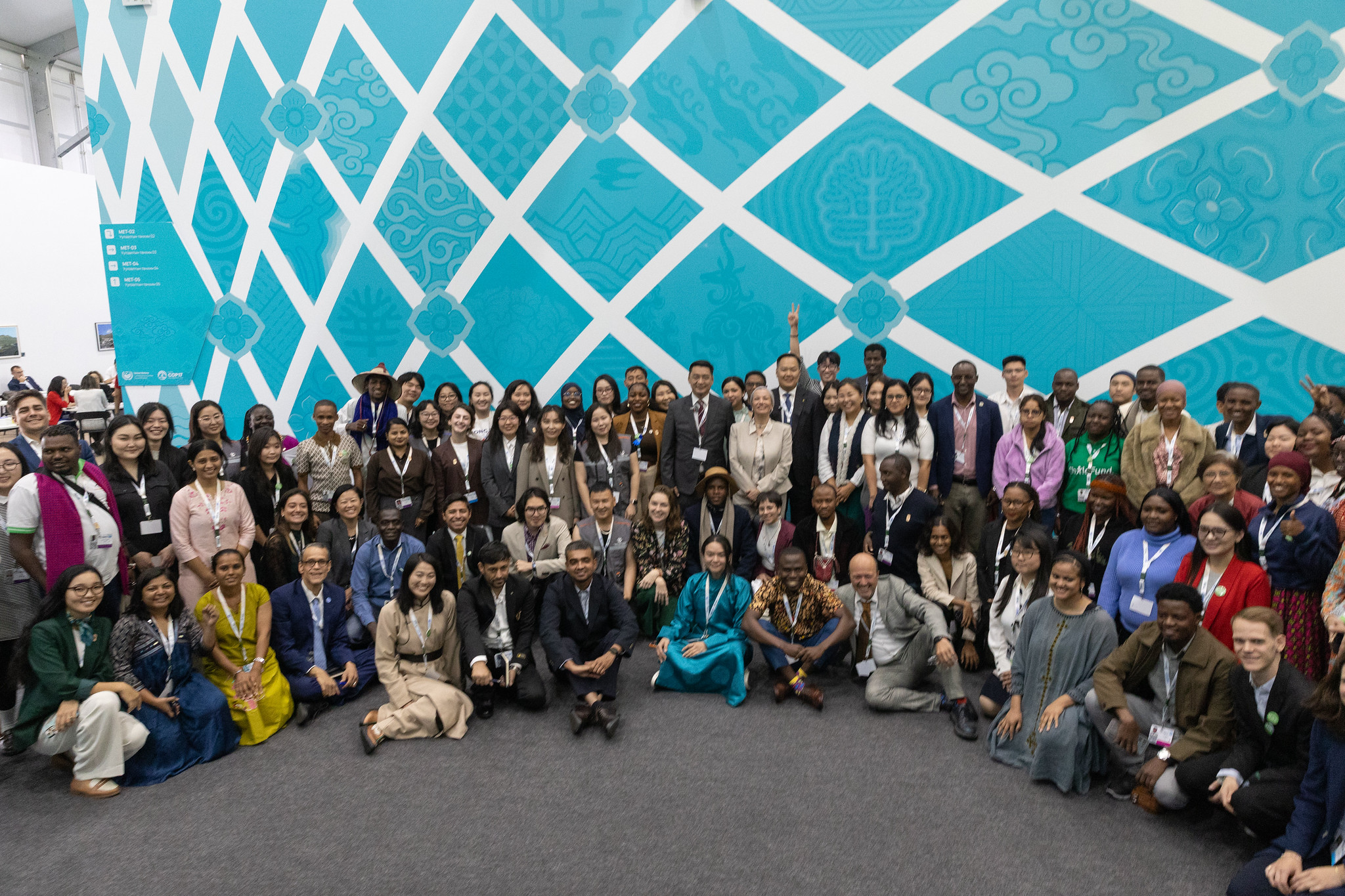
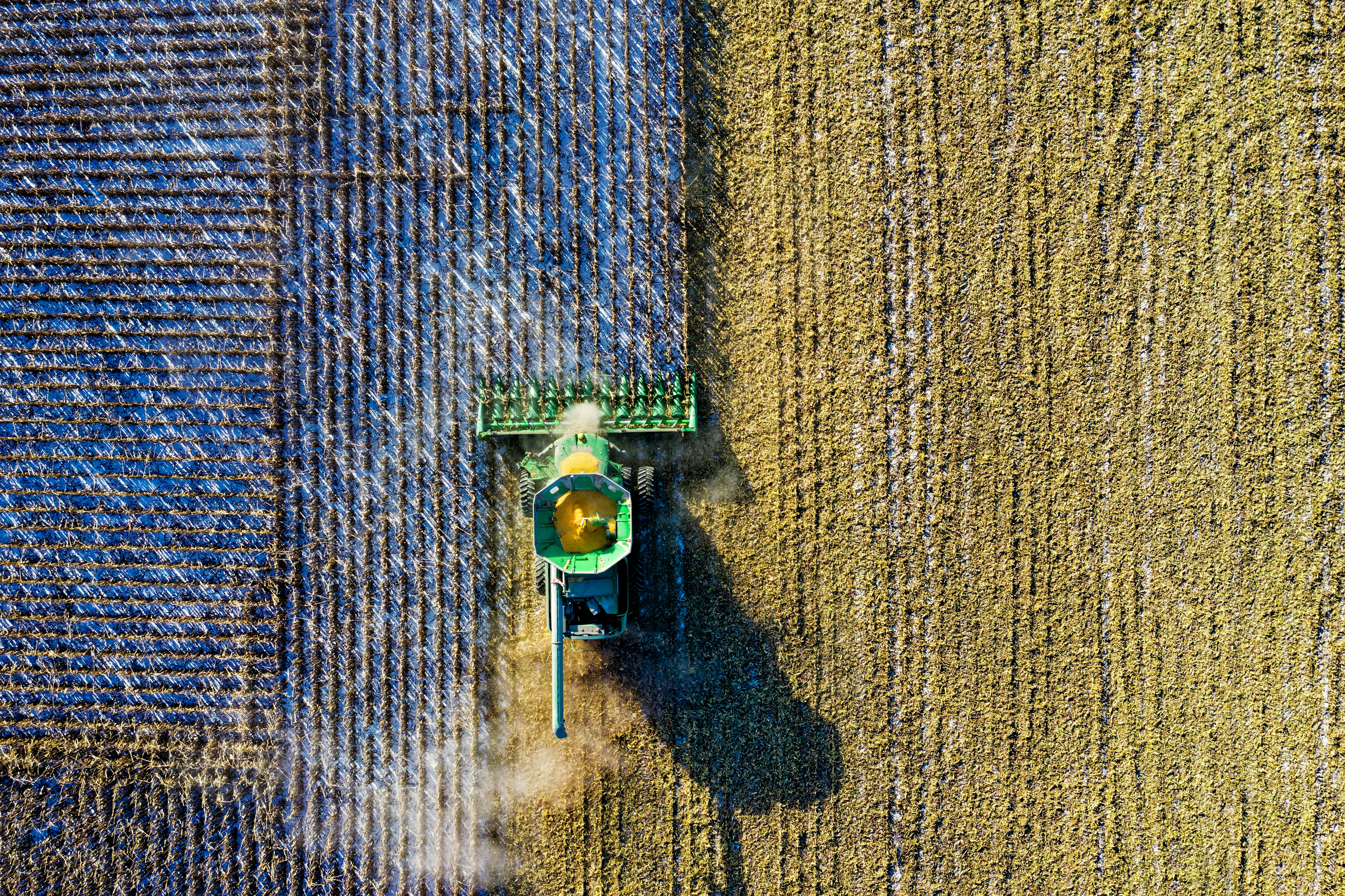
In Kyrgyzstan, where steep mountains and deep valleys define both the landscape and daily life, land degradation and drought are no longer distant threats — they’re reshaping everyday reality. These slow-onset crises erode not just soil and biodiversity, but the livelihoods and resilience of rural communities whose well-being depends on healthy land.Today, nearly 1.9 million people — or 35.5 per cent of the population — are directly exposed to land degradation. In 2019 alone, 1.83 million hectares of land were classified as degraded, accounting for nearly one-tenth of Kyrgyzstan’s total land area.While many countries face similar threats, Kyrgyzstan’s high-altitude terrain and dependence on pastoralism make it particularly vulnerable. In recent years, climate variability has intensified pressure on natural resources, disrupting crop yields, altering grazing patterns and straining water supplies across rural areas.Between 2018 and 2021, the Greening Drylands Partnership (GDP) launched a major effort to restore Kyrgyzstan’s fragile landscapes. It aimed to breathe new life into degraded ecosystems, protect biodiversity and help communities adapt to a changing climate. But with mounting deforestation, shrinking grasslands and escalating climate impacts, the challenge proved anything but simple.The Changwon Initiative: A driving force for land restorationThe Changwon Initiative — a flagship programme of the Korea Forest Service and the UNCCD — helped turn restoration from vision to reality. It became a regional catalyst for action, supporting land restoration not only in Kyrgyzstan, but also across Eastern Europe and Central Asia, including Kazakhstan, Tajikistan, Belarus, Armenia and Mongolia.In Kyrgyzstan, the Changwon Initiative aligned restoration efforts with national environmental goals and long-term sustainability. It ensured that recovery initiatives were not isolated projects, but part of a broader, coordinated vision for change. By bringing together governments, non-governmental organizations and international partners, it laid the groundwork for meaningful, lasting action on the ground.Planting the seeds of changeFrom 2019 to 2022, one of the most impactful efforts under this partnership was a community-focused reforestation project supporting rural and forestry nurseries. The aim was both simple and ambitious: to plant trees, raise awareness and build skills that would last well beyond the project’s end.Four nurseries were established in the Chui and Talas regions, covering a total of eight hectares. They became home to a range of fruit and ornamental trees — not just to green the land, but to promote sustainable farming and land use.Farmers and forestry workers received practical training in nursery management, pest control and pruning — blending scientific techniques with local traditions.The project didn’t stop with adults. Twenty-four school-based nurseries were also created, inviting the next generation to become caretakers of the land. Young people across Kyrgyzstan engaged directly with their environment, taking part in reforestation — one sapling at a time.To expand impact beyond the project sites, a national UNCCD information center helped disseminate tools and insights across the country, while roundtables shaped new policy recommendations for sustainable land management.Tools for long-term restorationThe project went beyond planting trees. It provided communities with the tools to understand and protect their environment long after the initial phase ended. Risk assessment maps identified areas most vulnerable to land degradation. Restoration activities were aligned with national policies and embedded in the broader Land Degradation Neutrality (LDN) framework.Most importantly, people were placed at the center — not just involved but empowered. From farmers to students, local communities became stewards of their own recovery.While these efforts planted the seeds of progress, scaling up to achieve nationwide transformation is the next frontier. Moving beyond pilot projects will require sustained investment, stronger institutions and continued commitment from both governments and civil society. Sharing lessons regionally — from Mongolia to Belarus — will be key to ensuring success beyond borders.In countries like Belarus, restoration projects are already entering their second phase. Kyrgyzstan now stands ready to do the same — the foundation is solid, the knowledge is growing and community engagement is real. What’s needed next is a renewed investment in people, supportive policies and the natural systems that sustain life.A growing legacyWith support from the Changwon Initiative, Kyrgyzstan has taken meaningful steps toward restoring its land — and its future. Skills have been strengthened, forests are returning and a new understanding is taking root: land restoration is not only possible, but essential.Through strong partnerships and a shared commitment, Kyrgyzstan is proving that degraded land can recover — and that when the land heals, so do the communities that depend on it. Healthier ecosystems, more resilient livelihoods and a renewed bond between people and nature — this isn’t just an ideal. It’s a future already beginning to take shape.

数百年间,人类生活始终与土地和水息息相关——牧民依赖牧场,农民仰仗河流滋养田地。这些自然景观塑造了世界各地的文化、生计与传统。 然而当今,人为压力——气候变化、土地退化和干旱——正以惊人速度摧毁人类数百年心血。全球高达40%的土地遭受退化,威胁近半数人口。仅干旱就已影响全球超过18亿人口,使水资源系统承受前所未有的压力。这些压力不仅威胁着生态系统和生物多样性,更危及粮食安全、水资源供应和气候稳定。 在罗马举行的2025年世界粮食论坛(10月10日至17日)上,《联合国防治荒漠化公约》(UNCCD)与联合国粮食及农业组织(FAO)共同参与了两场对话,传递出明确信息:健康的土地与可持续的水资源管理必须相辅相成。关于原住民与牧场的联合会议强调了土地权利及这些生态系统的文化价值。在FAO主导的2025罗马水资源对话会上,社区代表分享了如何通过修复土壤、保护水源保障农作物收成,并帮助家庭应对气候变化。 论坛期间,FAO与UNCCD续签了合作伙伴关系,以加强在可持续土地、土壤和水资源管理领域的协作。 10月15日由FAO总干事屈冬玉博士与UNCCD执行秘书雅斯敏·福阿德博士签署的谅解备忘录确立了合作框架,双方将共同致力于避免、减少和逆转土地与土壤退化、增强抗旱韧性、以及促进土地恢复、农业食品系统转型与气候行动一体化解决方案。 该伙伴关系将通过《FAO-UNCCD联合行动计划》实施,该计划调动两家机构网络的专业知识,并与FAO及UNCCD的优先任务保持一致。行动计划聚焦三大核心领域:支持政策对话与能力建设以应对土地退化、增强抗旱韧性、以及推动数据驱动方法与知识共享。 世界草原的守护者 草原覆盖了地球表面的一半以上,孕育着全球三分之一的生物多样性热点地区。它们为五十亿人提供生计,储存着近三分之一的陆地碳,对气候稳定和文化遗产都至关重要。然而不可持续的经营方式和气候变化正将许多草原生态系统推向危险临界点。 对依赖牧场生存的人们而言,这种危机已成日常。牧民为寻找草场跋涉更远距离,世代相传的祖先智慧正面临威胁。妇女往往最先感受到这些影响——她们需要走更远的路运水搬柴,用微薄的收成勉强养活孩子。 但正是这些社区率先探索解决方案。妇女们正在恢复土壤肥力,保护种子资源。原住民正守护着传统治理体系与祖传智慧。地方社区竭力维系家庭生计。青年一代以创新精神连接传统与科技。他们的守护实践证明:恢复草场不仅可行,更能为所有人创造丰厚回报。 “保护原住民土地非但不是可选项,更是关乎生存、尊严与正义的命题,”UNCCD执行秘书雅斯敏·福阿德强调。“原住民和牧民是我们全球行动中不可或缺的伙伴。” 在利雅得举行的UNCCD第十六届缔约方会议(COP16)上,各国通过了首个关于牧场和牧民的全球决议,并成立了原住民核心小组。罗马会议的与会者呼吁加强土地权利保障,承认传统治理模式,并让原住民社区充分参与政策制定。与会者强调,恢复牧场不仅关乎生计保护,更涉及碳吸收、增强社区抵御气候冲击的能力以及维护生物多样性。 水作为文化、记忆与生存之源 2025年罗马水对话——联合国粮农组织关于水与农业的旗舰论坛——呼应了这一紧迫性。如今干旱发生频率较2000年高出三分之一,每年已造成全球经济跨领域损失逾3000亿美元。土地退化和干旱每年造成近9000亿美元损失。若当前趋势持续,到2050年全球四分之三人口可能面临干旱威胁。 但水不仅是经济资产,更是文化、记忆与生存的载体。当河流干涸、三角洲盐渍化,社区失去的不仅是作物,还有与之相连的故事、歌谣和生活方式。健康的土地和水系滋养家庭、调节气候、守护生物多样性。守护水土即守护生计,亦是捍卫地球维系生命的能力。 在本次对话会上,FAO、UNCCD及80余家合作伙伴展示了过去数十年的解决方案——从灌溉与降低灾害风险,到再生农业、湿地修复与可持续放牧。实证表明,每投入1美元即可在生计保障、气候韧性、粮食安全及生态系统领域获得7至30美元的回报。 “水是生命之源,更是土地、粮食与和平的基石,”UNCCD执行秘书雅斯敏·福阿德强调,“如果水系缺乏韧性,粮食系统难以持久,而健康土地则是水系韧性的根基。” 罗马发出的讯息 两场对话闭幕之际,土地与水资源的议题交织成核心共识:危机无法孤立解决。恢复草场与保障水系如同一枚硬币的两面——对粮食、气候与和平至关重要。 正如UNCCD执行秘书雅斯敏·福阿德所总结的:“通过可持续管理水资源和草场保障粮食安全将一举两得。国际社会将在《联合国防治荒漠化公约》第十七届缔约方大会上共同行动。” 会议同时强调包容性至关重要。妇女、原住民和青年不仅是受影响最严重的群体,更是解决方案的先锋力量。从萨赫勒地区修复草场的牧民,到设计气候智能工具的青年创新者,再到守护种子与传统遗产的女性,他们的领导力正在重塑未来。 随着UNCCD第十七届缔约方会议即将在蒙古召开,以及“国际牧场与牧民年”的临近,罗马发出的讯息清晰明确:工具与知识皆已具备。当下所需的是将其推广的政治意愿——既要保护维系生命的自然系统,也要守护赋予其意义的文化传承。

Across Mexico’s rural and indigenous communities, land is more than a resource – it is central to daily life, food production and cultural identity. Yet for many – especially women and indigenous peoples – secure access to land remains out of reach.Over 70 per cent of Mexico’s land is at risk of degradation. At the same time, women – who produce more than half of the country’s food – own less than 30 per cent of farmland. This growing gap between those who care for the land and those who control it threatens sustainable land use. Without secure land rights, many are excluded from decisions that shape their environment and future.To tackle these challenges, Mexico launched a series of national consultations on land tenure and Land Degradation Neutrality (LDN). Designed to improve land governance systems, the consultations emphasized gender equality, indigenous rights and local perspectives as key pillars of the country’s LDN strategy.Held across several regions, they brought together 45 participants – 30 women and 15 men – including indigenous leaders from Chiapas, Oaxaca, Veracruz, Sonora and other states. Almost all of these leaders were women, who shared their experiences managing community lands and protecting ecosystems.The Changwon Initiative: Making inclusion possibleThe consultations were made possible in part by support from the Changwon Initiative – a programme of the Korea Forest Service and UNCCD – with additional backing from international partners. Funding through the Food and Agriculture Organization of the United Nations (FAO) helped cover key logistical costs, ensuring rural and indigenous voices could be heard.This support ensured that traditionally excluded groups – especially indigenous women from ejidos (communal lands) – were not only present, but central to the dialogue. Many shared firsthand stories about barriers to land inheritance, being sidelined in local decision-making and the urgent need to revive degraded soil and ecosystems.“Women living in the countryside are becoming the protagonists of social, political and economic change,” said Dr. Maribel Méndez de Lara, Magistrate of the Superior Agrarian Court. “Land ownership gives women legal protection, autonomy to make decisions and the ability to fully participate in their communities.”From dialogue to actionThe consultations generated concrete proposals, including a Strategic National Programme to regularize land rights for women and indigenous communities, legal guarantees of female representation in ejido decision-making bodies and greater integration of sustainable practices into collective land systems.Participants – particularly rural and indigenous women – gained skills through leadership training, project planning workshops and awareness campaigns that emphasized their right to land and participation in land governance. Government officials and policymakers also benefited, gaining a better understanding of how to design more inclusive land governance systems that truly reflect community needs.“There are 13.6 million women living in rural areas in Mexico,” said Dr. Beatriz Casas Arellanes, Director of Social and Political Participation for Equality of the National Women's Institute (INMUJERES),. “Many of them are already leading community life and preserving biodiversity. What they need is recognition and access to rights.”Innovative tools and approachesThe consultations were guided by a participatory approach developed under the UNCCD–FAO Joint Initiative and based on the Voluntary Guidelines on the Responsible Governance of Tenure (VGGT). Adapted to Mexico’s social and political context, this method ensured that rural leaders, women, government officials and international experts all had a voice.Gender-sensitive tools were used not just to include women, but to ensure their perspectives shaped the outcome.The Dialogue opened with a ceremonial offering called a Tlalmanalli, led by indigenous grandmothers. Made of flowers, seeds and traditional medicines, it served as a reminder that the Earth is alive – and its care, a shared responsibility.Participants also shared inspiring examples already underway, such as mobile legal clinics helping women resolve land disputes and forestry programmes advancing gender equality – small but meaningful signs of change.Lessons learned and the path forwardOne of the key lessons from the consultations is that long-term progress on land tenure requires consistent effort, strong coordination and engagement at all levels. Local and regional consultations – alongside national ones – proved essential for identifying the diverse challenges communities face across the country.Just as important was the finding that inclusive participation leads to better, more grounded solutions. When women, indigenous leaders and local actors are part of the process, outcomes are more relevant – and more likely to last.While the broader policy impact is still unfolding, the consultations helped establish a foundation for more inclusive land governance in Mexico. These conversations laid the groundwork for future strategies and reforms that reflect the realities of those who live and work on the land.Shaping the future of land rights and restorationThe Changwon Initiative played a pivotal role in making these consultations possible – not only by providing funding, but by championing inclusion as a core principle of land restoration. Its support helped ensure that rural and indigenous voices, especially those of women, were not just heard but helped shape the conversation.By backing this process, the Changwon Initiative demonstrated how targeted international cooperation can drive national progress – setting a global example for integrating land tenure security into LDN strategies.Thanks to this support, communities across Mexico now have stronger tools – and a stronger voice – to secure their land, protect their environment and build a more sustainable and inclusive future.

How the Changwon Initiative helped build the UNCCD Drought ToolboxDrought is no longer a rare or distant event. It is becoming one of the most serious and far-reaching challenges of our time. Since 2000, droughts have become 29 percent more frequent and intense. By 2050, as much as three-quarters of the world’s population could be affected.For millions of people, this means more than just dry weather — it means failed harvests, shrinking water supplies, rising food prices and displacement from their homes and livelihoods.But drought, unlike sudden disasters, offers a unique opportunity: it gives us time. And when time is used wisely, it can turn risk into readiness.From crisis to preparedness: The birth of the Drought ToolboxFaced with the growing impact of drought, the United Nations Convention to Combat Desertification (UNCCD) recognized the need for a shift — from reacting to crises after they hit, to preparing before they begin. This led to the creation of the Drought Toolbox: a science-based, globally accessible platform that helps countries and communities assess, monitor and reduce drought risk.Designed as a practical support tool, the Toolbox brings together resources for developing national drought plans, identifying vulnerable areas, setting up early warning systems and learning from real-world examples of drought resilience. Behind this comprehensive platform lies a key driver: the Changwon Initiative.The Changwon Initiative: Turning vision into actionLaunched by the Korea Forest Service in partnership with the UNCCD, the Changwon Initiative was instrumental in transforming the Drought Toolbox from concept to reality. Through targeted funding and technical support, the Initiative helped bring together global experts, institutions and local stakeholders to co-create the platform.Workshops convened with its support became spaces for cross-sector collaboration. Government agencies, scientists and land managers worked side by side to align methodologies, share regional knowledge and design an interface that could speak to both policymakers and practitioners. The result was not just a digital tool, but a living, evolving resource for drought resilience.When Tools Reach People: Global Examples of ImpactAcross the world, the Drought Toolbox is helping countries move from crisis response to long-term resilience — with real results on the ground. In Costa Rica, it became the foundation for a national workshop that brought together ministries, improved coordination and led to drought strategies based on shared data and clear priorities. In Andhra Pradesh, India, local leaders used the Toolbox to identify the most drought-prone areas, translating data into practical action — from installing rainwater harvesting systems to planting drought-resistant crops and training farmers to monitor conditions themselves.In South Africa, the Toolbox supported the integration of early warning systems into land-use and agricultural planning, enabling farmers to adopt more sustainable practices and authorities to act on forecasts before droughts took their toll. Meanwhile, in Central Asia, countries facing similar climate pressures used the platform to harmonize monitoring efforts and coordinate their responses — showing how regional cooperation can strengthen resilience across borders.Collaboration is keyOne of the most important lessons from the Toolbox’s creation is that preparedness is not just technical — it’s collaborative. The platform draws from the expertise of partners such as the Food and Agriculture Organization of the United Nations (FAO), the World Meteorological Organization (WMO), the United Nations Environment Programme (UNEP) and the International Center for Agricultural Research in the Dry Areas (ICARDA), and grounds that knowledge in the real-life experiences of those facing drought on a daily basis.This spirit of collaboration also sparked the development of complementary tools like the Sand and Dust Storms (SDS) Toolbox, recognizing the interconnectedness of climate risks, land degradation and human health.A lasting legacyThe Changwon Initiative did more than fund a product. It helped shape a process that placed accessibility, usability and inclusivity at the heart of drought preparedness. Thanks to this investment, the Drought Toolbox has become a vital global asset — used by countries, institutions and communities to plan ahead and protect what matters most.As droughts grow more frequent and complex, the need for practical, integrated solutions becomes more urgent. The Drought Toolbox — born of international collaboration and local insight — shows us what’s possible when we choose to act before crisis hits.It is a reminder that while we cannot stop the rain from disappearing, we can prepare wisely for its absence — and that preparation begins not with fear, but with the right tools in the right hands.

三十多年前,库布其沙漠因流动沙丘和频繁的沙尘暴,被称为中国的“死亡之海”。如今,它已经发生了翻天覆地的变化。本周,第十届库布其国际沙漠论坛在内蒙古鄂尔多斯举行。论坛由联合国防治荒漠化公约(UNCCD)、联合国环境规划署(UNEP)、中国国家林业和草原局及内蒙古自治区政府共同主办,汇聚了国际组织、政府官员、专家学者和企业家,围绕“科学治沙 绿色发展”主题,共同探讨土地恢复的解决方案。 全球挑战,刻不容缓 全球土地退化正在加速。如今,全球已有40%的土地退化,直接影响近一半人口。每年因不可持续的土地利用和气候变化,至少有1亿公顷健康土地流失,相当于一个埃及的面积。经济损失严重:每年因荒漠化、土地退化和干旱损失近9000亿美元。 自2000年以来,干旱发生频率和强度增加了三分之一,每年造成超过3000亿美元损失。预计到2050年,全球四分之三的人口将受到影响。但解决方案是存在的。UNCCD数据显示,每投资1美元在土地修复上,可产生高达27美元的回报,既能增强粮食系统,又能创造就业,还能帮助社区抵御气候冲击。 从“死亡之海”到富饶之地 库布其沙漠展示了科学、政策与社区行动结合所能带来的奇迹。如今,超过50万公顷沙地得到修复,大片沙丘长满植被,减少了沙尘暴,稳定了土壤,也阻止了大量泥沙流入黄河。 可再生能源的引入发挥了重要作用。在退化土地上建立的光伏电站,不仅生产清洁能源,还改善了植被生长条件。这种“光伏+治沙”模式创造了新的就业机会,提高了家庭收入,也证明了治理土地退化能带来繁荣。在内蒙古部分地区,农民如今靠林业和果业获得主要收入,显示健康的生态系统能够支撑可持续经济。 “恢复土地,就是恢复尊严” 在论坛的视频致辞中,UNCCD执行秘书雅斯敏·福阿德强调: “库布其模式告诉我们一个基本真理:恢复土地,就是恢复人的尊严。它创造了逾10万个就业岗位,孕育了支撑家庭的新兴产业,让社区不再把沙漠视为敌人,而是视为共创未来的伙伴。这一转变并非单一部门之功,而是政府、企业和社区并肩携手、同心协力的结晶。” 共享经验,共创未来 论坛不仅关注内蒙古,也汇聚了来自蒙古国、非洲萨赫勒地区、拉丁美洲等受荒漠化严重影响地区的声音。蒙古国林业官员介绍了“十亿棵树”计划,非洲和拉美代表分享了从火灾监测到可持续牧业的经验。 论坛还展示了“UNCCD土地英雄”青年代表的经验。来自马里的企业家罗基娅图·特拉奥雷创立了Herou联盟,通过可持续辣木种植赋能妇女和青年。她说:“中国向世界证明了,只要有政治承诺和社区参与,就能把沙漠变成绿洲。种树不仅保护环境,还能增加GDP和社区收入。科学和技术是我们恢复土地、改善经济的最佳伙伴。” 来自津巴布韦的塔库德扎·阿什利·姆兰博则强调科技的重要性:“论坛让我看到无人机、卫星和物联网等创新方案,以及光伏与动植物结合的模式。如果能在撒哈拉以南非洲推广,我相信我们能够实现土地退化零增长的目标。” 从地方成功到全球目标 库布其的经验对全球具有重要意义。各国已承诺到2030年恢复10亿公顷退化土地,其中近一半是在UNCCD框架下作出的。要实现这一目标,未来五年每天至少需投入10亿美元。但收获的韧性、粮食安全和生计改善,将足以证明这一投资是值得的。 在土地恢复过程中,当地社区、农民和牧民发挥了核心作用:他们植树种草,成立合作社,发展小企业,证明了土地恢复能够带来社会和经济双重收益。 论坛的结论很明确:土地可以恢复,而当它恢复时,人类与自然都会受益。

The leaders of the three Rio Conventions recently met in Bonn to chart the next stage of their collaboration. Yasmine Fouad, the new UNCCD Executive Secretary, chaired the meeting of the Joint Liaison Group, welcoming her counterparts Simon Stiell of the UN Framework Convention on Climate Change (UNFCCC) and Astrid Schomaker of the UN Convention on Biological Diversity (CBD). Together, they discussed priority actions for 2025–2026 and pledged to strengthen cooperation to address the triple planetary crisis of climate change, biodiversity loss and land degradation. One immediate outcome of the meeting is the launch of the Rio Synergies platform, unveiled to showcase how the three conventions are stepping up joint action. The new website highlights the benefits of integrated approaches and provides a window into how countries, communities and institutions can work across climate, biodiversity and land agendas.Some 30 years ago, at the Rio Earth Summit, the world agreed on three landmark treaties to protect the planet: the UNCCD, the CBD and the UNFCCC. Each tackles a different piece of the environmental puzzle—but all share one truth: climate change, biodiversity loss and land degradation are deeply connected, and solving one equals tackling them together.The rationale for closer cooperation is clear: Humanity is on track to reach ten billion people by 2050, just as nature’s life-support systems are reaching breaking point. Almost one million species are at risk of extinction. Three-quarters of the planet’s land has been transformed by human activity. And if greenhouse gas emissions continue unchecked, the world is set to overshoot the 1.5°C warming limit within decades.At the heart of cooperation is a shared conviction: when climate, land and biodiversity goals are pursued together, the results are stronger, more cost-effective and longer lasting. By linking their mandates, the Rio conventions are committed to turning overlapping challenges into shared opportunities—delivering solutions that benefit people, economies and ecosystems alike.The new platform demonstrates how this can work in practice. It showcases key areas for action, such as sustainable land use planning, nature-positive food production, renewable energy transition and gender-responsive action. It also highlights country case studies where integrated projects are already making a difference: Rwanda’s nationwide restoration strategy combining reforestation, agroforestry and land recovery; Central Asia’s efforts to restore vast degraded steppes as carbon sinks; and Panama’s “Nature Pledge,” which unites its climate, biodiversity and land commitments under a single national framework, among others.The Rio synergies approach is centered around three pillars. First is country support: helping governments strengthen policies, develop integrated plans and build negotiation skills through joint capacity-building. Second is coherence and complementarity: aligning work on shared themes like food systems, forests and water, and engaging Indigenous Peoples and youth. Third is outreach and visibility: speaking with one voice at global events, promoting a joint narrative and sharing inspiring examples of synergy in action.As the three Executive Secretaries agreed, climate change, biodiversity loss and land degradation are not separate challenges—they are different symptoms of one planetary crisis. By strengthening synergies, the Rio Conventions aim to help humanity heal its relationship with nature and build a more resilient, sustainable future for all. The Rio journey now leads to 2026 — the triple COP year when all three conventions will hold their governing conferences— a pivotal convergence to align national commitments, showcase joint solutions and generate the political momentum needed to translate promises into action on the ground.Join the Rio journey at https://rioconventions.org
