News & stories

Latest
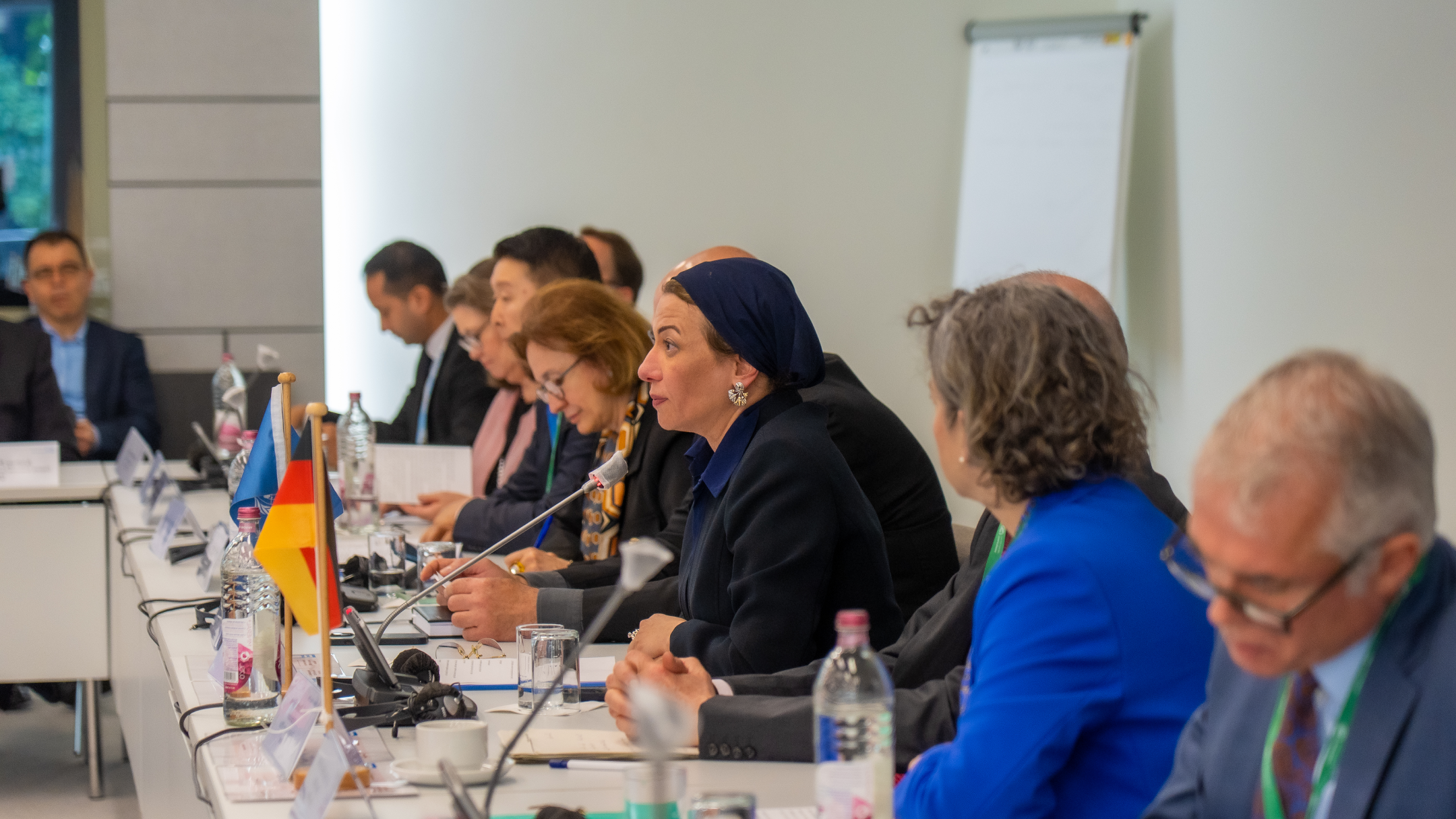
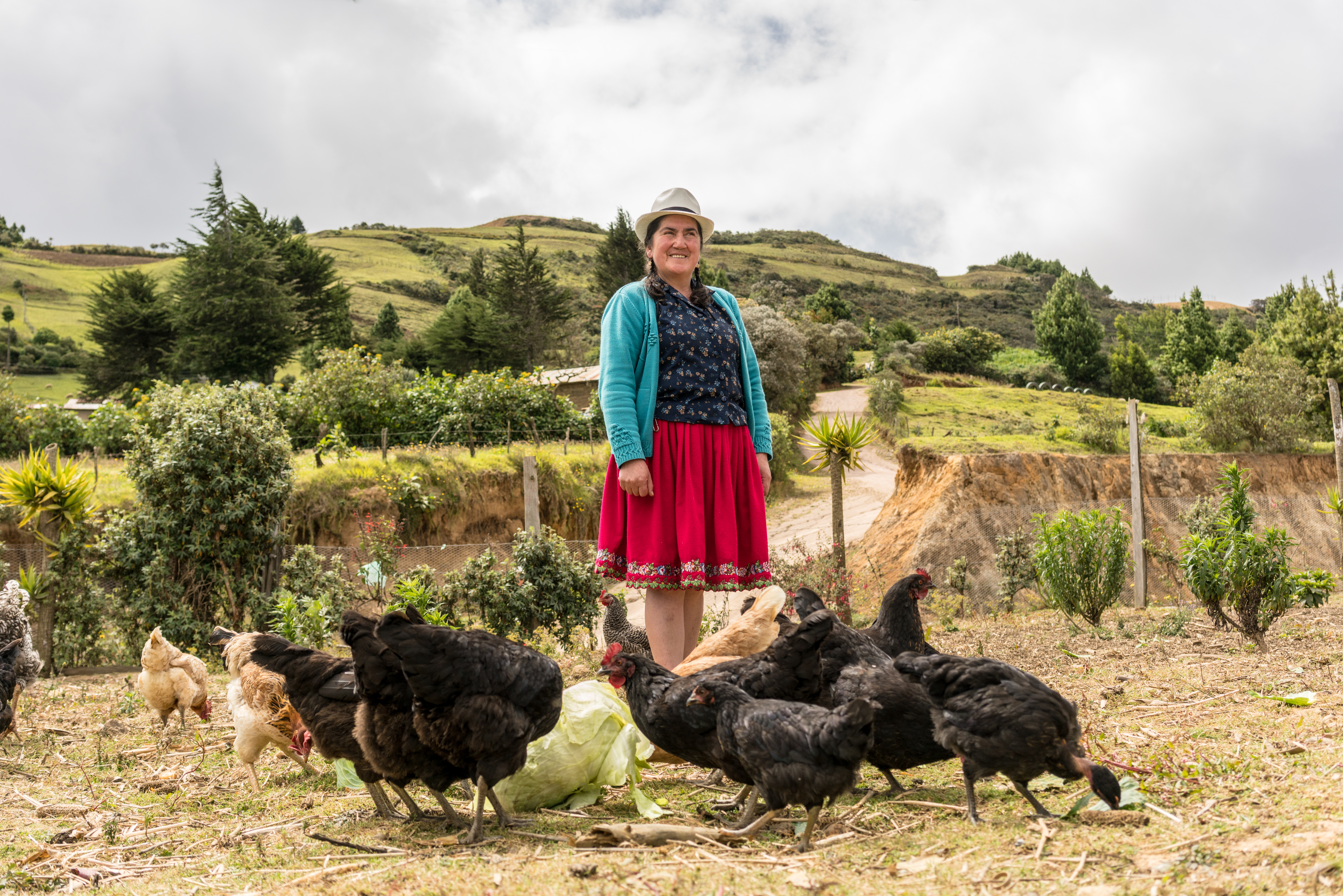
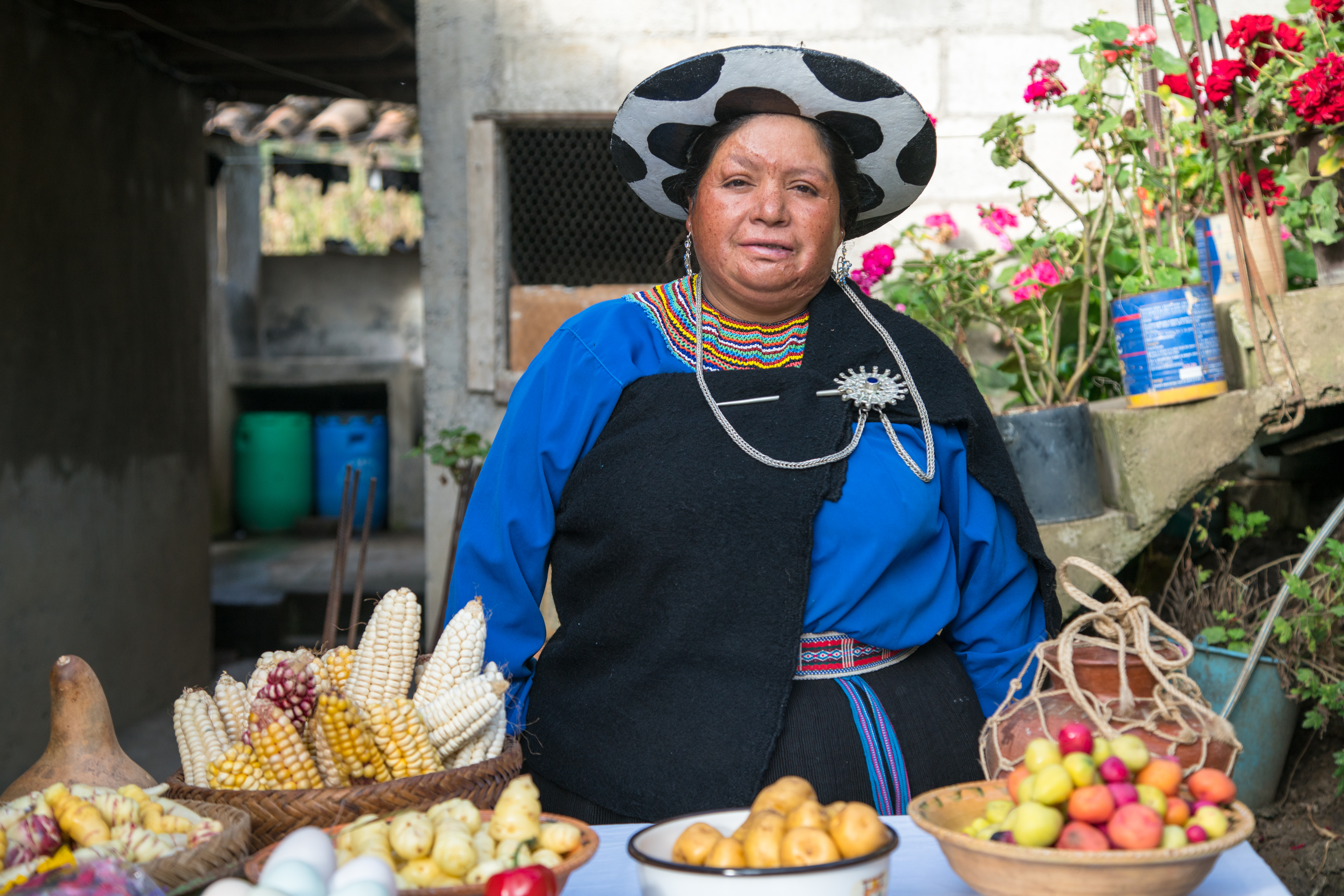


Gender equality is a key entry-point for Sustainable Land Management (SLM) and UNCCD together with WOCAT are working to improve gender-responsiveness of SLM practices. Direct and indirect gender-related barriers prevent women from adopting SLM practices. These barriers include land tenure insecurity; land availability; education or literacy levels; access to seeds, fertilizers, or extension services; and access to technologies and financing. As a result, women adopt SLM technologies at a rate that is typically lower and slower than that of men. In line with the UNCCD Gender Action Plan (GAP) and guided by the idea to build back better, the aim of this UNCCD-WOCAT project is to: Add a gender lens to SLM technologies and appraoches and assess their gender-responsiveness Evaluate how gender-responsiveness of SLM Technologies and Approaches can be improved, stepping up adoption and dissemination, making SLM beneficial for women and men alike. This will support project planners, designers and implementers to identify, realize and scale gender-responsive SLM Technologies and Approaches within the framework of LD/SLM and LDN projects and programmes as well as promote the implementation of gender-responsive SLM practices in the UN Decade of Ecosystem Restoration. Phase 1: Development of Gender-responsive SLM tool In the first phase, WOCAT and UNCCD designed a tool that helps to test the gender-responsiveness of SLM Technologies and Approaches and to identify areas of improvement to support project planners, designers, and implementers in their effort to scale up SLM Technologies and Approaches that are gender-responsive. The gender-responsive SLM tool was reviewed during a UNCCD-WOCAT consultation workshop with experts from different organizations and regions, resulting in the fine-tuning of the tool. Currently, the tool is being tested with WOCAT network partners in more than 10 countries around the globe, supporting it further refinement and facilitating a first round of data collection. Data will be analysed and presented in the form of SLM Gender Profiles, showcasing women and men's involvement in different SLM Technologies and providing insights and recommendations on the improvement of SLM Technologies and related Approaches in view of gender equality and women empowerment. Phase 2: New gender tool added to WOCAT Database (May 2024 – June 2025) The Global WOCAT SLM Database will be enhanced with a gender-responsive SLM tool, enabling: Online assessment of the gender-responsiveness of SLM practices Search for gender-responsive SLM solutions Collection of gender-disaggregated data through a harmonized system Possibility to analyse and share gender-disaggregated data to support informed decision-making for gender equality in land management, particularly in relation to drought resilience Platform to discuss gender and land management related issues within communities Interested partners and institutions, including UNCCD Parties and CSOs, will be trained in its application to gain country-specific gender-disaggregated data on SLM practices. Results will support the design and implementation of gender-responsive SLM projects and programmes and inform decision-makers. During the upcoming UNCCD COP16 in Riyadh, Saudi Arabia in December 2024, partners will present results and country insights.

On 17 May, one month before the Desertification and Drought Day 2024, UNCCD Goodwill Ambassadors Ricky Kej and Inna Modja released the new Her Land anthem to support land rights for women across the world. They are among the key activists and influencers that work with UNCCD to spearhead the campaign #HerLand and mobilize support to secure land rights for women and girls across the world. When land is degraded women and girls are impacted first and most. They are disproportionately affected by poverty, hunger, displacement and violence. And they have minimal control over land itself or decisions about how to manage it. Although women produce half the world’s food, they own less than one-fifth of land worldwide and make up the majority of the world’s hungry. But it doesn’t have to be this way. When land rights are secured, we have seen women and girls increase yields, restore land, and build resilience to drought. Listen to the song, get inspired and join our call to action for Her Land, Her Rights!

Imagine a world where every farmer, indigenous community and local group has the power to improve their land and their lives. It's not just a dream. By securing land tenure – the right to use, control and transfer land – we can unlock sustainable development on a global scale. The United Nations Convention to Combat Desertification (UNCCD) and the Food and Agriculture Organization of the United Nations (FAO) are working together to make this vision a reality. Land tenure determines how people connect with the land. Worldwide, 2.5 billion people depend on communally managed territories, which often lack legal protection. This vulnerability undermines sustainability, escalates conflicts and damages the environment. Although more than 50 per cent of communal lands are used by indigenous peoples and local communities, only 10 per cent are legally recognised. These challenges led to the launch of the Voluntary Guidelines on the Responsible Governance of Tenure (VGGT) in 2012. A blueprint for fairness, the VGGT ensure that everyone – regardless of gender or social status – receives the same land rights. Incorporating principles of equity, transparency and sustainability into land governance is critical to creating secure and productive communities. These principles are not just theoretical; they are being successfully applied around the world, with transformative results. In Eritrea, the Serejeka sub-zone, part of the Great Green Wall initiative, introduced a new land tenure system called "xlmi" across 28 villages. This new system, which allows landholdings to be inherited as family property, replaced the previous seven-year lease system with redistribution among smallholders. The change has led to clear environmental and social benefits. It has significantly reduced deforestation and land conflicts, and provided farmers with secure, long-term benefits. This security has undoubtedly encouraged greater investment in sustainable land management practices, boosting household income. In the Senegal River Basin, a concerted effort to improve land governance has facilitated better management of vast agricultural resources, boosting food security and economic stability across the region. In Colombia, the government has launched a land regularisation programme with indigenous communities, employing the "Open Tenure" tool under the VGGT. This tool maps legitimate tenure rights, supporting a transparent process that helps stakeholders record and protect their rights. The programme also promotes joint land ownership for spouses, aiming to combat discriminatory inheritance practices. In many rural areas, land tenure security acts as a vital safety net for the poor, buffering them against uncertainties and securing their livelihoods. This security is more than just a piece of paper; it ensures that smallholder farmers can produce food and reduce poverty and inequality within their communities. The process of securing land rights – through formal recognition, proper documentation and robust dispute resolution – is critical not only to the well-being of farmers, but also to the promotion of sustainable agricultural practices. The challenge, however, is that in many developing countries land is often held under informal or undocumented arrangements. Simply formalising these arrangements doesn't automatically lead to true security and can even lead to 'elite capture', where only a few reap the benefits. The genuine recognition and enforcement of legitimate land rights – including access, use, management and ownership – is essential. This not only increases agricultural productivity, but also strengthens the rights and livelihoods of the most vulnerable, paving the way for a more equitable and sustainable future for rural communities. A major challenge in this area is the significant gender disparity in land governance, management and benefit-sharing, even under customary or informal tenure arrangements. Although women make up nearly half of the world's agricultural workforce, they own less than 20 per cent of the world's land. It is clear that investing in women's equal access to land and related assets is a direct investment in their future and the future of humanity. When women have secure land rights, they are more likely to invest in the land and participate actively in community life, leading to better outcomes for families and societies. When women's tenure security is improved, household spending on food and education increases by up to 30 per cent. The UNCCD and FAO are committed to continuing these efforts through national consultations and inclusive policy-making. By engaging a wide range of stakeholders, they aim to tailor land tenure reforms to local needs and open up new opportunities for cooperation and financing. These efforts will eventually reach more than 30 countries o have who have requested support on integrating secure tenure into their Land Degradation Neutrality (LDN) programmes and restoration activities. Securing land rights and advocating for inclusive governance is a powerful tool for change. By protecting ecosystems and empowering millions of people around the world to have a say on how land and associated resources are managed, we are advancing multiple sustainable development objectives.

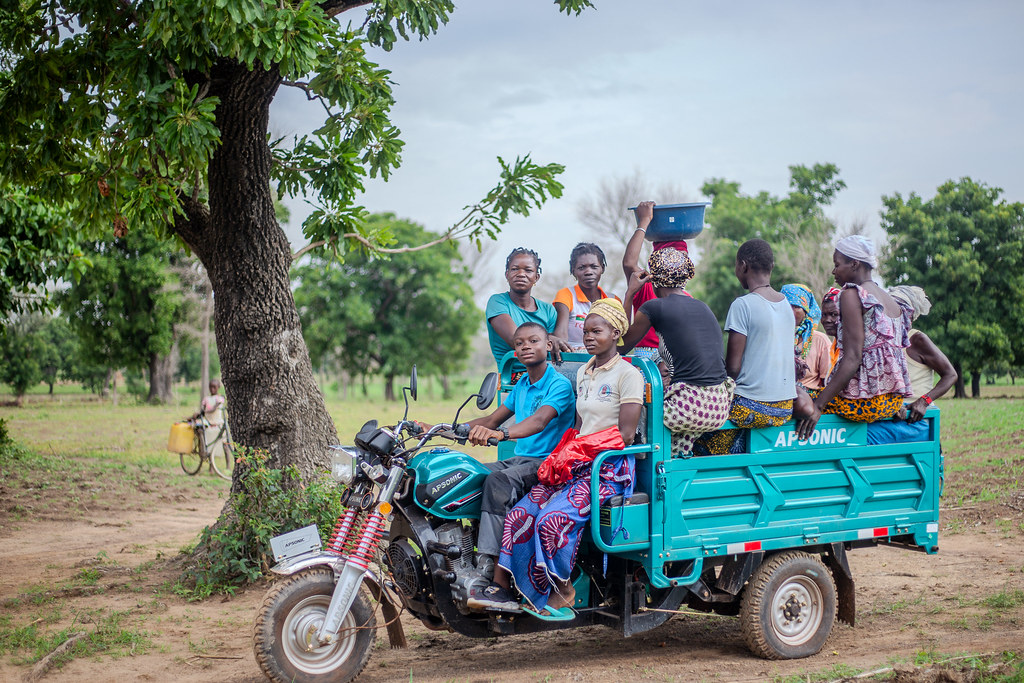
In the Houet Province of central Burkina Faso, 43-year-old Sanou Fatimata is a key figure in the Song Taab Yalgre Association, a shea cooperative bringing together some 500 women.With more than three decades of experience in the shea industry, Fatimata seamlessly blends traditional methods with modern, eco-friendly practices, enhancing her community's cultural heritage and future sustainability.Fatimata's group is a member of the Global Shea Alliance, an industry association established in 2011. As part of its efforts towards sustainability, the GSA supports women’s cooperatives to build their income generating capacity and more importantly their resilience. For women’s cooperatives like Song Taab Yalgre, the shea tree, known as ‘shi yiri’ meaning 'life' in the Dioula language, serves as a cornerstone in enhancing livelihoods. Co-op members harvest shea fruitIts kernels, which are processed into shea butter used in cooking, medicine and cosmetics, are an important source of income in the wider Sahel region. Traditionally, women like Fatimata process shea kernels by hand. This involves gathering the kernels from shea parklands, transporting them back home to boil and dry and then manually crush and mill them. The kernels are then hand-kneaded to extract the oil, which in turn is heated and boiled to produce the final product, shea butter.Much of the shea butter is consumed at home but can also be sold locally or internationally, bringing income into the household. Many women also choose to sell the boiled and dried kernels directly to buyers, most of which end up in food or cosmetic products around the world. This is also another great income-generating activity especially if women are working together as a cooperative, where they can sell quantity at a negotiated price.Traditional methods blend with eco-friendly practices for sustainable productionIn recent years, there has been a significant decline in the number of shea trees, with approximately 8 million shea trees lost each year. This decline is attributed to various factors, including tree cutting for mechanized agriculture and fuelwood, as well as limited replanting due to cultural factors and the lengthy growth period of shea trees.This decrease in the shea tree population impacts rural economic development and women's empowerment. The availability of shea is at risk to respond to growing demand. Shea communities are at the same time disproportionately impacted by climate change, with extreme temperatures and climate events changing the landscape and impacting agricultural yields. Providing comprehensive training in sustainable shea tree management with an enhanced emphasis on conservation can ensure the long-term availability of shea resources, benefiting not only current collectors but generations to come. Fatimata's group is a member of the Global Shea AllianceIn early 2024, the GSA launched the "Reversing Land Degradation in Shea Communities” project in Mali and Burkina Faso, funded by the Austrian Development Cooperation through the UNCCD. The project focuses on land restoration and livelihood enhancement through regenerative shea agroforestry to increase shea-related incomes. The project aims to improve the income and nutrition of 2,500 women shea collectors and restore 150 ha of farmland and community land through agroforestry practices and shea tree planting. The women also plan to diversify their activities beyond production of shea butter to include crops such as moringa, baobab and fonio. To help with these activities, the project will provide access to water, through boreholes installation, and tricycles will be provided for greater efficiency.“The project activities will have a great impact on the community. The borehole will benefit both the cooperative and the community and will allow us to grow crops during the off-season. The vegetable and fonio harvests will be partly for consumption and partly for the local market, which will increase our financial income. We'll also be able to sell the baobab and moringa when they are ripe. I'm looking forward to the implementation of the activities and I'm committed to the success of the project," says Somda Leocadie, a member of one of the women's cooperatives in Burkina Faso.Despite challenges such as increasingly harsh weather conditions and market fluctuations, the cooperatives, including Fatimata's association, show remarkable resilience, strengthened by ongoing training in sustainable agriculture and financial management. Together, they envision their communities as models of sustainable growth and a brighter future for the Sahel.Photos: ULPKS – YIRIWASSO Cooperative.

Burkina Faso and Senegal are leading a significant shift towards a future that's both sustainable and inclusive, according to new research released by the UN Convention to Combat Desertification (UNCCD) and UN Women. Filled with valuable insights for policymakers, NGOs and the private sector, the technical briefs focus on the unique opportunities and challenges facing women entrepreneurs and job seekers in the evolving green economy in these two African nations. At the heart of this transformation is the Great Green Wall Initiative, an ambitious project spanning the Sahel that aims to restore 100 million hectares of land, sequester 250 million tons of carbon, and create 10 million jobs by 2030. This massive undertaking is not only an environmental mission, but a pathway to economic revitalization, particularly in promoting gender equality and women's empowerment. “The green transition in Burkina Faso and Senegal is a beacon of hope for gender equality and women's empowerment. It calls for an integrated approach that links green economy goals with gender equality objectives. The Great Green Wall Initiative is a testament to these efforts, combining environmental restoration with economic and social empowerment. By unlocking green jobs for women in key sectors and advocating for gender-responsive policies, these countries aren’t just building a sustainable future; they’re paving the way for a more just and equitable world,” said UNCCD Executive Secretary Ibrahim Thiaw. Despite being a significant part of the workforce in both countries, women in Burkina and Senegal face many obstacles. They earn less than men, are less represented in leadership positions, and are mostly found in the informal sector. Starting formal businesses remains a challenge due to limited resources, such as capital and technology. Women also bear the heavy burden of unpaid care work, particularly in rural areas, which limits their opportunities for income and education. But there's a silver lining. Both countries have immense potential to create green jobs in areas such as agriculture, forestry, energy and waste management. It is estimated that around one million jobs can be created in these sectors, the majority of which will be for women. Opportunities abound in under-exploited areas such as non-timber forest products, the transformation of subsistence agriculture, solar energy and composting in waste management. These sectors offer rewarding and sustainable opportunities, especially for women. To unlock this potential, comprehensive strategies are essential. These include improving women's access to education and training, especially in STEM fields (science, technology, engineering and mathematics); developing climate-resilient technologies for women's cooperatives; facilitating access to green finance; and addressing the burden of unpaid care work. In addition, promoting women's networks in the green economy and establishing innovative value chains centered on non-timber forest products are critical steps. Nearly half of the world's smallholder farmers are women, but they own less than 20 per cent of the world's land. In Senegal, where rural women make up about 70 per cent of the labour force and are responsible for 80 per cent of the country's food production, they own a disproportionately low 10 per cent of agricultural land. Similarly, in Burkina Faso, women make up 60 per cent of the labour force and produce about 70 per cent of the food, but their land ownership is also limited to 8 per cent. Moreover, in both countries, most women access land through their husbands and face difficulties in having their tenure rights recognised and effectively protected. Investing in women’s equal access to, use of and control over land and associated assets is a direct investment in their future and the future of humanity and the planet. Women are instrumental in providing security and stability in rural communities with great potential to contribute to land restoration activities. For more information, contact Mr. Gilles Amadou Ouédraogo gouedraogo@unccd.int

بون، ألمانيا، 21 فبراير/شباط 2024 - سيركز يوم التصحر والجفاف لهذا العام، الذي يُحتفل به في 17 يونيو/حزيران، على مستقبل الإشراف على الأراضي. في كل ثانية، يتدهور ما يعادل أربعة ملاعب كرة قدم من الأراضي السليمة - أي ما يصل إلى 100 مليون هكتار كل عام. وأصبح إشراك الأجيال الحالية والمستقبلية أكثر أهمية من أي وقت مضى لوقف هذه الاتجاهات المقلقة وعكس مسارها والوفاء بالالتزامات العالمية باستعادة مليار هكتار من الأراضي المتدهورة بحلول عام 2030. إن الموضوع الذي تم اختياره ليوم التصحر والجفاف لهذا العام - "متحدون من أجل الأرض: إرثنا. مستقبلنا". - يسعى إلى تعبئة جميع شرائح المجتمع لدعم الإدارة المستدامة للأراضي. كما سيصادف 17 يونيو/حزيران 2024 الذكرى الثلاثين لاتفاقية الأمم المتحدة لمكافحة التصحر ومقرها بون، وهي المعاهدة الدولية الوحيدة الملزمة قانوناً بشأن إدارة الأراضي والجفاف وإحدى اتفاقيات ريو الثلاث إلى جانب تغير المناخ والتنوع البيولوجي. وقال إبراهيم ثياو، الأمين التنفيذي لاتفاقية الأمم المتحدة لمكافحة التصحر: "ما يصل إلى 40 في المائة من أراضي العالم متدهورة بالفعل، مما يؤثر على أكثر من نصف البشرية. ومع ذلك، فإن الحلول مطروحة على الطاولة. فاستصلاح الأراضي ينتشل الناس من الفقر ويبني القدرة على التكيف مع تغير المناخ. لقد حان الوقت للتكاتف من أجل الأرض وإظهار بطاقة حمراء لفقدان الأراضي وتدهورها في جميع أنحاء العالم." سيقام الاحتفال العالمي الذي تستضيفه حكومة جمهورية ألمانيا الاتحادية في قاعة الفنون والمعارض في جمهورية ألمانيا الاتحادية في بون يوم الاثنين 17 يونيو/حزيران 2024، وسيقام الاحتفال العالمي في قاعة الفنون والمعارض في بون. "يتأثر حوالي ربع سكان العالم بالجفاف. كما أن حالة التربة في أوروبا تتدهور بسرعة. وتشكل حماية التربة والأراضي تحديًا عالميًا. علينا أن نتحرك معاً اليوم حتى تتمكن الأجيال القادمة من الوصول إلى الموارد الطبيعية الحيوية. لن نكون قادرين على إطعام البشرية والتعامل مع أزمة المناخ والتنوع البيولوجي إلا إذا كانت لدينا تربة صحية." - يوخن فلاسبارث، وزير الدولة في الوزارة الاتحادية للتعاون الاقتصادي والتنمية. سيجمع هذا الحدث الاحتفالي العالمي قادة من جميع أنحاء العالم وشباب وشخصيات بارزة من الأوساط الأكاديمية والمجتمع المدني والرياضة والترفيه، وسيظهر هذا الحدث الاحتفالي العالمي طموحاً قوياً للاتحاد من أجل الأرض، قبل انعقاد أكبر مؤتمر للأمم المتحدة حول الأراضي والجفاف على الإطلاق في الرياض بالمملكة العربية السعودية في ديسمبر 2024 (مؤتمر الأطراف السادس عشر لاتفاقية الأمم المتحدة لمكافحة التصحر). وطوال شهري مايو/أيار ويونيو/حزيران، ستطلق اتفاقية الأمم المتحدة لمكافحة التصحر بالتعاون مع الوزارة الاتحادية الألمانية للتعاون الاقتصادي والتنمية ومدينة بون كشريك، حملة توعية عامة بعنوان #متحدون من أجل الأرض وستشارك في فعاليات مختلفة في بون وحولها حول مستقبل الإشراف على الأراضي. وقالت كاتيا دورنر، عمدة مدينة بون: "بصفتها موطن اتفاقية الأمم المتحدة لمكافحة التصحر ومدينة تسير على الطريق نحو الحياد المناخي في عام 2035، لا يمكن لبون أن تفكر وتحمي المناخ والطبيعة والأرض معًا. الأرض هي كل شيء - وهي أكثر بكثير من مجرد المساحة التي بنيت عليها مدينتنا. فالأرض هي التربة التي تنمو عليها محاصيلنا، وهي موطن للنباتات والحيوانات، وإسفنجة للمياه، ومساحة مفتوحة وممر تبريد - وإرث نورثه للأجيال القادمة." تحشد البلدان في جميع أنحاء العالم للاحتفال بيوم التصحر والجفاف بمجموعة من الأنشطة التعليمية والثقافية والرياضية - من عروض الأفلام إلى بطولات كرة القدم ومن غرس الأشجار إلى مسابقات البستنة. سيكون البرنامج الكامل للفعاليات متاحاً على الموقع الإلكتروني: https://www.unccd.int/events/desertification-drought-day. نبذة عن يوم التصحر والجفاف أعلنته الجمعية العامة للأمم المتحدة رسمياً في عام 1994 (A/RES/49/115)، وهو يوم التصحر والجفاف، الذي يُحتفل به سنوياً في 17 يونيو/حزيران، ويهدف إلى تحقيق الأهداف التالية - تعزيز الوعي العام بالقضايا المرتبطة بالتصحر وتدهور الأراضي والجفاف. - عرض الحلول التي يقودها الإنسان لمنع التصحر وعكس اتجاه الجفاف المتفاقم. تعزيز تنفيذ اتفاقية الأمم المتحدة لمكافحة التصحر . المشاركة في احتفال هذا العام: لمعرفة المزيد عن يوم التصحر والجفاف لهذا العام، انقر هنا /events/desertification-drought-day/2024 للوصول إلى مواد حملة #أمم_متحدة_من_أجل_الأرض، انقر هنا https://trello.com/b/VdJGolcp/desertification-and-drought-day-2024 لمعرفة المزيد عن أنشطة يوم التصحر والجفاف حول العالم، انقر هنا https://www.unccd.int/events/desertification-drought-day/2024/events-around-world للمشاركة عبر الإنترنت في فعالية الاحتفال العالمي في بون، يرجى الاتصال على: communications@unccd.int لمزيد من المعلومات، يرجى الاتصال بـ اتفاقية الأمم المتحدة لمكافحة التصحر: زينيا سكانلون، 0492 5454 5454 152 49+، xscanlon@unccd.int أو يانيس أوملاوف +49 178 285 285 8629 yumlauf@unccd.int مع إرسال نسخة إلى press@unccd.int و/أو BMZ: وحدة الصحافة، الوزارة الاتحادية الألمانية للتعاون الاقتصادي والتنمية هاتف: +49 (0)+49 30 18 535 18 2451 : presse@bmz.bund.de ، www.bmz.de
