News & stories

Latest
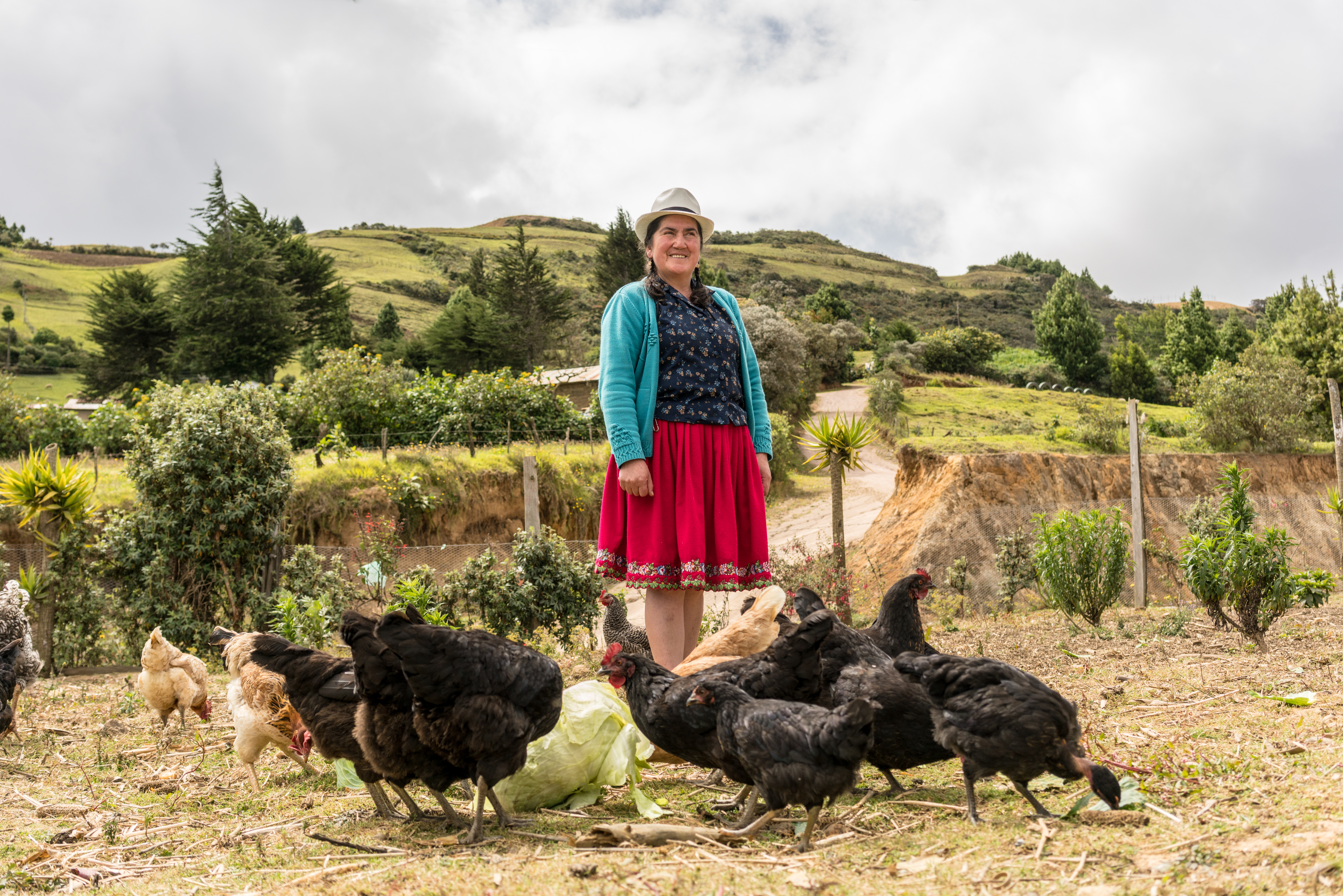
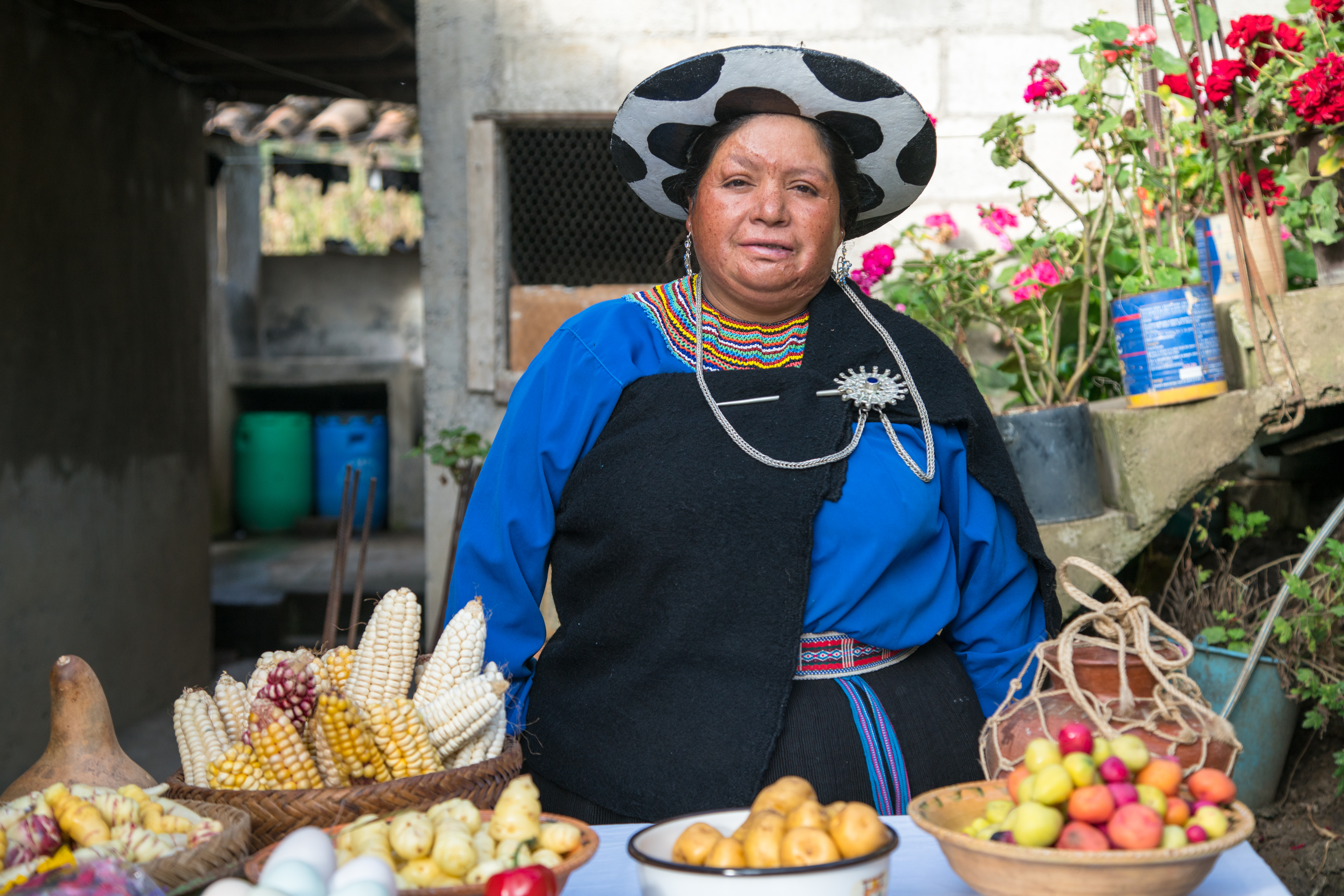


Across Mexico’s rural and indigenous communities, land is more than a resource – it is central to daily life, food production and cultural identity. Yet for many – especially women and indigenous peoples – secure access to land remains out of reach.Over 70 per cent of Mexico’s land is at risk of degradation. At the same time, women – who produce more than half of the country’s food – own less than 30 per cent of farmland. This growing gap between those who care for the land and those who control it threatens sustainable land use. Without secure land rights, many are excluded from decisions that shape their environment and future.To tackle these challenges, Mexico launched a series of national consultations on land tenure and Land Degradation Neutrality (LDN). Designed to improve land governance systems, the consultations emphasized gender equality, indigenous rights and local perspectives as key pillars of the country’s LDN strategy.Held across several regions, they brought together 45 participants – 30 women and 15 men – including indigenous leaders from Chiapas, Oaxaca, Veracruz, Sonora and other states. Almost all of these leaders were women, who shared their experiences managing community lands and protecting ecosystems.The Changwon Initiative: Making inclusion possibleThe consultations were made possible in part by support from the Changwon Initiative – a programme of the Korea Forest Service and UNCCD – with additional backing from international partners. Funding through the Food and Agriculture Organization of the United Nations (FAO) helped cover key logistical costs, ensuring rural and indigenous voices could be heard.This support ensured that traditionally excluded groups – especially indigenous women from ejidos (communal lands) – were not only present, but central to the dialogue. Many shared firsthand stories about barriers to land inheritance, being sidelined in local decision-making and the urgent need to revive degraded soil and ecosystems.“Women living in the countryside are becoming the protagonists of social, political and economic change,” said Dr. Maribel Méndez de Lara, Magistrate of the Superior Agrarian Court. “Land ownership gives women legal protection, autonomy to make decisions and the ability to fully participate in their communities.”From dialogue to actionThe consultations generated concrete proposals, including a Strategic National Programme to regularize land rights for women and indigenous communities, legal guarantees of female representation in ejido decision-making bodies and greater integration of sustainable practices into collective land systems.Participants – particularly rural and indigenous women – gained skills through leadership training, project planning workshops and awareness campaigns that emphasized their right to land and participation in land governance. Government officials and policymakers also benefited, gaining a better understanding of how to design more inclusive land governance systems that truly reflect community needs.“There are 13.6 million women living in rural areas in Mexico,” said Dr. Beatriz Casas Arellanes, Director of Social and Political Participation for Equality of the National Women's Institute (INMUJERES),. “Many of them are already leading community life and preserving biodiversity. What they need is recognition and access to rights.”Innovative tools and approachesThe consultations were guided by a participatory approach developed under the UNCCD–FAO Joint Initiative and based on the Voluntary Guidelines on the Responsible Governance of Tenure (VGGT). Adapted to Mexico’s social and political context, this method ensured that rural leaders, women, government officials and international experts all had a voice.Gender-sensitive tools were used not just to include women, but to ensure their perspectives shaped the outcome.The Dialogue opened with a ceremonial offering called a Tlalmanalli, led by indigenous grandmothers. Made of flowers, seeds and traditional medicines, it served as a reminder that the Earth is alive – and its care, a shared responsibility.Participants also shared inspiring examples already underway, such as mobile legal clinics helping women resolve land disputes and forestry programmes advancing gender equality – small but meaningful signs of change.Lessons learned and the path forwardOne of the key lessons from the consultations is that long-term progress on land tenure requires consistent effort, strong coordination and engagement at all levels. Local and regional consultations – alongside national ones – proved essential for identifying the diverse challenges communities face across the country.Just as important was the finding that inclusive participation leads to better, more grounded solutions. When women, indigenous leaders and local actors are part of the process, outcomes are more relevant – and more likely to last.While the broader policy impact is still unfolding, the consultations helped establish a foundation for more inclusive land governance in Mexico. These conversations laid the groundwork for future strategies and reforms that reflect the realities of those who live and work on the land.Shaping the future of land rights and restorationThe Changwon Initiative played a pivotal role in making these consultations possible – not only by providing funding, but by championing inclusion as a core principle of land restoration. Its support helped ensure that rural and indigenous voices, especially those of women, were not just heard but helped shape the conversation.By backing this process, the Changwon Initiative demonstrated how targeted international cooperation can drive national progress – setting a global example for integrating land tenure security into LDN strategies.Thanks to this support, communities across Mexico now have stronger tools – and a stronger voice – to secure their land, protect their environment and build a more sustainable and inclusive future.

Each year, the fashion industry produces over 60 million tonnes of clothing, making it a major contributor to global pollution and climate change—and deeply intertwined with the land it relies on. From fibre production to garment disposal, its impact on land, water and biodiversity is undeniable. Yet few realize that the very fibres in our clothing have profound effects on the land they come from. Over 40 per cent of textiles come from cotton and cellulosic fibres—crops that require intensive land and chemical use.Without intervention, the fashion industry is projected to use 35 per cent more land by 2030—an area equivalent to 115 million hectares—roughly the size of Ethiopia—highlighting the urgent need for sustainable land management practices.Beyond the connection between fashion and land, issues of land tenure and gender are crucial to driving meaningful change. Of the approximately 300 million people employed in fashion, women make up over 65 per cent of the industry’s workforce, particularly in the production stages. In rural areas, they play a vital role in growing, harvesting and processing the natural fibres that fuel the sector. Yet despite their contributions, only one in five landowners is a woman. Without secure land rights, women are often excluded from key decisions on how land is used and managed. Research shows, however, that when women do own the land they work on, they are more likely to invest in sustainable practices—helping to combat land degradation and adapt to climate challenges."Women comprise nearly half of the world’s agricultural workforce, producing 60–80 per cent of the food grown in developing countries, so are poised to lead on sustainable land management practices while keeping their families and communities fed. Despite their vital role, it is alarming to note that fewer than one in five landowners is female. Without land rights, women are not fully engaged in decisions on land use and management. However, studies show that when women own the land they work on, this encourages their dedication to land stewardship to fight land degradation and cope with climate shocks.” — UNCCD Her Land publicationIndigenous peoples, local communities and smallholder farmers are also disproportionately affected by land-use changes driven by fashion supply chains. These communities often lose access to ancestral lands and livelihoods to make way for cash crops and grazing pastures. As climate impacts and social inequalities deepen, a new narrative is emerging—one where gender equality, sustainable land management and circular production patterns intersect.Women-led initiatives are already at the forefront of this shift—advocating for responsible fibre production, promoting sustainable alternatives, improving labour conditions and empowering women, especially in rural and marginalized communities.One such initiative is Tujikuze—a women-led Kenyan enterprise focused on sustainable, circular fashion. By using locally sourced, biodegradable materials and empowering young women through training and employment, Tujikuze exemplifies how fashion can serve both people and the planet. Their model promotes community resilience, environmental stewardship and economic opportunity—showing that ethical fashion is not only possible but already in motion.Tujikuze was among the inspiring examples shared at the recent event “Women leading change: Shaping a sustainable future in fashion,” held on the margins of the Regional Forum for Sustainable Development. Organized by the UN Alliance for Sustainable Fashion, UNECE, ITC Ethical Fashion Initiative, ILO, UNIDO, UNCCD and the UN Office for Partnerships, the event brought together global advocates and entrepreneurs to spotlight the transformative role of women in shaping a more equitable and sustainable fashion sector—and to highlight the industry’s deep connection to the land and natural resources.One central message was underscored: land degradation, gender injustice and unsustainable fashion are interconnected. A people-centered, land-conscious and gender-equal approach is essential to reversing the industry’s harm. Fashion can no longer be separated from the land that sustains it.To heal our relationship with nature, we must redesign our wardrobes from the ground up.

The Women's Land Rights Initiative (WLRI) is a collaborative network of over 60 partners, dedicated to prioritizing women's land rights within the frameworks of the three UN Rio Conventions: the Convention on Biological Diversity (CBD), the Convention to Combat Desertification (UNCCD), and the Framework Convention on Climate Change (UNFCCC). The initiative emphasizes the crucial role of secure and equal rights to land for women in achieving the objectives of these conventions, making the case for integrated approaches to sustainable land use that can synergistically address climate change, biodiversity loss and land degradation. Ahead of the International Women's Day, our new video showcases why women's secure land rights must be at the heart of healing our relationship with nature. Learn more.

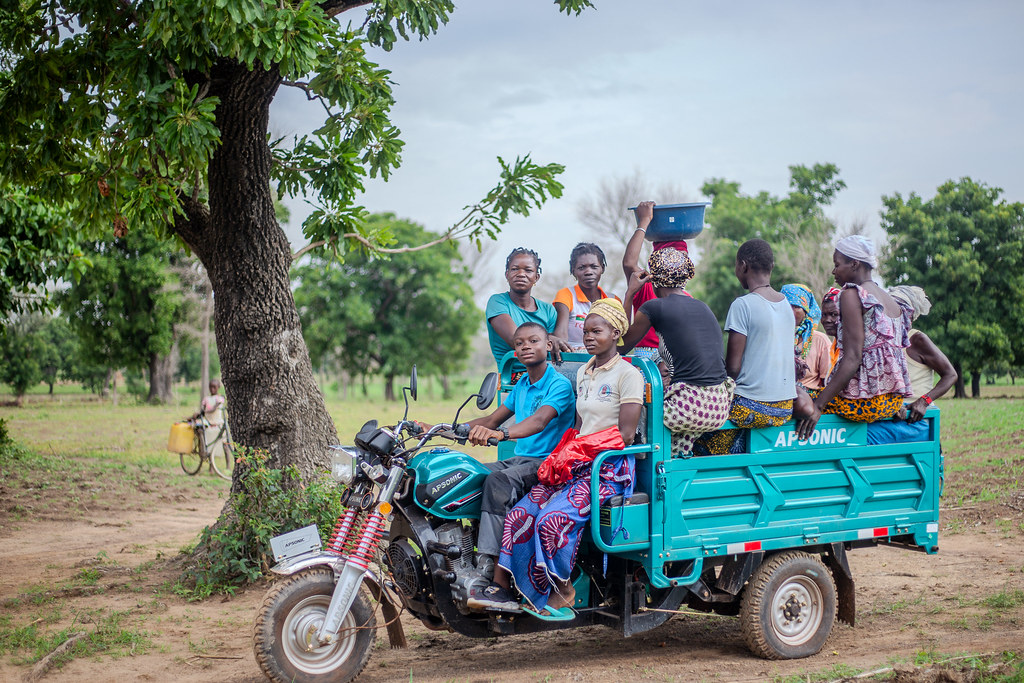
Dano, Ioba province of Burkina Faso - As dawn breaks, the village of Tambiri, in Burkina Faso's Ioba province, is already quite busy. Women like Dabiré Ngalle, head of the Ngongele women's group, start their day with a sense of urgency, shaped by generations of struggle and survival. Dabiré leads her team into the shea groves, which are the main source of income for their families and communities. Yet these emblematic Sahelian trees are now at the heart of a long-running ecological crisis. Dabiré Ngalle, president of the Ngongele Women’s Cooperative | The women of Tambiri stand together at the heart of their community, bearing generations of knowledge and responsibility for preserving shea trees.The shea tree (Vitellaria paradoxa), often called the "tree of life," has long provided shade, food and income throughout West Africa. In Burkina Faso alone, its economic and cultural value is considerable: some 800,000 tons of shea nuts are harvested each year, with women forming the backbone of this supply chain. But these trees are disappearing.Decades of deforestation, unsustainable farming practices and climate change have decimated the shea tree population. Studies show that drought stress alone has led to seedling mortality rates of up to 40% in some regions. Traditional farming methods, based on slow-growing seeds, are no longer sufficient."Every tree we lose is a piece of our history that is disappearing", Dabiré says in a measured but determined voice.The shea tree is more than a commodity; it's a key species in the Sahel's fragile ecosystem. For many rural women, it provides up to 80 percent of their household income. The production of shea butter, valued worldwide for its cosmetic and therapeutic properties, is both a livelihood and a heritage. But the decline of shea plantations has forced women to adapt in ways that strain their already precarious livelihoods.In Niemi, a neighboring village to Tambiri, memories of the abundance of shea trees are fading. "When I was young, shea trees were everywhere," recalls one woman. "Now the groves are like scattered islands, shrinking every year.The challenges women face go beyond the environmental. In Tambiri and beyond, traditional land tenure practices mean that women often have no guaranteed rights to the land on which they depend. This legal insecurity is a major obstacle to long-term investment in agroforestry or soil restoration.If my husband dies, my farm will be taken over by my in-laws," explains one woman. Her story is repeated throughout the region, where patriarchal norms limit women's autonomy in land-use decisions. Advocacy for land reform has gained momentum, with local leaders and NGOs pushing for policies that grant women ownership or long-term leases, but progress remains slow.Despite the challenges, new initiatives are offering a glimmer of hope. The Global Shea Alliance (GSA), in partnership with local NGOs and international bodies like the UNCCD are introducing regenerative agroforestry practices. These methods aim to balance ecological restoration with economic resilience."We used to plant trees without fully understanding how to take care of them," admits a participant in a training program in Niemi. "Now we know how to take care of the seedlings, so they survive."The programs also provide boreholes, which have reduced the backbreaking work of fetching water, and tricycles, which streamline the transportation of heavy shea nuts. These interventions are modest but meaningful, allowing women to reclaim time and energy for other tasks.The GSA's latest call to action - to restore four million hectares of Sahel parkland by 2030 - is ambitious. This restoration effort dovetails with the Great Green Wall Initiative, a broader strategy to address land degradation across the Sahel. But such large-scale projects often face funding gaps and logistical hurdles."It's not just about planting trees," emphasizes Gilles Amadou Ouedraogo, a UNCCD program officer. "It's about restoring ecosystems, empowering women, and ensuring the long-term viability of these landscapes."As daylight fades in Tambiri, Dabiré reflects on the challenges ahead. For her and the women of the Ngongele cooperative, the struggle is personal and generational. Each tree they plant is a seed of hope, an act of quiet defiance against the forces eroding their world."We're not just planting trees; we're panting for the survival of our children and their children," she says. Her words convey the quiet resilience of a community determined to preserve not just a species, but an entire way of life.The future of shea - and the millions who depend on it - will depend on a delicate balance of politics, environmental stewardship and the enduring determination of women like Dabiré.

تقرير جديد يستعرض حلولاً تقودها المرأة لتعزيز القدرة على مواجهة الجفافتنتج النساء ما يصل إلى 80% من الغذاء في البلدان النامية، ومع ذلك، فإنهنّ لا يمتلكن سوى أقل من 20% من الأراضي.يساهم الجفاف في 15% من الخسائر الاقتصادية الناتجة عن الكوارث الطبيعية حول العالم، ويتسبب في 85.8% من موت الماشية.بون، ألمانيا، 15 أكتوبر 2024 - أفاد تقرير جديد لاتفاقية الأمم المتحدة لمكافحة التصحر ومنظمة الأغذية والزراعة أن النساء والفتيات هن الأكثر تضررا من الجفاف، ومع ذلك فإنهنّ يظهرن قدرات قيادية مميزة في التصدي له.اُطلق التقرير بعنوان "حلول تقودها المرأة لتعزيز القدرة على مقاومة الجفاف" بمناسبة اليوم الدولي للمرأة الريفية، وهو يدعو إلى ضرورة الاعتراف بشكل أكبر ودعم الجهود التي تقودها النساء لحماية المجتمعات الضعيفة من الآثار المدمرة للجفاف. كما يؤكد على أن حقوق المرأة في ملكية الأراضي تعد أمراً أساسياً لتحقيق الأمن الغذائي.وقال إبراهيم ثياو، الأمين التنفيذي لاتفاقية الأمم المتحدة لمكافحة التصحر: "لطالما اعتُبرت النساء الفئة الأكثر تضرراً من الجفاف، لكن كما يكشف هذا التقرير، هن أيضا الأكثر قدرة على الصمود، حيث يقمن بتطوير حلول لأحد أكبر التحديات التي يواجهها العالم". وأضاف: " إبداع وابتكار النساء في إيجاد حلول لمشكلة الجفاف لا حدود له. سواء في منطقة الساحل الإفريقي، شمال كينيا، إيران، بيرو، أو المغرب، أثبتت النساء مرونتهن وقدرتهن على التغلب على أصعب الظروف للحفاظ على أسرهن. معالجة مسألة عدم المساواة بين الجنسين ليست فقط تحقيقا للعدالة، بل هي أيضا فرصة للاستفادة من قدرات غير مستغلة في التصدي لتغير المناخ."عدم المساواة بين الجنسين وآثارها غير المتكافئةتتأثر النساء والفتيات بصورة أكبر بالجفاف بسبب الفوارق الهيكلية المستمرة بين الجنسين، والتي تحد من وصولهن إلى الموارد الأساسية مثل الأرض والمياه والخدمات المالية. هذه الفوارق تفرض أيضًا أعباءً كبيرةً على النساء والفتيات. في العديد من المناطق المتأثرة بالجفاف، تتحمل النساء المسؤولية الأساسية في جمع المياه، وغالباً ما يضطررن إلى المشي لمسافات طويلة، مما يعرض صحتهن وسلامتهن للخطر. بالإضافة إلى ذلك، يقمن بأعمال الرعاية المنزلية من دون أجر، مثل رعاية الأطفال والمسنين، مما يزيد من صعوبة تعاملهنّ مع آثار الجفاف. وهذا يشدد على أهمية تضمين التحديات الخاصة بالنساء في خطط مواجهة الجفاف.النتائج الرئيسية: للنساء دور هام في تعزيز القدرة على مواجهة الجفاف حول العالمرغم التحديات التي تواجههن مثل محدودية ملكية الأراضي، تقوم النساء بتطوير حلول مبتكرة تُمكّن مجتمعاتهن من التكيف مع الظروف البيئية التي تزداد قسوة يوماً بعد يوم.1. دور المرأة في إنتاج الغذاء: تنتج النساء ما يصل إلى 80% من الغذاء في البلدان النامية، لكنهن يمتلكن أقل من 20% من الأراضي على مستوى العالم. هذا التفاوت يحد من فرص وصولهن إلى الموارد الحيوية مثل الائتمان والتدريب، مما يضعف قدرتهن على الاستعداد للجفاف والتعافي منه، ويزيد من تعرضهن لتأثيرات تغير المناخ وأضرارها.2. تأثير الجفاف على المستوى العالمي: يساهم الجفاف في 15% من الخسائر الاقتصادية الناتجة عن الكوارث الطبيعية على مستوى العالم، وهو مسؤول عن 85.8% من موت الماشية. في المناطق الزراعية التي تعتمد على الأمطار، يهدد الجفاف سبل عيش النساء اللواتي يشكلن جزءًا كبيرا من القوى العاملة الزراعية. 3. تدهور الأراضي والفقر: تصل نسبة الأراضي المتدهورة إلى 40% من مساحة العالم، مما يؤثر على أكثر من 3.2 مليار شخص. نتيجة لتدهور الأراضي والجفاف، تُضطر العديد من النساء إلى المشي لمسافات أطول للوصول إلى المياه النظيفة وجمع الحطب لتلبية احتياجات أسرهن.4. الفوائد الاقتصادية لتمكين النساء من حقوقهن في الأراضي: تشير الأبحاث إلى أن ضمان حقوق المرأة في امتلاك الأراضي يعزز الأمن الغذائي للأسرة، ويزيد من الاستثمار في تعليم الأطفال، ويحسن الظروف الاقتصادية بشكل عام.مبادرات بقيادة النساء حول العالميقدم التقرير 35 دراسة حالة من إفريقيا وآسيا وأمريكا اللاتينية، تسلط الضوء على دور النساء في تعزيز القدرة على مكافحة الجفاف. تشمل هذه المبادرات ممارسات مبتكرة للحفاظ على المياه وتقنيات الزراعة الذكية التي تتكيف مع تغير المناخ، مما يبين دور النساء في قيادة الجهود لتحقيق التقدم وتعزيز القدرة على مواجهة آثار الجفاف.· في البيرو، تجمع النساء الراعيات بين المعرفة التقليدية والتكنولوجيا الحديثة لإدارة الموارد المائية عبر مراقبة النظام الإيكولوجي المائي، مما يضمن استمرار الغطاء النباتي على مدار العام لتوفير الغذاء للماشية والحد من أزمات الجفاف.· في الهند، ابتكرت النساء أنظمة فعالة لجمع مياه الأمطار خلال موسم الرياح الموسمية، مما يوفر المياه اللازمة للمحاصيل في فترات الجفاف ويضمن استمرارية الإنتاج الغذائي.· في قيرغيزستان، تعمل النساء على إعادة إصلاح الأراضي المتدهورة من خلال زراعة الأعشاب الطبية، مما يعزز استعادة التوازن البيئي ويوفر مصادر دخل مستدامة. نظرة مستقبلية: القيادات النسائية في مؤتمر الأطراف السادس عشرستسهم نتائج تقرير "حلول تقودها المرأة لتعزيز القدرة على مكافحة الجفاف" في إثراء النقاشات في مؤتمر الأطراف السادس عشر لاتفاقية الأمم المتحدة لمكافحة التصحر، الذي سيعقد في الرياض، المملكة العربية السعودية، من 2 إلى 13 ديسمبر 2024. سيركز المؤتمر بشكل أساسي، بما في ذلك المنتدى المعني بالنوع الاجتماعي التابع له، على توسيع نطاق المبادرات التي تقودها النساء، وضمان إدراج الاستراتيجيات المراعية للنوع الاجتماعي في صلب الجهود العالمية لمكافحة الجفاف. وسيكون تعزيز الاستثمار في هذه الاستراتيجيات ضروريا لدعم المجتمعات في مواجهة التحديات البيئية المتزايدة على مستوى العالم مثل التصحر وتدهور الأراضي والجفاف.ملاحظات للمحررينتم نشر التقرير من قبل اتفاقية الأمم المتحدة لمكافحة التصحر ومنظمة الأغذية والزراعة، بدعم من التحالف الدولي لمكافحة الجفاف، وحكومة كندا، والمؤسسة الألمانية للتعاون الدولي.ندوة عبر الإنترنت مع مؤلفة التقريرستُعقد يوم 15 أكتوبر من الساعة 16:00 إلى 17:30 بتوقيت وسط أوروبا (14:00-15:30 بتوقيت غرينتش) ندوة عبر الإنترنت تضم الخبيرة العالمية في النوع الاجتماعي، لورينا أغيلار، المديرة التنفيذية لمعهد كاشاك للنساء والفتيات، ومؤلفة تقرير "حلول تقودها المرأة لتعزيز القدرة على مكافحة الجفاف".للتسجيل: رابط التسجيلتحميل التقرير كاملايمكنكم تحميل التقرير "حلول تقودها المرأة لتعزيز القدرة على مكافحة الجفاف" باللغة الإنجليزية على هذا الرابط: Women-led solutions for drought resilience | UNCCD الاستفسارات الإعلاميةللاستفسارات الإعلامية، يُرجى التواصل مع المكتب الإعلامي لاتفاقية الأمم المتحدة لمكافحة التصحر عبر البريد الإلكتروني: press@unccd.int أو unccd@portland-communications.comتتوفر المواد الإعلامية، بما في ذلك الصور ومقاطع الفيديو، عبر الروابط التالية:https://drive.google.com/drive/folders/1ZRbzjUbDITX0HmOQEQyhLzCvI0vLO3H9 UNCCD #HerLand Campaignحول اتفاقية الأمم المتحدة لمكافحة التصحر اتفاقية الأمم المتحدة لمكافحة التصحر هي اتفاقية دولية بشأن الإدارة السليمة للأراضي. وهي تساعد الناس والمجتمعات والبلدان على خلق الثروات وتنمية الاقتصادات وتأمين ما يكفي من الغذاء والمياه النظيفة والطاقة من خلال توفير بيئة تمكِّن مستخدمي الأراضي من إدارة أراضيهم بشكل مستدام. ومن خلال الشراكات، قام الأطراف الـ 197 في الاتفاقية بوضع أنظمة قوية لإدارة الجفاف بشكل سريع وفعّال. كما تساعد الإدارة الرشيدة للأراضي القائمة على السياسات والعلوم السليمة على إدماج وتسريع تحقيق أهداف التنمية المستدامة، وبناء القدرة على الصمود أمام التغيرات المناخية وتفادي فقدان التنوع البيولوجي.https://unccd.int عن اليوم العالمي للمرأة الريفيةيُحتفل باليوم العالمي للمرأة الريفية سنويا في 15 أكتوبر، لتسليط الضوء على الدور المحوري الذي تقوم به النساء الريفيات في دعم مجتمعاتهن وضمان استدامة الأنظمة الغذائية العالمية. سيركز موضوع عام 2024، "المرأة الريفية يزرعن غذاءً مميزً للجميع"، على إسهامات النساء في مختلف مراحل الإنتاج الغذائي، بدءًا من زراعة المحاصيل وصولًا إلى توزيع الغذاء، رغم التحديات التي يواجهنها مثل محدودية امتلاك الأراضي، وشح الموارد المالية، وضعف القدرة على اتخاذ القرار. وباعتبارهن عنصرا أساسيا في تحقيق الأمن الغذائي، تلعب النساء الريفيات دورا حيويا في بناء أنظمة زراعية أكثر مرونة واستدامة، وهو أمر بالغ الأهمية لتحقيق أهداف التنمية العالمية، مثل القضاء على المجاعة وتعزيز المساواة بين الجنسين.

The UNCCD Gender Action Plan (GAP) emphasizes the critical importance of gender equality and women’s empowerment in implementing the Convention. A key priority of the GAP is to increase women’s access to relevant knowledge and technologies. To fulfill these objectives, UNCCD and the World Overview of Conservation Approaches and Technologies (WOCAT) joined forces in 2020 to advance gender-responsive Sustainable Land Management (SLM). This collaboration between UNCCD and WOCAT focuses on documenting, analyzing and scaling gender-responsive SLM practices by gathering gender-disaggregated data. A specialized tool, co-designed with gender and SLM experts, identifies gender-based parameters as well as the technical and socio-cultural factors that enhance the adoption of SLM by both women and men. In the initial phase of the project in 2021, WOCAT network partners in 15 countries tested the tool, showing promising results. As the Pambadeniya Women Group from Sri Lanka noted, “Women and men debated on how to guarantee equal opportunities in decision making, participation and fair distribution of benefits.” The data demonstrated that equal access to SLM technologies and approaches is both context- and technology-specific. Five technology group profiles on gender-responsive SLM were developed to show the need for further action. Building on this success and following Decision 24/COP.15, UNCCD and WOCAT are now launching a call for expressions of interest to apply the gender-responsive SLM tool. This initiative aims to gather more country-specific gender-disaggregated data on SLM practices, which will be presented at the upcoming UNCCD COP16 in Ryiadh, Saudi Arabia, this December. We are inviting up to 40 stakeholders to implement the gender-responsive SLM tool in local contexts from September to November 2024. Applications are welcome from UNCCD Parties, civil society organizations, WeCaN members and others involved in sustainable land management. The application deadline is 4 August 2024. Submissions are accepted in English, French and Spanish. For more details on the call, application requirements, and the online application form, please see the side menu. * Please note: the questionnaire is currently being reviewed and updated. The final version of the questionnaire will be available in September 2024
