News & stories

Related news
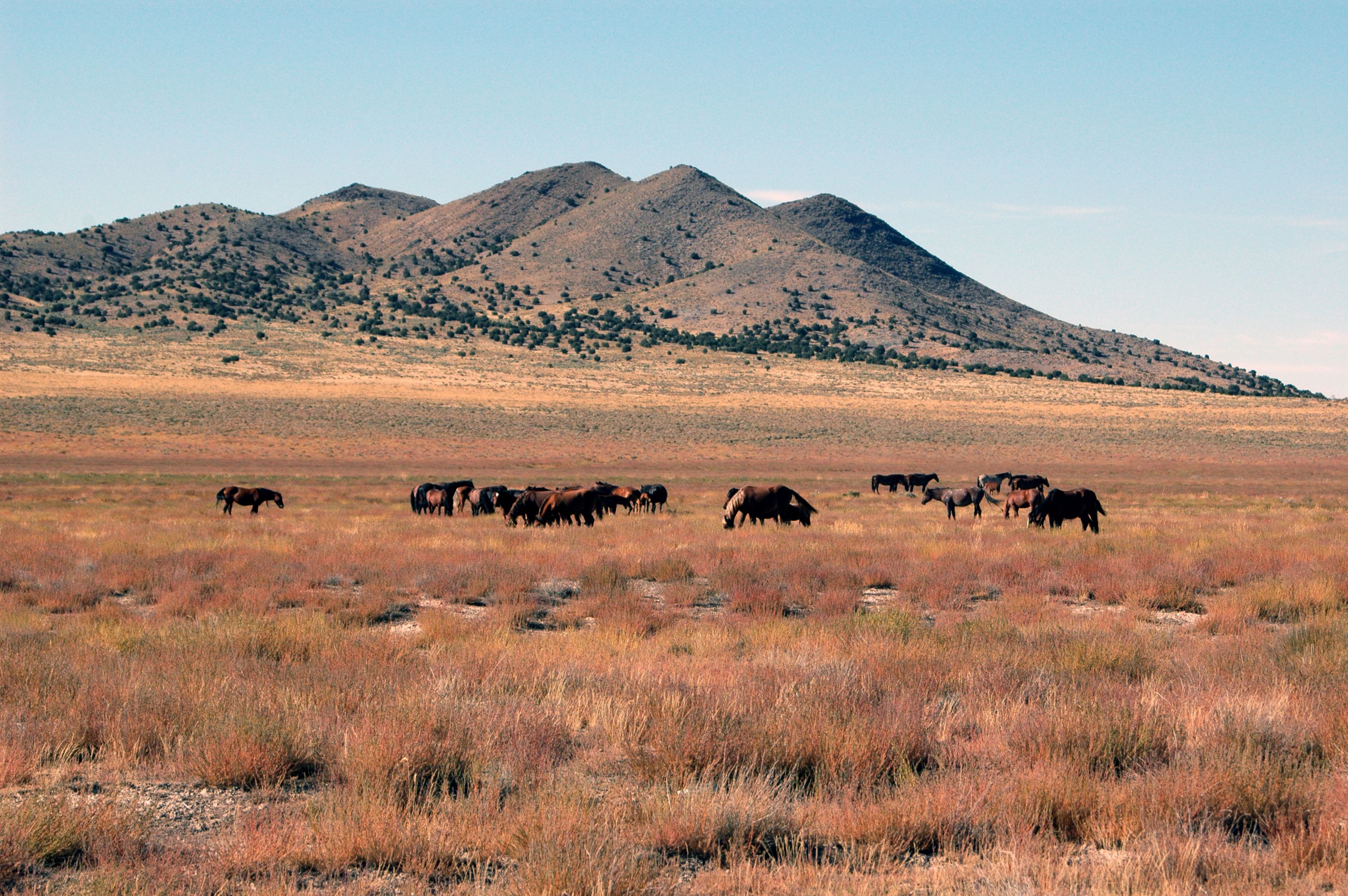


From the Arctic tundra to the steppe, signs of soil fatigue, erosion and degradation are emerging — and with them, a warning: no region is immune. Land degradation is no longer a remote concern confined to arid zones — it has become a shared, urgent global crisis. Countries with vastly different climates, geographies and land use systems are now grappling with its impacts. The evolving understanding that land degradation transcends climate zones, with implications for food security, climate resilience and economic stability across continents, has placed the issue firmly on the global agenda. Recognizing this, the UNCCD — the only legally binding international agreement focused on land and soil — is prioritizing collaboration across regions and sectors to successfully address these challenges. Russia, once perceived as largely outside the desertification-prone zones, is now facing land degradation on multiple fronts. Although deserts make up only a small fraction of its vast territory, 85 per cent of the country’s primary agricultural production relies on just 7 per cent of the land — land that is now showing signs of vulnerability. In 2023 alone, 1.1 million hectares were officially recognized as disturbed, with the area expanding by 42,000 hectares each year. Industrial activity is the dominant factor, with agriculture contributing 18 per cent of the degradation. These realities were the backdrop to a recent roundtable at the UN House in Moscow, convened to reflect on the outcomes of UNCCD’s 16th Conference of the Parties (COP16) and their relevance for Russia. Organized by the Nature and People Foundation — the first and only accredited Russian observer to the Convention — the meeting brought together stakeholders from government, academia, civil society and international organizations. One of the roundtable’s core messages echoed a major takeaway from COP16: land degradation must be addressed across all ecosystems, including boreal and Arctic regions. Russian scientists noted that methodologies initially designed to assess desertification in drylands are now being effectively adapted to northern environments. This evolving approach reflects the latest science, which connects soil health, climate resilience, biodiversity and food security in a synergetic framework. Representing the UNCCD, the Chief of Science, Technology and Innovation Mr. Johns Muleso Kharika noted that “the shift from dealing exclusively with desertification and drought to addressing the silent crisis that is land degradation in all ecosystems demonstrates a strategic evolution in addressing the problem. The Convention engages a wide range of countries who face land degradation caused by deforestation, urban sprawl, soil erosion and other polluting factors,” he added, emphasizing the role of science as a key factor in shaping future-facing solutions. Nikolay Doronin, First Deputy Chairman of Russia’s Public Chamber Commission on Ecology, highlighted that in 2023, 1.1 million hectares of land were classified as damaged— 0.06 per cent of Russia’s area, exceeding the size of Cyprus or Lebanon and comparable to Qatar. This area is growing by 42,000 hectares annually, with 18 per cent located in agricultural zones. New technologies — including satellite monitoring, advanced planting materials and biotech-based restoration techniques — are becoming essential tools. Russia’s scientific institutions are contributing to emerging approaches in land monitoring, classification and adaptive restoration. But the impact of these efforts depends on national coordination, investment and political will. Private sector engagement was another theme, with businesses urged to take greater responsibility for the lands they affect — particularly given that many degraded areas fall within or near industrial zones. The message was clear: land degradation is not someone else’s problem — and reversing it demands responsibility and action from all sectors. Looking ahead to COP17 in Mongolia, Russian organizations are already preparing new inputs — including scientific findings and policy recommendations — drawing on their experience in land monitoring, scientific exchange and cross-sectoral planning. The roundtable made it clear that land degradation is no longer seen as a fringe issue. As the Convention’s agenda continues to evolve and as land degradation increasingly transcends national and ecological boundaries, one conclusion stands out: desertification is no longer a localized issue — and Russia is bringing both long-standing commitment and fresh scientific insight to the table. Land degradation knows no borders. And neither should the solutions. For more about the meeting, follow this link. Photo (c): naturepeople.org

Bonn, Germany, 18 February 18, 2025 – A landmark collaboration is taking shape in the global fight against land degradation. The United Nations Convention to Combat Desertification (UNCCD) and the Global Green Growth Institute (GGGI) have signed a Memorandum of Understanding (MoU) to accelerate efforts in sustainable land and water management, biodiversity conservation and climate resilience in support of the sustainable development agenda. A partnership for sustainable growth Land degradation, desertification and drought pose critical challenges worldwide, affecting ecosystems, economies and communities. Recognizing the urgency of these issues, UNCCD and GGGI are joining forces to create innovative solutions that integrate environmental sustainability with economic growth. This collaboration is firmly rooted in the 2030 Agenda for Sustainable Development and the objectives of the Rio Conventions, ensuring a holistic approach to sustainable land management. Under the MoU, UNCCD and GGGI will leverage their expertise to: Develop and implement joint programs focused on sustainable land and water management, biodiversity conservation and climate resilience. Enhance resource mobilization efforts to secure funding and technical support for land restoration initiatives. Engage the private sector to drive investment and technical innovation in sustainable land management projects. Promote knowledge-sharing and capacity-building through training programs, policy dialogues and best practice exchanges. Design green investment strategies to support countries in achieving Land Degradation Neutrality (LDN) and drought resilience targets. A shared vision for impactful action By working together, UNCCD and GGGI aim to unlock new opportunities for land restoration and ecosystem conservation. Their collaboration will also extend to joint advisory services, feasibility studies and publications that inform and inspire action on the ground. “I am pleased to announce this strategic partnership between UNCCD and GGGI, which marks a significant step in our collective efforts to combat land degradation, enhance biodiversity conservation and build resilience against climate change," stated Ibrahim Thiaw, UNCCD Executive Secretary. "This MoU is a testament to our shared commitment to a future where land is valued, protected and restored for the benefit of people and the planet.” GGGI Director-General Sang-Hyup Kim echoed this sentiment: 'The collaboration with UNCCD reflects GGGI’s strong commitment to land restoration and biodiversity conservation. This partnership will not only shed light on the financial and policy elements. GGGI looks forward to a powerful collaboration with UNCCD to tackle climate challenges related to land degradation, water management and drought.'" Looking ahead: Turning ambition into action As the world faces escalating environmental challenges, the partnership between UNCCD and GGGI represents a critical step forward. With a shared mission to create sustainable, climate-resilient landscapes, their collaboration will support countries in transforming policies into tangible action, ensuring that economic development is both environmentally sustainable and socially inclusive. Media contact: press@unccd.int About UNCCD The United Nations Convention to Combat Desertification (UNCCD) is an international agreement on good land stewardship. It helps people, communities and countries create wealth, grow economies and secure enough food, clean water and energy by ensuring land users an enabling environment for sustainable land management. Through partnerships, the Convention’s 197 parties set up robust systems to manage drought promptly and effectively. Good land stewardship based on sound policy and science helps integrate and accelerate achievement of the Sustainable Development Goals, builds resilience to climate change and prevents biodiversity loss. About GGGI The Global Green Growth Institute (GGGI) was established in 2012 as a treaty-based intergovernmental organization at the UN Conference on Sustainable Development. It supports its 49 Member States and 29 Partner countries in transitioning to a green growth model that integrates poverty reduction, social inclusion, environmental sustainability and economic growth. Operating in over 51 countries, GGGI helps nations meet their Sustainable Development Goals (SDGs) and Paris Agreement commitments. Currently, GGGI is implementing 10+ projects funded by AFD across Africa, Asia, the Caribbean and the Pacific, focusing on green investment, climate-resilient agriculture, the circular economy and sustainable solutions in forestry, mobility, energy and industry — all aligned with GGGI’s Programmatic Solutions.

In the lead-up to UNCCD COP16, our new podcast series On the road to Riyadh: Conversation on land, people and the planet spotlights critical conversations on land health, climate resilience and sustainable solutions. Each episode will focus on the Action Agenda of the , bringing expert insights, compelling stories and actionable solutions to global audiences.The series will emphasize how healthy land is central to the well-being of the planet’s ecosystems, biodiversity and global economy. Episode 1: Land Day - The future of land conservation: Driving change through innovationJoin us for an insightful discussion on the importance of land restoration and the power of youth-led environmental initiatives. Episode 2: Governance Day - Understanding land governace and why it mattersJoin UNCCD Deputy Executive Secretary as she explores the role of governance in sustainable land management. From the empowerment of women and Indigenous Peoples to the role of sub-national governments, she highlights the key strategies and actions needed to reach the Land Degradation Neutrality goals. Episode 3: Science Day - Accelerating science and technology solutions for land resilienceJoin Barron Joseph Orr, UNCCD Chief Scientist as he explores the critical role of science in building land resilience through land restoration. Bridging the gap between science and policy is key to addressing land degradation and restoring land productivity. Main challenges include translating restoration ambitions into action, securing funding, using high-resolution data and building resilience to crises. Episode 4: Finance Day - Financing land restoration and drought resilienceJoin the insightful conversation between the CEO and Chair of the GEF, and theManaging Director of the UNCCD Global Mechanism Louise Baker, as they discuss the important role of finance in achieving land restoration and drought resilience goals and the paradigm shifts needed to address funding and action gaps in the Rio Conventions. Challenges in scaling up conservation efforts and the need for economic and institutional reforms require broader stakeholder engagement beyond environment ministries, increasing the role of local government involvement and financial support for the success of sustainable initiatives.

Every year, over 100 million hectares of land are degraded through urbanization, deforestation, and overexploitation, trends accelerated by climate change. Land degradation now affects one in four people worldwide, while droughts become more frequent and severe. The results of the UNCCD 2022 national reporting process, encompassing data from 126 countries, provide a startling view into the rapid global loss of productive land. This data is publicly accessible on the UNCCD Data Dashboard, asserting the need for actionable information in combating land degradation. In response, the UNCCD, alongside WOCAT and the University of Bern's Centre for Development and Environment, are launching The Land Story, a new publication that shares insights and methodologies from 30 countries that contributed to improving land degradation and drought reporting. While far from exhaustive, the publication offers a unique view into diverse national approaches to challenges in data availability, reliability and resources. UNCCD Executive Secretary Ibrahim Thiaw expressed his gratitude to the countries that contributed to the 2022 national reporting, noting, “I hope the experience and lessons learned captured in this publication will act as an inspiration to all countries and provide practical ideas on how they can improve their own reporting in future.” Country highlights from The Land Story: Panama: By convening over 30 cross-sectoral stakeholders in a workshop, Panama collaboratively selected land cover maps with local relevance, strengthening data accuracy over global datasets and boosting national confidence in degradation estimates. Bhutan: Leveraging both expert insight and on-the-ground data, Bhutan aligned land productivity mapping with the country's known realities. Maps and statistics on areas affected by forest fires, infestations, timber extraction and mining further enriched the accuracy of their reporting. Türkiye: Focusing on soil health, Türkiye developed 42 regionally specific conversion factors to estimate changes in soil organic carbon (SOC) from land cover transitions. This innovative approach improved precision in assessing SOC changes across the country. South Africa: With access to sex-disaggregated subnational data on social, economic and infrastructural factors, South Africa analyzed drought vulnerability trends since 2014. This data-driven approach has allowed for a nuanced understanding of drought drivers and facilitated tailored resilience plans across diverse regions. Upcoming events and dissemination The publication will debut further at UNCCD COP 16 in Riyadh, during a side event co-hosted by WOCAT and the UNCCD on December 6, 2024. Representatives from featured countries will discuss best practices and lessons learned, showcasing replicable methods for future reporting. An interactive plenary on national reporting, scheduled for December 4, 2024, will precede this event. For further insights, we invite you to explore the UNCCD Data Dashboard.

تقرير جديد يستعرض حلولاً تقودها المرأة لتعزيز القدرة على مواجهة الجفافتنتج النساء ما يصل إلى 80% من الغذاء في البلدان النامية، ومع ذلك، فإنهنّ لا يمتلكن سوى أقل من 20% من الأراضي.يساهم الجفاف في 15% من الخسائر الاقتصادية الناتجة عن الكوارث الطبيعية حول العالم، ويتسبب في 85.8% من موت الماشية.بون، ألمانيا، 15 أكتوبر 2024 - أفاد تقرير جديد لاتفاقية الأمم المتحدة لمكافحة التصحر ومنظمة الأغذية والزراعة أن النساء والفتيات هن الأكثر تضررا من الجفاف، ومع ذلك فإنهنّ يظهرن قدرات قيادية مميزة في التصدي له.اُطلق التقرير بعنوان "حلول تقودها المرأة لتعزيز القدرة على مقاومة الجفاف" بمناسبة اليوم الدولي للمرأة الريفية، وهو يدعو إلى ضرورة الاعتراف بشكل أكبر ودعم الجهود التي تقودها النساء لحماية المجتمعات الضعيفة من الآثار المدمرة للجفاف. كما يؤكد على أن حقوق المرأة في ملكية الأراضي تعد أمراً أساسياً لتحقيق الأمن الغذائي.وقال إبراهيم ثياو، الأمين التنفيذي لاتفاقية الأمم المتحدة لمكافحة التصحر: "لطالما اعتُبرت النساء الفئة الأكثر تضرراً من الجفاف، لكن كما يكشف هذا التقرير، هن أيضا الأكثر قدرة على الصمود، حيث يقمن بتطوير حلول لأحد أكبر التحديات التي يواجهها العالم". وأضاف: " إبداع وابتكار النساء في إيجاد حلول لمشكلة الجفاف لا حدود له. سواء في منطقة الساحل الإفريقي، شمال كينيا، إيران، بيرو، أو المغرب، أثبتت النساء مرونتهن وقدرتهن على التغلب على أصعب الظروف للحفاظ على أسرهن. معالجة مسألة عدم المساواة بين الجنسين ليست فقط تحقيقا للعدالة، بل هي أيضا فرصة للاستفادة من قدرات غير مستغلة في التصدي لتغير المناخ."عدم المساواة بين الجنسين وآثارها غير المتكافئةتتأثر النساء والفتيات بصورة أكبر بالجفاف بسبب الفوارق الهيكلية المستمرة بين الجنسين، والتي تحد من وصولهن إلى الموارد الأساسية مثل الأرض والمياه والخدمات المالية. هذه الفوارق تفرض أيضًا أعباءً كبيرةً على النساء والفتيات. في العديد من المناطق المتأثرة بالجفاف، تتحمل النساء المسؤولية الأساسية في جمع المياه، وغالباً ما يضطررن إلى المشي لمسافات طويلة، مما يعرض صحتهن وسلامتهن للخطر. بالإضافة إلى ذلك، يقمن بأعمال الرعاية المنزلية من دون أجر، مثل رعاية الأطفال والمسنين، مما يزيد من صعوبة تعاملهنّ مع آثار الجفاف. وهذا يشدد على أهمية تضمين التحديات الخاصة بالنساء في خطط مواجهة الجفاف.النتائج الرئيسية: للنساء دور هام في تعزيز القدرة على مواجهة الجفاف حول العالمرغم التحديات التي تواجههن مثل محدودية ملكية الأراضي، تقوم النساء بتطوير حلول مبتكرة تُمكّن مجتمعاتهن من التكيف مع الظروف البيئية التي تزداد قسوة يوماً بعد يوم.1. دور المرأة في إنتاج الغذاء: تنتج النساء ما يصل إلى 80% من الغذاء في البلدان النامية، لكنهن يمتلكن أقل من 20% من الأراضي على مستوى العالم. هذا التفاوت يحد من فرص وصولهن إلى الموارد الحيوية مثل الائتمان والتدريب، مما يضعف قدرتهن على الاستعداد للجفاف والتعافي منه، ويزيد من تعرضهن لتأثيرات تغير المناخ وأضرارها.2. تأثير الجفاف على المستوى العالمي: يساهم الجفاف في 15% من الخسائر الاقتصادية الناتجة عن الكوارث الطبيعية على مستوى العالم، وهو مسؤول عن 85.8% من موت الماشية. في المناطق الزراعية التي تعتمد على الأمطار، يهدد الجفاف سبل عيش النساء اللواتي يشكلن جزءًا كبيرا من القوى العاملة الزراعية. 3. تدهور الأراضي والفقر: تصل نسبة الأراضي المتدهورة إلى 40% من مساحة العالم، مما يؤثر على أكثر من 3.2 مليار شخص. نتيجة لتدهور الأراضي والجفاف، تُضطر العديد من النساء إلى المشي لمسافات أطول للوصول إلى المياه النظيفة وجمع الحطب لتلبية احتياجات أسرهن.4. الفوائد الاقتصادية لتمكين النساء من حقوقهن في الأراضي: تشير الأبحاث إلى أن ضمان حقوق المرأة في امتلاك الأراضي يعزز الأمن الغذائي للأسرة، ويزيد من الاستثمار في تعليم الأطفال، ويحسن الظروف الاقتصادية بشكل عام.مبادرات بقيادة النساء حول العالميقدم التقرير 35 دراسة حالة من إفريقيا وآسيا وأمريكا اللاتينية، تسلط الضوء على دور النساء في تعزيز القدرة على مكافحة الجفاف. تشمل هذه المبادرات ممارسات مبتكرة للحفاظ على المياه وتقنيات الزراعة الذكية التي تتكيف مع تغير المناخ، مما يبين دور النساء في قيادة الجهود لتحقيق التقدم وتعزيز القدرة على مواجهة آثار الجفاف.· في البيرو، تجمع النساء الراعيات بين المعرفة التقليدية والتكنولوجيا الحديثة لإدارة الموارد المائية عبر مراقبة النظام الإيكولوجي المائي، مما يضمن استمرار الغطاء النباتي على مدار العام لتوفير الغذاء للماشية والحد من أزمات الجفاف.· في الهند، ابتكرت النساء أنظمة فعالة لجمع مياه الأمطار خلال موسم الرياح الموسمية، مما يوفر المياه اللازمة للمحاصيل في فترات الجفاف ويضمن استمرارية الإنتاج الغذائي.· في قيرغيزستان، تعمل النساء على إعادة إصلاح الأراضي المتدهورة من خلال زراعة الأعشاب الطبية، مما يعزز استعادة التوازن البيئي ويوفر مصادر دخل مستدامة. نظرة مستقبلية: القيادات النسائية في مؤتمر الأطراف السادس عشرستسهم نتائج تقرير "حلول تقودها المرأة لتعزيز القدرة على مكافحة الجفاف" في إثراء النقاشات في مؤتمر الأطراف السادس عشر لاتفاقية الأمم المتحدة لمكافحة التصحر، الذي سيعقد في الرياض، المملكة العربية السعودية، من 2 إلى 13 ديسمبر 2024. سيركز المؤتمر بشكل أساسي، بما في ذلك المنتدى المعني بالنوع الاجتماعي التابع له، على توسيع نطاق المبادرات التي تقودها النساء، وضمان إدراج الاستراتيجيات المراعية للنوع الاجتماعي في صلب الجهود العالمية لمكافحة الجفاف. وسيكون تعزيز الاستثمار في هذه الاستراتيجيات ضروريا لدعم المجتمعات في مواجهة التحديات البيئية المتزايدة على مستوى العالم مثل التصحر وتدهور الأراضي والجفاف.ملاحظات للمحررينتم نشر التقرير من قبل اتفاقية الأمم المتحدة لمكافحة التصحر ومنظمة الأغذية والزراعة، بدعم من التحالف الدولي لمكافحة الجفاف، وحكومة كندا، والمؤسسة الألمانية للتعاون الدولي.ندوة عبر الإنترنت مع مؤلفة التقريرستُعقد يوم 15 أكتوبر من الساعة 16:00 إلى 17:30 بتوقيت وسط أوروبا (14:00-15:30 بتوقيت غرينتش) ندوة عبر الإنترنت تضم الخبيرة العالمية في النوع الاجتماعي، لورينا أغيلار، المديرة التنفيذية لمعهد كاشاك للنساء والفتيات، ومؤلفة تقرير "حلول تقودها المرأة لتعزيز القدرة على مكافحة الجفاف".للتسجيل: رابط التسجيلتحميل التقرير كاملايمكنكم تحميل التقرير "حلول تقودها المرأة لتعزيز القدرة على مكافحة الجفاف" باللغة الإنجليزية على هذا الرابط: Women-led solutions for drought resilience | UNCCD الاستفسارات الإعلاميةللاستفسارات الإعلامية، يُرجى التواصل مع المكتب الإعلامي لاتفاقية الأمم المتحدة لمكافحة التصحر عبر البريد الإلكتروني: press@unccd.int أو unccd@portland-communications.comتتوفر المواد الإعلامية، بما في ذلك الصور ومقاطع الفيديو، عبر الروابط التالية:https://drive.google.com/drive/folders/1ZRbzjUbDITX0HmOQEQyhLzCvI0vLO3H9 UNCCD #HerLand Campaignحول اتفاقية الأمم المتحدة لمكافحة التصحر اتفاقية الأمم المتحدة لمكافحة التصحر هي اتفاقية دولية بشأن الإدارة السليمة للأراضي. وهي تساعد الناس والمجتمعات والبلدان على خلق الثروات وتنمية الاقتصادات وتأمين ما يكفي من الغذاء والمياه النظيفة والطاقة من خلال توفير بيئة تمكِّن مستخدمي الأراضي من إدارة أراضيهم بشكل مستدام. ومن خلال الشراكات، قام الأطراف الـ 197 في الاتفاقية بوضع أنظمة قوية لإدارة الجفاف بشكل سريع وفعّال. كما تساعد الإدارة الرشيدة للأراضي القائمة على السياسات والعلوم السليمة على إدماج وتسريع تحقيق أهداف التنمية المستدامة، وبناء القدرة على الصمود أمام التغيرات المناخية وتفادي فقدان التنوع البيولوجي.https://unccd.int عن اليوم العالمي للمرأة الريفيةيُحتفل باليوم العالمي للمرأة الريفية سنويا في 15 أكتوبر، لتسليط الضوء على الدور المحوري الذي تقوم به النساء الريفيات في دعم مجتمعاتهن وضمان استدامة الأنظمة الغذائية العالمية. سيركز موضوع عام 2024، "المرأة الريفية يزرعن غذاءً مميزً للجميع"، على إسهامات النساء في مختلف مراحل الإنتاج الغذائي، بدءًا من زراعة المحاصيل وصولًا إلى توزيع الغذاء، رغم التحديات التي يواجهنها مثل محدودية امتلاك الأراضي، وشح الموارد المالية، وضعف القدرة على اتخاذ القرار. وباعتبارهن عنصرا أساسيا في تحقيق الأمن الغذائي، تلعب النساء الريفيات دورا حيويا في بناء أنظمة زراعية أكثر مرونة واستدامة، وهو أمر بالغ الأهمية لتحقيق أهداف التنمية العالمية، مثل القضاء على المجاعة وتعزيز المساواة بين الجنسين.

Land degradation in the Horn of Africa poses a significant threat to the livelihoods of millions, reducing agricultural productivity and exacerbating food insecurity. The region, where 70 per cent of the area is classified as arid or semi-arid, is experiencing its most severe drought in the past four decades, with dire consequences for local livelihoods and resilience. By December 2022, over 36.5 million people have been significantly impacted by the drought, with more than 20 million facing acute food insecurity as a direct consequence. Border communities face persistent poverty, as well as food insecurity, conflict, mass displacement, limited access to public services, environmental degradation, severe climate impacts and diminished agricultural outputs. In Ethiopia, for example, nearly 85 per cent of the land is affected by degradation, impacting approximately 30 million people, and costing the country an estimated USD 4.3 billion annually in lost agricultural productivity. The potential of sustainable land management and landscape restoration to address negative impacts of climate change and conflict became the focus of a UNCCD Peace Forest Initiative (PFI) workshop in Addis Ababa, Ethiopia on May 28–30, 2024. The goal of the Initiative is to foster peace and trust in conflict-affected and fragile settings by uniting communities across national borders to co-manage shared land resources and ecosystems. As climate change intensifies conflicts over natural resources, the PFI has the potential to assist countries in the Horn of Africa in integrating environmental and resource management into their conflict resolution practices, helping local communities secure livelihoods and address transboundary issues such as land degradation and water scarcity. The workshop in Addis Ababa focused on three main intervention areas: Sustainable, integrated landscapes management Development of agricultural commodities, value chains and trade\ Improvement of data management and sharing, and access Building on the groundwork laid at the inaugural PFI workshop in Nairobi in June 2023, this year’s event showcased a step-by-step approach to tackling environmental and socio-economic challenges in the Horn of Africa. Representatives of Djibouti, Ethiopia, Somalia, South Sudan, Sudan and Uganda together with government officials, representatives of development agencies and regional organizations attended the workshop, organized by the Global Mechanism of UNCCD, Intergovernmental Authority on Development (IGAD) and CIFOR-ICRAF. As the Director General of the Ethiopian Forestry Development at the Ministry of Agriculture in the Federal Democratic Republic of Ethiopia, Mr. Kebede Yimam, noted, “Forest landscape restoration activities are of paramount importance to enhance our economic development, improve the livelihood of farm households, conserve biodiversity and enhance resilience to climate change impacts.” Workshop participants agreed on the need to align PFI activities with existing regional frameworks and initiatives, such as the Great Green Wall Initiative. IGAD representatives also presented existing projects that could be included in the PFI. Representatives of each participating country outlined national priorities and discussed challenges they face, such as data and resource availability. The workshop outlined actionable interventions to reverse land degradation, improve livelihoods and build climate resilience. The next workshop, planned for early 2025, will be validating project concepts and finalizing detailed project proposals in the participating countries. These outcomes will also contribute to the work of the upcoming UNCCD Conference of the Parties (COP16), ensuring that the PFI approaches are integrated into broader international dialogue on land degradation and sustainable land management.
