Stories
Latest
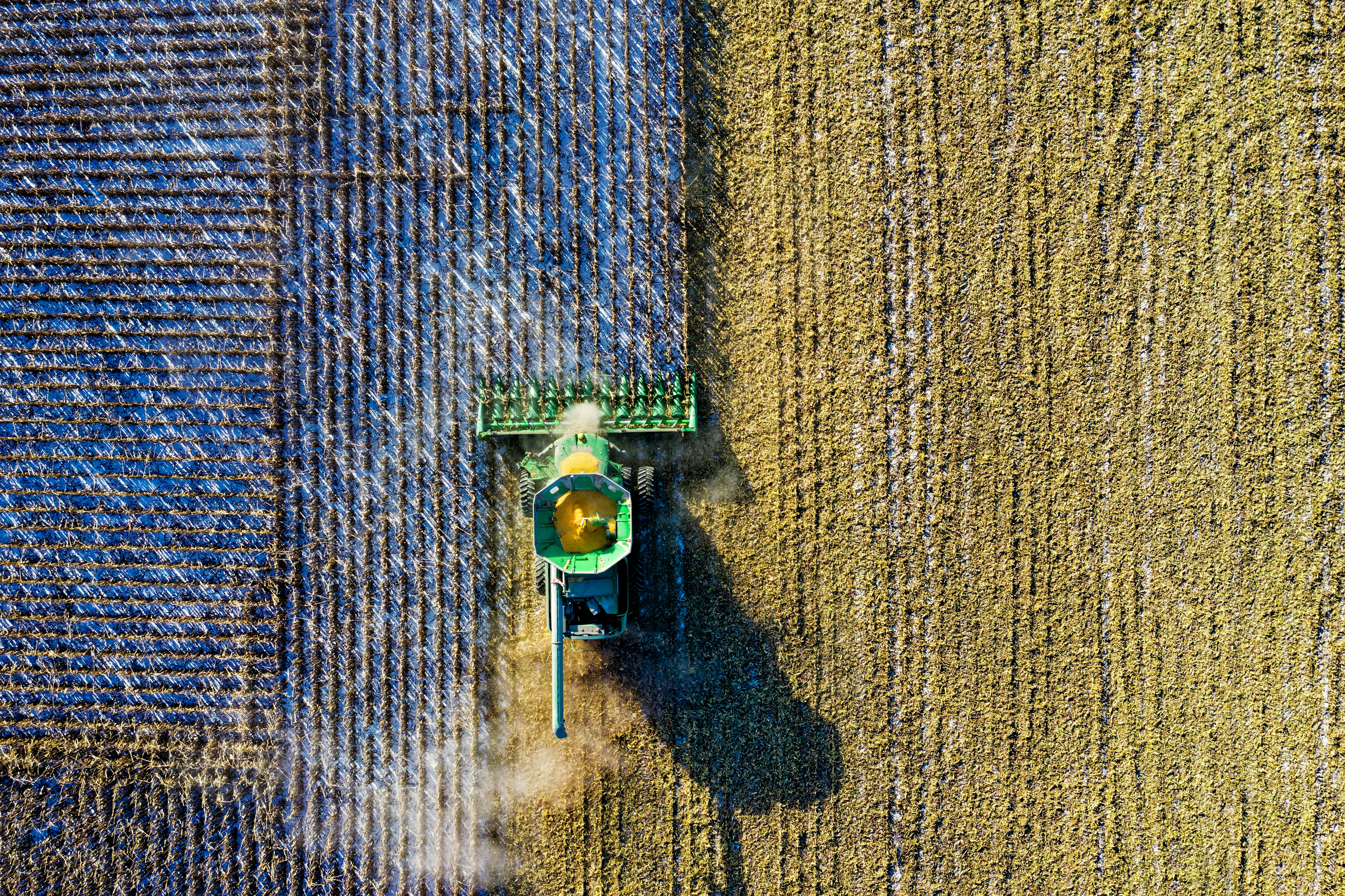
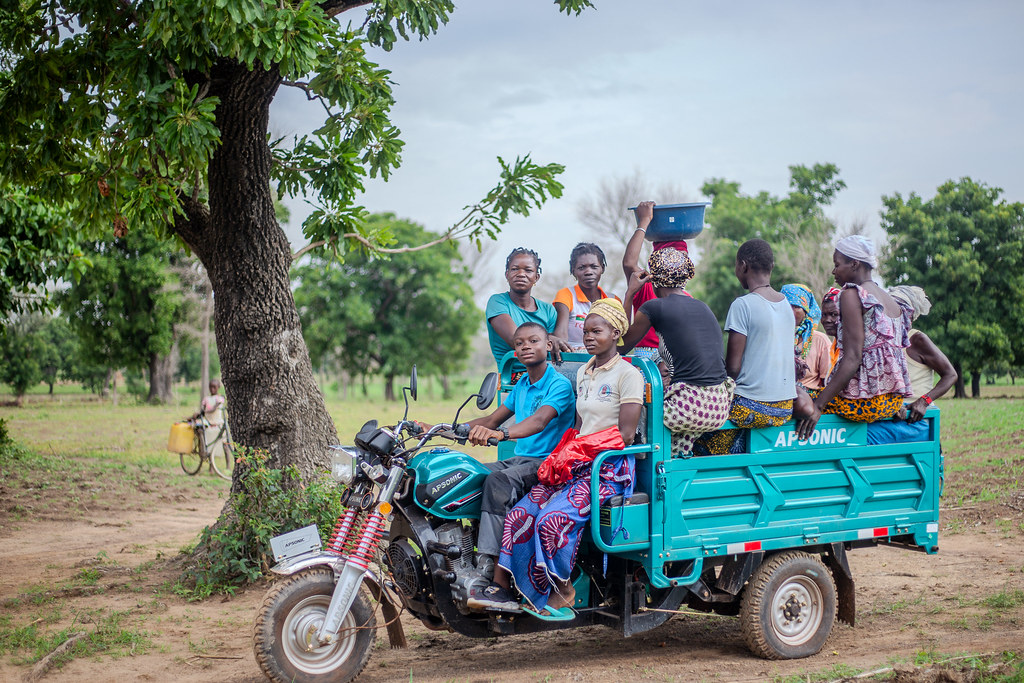
Nearly 670 million people will still be facing hunger in 2030 – 8 percent of the world population. This is equivalent to the population facing hunger in 2015 when Agenda 2030 was launched. What’s more, access to food is not necessarily leading to healthier eating, mainly because food and agricultural policies are not aligned with delivering healthy food. Governments need to repurpose food and agricultural policies to make healthy diets affordable. This is the conclusion of The State of Food Security and Nutrition in the World 2022 (SOFI 2022) Report released Tuesday, 5 July 2022, by the Food and Agriculture Organization of the United Nations (FAO). SOFI is published every year to track progress towards reaching the 2030 sustainable development goal of ending hunger, food insecurity and malnutrition in all its forms. The latest report presents an update on the situation of hunger and malnutrition around the world. Globally, between 720 million and 828 million people faced hunger in 2021, about 150 million more people since COVID-19 broke out. The last report identified conflict, climate extremes and economic shocks as the key drivers of hunger and malnutrition. To these, SOFI 2022 adds policies that lead to inequality. Policies are no longer having a significant effect in reducing hunger, food insecurity and malnutrition in all its forms, SOFI 2022 states. And in fragile economies, there are constraints to using financial policies to transform agrifood systems. For instance, all over the world, financial support is directed mainly to produce staple foods, such as rice, sugar and meat, not fruits and vegetables. As a result, fruits and vegetables are more expensive and unaffordable. Moreover, food and agricultural policies are not aligned with the promotion of healthy diets. Further, the war in Ukraine is affecting supply chains, in turn raising the costs of fertilizer, energy, and food, such as grains, especially in the first half of 2022. Considering the unfolding challenging economic situation globally, the report states that public-private partnerships are needed to boost investment. However, partnerships require the support of a robust governance system to ensure vulnerable communities benefit, and not powerful industry players. The second edition of the Global Land Outlook (GLO2) released in April 2022 also calls attention to the issue of food insecurity. It spotlights the impacts of modern agriculture on food systems that alter the land and the impacts of globalizing food systems. Global food systems are responsible for 80% of deforestation, 70% of freshwater use, and the single greatest cause of terrestrial biodiversity loss. The disconnect between where food is produced and consumed is key. In the past, local consumption led to land degradation. Behind this rapid land use change today are the demand for food internationally and for urban communities. GLO2 urges the international community to re-think its global food systems. It calls for a turn to the sustainable management of the land, which experience shows can “both improve the productivity of the land and reduce the cost of food production.” The international community has committed to restore one billion hectares of land by 2030, an area the size of the United States or China. GLO2 points to hundreds of practical ways to carry out the desired ecosystem restoration at local, national and regional levels. This year’s SOFI report is a joint initiative of the FAO, International Food and Agriculture Development (IFAD), United Nations Children’s Fund (UNICEF), World Food Programme (WFP) and the World Health Organization (WHO). The brief and full reports are now available online.

Dear representatives of the UNCCD-accredited CSOs, In the decision 5/COP.15, Parties requested that the Executive Secretary “facilitate the renewal of the membership of the Civil Society Organization Panel until the next Conference of the Parties, starting immediately after that fifteenth session of the Conference of the Parties, in accordance with previous decisions.” Following this request, the secretariat would like to share the attached call for nominations and the information related to the elections. Organizations wishing to nominate representatives to serve as panel members will need to submit the documents stated in section 1 paragraph d of the attached document. The deadline for the submission of candidates is 17 July 2022. Once the candidates have been reviewed and accepted, the election process will be open from 21 July to 4 August 2022. Please share this information with your networks and nominate the best candidate to represent your organization for the next two years. Only organizations accredited to the Conference of the Parties to the UNCCD are eligible to nominate candidates. Please do not hesitate to contact us in case you need any additional information. You can also contact the current CSO panel at csopanel@unccd.int. We look forward to receiving your nominations.

The Commonwealth Living Lands Charter adopted on 25 June 2022 in Kigali, Rwanda, at the conclusion of the Commonwealth Heads of Government Meeting (CHOGM) is a bold step to build the resilience of nearly 2.5 billion Commonwealth citizens, or one-third of the global population. The Commonwealth Living Lands Charter: A Commonwealth Call to Action on Living Lands (CALL) expresses the will by leaders of the 54 member states of the Commonwealth to “voluntarily dedicate a ‘Living Land’ to future generations of every country with assured prosperity, sustenance and security.” It will be backed by CALL implementation plans to be developed by all Commonwealth nations. The Charter makes the strongest commitment yet to work on the global challenges of climate change, the loss of biodiversity and land degradation in a coordinated and synergistic way. Commonwealth leaders underlined the need to build natural resilience through biodiversity conservation in the face of climate change. The Charter also represents a significant contribution towards the achievement of global voluntary commitments to restore 1 billion hectares of degraded lands by 2030, with half of these pledges made under the United Nations Convention to Combat Desertification (UNCCD). Already, under the Land Degradation Neutrality targets, 21 Commonwealth countries committed to restoring 110 million hectares. Speaking on behalf of UNCCD Executive Secretary Ibrahim Thiaw at the high-level launch event in Kigali, Louise Baker, Managing Director of the Global Mechanism of the UNCCD, said: “The Living Lands charter offers Commonwealth countries a roadmap for greater resilience. In the face of climate change, it offers adaption and hope. In the face of environmental degradation, it offers restored ecosystems. In the face of food insecurity, it offers more production without more costly inputs. And in the face of economic turmoil, it offers reward. For every dollar invested we are seeing rates of return of at least 7-30 dollars from restoration.” Ms Baker acknowledged the leadership roles Commonwealth members are playing in large-scale land restoration projects, such as the Great Green Wall in the Sahel and the G20 Initiative on Land and Terrestrial Ecosystems. She also stressed that finance and a multisectoral, all of government approach will be key to getting “a tough job” done of restoring degrading land, saving biological diversity and limiting the Earth’s warming. “The Global Mechanism of UNCCD has launched a partnership for project preparation to work with strategic partners like the Commonwealth and with its Climate Finance Access Hub – and climate finance advisers – to deliver a pipeline of viable and bankable projects – that deliver for land and climate at the same time. The Global Mechanism is there to help nations put land at the heart of climate action,” Ms Baker added. According to UNCCD's flagship Global Land Outlook 2 report released in April 2022, up to 40% of all ice-free land is already degraded – meaning its benefits have been lost to varying degrees, with dire consequences for climate, biodiversity and livelihoods. Business as usual will, by 2050, result in degradation of 16 million square kilometers (almost the size of South America), with 69 gigatonnes of carbon emitted into the atmosphere. Land restoration is a powerful and cost-effective tool to address the interconnected climate, biodiversity and land crises, with economic returns estimated at US$ 125-140 trillion every year - as much as 1.5 times global GDP in 2021 (US$ 93 trillion).

To highlight the crucial role of women as agents of change for sustainable land management during recent UNCCD COP15, the UNCCD Secretariat collected original and exceptional photos to showcase promising practices which demonstrate women’s leadership and innovation in adapting to land degradation, desertification and drought. Efforts to combat and address land degradation, desertification, and droughts require a more thorough understanding of human rights and gender equality considerations. Numerous studies and experiences worldwide have confirmed that gender inequalities must be addressed as part of biodiversity conservation, land restoration, adaptation and mitigation to climate change, and efforts to transition to an inclusive and regenerative green economy, especially after the pandemic. Land degradation and desertification action can thus reinforce or exacerbate inequalities—or intentionally aim to overcome and transform them, for the resilience of all people. The UNCCD emphasizes that both men and women must be active participants at all levels in programs to combat desertification and mitigate the effects of drought. Resolving gender inequalities is not only a matter of “righting a wrong” but also a significant opportunity to make use of women’s often under-recognized abilities, knowledge, talents, and leadership. Photos highlighting good practices that demonstrated role of women as agents of change for sustainable land management have been submitted by civil society organizations (national and international), indigenous peoples’ organizations, women organizations, foundations, UN entities and other relevant actors. The accompanying stories outline the promising practice featured in the photo, and present the impact of the initiative or project for promoting women’s empowerment and gender equality in the context of land degradation, desertification, and drought. You can find the highlights of the exhibition under "documents" menu on the right. Photo: (c) www.migdev.org

The State of the Global Climate in 2021 report released on 18 May 2022 by the World Meteorological Organization (WMO) confirms that the past seven years have been the warmest seven years on record. According to the Report, drought affected many parts of the world, including the Horn of Africa, Canada, the western United States, Iran, Afghanistan, Pakistan and Türkiye. Eastern Africa is facing the very real prospect that the rains will fail for a fourth consecutive season, placing Ethiopia, Kenya and Somalia in a drought of a length not experienced in the last 40 years. It states further that humanitarian agencies are warning of devastating impacts on people and livelihoods in the region. In South America, drought caused big agricultural losses and disrupted energy production and river transport. Drought resilience is at the top of the agenda of the fifteenth session of the Conference of the Parties (COP15) to the United Nations Convention to Combat Desertification (UNCCD) underway in Abidjan, Côte d’Ivoire. “The catastrophic effects of multi-year droughts witnessed in every region of the world in the last decade demand action now. Unless we work together to prepare, respond and build resilience to drought, the impacts on our food, water and energy at a time when the global population is growing would create unimaginable social and environmental upheavals,” says Ibrahim Thiaw, UNCCD Executive Secretary. The WMO report shows that we may be closer to over-shooting the desired temperature rise unless drastic measures are taken. It further states that the average global temperature in 2021 was about 1.11 (± 0.13) °C above the pre-industrial level. It calls for countries to scale up the adoption and diffusion of renewable energy massively. The report comes on the heels of stark warnings issued in two reports released earlier this year by the Intergovernmental Panel on Climate Change (IPCC) that we had up to 2030 to take actions to get us on track to staying within a temperature rise of no more than 1.5 degrees. The second edition of the Global Land Outlook released less than a month ago by UNCCD identified some of the human impacts on people and the land they depend on under a business-as-usual scenario. An area almost the size of South America would be degraded by 2050. About 12-14 per cent of natural areas, farmland, pastures and grazing land would under persistent, long-term declines in productivity. And an additional 69 gigatonnes of carbon would be emitted into the atmosphere through land use change and soil degradation. What’s more, droughts would increase in frequency, intensity and spread. The Drought in Numbers 2022 report released last week by UNCCD, revealed that the number and duration of droughts has increased by 29 per cent since 2000 and that unless urgent action is taken, droughts may affect over three-quarters of the world’s population by 2050. UNCCD COP15, which concludes this Friday, 20 May, is expected to adopt decisions to accelerate global action to restore one billion hectares of degrading land, build robust measures for early action on drought, and to strengthen governance at all levels to facilitate the flow of technology and investment where needed.

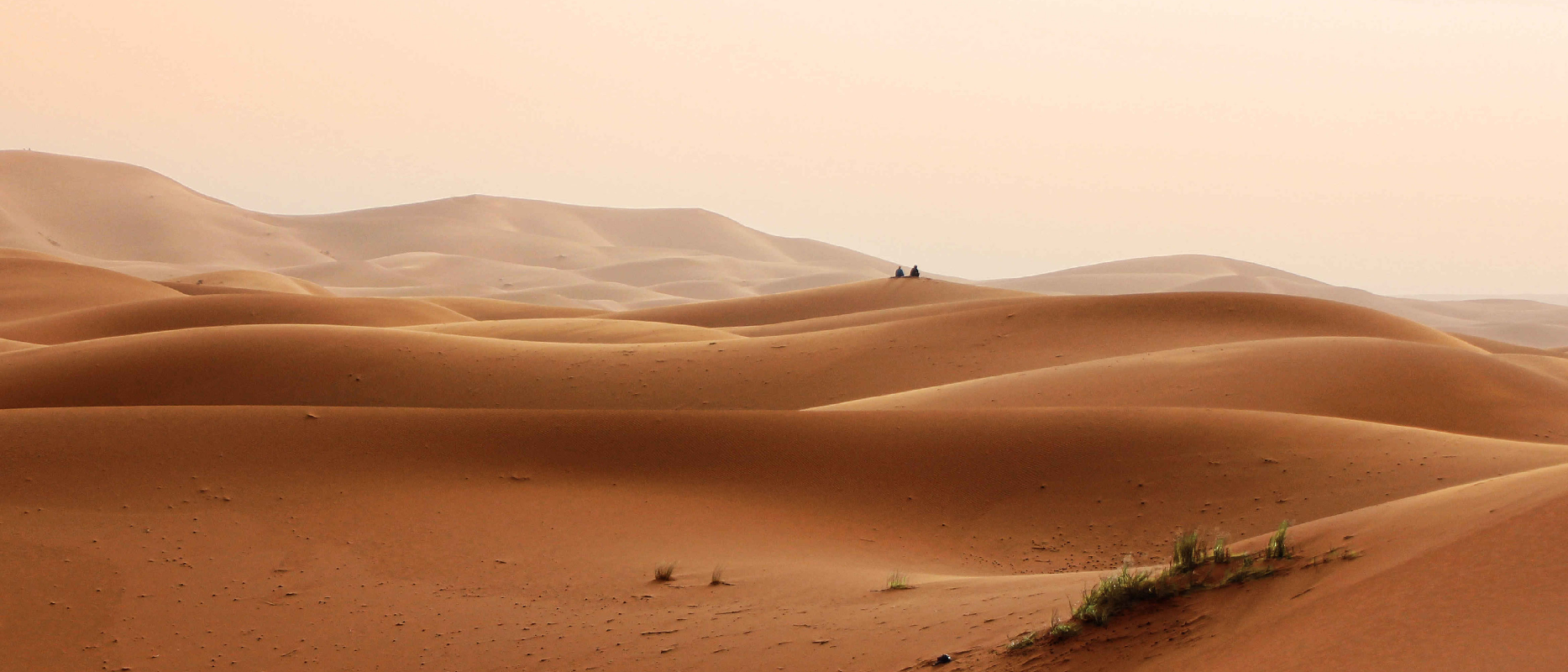
Fueled by climate change, land degradation and drought, sand and dust storms (SDS) have dramatically increased in recent years, affecting communities thousands of miles away from the place of origin. In the areas where they originate, SDS can damage crops, kill livestock and strip topsoil, while distant areas are affected by atmospheric dust and surface dust deposits, which affect human health as well as disrupt transportation, supply chains and power networks. The urgent need to address the growing effects of SDS on our health, economy and environment has led UNCCD and its partners to develop a comprehensive Sand and dust storms compendium: Information and guidance on assessing and addressing risks, launched during the SDS Day at UNCCD COP15. Created with the help of over 50 experts, national focal points and UN agencies, the new compendium complements the UNCCD policy and advocacy framework for the effective management and understanding of the SDS issues. “It is critically important to bring more attention to SDS. Today is about understanding that SDS is a global phenomenon that has effect on our economies, health and environment, and not just in the drylands. SDS is directly related to land degradation and can be addressed through sustainable land management and by achieving land degradation neutrality.” -- UNCCD Deputy Executive Secretary Andrea Meza Murillo The Compendium is an in-depth reference source for SDS management, offering information on SDS modeling and forecasting, as well as on policies and practices to effectively manage SDS and reduce the harmful effects of SDS events. The compendium summary for decision makers is now available on the UNCCD website in six official UN languages, together with the full English version of the new publication. The next UNCCD key contribution to the SDS knowledge base will be the SDS toolbox. It is being developed in collaboration with the partners from the United Nations Coalition on Combating Sand and Dust Storms (SDS Coalition) launched at UNCCD COP14 in 2019. Depending on the needs of the user, the interactive toolbox will guide them to approaches and tools they can deploy to improve awareness of SDS hazards, effectively manage SDS impacts and design practical and proactive steps to successfully implement SDS-related projects.
