Latest
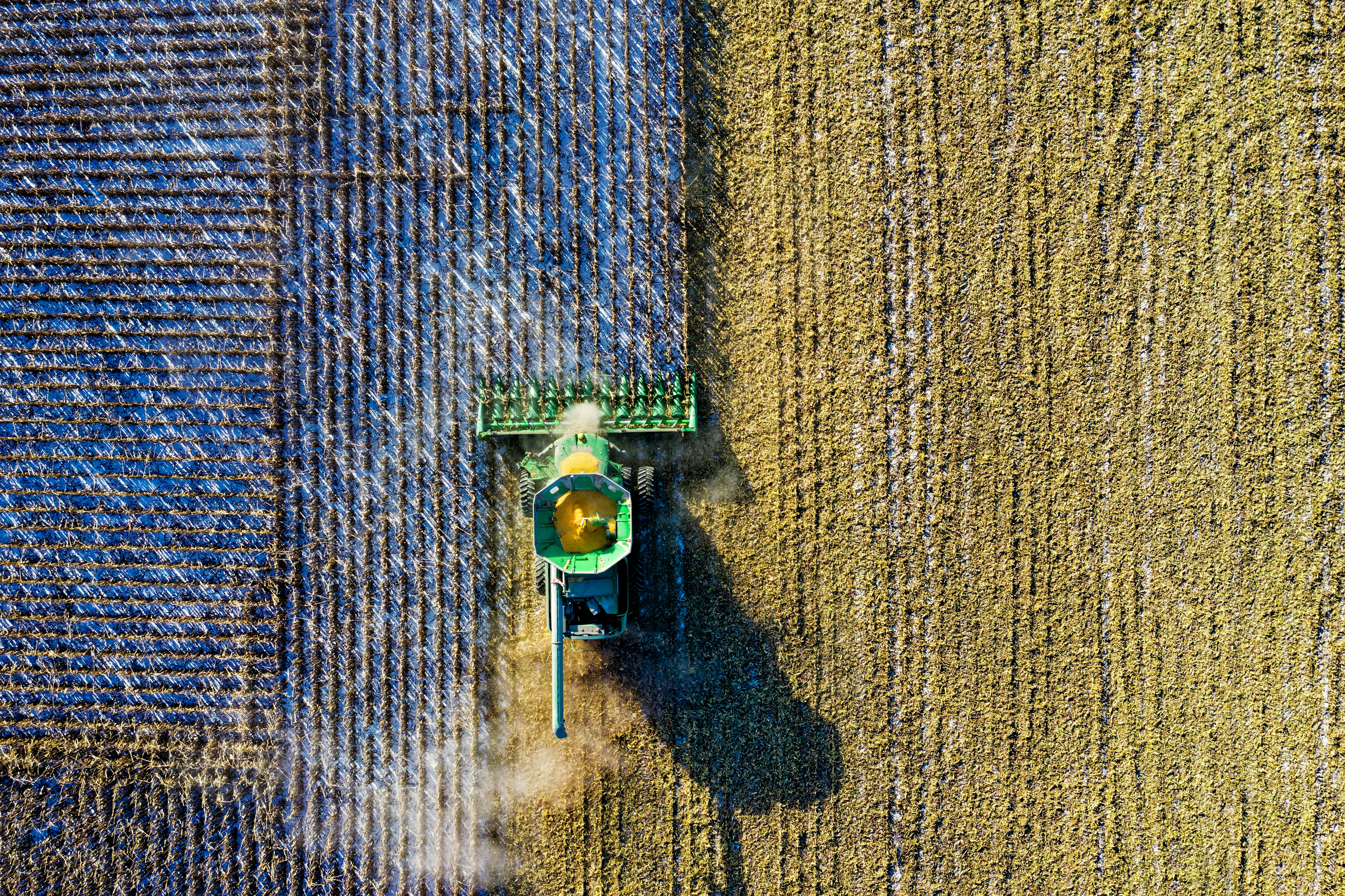
Banja Luka, Republika Sprska – As a developing country with fragile economy dependent on imported goods and services, Bosnia and Herzegovina has been seriously affected by the COVID–19 crisis. Under the state of emergency declared by the government of the Republika Srpska on March 16, 2020, and due to the limited foreign trade, the agricultural production has become crucial to ensure food security and support local economy during the crisis. The Ministry of Agriculture, Forestry and Water Management of the Republika Srpska has put in place measures to increase local agriculture production by offering sowing packages for small family farms. In addition, 30 per cent fixed return – with 40 per cent for households over 600 altitude – has been set for investments in agricultural machinery, livestock equipment, plant production and irrigation, and processing of agricultural products for domestic use. Additional funds have been allocated to support planting of industrial crops as well as establishment of organic farms. These measures also address land degradation by encouraging the use of previously abandoned croplands for agricultural production to meet the increased demand. KM 75 million have been allocated to finance current production and capital investments in the republic. For more info please visit https://agroportal.ba/plan-proljetne-sjetve-za-2020-godinu-u-republici-srpskoj/

As the world enters the fourth month of the corona crisis, he new Bureau of the Committee for the Review of the Implementation of the Convention (CRIC) met online, with the Bureau members dialing in from different corners of the world to represent the five regional UNCCD annexes.
UNCCD Land Ambassador Baaba Maal has released a new song asking people to stop the spread of coronavirus by staying at home and changing their habits.
French and Spanish translations of the Land Degradation Neutrality Transformative Projects and Programmes: Operational guidance for country support, and French translation of the Manual for gender-responsive Land Degradation Neutrality transformative projects and programmes are now available.
The international community is developing policy measures and actions to help the people most vulnerable to drought to take early action to avoid loss of life, and the heavy and growing losses of livelihoods and damage to property and ecosystems following droughts. The Intergovernmental Working Group on Drought (IWG) that is leading this initiative is convening for the first time on 26 March through virtual meetings involving four task teams. The outcomes of the initiative could become effective as early as 2022. Read more: Full press release About IWG Land and drought
To strengthen its communication and collective working capacity, the UNCCD CSO panel is adopting new outreach instruments. At its last meeting on 12 March 2020, the panel agreed to produce a quarterly newsletter to keep the CSO community well-informed. In this first issue, the newsletter showcases the new members of the panel and the work of the organizations they represent, along with the plans the coming months. This newsletter plans to share information, knowledge, activities and events of nearly 600 civil society organizations accredited to the UNCCD Conference of the Parties. You can also contact the current CSO Panel by emailing csopanel@unccd.int.