Latest
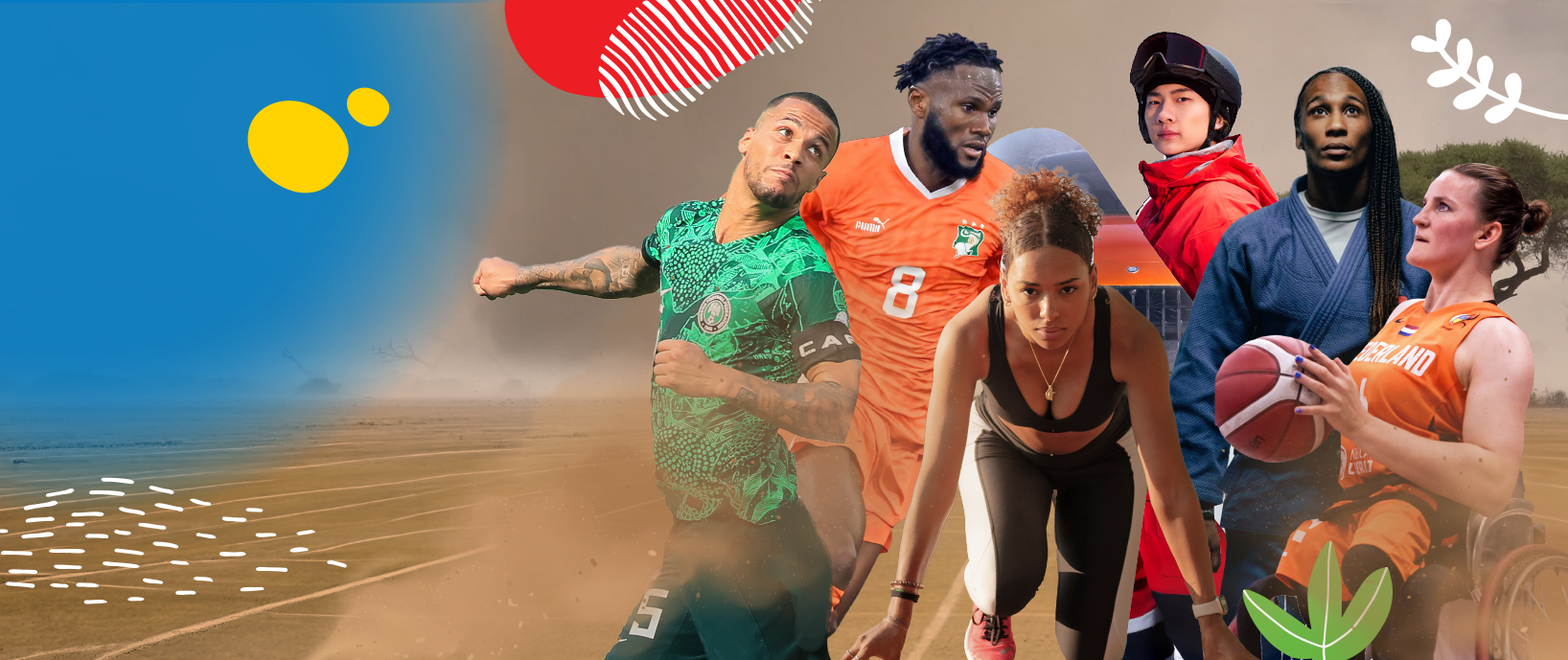
UNCCD CSO Alliance is launching a new campaign for 2020 Desertification and Drought Day. This year’s UNCCD theme is Food.Feed.Fibre, and to support this theme CSO Alliance has chosen food as the campaign focus for its campaign. The campaign will focus specially in raising awareness about food waste and the implications in the land. Everyone can participate and only need to upload a photo of a finished meal on social media channels such as Instagram with hashtags #dndd #zerofoodwaste #unccd #cso_alliance. The campaign kit in multiple languages is available here.

Nearly 5 000 people from six continents gathered for the Global Landscapes Forum (GLF) Digital Conference “Food in the time of crisis.” from 3 to 5 June 2020. The online conference was broadcast around the world from 185 countries, launching a dialog conversation on transforming food systems to protect human well-being and planetary health in the wake of the coronavirus pandemic. The three-day programme of the conference included a number of experts from the UNCCD secretariat who contributed to discussions on such topics as land tenure and drought risk management. At the closing ceremony UNCCD Executive Secretary Ibrahim Thiaw emphasized the important role of ecosystem restoration and sustainable land management in the project of “building back better.” He called for investments in land to address climate change, create green jobs and to develop eco-tourism, resilient agriculture and invest in renewable energy providing basic services that support livelihoods. Other speakers at the closing ceremony included Siti Nurbaya (Speaker) Minister of Environment and Forestry, Republic of Indonesia; Inger Andersen, Executive Director, UN Environment Programme; Naoko Ishii CEO and Chairperson, Global Environment Facility (GEF) and Achim Steiner, Administrator, United Nations Development Programme. In view of the current situation, the conference, initially scheduled to take place in Bonn Germany, moved to the online platform, allowing a much larger number of participants to interact, connect and network while keeping carbon emissions low and health risks minimal. The Global Landscapes Forum (GLF) is the world’s largest knowledge-led platform on integrated land use, and is led by the Center for International Forestry Research (CIFOR), in collaboration with its co-founders UNEP and the World Bank and Charter Members. See also: GLF highlights
What are the true consequences of poverty and climate change?What are the economics behind both?What is the UNCCD’s role in addressing these problems in the wake of COVID19 pandemic? These topics with be discussed by a virtual panel hosted by UNCCD Capacity Development and Innovations Office, featuring the following experts:Ibrahim Thiaw – UNCCD Executive SecretaryYanis Varoufakis – economist, professor and prominent politician Dr. Olivier de Schutter – UN Special Representative for Extreme PovertyAhmed Aziz Diallo – member of the Inter-Parliamentary Union – United Nations Affairs Commission Jann Lay – head of research programme "Growth and Development"5 June World Environment Day 2020Berlin 2:00 pm (UTC+2)Beijing 8:00 pm (CEST)New Delhi 5:30 pm (IST)New York 8:00 am (EDT)
The new installment of the UNCCD Science-Policy blog presents Chefs' Manifesto: a network of 700 chefs from 70 countries who are championing a better food future, inspiring people to make changes in their kitchens and communities and empowering them to call on governments and companies to play their part on the topics that chefs are most passionate about. The blog focuses on links between consumption and land, highlighting the importance of soil health, reduced food waste and under-utilized ingredients. It also features the work of chefs who go above and beyond to transform the health of our soil, the planet and the people, mobilizing stakeholders to coordinate global campaigns and advocacy to achieve Sustainable Development Goal 2: Zero Hunger. Read more: UNCCD Science-Policy weblog Desertification and Drought Day 2020 Short film series for Desertification and Drought Day 2020 Land and Sustainable Development Goals
The UNCCD secretariat is issuing a call for an alternate observer of the Science Policy Interface (SPI) representing the civil society organizations (CSOs) accredited to the convention.
With the right information about land, and the right tools to use it, countries can work together with Earth observation organizations toward building back better after the COVID-19 pandemic. But collaboration between data experts and data users is needed to make sure the information is right. Today, over 100 decision makers will have their say in a Data Quality Standards Workshop being hosted virtually by the GEO LDN Initiative. The idea is straightforward – if we can optimize what we do where, we can bring land back into balance. In turn, this can help us bring nature, climate and the people’s needs, such as food and energy, into balance. And in the process, we can stabilize the primary driver for emerging infectious diseases like COVID-19, which is land use change. But getting this done requires unprecedented cooperation among the many providers and many users of that information. Today, those end users will have their say on improving the quality of data used to monitor land. The good news is the necessary framework for success is in place. In 2015, world leaders agreed to 17 Global Goals, officially known as the Sustainable Development Goals, that have the power to create a better world. Under Goal 15 (Life on Land) is SDG Target 15.3 on land degradation neutrality, where countries are striving to avoid, reduce and reverse land degradation. To date, 123 countries are actively engaged and in 2019, over 140 countries reported on this target in a harmonized way for the first time. Enhancing the monitoring data so that countries can take effective action has been taken on by the Group on Earth Observations (GEO), an intergovernmental and inter-organizational body that brings countries and the major data providers together to solve Earth information challenges. With the GEO LDN Initiative, they have taken on one of the most difficult challenges countries face: harmonizing the myriad of data options and analytical tools into a work stream that is open to all (efficiency and flexibility), capable of meeting the needs of countries in a consistent way (comparability), and capable of empowering countries in the application of complex data sets (national ownership). Thanks to a timely pledge from the government of Germany, data providers have collaboratively contributed to a set of minimum data quality standards, and these are now being previewed by the policy makers in countries – the ultimate end users of the data. The countries and organizations collaborating on the GEO LDN Initiative have reached a critical juncture in producing a major upgrade. Turning this aspiration into action means doing the right things in the right places at the right scale; a holistic approach on how we use and manage land in order for the world to build back better. United Nations Secretary-General António Guterres, in his International Mother Earth Day message, summarized it best: “We need to turn the recovery into a real opportunity to do things right for the future.” Read more: GEO Partnership Launches LDN Initiative to Link Global and Local Data for SDG Monitoring Land Degradation Neutrality. Why it matters, how it's done Scientific Conceptual Framework for Land Degradation Neutrality