Latest
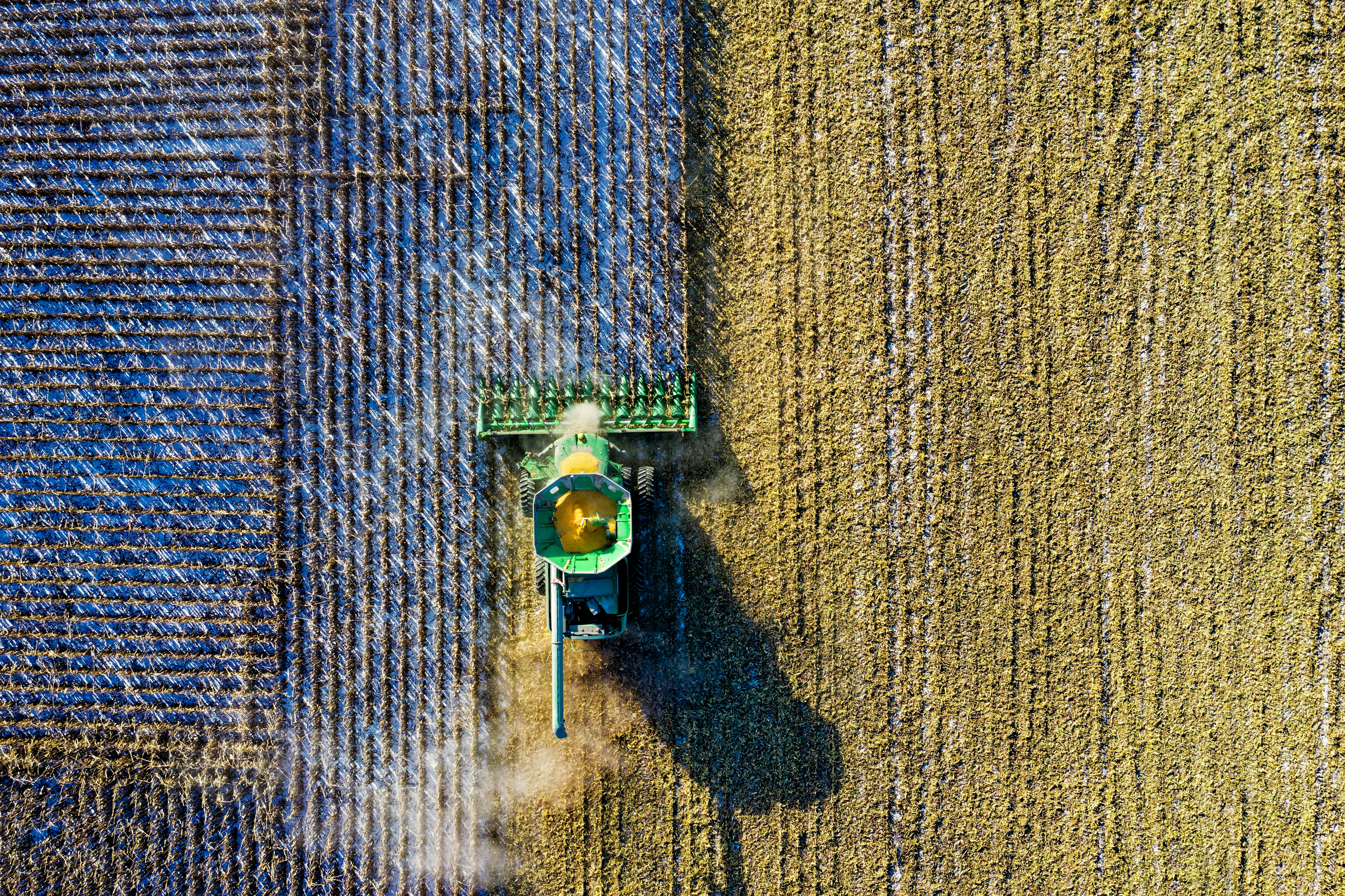
Land Degradation Neutrality for Water Security and Combatting Drought is a new briefing note released by the Global Mechanism of the UNCCD and the Food and Agriculture Organization of the United Nations (FAO), in collaboration with the Wageningen University and Research (WUR) on the occasion of the World Water Day 2020. The publication shows that avoiding, reducing and reversing land degradation have positive long-term gains in water security. Countries all over the world are setting voluntary targets to help them maintain a balance between land, as a natural capital, and its use, which often leads to its degradation. To date, 123 countries have committed to achieve these targets, known as the Land Degradation Neutrality (LDN) targets, by 2030. LDN targets offer a new way of managing land that is also helping countries to achieve many goals at once. They can manage both land and water resources sustainably at the landscape level. Countries can address water insecurity and drought. LDN targets also open opportunities for synergy on the policy and operational levels in the context of land and water use and management. However, the focus of the briefing note is the examination of countries with targets that address both soil and water conservation. Water is the most disruptive element in the ongoing climate change crisis, and the way is which the land is managed plays a major role in taming this disruption. The analysis shows that achieving LDN offers much more than the immediate local returns. It makes major contributions to other international environmental and development objectives. Key among these are the Sustainable Development Goals (SDGs), the Biological Diversity, Climate Change and Ramsar conventions and the targets in the Sendai Framework for Disaster Risk Reduction. The findings presented in the briefing note are based on the analysis of 94 reports. Of these, 77 are national reports from countries participating in the UNCCD led LDN Target Setting Programme (TSP), and the rest are reports from countries that also participated in the UNCCD Drought Initiative. The study assessed the water-related targets and measures adopted by countries to achieve LDN by 2030, in line with the SDG Agenda, more specifically SDG 6, whose purpose is to “Ensure availability and sustainable management of water and sanitation for all.” 48 of the 77 analysed countries (62 per cent) have also connected their contribution to the UNFCCC (through their Nationally Determined Contributions, or NDCs) with their LDN and water security targets. For more information on the specific recommendations of this study, please refer to the briefing note now available for download from the UNCCD library.

The UNCCD Executive Secretary Mr. Ibraim Thiaw joined the International Gender Champions (IGC) network that unites over 240 active champions and alumni – heads of International organizations, permanent missions and civil society organizations – determined to make gender equality a reality in their spheres of influence. Mr. Thiaw announced his support for the IGC Panel Parity Pledge and promised to step up efforts to mainstream gender perspective into programmes, projects and policies in UNCCD Secretariat and the General Mechanism of UNCCD. His goal is to ensure that all UNCCD staff members receive training on how to promote gender equality and empowerment of women and support Convention Parties in the implementation of the UNCCD Gender Action Plan. Read more: International Gender Champions UNCCD Gender Action Plan
It has been an action-packed day in the city for UNCCD Land Ambassador Ricky Kej, a world-famous Grammy Award winner, US Billboard Number One artist and environmental activist.
Königswinter, Germany – On Friday 6th of March, the Capacity Development & Innovations Office (CDIO) of the Secretariat of the United Nations Convention to Combat Desertification (UNCCD) was welcomed at the CJD Königswinter School for a very special event. The occasion was the first ever film screening organized by the CDIO to raise awareness about the UNCCD, the protection of the environment and sustainable development. This event saw the screening of “Wild Karnataka”, a cinematographic masterpiece that presents the flora, fauna, and natural beauty of the Indian state of Karnataka in breathtaking pictures. Wild Karnataka is a 52-minutes film, narrated by Sir David Attenborough. It is a brilliant documentary, suitable for viewing by the entire public, and is a visual celebration of the wildlife and ecosystems of Karnataka that we must protect. This film reinforces the crucial importance of the realization of Sustainable Development Goal 15: Life on Land. The event heard brief remarks from Head of the CDIO, Dr. Richard A. Byron-Cox who introduced the presenter of the film and its soundtrack composer, Grammy award-winning artist and UNCCD Land Ambassador, Indian national, Ricky Kej, who was the special guest of the occasion. The screening was a wonderful opportunity to raise awareness of Karnataka’s rich biodiversity, as well as to share its linkage with the UNCCD goals. The audience was totally engrossed by the film following which Dr. Byron-Cox and Ambassador Kej fielded questions from the young audience who fully engaged a series of queries on issues such as the role of the UNCCD in sustainable development and what they can do to help protect the environment. The CDIO is certain that these sorts of events and visits are key to raise awareness, engaging the public at large including the youngest in supporting the UNCCD; and addressing the achievement of global sustainable development. In the end, everyone present agreed that we are all required to preserve our beautiful planet, its biodiversity and land. The CDIO has among its chief aims providing inspiration to the youth to play their part in promoting the importance of land globally. The entire CDIO composing of the Head of the office, Dr. Richard A. Byron-Cox, Sandrine Rastetter, J. Daniel Gonzalez Carmena, Ana Marques, Jorge Sanz, Mariya-Yelyzaveta Tserkovnyuk, Nicolo Accame, Eldhos Vakkanal and Alejandra Peña Vasquez, being officers, consultants and interns, respectively. This multicultural Team comprises people representing countries from all over the world i.e.: St. Vincent and the Grenadines, France, Spain, Portugal, Ukraine, Italy, Japan, India and Colombia.

UNCCD is teaming up with other UN agencies and scientific institutions to develop an SDS toolbox that will contain tools and best practices for risk and vulnerability assessment, source mapping, monitoring, forecasting and early warning, as well as anthropogenic source control and mitigation options
The UNCCD secretariat and the World Overview of Conservation Approaches and Technologies (WOCAT) signed a partnership agreement, committing to implement the WOCAT 2020+ Initiative.