Stories
Latest

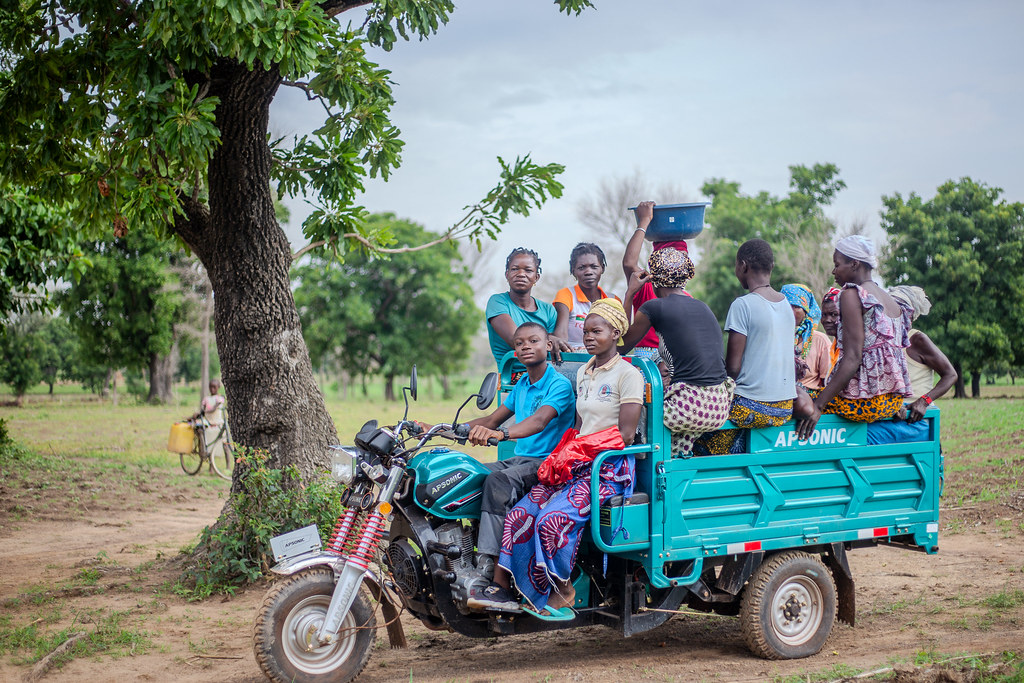
The UNCCD CSO panel has released the next issue of its bimonhtly newsletter. The newsletter highlights the role of civil society organizations in the time of the global COVID-19 crisis, inviting testimonials from CSOs that have adjusted their actions to provide assistance to partners and beneficiaries during the pandemic.

In the time of crisis, people rely on each other for strength and support, finding creative ways to stay connected and positive. On Earth Day 22 April 2020, UNCCD Land Ambassador Ricky Kej delivered a one-of-a-kind music event, bringing together musicians from around the world for an online experience shared by a multimillion global audience. More than 40 artists from six countries, including five Grammy Award winners, volunteered their talents to support the COVID-19 Solidarity Response Fund. Exceptional situations call for exceptional response. We must reflect on how we, as individuals and as global communities, can make a significant positive change and use our talents and creativity to inspire action. — Ricky Kej, UNCCD Land Ambassador Baaba Maal, another Land Ambassador, joined the concert from Senegal where he works to assist communities facing the COVID-19 pandemic. Together, the musicians and singers performed UNCCD Land Anthem, introduced by the Executive Secretary Ibrahim Thiaw. We need to mobilize the world to forge a stronger, healthier and more productive life in harmony with nature for years to come. — Ibrahim Thiaw, UNCCD Executive Secretary The mega-concert was showcased live on national and international TV, radio, streaming platforms and social media, including UNCCD and other UN accounts. This event is one of initiatives supported by UNCCD to engage the audience around the issue of sustainable land use as a way to ensure a healthy future for people and the planet. Next, UNCCD Land Ambassadors will join the Desertification and Drought Day global event on 17 June, which will also take place online. See more: Watch the concert in replay UNCCD Land Ambassadors 2020 Desertification and Drought Day UNCCD Land Heroes campaign
The Global Mechanism of the UNCCD and the Food and Agriculture Organization of the United Nations (FAO), in collaboration with multiple partners, have published the Briefing note and Technical report Land Degradation Neutrality in Small Island Developing States. The report presents the Land Degradation Neutrality (LDN) vision created by Small Island Developing States (SIDS) and shows how SIDS are linking their sustainable land management agendas with areas relevant to achieving their Sustainable Development Goals (SDGs). More specifically, the report addresses two key policy areas: Fostering policy coherence by integrating national priorities and other commitments into the LDN targets: improving livelihoods and reducing poverty (SDG 1), food and water security (SDGs 2 and 6), and climate change mitigation and adaptation (SDG 13) Preventing migration and conflict (SDG 16) and safeguarding life on land (SDG 15) The key messages from the report: Land degradation undermines the economic potential in SIDS because it exacerbates the environmental vulnerabilities unique to SIDS, such as climate change, flash floods, soil erosion, lagoon siltation, coastal erosion and sea level rise LDN contributes to achieving multiple SDGs in SIDS, preserving biodiversity and increasing resilience to climate change Using high-resolution data is an important step for SIDS Building partnerships is key to ensuring big actions for small islands Investment in land will be important for SIDS to drive transformational change, and synergies across all sectors are needed SIDS are progressing towards translating LDN commitments into actions, with a focus on the sustainable management of forests, agriculture and land use planning Land-use management and the urbanization process are very complex issues for SIDS due to their limited land resources. The adverse effects of climate change and land degradation now pose an existential threat to SIDS. Thus, achieving Land Degradation Neutrality is a practical and effective means for SIDS to achieve multiple SDGs, including land-based adaptation and mitigation actions to address the challenges posed by climate change. Under the Land Degradation Neutrality Target Setting Programme (LDN TSP) of the UNCCD, 24 SIDS have committed to establish LDN targets and associated measures. They will use the best available data on land degradation trends and baselines, adopt informed sustainable land management policies and practices, engage all relevant stakeholders, and identify concrete opportunities for implementing LDN Transformative Projects and Programmes on the ground. LDN Target Setting Programme participant SIDS include Antigua and Barbuda, Belize, Cape Verde, Comoros, Cuba, Dominica, Dominican Republic, Grenada, Guinea-Bissau, Guyana, Haiti, Jamaica, Mauritius, Niue, Papua New Guinea, Saint Kitts and Nevis, Saint Lucia, Saint Vincent and the Grenadines, Samoa, São Tomé and Príncipe, Seychelles, Suriname, Timor-Leste, Trinidad and Tobago. Read more: Technical report Land Degradation Neutrality in Small Island Developing States Briefing note Land Degradation Neutrality in Small Island Developing States Achieving LDN LDN target setting programme
The GEF Scientific and Advisory Panel (GEF STAP) has released the Guidelines for Land Degradation Neutrality (LDN). LDN aims to preserve land resources by ensuring no net loss of healthy and productive land through a combination of measures that avoid, reduce and reverse land degradation. Achieving neutrality requires estimating the likely impacts of land-use and land management decisions, then counterbalancing anticipated losses through strategically planned rehabilitation or restoration of degraded land within the same land type. LDN can only be achieved through coordinated efforts to integrate its objectives with land-use planning and land management, underpinned by sound understanding of the human-environment system and effective governance mechanisms. The technical report was written by Annette Cowie in close collaboration with Graciela Metternicht, both former UNCCD SPI members. The document was prepared in close consultation to ensure continuity with the LDN Conceptual Framework as well as guidance developed by the Global Mechanism of UNCCD. The timeliness of the publication reflects the fact that land use change and destruction of natural habitats is the primary indirect driver behind emerging infectious diseases. The no-net loss approach of LDN is a holistic policy response to optimizing land use decisions that can keep food, energy and nature in balance. Read more: Guidelines for Land Degradation Neutrality Achieving LDN
UN Inter Agency Network on Youth Development (UN IANYD) has issued a statement that calls for a stronger partnership with young people who have a tremendous potential to take action and fight the COVID-19 crisis. The statement calls attention to the specific impact that the pandemic has on young people, noting that the response to the global crisis must take into consideration young people's specific needs. Young people are already part of the solution, proactively combating the spread of the virus and working to address the pandemic’s impacts. For example, they are spreading the word about combating misinformation and stigma related to the crisis, and about measures to stop the spread of the virus. Young people are also connecting communities at a time of separation through innovative ideas and social media platforms to raise community spirit. Young health professionals and students are risking their lives on the front lines of the pandemic. Young farmers and rural entrepreneurs are innovating and using various technologies and communication tools to develop local solutions. These work is critical to maintain supply chains and build alternate, more resilient and inclusive economies, which are vital to ensure access to an adequate food supply for the population. For the world to recover from the COVID-19 pandemic in a sustainable and equitable way, young people need support to reach their full potential and thrive. In the fight against the virus and during the post-pandemic recovery, youth development should remain a top priority. UN IANYD remains committed to the goals of the 2030 Agenda for Sustainable Development, the World Programme of Action for Youth and the UN Youth Strategy. Respect for all human rights – including economic, social, cultural, civil and political – is fundamental to the success of public response and recovery from the pandemic. Read more: Full statement UNCCD and civil society organizations
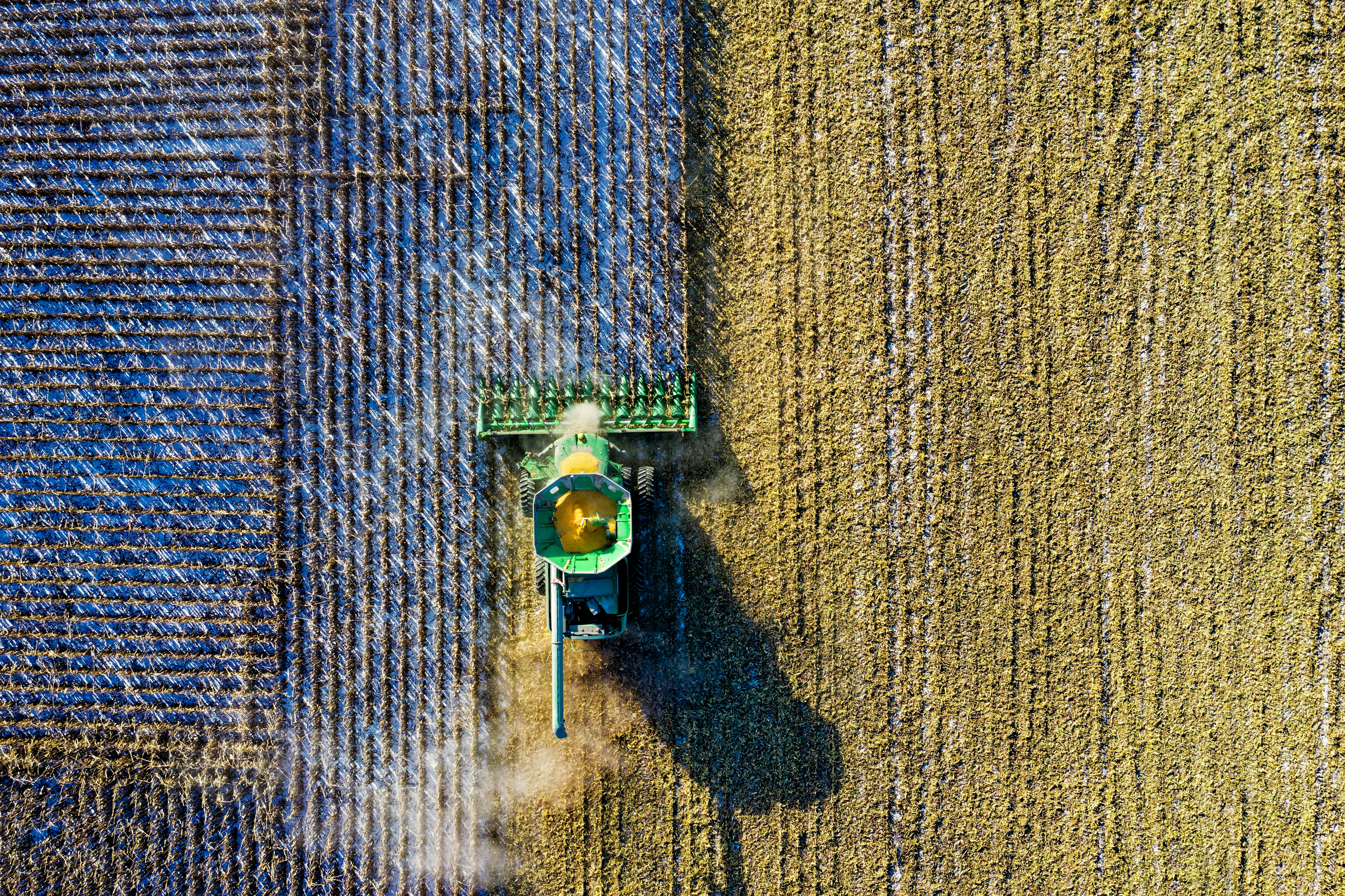
Banja Luka, Republika Sprska – As a developing country with fragile economy dependent on imported goods and services, Bosnia and Herzegovina has been seriously affected by the COVID–19 crisis. Under the state of emergency declared by the government of the Republika Srpska on March 16, 2020, and due to the limited foreign trade, the agricultural production has become crucial to ensure food security and support local economy during the crisis. The Ministry of Agriculture, Forestry and Water Management of the Republika Srpska has put in place measures to increase local agriculture production by offering sowing packages for small family farms. In addition, 30 per cent fixed return – with 40 per cent for households over 600 altitude – has been set for investments in agricultural machinery, livestock equipment, plant production and irrigation, and processing of agricultural products for domestic use. Additional funds have been allocated to support planting of industrial crops as well as establishment of organic farms. These measures also address land degradation by encouraging the use of previously abandoned croplands for agricultural production to meet the increased demand. KM 75 million have been allocated to finance current production and capital investments in the republic. For more info please visit https://agroportal.ba/plan-proljetne-sjetve-za-2020-godinu-u-republici-srpskoj/