Silk Road Caravan reaches 6,000 km mark in China one month ahead of UNCCD COP17
-
17 Julio 2026
-
Story
-
Rangelands and pastoralists

The journey across Eurasian rangelands links land restoration with viable pastoral livelihoods on the road to Ulaanbaatar
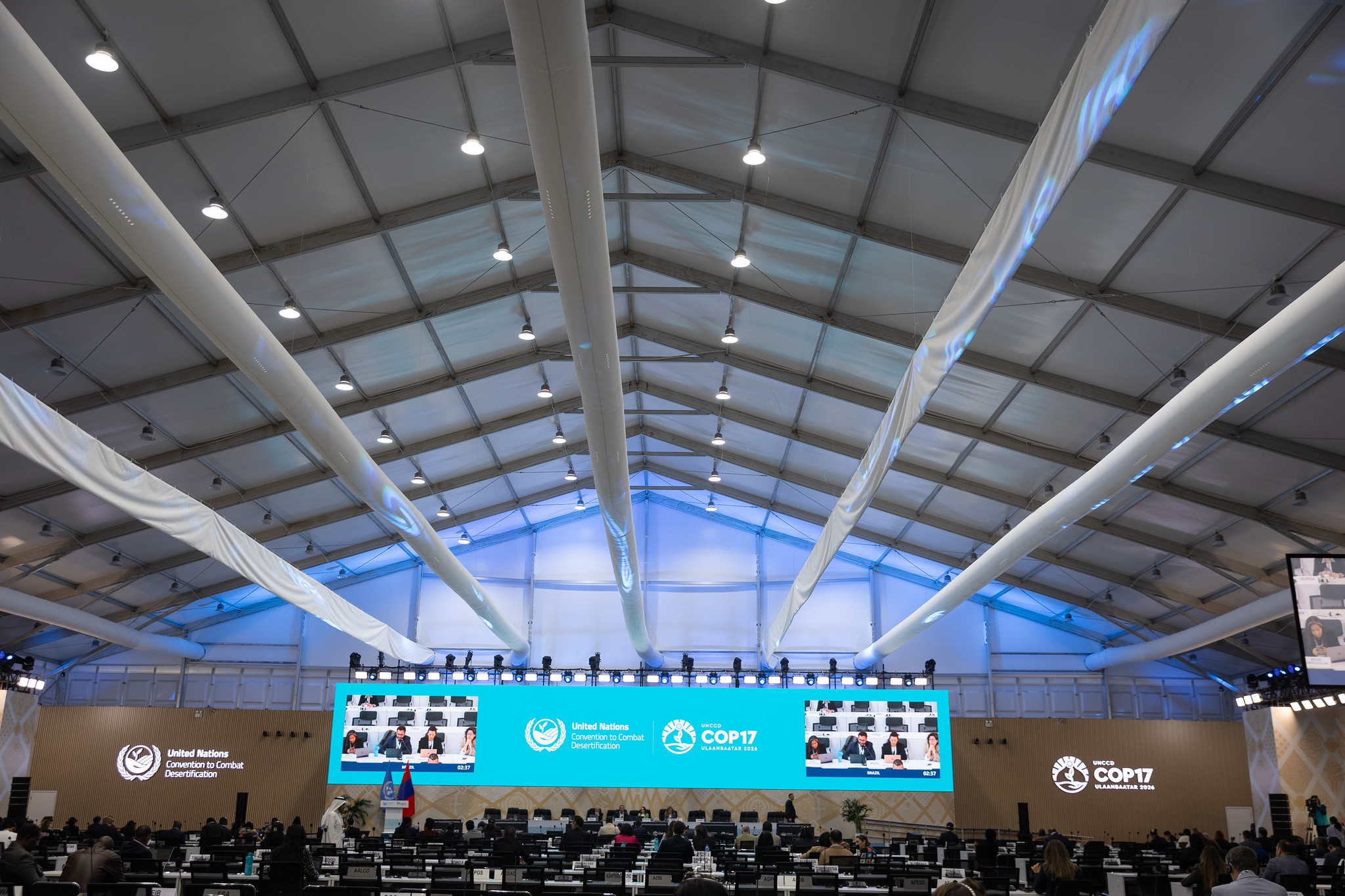
Bonn, Germany/Xilinhot, Inner Mongolia, China (17 July 2026 ) — The Silk Road Caravan today reached its 6,000-kilometer mark in northern China, exactly one month before the seventeenth session of the Conference of the Parties (COP17) to the United Nations Convention to Combat Desertification (UNCCD) opens in Ulaanbaatar, Mongolia.
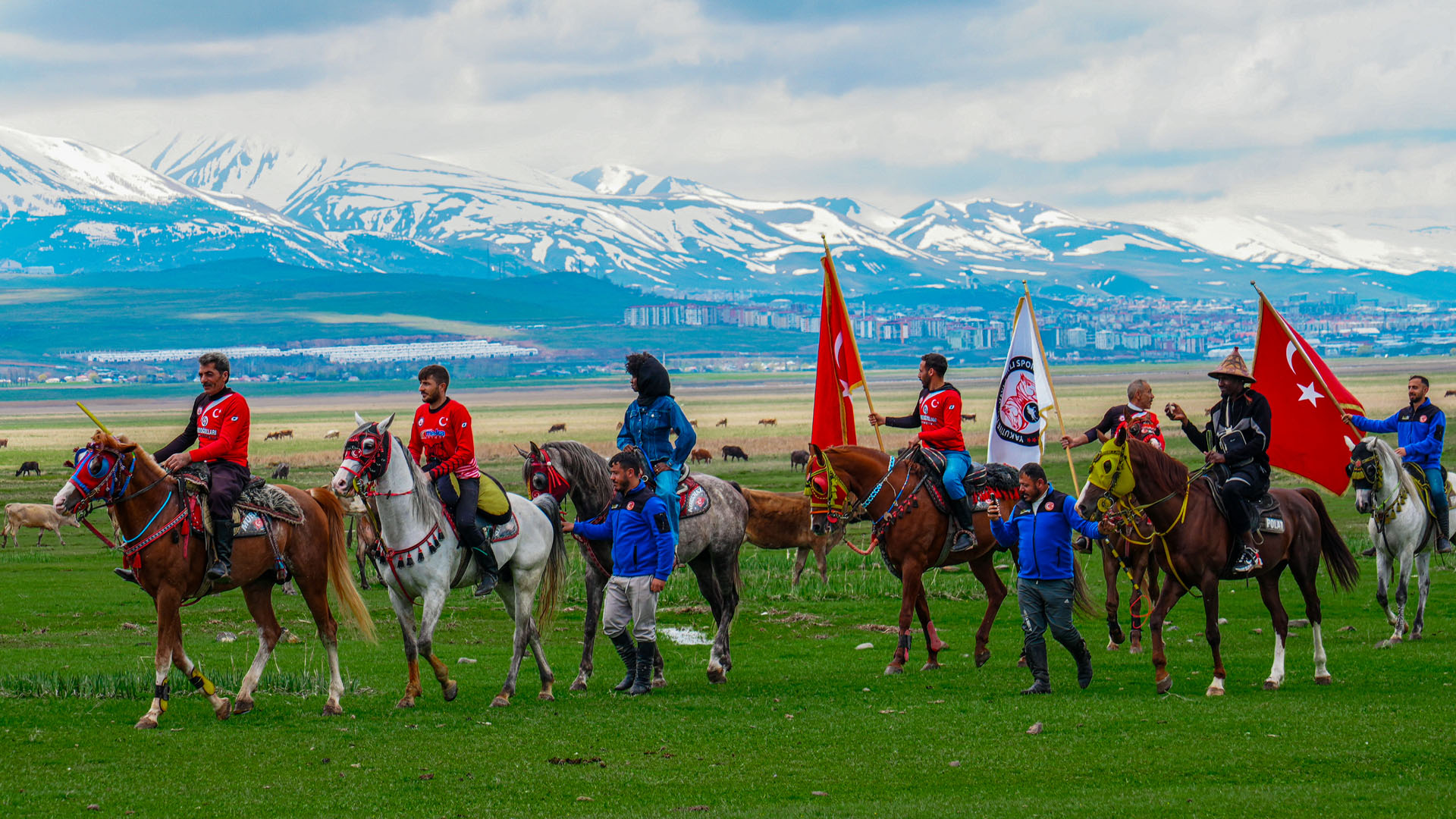
Since leaving Erzurum, Türkiye on 6 May on a symbolic journey connecting Riyadh COP16 to Ulaanbaatar COP17 in support of the International Year of Rangelands and Pastoralists 2026, the Caravan has travelled through Russia, Uzbekistan, Kazakhstan and Kyrgyzstan before arriving in China earlier this week.
Pastoralists and researchers from Africa, Asia, Europe and South America have joined UNCCD Goodwill Ambassadors and Sport4Land champions to explore how communities across countries are restoring degraded rangelands while sustaining the livelihoods that depend on them.
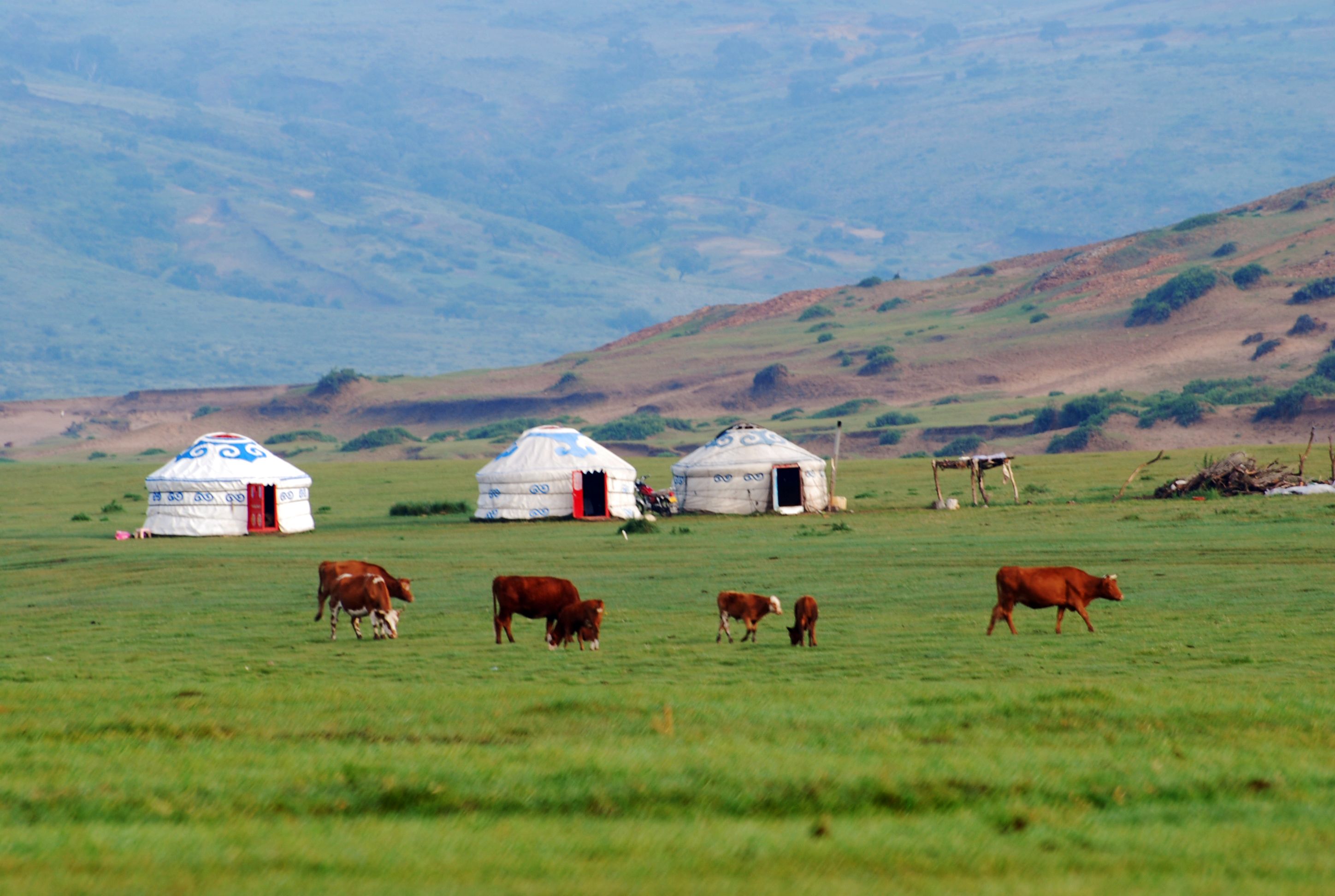
Rangelands cover more than half of the Earth’s land surface, support around two billion people and provide nearly 70 per cent of global livestock feed. Yet up to half are degraded or at risk. At UNCCD COP16 in Riyadh, countries adopted the Convention’s first decision devoted to rangelands, calling for stronger policies and investment, action against conversion, overexploitation and fragmentation, and a greater role for pastoralists in decisions on land management and tenure.
Along the way, the Caravan has served as a living showcase of restoration in practice, gathering ideas and experiences that will help inform discussions at COP17. From dune stabilization to sustainable grazing and value-added livestock products, each stop has offered a different perspective on the Eurasian rangelands—the world's largest continuous grazing region stretching 8,000 kilometers—that are under increasing pressures from the combined effects of drought and soil erosion.
Carrying the knowledge, experiences and voices gathered along the route, the Silk Road Caravan journey will continue across Mongolia before culminating at UNCCD COP17 taking place from 17-28 August under the theme of “Restoring Land, Restoring Hope.”
Insights from the journey
In China’s Otindag Sandy Land, willow branches are woven into grids across shifting dunes, stabilizing the sand long enough for grasses to take root. But restoration does not end with planting. Sites are monitored over time, and livestock numbers are matched to the land’s carrying capacity and local communities—including women— receive technical support and incentives to maintain restored areas.
China is just one example of a broader pattern that emerged across the Silk Road Caravan's journey. Each country offered different solutions, but many pointed to the same underlying principles.
In Türkiye, seasonal mobility distributes grazing pressure across the landscape and gives pastures time to recover. Around Erzurum, it also supports household economies, with milk processed locally into cheese and other products. The system depends on secure access to grazing land and the transmission of pastoral knowledge between generations.
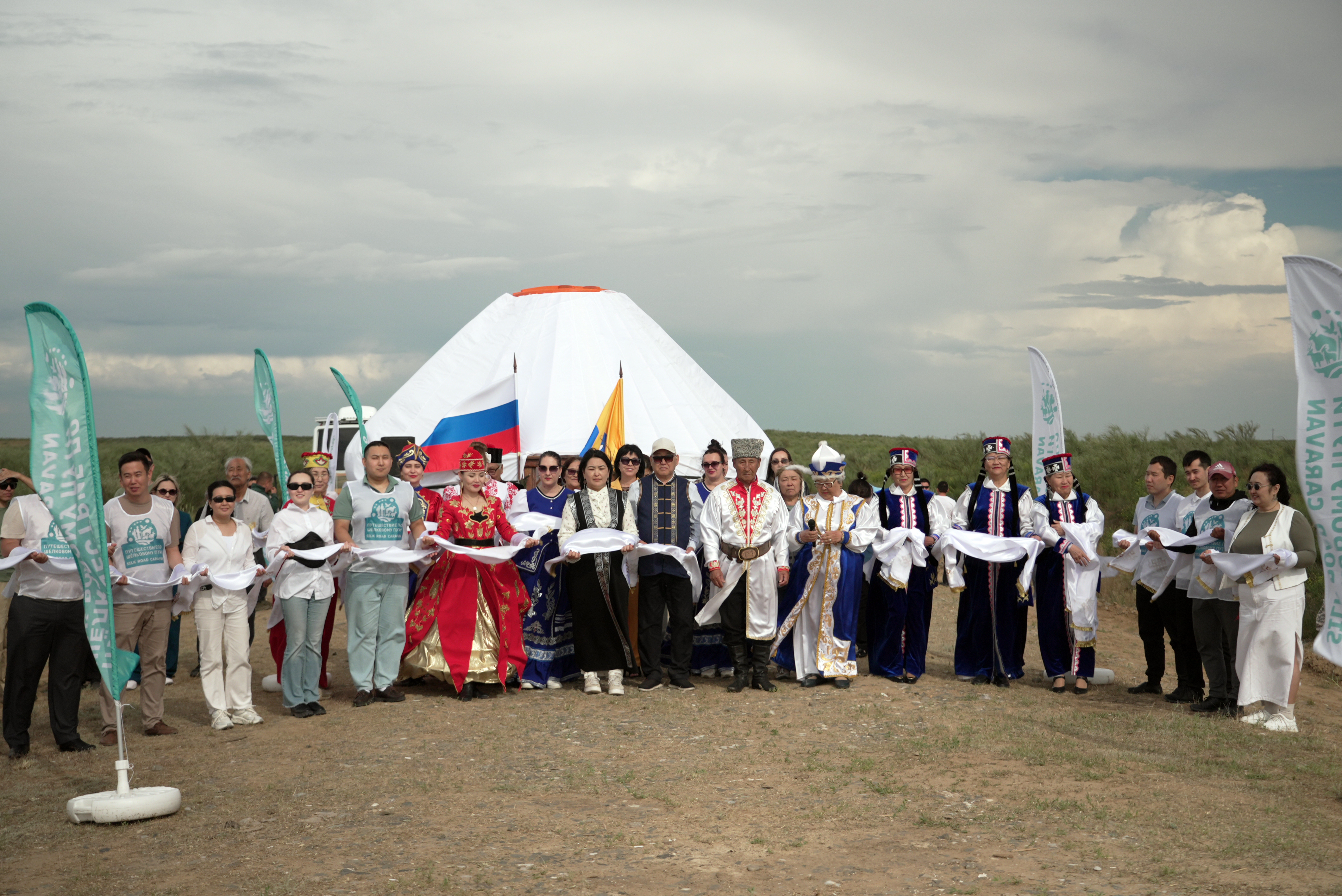
In Russia's Kalmykia region, one of the most affected by desertification, hardy dzhuzgun shrubs are transforming shifting sands into productive pasture, with survival rates of around 95 per cent. The shrubs stabilize the dunes and reduce wind erosion, allowing fodder grasses to be planted between the dzhuzgun rows. As vegetation recovers, degraded land gradually returns to productive pasture. Mobile research units monitor the results while training students in the field. Restoration here follows a sequence: stabilize the soil, rebuild vegetation, recover grazing value and monitor results.
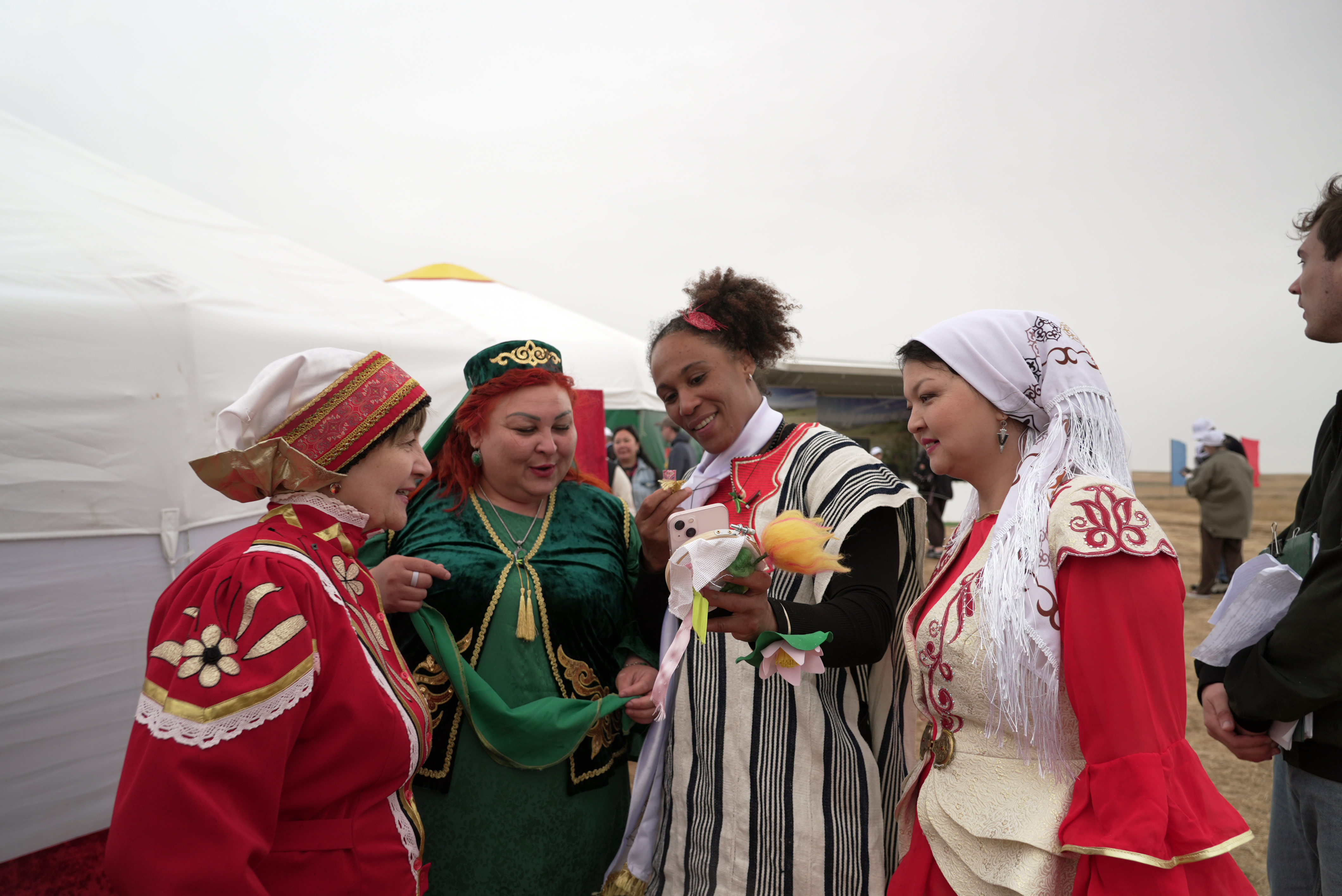
Meanwhile, Uzbekistan offered a lesson in the economics of patience. In Nurabad District, drought-tolerant pistachio trees are being established on degraded, low-productivity pastures. Local residents are paid to plant and maintain them; once the trees mature, five-hectare plots are intended for lease to lower-income families. The trees take years to yield. The model addresses a gap many restoration programmes leave open: communities need income while land recovers, and a lasting stake once it becomes productive.
In Kazakhstan, soil science and new technologies are helping transform the way rangelands are managed. Decades of soil surveys, herbarium records and aerial imagery are being integrated with GPS, satellite data and digital agricultural maps. These systems can track pasture condition, water infrastructure and early signs of degradation, while supporting reporting under the UNCCD Land Degradation Neutrality framework. The resulting evidence helps detect degradation early, before land's health and productivity are compromised.

In Kyrgyzstan, the Caravan journey highlighted another dimension of restoration ---one rooted in people and culture. Young activists from the Innovation Center in Bishkek brought elders and youth together through an intergenerational exchange on pastoral knowledge. On Desertification and Drought Day, 17 June, a dialogue at the Ministry of Agriculture convened policymakers, UN and international partners, researchers and pastoralists to develop recommendations on rangeland restoration and sustainable pasture management. Near Lake Issyk Kul, an association of women artisans invited Caravan participants to weave a commemorative felt carpet, demonstrating how traditional skills, value-added local products, and fair market access create resilient rural livelihoods.
Message to COP17
Together, these experiences showed that while restoration solutions differ from place to place, the conditions for success are remarkably consistent and extend far beyond the countries visited by the Silk Road Caravan.
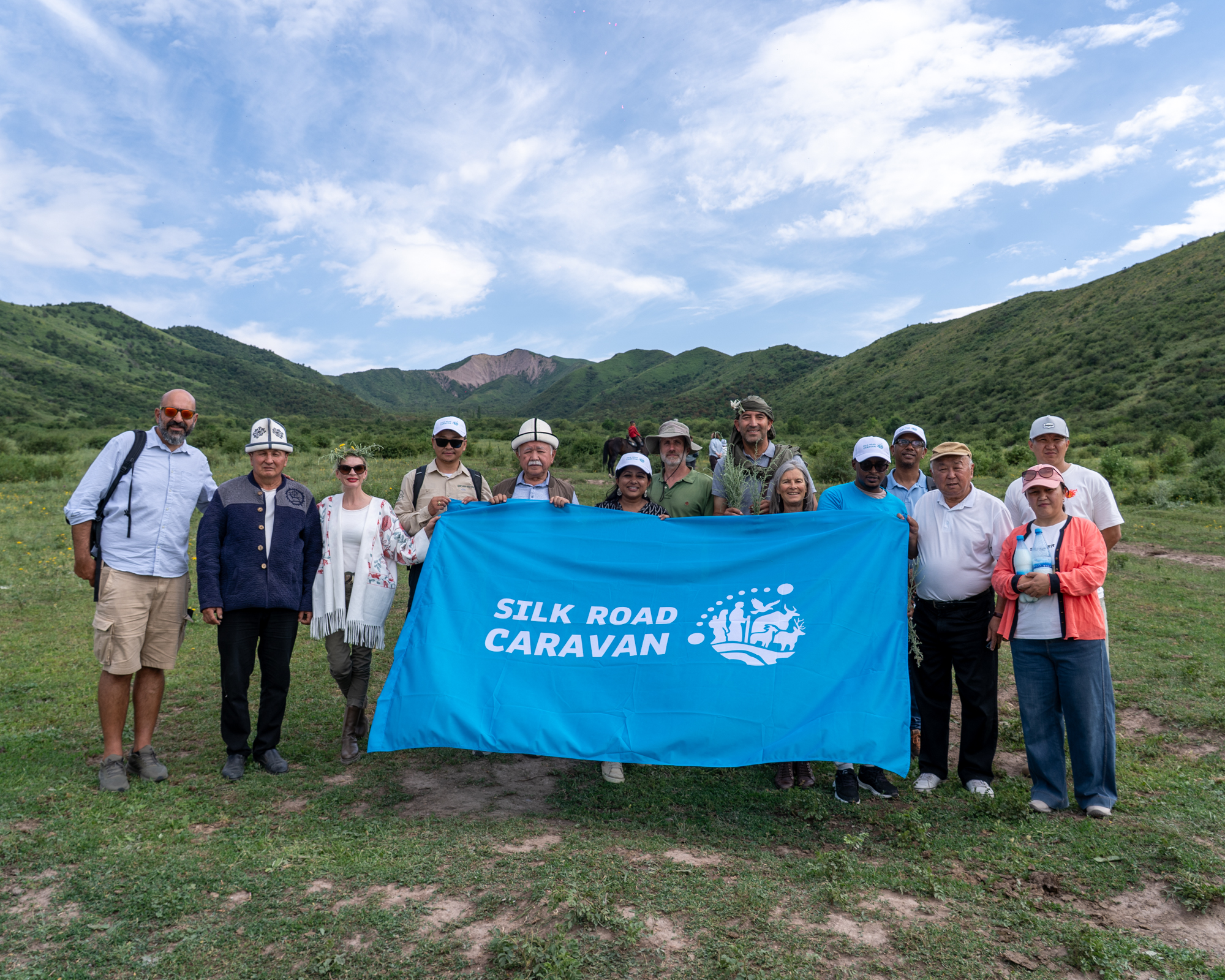
What unites these examples ---and makes them scalable--- is a common set of principles: communities need the authority and incentives to sustainably manage their land; grazing pressure must remain within ecological limits; land restoration must generate economic value; women and youth must have a voice in decision-making and land health must be monitored over time.
In Ulaanbaatar, the Silk Road Caravan will deliver a clear message: the most successful restoration efforts are those that strengthen livelihoods, build resilience and create economic opportunity, showing that restoring rangelands is as much a development challenge as an environmental one.