Stories
Latest
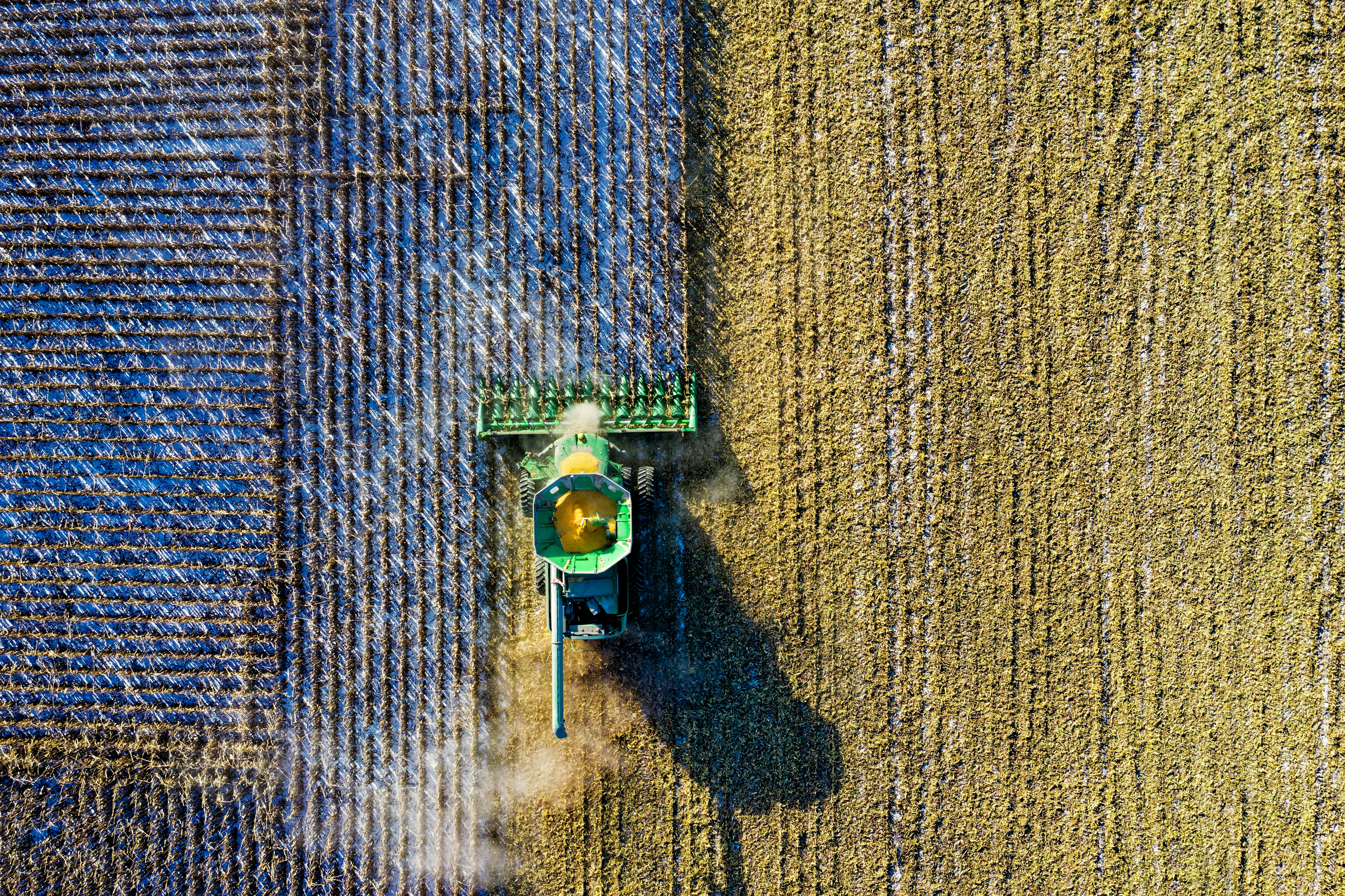

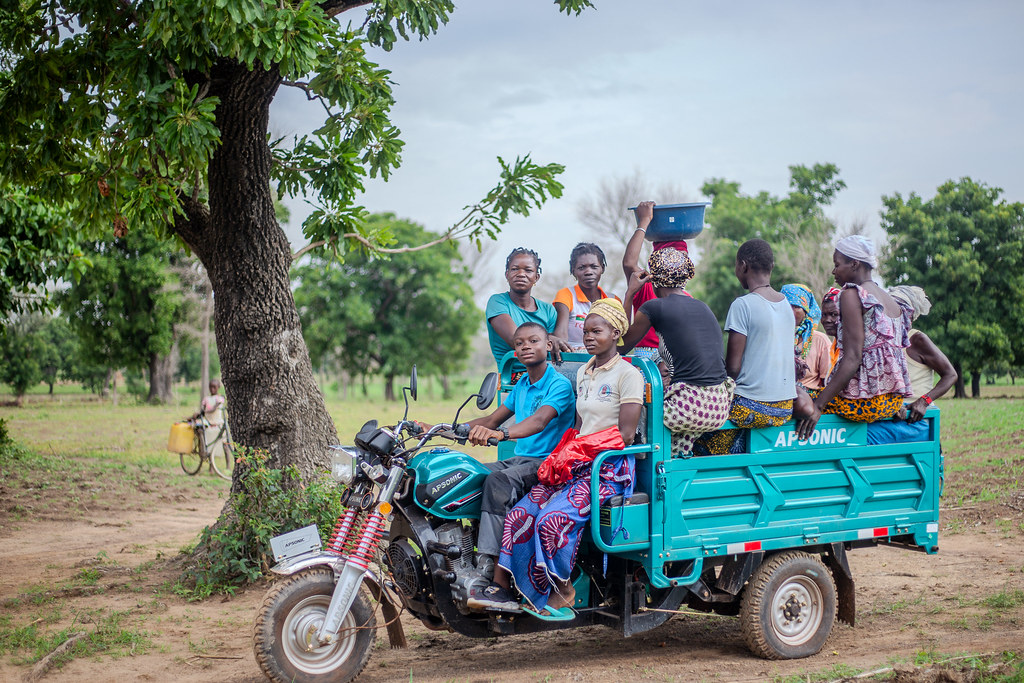
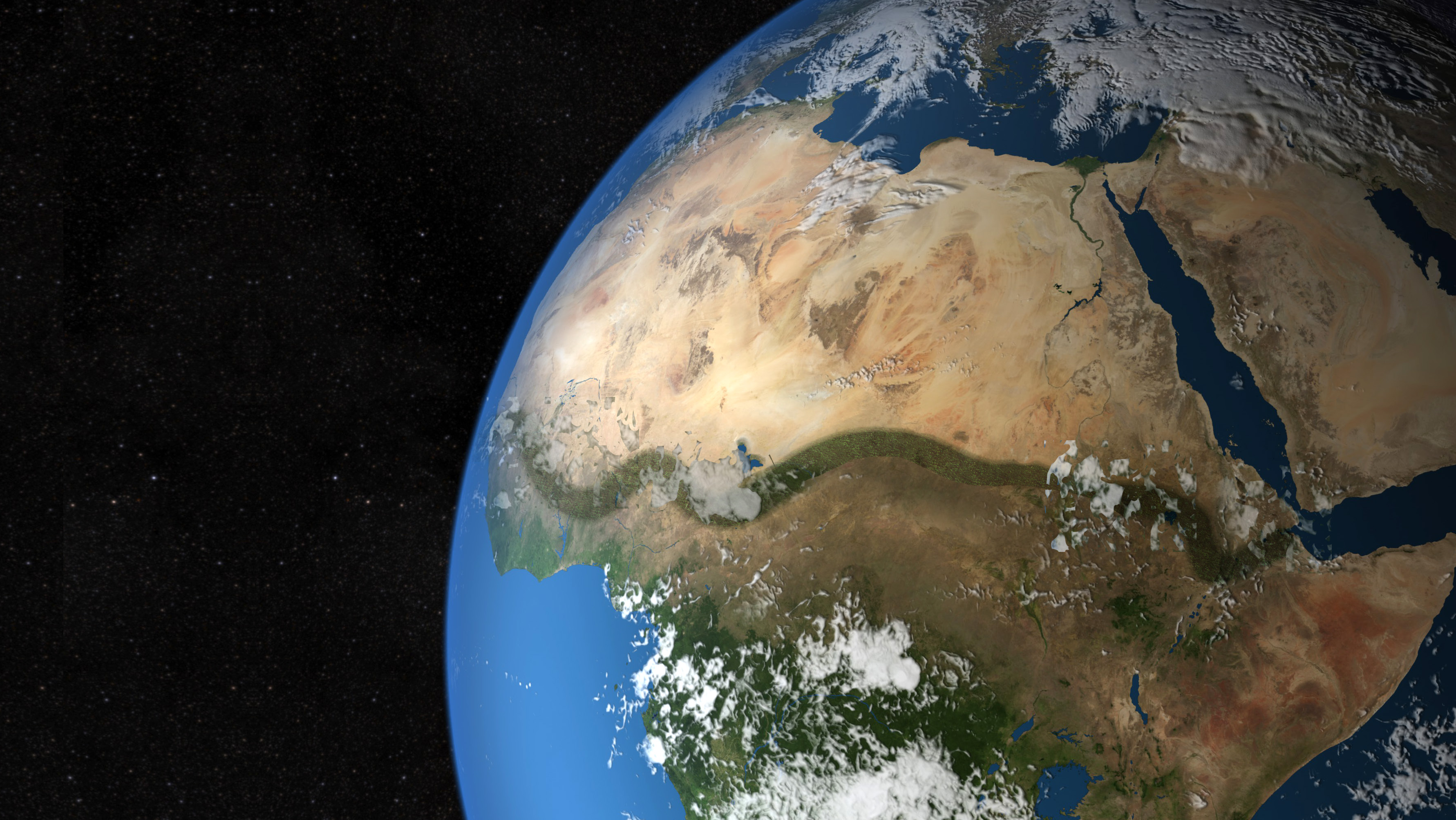
During a mission of UNCCD in the Agadez region in Niger in January 2017, the team discovered the “Projet d’Appui au Développement Agricole de l’Irhazer, du Tamesna et de l’Aïr” (project to support agricultural development of Irhazer, Tamesna and Aïr), supported by AREVA during 5 years, until 2020. This very amazing experience aims to cultivate 5000 ha and shows how it’s possible by mobilizing water resources to cultivate vegetables with high level of productivity and good yield in one of the driest region of the country. You can make growth onions, mais, carots, alfalfa … and sell them on the market at local and national level. In this project, green jobs were created by restoring degraded lands, involving vulnerable populations, particularly young, women and former rebels that left weapons to become farmers and thus, regaining their dignity. This great experience should provide good guidance to implement 3S projects to be developed in Niger and elsewhere within the West African sub-region. <br />

The Permanent Missions of Qatar, Iceland and Namibia, in conjunction with the office of the President of the General Assembly, organized a High-Level Event on Land Degradation, Desertification and Drought at United Nations headquarters on Monday, 1 May 2017. The event underlined the role of Land Degradation Neutrality as an accelerator for achieving the Sustainable Development Goals (SDGs). Ambassador Peter Thomson, President of the General Assembly, in his opening remarks, pointed out that, on average, 12 million hectares of land is lost due to desertification and land degradation every year. "More than half of the world’s agricultural land is affected by soil degradation, and the deterioration of drylands has led to the desertification of 3.6 billion hectares of land,” he said. He said the impact of this loss has been devastating and “the lives and livelihoods of more than one billion people are currently under threat, with soil loss, erosion, contamination and degradation affecting food security, health, and sustainable local economic opportunities.” Thomson drew attention to the catastrophic drought and famine that is currently endangering the lives of millions of people across Africa, which, he said, is a stark reminder of both the devastating consequences of desertification and land degradation and of how it can undermine our ability to achieve sustainable peace and development. He urged the international community “to ensure that desertification, land degradation and drought-related are at the forefront…when it sets its shoulder to the wheel to drive the implementation of the 2030 Agenda on Sustainable Development.” Pradeep Monga, Deputy Executive Secretary of the UNCCD and the event’s moderator, in his welcoming remarks, highlighted that “land degradation leads to a reduction in everything that societies need to survive…” and is the “exact opposite of sustainable development,” considering that “it disproportionately impacts the poorest and most vulnerable communities.” He said the high level event was timely and well poised to contribute to the review of SDG 15 during the High Level Political Forum in 2018. Monga praised the Group of Friends on DLDD for its catalytic role in bringing international attention to the importance of land degradation, desertification and drought issues, ensuring they were in the 2030 Agenda for Sustainable Development (the 2030 Agenda). The Group is co-chaired by Ambassador Einar Gunnarsson of Iceland and Ambassador Neville Gertze of Namibia. In their opening remarks, the co-chairs said “the successful implementation of target 15.3 - on land degradation neutrality (LDN) - can connect the dots between many of the SDG's goals and targets.” “By safeguarding life on land, we deliver for all life on Earth. We establish the basis for communities – all citizens - everywhere to not just survive, but thrive, by building a future on a healthy and productive foundation,” the Ambassadors of Iceland and Namibia noted. They stressed that achieving SDG target 15.3 would empower women and girls who mostly bear the brunt of desertification, land degradation and drought, and also contribute to ending poverty and ensuring food security. The co-chairs said as “an SDG accelerator, land degradation neutrality is an important instrument that responds effectively to ensure that ‘no one is left behind’,” adding that above all, the key message of the high level event was that the 2018 High Level Political Forum review of SDG.15 should have a special focus on target 15.3, given its central role in accelerating the achievement of the 2030 Agenda. Melchiade Bukuru, Chief of the New York liaison office of UNCCD, said with 17 Sustainable Development Goals and hundreds of targets and indicators, “there is a need to identify areas where investments will yield maximum benefits and impacts… Achieving land degradation neutrality - will deliver many co-benefits, from biodiversity conservation and combating climate change to ensuring economic growth and human well-being.” He briefed the meeting about the support the UNCCD is providing to countries under the national Land Degradation Neutrality (LDN) target setting process (TSP), including the definition of national baselines, targets and associated measures to achieve LDN by 2030. Bukuru acknowledged that substantial financial resources must be mobilized to achieve the target of a land degradation neutral world (SDG target 15.3) by 2030, and said it will be necessary to go beyond public resources and tap new financial instruments and intermediaries as well as to create enabling conditions to catalyze private capital around SDG implementation. Diplomats from a range of countries, including France, Morocco, Iran, Niger participated in the well-attended event that was addressed by, among others, the Permanent Representatives of Qatar, Iceland and Namibia, Manoel Sobral, the Director UN Forum on Forests, Eva Muller, Director of FAO’s Forestry Resources and Policy division, Reena Ghelani, Deputy Director of Operations of the UN Office for Coordination of Humanitarian Affairs and Cecile Ndjebet, President, African Women’s Network for community Management of Forests. For more information on the event, contact: Melchiade Bukuru, bukuru@un.org
As the second of the seven lecture series, “Research meets Development: Drought resilience in Sub-Saharan Africa,” the panel discussion focused on Early Warning systems to enhance drought resilience was held on 24 April at Geographisches Institut in Bonn, Germany. The panelists were Joanna Post (UNFCCC), Daniel Tsegai (UNCCD), Joachim Post (UNOOSA/UN-SPIDER), Olena Dubovyk (University of Bonn/ZFL), Yvonne Walz (UNU-EHS) and Lars Wirkus (BICC). The panel was moderated by Joerg Szarzynski from the United Nations University. After the moderator’s brief introduction followed by a short video on the drought episode and its severe impacts in South Africa, the panel discussion kicked off with Joanna Post who spoke about the science of climate change and drought trends, projections, temperature rise and the UNFCCC parties’ commitment to the Paris Agreement to reduce CO2 emissions. Daniel Tsegai addressed the UNCCD’s support to countries to develop and implement national drought policy plans and the efforts to support countries to strengthen their drought early warning systems. He elaborated on the key global milestones on the path of drought resilience including the Hyogo Framework for Action (2005-2015), the Sendai Framework for Disaster Risk Reduction (2015-2030), the High-level Meeting on National Drought Policy in 2013 and the African drought Conference in August 2016. Leveraging drought as a connector of sectors and relevant actors was emphasized. Joachim Post explained the importance of space infrastructure to monitor hazards including droughts and how satellite data can be used in planning actions. He highlighted the global divide in space infrastructure and the use of earth observation data (EO) for resilience and early warning applications in Africa. Referring to the existing data gaps among African countries, Olena Dubovyk stressed that remote sensing data and indices (e.g., VCI) could be a viable option to characterize and predict drought. In developing countries, there is a lack of qualified experts to integrate drought indicators within such system. The lack of universal definition of drought is hampering the development of methods for drought assessments. Yvonne Walz stressed the importance of vulnerability and drought risk assessment (ecology, social, economic and political). Lars Wirkus spoke about drought as a migration and threat multiplier. Drought enhances migration which displaces millions of people. He showed relevant maps pointing out water resources-related conflicts. Drought areas are in many cases overlapping with conflict areas. Water scarcity could exacerbate the conflicts. The other issues raised during the panel discussion were: challenges on drought preparedness; creation of comprehensive drought early warning systems to enhance communication and dissemination channels; strengthening the responding capacity of farmers to warnings; and the need for national drought policy to reduce risks of drought. For more information about the lecture series, visit: https://www.idos-research.de/veranstaltungen/details/drought-resilience-in-sub-saharan-africa/
Desertif’actions is a non-State actors’ international summit dedicated to land degradation and climate change. The event will take place on 27 and 28 June 2017 in Strasbourg (France). Over 300 stakeholders from more than 50 countries are expected to participate. The two-day event shares concerns about land degradation under a changing climate and its consequences in northern and southern countries. It aims to build common positions on the issue, which will be consolidated in a Declaration at the end of the event. UNCCD is one of the supporters of the D’a17. For more information and registration to the event, visit (external site): https://desertif-actions.fr/
As the first of the six lecture series, “Research meets Development: Drought resilience in Sub-Saharan Africa”, a kick-off event was held at Deutsche Welle in Bonn, Germany, on 6 April. The event started with an introductory statement by MinR. Stefan Schmitz, Commissioner at the German Federal Ministry of Cooperation and Development (BMZ), followed by a keynote address by Professor Robert McLeman from the University of Wilfrid Laurier and a panel discussion. The panelists were Mr. Schmitz, Professor McLeman, Mr. Pradeep Monga, Deputy Executive Secretary of the UNCCD, and Mr. Matthias Mogge from the Welthungerhilfe. The panel discussion was moderated by Dr. Micheal Bruentrup from the German Development Institute (DIE). The transdisciplinary panel discussed the current critical drought situation in the Horn of Africa, in particular in Somalia where many people are risking their lives due to drought. It addressed the threats of drought from various angles, the challenges and the remedial measures in a wide spectrum of policy options. G20 Agenda, the Marshal plan for Africa under the German G20 Presidency, the role of job creation for young people were also discussed, as well as the linkage between drought, human migration, rural adaptation and conflict. The panel discussion revealed drought as a threat multiplier for human security. Food and water shortage is one of the serious consequences. Mr. Mogge reflected his recent visit to Somalia and Ethiopia, quoting the new Somalia president listing the country’s three major priorities as “water, water and water”. UNCCD’s key action-oriented policy aspects of drought resilience were highlighted by Mr. Monga as (i) monitoring and early warning systems; (ii) vulnerability assessment; and (iii) risk mitigation measures. A national drought policy needs to be developed based on the principles of risk reduction and the paradigm shift from reactive to proactive approaches with engagements of the private sector and other stakeholders. Mr. Monga also introduced related initiatives by the UNCCD including the support to countries for achieving Land Degradation Neutrality. The panel discussion was followed by an interactive dialogue with the event participants. Questions were raised about a changing relationship between rural and urban interaction, better resource management and challenges of bottom-up/top-down approaches. As a response to a question, Prof. McLeman listed water security, inter-regional migration and reliable local governance as keys to future sustainable development consideration for Africa. The lecture series continues until 13 July. It is co-organized by DIE, UNCCD, BMZ, Deutsche Gesellschaft für Internationale Zusammenarbeit (GIZ), KFW and University of Bonn. For more information about the lecture series, visit (external link): https://www.idos-research.de/veranstaltungen/details/drought-resilience-in-sub-saharan-africa/
Systematic monitoring and evaluation of activities carried out under the UNCCD started in 2014. It is intended to strengthen the external credibility and accountability of the secretariat and the Global Mechanism, and to enhance their internal culture of learning. The evaluation of the GM activities in developing the LDN Fund with the support of the Rockefeller Foundation was recently completed. The evaluation report and the related management response can be accessed from the following links: Evaluation report Management response