Stories
Latest
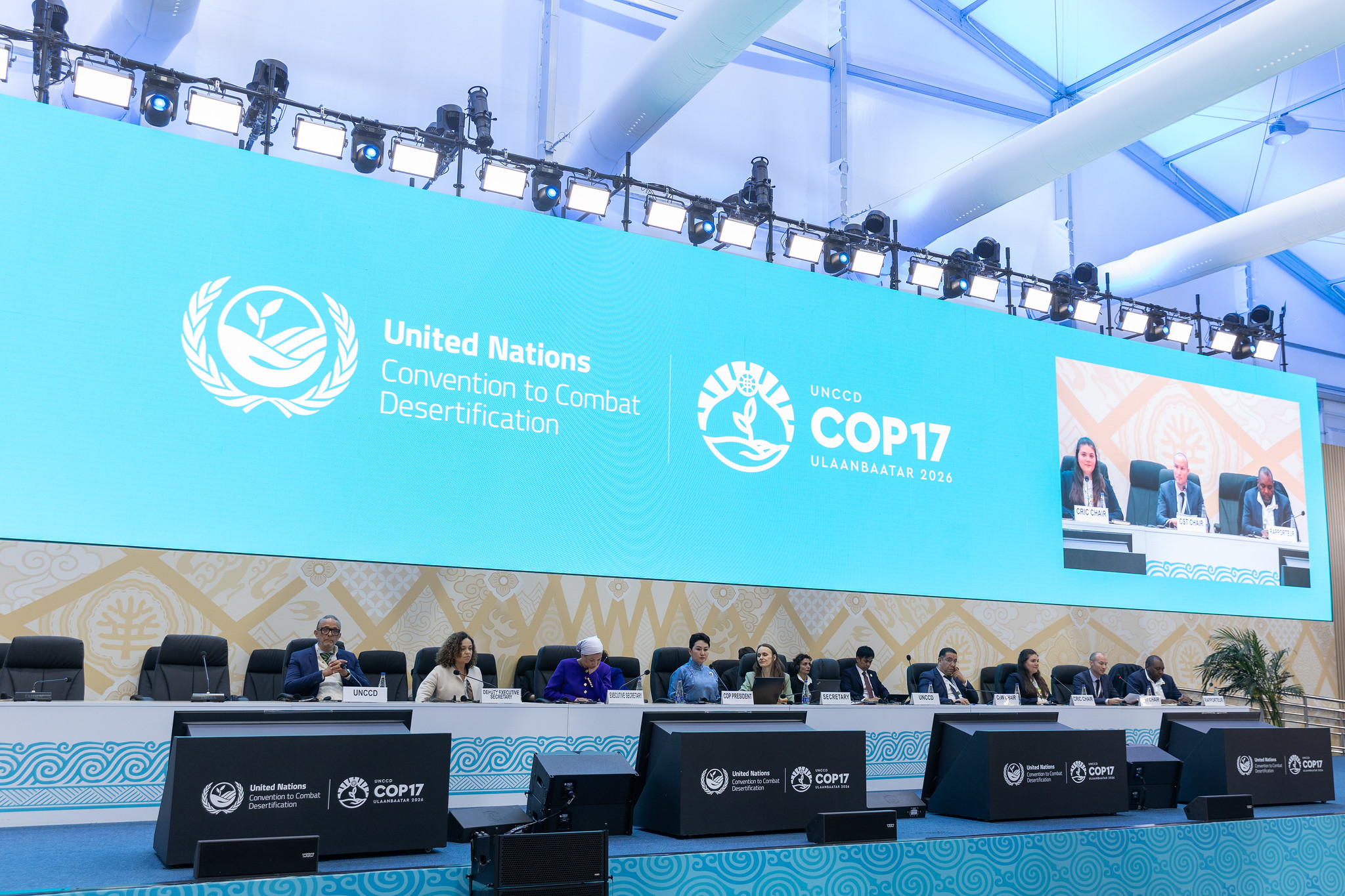

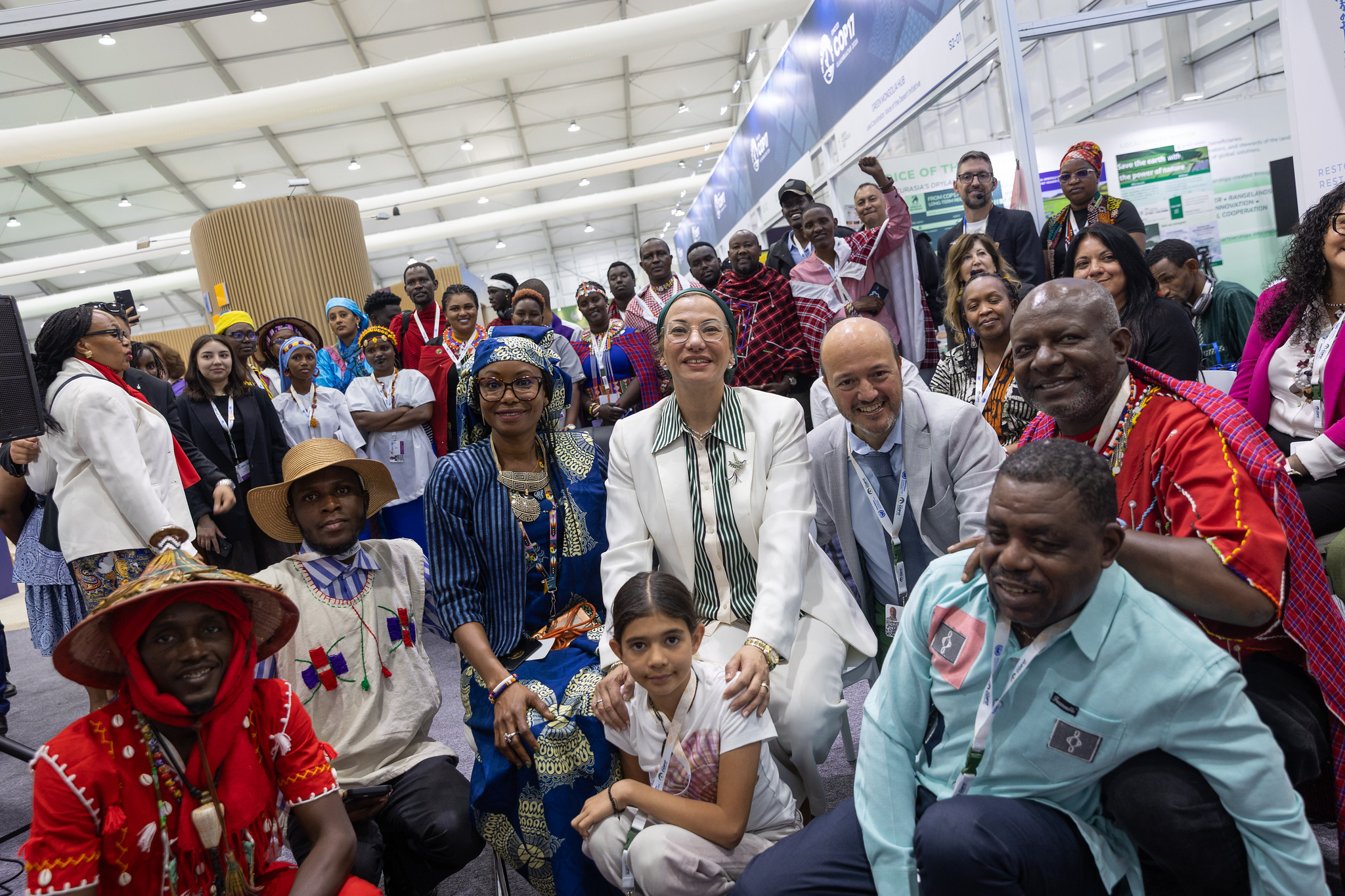
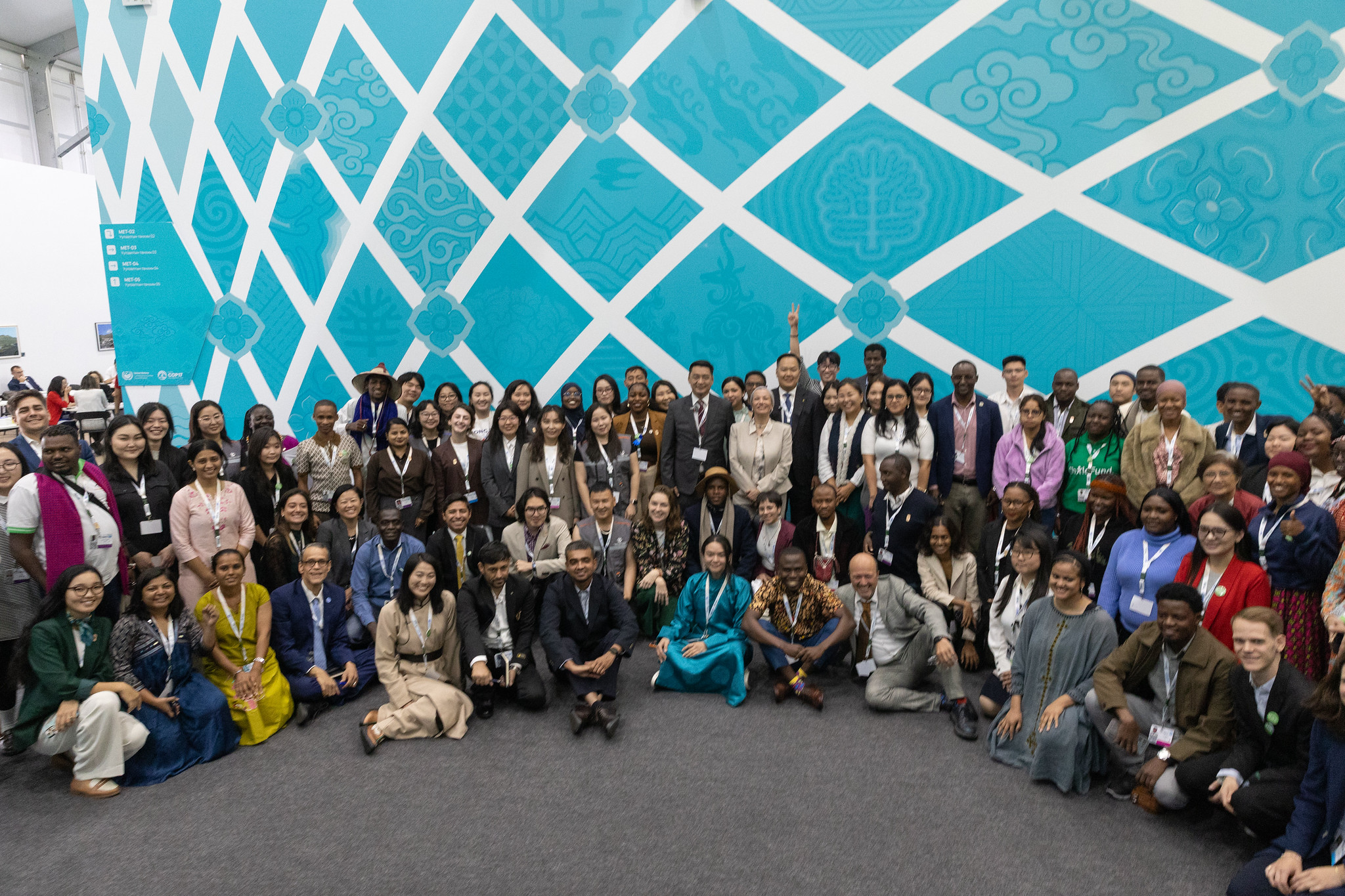
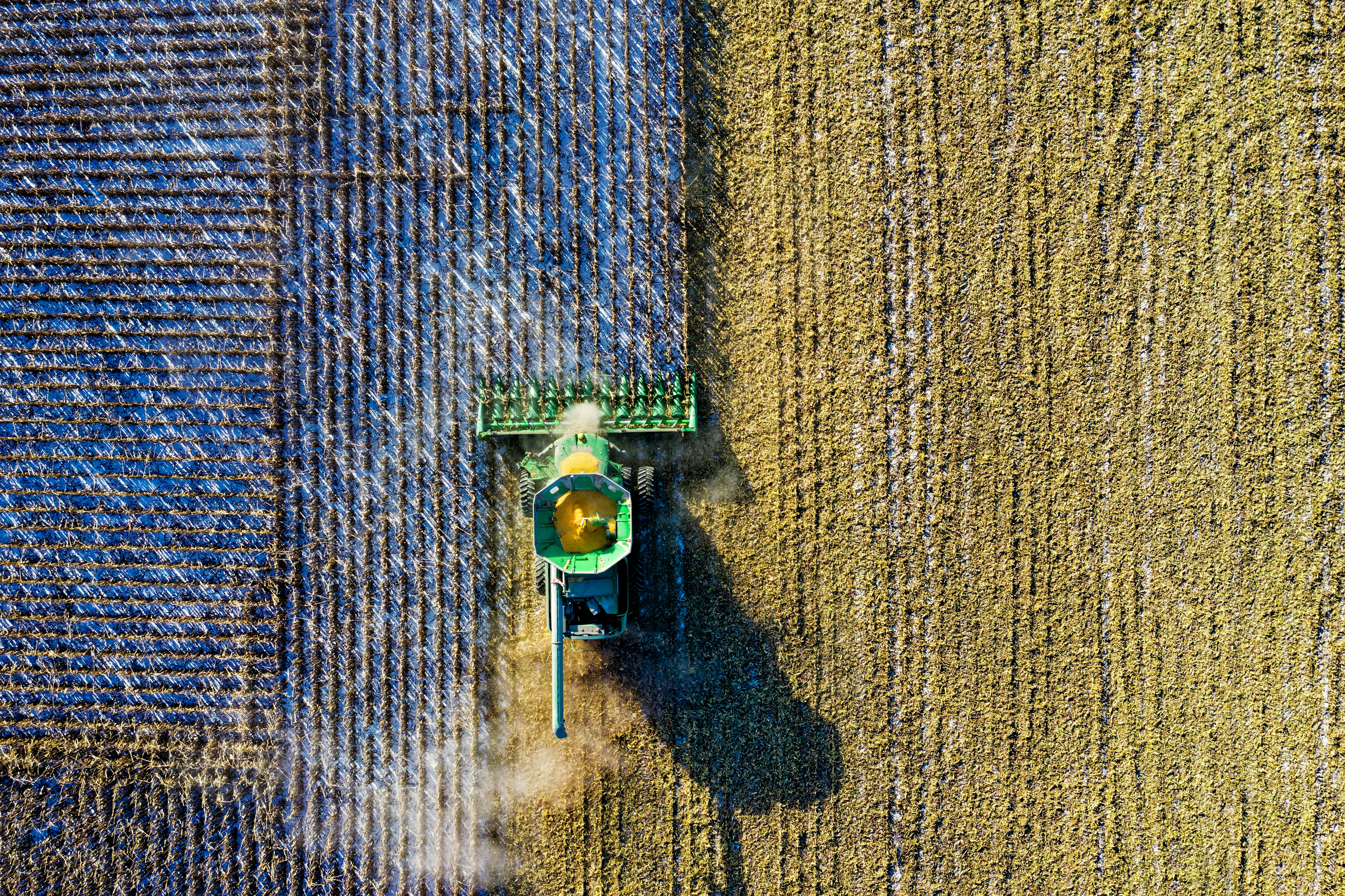

Katowice, Poland – The Rio Conventions Pavilion, in a series of sessions co-hosted by the Global Environment Facility (GEF) at the recent COP24 Climate Change Conference, provided a space for constructive dialogue among representatives of governments, international organizations and civil society on the issue of synergies. All present were unambiguous in their message: the three conventions need to continue enhancing their close cooperation to fully take advantage of synergies in mission so that actions which follow can be fully integrated to achieve multiple benefits. The context for these discussions goes back to the 1992 Earth Summit in Rio de Janeiro, which led to the establishment of the three sister conventions: the Convention on Biological Diversity (CBD), the United Nations Framework Convention on Climate Change (UNFCCC) and the United Nations Convention to Combat Desertification (UNCCD). The Rio Conventions Pavilion is a platform for raising awareness and sharing information on the latest practices and scientific findings linking biodiversity, climate change, and sustainable land management. Making this happen has not always been easy at the global or national level. In Katowice, the ”why” of synergies was made clear at Pavilion sessions, in scientific, practical and financial terms: It makes sense from the science point of view because the degradation of land releases carbon into the atmosphere (including vast amounts when peatlands are drained) — carbon that is the basis for life in the soil and everything that grows above it, impacting productivity and biodiversity, water and all other ecosystem serves flowing from land; affecting the health of ecosystems, the food supply and the well-being of people It makes sense in practice when sustainably managed land is recognized as an integrator and accelerator of virtually all the Sustainable Development Goals (SDGs), many of which compete for land resources. Land must be treated as the limited resource when planning and management decisions are made, in a way that encourages the optimization of interventions across the landscape to minimize the tradeoffs associated with multiple demands on land It makes sense from the point of view of effective and efficient use of financial resources to achieve the objectives of the three Conventions It makes sense from the perspective of developing countries that require support to design integrated projects addressing climate change, biodiversity and land degradation, because in many cases they have limited capabilities to design and implement projects, and it makes sense to use integrated approaches rather than fragmented ones Addressing the “how” of maximizing synergies is critical. A number of solutions were tabled in the Rio Pavilion sessions, including: The framework of Land Degradation Neutrality (LDN) provides countries the means to plan and pursue interventions with the aim of maximizing positive impacts across the landscape and navigating the inevitable tradeoffs. LDN was a part of many approaches discussed at the Pavilion, including sustainable infrastructure and ecosystem-based assessment (EbA). The mitigation hierarchy approaches outlined for individual interventions can feed into the national-scale application of the LDN response hierarchy, as countries set priorities for and pursue their nationally determined contributions (NDCs), Aichi Targets and LDN targets simultaneously and seamlessly. Excellent examples of projects pursued in such an integrated way were shared by representatives of Mongolia, Belarus, Russia, Indonesia and Guyana Taking all of this into account when interventions are designed is also on the agenda – specifically through initiatives such as the Project Preparation Facility of the three Rio Conventions. UNFCCC, CBD and UNCCD are working together to put in action these calls for enhancing synergies and meeting the expectations not only of governments, to all other stakeholders working to address major environmental challenges across the globe. Read more: Three conventions, one planet: making the case for nature and people at COP24 Synergies between Rio conventions UN Heads call for assistance to address linked climate change, biodiversity and desertification threats Scientific conceptual framework for LDN Achieving LDN Land and SDGs

New Delhi, India – During a national workshop co-hosted by UNCCD and the Ministry of Environment, Forests and Climate Change of India (MoEFCC) on 4–5 December 2018, policy makers, researchers and representatives of civil society organizations, intergovernmental organizations (CSOs) and the private sector provided their input for developing India's national strategy on land degradation neutrality (LDN). In his opening speech, the UNCCD Deputy Executive Secretary Dr. Pradeep Monga emphasized the significance of LDN for fostering coherence of national policies, actions and commitments to achieve SDGs. Over the course of the workshop, the experts discussed technical issues related to setting LDN baseline, formulation of LDN targets, institutional framework and opportunities for LDN transformative projects and programs. At the beginning of 2018, Dr. Harsh Vardhan, Minister for Environment, Forests and Climate Change of India, had declared India’s commitment to achieve Land Degradation Neutrality (LDN) by 2030. Since then, India has stepped up its efforts towards setting the national targets to achieve LDN and SDG 15.3 that contribute towards national priorities of climate resilience, energy, water and food security and the national ambition of increasing the income of farmers and alleviation of poverty. Given the fact that land is one of the most valuable resources in India, setting national LDN targets can ensure political commitment and economic opportunity for India by achieving multiple benefits while creating job opportunities and green value chains. Experts report that over the past decade India has significantly reduced the rate of land degradation, reflecting on the success or various government policies and programmes in India. Now the country is ready to move up to the next level not only to avoid future degradation but to restore and rehabilitate already degraded land, such as wastelands and abandoned mines. Integrating land restoration, climate policy, food security and disaster risk management into a coherent policy framework is instrumental to the success of these plans. With the corporate environmentalism evolving fast in India, there is a growing array of funding options and mechanisms for supporting transformative land degradation neutrality projects and programmes. Addressing the workshop participants, Mr. Anil Kumar Jain of MoEFCC confirmed India’s commitment to a robust and forward-looking national strategy that is inclusive of social, environmental and ecological goals. In the upcoming months, the country will continue its work towards developing the national strategic plan for achieving LDN. Read more: More about the event Achieving LDN UNCCD partners: CSOs Land and SDGs
Chitre, Panama – Over 100 representatives of the ministries of environment, agriculture and health together with delegates from research institutions, associations of producers, CSOs and international organizations joined the celebration the World Soil Day (WSD) on 5 December 2018 in Chitre, about 300 km from Panama City. The forum organized by the Ministry of the Environment gave the participants an opportunity to analyze main causes and consequences of soil degradation and pollution, as well as evaluate measures that can contribute to soil health. Based on this year's theme "Be the solution to the soil pollution," the event focused on soil conditions in Central America, the problem of soil contamination by pesticides and heavy metals, and the international conventions that address these issues, such as the Rotterdam Convention. As outlined by the representative of FAO Ms. Inés Beernaerts, while soil acts as a filter and absorber of pollutants, preventing their entry into the food chain, the bodies of water and the environment, the potential of soil to deal with pollution is not infinite. According to the latest report, presented to the Desertification National Committee to Combat Desertification and Drought, about 28 per cent of soil in Panama are degraded. During the ceremony, the UNCCD focal point Ms. Gladys Villarea handed a formal note of commitment to achieve the land degradation neutrality (LDN) targets in Panama to the head of the UNCCD regional coordination unit Mr. José Miguel Torrico. Mr. Torrico reported on the role of LDN in protecting healthy soils and presented Ms Villarea with a copy of a recently published third edition of the World Atlas of Desertification. WSD message from the UNCCD Executive Secretary The third edition of the World Atlas of Desertification Achieving LDN Land and SDGs
Bangkok, Thailand – The World Soil Day (WSD) celebration was held on 5 December 2018 under the theme “Be the Solution to Soil Pollution.” Over 800 participants gathered for the event jointly organized by the Ministry of Agriculture and Cooperative Land Development Department, Soil and Fertilizer Society of Thailand and the UN Food and Agriculture Organization (FAO). At the morning session, representatives from several countries shared success cases in sustainable soil management and land degradation neutrality (LDN), and a Bangladesh-based NGO working in soil care became the first recipient of the “King Bhumibol World Soil Day Award.” During the ceremony held in the afternoon, the Minister of Agriculture and Cooperatives of Thailand H. E. Mr. Grisada Boonrach shared the land treatment measures implemented in Thailand and highlighted the importance of achieving the SDG15 "Life on Land" and SDG 2 "Zero Hunger." The next day, the new Center of Excellence for Soil Research in Asia (CESRA) was launched at the Pak Chong Soil and Water Conservation Research Center in Nakhon Reatchasima Province. The work of the center will be focused on soil pollution threats and sustainable management of soil resources. WSD message from the UNCCD Executive Secretary Achieving LDN Land and SDGs
Katowice, Poland – UNCCD has joined other Rio conventions in the margins of the ongoing Climate Change Conference (UNFCCC COP24) to foster the alignment of the three conventions that tackle similar problems, have similar goals and operate in the same ecosystems. Addressing the audience, the UNCCD lead scientist Dr. Barron Joseph Orr emphasized that the sustainable development goals (SDGs) cannot succeed if taken individually, because they all make demands on the same land resources, with inevitable tradeoffs. Instead of managing these tradeoffs in the global way, they need to be managed where the decisions are made – on the land. For that, countries require a framework that would allow them to optimize land-use decisions, so that they know that they do the best they can for all SDGs. To date, 120 country parties of UNCCD have joined the land degradation neutrality process (LDN). The scientific conceptual framework for LDN developed by the UNCCD is open to considering land-use decisions across sectors as well as across all three Rio conventions. Dr. Orr has also introduced the Project Preparation Facility jointly envisioned by all three conventions, so that their goals of fighting land degradation, protecting biodiversity and addressing climate change are linked automatically and supported where decisions are made and projects are designed. Find out more: Video stream of the event Synergies between Rio conventions UN Heads call for assistance to address linked climate change, biodiversity and desertification threats Scientific conceptual framework for LDN Achieving LDN Land and SDGs
Lomé, Togo – In the framework of the Drought Initiative, Togo has elaborated its National Drought Plan (NDP) with the support of the Global Mechanism of UNCCD. Translating its strong commitment to take proactive approach to drought risk and mitigation, the Ministry of Environment and Forest Resources of Togo organized a technical workshop for the NDP validation on 29 November 2018. The workshop participants received an opportunity to analyze and evaluate the NDP, with their feedback integrated into the final document the final document. The event has been covered in the national media.