Stories
Latest
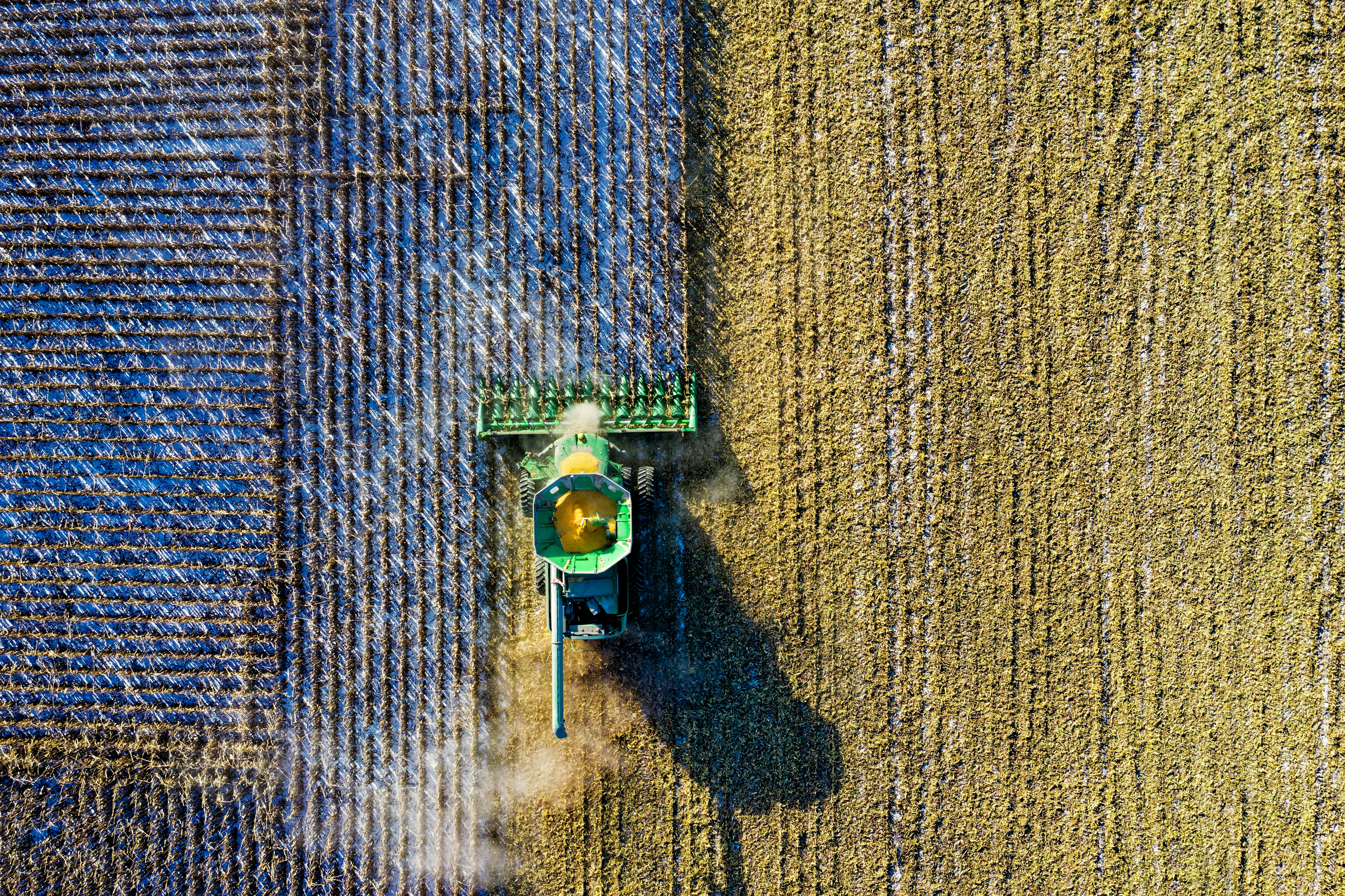
Brazil has committed US$100 million dollars raised from domestic environmental fines to finance activities to reverse land degradation in an initiative known as the URAD model that combines social inclusion, local development and environmental sustainability. The results are amazing, with activities being completed well ahead of schedule and behaviour change in the communities evident long before reaping the expected long-term fruits. > Read more

Reykjavik, Iceland – The UNCCD was invited to give the opening address at SERE Europe 2018, an event that has attracted over 400 practitioners, policy makers and scientists from governments, NGOs, industry and academia. The European chapter of the Society for Ecological Restoration (SERE) asked UNCCD Lead Scientist, Dr. Barron Joseph Orr to give a presentation on Land Degradation Neutrality as a framework for optimizing restoration in the era of climate change. The organization’s mission is to advance the science, practice and policy of ecological restoration to sustain biodiversity, improve resilience in a changing climate and re-establish an ecologically healthy relationship between nature and culture. Dr. Orr introduced the Scientific Conceptual Framework for LDN, paying particular attention to its guiding principles and the numerous entry points which can be readily leveraged by restoration experts in their efforts to develop transformative projects such as the LDN response hierarchy. He emphasized the importance of land use planning across sectors to help countries achieve LDN and ensure the success of individual ecological restoration projects. Efforts to implement LDN – including ecological restoration – must go hand in hand with efforts to navigate the inevitable tradeoffs associated with potentially competing demands for land. In a follow-up session focused on the use of land restoration to reach the UN Sustainable Development goals, Dr. Orr joined panel members from Iceland, Lesotho, Ghana and Kirgizstan, providing a global perspective on how SDG target 15.3 can help integrate and accelerate other SDGs. Later in the week, Dr. Orr will join the SERE high-level panel to discuss the role of business in tackling land degradation in the context of climate change. He will also address the new graduates of the UNU’s Land Restoration Training Programme at the Agricultural University of Iceland. Read more: About the convention Land and SDGs Land and climate change Scientific conceptual framework for LDN
A book highlighting how communities and countries are practically putting life back into the two billion hectares of land we have degraded was launched today to mark the Forest, Food and Land Challenge Coalition event taking place at the Global Climate Action Summit (GCAS) on 12 September 2018, in San Francisco, California. Volume 4 in a series titled “A Better World”, the book sub-titled “Life on Land” is published for the United Nations by UK publisher, Tudor Rose. “Life on Land” is about Sustainable Development Goal 15, and target 15.3 more specifically, which is about achieving Land Degradation Neutrality (LDN) globally by 2030. Land degradation neutrality is the technical term referring to intentional actions to avoid, reduce and reverse degradation of the land. The book features contributions by UNCCD staff on the importance of Goal 15 and the current status of achieving LDN and covers a range of sustainable development initiatives from climate science and land management to intercultural dialogue and humanitarian assistance. The publication presents experiences and livelihoods of people in vulnerable human habitats, showing the benefits of best policy and practices and providing inspiration for those working in the human development sector, including community leaders in vulnerable regions around the world. The GCAS Forest, Food and Land Challenge Coalition showcases the essential role of land and food systems in addressing climate change. The coalition brings together farmers, ranchers, foresters, indigenous peoples, business leaders, elected officials, investors, artists and citizens who by working together can deliver up to 30 per cent of the climate solutions needed by 2030. Read more: A Better World vol. 4 on the UNCCD Knowledge Hub Achieving land degradation neutrality Land and sustainable development goals
The Capacity Building Marketplace (CBM) has the pleasure to present the 'Stories of Global Land Degradation (GLD)'. This series presents the final 10 winners from our successful Photo Competition 2018 #CBMPhoto18, determined by you through public voting held over several weeks. In this series of GLD stories, each entry features the people behind the pictures, as well as their experiences with Land Degradation and how it has affected them and their communities. Our objective is to give those people an opportunity to make their stories heard and to raise awareness about an issue that affects everyone of us in one or another way. We promise you that every entry is worth reading! The series is displayed in descending order from the 11th until the 1st, : 11. Peter W. Mtakwa - Land Degradation in Kongwa, Tanzania [Tanzania] >> My name is Peter Wilson Mtakwa, a soil and water conservation expert living in Morogoro, Tanzania. I am an academic member of staff in the Department of Soil and Geological Sciences at Sokoine University of Agriculture in Morogoro, Tanzania. I promote conservation agriculture in Tanzania and beyond through research and capacity building of farmers. I have seen land degradation affect lives severely. I decided to participate in this competition because of the title “Have you been affected by land degradation? Show us how!” I simply wanted to show the world how land degradation has affected me and others in various places in Tanzania. Clearing of hill sides in the hilly landscape of Tanzania has affected the fertility of low lying land where people farm. For example, in a village near where I grew up, within less than 20 years, where the land used to be prime, it has been denuded to waste land. It has converted a lot of prime land that supported production of maize, tomatoes, red onions, and many other vegetables to unproductive land due to severe soil erosion. As a result, crop yields are severely limited due to fertility decline because of the sand that has covered the one upon a time productive Alfisol. This means that the livelihoods of the people are negatively affected and threatened with food insecurity if the trend continues. Besides teaching university students and carrying our research, I have made efforts to educate my neighbors to conserve their soil and prevent land degradation. My word to them has always been: “Land degradation is real, never let erosion have a grip on your land”. I always encourage the farmers to think about the kind of tillage to employ in a farm, plant permanent cover strips across their farms e.g. through planting napier grass. Since most of our land degradation is instigated by poor agricultural practices and water erosion, I promote water ways and riparian protection by leaving it uncultivated and planting appropriate tree species. I participate in outreach programmes that enlighten people on hillsides and riparian protection. Qualified in Socials Communications at Catholic university of Congo in Master Degree’s, I practiced for nearly six years as Project Manager Assistant in Longjin Company one of Telecommunications Subcontractor. There, I have many responsibilities essentially on supporting. This support put me in relation with all process especially with Security, Health environment and quality department. This department plunged me into good environmental practices that why one day by going to a friend who had given birth, I saw the degradation of the road, one of bit erosion that did not see before. I remembered the Photo Competition on UNCCD CBM & I was stimulated to take pictures for share it in this competition. My first motivation is mainly because this erosion is done on a road that leads to the most prestigious schools of the Kinshasa in terms of quality of education and especially because of the presence of Biggest Central Africa ‘’Library Saint Peter Canisius’’. Yes, these photos must be shared around the world so that each Congolese find his responsibility for help to fight this erosion which is one of land degradation form because many vital activities are handicapped. Back during my days as an undergraduate student at the Lilongwe University of Agriculture and Natural Resources, I did a research to assess the performance of models which scientists use to assess soil erosion. This research enabled me to appreciate that soil erosion is real. It also cultivated interest for me to see where other forms of erosion are happening. I was surprised, after leaving college to see that there is a huge gully that has developed about 400 meters from my home. I then discovered that, this is just a tip of an iceberg. There are more gullies within my community. It is around the same period when the CBM photo competition came out. I participated in the competition to share my concern with a broader world so as to contribute to the debate, discussions and conversation in the direction to pursue a sustainable solution for Urban Gullies. Land degradation is increasingly becoming a major concern for Indian agriculture on which two-third of the population depend for their livelihood. Many policies and programs have been initiated in the last two decades to address this problem but the results are meager. One of the main reasons of land degradation is the non-reusable plastic bags. The chemical structure of most plastics renders them resistant to many natural processes of degradation and as a result they are slow to degrade. The slow biodegradability of plastics makes occupied land unavailable for long periods of time. Plastic debris in landfill also acts as a source for a number of secondary environmental pollutants. Chlorinated plastic can release harmful chemicals into the surrounding soil, which can then seep into groundwater or other surrounding water sources and also the ecosystem. This can cause serious harm to the species that drink the water. Though photography it is my aim to create awareness about the land degradation and the role of plastics behind it. The only way to combat this monster is to inform general population about the side effects of the plastics and stop wide uses of the plastics before it's too late. I have been studying the field of Natural Science for the past ten years. I successfully graduated from Mongolian National University’s Bachelor’s and Master’s programs in 2008. Since 2013, I have been working as a biologist and bird researcher at the Natural History Museum of Mongolia. The image was captured during a survey of birds at Buir Lake in Eastern Mongolia. As shown on there, so many fishes found dead in the tributaries of the lakeside. Main reason of this image may be related with desertification and global warming. Mongolia is one of the extremely weather sensitive countries thus makes Mongolian average temperature increasing faster than other countries. Providing favorable conditions for birds of prey can result in excessive concentration of birds. My name is Sofía Garín Martínez. I come from Zaragoza, Spain, however, I can say that I have spent big time of my childhood and youth in Biescas, a small town in the middle of the Pyrenees and the main reason why I am so enthusiastic about outdoor sports, and therefore, concerned about environment and sustainability. I have been living abroad since 2013. Doing Erasmus first in Sweden, and currently living in Copenhagen, where I did my Master’s in Sustainable Design Engineering, and where I am now looking for new professional challenges in the design field. I am an outdoor enthusiast who loves travelling and being in contact with nature. Since I am a kid I have been seeing how global warming and land degradation are affecting the area I grew up, the area that made me fall in love with nature. My passion for travelling and improving the world we live in made me participate in various international projects with NGOs in Nepal and Peru. Design clean cooking stoves or wind turbines. When travelling in South America, everybody was talking about how all the glaciers are now almost gone, how people had to move entire towns due to land degradation. It was actually very impressive to see the before and after in pictures, and hear people's stories. When I came back from my trip in Peru and Patagonia, I went to the Pyrenees and I could see people enjoying the ski resorts while the swamp and lakes were completely empty. How is that possible? How can we increase awareness? Trying to answer those questions I decided to take the picture I presented for the contest and share it with my network. People say that a picture is worth thousand words. I had many pictures showing glaciers in Patagonia, or in the Andes, but I have only met those places as they are now, whereas I have been growing up and spending my summers having baths in the lake of my picture, or doing stand-up paddling, and now seeing it almost empty made me really think about how we are treating this world. As some people say, there is no planet B, and it seems that some people still believe that global warming is not true and that we can't stop nature of being what it is. However, I want to believe that some others are taking responsibility, think of sustainable water and food consumption, and believe in renewable resources, trying as well to live reducing their footprint. I am Avijit Ghosh, a Social Work and Community Service student and a hobby photographer. My photograph depicts a concept, what we are leaving for our future generation, how degradation and desertification will effect that. When I saw this UNCCD contest, I knew it was the best way to spread awareness how land degradation and desertification effecting us now and how it could effect us in the future. How farmers are losing their land, rural people are suffering from insufficiency of water, our future generations are under thread. The only way to change that future is saving our trees. Integrating land and water management plannings could also play a key role to change that scenario. Child labor is a very rampant issue in the Philippines, especially child exploitation in all aspects of workforce, be it labor, construction and more specifically in agriculture where young kids live. Kids in Bacolod City are forced to work at a very young age for early living considering that Bacolod City is a large exporter of sugarcane, maize and corn internationally. However, the most serious issue that these young kids and their families experience is the land degradation which deteriorates their harvest. Including typhoons, which large territories are affected from. Awareness to land degradation is a very important matter that everyone has to know about. Land degradation could greatly impact casualties, most importantly the living of the people since these lands are their source of income. Agriculture is among the primary significant and primary sectors in the Philippines specifically rice production. Rice farmers, regardless of farmland ownership, rely on the growth and good climate condition for the bountiful harvest of rice. As early as January until May, El Niño starts to strikes areas especially in Luzon where it causes so much dilemma including fertilization of insects, drought and land degradation. Filipinos are known to be 'resilient'. However, this mere Filipino reputation being 'resilient' would not save Filipino lives especially the farmers who primary produces the Filipino staple food. In addition, the country's economy condition relies on the good performance of rice exports locally and internationally. As a solution, the farmers must be fully informed and must be aware about the possible effects of land degradation through programs. I've seen that climate change has become a great threat to humanity, and in reality we need a better plan on how to adopt and mitigate it. So I decided to join environmental conservation movements in raising awareness to the communities on issues of sustainable land use, proper waste disposal, pollution reduction & control, land degradation & desertification and on the Impacts of climate change, its adoption and mitigation. One of the movements that I've started is a video series known as the GM Climate Series which is one of my movements in raising awareness on desertification as a causal agent of climate change and on how it affects food security, water accessibility and sustainable development. I hereby call upon humanity to conserve our planet earth and respect Mother Nature and to make it a better place to live and enjoy its beauty for the current and the future generations as well!

Bonn, Germany – The checklist is a tool prepared to help country-level project developers and their technical and financial partners to design effective Land Degradation Neutrality (LDN) Transformative Projects and Programmes (TPP). Use of the checklist is optional, not prescriptive. It provides a pragmatic and scientifically grounded guide that encourages innovation. It aims to ensure consistency and completeness in the implementation of LDN, and to lead to a positive transformation. The checklist ensures that the fundamental features of LDN are given full consideration and will be refined through feedback during field testing. The checklist is intended to become a living document that evolves based on lessons learned through its use. The checklist has been developed by the Global Mechanism of the UNCCD in collaboration with the UNCCD secretariat. Experts serving on the Science-Policy Interface (SPI) of the UNCCD have conducted a scientific review of the checklist. Read more: Draft checklist for Land Degradation Neutrality Transformative Projects and Programmes
Bangkok, Thailand – The UNCCD regional coordination unit for Asia and the Pacific (RCU-Asia), together with regional experts and country representatives, participated in the Expert Group Meeting on Space Applications for Sustainable Development (2018-2030) and the twenty-second Session of the Intergovernmental Consultative Committee (ICC) on the Regional Space Applications Programme for Sustainable Development (RESAP), held at the end of August. Participants reviewed and discussed the revised Asia Pacific Plan of Action for Space Applications for Sustainable Development (2018-2030), which focuses on strengthening space applications for achieving priority goals and targets under each thematic area of the Plan of Action. The RCU-Asia staff actively participated in broad discussions, which included emphasizing the efforts of the convention in developing a land degradation indicator framework to promote SDG15.3 and facilitate the implementation of SDG15.2. One of the topics discussed was the utilization of satellite data instruments in monitoring sand and dust storms (SDS) by developing early warning systems. The participants have requested the committee to include the extension of existing early warning systems into the Plan of Action to encompass other sub-regions. The attendees have also reviewed and clarified the draft Ministerial Declaration on Enhancing the Contributions of Space Applications to Sustainable Development in Asia and the Pacific that will be tabled for adoption at the Third Ministerial Conference on Space Applications for Sustainable Development in Asia and the Pacific that will take place on 10 October 2018 in Bangkok. Read more: Sand and dust storms SDS indicator 15.3.1