Land under pressure: from small islands to large landlocked nations
-
26 août 2026
-
Press release
-
Drought
-
Land Degradation Neutrality
Ulaanbaatar, Mongolia, 26 August 2026 (UNCCD) - From remote islands to large steppes, land resources are under increasing pressure from poor management, overexploitation and drought exacerbated by climate change, UN experts warn.
The Global Land Outlook (GLO) reports on Small Island Developing States (SIDS) and on Central Asia, launched today by the United Nations Convention to Combat Desertification (UNCCD), document a serious decline in the health and productivity of land and water resources across more than 50 countries and territories, undermining their long-term sustainable development and in some cases threatening their very survival. More importantly, both reports offer a transformative vision for reversing this decline and boosting the resilience of communities living in these unique geographic contexts.
SIDS offer scalable solutions for managing their most precious asset—land
Comprising 39 states and 18 territories, SIDS are home to around 74 million people in the Caribbean, Pacific, Atlantic and Indian Oceans, as well as the South China Sea. These diverse nations and territories also boast some of the world’s most extraordinary natural assets, cultural heritage and traditional ecological knowledge. Some18.8 million hectares of land — equivalent to 16.5% of SIDS’ total land area — is degraded to varying extents, slightly above the global average, intensifying competition over scarce natural resources.
The inherent attributes of SIDS — their small size, geographic isolation, tight ecological connectivity and community stewardship — make them ideal incubators of innovation for the implementation of integrated land and water management approaches that account for the close linkages between terrestrial and marine ecosystems. These approaches also have the potential to generate nature-positive, economic development models that can be scaled up from islands to continents.
Central Asia, an epicentre of degradation, is halfway towards meeting 2030 land targets
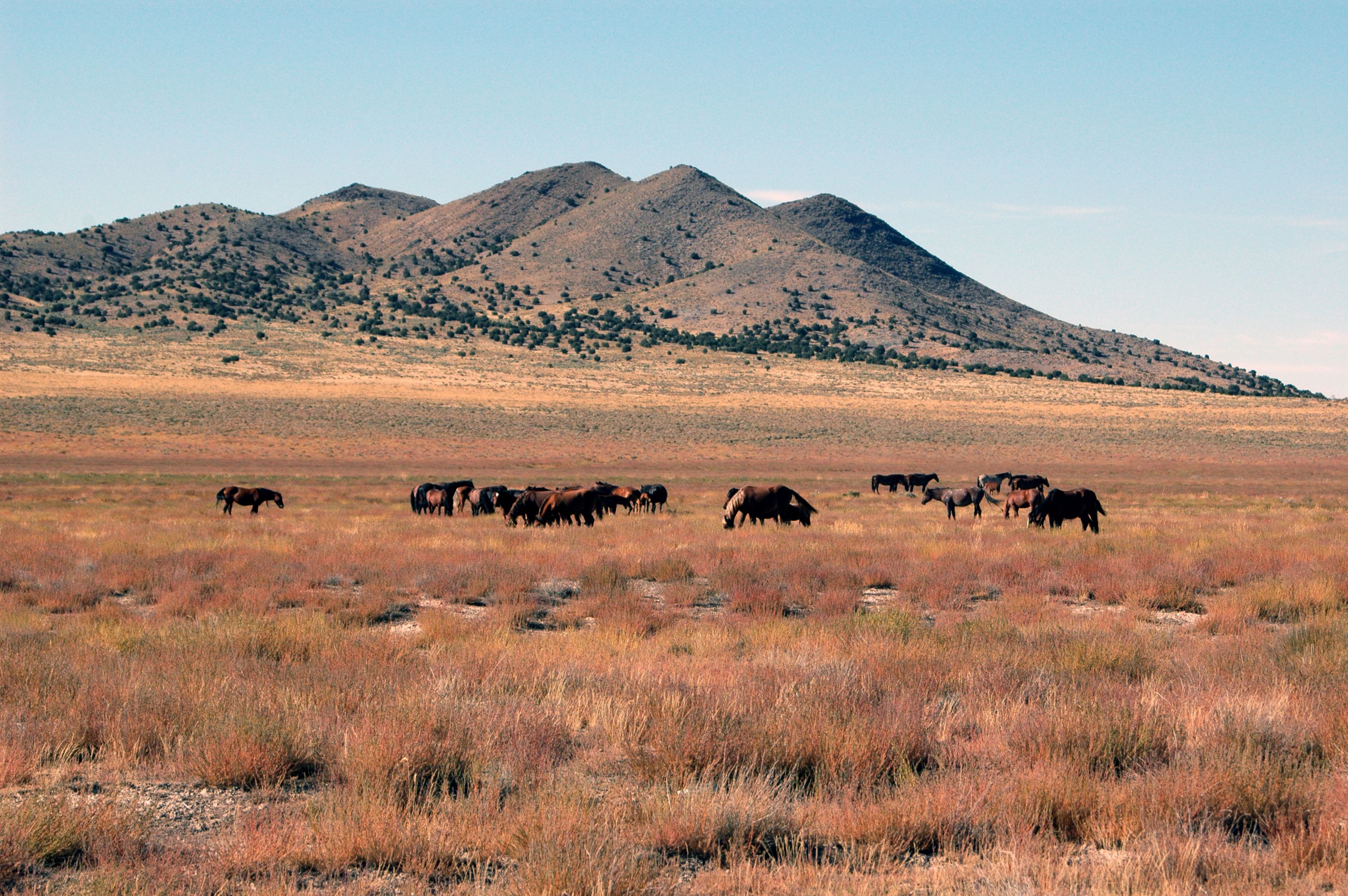
Central Asia, a region once celebrated for its sweeping steppes and fertile oases, is now one of the world’s epicentres of land degradation. Over 80 million hectares – more than a quarter of the region – are already degraded, affecting nearly 30% of the population – 24 million people living across five Central Asian nations of Kazakhstan, Kyrgyzstan, Tajikistan, Turkmenistan and Uzbekistan.
The GLO Central Asia Thematic Report takes stock of the current situation. “All five Central Asian states have embraced National Voluntary Land Degradation Neutrality (LDN) Targets under Sustainable Development Goal (SDG) 15.3, and half of these targets are already met. This is not a moment of triumph – it is the end of denial. LDN has moved from theory into practice, now embedded in national green economy strategies, agricultural development plans, and climate adaptation policies”, states the report.
The countries of Central Asia maintain broad international partnerships, with regional and interregional cooperation, strongly supported by the Convention, serving as an important platform for collaboration with governments, international organizations, development finance institutions, and private-sector investors to advance sustainable land management and strengthen climate resilience.
“Despite very different geographies and challenges, both SIDS and Central Asian countries show that vulnerability does not have to mean inevitability. SIDS can become laboratories for integrated land and water solutions that connect ecosystems, communities and development, while Central Asia is demonstrating how land degradation neutrality can move from targets into national policy and practice. The priority now is to accelerate that progress — by investing in land stewardship, strengthening regional and international cooperation, and ensuring that people and ecosystems remain at the centre of development decisions,” says UNCCD Executive Secretary Yasmine Fouad.
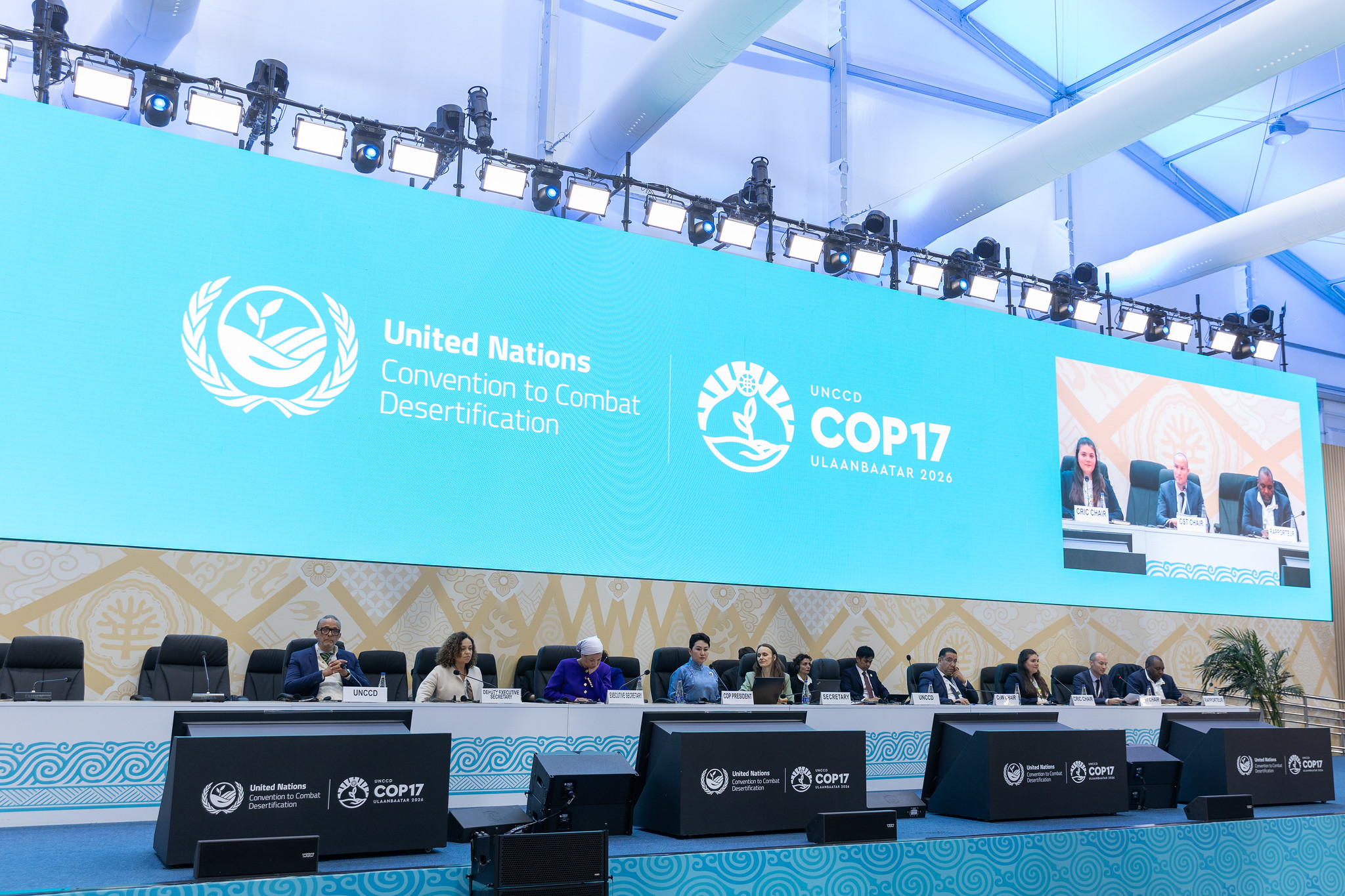
These two GLO reports were released during the seventeenth session of the Conference of the Parties (COP17) to the UNCCD underway in Ulaanbaatar, Mongolia. Representatives of 196 countries and the European Union are gathered for negotiations on future policy directions for land restoration and drought resilience. UNCCD is the first of the three Rio Conventions COPs convening this year, ahead of the biodiversity COP in Armenia in October and the climate COP in Türkiye in November.
For more information:
UNCCD Press Office: press [at] unccd.int (press[at]unccd[dot]int)
Notes to Editors
The full reports can be accessed online at:
Reports by the numbers:
SIDS
- Despite covering less than 0.5 per cent of the world's total surface area, SIDS are home to over 20% of the world’s biodiversity, with 9.5 times more endemic species richness than mainland areas.
- 18.8 million hectares — or 16.5% of the total land area of all SIDS — were reported as degraded.
- 43% of the total land area of SIDS, were affected by drought, of which 3% experienced severe drought and 6% extreme drought. The total area affected by extreme drought rose by 30% across all SIDS.
- Over 70% of SIDS face a risk of water shortages, a figure which rises to 91% in low-lying SIDS.
- An estimated 16.3 million people face severe food insecurity across SIDS, with 11.5 million being undernourished.
- SIDS receive only around USD 2 billion in public adaptation finance per year — approximately 0.2% of total global climate finance. They will require at least USD 11.7 billion annually for adaptation purposes — nearly six times the current level of funding.
- Between 2016 and 2023, an average of around USD 487 million per year in development finance to SIDS targeted efforts to combat desertification, land degradation and drought.
Central Asia
- Over 80 million hectares – more than a quarter of the region, an area approximately four times the size of Kyrgyzstan – are already degraded.
- Every year, Central Asia loses between USD 2 and 6 billion to land degradation.
- Central Asia is heating at twice the global average. The glaciers – once the “water towers” of the region – have shrunk by 30% in just fifty years.
About UNCCD
The United Nations Convention to Combat Desertification (UNCCD) is the global vision and voice for land. We unite governments, scientists, policymakers, private sector and communities around a shared vision and global action to restore and manage the world’s land for the sustainability of humanity and the planet. Much more than an international treaty signed by 197 Parties, UNCCD is a multilateral commitment to mitigating today’s impacts of land degradation and advancing tomorrow’s land stewardship in order to provide food, water, shelter and economic opportunity to all people in an equitable and inclusive manner.