News & stories

Latest news & stories
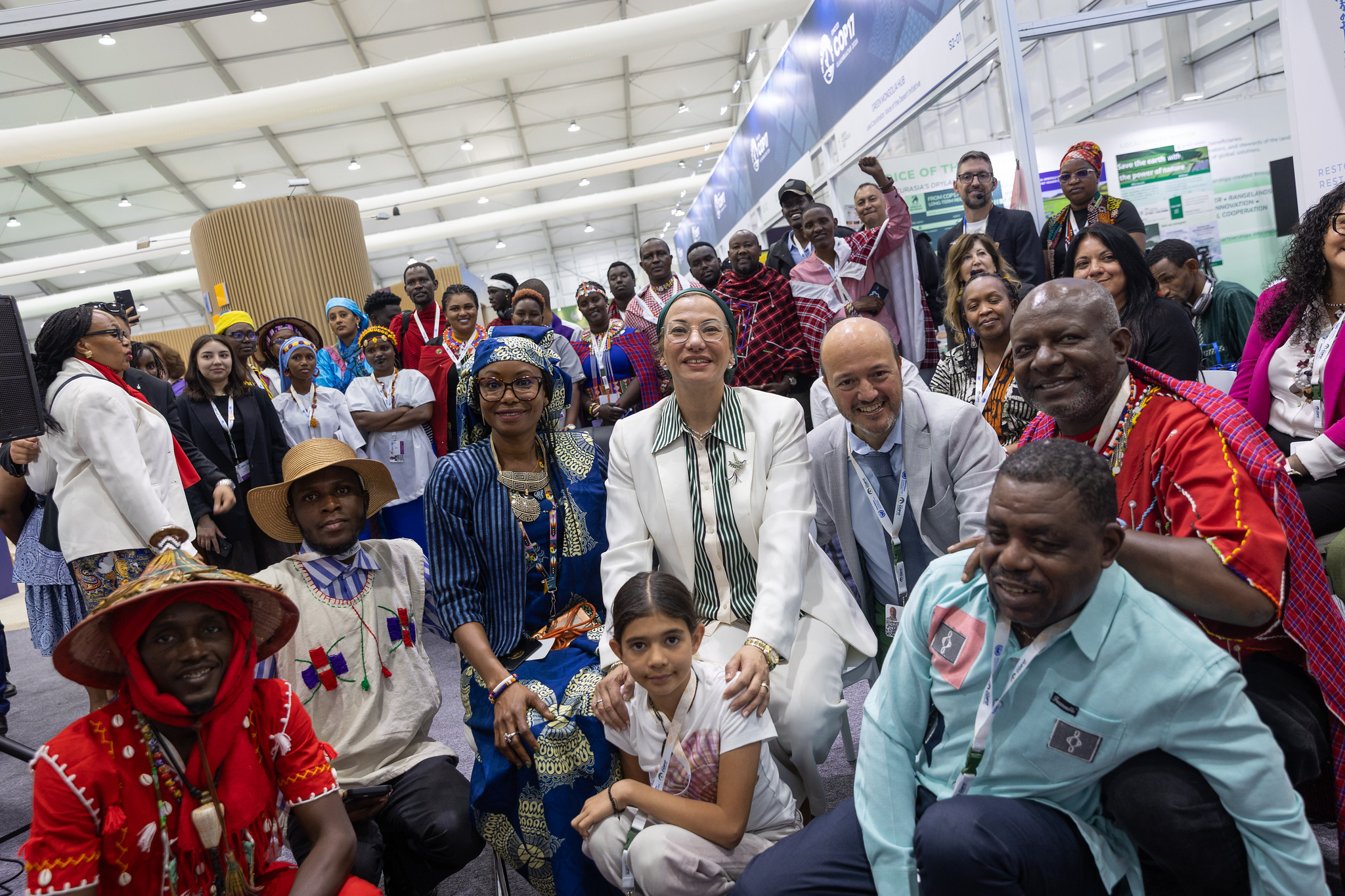
Land is often discussed at global conferences in hectares, targets and indicators. For the people who live from the land, it is also home, livelihood, culture, memory and identity. At UNCCD COP17, held in Ulaanbaatar in August, that reality was evident in discussions on land tenure, rangelands, science and knowledge, finance and implementation. Across them, one practical issue kept surfacing: how to bring the knowledge of people who manage the land into decisions on its use, assessment and restoration. Throughout COP17, the role of Indigenous Peoples as well as local communities in restoring and sustainably managing land featured prominently in formal discussions. Parties and observers emphasized the value of bringing Indigenous knowledge together with science and of strengthening land rights and tenure security. Representative of civil society organizations and Indigenous Peoples also called for community-generated data to inform reporting and for communities to be engaged as partners in implementation and decision-making. Some of those priorities were reflected in the final decisions. On land tenure, Parties encouraged inclusive and participatory dialogue from local to national level, drawing on all forms of available knowledge, and recognized customary and communal rights of access to natural resources. The decision on rangelands recognized pastoralists as critical stewards, acknowledged mobility as an adaptation and resilience strategy and called for knowledge accumulated by pastoralists to inform efforts to close knowledge and data gaps. The specific agenda item on civil society participation, however, was not considered at COP17 and will return at COP18. Outside the negotiating rooms, practitioners and Indigenous participants brought these questions down to the level of everyday experience. Maedeh Salimi of Iran, a programme director at the Center for Sustainable Development and Environment (CENESTA), works with pastoralists, smallholder farmers and fishing communities. She described land as far more than a source of income. A community’s culture, food system, social structure and future are tied to its territory, she said. Indigenous Peoples as well as local communities therefore need a direct role in decisions affecting those territories as rights-holders. Several voices at COP17 stressed that useful evidence does not come from formal science alone. Ecologist Ermias Betemariam of the Nairobi-based Landscape Alliance says young scientists need to learn not only from books but also from communities, farmers and pastoralists — to “read landscapes and people” alongside scientific literature. Tai Pelli, a Borican Taíno from Puerto Rico with the United Confederation of Taíno Peoples, put the same point more directly. “We cannot make Indigenous knowledge secondary or inferior to what modern science has,” she said. “I think that if we work together, we can make a huge difference.” One example of that collaboration came from South Africa. At a DryNet event on community-driven rangeland management, participants presented restoration work where grazing plans are co-designed with communities rather than delivered to them. Farmers implement the plans with locally recruited eco-rangers, including young people and women, while restoration is linked to training, market access and livelihoods. The experience demonstrated that technical interventions are only part of the equation: restoration is more likely to last when communities have ownership, functioning local institutions and economic opportunities tied to the land. UNCCD Executive Secretary Yasmine Fouad speaks at the opening of the COP17 Indigenous Peoples' PavilionAt an event on Indigenous data and resilient territories, participants explored what people on the ground can add to information gathered from above. Satellite data can show that something has changed; communities can often explain what that change means and why it happened. Indigenous representatives and practitioners working in the Amazon, the Congo Basin and West Africa described monitoring systems that combine satellite imagery, GPS, drones and mapping with knowledge built up over generations. In the Peruvian Amazon, Indigenous monitors collect territorial data to identify threats and guide conservation and restoration. Pastoralist groups carried many of these priorities into a collective declaration. The Ulaanbaatar Declaration, adopted by pastoralist and Indigenous peoples at the Global Pastoralist Gathering ahead of COP17 and presented during the COP’s open dialogue, describes pastoralists as rights-holders, knowledge holders and solution providers. It calls for recognition of mobility and customary governance, free, prior and informed consent, meaningful participation, direct access to finance and the need to recognize pastoralist knowledge systems alongside scientific knowledge. For Erjen Khamaganova, a Buryat-Mongol representative of the World Union of Indigenous Spiritual Practitioners at COP17 and a founding member of its Elders Council, knowledge of the land is also inseparable from responsibility. Frameworks and finance cannot deliver implementation without real engagement at community level, she said. Her own vision of land is rooted in ancestral ideas of two-way responsibility between people and Mother Earth — a relationship in which caring for land is an obligation upheld across generations. The question of knowledge and stewardship ultimately leads to another: who has a voice in the work of the Convention. During COP17, the UNCCD Indigenous Peoples Caucus, the Local Communities Caucus, Civil Society Organizations Panel, Youth Caucus and Gender Caucus came together to call for meaningful participation in UNCCD decision-making and for their role to be fully reflected in the Convention’s work. “We are here to offer solutions that are born from our close relationship with nature and with the land,” said Jennifer Tauli Corpuz of the Indigenous Peoples' Caucus. While COP17 did not resolve every question around participation, it marked the first formal meetings of the Indigenous Peoples Caucus and Local Communities Caucus and brought together the largest representation of Indigenous Peoples in the history of a UNCCD COP. Parties took note with appreciation of the declarations of Indigenous Peoples, the youth the local communities and the Mayors and included them in the COP17 proceedings. They did the same with the declaration by civil society organizations and summaries of the two civil society open dialogues. The land tenure decision also asks the secretariat to support the convening of all four UNCCD caucuses as a way to enrich discussions on land tenure and implementation. The participation debate remains unfinished, but the programme for COP18 puts civil society participation back on the agenda and provides for the caucuses to convene again when Parties meet in Egypt in 2028. Photo : © UNCCD/Kiara Worth

23 улсыг хамарсан, газрын нөхөн сэргээлт болон гангийн тэсвэржилтэд зориулсан 1.3 тэрбум ам.долларын санхүүжилтийн багц бүрдсэн бөгөөд үүний төвд бэлчээрийн асуудал оршиж, 45 төслийг хамарсан 1.2 тэрбум ам.долларын багц багтаж байна.Газрын доройтлыг тэглэх (LDN) зорилтын хэрэгжилтэд ахиц гарч байна. Бразил улс 2030 он хүртэл хэрэгжүүлэх 17 дэд зорилтыг багтаасан сайн дурын шинэчилсэн LDN зорилтоо танилцуулсан бол Төв Азийн орнууд LDN зорилтуудынхаа тал орчим хувийг биелүүлээд байна. COP16-ын үеэр Саудын Арабын санаачлан эхлүүлсэн Риядын дэлхийн гангийн тэсвэржилтийн түншлэл Улаанбаатар хотод хэрэгжилтэд ойртож, эмзэг нөхцөлд буй 70 орчим улсыг дэмжих зорилготой нэгдсэн сан байгуулах саналын хүрээнд ажлаа урагшлууллаа. UNCCD болон Люксембург улс Гангийн тэсвэржилтийн хөрөнгө оруулалтын үйл ажиллагааг эхлүүлсэн бөгөөд энэ нь гангийн тэсвэржилтийг нэмэгдүүлэхэд зориулан төрийн болон хувийн хэвшлийн 400 сая ам.доллар хүртэлх хөрөнгийг дайчлах зорилготой юм. УЛААНБААТАР, МОНГОЛ УЛС, 2026 оны 8 дугаар сарын 28: Газрын доройтол, цөлжилт, гангийн асуудлыг шийдвэрлэх арга замын талаар хоёр долоо хоногийн турш хэлэлцээ хийсний эцэст Цөлжилттэй тэмцэх тухай НҮБ-ын конвенцын Талуудын 17 дугаар бага хурал (UNCCD COP17) өнөөдөр Монгол Улсын Улаанбаатар хотноо өндөрлөлөө.Хэлэлцээний болон үйл ажиллагааны хөтөлбөрийн хүрээнд Улаанбаатар хотод хэрэгжилтийн гол бүрэлдэхүүн хэсгүүд болох улс төрийн чиглэл, шинжлэх ухаан, санхүүжилт, хөрөнгө оруулалтад бэлэн төслүүд, түншлэл, мөн дэлхийн газрын нөөцийг удирдан ашиглаж буй хүмүүсийн оролцоог бэхжүүлэх асуудлыг нэгтгэлээ.Цөлжилттэй тэмцэх НҮБ-ын конвенцын 197 Талын хоёр жил тутмын уулзалтаар дэлхийн хуурай газрын гадаргын 54 хувийг эзэлдэг, ойролцоогоор хоёр тэрбум хүний амьжиргааг дэмждэг бөгөөд 500 сая орчим малчдын хариуцан ашиглаж буй дэлхийн бэлчээр нутгийг газрын асуудлаарх дэлхийн хэлэлцэх асуудлын төвд авч үзлээ. “Бэлчээр болон нүүдлийн мал аж ахуй эрхлэгчдийн олон улсын жил”-ийн хүрээнд Улаанбаатар хотноо эхлүүлсэн Бэлчээрийн тэргүүлэх санаачилга нь 45 төслийг хамарсан 1.2 тэрбум ам.долларын санхүүжилтийг нэгтгэж байгаа бөгөөд энэ нь Конвенцын түүхэн дэх бэлчээрийн салбарт чиглэсэн хамгийн томоохон хөрөнгө оруулалт болж байна.Хэлэлцээний зэрэгцээ COP17 нь газрын нөхөн сэргээлт болон гангийн тэсвэржилтийн чиглэлээрх үйл ажиллагааг эрчимжүүлэхэд чиглэсэн цуврал санаачилга, санхүүгийн амлалтуудыг танилцууллаа. Засгийн газрууд, хөгжлийн банкууд, сангууд болон компаниуд таван тивийн 23 улсыг хамарсан, хөгжлийн өөр өөр үе шатанд байгаа 1.3 тэрбум ам.долларын санхүүжилтийн багцыг зарлалаа. Үүнд: шинэ санхүүжилтээр тодорхойлогдсон 644.5 сая ам.доллар багтаж байгаа бөгөөд үүнээс 216.4 сая ам.долларын санхүүжилт хэдийнэ баталгаажиж, хэрэгжилтийн шат руу шилжиж байна. UNCCD-ийн Гүйцэтгэх нарийн бичгийн дарга Ясмин Фуад хэлэхдээ:“Бид Улаанбаатарт COP17 нь заавал хэрэгжилтийн COP байх ёстой гэсэн зорилготой ирсэн. Харин бид эндээс үүнийг хэрэгжүүлэх боломжийг бүрдүүлэхэд шаардлагатай бүтэц, тогтолцоог илүү боловсронгуй болгосон байдлаар буцаж байна. Үүнд, улс төрийн шийдвэрүүд, шинжлэх ухааны илүү хүчирхэг үндэслэл, шинэлэгсанхүүжилтийн механизм, хөрөнгө оруулалтын төслийн багц болон шийдлүүдийг өргөн хүрээнд хэрэгжүүлэх боломжийг бүрдүүлэх түншлэлүүд багтаж байна.Гэхдээ Улаанбаатарыг зөвхөн энэ хурлын хүрээнд зарласан зүйлээр нь дүгнэхгүй. Түүний үлдээх өв нь цаашид юу болохоор хэмжигдэнэ. Улс орнууд гангийн эрсдэлд илүү сайн бэлтгэгдсэн эсэх, доройтсон газар болон бэлчээр нутгийг нөхөн сэргээж чадсан эсэх, санхүүжилт хэрэгжих боломжтой төслүүдэд хүрч чадсан эсэх, мөн газрыг хариуцан ашиглаж буй хүмүүсийн амьдралд бодит өөрчлөлт гарсан эсэхээр хэмжигдэнэ.”Монгол Улсын Гадаад харилцааны сайд, НҮБ-ын Цөлжилттэй тэмцэх конвенцын Талуудын 17 дугаар бага хурлын Ерөнхийлөгч Эрхэмсэг хатагтай Батцэцэг Батмөнх хэлэхдээ:"Цөлжилттэй тэмцэх тухай НҮБ-ын конвенцын Талуудын 17 дугаар бага хурлыг зохион байгуулагч орон бөгөөд Ерөнхийлөгчийн хувьд Монгол Улс хэлэлцүүлгийг нээлттэй, ил тод, хүртээмжтэй, зөвшилцөлд тулгуурласан уур амьсгалд явуулах, бодит үр дүнд хүрэхийн тулд Талуудын байр суурийг харилцан ойртуулахыг зорин ажиллалаа.“Бэлчээр болон нүүдлийн мал аж ахуй эрхлэгчдийн олон улсын жил”-ийн хүрээнд Монгол Улс бэлчээр нутаг нь хүнс, байгаль орчин, эдийн засаг, биологийн олон янз байдал болон малчдын амьжиргааг холбосон стратегийн чухал экосистем болохыг дэлхий нийтэд харууллаа.Цөлжилттэй тэмцэх тухай НҮБ-ын конвенцын Талуудын 17 дугаар бага хурлын Ерөнхийлөгчийн үүргийг хэрэгжүүлэхдээ Монгол Улс “амлалтаас хэрэгжилт рүү, хэлэлцүүлгээс бодит ажил руу” гэсэн зарчмыг баримталсан.Монгол Улсын Байгаль орчин, уур амьсгалын өөрчлөлтийн сайд бөгөөд Цөлжилттэй тэмцэх тухай НҮБ-ын конвенцын Талуудын 17 дугаар бага хурлыг зохион байгуулах Үндэсний хорооны дарга Ц.Сандаг-Очир хэлэхдээ:"Монгол Улс Цөлжилттэй тэмцэх тухай НҮБ-ын конвенцын Талуудын 17 дугаар бага хурлыг (UNCCD COP17) амжилттай зохион байгуулж, дэлхийн улс орнуудыг цөлжилт, газрын доройтол, ган гачигтай тэмцэх бодит шийдлүүдийг ахиулахад нэгтгэлээ. COP17-ын Монгол Улсын хувьд хамгийн чухал үр дүнгийн нэг нь Талууд, олон улсын байгууллагууд, хувийн хэвшил болон иргэний нийгмээс COP17-ын бодлогын гол өв болох “Тал нутгийн төлөвлөгөө”-г дэмжих дэмжлэгийг авч чадсан явдал байлаа.“Тал нутгийн төлөвлөгөө”-ний хүрээнд Монгол Улсын Засгийн газар олон улсын гурван санаачилгыг албан ёсоор эхлүүлсэн. Үүнд, Тал хээрийн санаачилга нь Бэлчээрийн тэргүүлэх санаачилга, Ус ба газрын нэгдсэн менежментийн санаачилга, Байгальд суурилсан шийдэл бүхий тогтвортой дэд бүтцийн санаачилга багтана. Эдгээр санаачилга нь тэргүүлэх чиглэлүүдийн хүрээнд төсөл боловсруулах, олон улсын хамтын ажиллагааг бэхжүүлэх, хөрөнгө оруулалт татах шинэ боломжуудыг бий болголоо.Хэдийгээр COP17 өнөөдөр өндөрлөж байгаа ч бидний ажил үүгээр дуусахгүй. Бидний дараагийн тэргүүлэх зорилт бол хурлаар баталсан шийдвэрүүд, байгуулсан түншлэлүүд болон баталгаажсан хөрөнгө оруулалтын амлалтуудыг бодит үйл ажиллагаанд шилжүүлж, Монголын тал нутгаас эхлүүлсэн санаачилгууд бодитой, хэмжигдэхүйц үр дүн авчрахыг хангах явдал юм."Амлалтаас хэрэгжилт рүүЭнэхүү бага хурал дэлхийн нөхцөл байдал ноцтой байгаа энэ үед болж өнгөрлөө. Дэлхийн нийт хуурай газрын 40 хүртэлх хувь нь доройтолд орсон бөгөөд улс орнууд 2030 он гэхэд нэг тэрбум гаруй га газрыг нөхөн сэргээх үүрэг амлалт авсан. Өнөөдөр 70 гаруй улс үндэсний хэмжээний гангийн төлөвлөгөөтэй болсон нь 2013 онд ердөө гуравхан улс байсантай харьцуулахад ихээхэн өссөн үзүүлэлт юм. Гэсэн хэдий ч санхүүжилт болон хэрэгжилт нь энэхүү сорилтын цар хүрээ, хурдаас хоцорсоор байна. Энэ нөхцөл байдлын хүрээнд Талууд санхүүгийн нөөцийг илүү ихээр дайчлах, чадавхыг бэхжүүлэх, техникийн хамтын ажиллагааг нэмэгдүүлэхийг уриалж, ялангуяа Африкийн орнуудад, мөн бусад өртсөн хөгжиж буй орнуудыг орхигдуулахгүйгээр гангийн эрсдэлийг урьдчилан сэргийлэх замаар үр дүнтэй удирдах чадавхыг бэхжүүлэхийг онцоллоо.Улаанбаатар хотноо танилцуулсан шинэ судалгаа, нотолгооны томоохон багц нь арга хэмжээ авахгүй байхын өртөг болон эрүүл газарт хөрөнгө оруулалт хийхийн үр өгөөжийг тодорхой харууллаа. Шинэ тайлангуудад дэлхийн бэлчээрийг нөхөн сэргээхийн эдийн засгийн үр өгөөж, гангийн улмаас өсөн нэмэгдэж буй хүн амын болон эдийн засгийн хохирол, Жижиг арлын хөгжиж буй улсууд болон Төв Азийн орнуудад тулгарч буй онцгой сорилтууд, мөн хөрсний эрүүл мэндэд хөрөнгө оруулахын ач холбогдлыг судалжээ.Судалгааны үр дүнд Жижиг арлын хөгжиж буй орнуудад (SIDS) 18.8 сая га газар доройтсон бол Төв Азид 80 гаруй сая га газар буюу бүс нутгийн нийт газар нутгийн дөрөвний нэгээс илүү хувь нь аль хэдийн доройтолд орсон бөгөөд энэ нь 24 сая хүнд нөлөөлж байгааг тогтоожээ. Үүний зэрэгцээ Төв Азийн бүх таван улс Газрын доройтлыг тэглэх (LDN) зорилтыг сайн дурын үндсэн дээр баталсан бөгөөд эдгээр зорилтын тал хувь нь аль хэдийн биелсэн байна.Эдгээр тайлангууд нь газрын доройтол болон ган нь өөр өөр бүс нутгуудад хүнс, усны аюулгүй байдал, иргэдийн амьжиргаа болон эдийн засагт хэрхэн нөлөөлж байгааг харуулахын зэрэгцээ урьдчилан сэргийлэх, газрыг тогтвортой ашиглах менежмент болон нөхөн сэргээлтэд хөрөнгө оруулах нь эдийн засгийн хувьд чухал болохыг харууллаа.Энэхүү шинэ нотолгоотой зэрэгцэн Бразил улс 2030 он хүртэлх Газрын доройтлыг тэглэх (LDN) сайн дурын зорилтоо танилцуулж, үндэсний бодлого, төлөвлөгөө, хөтөлбөрүүдтэй уялдсан 17 дэд зорилтыг тусгасан томоохон үндэсний амлалтаа зарлалаа.Энэхүү зорилт нь уугуул ургамлын нөхөн сэргээлт болон агро-ойн аж ахуйн тогтолцоог хөгжүүлэх зэрэг арга замаар 163,000 км²-аас илүү талбайг нөхөн сэргээх буюу сэргээн засварлах зорилтыг багтааж байна. Үүний зэрэгцээ 3.51 сая км² талбайг хамгаалал болон газрын тогтвортой менежментээр дамжуулан доройтлоос урьдчилан сэргийлэх арга хэмжээнд хамруулна. Нийтдээ эдгээр 17 дэд зорилт нь ойролцоогоор 3.67 сая км² талбайг хамарч байна.Энэхүү амлалт нь газрын доройтлоос урьдчилан сэргийлэх, түүнийг бууруулах болон буцаан сэргээх замаар Тогтвортой хөгжлийн зорилт 15.3-ыг хэрэгжүүлэх Бразил улсын хүчин чармайлтыг дэмжиж, үүний зэрэгцээ хүнс, усны аюулгүй байдал, биологийн олон янз байдал болон уур амьсгалын өөрчлөлтөд тэсвэртэй байдлыг бэхжүүлэхэд хувь нэмэр оруулна.Гангийн тэсвэржилтийг бэхжүүлэх дэлхийн шинэ тогтолцооУдаан үргэлжилсэн хэлэлцээний үр дүнд Талууд COP16 болон COP17-ын үеэр гарсан ахиц дэвшилд тулгуурлан COP18-аар хэлэлцүүлгээ үргэлжлүүлэхээр шийдвэрлэж, гангийн эрсдэлийг бүх түвшинд урьдчилан сэргийлэх замаар үр дүнтэй удирдах тухай шийдвэр батлах зорилт тавилаа. Мөн гангийн асуудлыг COP18 болон түүнээс хойших ээлжит хуралдаан бүрийн тусдаа хэлэлцэх асуудал хэвээр үлдээхээр шийдвэрлэв. COP16-аар байгуулагдсан “Риядын Гангийн Тэсвэржилтийн Дэлхийн Түншлэл” Улаанбаатар хотноо хэрэгжилтийн шат руу ахилаа. Түншүүдийн анхдугаар Ассамблейн үеэр 70 орчим бага болон дунд орлоготой улс оронд чадавх бэхжүүлэх, хөрөнгө оруулалтад бэлэн хөтөлбөрүүд болон гангийн тэсвэржилтийг хангах санхүүжилтээр дэмжлэг үзүүлэх зорилготой хамтарсан сан байгуулах ажлыг урагшлууллаа.COP17-ын үеэр мөн Гангийн Тэсвэржилтийн Хөрөнгө Оруулалтын Механизм (DRIF)-ыг эхлүүлсэн нь гангийн тэсвэржилтэд зориулсан дэлхийн анхны катализатор санхүүжилтийн платформ юм. НҮБ-ын Цөлжилттэй тэмцэх конвенц (UNCCD) болон Люксембург улс Олон улсын Гангийн Тэсвэржилтийн Холбооны дэмжлэгтэйгээр хамтран боловсруулсан уг механизм нь усны аюулгүй байдал, тогтвортой хөдөө аж ахуй, байгальд суурилсан шийдэл болон газрын нөхөн сэргээлтэд чиглэсэн хөрөнгө оруулалтад зориулан 400 сая ам.доллар хүртэлх төрийн болон хувийн хөрөнгийг дайчлах зорилготой. Дэлхийн Байгаль Орчны Сан (GEF)-тай байгуулсан анхны стратегийн түншлэлийн хүрээнд хувийн хэвшлийн болон буяны санхүүжилтийг татах боломжуудыг судална.Олон улсын Гангийн Тэсвэржилтийн Ажиглалтын Систем-ийн II үе шат мөн дэлхийн анхны Гангийн Тэсвэржилтийн Индекс-ийг нэвтрүүлсэн. Энэ нь улс орнуудад гангийн эрсдэлийг урьдчилан таамаглах, бэлтгэх, түүнд дасан зохицох чадавхаа үнэлэх, мөн бодлого болон хөрөнгө оруулалтаа илүү оновчтой чиглүүлэх шинэ хэрэгслээр хангаж байна.Газрын нөхөн сэргээлтийн санхүүжилтийг хэлэлцэх асуудлын тэргүүлэх чиглэлд гаргавCOP17 нь газрын талаарх дэлхийн хэмжээний амлалтуудыг хэрэгжүүлэхэд шаардлагатай санхүүжилт болон одоо бэлэн байгаа санхүүжилтийн хоорондын зөрүүг багасгахад мөн анхаарлаа хандууллаа.Дэлхийн хэмжээнд газрын нөхөн сэргээлтийн талаарх амлалтуудыг хэрэгжүүлэхийн тулд 2030 он хүртэл жил бүр ойролцоогоор 355 тэрбум ам.доллар шаардлагатай байгаа бол одоогоор жилд 77 тэрбум ам.доллар орчим хөрөнгө оруулж байна. Ингэснээр жил бүр 278 тэрбум ам.долларын санхүүжилтийн зөрүү үүсэж байна. Газрын нөхөн сэргээлтэд хийгдэж буй дэлхийн нийт хөрөнгө оруулалтын ердөө зургаан орчим хувийг хувийн хэвшлийн санхүүжилт эзэлж байна.Засгийн газрууд, хөгжлийн банкууд, сангууд болон компаниуд таван тивийн 23 улсад газрын нөхөн сэргээлт болон гангийн тэсвэржилтийг дэмжих, хөгжлийн өөр өөр үе шатанд байгаа нийт 1.3 тэрбум ам.долларын санхүүжилтийн багцыг зарлалаа. Үүнээс 644.5 сая ам.долларыг шинэ санхүүжилт гэж тодорхойлсон бөгөөд үүний 216.4 сая ам.доллар нь аль хэдийн баталгаажиж, хэрэгжүүлэлт рүү шилжиж байна. Энэхүү санхүүжилтийн багц нь бэлчээр болон ландшафтын нөхөн сэргээлт, гангийн тэсвэржилт, орон нутагт түшиглэсэн дасан зохицох арга хэмжээг хамарч байна.Улаанбаатар хотноо болсон хэлэлцүүлгүүдээр газрын салбарын хөрөнгө оруулалт бага хэвээр байхад нөлөөлж буй саад бэрхшээлүүдийг арилгах асуудалд мөн анхаарлаа хандууллаа. Үүнд одоо байгаа байгаль орчны санхүүжилтийн ангиллуудын хүрээнд газар, хөрсний эрүүл мэнд болон гангийн тэсвэржилтийг хэрхэн илүү тодорхой тусгаж, хэмжиж, хянах боломжтой болгох асуудал багтсан. Оролцогчид мөн нөхөн сэргээлтийн төлөвлөгөөг хөрөнгө оруулалтад бэлэн төсөл болгон хувиргахын тулд баталгаа, анхны алдагдлыг хариуцах хөрөнгө, даатгал болон төсөл боловсруулахад зориулсан санхүүжилтийн механизмыг илүү өргөн ашиглах боломжийг судаллаа.Зохион байгуулагч улс Монгол Улс тогтвортой санхүүжилтийн зарчим, үндэсний ногоон таксономи болон 2030 он гэхэд ногоон зээлийн хэмжээг 10 хувьд хүргэх зорилтын хамт үндэсний хэмжээний анхны Business 4 Land (B4L) Hub-ийг байгууллаа. Үүний дараа ОХУ өөрийн үндэсний хабыг байгуулсан бол Люксембург B4L Foundation-ийг байгуулахаар ажиллаж, Герман улс B4L Finance Expert Group-ийг дэмжихээр боллоо.Бэлчээр: анхаарал татдаггүй экосистемээс эдийн засгийн хөрөнгө рүүНҮБ-ын Бэлчээр болон малчдын олон улсын жилийн хүрээнд Монгол Улс зохион байгуулагч орноор ажилласан COP17 нь бэлчээрийн газар нутаг болон түүнийг хамгаалж, зохистой ашиглаж буй хүмүүст онцгой анхаарал хандууллаа. Талууд малчдыг бэлчээрийн экосистемийн зайлшгүй чухал хамгаалагчид хэмээн хүлээн зөвшөөрч, хил дамнасан нүүдлийн ач холбогдол болон малчдын уламжлалт мэдлэг, туршлагын үнэ цэнийг онцоллоо. Гэсэн хэдий ч дэлхийн хэмжээнд чухал ач холбогдолтой хэдий ч бэлчээр нь бодлого болон хөрөнгө оруулалтын хувьд ихэвчлэн орхигдсон хэвээр байна. Дэлхийн биологийн олон янз байдлын гол бүсүүдийн ойролцоогоор гуравны нэг нь бэлчээрт оршдог боловч үндэсний уур амьсгалын төлөвлөгөөндөө бэлчээрийг тусгасан улс ердөө 24 байгаа нь ойг тусгасан 181 улстай харьцуулахад маш бага үзүүлэлт юм.Улаанбаатар хотноо танилцуулсан эдийн засгийн шинэ судалгаагаар бэлчээр нь хүнсний үйлдвэрлэл, ус, нүүрстөрөгчийн хуримтлал, биологийн олон янз байдал зэрэг үр өгөөжөөр дамжуулан жил бүр 21–47 их наяд ам.долларын экосистемийн үйлчилгээ бий болгодог бөгөөд энэ нь дэлхийн ДНБ-ий бараг тал хувьтай тэнцэх хэмжээ юм. Бэлчээрийг нөхөн сэргээхэд оруулсан нэг долларын хөрөнгө оруулалт тутамд ихэвчлэн 4–6 ам.долларын өгөөж хүртдэг бөгөөд усан хангамж зэрэг олон нийтэд үзүүлэх өргөн хүрээний үр өгөөжийг тооцвол энэ нь 36 ам.доллар хүртэл өсөх боломжтой.COP17-ын үеэр зарласан “Бэлчээрийн тэргүүлэх санаачилга” нь энэхүү эдийн засгийн үндэслэлийг бодит хөрөнгө оруулалт болгон хувиргахыг зорьж, бэлчээрийг тогтвортой ашиглах менежмент, нөхөн сэргээлт болон малчдын амьжиргааг дэмжих төслүүдийг нэгтгэж байна.Дэлхийн Байгаль Орчны Сан нь UNCCD COP17-ын Өв сангийн төсөлд 3.3 сая ам.долларын хөрөнгө оруулалт хийж, энэхүү санаачилгын уялдаа холбоог дэмжиж байна. Мөн тус сан сүүлийн дөрвөн жилийн хугацаанд бэлчээр болон малчдын бүлгүүдэд үр өгөөжтэй 50 гаруй төсөлд нийт 300 сая ам.доллараас дээш санхүүжилт батлаад байна.Уугуул иргэд болон орон нутгийн иргэд COP17-ын үеэр шинэ зөвлөлдөх бүлгүүдийг байгууллааЭнэхүү бага хурлаар UNCCD-ийн Уугуул иргэдийн зөвлөлдөх бүлэг болон Орон нутгийн иргэдийн зөвлөлдөх бүлгийн анхны албан ёсны уулзалтууд боллоо. Эдгээр хоёр бүлгийг байгуулах, мөн Конвенцийн хүрээнд тэдний үзэл бодол, тэргүүлэх чиглэлээ илэрхийлэх тусгай орон зай бүрдүүлэх шийдвэрийг Талууд COP16-ын үеэр Эр-Рияд хотноо гаргасан юм.Мөн тус бага хурал нь UNCCD-ийн Талуудын бага хурлын түүхэн дэх уугуул иргэдийн хамгийн өргөн төлөөллийг нэг дор цуглууллаа. “Газар ба хүн” өдрийн хүрээнд зохион байгуулсан өндөр түвшний тусгай арга хэмжээгээр уугуул иргэдийг эрх эзэмшигч, мэдлэг эзэмшигч болон хэрэгжилтийн түншүүд хэмээн онцолж, уугуул иргэдийн мэдлэгийн тогтолцоо, уламжлалт засаглал, тогтвортой мал аж ахуй, газрын хамгаалалт, мөн уугуул иргэдийн санаачилсан үйл ажиллагаанд шууд санхүүжилт авах боломж зэрэг асуудлыг хэлэлцлээ.COP17-ын турш уугуул иргэд, малчид болон орон нутгийн иргэд газрын болон нүүдэл, шилжилт хөдөлгөөний эрхийг бэхжүүлэх, санхүүжилтэд шууд хүрэх боломжийг нэмэгдүүлэх, шийдвэр гаргалтад бодитой оролцох, газрын нөхөн сэргээлт болон гангийн тэсвэржилтийг хангах үйл ажиллагаанд уугуул болон уламжлалт мэдлэгийг хүлээн зөвшөөрөхийг уриаллаа.Хэлэлцүүлгүүдээр мөн эмэгтэйчүүд болон залуучуудын манлайлал-ыг онцолж, залуучуудад газрын нөхөн сэргээлтийн манлайлагчид болох боломжид хөрөнгө оруулах, газар болон гангийн асуудлаарх үйл ажиллагаанд тэдний оролцоог нэмэгдүүлэхийг уриаллаа.Монголоос Египет рүүНҮБ-ын Цөлжилттэй тэмцэх конвенцын Талуудын бага хурлын дараагийн хуралдаан болох COP18 нь 2028 онд Египет Улсад зохион байгуулагдах төлөвтэй бөгөөд Улаанбаатар хотод бий болсон эрчийг цааш үргэлжлүүлэх юм.Цаашид Египет Улс газрын доройтол, уур амьсгалын өөрчлөлт, биологийн олон янз байдлын алдагдалтай тэмцэх чиглэлээр хамтын ажиллагааг бэхжүүлж, хүнс, усны аюулгүй байдал болон тэсвэрлэх чадварыг нэмэгдүүлэх нэгдсэн арга барилыг дэмжихийн чухлыг онцолж байна.COP18 нь улс орнуудын газрын нөхөн сэргээлт, гангийн тэсвэржилтийн чиглэлээр гаргасан ахиц дэвшлийг үнэлж, Улаанбаатар хотод хүрсэн үр дүнг цааш хөгжүүлэх дараагийн томоохон үе шат болох юм.Редакторуудад зориулсан тэмдэглэл: Хэвлэл мэдээллийн байгууллагын асуулт, ярилцлага авах хүсэлт:UNCCD-ийн Хэвлэлийн алба: press@unccd.intCOP17-ын шийдвэрүүдийг эндээс авах боломжтой: https://www.unccd.int/cop17/official-documentsUNCCD-ийн тухайНҮБ-ын Цөлжилттэй тэмцэх конвенц (UNCCD) нь газрын талаарх дэлхийн нийтлэг алсын хараа, дуу хоолой юм. Бид засгийн газар, эрдэмтэн судлаачид, бодлого боловсруулагчид, хувийн хэвшил болон орон нутгийн иргэдийг нэгтгэн, хүн төрөлхтөн болон дэлхийн тогтвортой байдлыг хангахын тулд дэлхийн газрын нөөцийг нөхөн сэргээж, зохистой удирдах нэгдсэн зорилго, дэлхийн хэмжээний үйл ажиллагааг хэрэгжүүлдэг.UNCCD нь 197 улс нэгдэн орсон олон улсын гэрээнээс илүү өргөн хүрээтэй ойлголт бөгөөд өнөөгийн газрын доройтлын нөлөөллийг бууруулах, ирээдүйн газрын зохистой менежментийг дэмжих олон талт амлалт юм. Ингэснээр бүх хүнд хүнс, ус, орон байр болон эдийн засгийн боломжийг тэгш, хүртээмжтэй байдлаар бүрдүүлэхийг зорьдог.

Хаалтын өдөр2026 оны 8 дугаар сарын 28-ны Баасан гарагт Нэгдсэн Үндэстний Байгууллагын Цөлжилттэй тэмцэх тухай конвенцын Талуудын бага хурлын 17 дугаар чуулган (COP17) эцсийн шийдвэрүүд болон тайлангуудаа баталснаар хоёр долоо хоног үргэлжилсэн бага хурал өндөрлөнө.ХЭВЛЭЛ МЭДЭЭЛЛИЙНХЭНД ЗОРИУЛСАН ГОЛ ҮЙЛ АЖИЛЛАГАА COP17 Хаалтын хэвлэлийн бага хуралХэзээ: 17:00Хаана: Хэвлэлийн бага хурлын танхимИлтгэгчид:Яасмин Фоуад (UNCCD-ийн Гүйцэтгэх нарийн бичгийн дарга)Батмөнхийн Батцэцэг (COP17-ийн Ерөнхийлөгч, Монгол Улсын Гадаад харилцааны сайд)Сэтгүүлчдийг COP17-ийн үр дүн, гол шийдвэрүүд болон хурлын талаарх дүгнэлтүүдийг танилцуулах хаалтын хэвлэлийн бага хуралд хүрэлцэн ирэхийг урьж байна.Дагалдах арга хэмжээнүүд:Өдрийн турш зохион байгуулагдах дагалдах арга хэмжээнүүдээр бэлчээр ба нүүдлийн мал аж ахуй, санхүүжилт, ганг тэсвэрлэх чадвар, газар эзэмшил, хөрсний эрүүл мэнд болон газар, усны уялдаа холбооны асуудлыг хэлэлцэнэ.Бүрэн хуваарь болон хамгийн сүүлийн үеийн мэдээллийг КОП17-ын албан ёсны хөтөлбөрөөс үзнэ үү.ХЭВЛЭЛ МЭДЭЭЛЛИЙН ЭХ СУРВАЛЖКОП17-ын хөтөлбөрUNCCD КОП17-ын цахим хуудасЗохион байгуулагч орны цахим хуудасUNCCD Action Dome цахим хуудасUN WebTV – НҮБ-ын албан ёсны зургаан хэлээр шууд орчуулгатай нэгдсэн хуралдааны гол хэсгүүдийн шууд дамжуулалтUNCCD КОП17-ын визуал материал болон брэндингийн эх сурвалжEarth Negotiations Bulletin – өдөр тутмын сурвалжилга, гэрэл зураг, дүн шинжилгээХэвлэл мэдээллийн лавлагаа болон ярилцлагын хүсэлт: UNCCD-ийн Хэвлэлийн алба: press@unccd.int

The proposed voluntary country-led Rio Synergies Group for Action would help countries translate climate, biodiversity and land priorities into more coherent planning, investment and implementation, while reducing duplication and reporting burdens.Ulaanbaatar, 27 August 2026 – In a push to transform political momentum into practical action, Ministers, current and incoming Rio Convention COP Presidencies, the Executive Secretaries of the three Rio Conventions, international organizations and financial institutions on 26 August at UNCCD COP17 held a High-Level Dialogue on strengthening cooperation across the climate, biodiversity and land degradation issues.The event launched the COP31 Presidency Process, led by Türkiye, towards a proposed Rio Synergies Group for Action. The proposed Action group is intended to support a voluntary, country led implementation by connecting existing national priorities across climate, biodiversity and land with existing partnerships, technical expertise, implementation, knowledge-sharing, capacity-building and financing opportunities.The aim is not to create another parallel structure, but to help countries connect the pieces they already have, national plans, science, projects, finance and partnerships, and make them work together more effectively on the ground.Several countries, including Australia, Ireland, Japan, Maldives and Sierra Leone, and the heads of the UN entities supported the idea, emphasizing the multiple benefits of such a group to countries. A coordinated and integrated approach brings efficiency, cost-savings, reduces the planning and reporting burdens on countries and will help countries to respond practically to environmental challenges that communities experience as multiple, not single crises.It can also help countries identify programmes and investments capable of delivering simultaneously for land restoration, climate resilience, biodiversity and development, rather than financing each agenda in isolation.The High-level Dialogue, “From Ambition to Action: Delivering Rio Convention Synergies across the Triple COP Year,” is the first high-level opportunity during the 2026 Triple COP Year to consider how political momentum for Rio Convention synergies can be translated into practical, country-led implementation.Convened by the Presidencies of UNCCD COP17, incoming CBD COP17 and incoming UNFCCC COP31, the Dialogue underscored the continuity of political leadership across the 2026 Triple COP Year, beginning with UNCCD COP17 in Ulaanbaatar, continuing in October to COP17 of the Biodiversity Convention under the Presidency of Armenia in Yerevan, and culminating with UNFCCC COP31 in November under the Presidency of Türkiye in Antalya.The process offers interested countries and partners an opportunity to contribute to the co-development of the proposed voluntary, country-led Group, with a view to its formal launch at UNFCCC COP31 in Antalya.Speakers explained why stronger synergy among the Convention’s matters now more than ever, proposed some guiding principles for such an Action Group and explained the multiple benefits to be gained through synergy. Dr. Yasmine Fouad, UNCCD Executive Secretary said: “Rio synergies need to deliver in three areas: stronger national policy coherence with less bureaucratic burden for countries, tangible action on the ground and greater engagement of the private sector to mobilize investment. The real test is whether we can connect national priorities to integrated programmes, programmes to finance, and finance to implementation that delivers multiple benefits for people and landscapes. We do not need another layer of process. We need the systems we already have to work together more effectively and at scale”Ms. Fatma Varank, Türkiye Deputy Minister of Environment, Urbanization and Climate Change of the Republic of Türkiye, who represented the incoming UNFCCC COP31 Presidency at the Dialogue, emphasized the need for coherence and efficiency in implementing agreements, and the importance of dialogue in building momentum for synergy towards COP31.Synergy, she said, does not equal merging mandates, rather, it achieves greater scale, coherence, efficiency, reduced duplication and yields multiple benefits.Mr. Andrew Berryman, Deputy Head of Mission, Embassy of Australia in Mongolia, representing UNFCCC COP31 Presidency of Negotiations said a voluntary, country-led and practical Rio Synergies Group for Action could strengthen coordination across institutions, including through leveraging existing mechanisms and delivering more with less.Mr. Andranik Grigoryan, Government of Armenia representing the incoming Presidency of CBD COP17, said one of the lessons emerging from the global report reviewing progress in the implementation of the Kunming Montreal global biodiversity framework is the need for cooperation, integrated and coordinated action among stakeholders. The draft report is currently undergoing peer review and will be launched at CBD COP17.Integrating action among the three Conventions at the national level, he said, can reduce institutional and regulatory burdens and enhance the process, for instance, by sharing science, capacity building on several agendas, and in finance, through shared solutions.Astrid Schomaker, Executive Secretary of the Convention on Biological Diversity, said the study shows 80 percent of biodiversity delivers for climate, but only 22 percent of climate finance delivers for biodiversity, and that a re-set is needed in how we approach the mandates to help countries to align plans, reduce the reporting burden and avoid leaving people behind.H.E. Mr. Shigeharu Aoyama, Japan’s State Minister of the Environment, said synergy should minimize trade-offs, while maximizing co-benefits, and highlighted the results of an Asia-Pacific synergies report: advancing synergistic solutions to the triple planetary crisis and the SDGs whose more than 104 case studies on synergy demonstrate the benefits of shared knowledge and tangible action on the ground.Citing the same study, Inger Andersen, United Nations Environment Program Executive Director, reported that significant financial savings of up to 24 percent, equivalent to 6.4 billion United States dollars could be achieved by 2050. Synergy would be especially useful in developing plans on the ground and in reporting by the Conventions, she said. H.E. Mr. Timmy Dooley, Ireland’s Minister of State at the Department of Agriculture, Food and the Marine and at the Department of Climate, Environment and Energy, said implementation should be interconnected, particularly with regards to national priorities, implementation partners, and connecting ambition with finance. H.E. Ali Shareef, Minister of Climate Change, Environment and Energy of the Republic of Maldives said integration is “not a convenience” but borne of “necessity” for Small Island States (SIDs), and called for a dialogue on synergy that can close the gap SIDs encounter, for instance in indicators that are calibrated individually, and in the case of UNCCD, action that is limited to arid, semi-arid and dry sub-humid zones. Simon Stiell, Executive Secretary of the United Nations Framework Convention on Climate Change, called for alignment between the politics and the realities and practicalities of the Conventions. He urged Parties to be very practical and to reduce the burden of reporting on countries. Supporting the idea of an Action Group, Samed Ağırbaş, Climate High-Level Champion of the COP31 Presidency said there is no need for another parallel system. Rather, implementation that connects solutions is what is needed.H.E. Ms. Ruth Davis OBE, United Kingdom Special Representative for Nature, stressed the need for practical progress – synergistic solutions – because people experience the land, biodiversity and climate change challenges as multiple crises, not as single crisis.The outgoing Presidencies of UNCCD COP16, the Kingdom of Saudi Arabia, and UNFCCC COP30, Brazil, highlighted their past contributions to the Belém process and statement on the Rio Conventions and praised the progress and momentum building up towards COP31 in Türkiye.Türkiye formally endorsed the Belém Joint Statement on the Rio Conventions, becoming the final incoming Rio Convention COP Presidency to join the shared political commitment.Media contact:Wagaki WischnewskiCommunications Officer/UNCCD G20 Global Land InitiativeM: +49 (0)173 268 7593/+976 99207536email: wwischnewski@unccd.int

Ulaanbaatar, Mongolia, 26 August 2026 (UNCCD) - From remote islands to large steppes, land resources are under increasing pressure from poor management, overexploitation and drought exacerbated by climate change, UN experts warn. The Global Land Outlook (GLO) reports on Small Island Developing States (SIDS) and on Central Asia, launched today by the United Nations Convention to Combat Desertification (UNCCD), document a serious decline in the health and productivity of land and water resources across more than 50 countries and territories, undermining their long-term sustainable development and in some cases threatening their very survival. More importantly, both reports offer a transformative vision for reversing this decline and boosting the resilience of communities living in these unique geographic contexts.SIDS offer scalable solutions for managing their most precious asset—landComprising 39 states and 18 territories, SIDS are home to around 74 million people in the Caribbean, Pacific, Atlantic and Indian Oceans, as well as the South China Sea. These diverse nations and territories also boast some of the world’s most extraordinary natural assets, cultural heritage and traditional ecological knowledge. Some18.8 million hectares of land — equivalent to 16.5% of SIDS’ total land area — is degraded to varying extents, slightly above the global average, intensifying competition over scarce natural resources.The inherent attributes of SIDS — their small size, geographic isolation, tight ecological connectivity and community stewardship — make them ideal incubators of innovation for the implementation of integrated land and water management approaches that account for the close linkages between terrestrial and marine ecosystems. These approaches also have the potential to generate nature-positive, economic development models that can be scaled up from islands to continents.Central Asia, an epicentre of degradation, is halfway towards meeting 2030 land targetsCentral Asia, a region once celebrated for its sweeping steppes and fertile oases, is now one of the world’s epicentres of land degradation. Over 80 million hectares – more than a quarter of the region – are already degraded, affecting nearly 30% of the population – 24 million people living across five Central Asian nations of Kazakhstan, Kyrgyzstan, Tajikistan, Turkmenistan and Uzbekistan.The GLO Central Asia Thematic Report takes stock of the current situation. “All five Central Asian states have embraced National Voluntary Land Degradation Neutrality (LDN) Targets under Sustainable Development Goal (SDG) 15.3, and half of these targets are already met. This is not a moment of triumph – it is the end of denial. LDN has moved from theory into practice, now embedded in national green economy strategies, agricultural development plans, and climate adaptation policies”, states the report.The countries of Central Asia maintain broad international partnerships, with regional and interregional cooperation, strongly supported by the Convention, serving as an important platform for collaboration with governments, international organizations, development finance institutions, and private-sector investors to advance sustainable land management and strengthen climate resilience. “Despite very different geographies and challenges, both SIDS and Central Asian countries show that vulnerability does not have to mean inevitability. SIDS can become laboratories for integrated land and water solutions that connect ecosystems, communities and development, while Central Asia is demonstrating how land degradation neutrality can move from targets into national policy and practice. The priority now is to accelerate that progress — by investing in land stewardship, strengthening regional and international cooperation, and ensuring that people and ecosystems remain at the centre of development decisions,” says UNCCD Executive Secretary Yasmine Fouad.These two GLO reports were released during the seventeenth session of the Conference of the Parties (COP17) to the UNCCD underway in Ulaanbaatar, Mongolia. Representatives of 196 countries and the European Union are gathered for negotiations on future policy directions for land restoration and drought resilience. UNCCD is the first of the three Rio Conventions COPs convening this year, ahead of the biodiversity COP in Armenia in October and the climate COP in Türkiye in November.For more information:UNCCD Press Office: press@unccd.intNotes to EditorsThe full reports can be accessed online at: GLO Small Island Developing States thematic reportGLO Central Asia thematic reportReports by the numbers:SIDSDespite covering less than 0.5 per cent of the world's total surface area, SIDS are home to over 20% of the world’s biodiversity, with 9.5 times more endemic species richness than mainland areas.18.8 million hectares — or 16.5% of the total land area of all SIDS — were reported as degraded.43% of the total land area of SIDS, were affected by drought, of which 3% experienced severe drought and 6% extreme drought. The total area affected by extreme drought rose by 30% across all SIDS.Over 70% of SIDS face a risk of water shortages, a figure which rises to 91% in low-lying SIDS.An estimated 16.3 million people face severe food insecurity across SIDS, with 11.5 million being undernourished.SIDS receive only around USD 2 billion in public adaptation finance per year — approximately 0.2% of total global climate finance. They will require at least USD 11.7 billion annually for adaptation purposes — nearly six times the current level of funding.Between 2016 and 2023, an average of around USD 487 million per year in development finance to SIDS targeted efforts to combat desertification, land degradation and drought.Central AsiaOver 80 million hectares – more than a quarter of the region, an area approximately four times the size of Kyrgyzstan – are already degraded.Every year, Central Asia loses between USD 2 and 6 billion to land degradation.Central Asia is heating at twice the global average. The glaciers – once the “water towers” of the region – have shrunk by 30% in just fifty years. About UNCCD The United Nations Convention to Combat Desertification (UNCCD) is the global vision and voice for land. We unite governments, scientists, policymakers, private sector and communities around a shared vision and global action to restore and manage the world’s land for the sustainability of humanity and the planet. Much more than an international treaty signed by 197 Parties, UNCCD is a multilateral commitment to mitigating today’s impacts of land degradation and advancing tomorrow’s land stewardship in order to provide food, water, shelter and economic opportunity to all people in an equitable and inclusive manner.

The Drought Resilience Investment Facility (DRIF), the first global catalytic financing platform aims to mobilize up to USD 400 million in public and private capital for drought resilience.The world's first Drought Resilience Index will provide a new basis for targeting policies and investments to reduce drought risk. COP17 advances work towards a new global pooled fund to help around 70 low- and lower-middle-income countries strengthen drought resilience Ulaanbaatar, Mongolia, 26 August 2026 --- By 2050, three out of four people worldwide could face drought. Responding to that challenge, the seventeenth session of the Conference of the Parties to the United Nations Convention to Combat Desertification (UNCCD COP17) marked a significant step towards shifting the global response to drought from crisis management to proactive resilience.A series of announcements and launches at COP17 are strengthening the way countries finance, measure and implement drought resilience. Three distinct initiatives mark this progress: the launch by Luxembourg and UNCCD of the Drought Resilience Investment Facility (DRIF), a new catalytic finance platform aiming to mobilize up to USD 400 million in public and private capital; progress towards a global pooled fund to support drought resilience in low- and lower-middle-income countries; and the unveiling of the world’s first Drought Resilience Index.Taken together, these initiatives reflect growing recognition that drought can no longer be managed as an isolated environmental challenge. It is a systemic risk requiring stronger governance, investment in preparedness, and coordinated action before its impacts cascade into wider social and economic crises. UNCCD Executive Secretary Yasmine Fouad said: "COP17 is about turning commitments into implementation. We now have stronger financing mechanisms, better tools and practical guidance to help countries prepare for drought before it becomes a crisis. The task now is to connect these pieces and put them to work at scale, through governments, development partners, financial institutions and the private sector.” Mobilizing investment in drought resilienceWater Day at COP17 marked the launch of the Drought Resilience Investment Facility (DRIF), the first global catalytic finance platform dedicated to drought resilience. Co-created by the Government of Luxembourg and the UNCCD, with the support from the International Drought Resilience Alliance (IDRA), DRIF is designed to use public and catalytic capital to reduce investment risks and unlock much larger flows of institutional and private finance. With an ambition to mobilize up to USD 400 million in public and private capital, DRIF will invest in commercially viable projects and businesses that strengthen drought resilience while generating measurable environmental, social and financial returns.Rather than approaching water security, sustainable agriculture, land restoration and nature-based solutions as separate investment themes, DRIF brings them together through a single lens: their contribution to drought resilience.Its ambition also extends beyond the capital mobilized by the Facility itself. DRIF aims to demonstrate that investments in drought resilience can be commercially viable, build a track record for the sector and help establish resilience as an investable proposition capable of attracting much larger flows of private capital over time.Gilles Roth, Minister of Finance of Luxembourg said: “Luxembourg’s EUR 5 million commitment to the Facility reflects a simple idea: public money can help bring much more private investment into areas where it is urgently needed. Together with the UNCCD, we want the Drought Resilience Investment Facility to turn promising ideas into investable projects and help bring them to scale. The aim is to make investment in drought resilience possible where the market alone would not get us there.” The Ministry of Foreign Affairs of Luxembourg provided an initial contribution of USD 2 million to support the design, structuring and establishment of DRIF.Minister Xavier Bettel said: “As a founding partner of DRIF, Luxembourg is proud to help advance innovative solutions to drought, one of the most pressing challenges facing vulnerable communities worldwide. By bringing together public and private partners, DRIF will help channel investment towards solutions that reduce vulnerability and strengthen the resilience of communities, economies and ecosystems, while delivering environmental, social and financial returns. This initiative reflects our commitment to building resilience before drought becomes a crisis.” At COP17, the Facility also announced its first strategic partnership with the Global Environment Facility(GEF), with the objective of exploring opportunities to unlock private and philanthropic finance through the GEF’s Blended Finance Program. Expanding finance for countriesAlongside DRIF, work is advancing on a proposed pooled fund under the Riyadh Global Drought Resilience Partnership (RGDRP) to help around 70 low- and lower-middle-income countries strengthen drought resilience.The proposed fund would support capacity-building, the development of investment-ready programmes and financing for drought-resilience investments. The Partnership's first Assembly of Partners during COP17 advanced discussions on the Fund and the transition from institutional set-up towards operational delivery. Saudi Arabia, the RGDRP’s founding donor, pledged USD 150 million to the pooled Fund at COP16. The Fund will be open to additional contributions from governments and donors, including through grants and official development assistance. It will complement separate financing from development banks and other partners, including USD 2 billion pledged by the Islamic Development Bank and the OPEC Fund at COP16. Dr. Osama Ibrahim Faqeeha, Deputy Minister of Environment of Saudi Arabia, said: “Drought resilience is an urgent necessity; every dollar invested in drought preparedness pays off many times over when drought strikes. Saudi Arabia is proud to have established the Riyadh Global Drought Resilience Partnership during COP16 as an umbrella for international collaboration to strengthen drought resilience in vulnerable low- and lower-middle-income countries, with voluntary contributions from governments and the private sector. RGDRP will help countries develop and implement drought resilience plans by strengthening partnerships and leveraging innovation, knowledge-sharing and capacity-building.” Assessing drought resilience Another milestone was the unveiling of Phase II of the International Drought Resilience Observatory (IDRO), the first global observatory dedicated to drought resilience.Developed by UNCCD with Yale Center for Ecosystems and Architecture (Yale CEA) and partners under the International Drought Resilience Alliance (IDRA), the launch marks IDRO's transition from the pilot version unveiled at COP16 to an online platform that can help countries move beyond monitoring drought hazards to strengthening their resilience. At its core is the world's first Drought Resilience Index (DRI), enabling countries to assess their capacity to anticipate, prepare for and adapt to drought while identifying vulnerabilities and informing more effective policies and investments. New AI-powered features can help policy-makers, technical experts and the public interpret complex data and turn it into practical insights. Featuring eight in-depth country case studies across five continents, the platform is now open for review to users worldwide, whose feedback will help further refine the tool. Moving forward, the focus will be on working with IDRA member countries to assess how the tool can inform and enhance their decision-making processes. María Jesús Rodríguez de Sancho, Director General for Biodiversity, Forests and Desertification, which co-chairs IDRA with Senegal, said: “As a Mediterranean country, Spain knows first-hand the economic, social and environmental costs of drought. Our experience has shown us that resilience cannot be built through isolated efforts. That is why Spain has invested in the development of IDRO and the Drought Resilience Index as part of the drive to proactively manage drought risk.” COP17 as an opportunity The initiatives advanced at COP17 address different parts of the same challenge: helping countries anticipate drought, understand where resilience needs to be strengthened, develop investable solutions and mobilize the public and private capital needed to implement them.Speaking at the opening of the Ministerial Dialogue on Drought Resilience, UNCCD Executive Secretary Yasmine Fouad said: “We cannot continue to wait for drought to become a crisis before we act. We have the tools, partnerships and financial mechanisms to invest in preparedness, reduce losses and protect people and communities. COP17 must deliver a strong outcome on drought, backed by the means of implementation needed to turn ambition into action at national and local level, where drought resilience is ultimately built.” For Mongolia, the host of COP17, the conference carries particular significance. Prime Minister Nyam-Osor Uchral said: “The biggest change we want to see from COP17 is a shift from words to action, from targets to implementation, and from commitments to measurable results. Let us make drought resilience not only an environmental priority, but a core part of development policy.” For media enquiries UNCCD Press Office: press@unccd.intAbout UNCCD The United Nations Convention to Combat Desertification (UNCCD) is the global vision and voice for land and the only binding global treaty on land. We unite governments, scientists, policymakers, private sector and communities around a shared vision and global action to restore and manage the world’s land for the sustainability of humanity and the planet. Much more than an international treaty signed by 197 Parties, UNCCD is a multilateral commitment to mitigating today’s impacts of land degradation and advancing tomorrow’s land stewardship to provide food, water, shelter and economic opportunity to all people in an equitable and inclusive manner. About UNCCD COP17 The seventeenth session of the Conference of the Parties (COP17) to the United Nations Convention to Combat Desertification (UNCCD) is taking place in Ulaanbaatar, Mongolia, from 17 to 28 August 2026 under the theme "Restoring Land, Restoring Hope." Bringing together the Convention's 197 Parties, alongside international organizations, financial institutions, scientists, Indigenous Peoples, the private sector and civil society, COP17 focuses on accelerating global action on land restoration and drought resilience through stronger finance, partnerships and science. About IDRA About IDRA The International Drought Resilience Alliance (IDRA) is the first global coalition creating political momentum and mobilizing financial and technical resources for a drought-resilient future. As a growing platform of more than 70 countries and institutions, IDRA draws on the collective strengths of its members to advance policies, actions, and capacity-building for drought preparedness, acknowledging we are only as resilient to drought and climate change as our land is. The work of IDRA is aligned with, and supportive of, the mandate of the United Nations Convention to Combat Desertification (UNCCD), which hosts the IDRA Secretariat. For more information: https://idralliance.global.
