News & stories

Latest news & stories
On the outskirts of Jimma, Ethiopia, a modest tree nursery is thriving against all odds. Here, vibrant green seedlings have sprouted from soil once rendered barren by relentless droughts. Hussein, a local farmer, walks among rows of avocado, banana and papaya seedlings, each symbolizing a new beginning for his family. “These trees are an important source of hope and pride for us,” he says, his voice a mix of pride and relief. This land has endured severe droughts for decades, with erratic rainfall extending the dry season and turning the soil to dust. But in Jimma, an agroforestry project offers a beacon of stability rooted in the soil.The path to Jimma’s environmental rejuvenation commenced with a thorough evaluation of its degraded soil, which had suffered from years of intensive agriculture and persistent droughts. This initiative, the Greening Drylands Partnership, bolstered by the Changwon Initiative, launched by the Republic of Korea during the UNCCD COP10 in 2011, aiming to support the global target of a land degradation-neutral world. Financial backing was provided by the Korea Forest Service through the United Nations Convention to Combat Desertification (UNCCD) and the United Nations Environment Programme (UNEP). They conducted extensive soil sampling throughout the region to assess nutrient and moisture levels and thus the resilience of the soil. Encouragingly, despite its depletion, Jimma’s soil showed potential; with proper care, it was capable of supporting new life.Hussein was one of the first to volunteer, intrigued by the idea that trees could provide benefits beyond his seasonal crops. At first, he didn’t believe trees could survive in this kind of soil, he admits. “We had always relied on corn and tomatoes, but when the drought came, they just dried up.” Today, he stands in the middle of his orchard, surveying the lush canopy that now protects his land. His fruit trees, once tiny saplings, have grown sturdy, their roots reaching deep into the earth. Where corn and peppers once struggled, avocado and banana trees thrive, providing a steady income he’d never imagined. In the past four months alone, he has earned about 72,000 Ethiopian Birr (about $1,300) from fruit sales. For Hussein, the change is more than financial. Hussein is not alone in this transformation. His neighbor, Mohammed, and women’s collectives have also joined the agroforestry project, moving from annual crops to a permanent orchard. They have seen a steady income and now employ other villagers to help with the harvest, extending the project’s impact beyond his land.Jimma’s agroforestry success is part of a larger movement. Across Ethiopia, the Green Legacy Initiative, a national reforestation campaign launched in 2019, has inspired communities to plant trees and protect natural resources. The program has surpassed its initial goal of planting 20 billion trees, setting the country on a path to reverse decades of environmental degradation. The Greening Drylands Partnership, with its direct economic benefits, demonstrates the potential to combine reforestation with income generation, giving struggling farmers a reason to protect their land.In Jimma, agroforestry is gaining traction as a movement, guided by farmers like Hussein, who recognize the importance of selecting the right seeds, planted with care, to ensure resilience.Ethiopia’s droughts persist. Each year, as temperatures rise and rains fail, the country faces increasing pressure to adapt. However, the farmers of Jimma have demonstrated that adaptation is not a matter of surrender. Through agroforestry, they have found a way to thrive in conditions that once seemed impossible. They are actively engaged in reshaping their future, planting trees with a sense of urgency and dedication, as if their very survival depends on it.The roots of resilience are spreading, offering a roadmap for other drought-prone regions in the Horn of Africa and beyond. It serves as a reminder that sometimes the most powerful solution is already present and waiting within our communities.

The Women's Land Rights Initiative (WLRI) is a collaborative network of over 60 partners, dedicated to prioritizing women's land rights within the frameworks of the three UN Rio Conventions: the Convention on Biological Diversity (CBD), the Convention to Combat Desertification (UNCCD), and the Framework Convention on Climate Change (UNFCCC). The initiative emphasizes the crucial role of secure and equal rights to land for women in achieving the objectives of these conventions, making the case for integrated approaches to sustainable land use that can synergistically address climate change, biodiversity loss and land degradation. Ahead of the International Women's Day, our new video showcases why women's secure land rights must be at the heart of healing our relationship with nature. Learn more.

CARI is launching a new edition of Désertif'actions focused on drought resilience via a programme planned for 2025-2026 in three phases:Phase 1: Preparation of a joint advocacy by international civil societyFrom March to September 2025, all associations, NGOs and voluntary networks are invited to organize preparatory national workshops to outline country-specific concerns and produce collective national recommendations. CARI proposes common terms of reference for these workshopsAn online questionnaire will be launched on 17 June 2025 to ensure broad participation by all stakeholders.CARI will circulate notes on the decisions taken at the most recent UNCCD COP16.From November to December 2025, international webinars will enable the pooling, analysis and completion of the national workshop results and the questionnaire to identify the priorities to be raised at the global level.Phase 2: Désertif'actions international summit from 25 to 28 March 2026 in Djerba, TunisiaThis multi-stakeholder meeting, initiated by civil society, will bring together 350 participants to prepare the contribution ofCSOs to the negotiations of the next COP17 of the Convention to Combat Desertification, to position the drought resilience at the center of policy implementation.Phase 3: Participation in UNCCD COP17 in 2026 in Mongolia to share the recommendations from Désertif'actionsIn collaboration with the civil society organizations and networks accredited to the UNCCD and the CSO panel, the goal of this campaign is to promote a joint advocacy during the UNCCD COP17 negotiations and to influence its decisions to raise countries' resilience in the face of drought. Download the Désertif'actions 2026 information noteCARI invites you to organize national preparatory workshops for Désertif'actions before 30 September 2025.To enable the pooling of the results of these workshops, CARI is proposing terms of reference to frame the content around the central issue of reducing drought vulnerability. The terms of reference can be downloaded here: Désertif'actions websiteProposed thematic subjects:Transformation of sedentary agricultural and/or livestock production systems to make them more resilient to droughtsSupport for pastoralism as a mobile production system relevant to droughtsTerritorial management of water resources: reconciling different usesThe role of local authorities in proactive territorial management to anticipate the risk of droughtVoluntary organizations organizing national workshops are free to adapt the organisational arrangements (duration, participants, formats).The preparatory workshops are primarily intended for civil society, to enable the development of joint recommendations. The participation of national institutional representatives and other stakeholder groups is recommended to enrich the dialogue.To facilitate consultation, participation by all and the production of recommendations, we recommend that you organise the work in groups and limit plenary sessions to information sharing.Connecting with organizations and advocacy networks and those active within the UNCCD can help pool your effortsIf you would like to organise a national preparatory workshop for Desertif'actions 2026:Inform CARI contact@desertif-actions.org of your upcoming workshopAsk CARI to put you in touch with relevant organizations and networksSend the workshop report to CARI before 30 September 2025CARI can provide methodological support to help organize the workshop but unable to provide any financial support

The UNCCD COP16 took place in Riyadh, Saudi Arabia in December 2024. Its impact has been tremendous, with governments pledging scale up their efforts to address land degradation and enhance resilience to drought. Those pledges also embraced an ambitious science agenda, and the scientific community is stepping up to meet the challenge.Central to this will be the future work of UNCCD Science-Policy Interface (SPI), which provides the best opportunity for global scientists to ensure that efforts to combat land degradation and drought are grounded on solid evidence. To meet these needs, the UNCCD is issuing an Open Call for independent scientists willing to support policy makers and practitioners achieve the vision and ambition expressed by countries at COP16.Who serves on the SPI and what is needed? Today more than ever there is an urgency of translating scientific findings into policy and practice. The work of the SPI over the next two years will help policy makers and practitioners advance in how we address land system challenges and build resilience of communities and ecosystems in a rapidly changing world.Specifically, your expertise is needed to:Contribute to the next Global Land Outlook, the UNCCD flagship reportContribute to the development of other products providing scientific support for the UNCCDCollaborate with other intergovernmental science bodies and panels as appropriateAs emphasized by the UNCCD Executive Secretary Ibrahim Thiaw, "Scientific and traditional knowledge, actionable data and interdisciplinary collaboration are indispensable for addressing land degradation and building community and ecosystem resilience to drought." What has SPI accomplished so far?The SPI has been central to UNCCD efforts to underpin policy development with sound science since 2013. Over 100 experts with a wide range of disciplinary expertise from countries all over the world have served on the SPI. The work of the SPI has scientifically framed the global approach to addressing land degradation under the 2030 Agenda’s SDG Target 15.3 known as Land Degradation Neutrality, and explored the nexus between land and drought so that resilience can be enhanced. During the 2022-2024 period the SPI accomplishments included technical reports resulting from scientific assessments on aridity trends, projections and impacts and sustainable land use systems. Learn more about SPI work here.UNCCD Chief Scientist Dr. Barron Joseph Orr emphasized the urgent need for experts skilled in translating science into language an informed public and policy makers can readily understand and use. “The impact of the SPI's voluntary efforts on the world is beyond measure. Members are certainly top scientists in their given fields, but also exceptional communicators. Our objective is to put a human face on land degradation and drought, which is why these experts hail from across the globe and cover not only the biophysical aspects of environmental change, but the economic, social and cultural dimensions as well.”How does the SPI function?The UNCCD Science-Policy Interface is comprised of 35 experts (25 independent scientists, five science delegates and five observers). The independent scientists are recruited through a global Open Call and selected by the Bureau of the UNCCD Committee on Science and Technology (CST) on the basis of scientific merit and experience in interfacing science and policy, taking into account career stage as well as gender and regional and disciplinary balance. The five science delegates are elected by each region to serve on the CST Bureau and the SPI. Four observer organizations selected by the CST Bureau following an open call to UNCCD-accredited United Nations and other intergovernmental organizations based on their contribution to the implementation of the UNCCD. The fifth observer represents civil society organizations and is nominated by the UNCCD Civil Society Organizations Panel.The SPI is co-chaired by the Chair of the Committee on Science and Technology and an independent scientist elected by SPI members. Participation is voluntary and is governed by the Bureau of the CST supported by SPI governance documents which outline the roles and responsibilities of all members and observers. Most of the work of the SPI is conducted virtually, with tasks covered by different working groups. Past members have reported committing as much as 20 per cent of their time to deliver on the work programme of the SPI developed by the Parties to the Convention. How do I apply to serve on the SPI?Learn more and then apply Go directly to the application

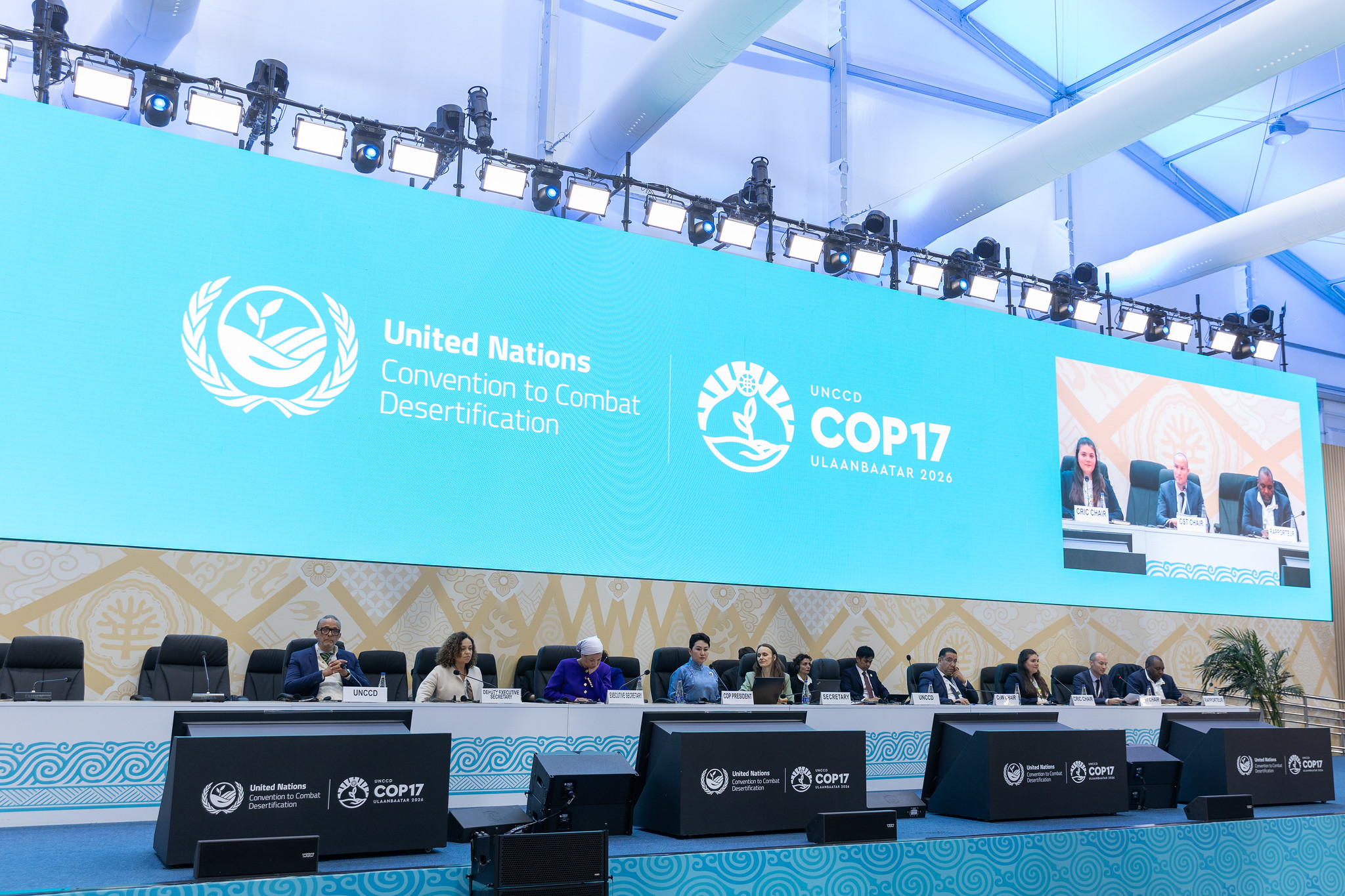
Bonn, 21 February 2025 – The Government of Mongolia and the United Nations Convention to Combat Desertification (UNCCD) have signed an agreement paving the way for the 17th session of the Convention’s Conference of the Parties (COP17) in Ulaanbaatar in 2026.COP17 will bring together UNCCD’s 197 Parties in a crucial global forum to accelerate action against desertification, land degradation and drought. As one of the most affected countries by desertification, with nearly 77 per cent of its land degraded, Mongolia will leverage COP17 to drive solutions for land restoration, sustainable land management and resilience-building across the world.At the signing ceremony in Bonn, Her Excellency Odontuya Saldan, Mongolia’s Minister of Environment and Climate Change, said: "Mongolia is committed to combating desertification and restoring degraded lands. Through initiatives like the 'Billion Trees' campaign, we are taking decisive steps to protect our environment and ensure a sustainable future for generations to come."UNCCD Executive Secretary Ibrahim Thiaw said: "The urgency of addressing desertification and drought cannot be overstated. COP17 in Mongolia will build on the momentum from COP16 in Riyadh to enhance global commitments, strengthen financial mechanisms and foster cross-sector partnerships."According to UNCCD data, up to 40 percent of the world’s land is degraded, affecting nearly half of humanity and threatening climate stability, biodiversity and livelihoods. Addressing land degradation is essential for food security, water availability and resilience to climate change.COP17, set for 2026 during the International Year of Rangelands and Pastoralists (IYRP) — declared by the United Nations General Assembly and championed by Mongolia — will build on efforts to promote the sustainable management, restoration and conservation of rangelands. These vast grazing ecosystems are vital for the economy, food security, biodiversity and climate resilience, yet more than 50 per cent are facing alarming degradation. Rangelands not only support smallholder herders, farmers and indigenous communities but also play a crucial role in stabilizing soil, regulating water cycles, enhancing biodiversity and storing carbon. Strengthening their management is essential for the economy of the estimated 500 million pastoralists, making COP17 a key moment for Indigenous Peoples and local communities.With 60 percent of Central Asia and Mongolia’s land used as grazing rangelands, supporting nearly one-third of the region’s population, sustainable land management is a national priority. Despite their value, they have historically received less attention and funding than forests and wetlands. COP17 and the IYRP will provide a vital platform to advance sustainable land management and reinforce global commitments to rangeland restoration.The two-week conference will feature a high-level segment, thematic dialogues and forums, including the Gender Caucus and the first-ever Indigenous Peoples Caucus. In addition, Youth Forum and the Business4Land Forum will engage youth and the private sector in sustainable land management solutions.COP17 in Mongolia will serve as a global platform to address climate challenges, with a focus on desertification, drought and renewable energy transition. Strengthening international cooperation will be key to boosting climate investment, creating green jobs and fostering sustainable development. Mongolia faces serious environmental threats, including soil degradation, sand and dust storms and desertification, making environmental protection and green growth national priorities.In line with its Land Degradation Neutrality (LDN) targets, Mongolia aims to reduce deforestation and forest degradation to maintain forest cover at 9 per cent of the total area by 2030, promote sustainable grassland management to halt further degradation, increase agricultural yields and ensure no net loss of wetlands by 2030.Building on the progress made at UNCCD COP16 held in Riyadh, Saudi Arabia, in December 2024, nations will work towards finalizing a comprehensive global drought regime to enhance preparedness and resilience against increasing drought risks.For more information, please contact:UNCCD Press Office, press@unccd.int, https://www.unccd.int/, @unccdAbout UNCCD The United Nations Convention to Combat Desertification (UNCCD) is an international agreement on good land stewardship. It helps people, communities and countries create wealth, grow economies and secure enough food, clean water and energy by ensuring land users an enabling environment for sustainable land management. Through partnerships, the Convention’s 197 parties set up robust systems to manage drought promptly and effectively. Good land stewardship based on sound policy and science helps integrate and accelerate achievement of the Sustainable Development Goals, builds resilience to climate change and prevents biodiversity loss. About the International Year of Rangelands and Pastoralists On the initiative of Mongolia, the United Nations General Assembly has designated 2026 the International Year of Rangelands and Pastoralists (IYRP 2026) to enhance rangeland management and the lives of pastoralists. With this declaration, UN Member States are called upon to invest in sustainable rangeland management, to restore degraded lands, to improve market access by pastoralists, to enhance livestock extension services and to fill knowledge gaps on rangelands and pastoralism. The IYRP 2026 will coincide with the UNCCD COP17 to be hosted by Mongolia. https://iyrp.info

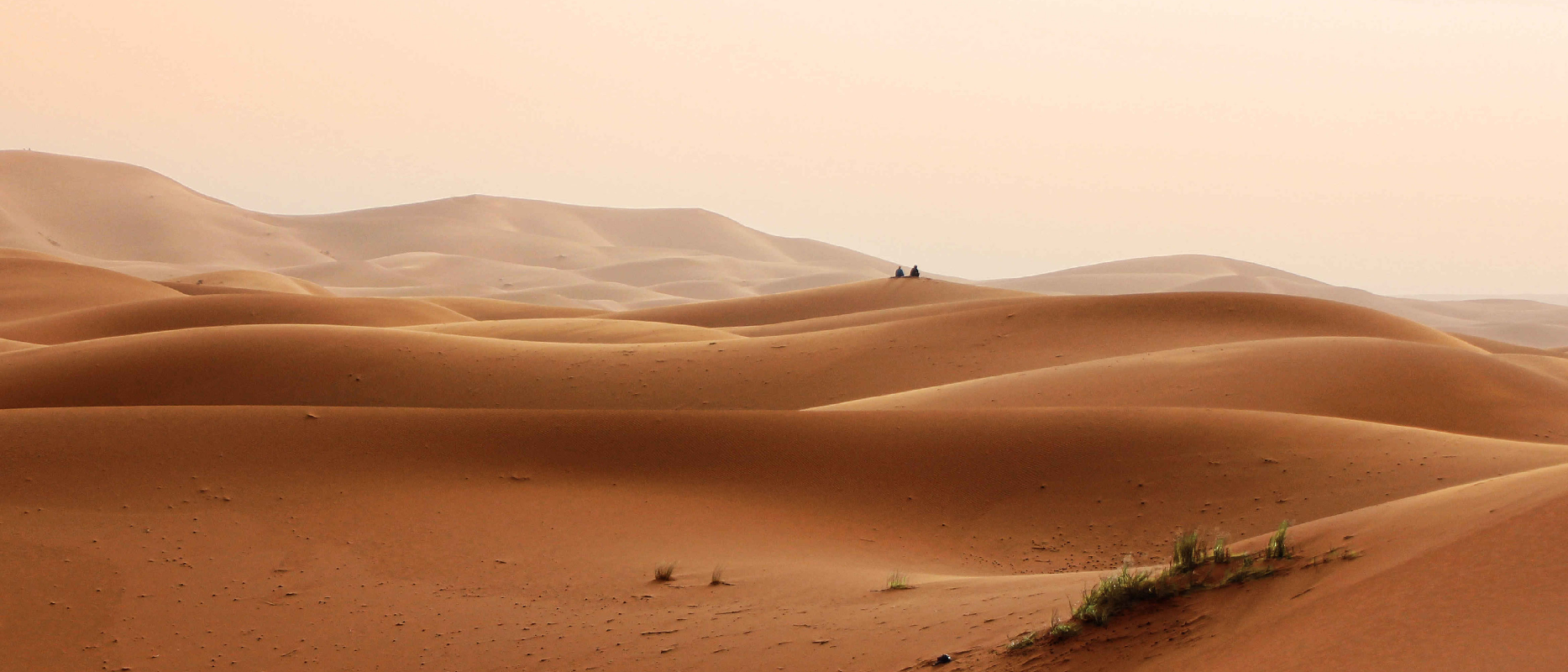
Your Excellency Minister Odontuya Saldan, Minister of Environment and Climate Change of Mongolia,Your Excellency Mr. Mandakhbileg Birvaa, Ambassador of Mongolia to Germany Your Excellency Ms. Chimguundari Navaan-Yunden, Ambassador at large for UNCCD COP17Dear Colleagues,I am honored to receive you here today, in Bonn, to sign the Host Country Agreement of UNCCD COP 17, to be held in 2026 in Ulaanbaatar, Mongolia. Signing this agreement more than a year ahead of COP is a remarkable achievement in itself. I can attest that this is a clear sign of strong commitment from the top leadership of the country. No doubt that UNCCD COP17 in Ulaanbaatar will be splendid! Dear colleagues, You will be pleased to know that the people of Mongolia are known for their great hospitality, deeply rooted in nomadic traditions. In fact, it is said that in Mongolia, hospitality is a moral duty. Visitors have open invitation, without needing prior notice. Remarkably, we have the same tradition in my home country, Mauritania.Significant to their nomadic traditions, guests are offered, as a sign of respect, airag (a traditional drink made of fermented horse milk) or milk tea (suutei tsai) or boiled meat: dairy and meat are offered to guests, because they are most prestigious. Again, a similar feature in Mauritania, visitors are offered a drink made of fermented milk. Respectful seating arrangements matter too, as visitors are offered to be on the North side of the ger (a traditional home), the North being the most honored spot. Mongolia, the second-largest landlocked country in the world, has the particularity of having up to 27 more animals than humans. This shows how much livestock represent for the economy, the stability and the prosperity of the country. Another similar feature with Mauritania where the livestock population exceeds the human population!Mongolia’s vast landscapes are defined by its expansive steppes, rugged mountains, and the critical role of its rangelands in supporting both nature and human livelihoods. At the heart of this ecosystem is the Mongolian horse, a hardy and adaptable breed, central to the nomadic way of life. Horses hold deep cultural, historical and practical significance for the people of Mongolia. Remarkably, horses outnumber humans in Mongolia by a ratio of 1.5, underscoring the significant importance of these animals in culture and daily life.These horses are more than a symbol of the enduring connection between the Mongolian people and their environment. This brief overview reveals the deep connections between rangelands and livestock with the culture, the way of life and the economy of not only the pastoralists but the entire nation. Ladies and gentlemen, Land degradation is not a mirage. Land restoration is not a slogan for a fancy international conference. For those who have no other capital, no other source of income than the land they live in and the ecosystems that it sustains, land loss may be the equivalent to a massive economic depression. To a pastoralist or to a small farmer, drought or bushfire may have the same impact as a terrible earthquake or volcano. For the pastoralists of Mongolia and elsewhere, as fertile grasslands give way to barren deserts and sand dunes, herders face dwindling resources for their livestock, threatening their traditional way of life. Sand and dust storms, which have become more frequent and severe, are a visible manifestation of this environmental crisis. These storms lead to loss of top fertile soil; they have far-reaching impacts, affecting air quality, reduced carbon sequestration, human health, and even triggering conflict. While these issues have brought global attention to Mongolia’s environmental challenges, this visibility has also opened doors for international cooperation and investment in sustainable solutions. Initiatives to restore degraded rangelands, stabilize sand dunes, and combat land loss are gaining momentum. Programs that promote sustainable grazing practices, such as rotational grazing and community-based land management, are helping to revive grasslands and improve soil health. These efforts are creating new opportunities for eco-friendly livelihoods, such as eco-tourism and sustainable agriculture. They are empowering local communities to take an active role in preserving their environment while improving their economic prospects.Mongolia’s unique combination of traditional knowledge and modern innovation offers a promising path forward – and one which we are proud will feature UNCCD’s COP17 in 2026. As Mongolia works to restore its degraded lands and manage its rangelands, the country is not only preserving a way of life but also paving the way for a more sustainable and prosperous future. Mongolia is setting an example, by creating a model for balancing ecological restoration with economic growth – this is Mongolia’s legacy. This journey highlights the potential for turning environmental challenges into opportunities for resilience, innovation, and global leadership, and we at UNCCD are proud to be a part of this beautiful chapter. Madam Minister, Excellencies, As I conclude, I am reminded of the discussions I had in my various meetings with President Khürelsükh, with regards the multiple similarities between Mongolia and Mauritania: Total area : 1 million km2, eachLarge deserts (Sahara, the largest hot desert in the world; and Gobi, the largest desert in Asia);Relatively small-size population (3, 4 or 5 M people)-Relatively large-size livestock (more horses in Mongolia and more camels in Mauritania)Resource rich (especially mining) but relatively small industrial bases, The two countries were admitted the same day to the United Nations on 26 October 1961This is just to say that by hosting COP17 in 2026 in Ulaanbaatar, Mongolia will host close to 200 Parties, thousands of members of civil society, scientists and International Organisations. A unique opportunity to share experience, adopt relevant policies and above all open new avenues for cooperation and the much needed solidarity across nations. Thank you.
