Getting land back on track: A new phase of Land Degradation Neutrality
-
30 November 2025
-
Story
-
Land Degradation Neutrality

As negotiators meet in Panama City for the 23rd session of the UNCCD Committee for the Review of the Implementation of the Convention (CRIC 23), they gather in a country that treats climate change, biodiversity loss and land degradation as interlinked challenges.
The new Panama’s Nature Pledge is set to bring the next-generation climate promise, updated biodiversity strategy and Land Degradation Neutrality (LDN) strategy into a single national framework, also covering oceans and plastics. It shows how one country can align all three Rio Conventions and unlock finance to accelerate action.
That same logic has been at the heart of the LDN Target Setting Programme (LDN TSP) for almost a decade. Since 2016, the programme has helped 131 countries commit to voluntary LDN targets, with 124 reporting their baselines and targets through the UNCCD, and collectively aiming to restore close to 600 million hectares of degraded lands.
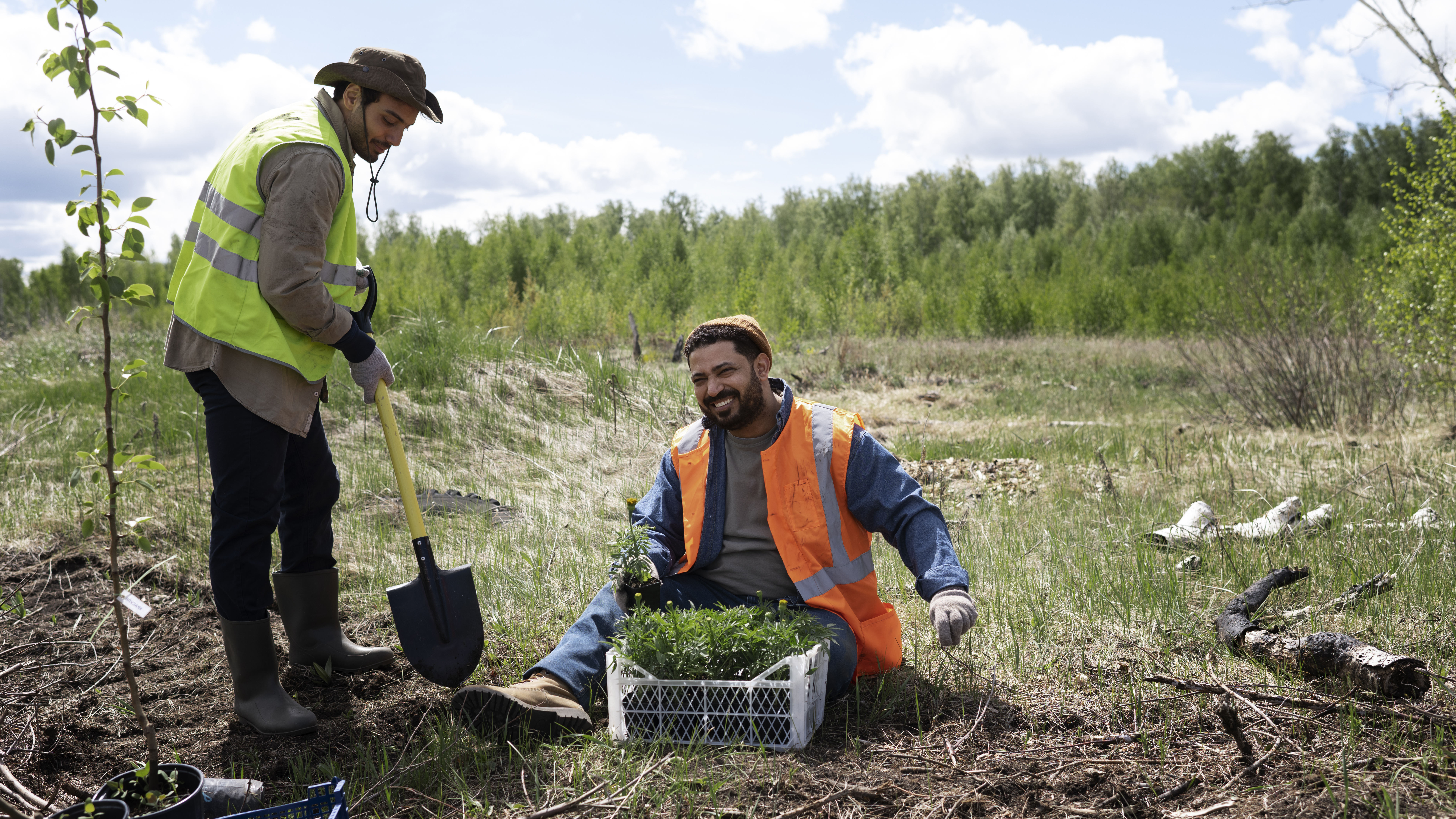
Restoration work done in the field by a volunteer group
A global shift from pledges to plans
LDN stems from a simple idea: the world’s productive land base should at least remain stable and grow where possible. In less than ten years, the LDN TSP has given governments a common language and toolkit to map where degradation is happening, agree on measurable, time bound targets and identify measures that fit national realities.
LDN TSP 2.0: More ambitious, more bankable
If the first eight years of LDN TSP were about enabling countries to set and validate LDN targets based on best- available data, the second phase of this programme (LDN TSP 2.0) is about making those targets sharper and more actionable. Eighteen countries from every region are refining their voluntary commitments to achieve land degradation neutrality so they are more specific, time-bound, quantitative, spatially explicit, gender responsive and tied to land-use planning following a COP15 mandate. These priorities were clearly reflected in a recent global knowledge exchange webinar on LDN TSP 2.0, where 100 representatives of countries and partner agencies reviewed progress to date ahead of CRIC23.
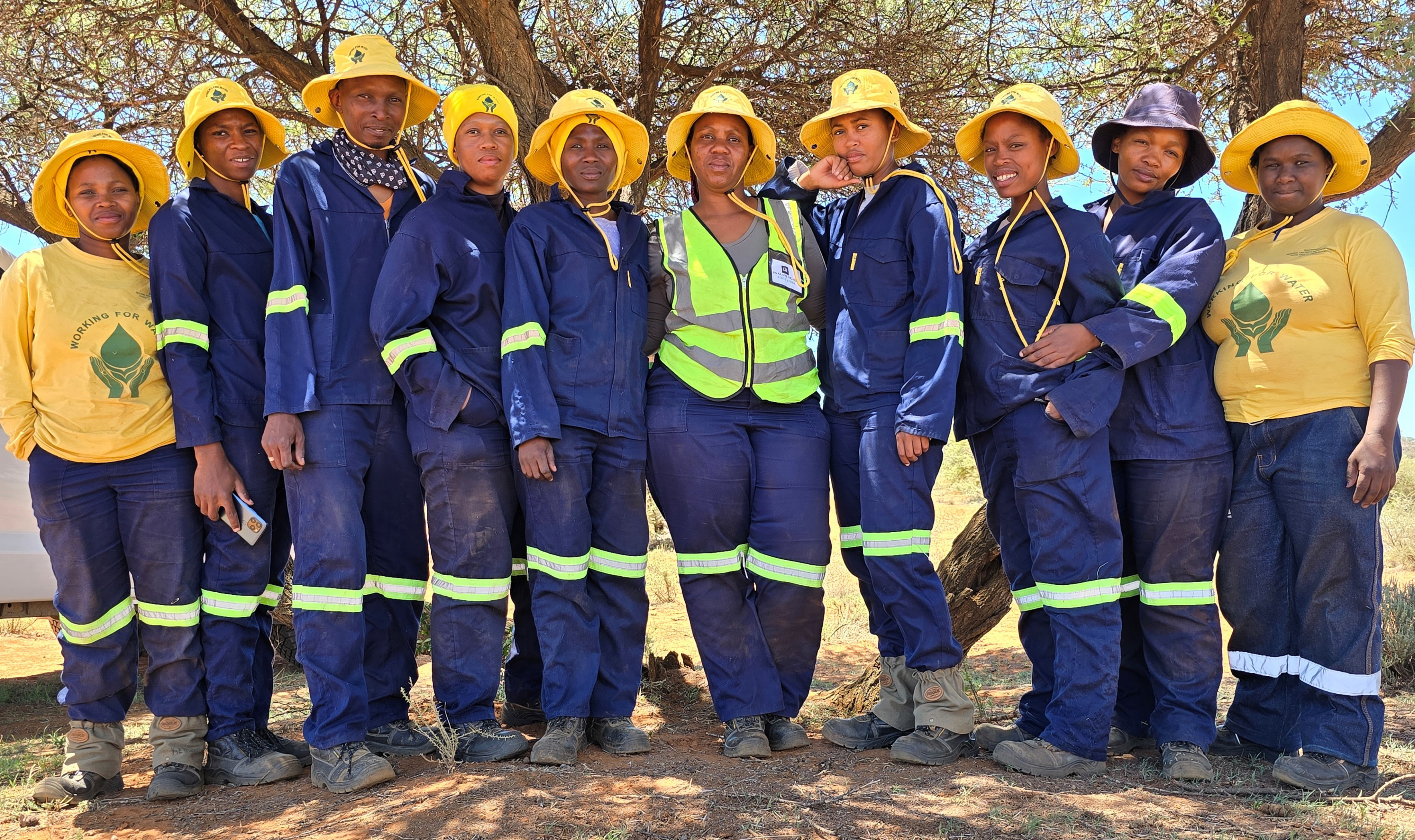
Integrated land use planning inception workshop May 2025 South Africa Photo : © Dr. Ernest Daemane, South African National Parks
In Sri Lanka, for example, updated LDN work is being used to align land-use decisions with national climate and biodiversity strategies and to prioritize the most vulnerable landscapes for action. In Central Asia, countries are using LDN targets to connect land restoration with drought resilience and more sustainable management of rangelands and drylands. In Argentina, new LDN targets seek to improve the sustainable management of their wetlands.
This second phase also pushes governments to think like investors, by helping them identify priority landscapes, estimate costs and benefits and structure projects and programmes that can attract climate and development finance.
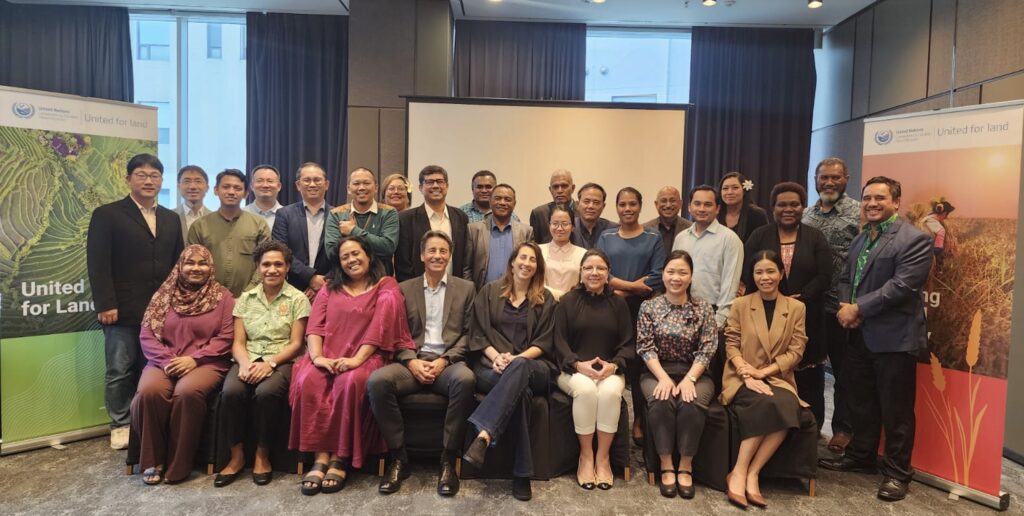
Negotiations training for national focal points and a write-shop on development of large-scale investment programme for Pacific SIDS, Seoul, Korea 2023
Why this matters for everyone, not just negotiators
Up to 40 per cent of the planet’s land is already degraded, affecting billions of people. When land is degraded, harvests decline, food becomes more expensive, rural livelihoods weaken and people are forced to move. LDN helps reverse this pattern by restoring land, strengthening ecosystems and generating economic benefits that far outweigh the initial investments.
The Rio synergies dividend
Panama’s reference to its Nature Pledge during CRIC23 reinforces a clear message: climate, biodiversity and land are not three separate problems. Land is the common thread that allows us to materialize synergies. Country stories on the new Rio Conventions platform show how land restoration is becoming a practical link between climate, biodiversity and land agendas. Examples range from national work in Sri Lanka to regional initiatives in Central Asia, where managing land degradation is central to climate resilience and food security.
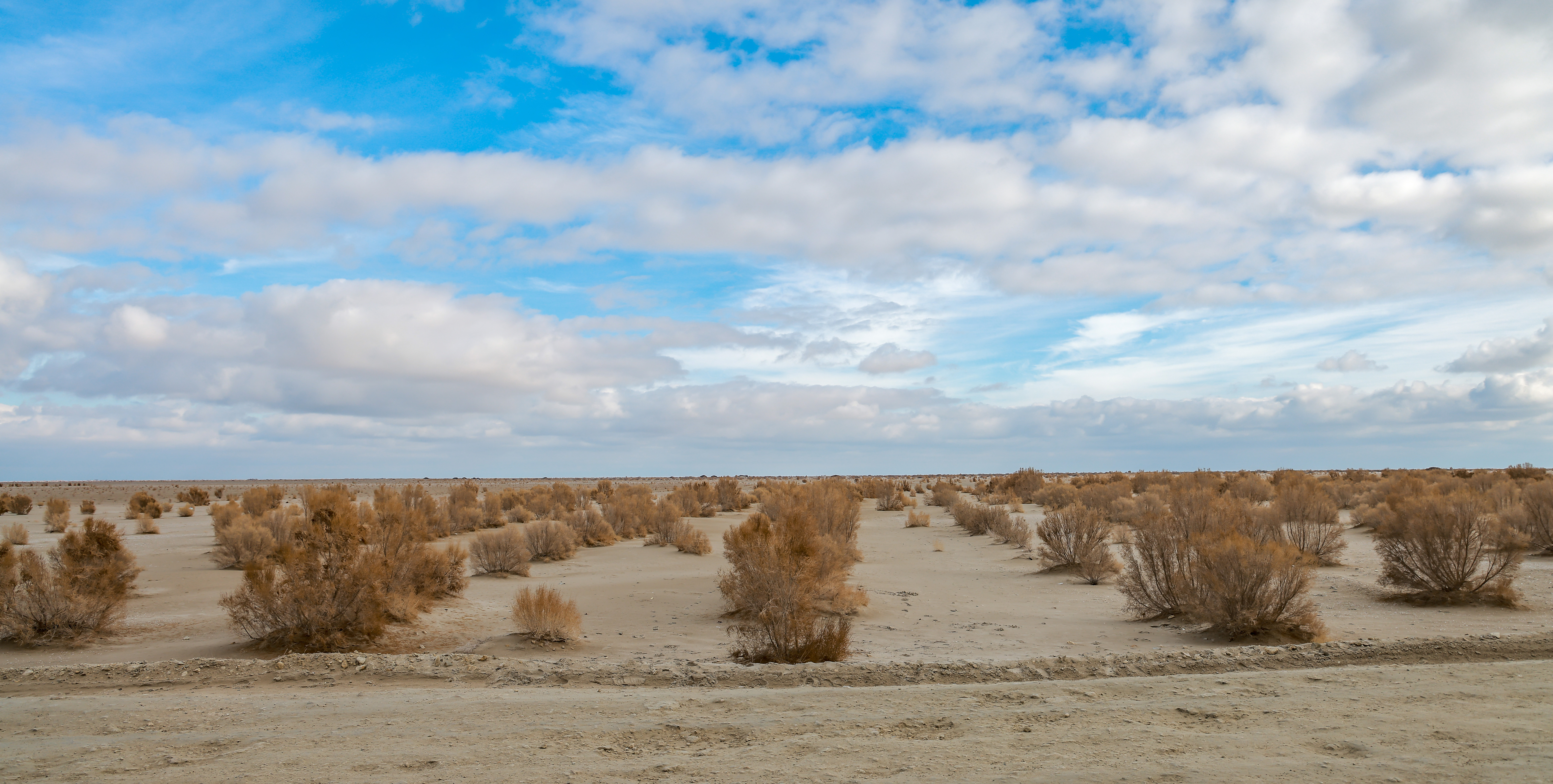
In Uzbekistan, hectares of sturdy saxaul shrubs are planted as the first line of defense against desertification and sand and dust storms originating from the dried-up Aral seabed
Nigeria is updating its land targets in parallel with its National Net Zero Nature Positive plan (NZNP) ensuring that both processes reinforce each other. By aligning these efforts, countries can stretch limited public finance further and create stronger cases for private investment.
From targets to transformative projects
Ambitious targets need equally ambitious implementation plans. That is where Land Degradation Neutrality Transformative Projects and Programmes (LDN TPPs) come in. These are large-scale, country driven programmes that bundle individual projects into coherent packages aligned with national LDN priorities.
Under the second phase of the programme, participating countries are defining TPPs through the Global Mechanism’s Partnership for Project Preparation to turn revised targets into concrete funding proposals. In Benin and the Central African Republic, work supported by the Sahara and Sahel Observatory is helping to define priority landscapes, integrate gender analysis and structure programmes for submission to climate and development funds. In Argentina, two strategic projects are being developed to strengthen integrated land-use planning and create synergies between the country’s updated land targets and its wetlands conservation goals under RAMSAR.
At CRIC23 in Panama, the new phase of the LDN work is moving from technical workshops into the political spotlight. The Global Mechanism is presenting progress on revised targets, new tools and emerging project pipelines in plenary, while land degradation neutrality features throughout the week’s programme, from interactive discussions on resource mobilization to country-led side events.
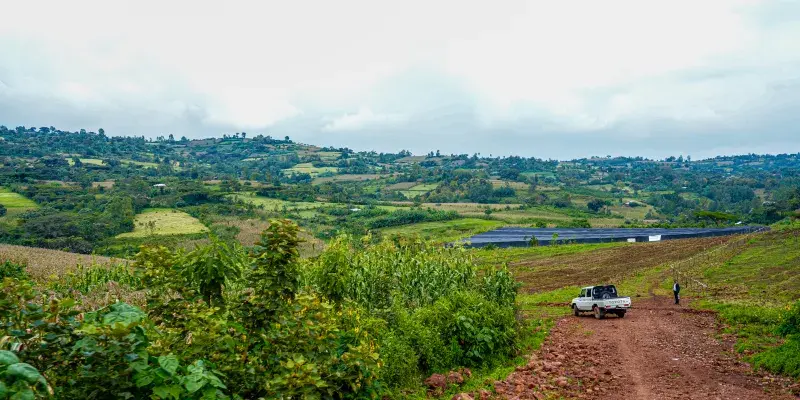
Landscape view of lush, green hills and farmland in Jimma, Ethiopia, highlighting the positive impact of sustainable agriculture and land restoration
Tracking progress – and the remaining gap
Transparent data is essential to convince citizens, partners and investors that LDN commitments are a sound investment. Key UNCCD knowledge tools – notably the LDN targets tracking tool and the UNCCD Data Dashboard – allow users to see how much land is degrading or being restored and to follow progress towards voluntary LDN targets. New tools are also being developed to support the integration of LDN as a guiding principle for smarter and better-informed land use planning decisions that avoid future land degradation.
“A decade of LDN target setting has proved that restoring land is not a luxury, it is basic infrastructure for our economies,” says Louise Baker, Managing Director of the UNCCD Global Mechanism. “If we invest now in LDN TSP 2.0, we are not just planting trees, we are stabilizing food systems, protecting biodiversity and creating new jobs where they are needed most.”
In Panama this integrated vision becomes the highlight of the side event “Restoring Land, Building Sustainable Futures: Success Stories from the Changwon Initiative,” hosted by the Republic of Korea. It gives participants a front-row insight into how the Changwon Initiative has supported the development of the LDN Target Setting Programme and its second phase, strengthened science–policy linkages through the UNCCD Science-Policy Interface and invested in capacity building that helps countries move from pilot projects to nationwide implementation. Success stories – from local pilot sites to national-scale programmes – demonstrate how long-term, strategic donor engagement is enabling countries to translate land targets into concrete action on the ground.
As Barron Orr, Chief Scientist of the UNCCD, put it: “Land Degradation Neutrality is about doing the right things in the right places at the right scale. The scientific guidance produced by the UNCCD Science-Policy Interface has helped countries pursue all of their economic, social and environmental objectives in an inclusive and integrated way — so that biodiversity is protected where it is highest, food is grown where soils are most productive and new development does not harm either. This approach places a strong foundation of healthy land underneath global efforts to achieve all the SDGs.”
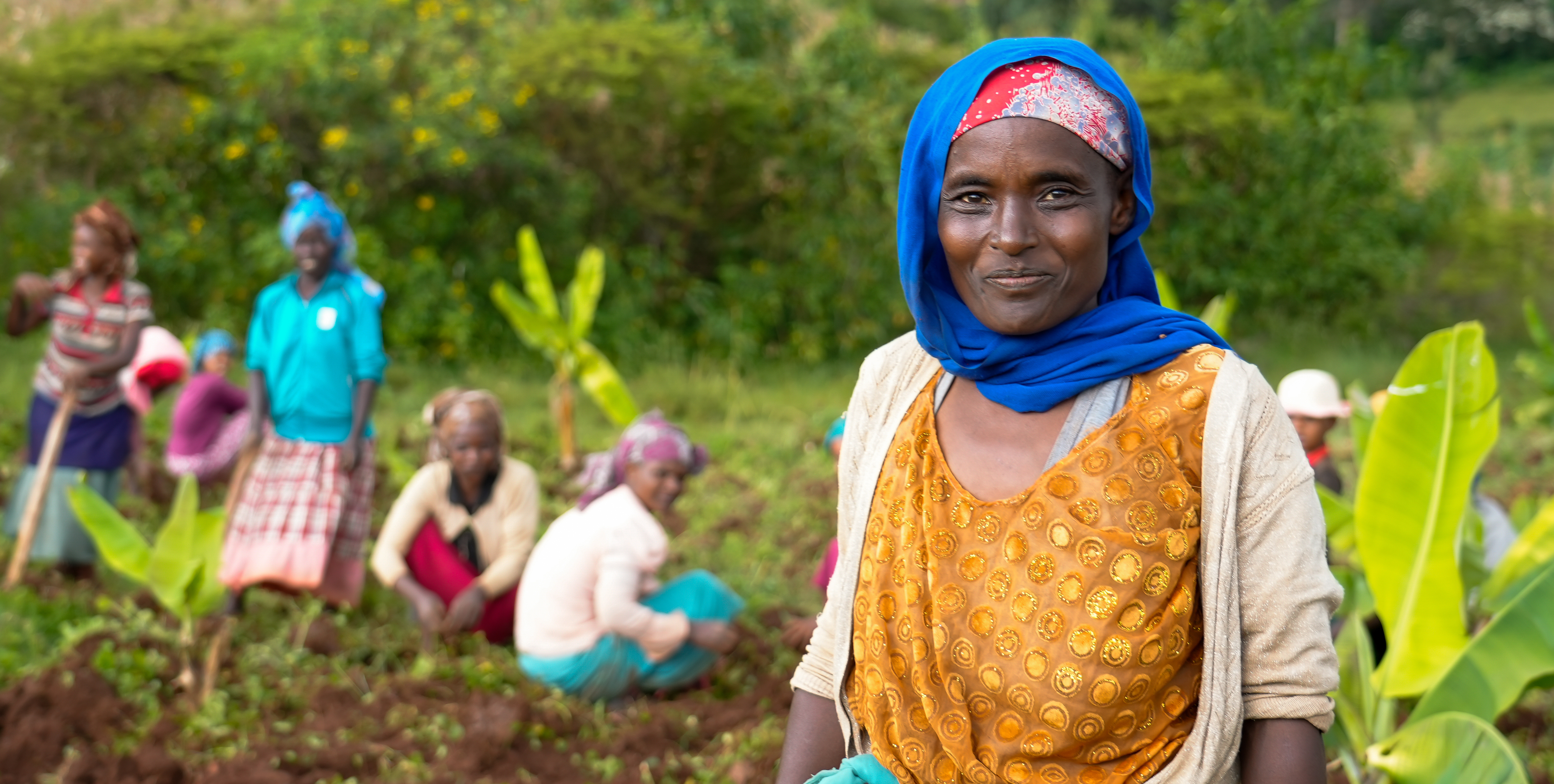
Amina, leader of a women’s collective in Jimma, Ethiopia, proudly standing in front of her community members engaged in agroforestry and land restoration activities
With the right support from development banks, climate and biodiversity funds, impact investors and philanthropy, LDN TSP 2.0 can enable countries to turn degraded hectares into thriving landscapes and resilient communities. As countries gear up for next year’s UNCCD COP17 that will mark ten years of this global effort, the focus shifts from targets agreed to real results delivered on the ground.