From the steppe to the plenary hall: Young people advance from presence to participation at COP17
-
23 August 2026
-
Story
-
Youth
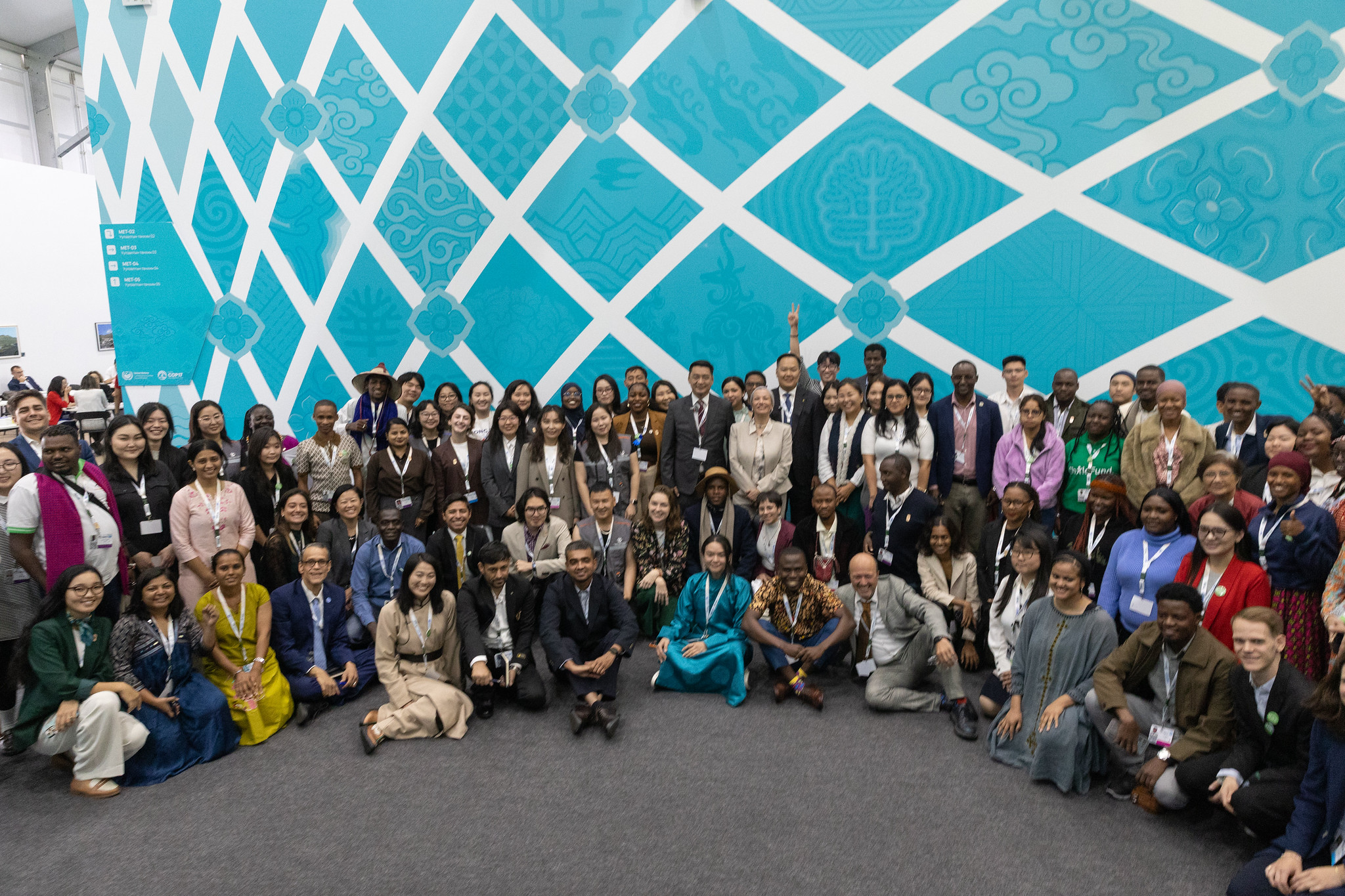
Ulaanbaatar, Mongolia — Opening the COP17 Youth Forum on 18 August, UNCCD Executive Secretary Yasmine Fouad called for more opportunities for young people to contribute to land restoration and drought resilience, from education and green jobs to entrepreneurship and innovation.
“The green transition ... should involve the youth,” she said. “And by doing so, we are restoring hope in the future generation that they can still enjoy the planet and its natural resources like we did.”
Mongolia’s Minister of Culture, Sports, Tourism and Youth Aldarjavkhlan Jukov highlighted the role of young scientists, activists and herders in sharing knowledge and developing solutions for more sustainable and resilient rangelands. He called for youth-led initiatives to be connected with funding and for young people to have a more meaningful voice in the process.
For Juliet Grace Luwedde of the UNCCD Youth Caucus, Mongolia is already showing what greater engagement can look like.
“The Mongolian youth have actually championed youth engagement,” she said. “They've mobilized themselves, they've mobilized more young people to be able to come and engage with this process.”
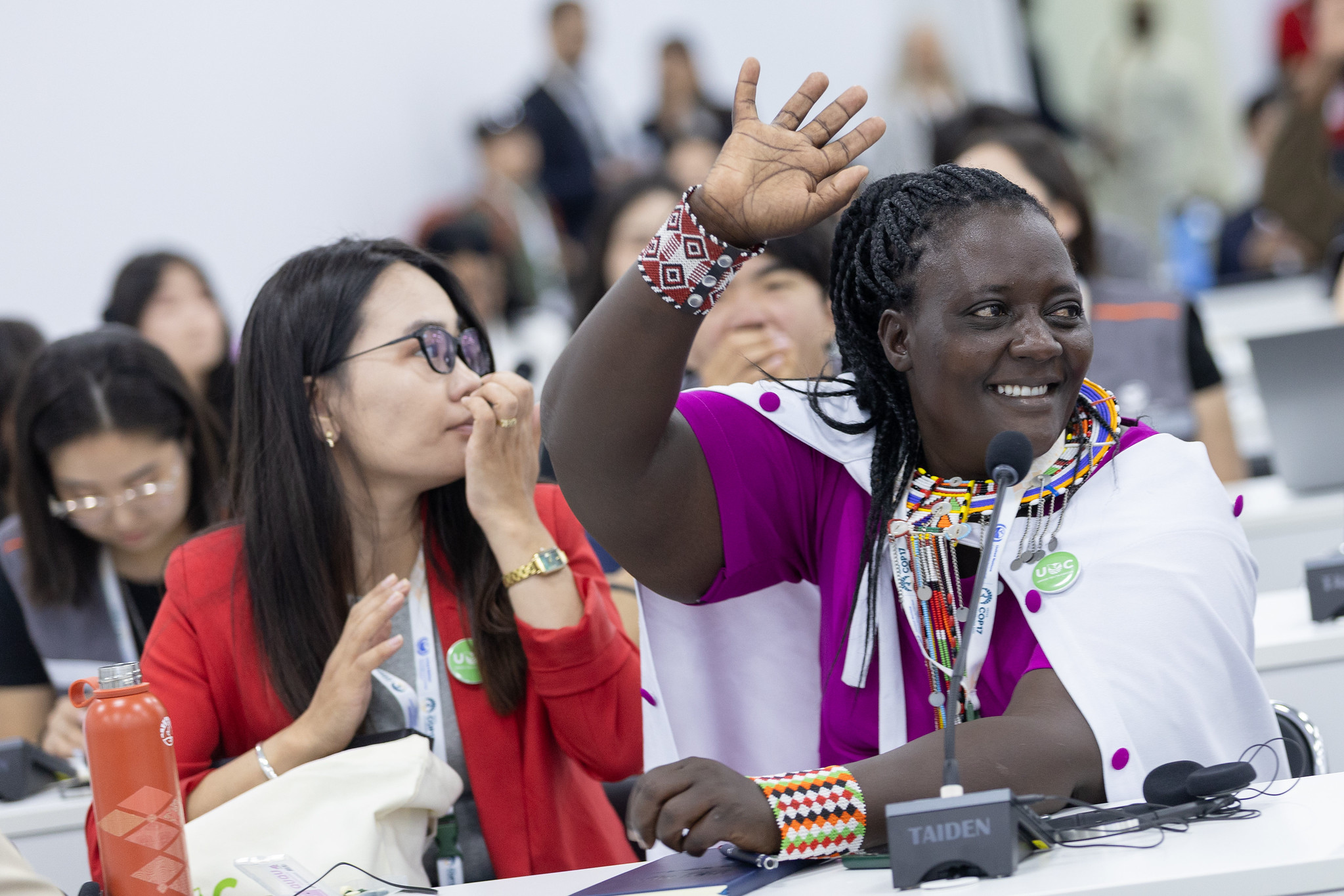
But Luwedde is looking beyond how many young people attend. She hopes the assessment of youth engagement requested by Parties at COP16 will help shape the Convention’s next steps on meaningful youth participation.
The assessment shows how quickly the Convention’s youth constituency has grown. The UNCCD Youth Caucus expanded from approximately 200 members in 2019 to around 4,000 in 2026. But growth in participation has not yet translated consistently into influence. In a limited survey of 20 national focal points from 16 countries, 60 per cent of responding countries reported that young people had little or no influence on national UNCCD-related policy development and only 10 per cent reported youth involvement in decision-making.
“We now have young people as negotiators in the negotiation room, so there is a lot of potential and opportunities for young people to continue engaging with this process,” Luwedde said. “But we have to be intentional about it.”
The Land Youth Negotiator Programme is one way of turning that intention into practice. It prepares young people to join official national delegations and contribute directly to negotiations, building technical knowledge, negotiating skills and leadership experience. The programme has expanded from 100 negotiators from 35 countries in 2024–2025 to 155 from 44 countries in its 2026–2027 cohort.
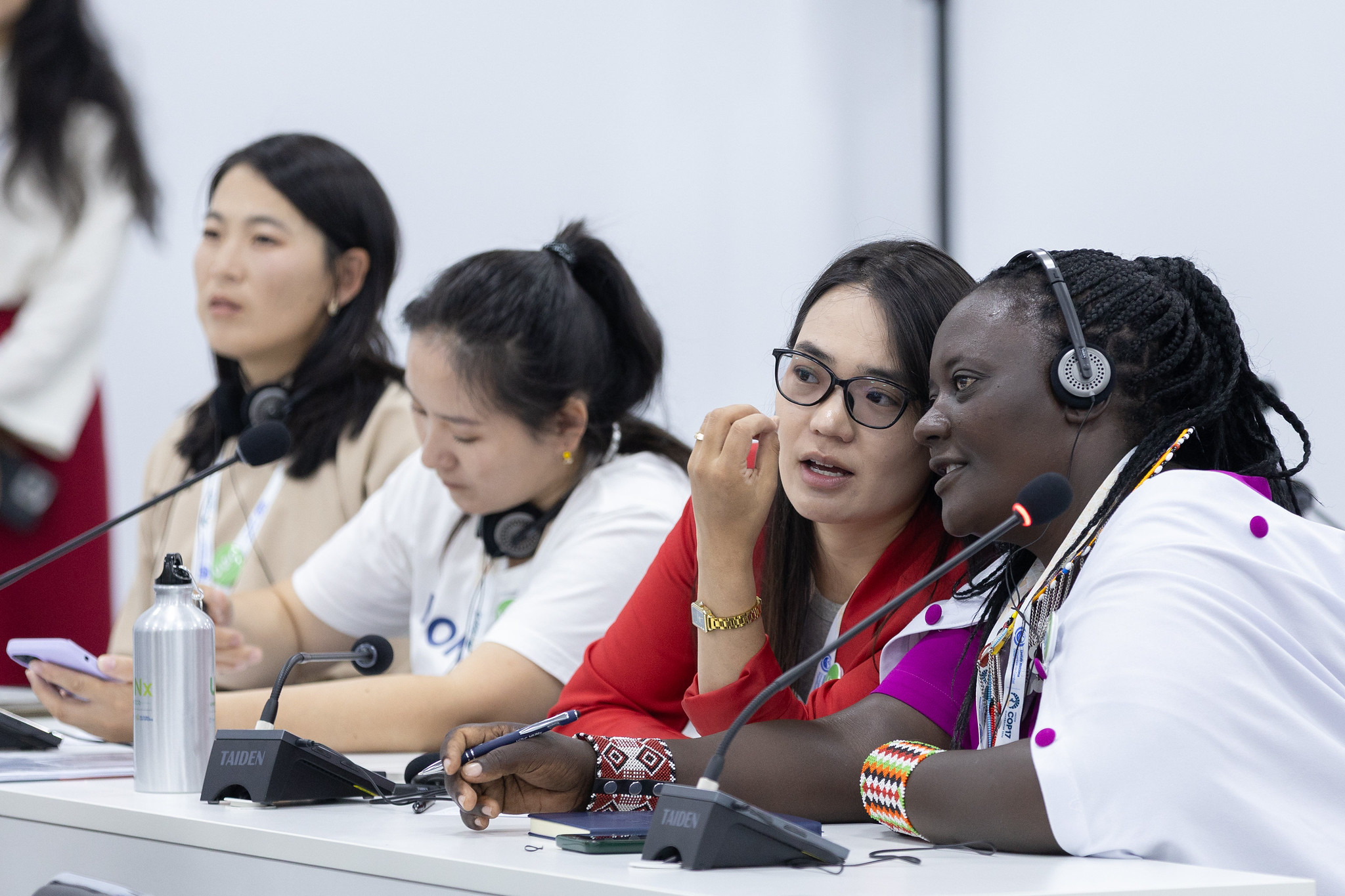
The programme is also drawing recognition from Parties. During COP17 discussions on capacity-building this week, Montenegro, the Dominican Republic, Moldova and the Cook Islands highlighted the Youth Negotiators Academy and the Land Youth Negotiator Programme.
Its impact can also be seen in the paths young negotiators are taking through the Convention. Sedona Richardson of Grenada first attended a UNCCD COP as a civil society representative. After joining the Land Youth Negotiator Programme, she returned to COP16 in Riyadh as part of Grenada’s national delegation.
“To be able to be in those negotiation rooms and to be able to advocate for my country, that is how it has impacted my life,” Richardson said.
At COP17, programme participants described following negotiation tracks, helping draft text, preparing statements and supporting bilateral meetings — substantive work within national delegation teams.
The discussion also looked at initiatives already creating practical opportunities for young people to take the lead. Sustainability, Technology and Environmental Preservation Program (STEPP) is designed to engage young nomadic herders around the world amid environmental, technological and socio-economic change. The NomaTech Challenge combined capacity-building, international teamwork, engineering, problem-solving and prototype development ahead of COP17. The Silk Road Caravan connected pastoral landscapes, communities and experiences across countries on its journey to Ulaanbaatar, highlighting challenges shared across rangeland communities and the value of exchanging knowledge across borders.
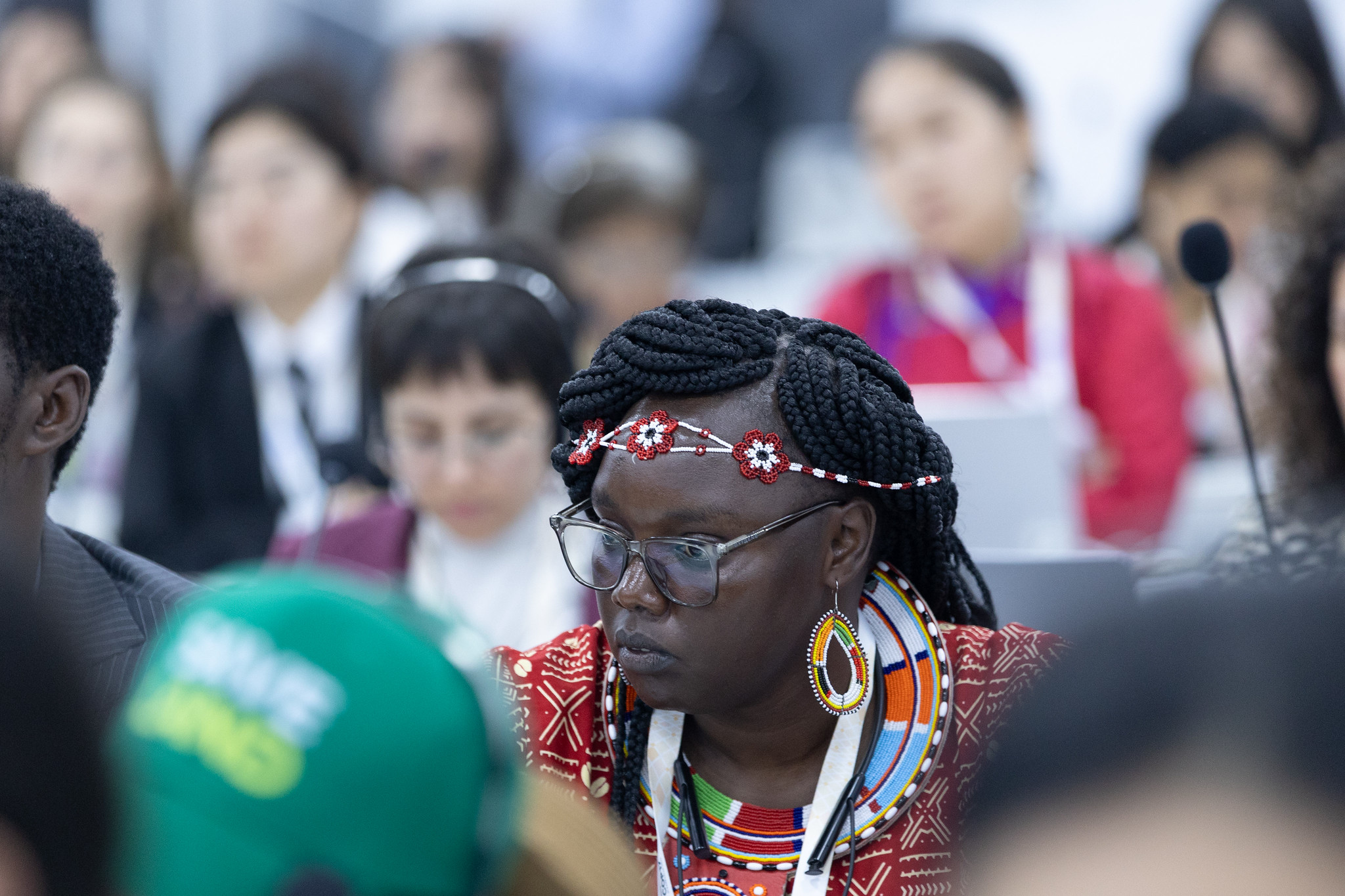
When we spoke with people already engaged in the Convention about young people’s place in its work, Anahi Ocampo-Melgar, a member of the UNCCD Science-Policy Interface, brought the question back to what is at stake for the next generation.
“To me, land is where the future of young people begins. I work in many parts of Chile that are experiencing rural abandonment and desertification. To me, therefore, land is a place where I hope there can be greater hope for future generations.”
For Luwedde, the longer-term test is the Convention’s next strategic framework. As Parties look beyond the current 2018–2030 framework, she wants young people to have a clearer place in how the Convention works and how their contributions are recognized.
The next opportunity to carry that discussion forward comes on 26 August, Land and People Day, with Youth, Land and Livelihoods: Building the next generation of land stewards. The session will bring forward priorities emerging from the COP17 Youth Forum and showcase youth-led solutions while connecting young people with governments, donors, civil society and international partners around participation, access to resources and opportunities to shape decisions.
Photos © : UNCCD/Kiara Worth

Publications

Many of the world’s 1.2 billion youth (between 15-24 years) work, formally or informally, in food production - growing, harvesting, or processing. Yet young people are…

