News & stories

Latest

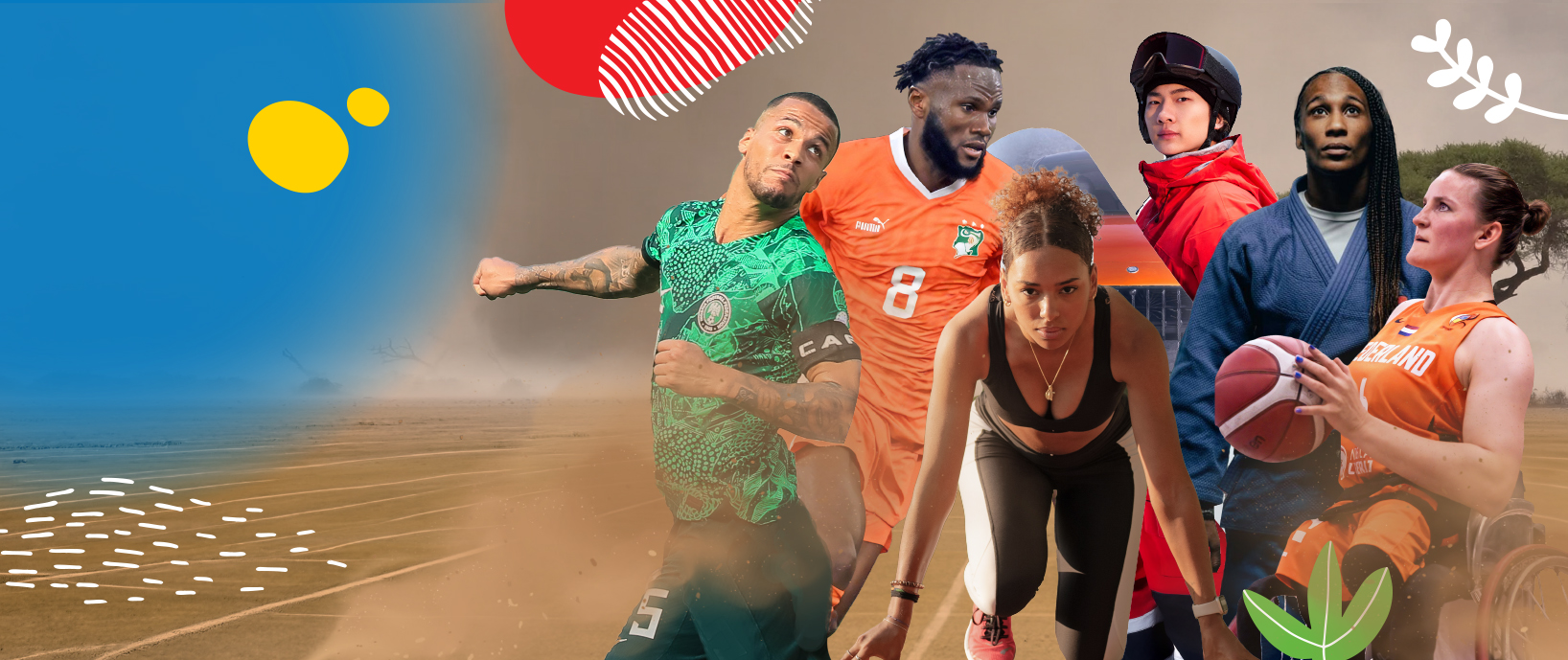


联合国最新数据警示,土地退化速度快于恢复速度 非洲、亚洲和拉丁美洲的土地退化在加速 下月将在乌兹别克斯坦审查全球遏制土地退化的进展情况 2023年10月24日,波恩--《联合国防治荒漠化公约》(UNCCD)宣布首次推出 "数据仪表盘"(Data Dashboard),汇集了126个国家的国家报告数据, 揭示了全球所有区域的退化土地都在以惊人的速度扩展。 从 2015 年到 2019 年,全球每年至少丧失 1 亿公顷健康的高产土地,相当于格陵兰岛面积的两倍。这些数据突出了采取紧急行动的必要性,因为不断升级的土地退化将继续破坏全球市场、社区和生态系统的稳定性。 《联合国防治荒漠化公约》数据仪表盘的发布正值关键时刻,世界各国领导人和专家将于 2023 年 11 月 13 日至 17 日齐聚乌兹别克斯坦撒马尔罕,参加《联合国防治荒漠化公约》履约审查委员会第 21 届会议(CRIC 21)。与会代表将审议全球在实现土地退化零增长(LDN)方面取得的进展,并探讨加强抗旱能力、促进妇女的土地权利以及防治沙尘暴等紧迫问题。 《联合国防治荒漠化公约》执行秘书易卜拉欣.蒂奥 指出"首次发布的《联合国防治荒漠化公约》‘数据仪表盘’为我们提供了更宽广的视野,让我们了解到世界各地健康和富饶的土地正在迅速丧失,给数十亿人带来了严重后果。同时,我们也看到了'亮点'—一些国家正在有效地解决荒漠化、土地退化和干旱问题。当我们下个月齐聚乌兹别克斯坦审查全球在遏制土地退化方面取得的进展时,信息是明确的:需要立即关注土地退化问题。 区域差异 《联合国防治荒漠化公约》数据仪表盘反映了全球范围内令人担忧的现实,并揭示了各区域退化土地比例的显著差异。 东亚、中亚以及拉丁美洲和加勒比地区的退化最为严重,至少占其土地总面积的 20%。 与此同时,撒哈拉以南非洲、西亚和南亚以及拉丁美洲和加勒比地区的土地退化速度高于全球平均水平。 值得注意的是,2015年以来,撒哈拉以南非洲以及拉丁美洲和加勒比地区分别有1.63亿公顷和1.08亿公顷的土地退化。 土地恢复“亮点” 尽管全球形势不容乐观,但仍有一些国家有效地解决了荒漠化、土地退化和干旱问题。 在撒哈拉以南非洲,博茨瓦纳将土地退化面积从 36%减少到了 17%。该国已承诺使 4 530 万公顷的土地不再出现退化,其中既包括避免进一步退化的措施,也包括在选定的土地退化热点地区采取恢复措施。博茨瓦纳还报告了 142 万公顷的 "亮点 "地区,即通过开展适当补救活动而得到恢复的地区。 在多米尼加共和国,退化土地的比例在2015年至2019年期间从49%降至31%,目前正在努力恢复北雅克河流域和圣弗朗西斯科德马科里斯省可可生产区的24万公顷土地。 虽然乌兹别克斯坦报告的退化土地比例(26.1%)在中亚地区最高,但与2015年相比,其降幅也最大,从30%降至26%。由于咸海干涸,乌兹别克斯坦共有 300 万公顷土地退化。2018年至2022年期间,乌兹别克斯坦在160万公顷的土地上进行了沙棘种植,以消除咸海干涸底部的盐分和灰尘排放。 土地退化零增长目标依然可期 尽管不同地区的土地退化趋势各不相同,但《联合国防治荒漠化公约》的数据警告说,如果目前的趋势持续下去,到2030年,全球将需要恢复15亿公顷的退化土地,才能实现可持续发展目标(SDGs)中的土地退化零增长目标。 《联合国防治荒漠化公约》首席科学家巴伦-奥尔说:"尽管全球趋势正朝着错误的方向发展,但我们仍然有可能不仅实现而且超越土地退化零增长的目标。要做到这一点,就必须遏制进一步的退化,同时加快履行现有承诺,在资金和行动并举的情况下,到2030年恢复10亿公顷土地。 109 个国家已经制定了到2030年实现土地退化零增长的自愿目标,另有21个国家正在制定这一目标。在2016 年至2019 年期间,约50亿美元的双边和多边资金已投入全球防治荒漠化、土地退化和干旱的努力。这些资金帮助124个国家推出了一系列项目,旨在实现土地退化零增长,应对荒漠化、土地退化和干旱带来的挑战。 编辑须知 采访和查询请联系: press@unccd.int 和/或 unccd@portland-communications.com 要访问《联合国防治荒漠化公约》数据仪表盘,请单击此处: https://data.unccd.int/ 有关数据和方法的任何问题,请致函 reporting@unccd.int 。 这些数据是根据126 个缔约方在其 2022 年《联合国防治荒漠化公约》国家报告中 "提供的 "数据进行全球汇总和集合而成。由于并非所有缔约方都报告了所有指标,本数据反应的事实仅指根据这些已报告的指标/衡量标准的现状和趋势,对全球和区域一级进展情况的部分估计。该数据所提供的信息不应被解释为对所有指标/衡量标准的状况和趋势的全球或地区的综合评估。 有关《防治荒漠化公约》履约审查委员会第 21 届会议(CRIC21)的更多信息见: https://www.unccd.int/cric21 邀请经认可的媒体代表出席并报道审评委第二十一届会议及相关活动。在CRIC21召开前夕,将组织记者实地考察土地恢复和抗旱项目。 媒体代表可通过以下链接进行在线注册: www.unccd.int/cric-21-online-registration 。 关于《联合国防治荒漠化公约》 《联合国防治荒漠化公约》(UNCCD)是全球土地的愿景和代言人。我们将各国政府、科学家、决策者、私营部门和社区团结在一个共同愿景和全球行动周围,为人类和地球的可持续发展恢复和管理世界土地。《防治荒漠化公约》不仅仅是一项由 197 个缔约方签署的国际条约,它还是一项多边承诺,旨在减轻当今土地退化的影响,促进未来的土地管理,从而以公平和包容的方式为所有人提供食物、水、住房和经济机会。

Innovative finance imperative to unlock the social, economic, environmental, and risk-reduction benefits of drought preparedness Bonn/Stockholm, 22 August 2023 – Preparing for droughts, instead of waiting until they strike, saves lives and livelihoods. Building drought resilience comes with an array of social and environmental co-benefits, and the economic returns are between 2 and 10 times bigger than the initial investment, according to new analysis by the UN Convention to Combat Desertification (UNCCD). The policy brief ‘Investing in resilience: Innovative finance for drought preparedness’, demonstrates that enhancing resilience is one of the most cost-effective actions countries can take, and is typically far less expensive than interventions focused on responding to the impacts of droughts. But innovative financing mechanisms such as insurance schemes, risk pools, and government issued bonds are essential to fund the necessary long-term investments. The Spanish Deputy Prime Minister for Ecological Transition and Demographic Challenge, H.E. Teresa Ribera, said: “As we know too well in Mediterranean countries, drought can devastate vital economic sectors such as agriculture and tourism. Our planet reached the hottest month on record in July: a reminder that investing in early warning systems and better land and water management is not a choice, but an existential imperative.” The Minister for Environment, Climate Change and Forestry of Kenya, H.E Soipan Tuya, noted: “With the Africa Climate Summit just days away, the need to invest in drought resilience becomes both urgent and clearer. By building our preparedness to drought, we also pave the way for a resilient tomorrow that echoes our commitment to combat climate challenges and chart a course toward prosperity for Africa and the world.” Mobilizing investments in drought resilience is a key pillar of the International Drought Resilience Alliance (IDRA), a growing coalition of more than 30 countries and 20 institutions driving drought resilience in the face of climate change that is hosted by UNCCD. Benefits beyond mitigating risk Investing in drought resilience comes with a triple dividend: it helps avoid future losses; reduces risk, boosting productivity and innovation; and can improve human health, rural livelihoods, soil and water quality and climate change adaptation, among other benefits. For example, improving early warning systems and weather forecasts could save 23,000 lives and up to USD2 billion in developing countries every year. According to the brief, sound economic evidence is essential for decision- and policy-making. An investment of USD 1.8 trillion in resilience and adaptation, focused on five priority areas from 2020 to 2030, could generate USD 7.1 trillion in total net benefits. Also, for every USD 1 spent in building resilience there could be up to USD 3 in benefits from reduced need for humanitarian aid and avoided losses. Innovative finance solutions Despite all multiple benefits, the costs of drought to societies and economies are often underestimated and investments in drought resilience are insufficient. Over the past decade, for instance, the official development assistance linked to disasters reached USD 141 billion, but only 5 per cent was allocated to preparedness. The public sector will continue to be a major source of finance for drought resilience, meaning that governments must both make a more effective use of existing resources and increase available funding through innovative finance options. The policy brief encourages governments to incorporate drought preparedness into existing financing plans, and to leverage a mix of financial strategies such as national disaster funds, credit lines, social protection programmes and weather-indexed insurances. Policies, regulations and environmental, social and governance (ESG) standards can make it easier for private actors to invest in adaptation and resilience while staying competitive, and blended finance arrangements can draw on public resources to de-risk private investment. UNCCD’s Executive Secretary Ibrahim Thiaw said: “Droughts are one of the world’s costliest and deadliest natural hazards, and they are hitting harder and faster because of climate change. Decision-makers must urgently leverage innovative financing mechanisms to boost resilience and deliver new economic opportunities for their countries, communities and companies.” Notes to editors Access the policy brief and its recommendations for governments, development partners, financial institutions and businesses here. For media related inquires please contact the UNCCD Press Office: press@unccd.int About UNCCD The United Nations Convention to Combat Desertification (UNCCD) is the global vision and voice for land. We unite governments, scientists, policymakers, private sector and communities around a shared vision and global action to restore and manage the world’s land for the sustainability of humanity and the planet. Much more than an international treaty signed by 197 parties, UNCCD is a multilateral commitment to mitigating today’s impacts of land degradation and advancing tomorrow’s land stewardship in order to provide food, water, shelter and economic opportunity to all people in an equitable and inclusive manner. About IDRA IDRA is the first global coalition creating political momentum and mobilizing financial and technical resources for a drought-resilient future. As a growing platform of more than 30 countries and 20 institutions, IDRA draws on the collective strengths of its members to advance policies, actions, and capacity-building for drought preparedness, acknowledging we are only as resilient to drought and climate change as our land is. The work of IDRA is aligned with, and supportive of, the mandate of the United Nations Convention to Combat Desertification (UNCCD), which hosts the IDRA Secretariat.

Protecting and restoring nature can help drive a green recovery and prevent future pandemics. Investing in nature-based solutions, specifically land restoration, will allow us to build forward better, greener, healthier, stronger, and more sustainably. COVID-19 has revealed how vulnerable our societies and economies are to global, systemic risk. Its root causes - land degradation, biodiversity loss, and climate change – are interlinked. Furthermore, they are planetary crises in themselves. The pandemic, rooted as it is in exploitation of the environment, has been a devastating but timely wake-up call. It has shown that if we continue to abuse nature, waves of crises will cascade across our economies and societies. On the other hand, it has also shown that we can respond decisively when political will, collective action and sustained investment are aligned. Today, more than ever, societies are ready for change; there is broad consensus that it is not only desirable but possible to build forward better, towards sustainable development anchored in multilateralism and global solidarity. Land restoration is an essential component of any building-forward strategy. In preparation for the UN PGA High-level event on desertification, land degradation and drought, the UNCCD secretariat prepared a brief that presents land-centered solutions for green recovery post COVID-19. Read more: High-level dialogue on desertification, land degradation and drought Role of land in COVID response
